The Story
Plant Bio
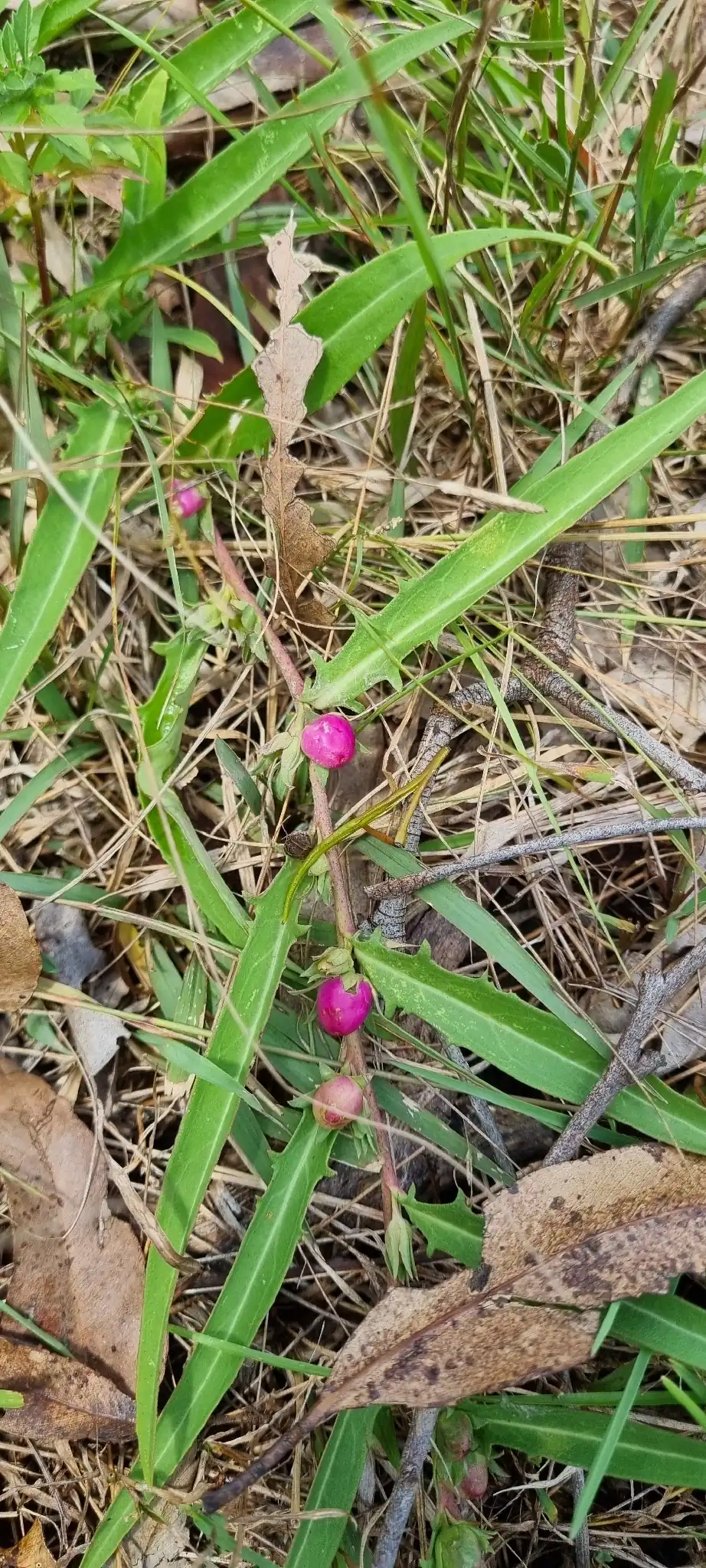
Eremophila debilis, commonly known as winter apple, is a prostrate, evergreen groundcover native to eastern Australia that forms low-growing mats of flexible stems spreading up to ten feet wide. The glossy, light green leaves set off small, tubular flowers that open white to pale mauve from spring through summer, followed by fleshy, reddish fruits.
Trailing stems root continuously into surrounding moist soil at the nodes, creating a dense vegetative mat that smothers competing weeds. Despite its lush foliage, the root system requires well-drained soil and succumbs rapidly to fatal rot under excessive irrigation or standing water.
Uses & Benefits:
Essentials
At a Glance
Plant Type
Groundcover
Height
4"
Width
118"
Light
Full Sun, Partial Sun
Zones
9, 10
Water
Low to Moderate
Humidity
Moderate
Lifespan
Perennial
Native To
Australia
Toxicity
Toxic if consumed in quantity
Bloom period
Spring – Summer
In flower about 6 months of the year
Planting
How to Grow
- Select a planting location in full sun to partial shade with free-draining soil.
- Water deeply twice weekly during initial establishment, then reduce frequency as trailing stems spread.
- Pinch back leading shoot tips in spring after flowering to encourage dense central branching.
- Protect young growth from severe winter freezes by planting underneath high canopy or using temporary covers.
Pro Tip
Avoid heavy watering once established; over-irrigation in heavy or wet soils induces root rot faster than summer drought.
Keep It Thriving
Care Guide
Do
- Do plant in well-draining soil to prevent root rot.
- Do tip-prune trailing stems after spring flowering to maintain mat density.
- Do water deeply during extended summer dry spells while plants establish.
Don't
- Don't overwater established plants or leave them in standing water.
- Don't cut hard into old, leafless woody stems when trimming.
- Don't cultivate heavily with mechanical tools around the mat perimeter where stems root at nodes.
Seasonal Care Calendar
| Task | Jan | Feb | Mar | Apr | May | Jun | Jul | Aug | Sep | Oct | Nov | Dec |
|---|---|---|---|---|---|---|---|---|---|---|---|---|
| Fertilize | ||||||||||||
| Pest Check | ||||||||||||
| Propagate | ||||||||||||
| Prune | ||||||||||||
| Winter Prep |
Watch Out For
Pests & Diseases
Common Pests
Common Diseases
In the Garden
Landscape Uses & Companions
Landscape Uses
Companion Plants
Multiply
Propagation Methods
Good to Know
Common Questions
Winter Apple questions
What zones can Winter Apple grow in?
Winter Apple is hardy in USDA Zones 9–10: in that range it survives winter in the ground. Colder than Zone 9, grow it in a container you can move to shelter for the winter, or as an annual.
Is Winter Apple deer resistant?
Not reliably. Deer may browse Winter Apple, especially tender spring growth — plan on repellents or fencing where pressure is high.
When does Winter Apple bloom?
Winter Apple typically blooms from spring to summer. Exact timing shifts a week or two with your zone — Sow's bloom calendar maps it to your garden.
Does Winter Apple need full sun?
Winter Apple does best in full sun to part shade. In hot climates, afternoon shade keeps blooms fresher longer.
Is Winter Apple drought tolerant?
Yes — once established (usually after the first full season), Winter Apple handles dry spells with minimal watering. Water deeply its first year to build the root system that makes that possible.
More Eremophila to compare
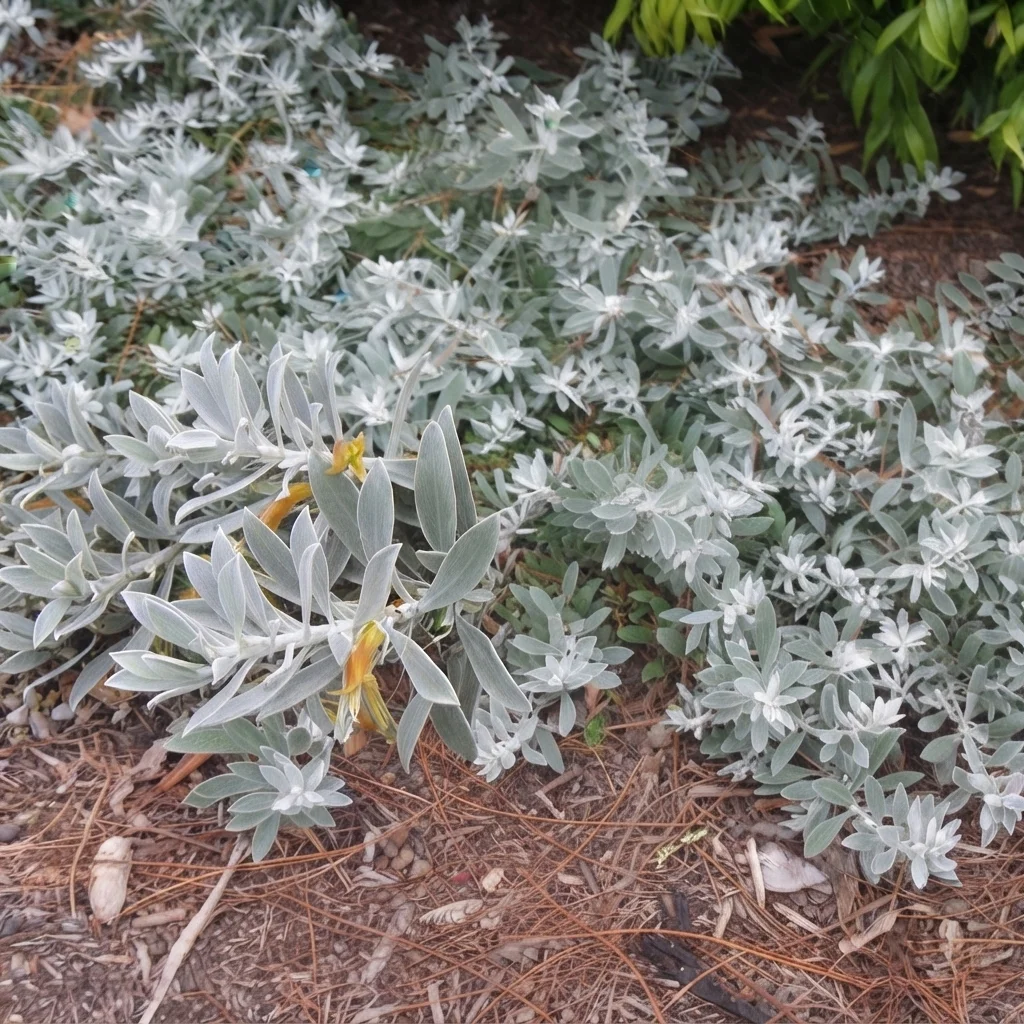
Kalbarri Carpet Emu Bush
Eremophila glabra 'Kalbarri Carpet'
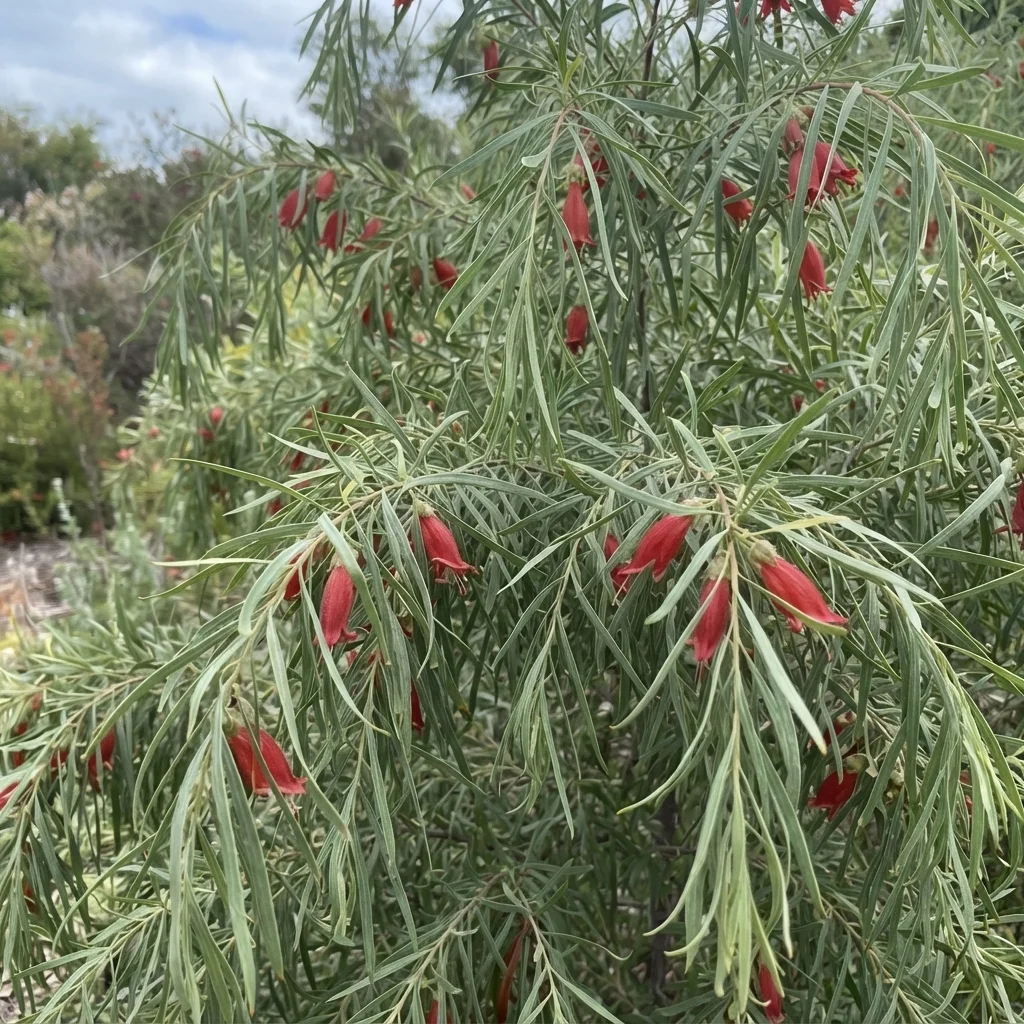
Emu Bush
Eremophila longifolia
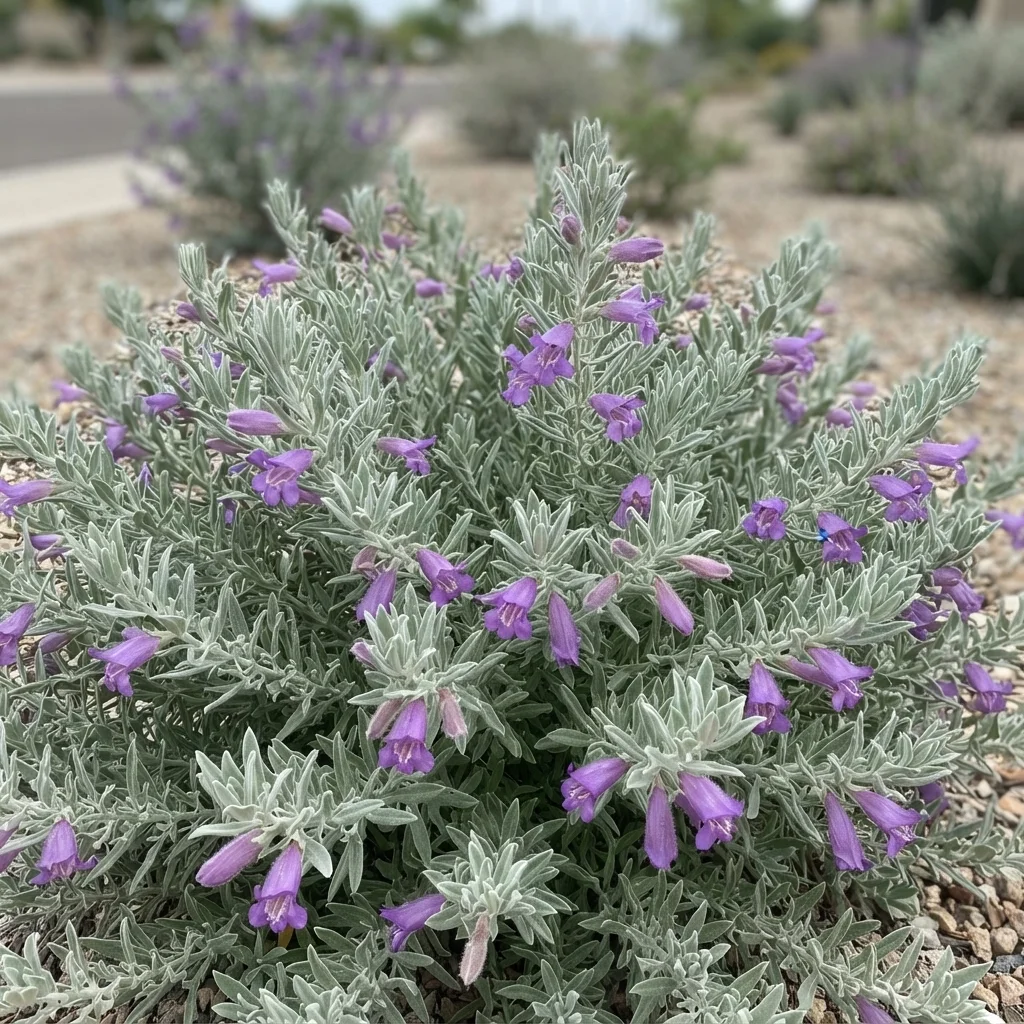
Blue Bells Emu Bush
Eremophila hygrophana 'Blue Bells'
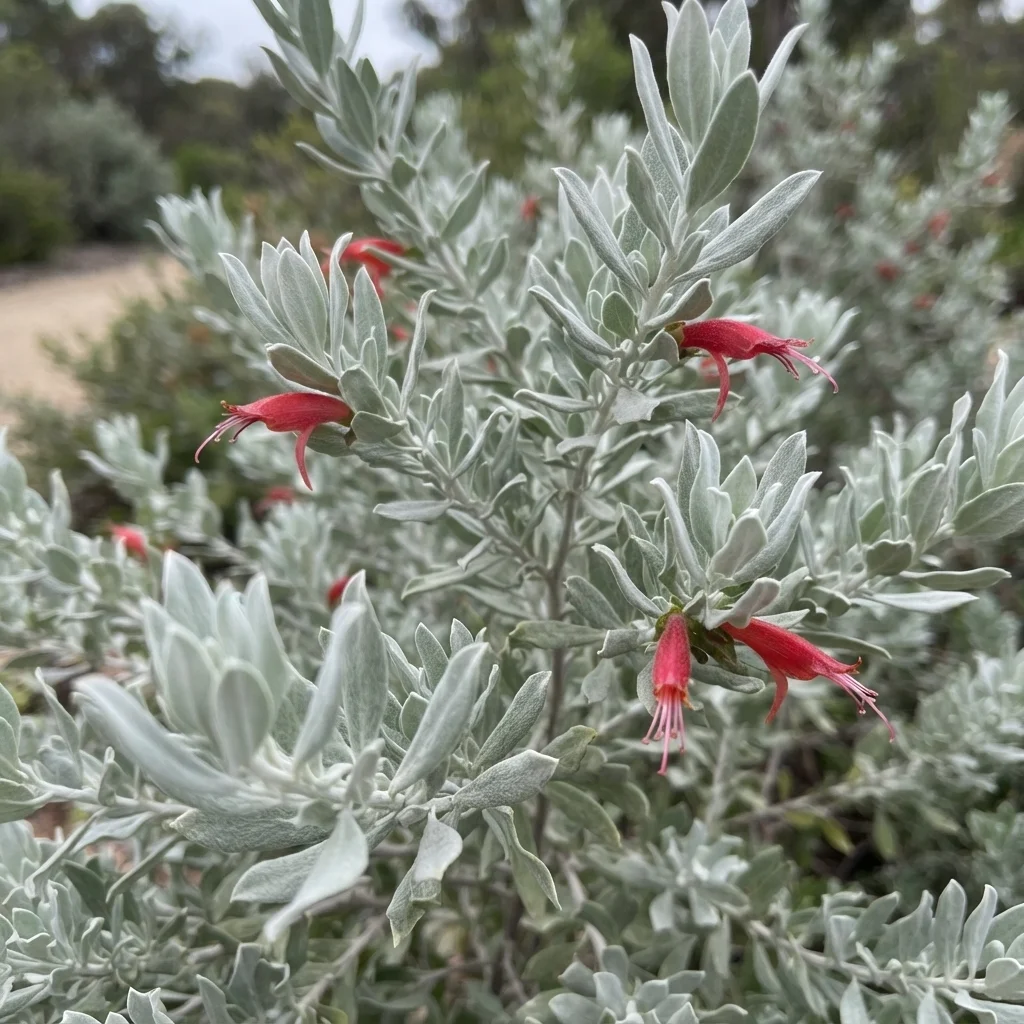
Common Emu Bush
Eremophila glabra
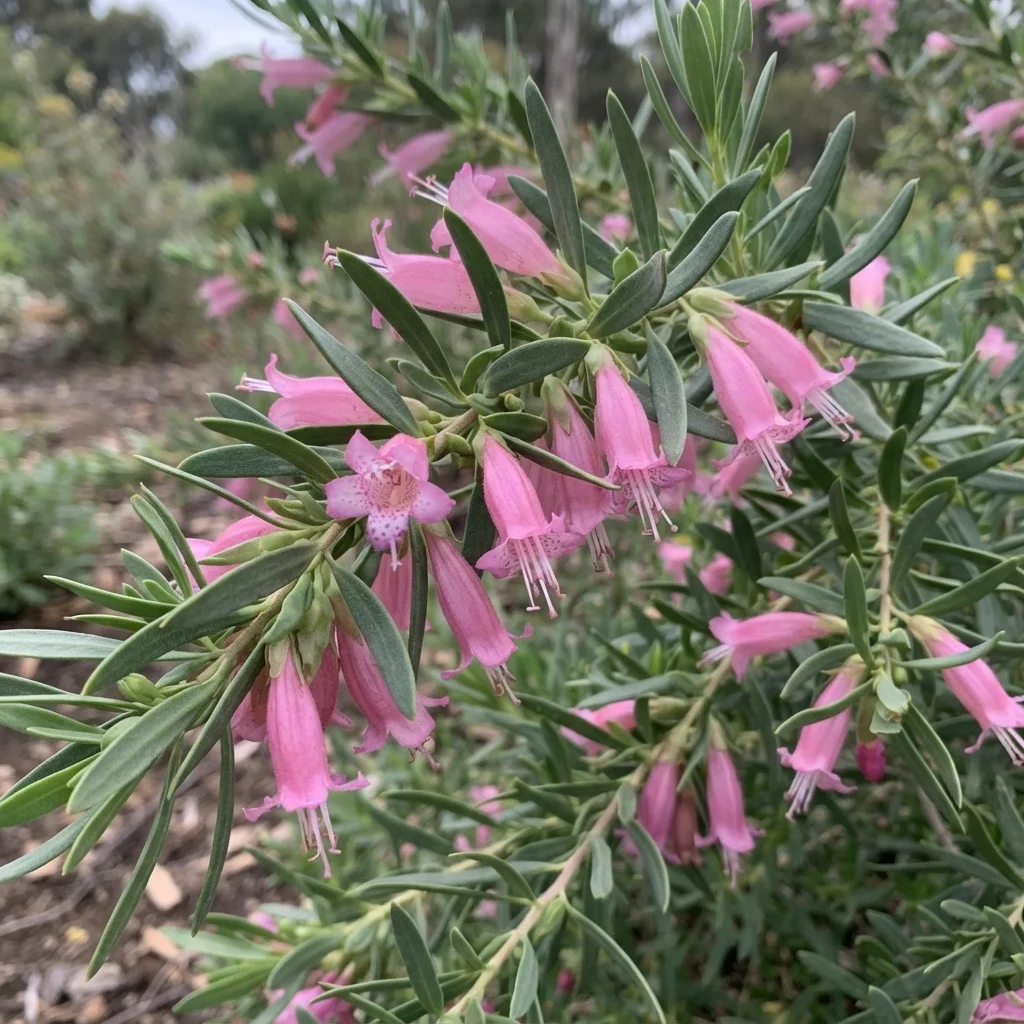
Pink Emu Bush
Eremophila laanii
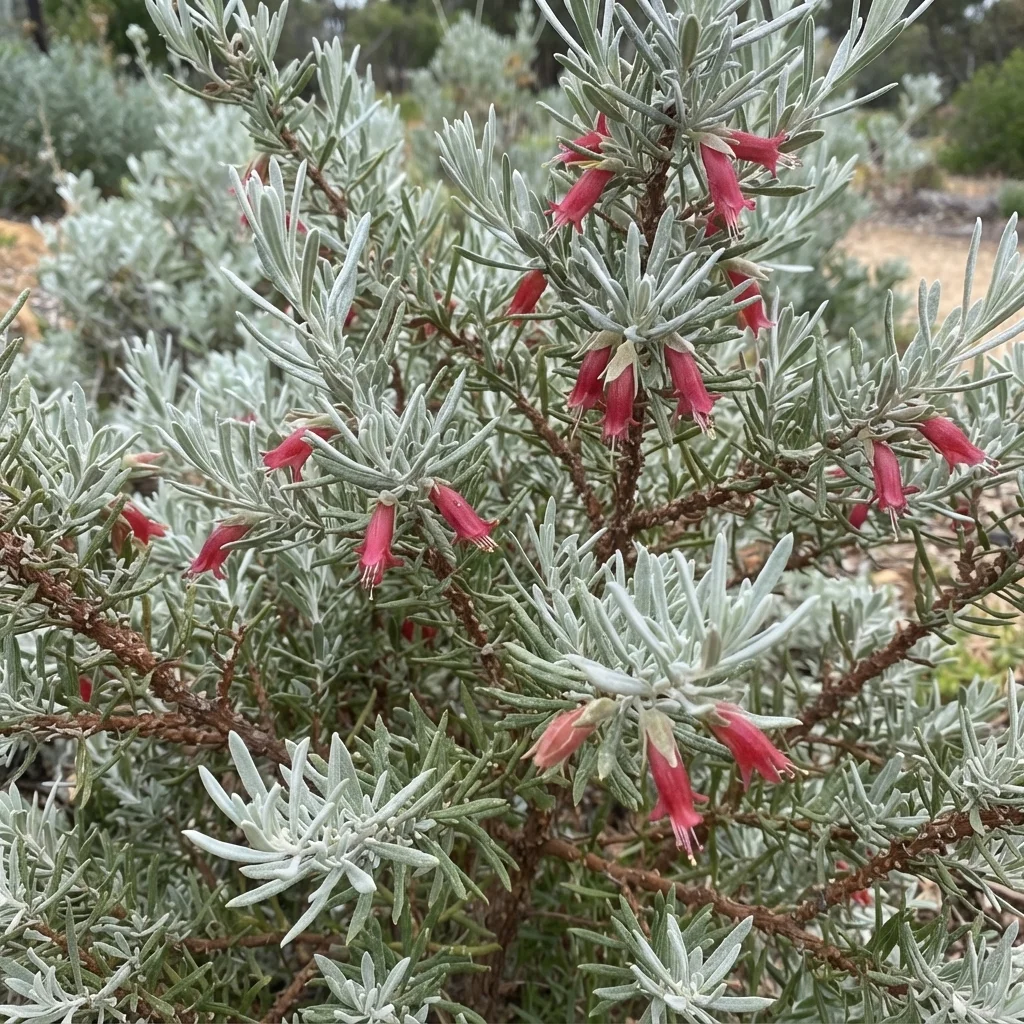
Crimson Turkey Bush
Eremophila latrobei
Keep exploring
Explore the genus
Hardy in your zone?
Grow Winter Apple with confidence
See it in a design of your actual yard, get zone-matched care reminders, and track it season by season in your garden journal.