The Story
Plant Bio
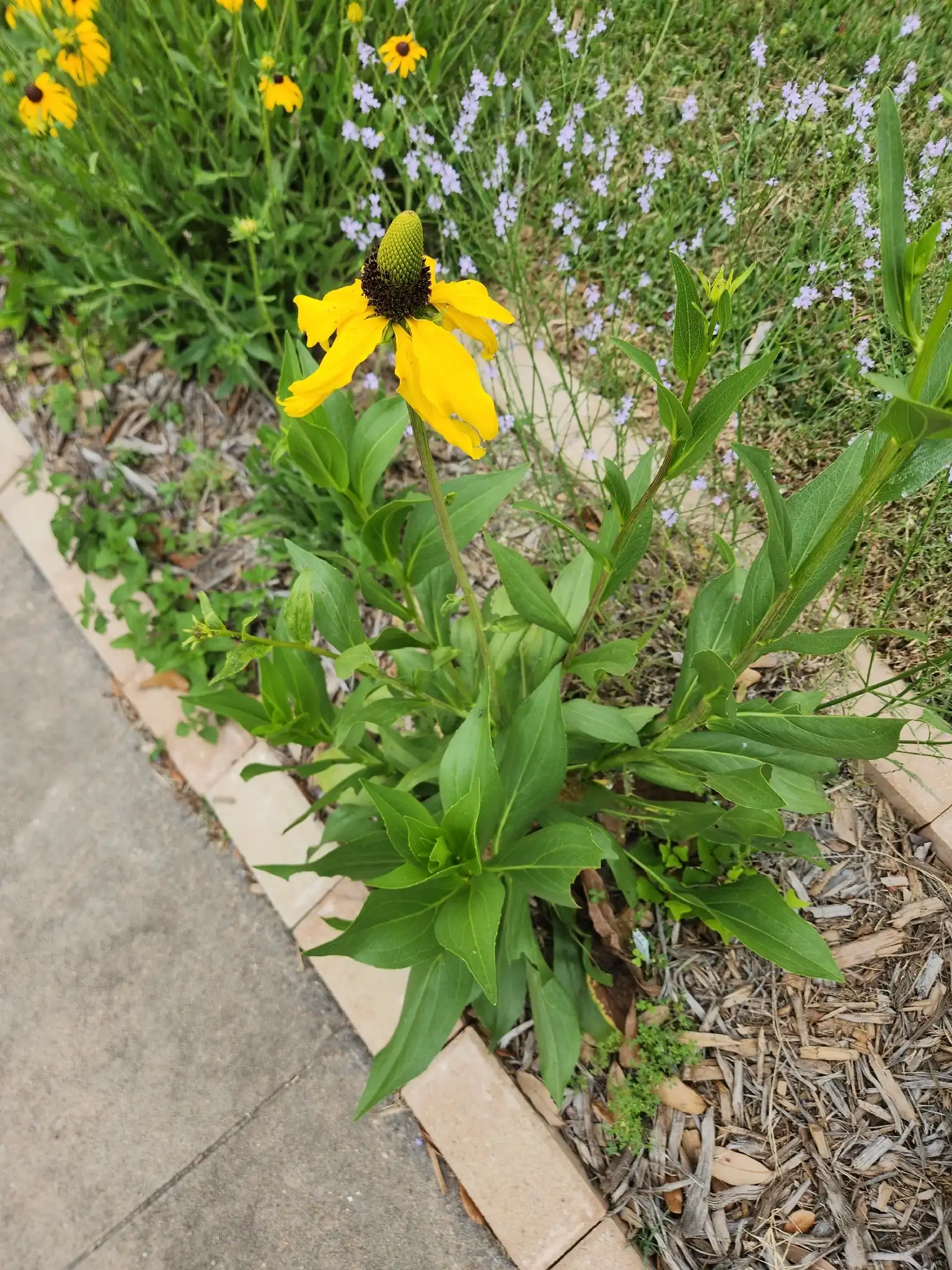
Rudbeckia texana, the Texas coneflower, is a clumping herbaceous perennial with sturdy upright stems rising from a rosette of long green basal leaves. The display comes from solitary daisy-like heads with drooping yellow rays around a raised dark cone, borne from spring to fall.
It was separated from Rudbeckia nitida in 1989 on differences in paleae and achenes and remains a narrow Louisiana-Texas endemic of wet prairies, bayous and ditches rather than the common garden black-eyed Susan. Basal blades reach 6 to 20 inches long by 1 to 3 inches wide, and plants reach four to five feet in moist ground but hold two to three feet in gardens.
Uses & Benefits:
Essentials
At a Glance
Plant Type
Perennial
Height
48"
Width
18"
Light
Full Sun
Zones
8, 9
Water
Moist to wet
Humidity
Unknown
Lifespan
Perennial
Native To
Texas, Louisiana
Toxicity
Unknown
Bloom period
Late spring – Fall
In flower about 7 months of the year
Planting
How to Grow
- Plant in full sun in a low spot that stays moist to wet.
- Set the crown at soil level and water in well.
- Keep soil consistently moist through spring to fall bloom.
- Leave late heads standing for seed for small songbirds.
Pro Tip
Site it in full sun in soil that stays moist to wet; it stalls where summer soil dries out.
Keep It Thriving
Care Guide
Do
- Give full sun.
- Keep soil moist to wet.
- Provide air circulation to limit mildew.
Don't
- Do not let summer soil dry out.
- Do not confuse it with Rudbeckia nitida or expect cultivar traits.
- Do not move it to a dry bed.
Seasonal Care Calendar
| Task | Jan | Feb | Mar | Apr | May | Jun | Jul | Aug | Sep | Oct | Nov | Dec |
|---|---|---|---|---|---|---|---|---|---|---|---|---|
| Deadhead | ||||||||||||
| Mulch | ||||||||||||
| Pest Check | ||||||||||||
| Plant | ||||||||||||
| Spring Cleanup |
Watch Out For
Pests & Diseases
Common Pests
Common Diseases
In the Garden
Landscape Uses & Companions
Landscape Uses
Multiply
Propagation Methods
Good to Know
Common Questions
Texas Coneflower questions
What zones can Texas Coneflower grow in?
Texas Coneflower is hardy in USDA Zones 8–9: in that range it survives winter in the ground. Colder than Zone 8, grow it in a container you can move to shelter for the winter, or as an annual. Warmer than Zone 9, winter isn't the problem: it prefers colder winters, and summer heat can shorten its life.
Is Texas Coneflower deer resistant?
Yes — Texas Coneflower is rated deer-resistant. Deer typically pass it over, though extreme hunger can override any plant's defenses.
When does Texas Coneflower bloom?
Texas Coneflower typically blooms from late spring to late fall. Exact timing shifts a week or two with your zone — Sow's bloom calendar maps it to your garden.
Does Texas Coneflower need full sun?
Texas Coneflower does best in full sun (6+ hours).
More Rudbeckia to compare
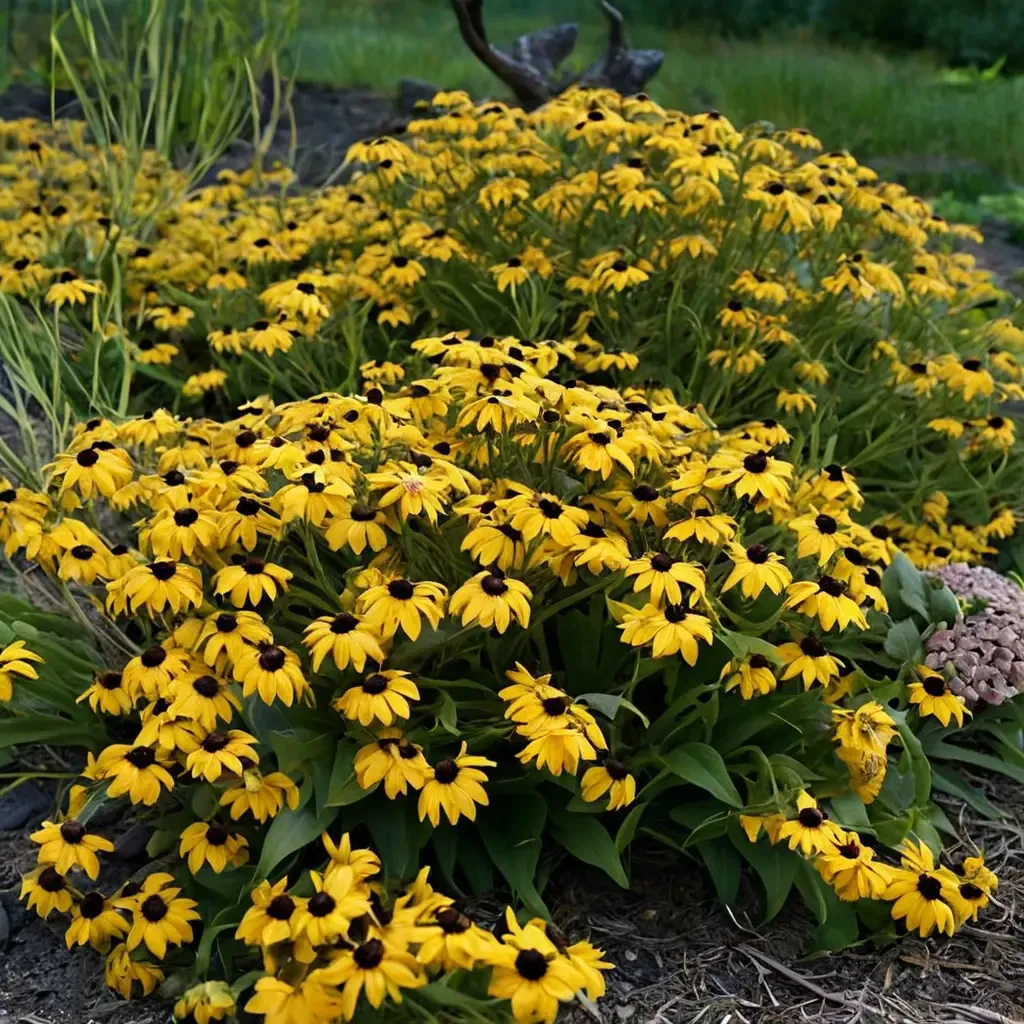
American Gold Rush Black-eyed Susan
Rudbeckia hirta 'American Gold Rush'
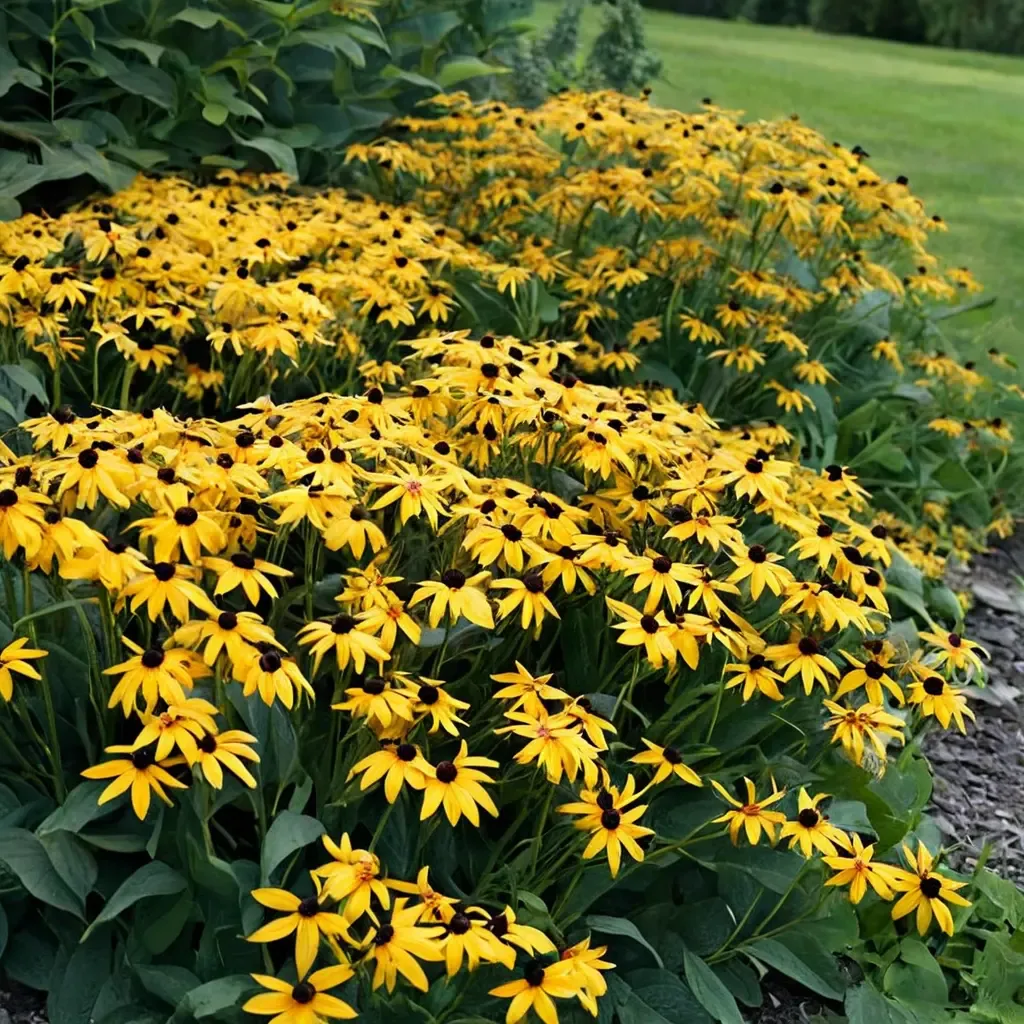
Goldsturm Black-eyed Susan
Rudbeckia fulgida 'Goldsturm'
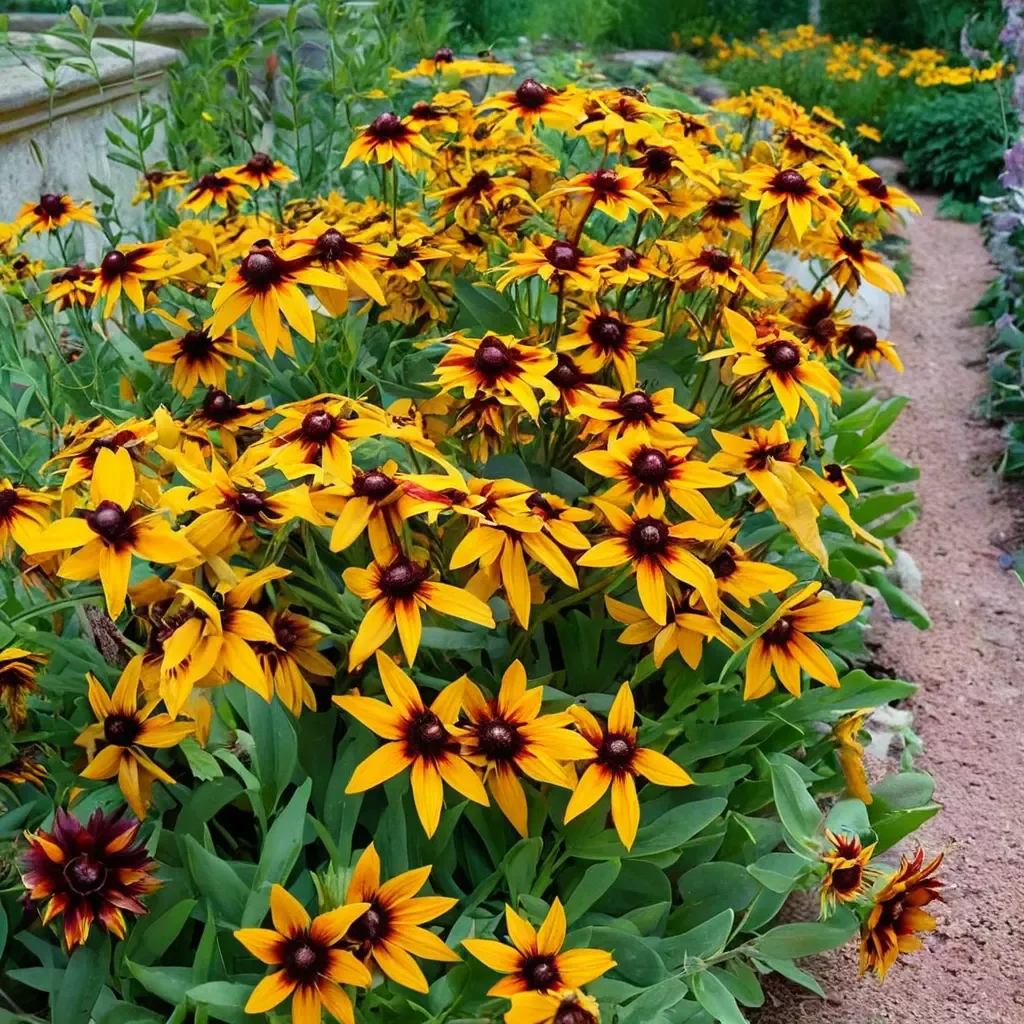
Autumn Colors Mix Black-eyed Susan
Rudbeckia hirta 'Autumn Colors Mix'
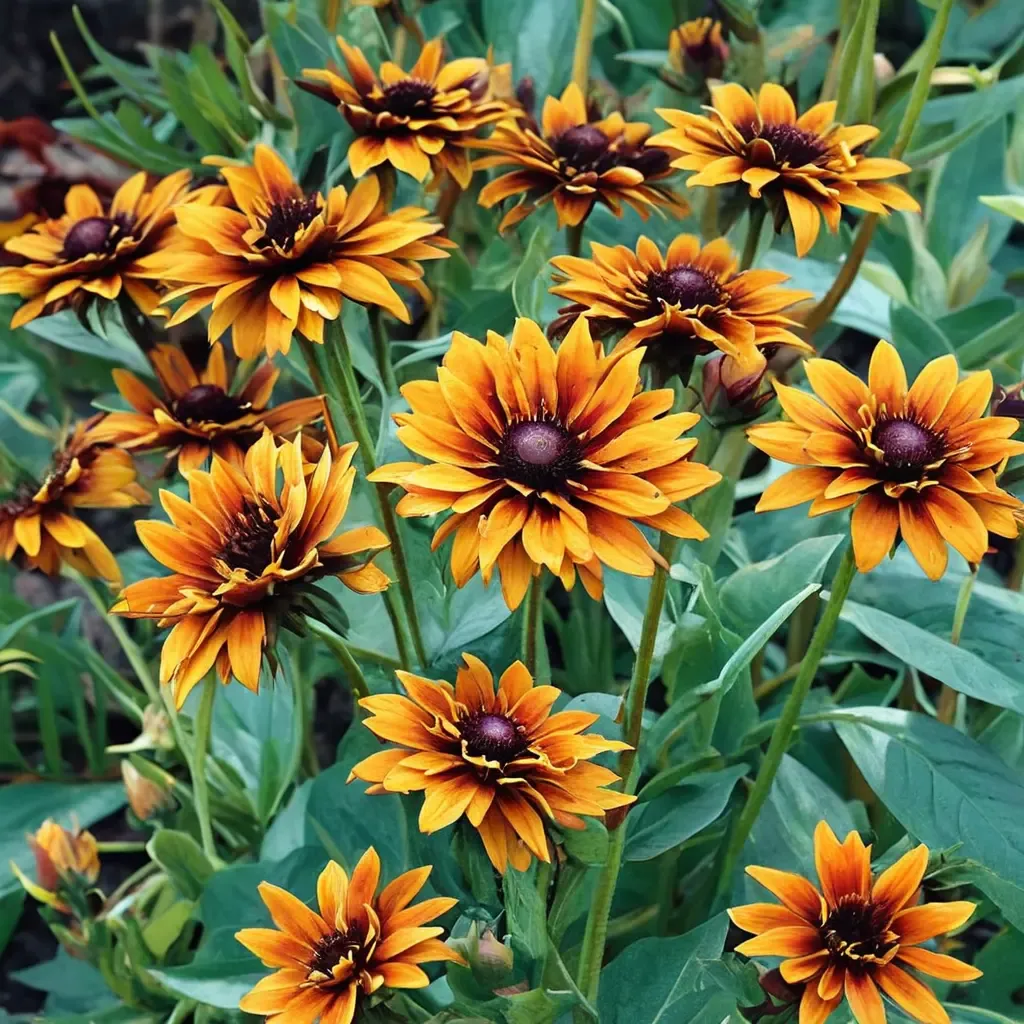
Cherokee Sunset Black-eyed Susan
Rudbeckia hirta 'Cherokee Sunset'
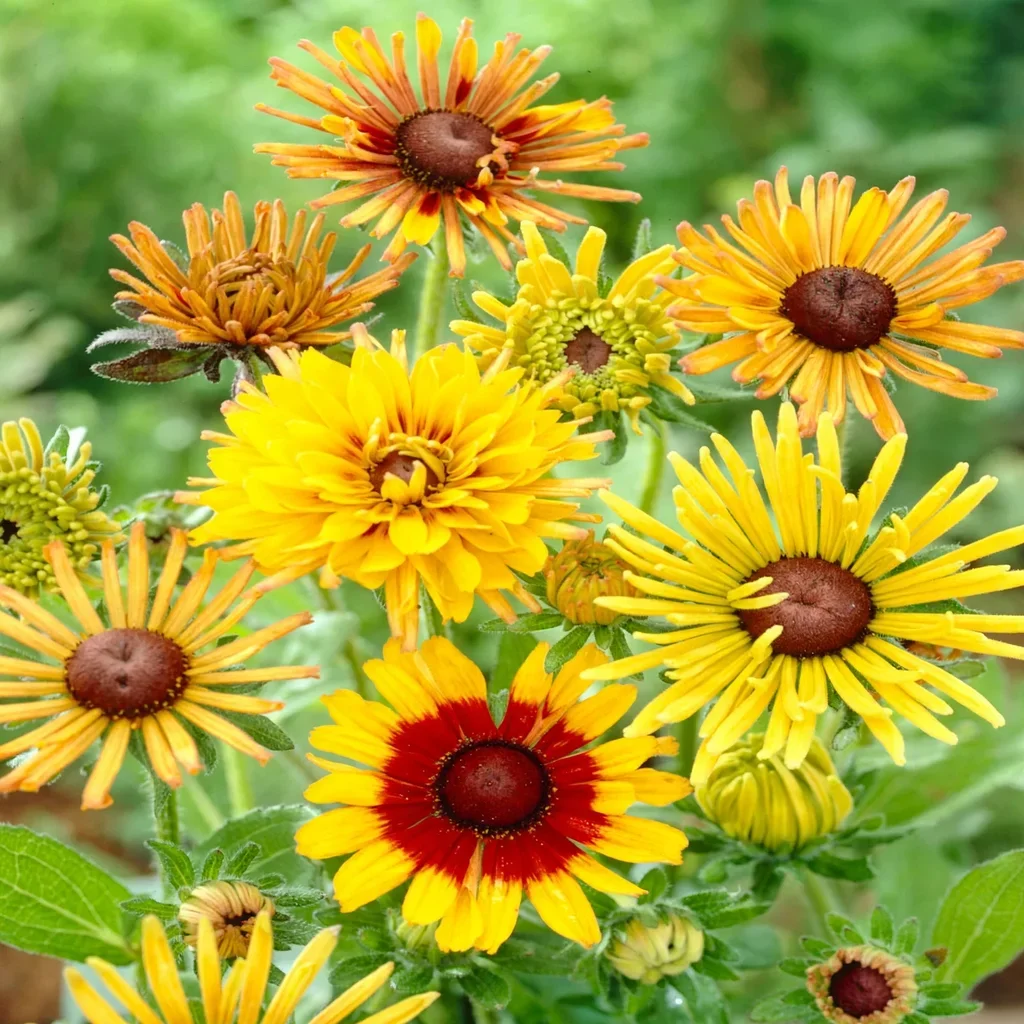
Chim Chiminee Black-eyed Susan
Rudbeckia hirta 'Chim Chiminee'
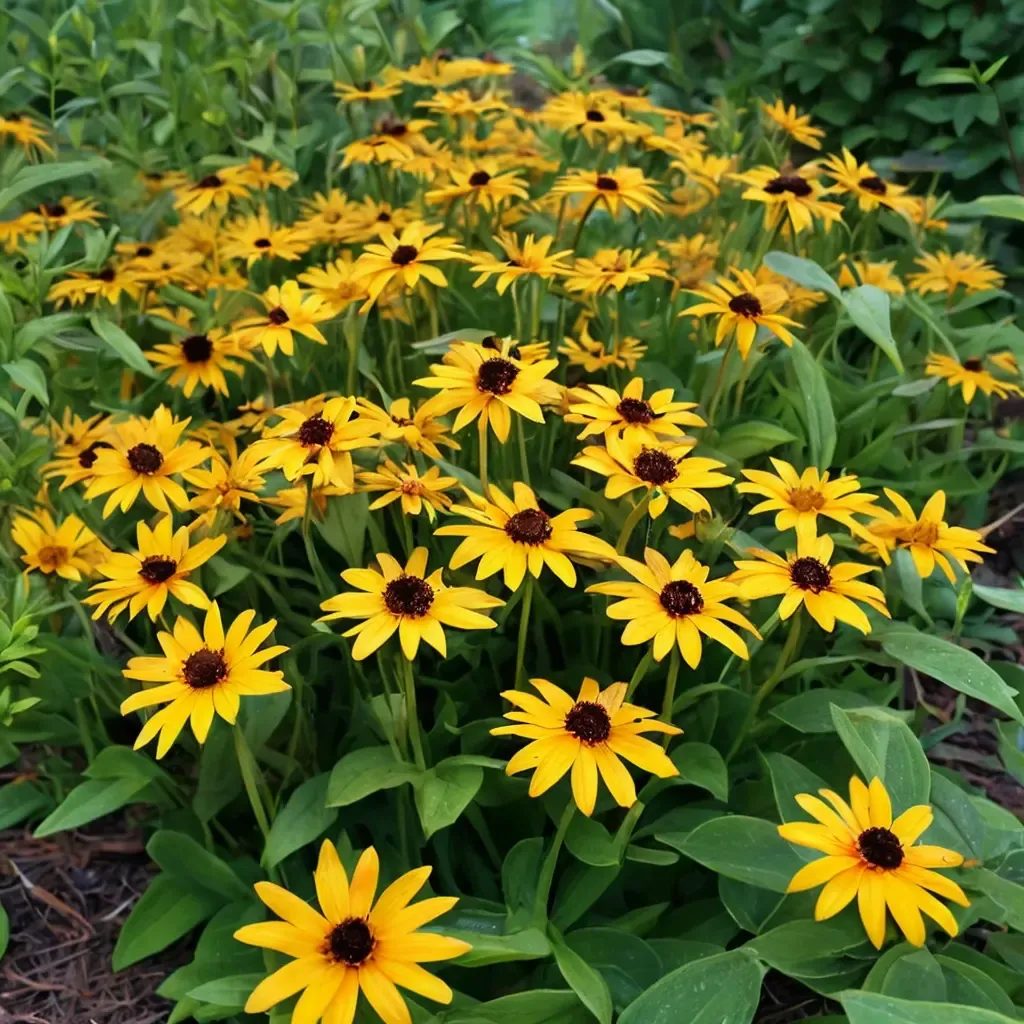
Black-eyed Susan
Rudbeckia hirta
Keep exploring
Explore the genus
Hardy in your zone?
Grow Texas Coneflower with confidence
See it in a design of your actual yard, get zone-matched care reminders, and track it season by season in your garden journal.