The Story
Plant Bio
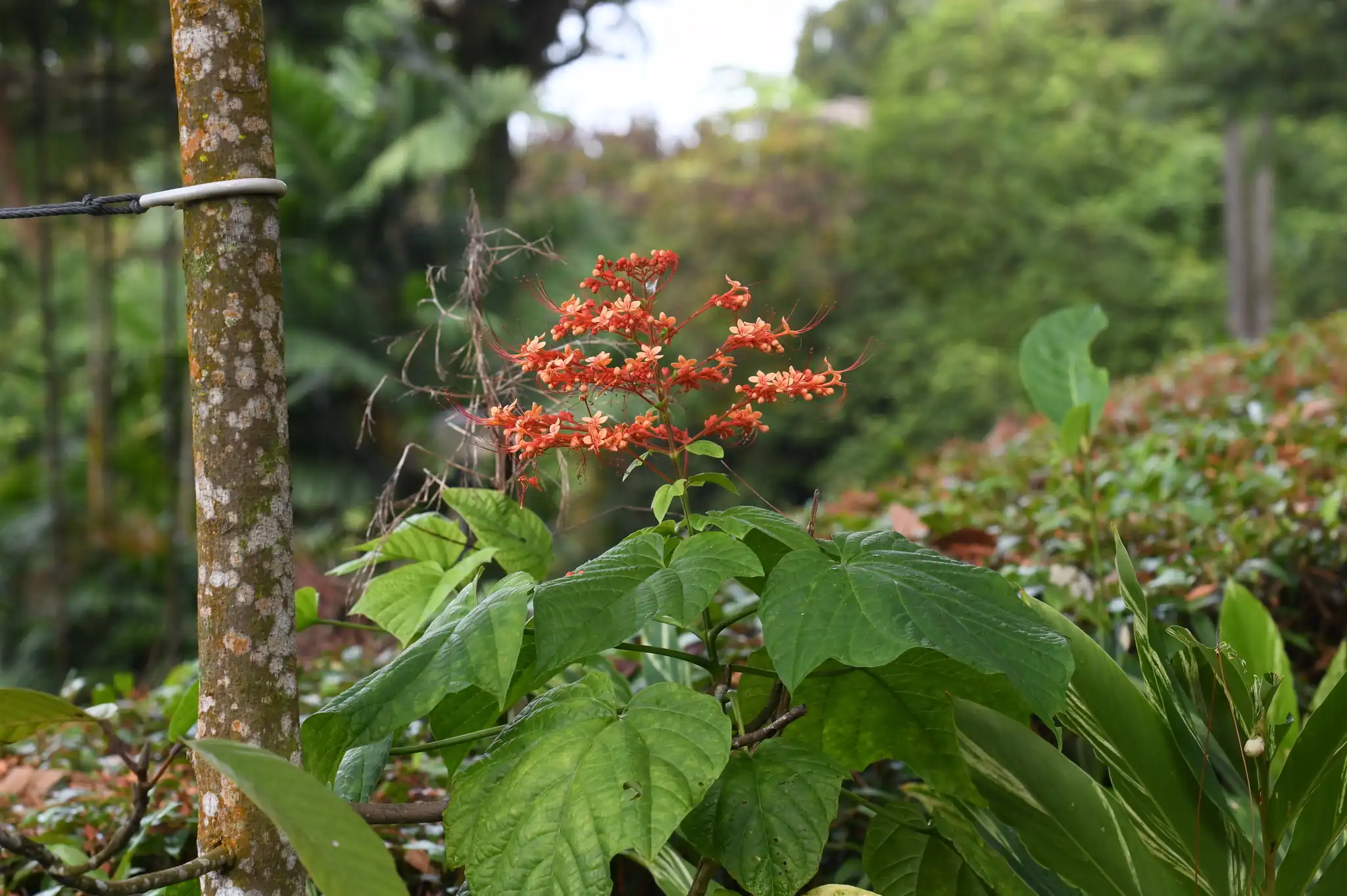
Clerodendrum paniculatum is a fast-growing upright multi-stemmed evergreen shrub reaching three to eight feet tall, with large heart-shaped green leaves to twelve inches across. The display is a tiered pyramidal panicle over twelve inches tall carrying small tubular orange-red flowers under one inch long with protruding stamens.
It is distinguished by the pagoda-tiered panicle, leaves much larger than most clerodendrums, and a suckering habit that forms colonies if left unchecked. Top growth is killed near 30F but resprouts from the roots in warm weather, and bruised foliage releases a musty odor.
Uses & Benefits:
Essentials
At a Glance
Plant Type
Shrub
Height
96"
Width
72"
Light
Full Sun, Partial Sun
Zones
8, 9, 10
Water
Moderate - keep evenly moist
Humidity
Prefers warm humid conditions
Lifespan
Long-lived perennial shrub
Native To
Tropical Asia to Papuasia and Western Pacific
Toxicity
Non-toxic to cats and dogs; ingestion may cause mild stomach upset
Bloom period
Summer – Fall
In flower about 6 months of the year
Planting
How to Grow
- Plant after last frost in full sun to part shade, with morning sun and afternoon shade in hot areas.
- Set into rich organic soil, acidic pH 5.5-6.0, that holds moisture but drains freely.
- Water regularly to keep soil steadily moist; do not let it dry out or stay soggy.
- Feed two to three times during the warm season with organic matter, especially before bloom.
- Remove spent panicles and dig out unwanted root suckers to contain spread.
Pro Tip
Plant in acidic moisture-retentive but well-drained soil and keep it evenly moist; if frost kills the top, leave the crown in place and it resprouts from the roots once soil warms.
Keep It Thriving
Care Guide
Do
- Keep soil evenly moist through summer heat
- Mulch to hold moisture in warm sheltered positions
- Control root suckers each year
Don't
- Do not plant in alkaline or dry sandy soil
- Do not overwater to the point of soggy soil
- Do not leave unwanted suckers to establish
Seasonal Care Calendar
| Task | Jan | Feb | Mar | Apr | May | Jun | Jul | Aug | Sep | Oct | Nov | Dec |
|---|---|---|---|---|---|---|---|---|---|---|---|---|
| Deadhead | ||||||||||||
| Fertilize | ||||||||||||
| Mulch | ||||||||||||
| Pest Check | ||||||||||||
| Plant |
Watch Out For
Pests & Diseases
Common Pests
Common Diseases
In the Garden
Landscape Uses & Companions
Landscape Uses
Multiply
Propagation Methods
Good to Know
Common Questions
Pagoda Flower questions
What zones can Pagoda Flower grow in?
Pagoda Flower is hardy in USDA Zones 8–10: in that range it survives winter in the ground. Colder than Zone 8, grow it in a container you can move to shelter for the winter.
When does Pagoda Flower bloom?
Pagoda Flower typically blooms from summer to fall. Exact timing shifts a week or two with your zone — Sow's bloom calendar maps it to your garden.
Does Pagoda Flower need full sun?
Pagoda Flower does best in full sun to part shade. In hot climates, afternoon shade keeps blooms fresher longer.
More Clerodendrum to compare
Blue Butterfly Bush
Clerodendrum ugandense
Rose Glory Bower
Clerodendrum speciosissimum 'Arkansas Hardy'
Flaming Glorybower
Clerodendrum splendens
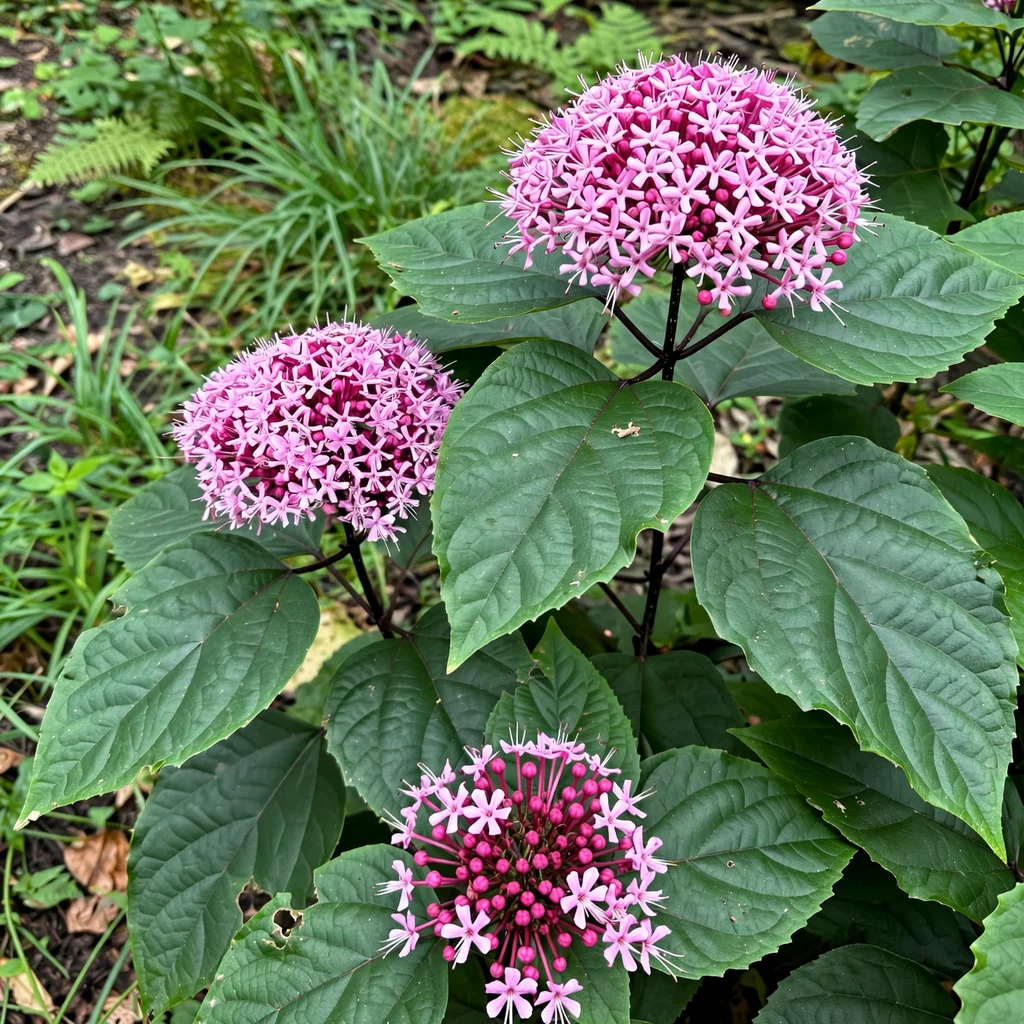
Rose Glorybower
Clerodendrum bungei
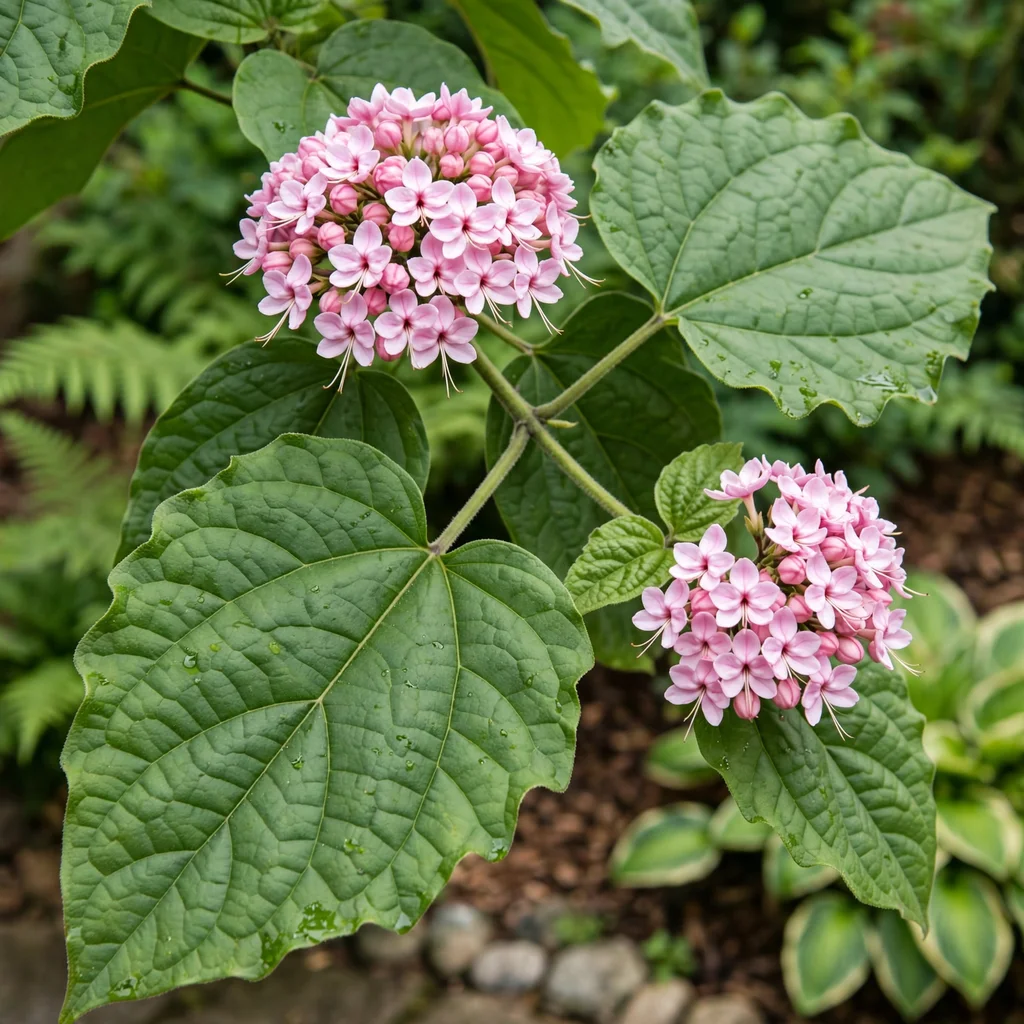
Chinese Glory Bower
Clerodendrum philippinum
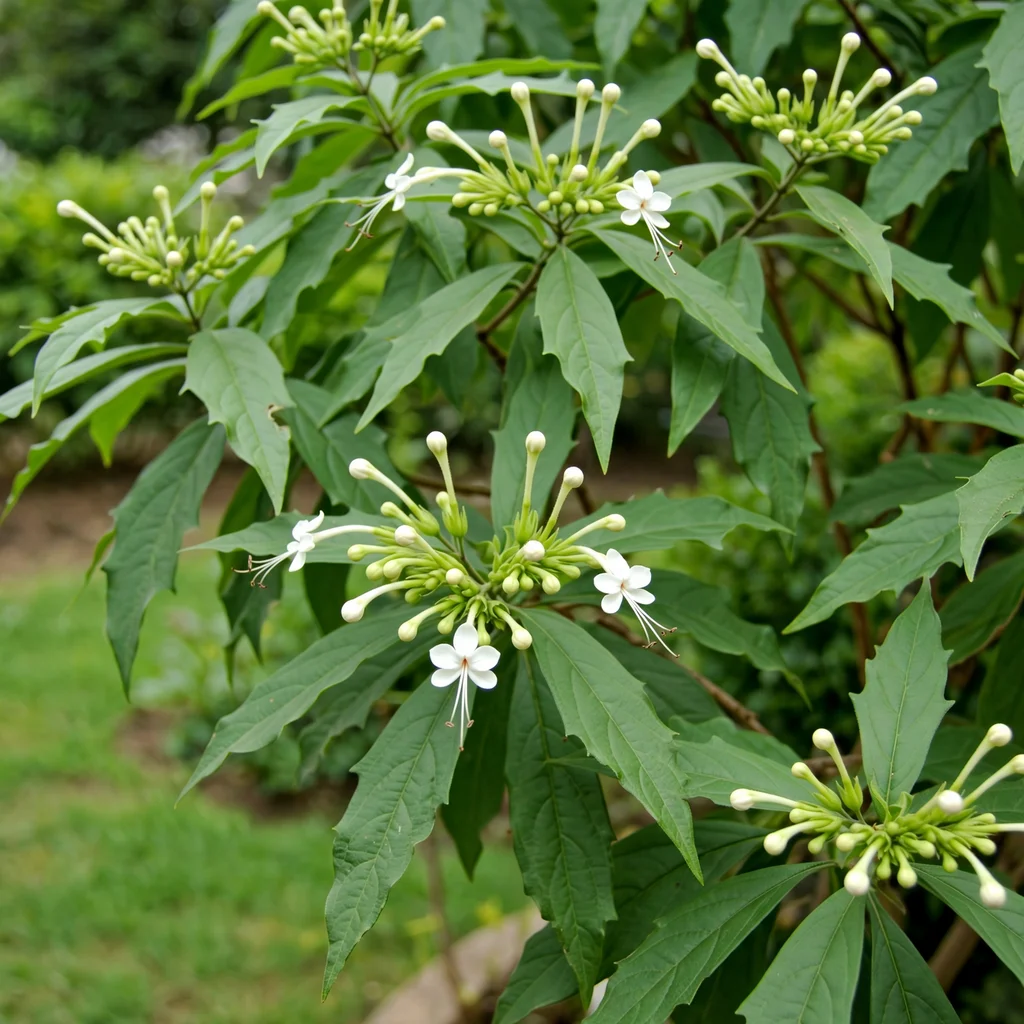
Musical Note Plant
Clerodendrum incisum
Keep exploring
Explore the genus
Hardy in your zone?
Grow Pagoda Flower with confidence
See it in a design of your actual yard, get zone-matched care reminders, and track it season by season in your garden journal.