The Story
Plant Bio
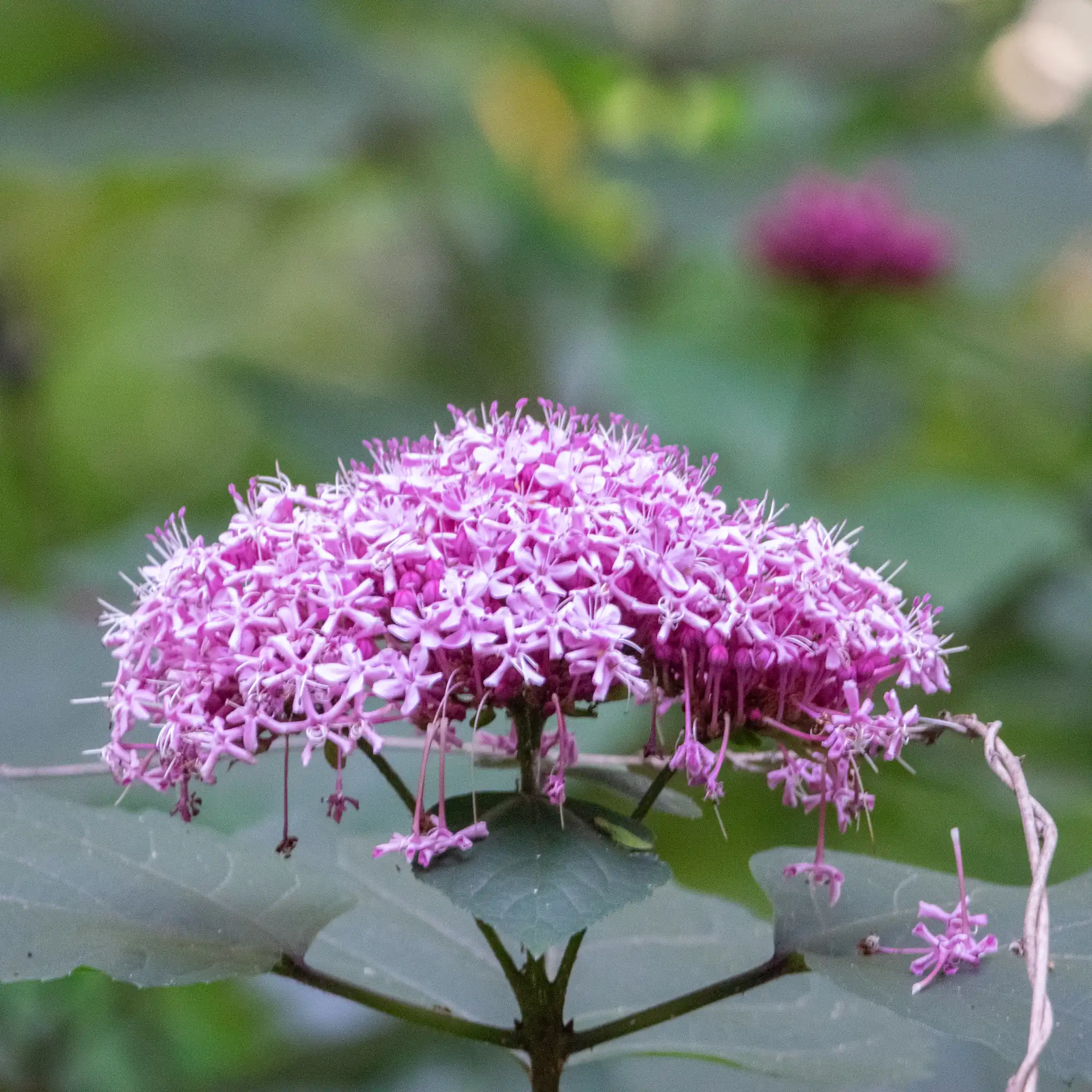
Clerodendrum bungei is a fast-growing, suckering deciduous shrub native to East Asia, forming dense thickets four to six feet tall and wide. It bears large, dark green, heart-shaped leaves that release a distinctive musky odor when crushed.
From late summer into fall, plants produce dense, rounded clusters of fragrant, bright pink to rose-purple flowers held above the foliage. In colder regions of its hardiness range, stems die back to the ground in winter and re-emerge vigorously in spring.
Uses & Benefits:
Essentials
At a Glance
Plant Type
Shrub
Height
72"
Width
72"
Light
Full Sun, Partial Sun
Zones
7, 8, 9, 10
Water
Moderate
Humidity
Moderate to High
Lifespan
Perennial
Native To
East Asia
Toxicity
Non-toxic
Bloom period
Summer – Fall
In flower about 6 months of the year
Planting
How to Grow
- Select a planting site in full sun to partial shade with moist, well-draining soil rich in organic matter.
- Dig a hole twice as wide as the root ball and install a root containment barrier if planting directly in open beds.
- Set the plant at the same depth it grew in its container and backfill firmly, watering thoroughly to settle the soil.
- Apply a layer of organic mulch around the base to retain moisture, keeping it clear of the main stem.
Pro Tip
Sever and remove root suckers regularly or sink a deep root barrier around the planting hole to prevent the shrub from colonizing surrounding garden beds.
Keep It Thriving
Care Guide
Do
- Water regularly during dry spells to keep soil evenly moist.
- Remove unwanted root suckers as soon as they appear to manage spread.
- Prune away dead, winter-killed stems in early spring before new growth begins.
Don't
- Do not plant in unrestricted open ground where suckering shoots can overrun adjacent plants.
- Do not allow soil to dry out completely during active summer growth.
Seasonal Care Calendar
| Task | Jan | Feb | Mar | Apr | May | Jun | Jul | Aug | Sep | Oct | Nov | Dec |
|---|---|---|---|---|---|---|---|---|---|---|---|---|
| Mulch | ||||||||||||
| Prune | ||||||||||||
| Spring Cleanup | ||||||||||||
| Winter Prep |
Watch Out For
Pests & Diseases
Common Pests
Common Diseases
In the Garden
Landscape Uses & Companions
Landscape Uses
Multiply
Propagation Methods
Good to Know
Common Questions
Rose Glorybower questions
What zones can Rose Glorybower grow in?
Rose Glorybower is hardy in USDA Zones 7–10: in that range it survives winter in the ground. Colder than Zone 7, grow it in a container you can move to shelter for the winter.
Is Rose Glorybower deer resistant?
Yes — Rose Glorybower is rated deer-resistant. Deer typically pass it over, though extreme hunger can override any plant's defenses.
When does Rose Glorybower bloom?
Rose Glorybower typically blooms from summer to fall. Exact timing shifts a week or two with your zone — Sow's bloom calendar maps it to your garden.
Does Rose Glorybower need full sun?
Rose Glorybower does best in full sun to part shade. In hot climates, afternoon shade keeps blooms fresher longer.
Is Rose Glorybower drought tolerant?
Yes — once established (usually after the first full season), Rose Glorybower handles dry spells with minimal watering. Water deeply its first year to build the root system that makes that possible.
More Clerodendrum to compare
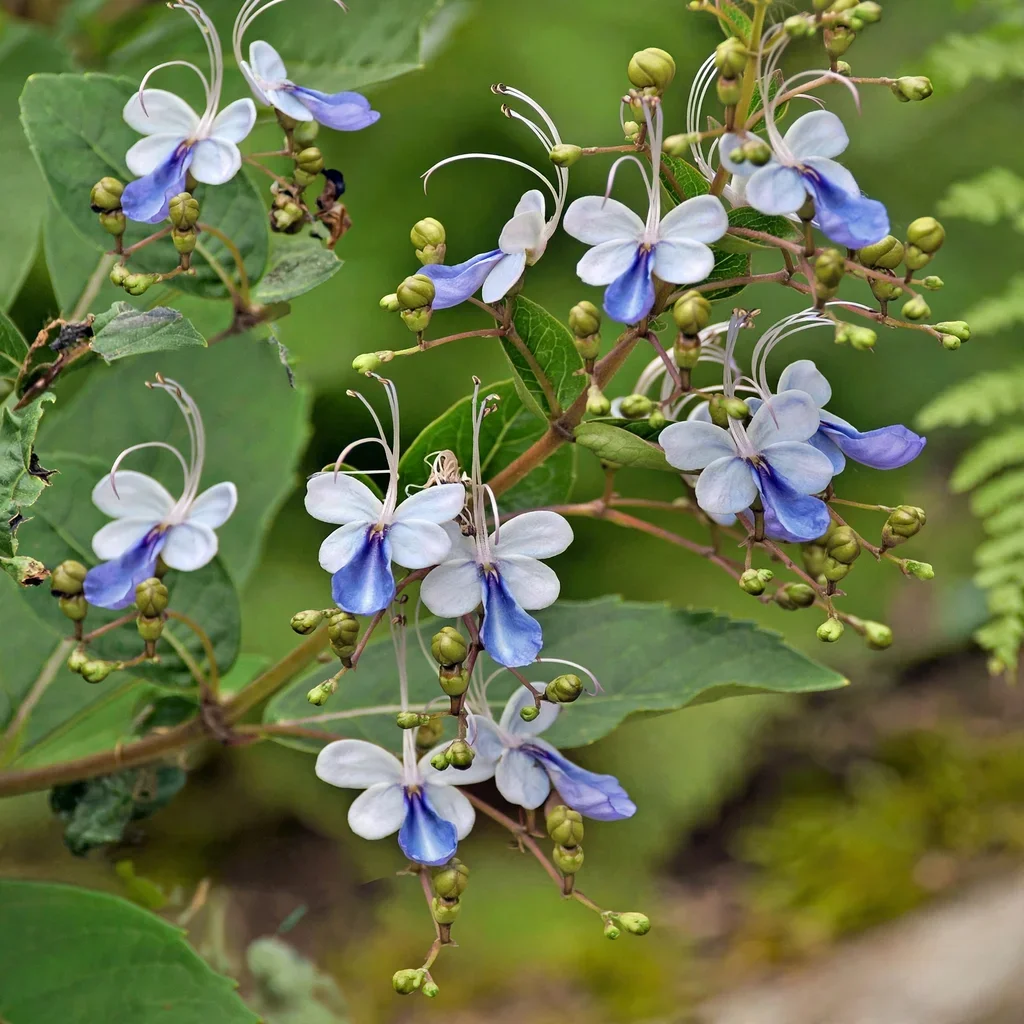
Blue Butterfly Bush
Clerodendrum ugandense
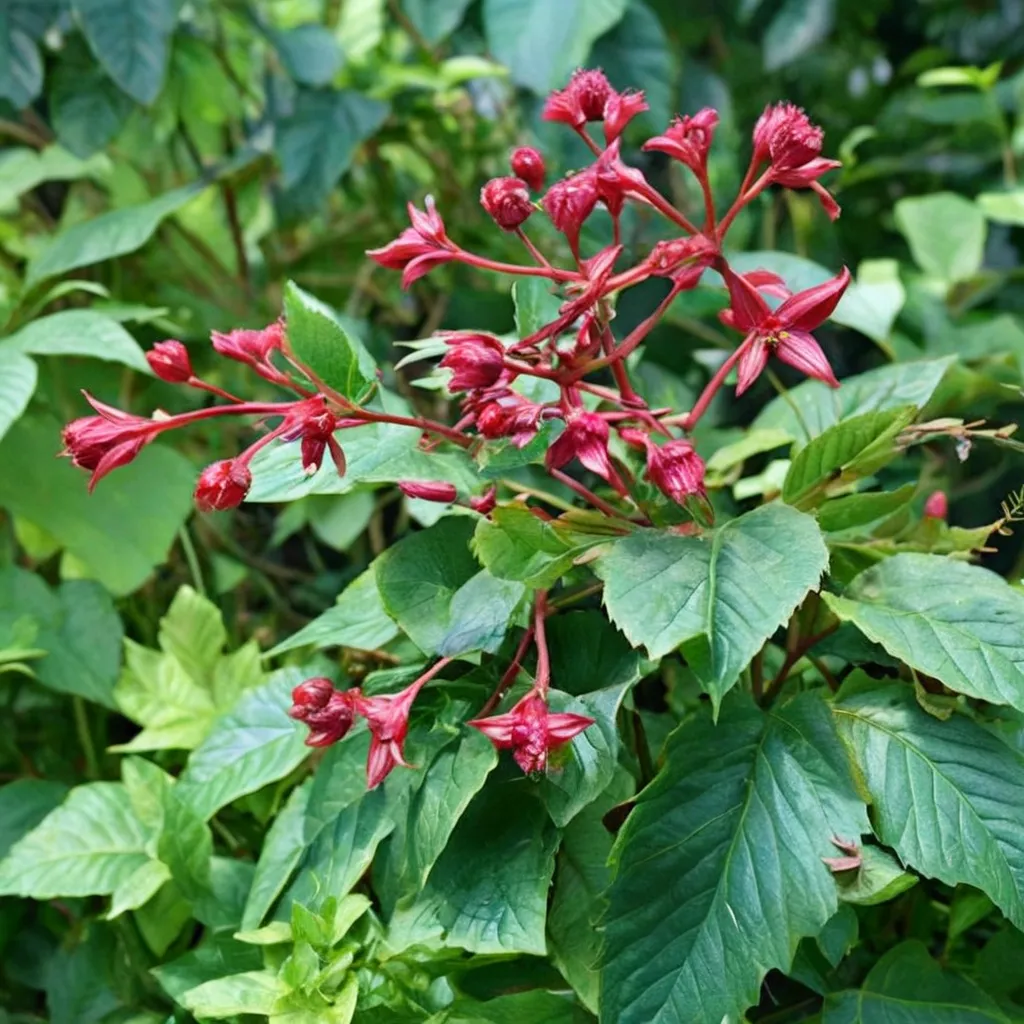
Rose Glory Bower
Clerodendrum speciosissimum 'Arkansas Hardy'
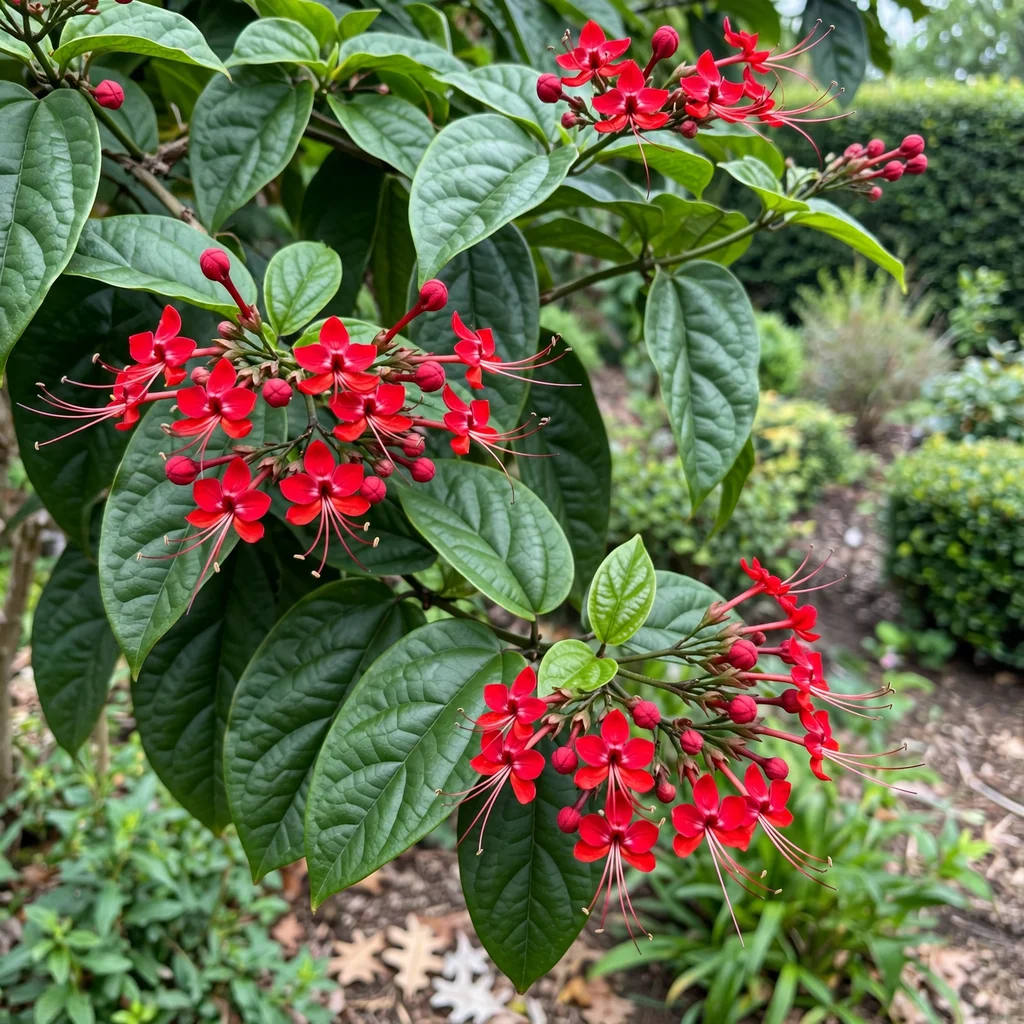
Flaming Glorybower
Clerodendrum splendens
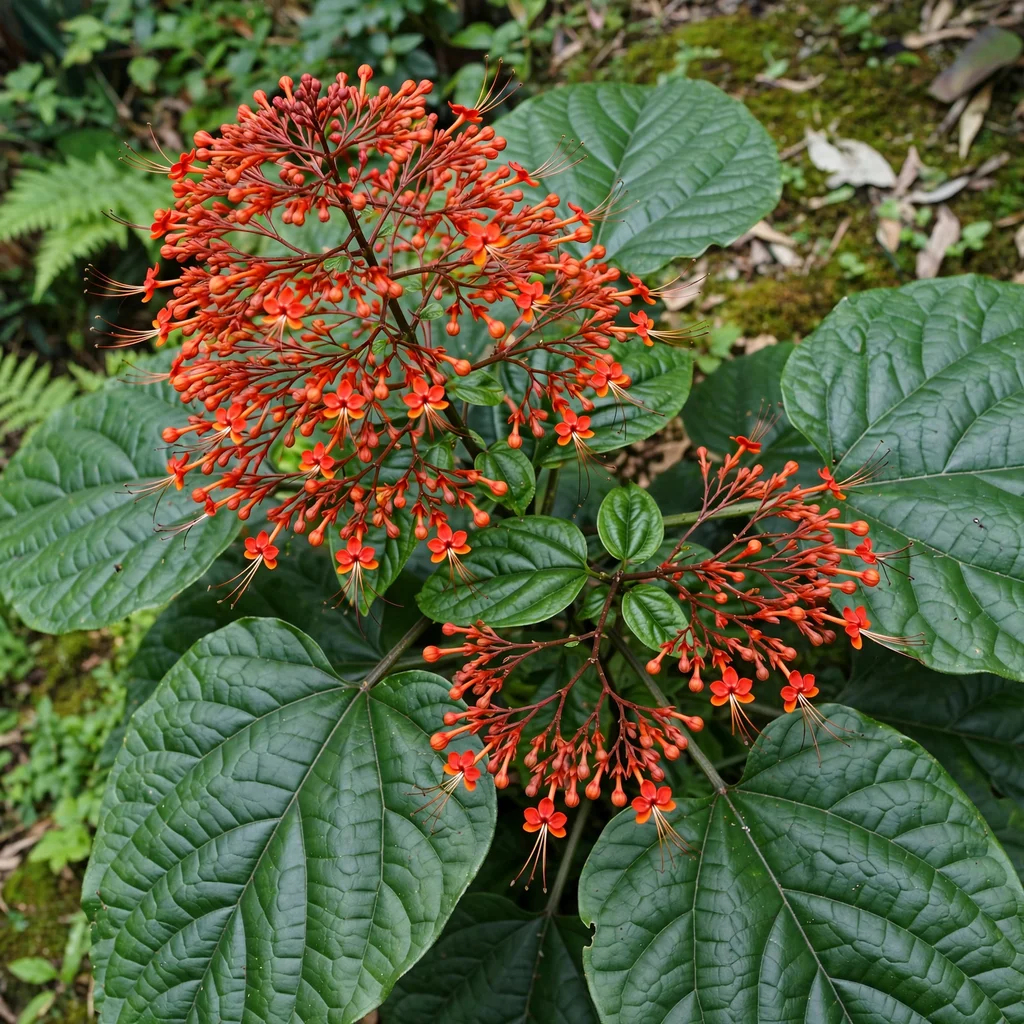
Pagoda Flower
Clerodendrum paniculatum
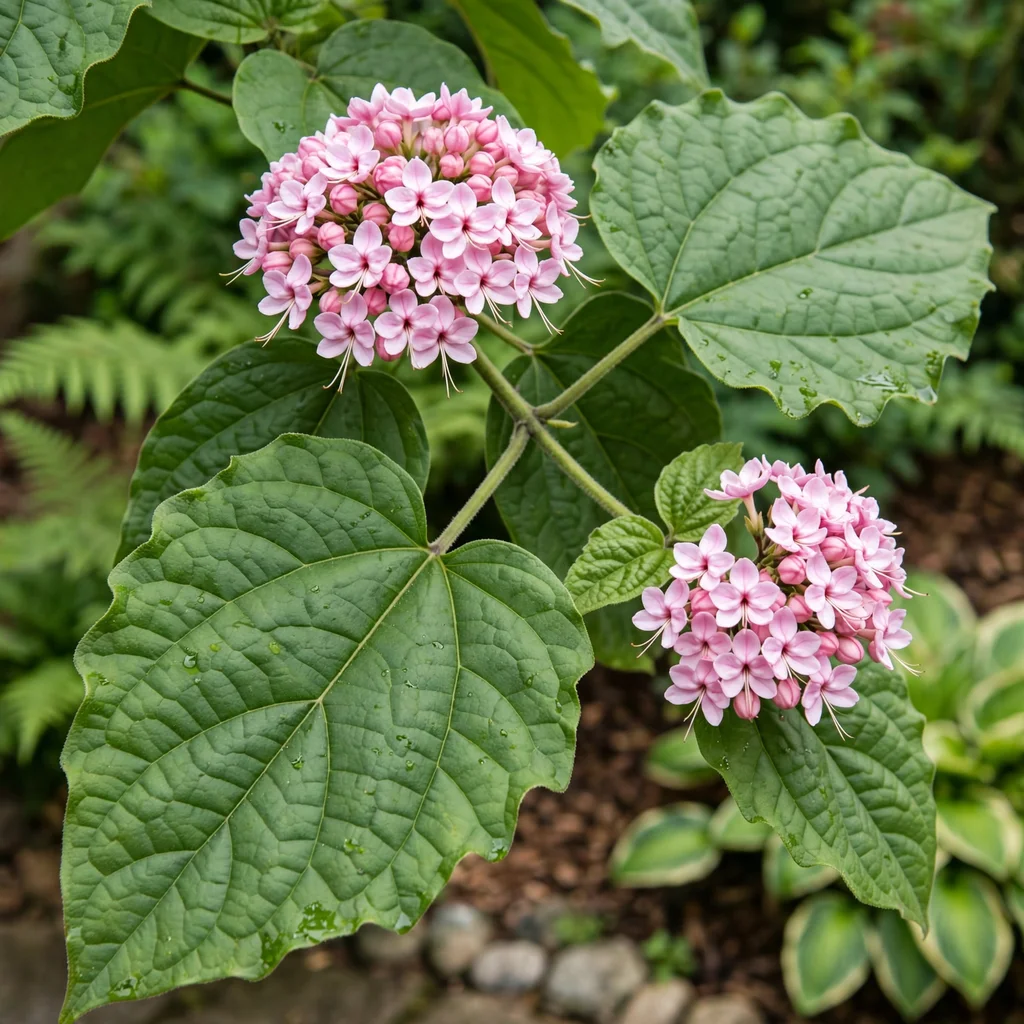
Chinese Glory Bower
Clerodendrum philippinum
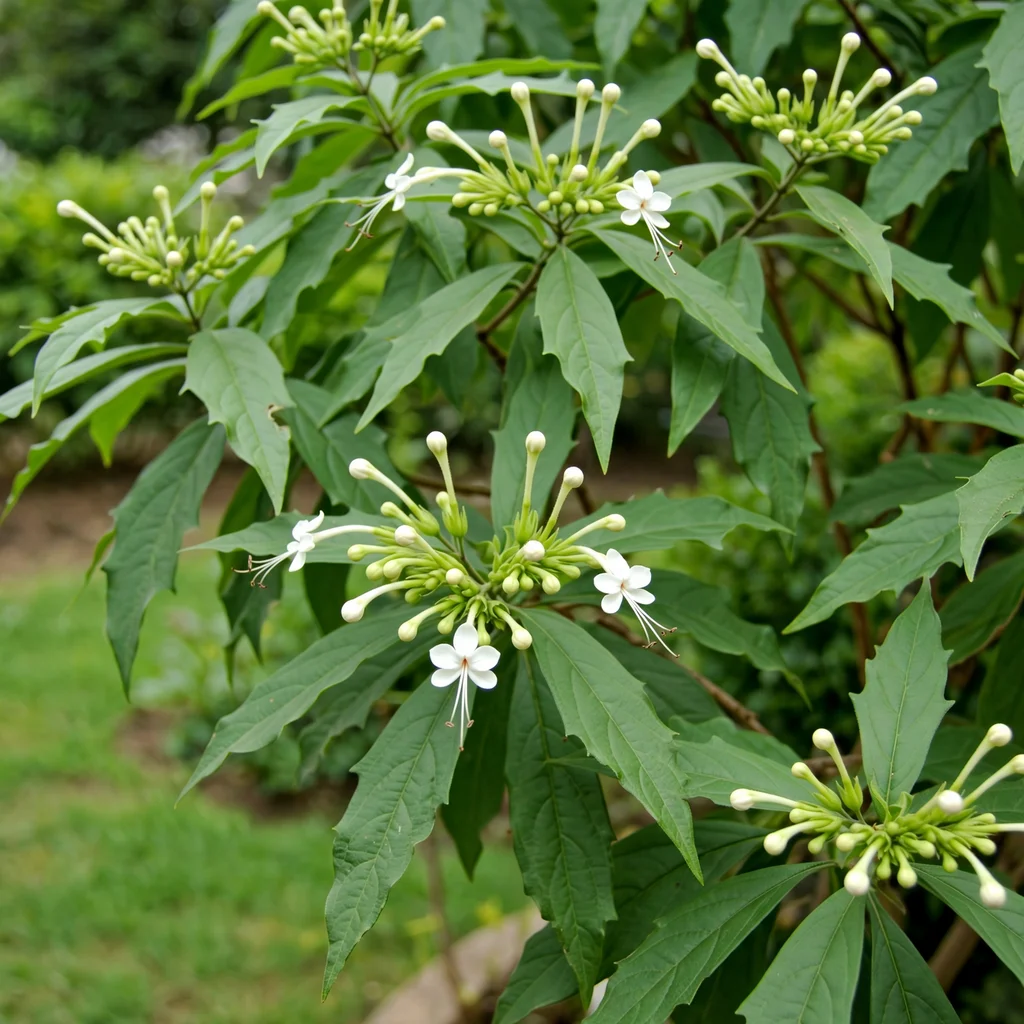
Musical Note Plant
Clerodendrum incisum
Keep exploring
Explore the genus
Hardy in your zone?
Grow Rose Glorybower with confidence
See it in a design of your actual yard, get zone-matched care reminders, and track it season by season in your garden journal.