Also known as Glorybower · 41 saves
Clerodendrum
Clerodendrum, the genus most gardeners know as glorybower. We track 14 varieties; the ones most used by real gardeners.
The 14 most-saved Clerodendrum varieties
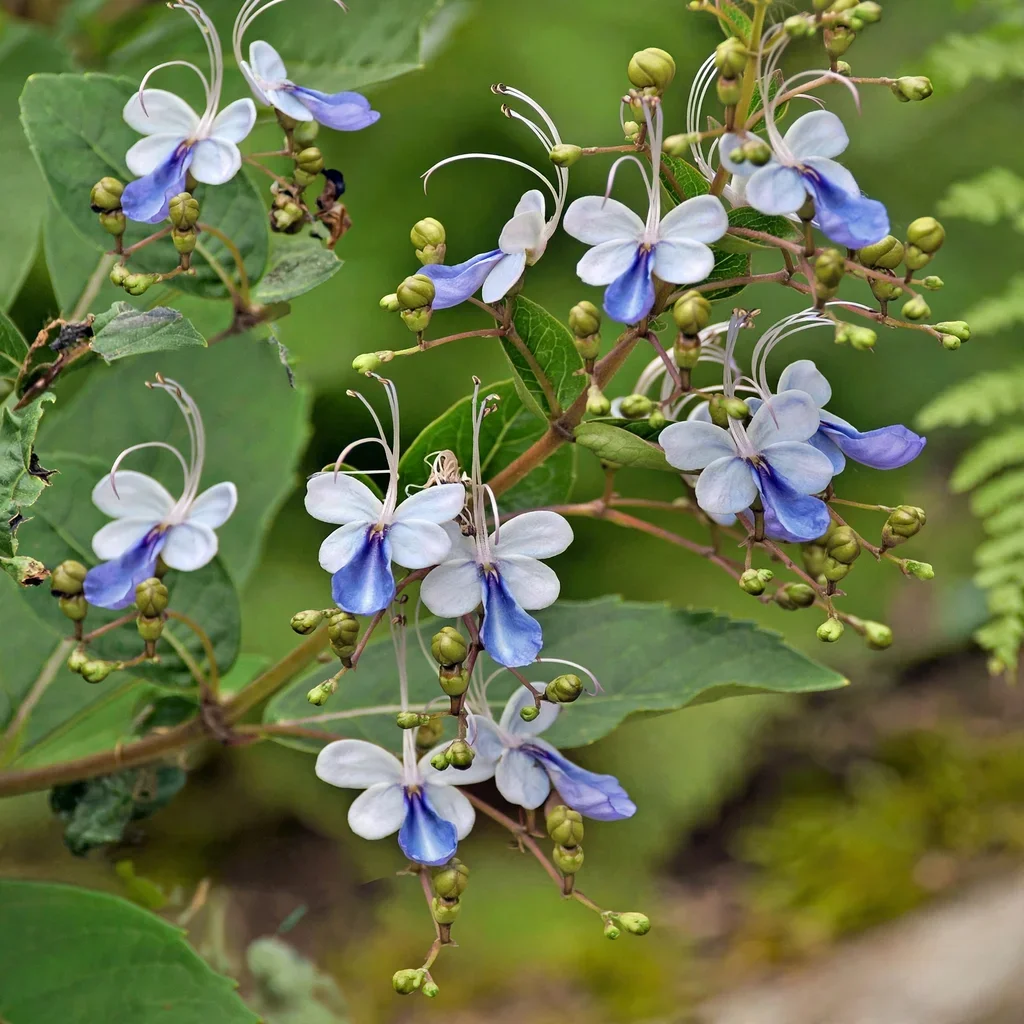
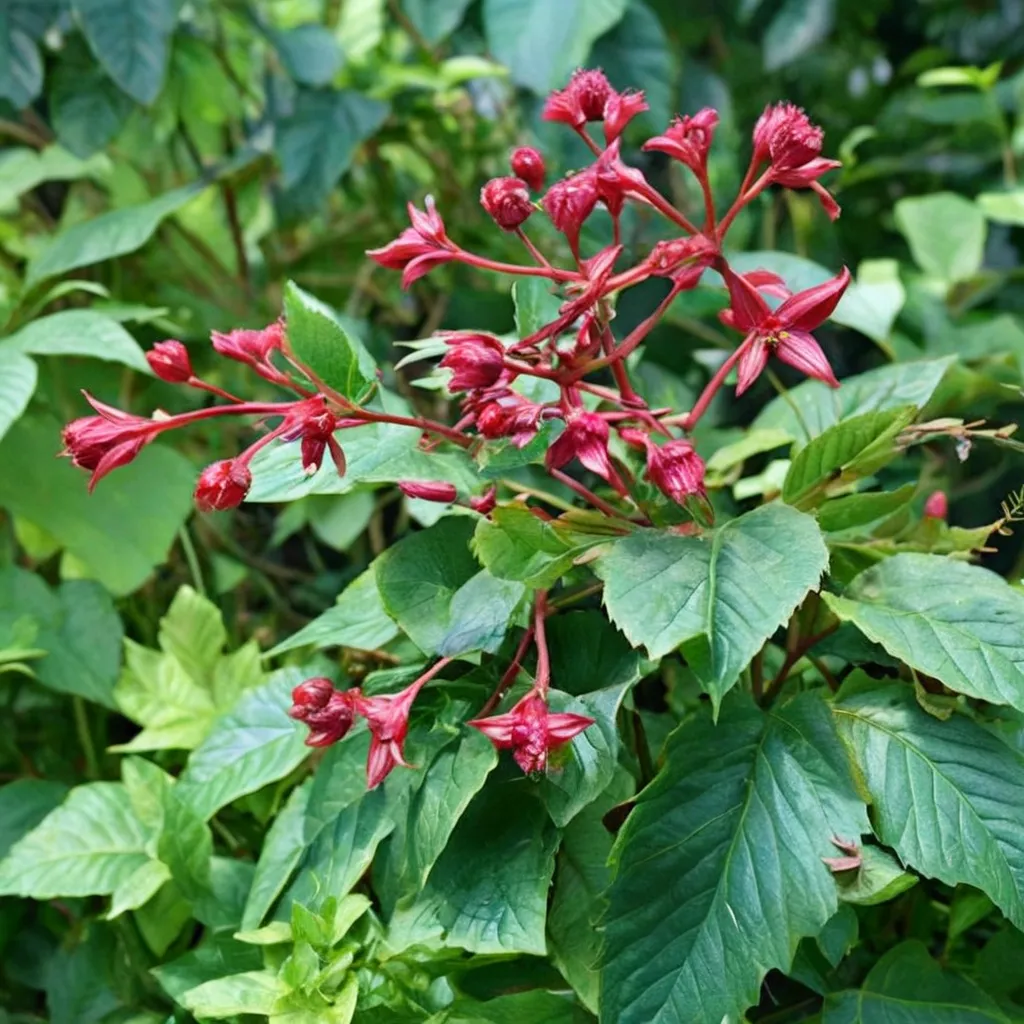
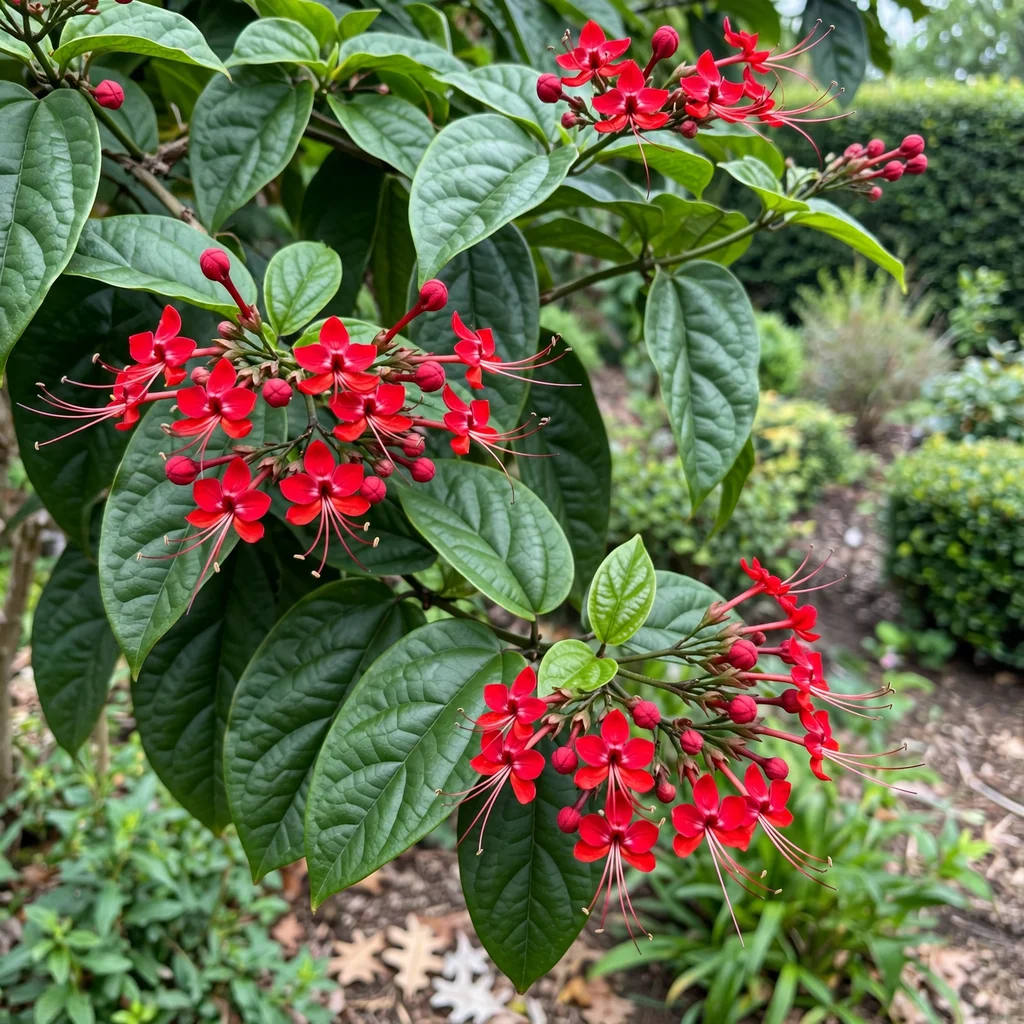
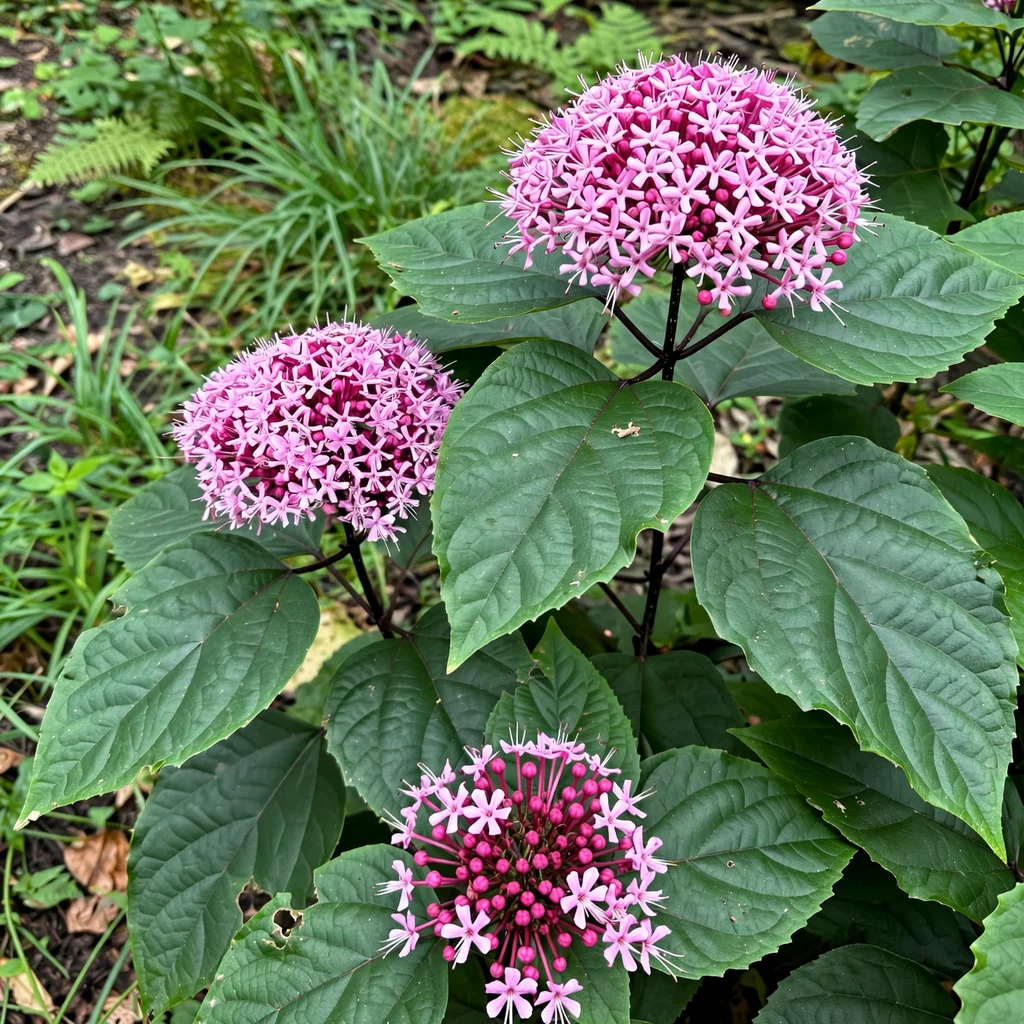
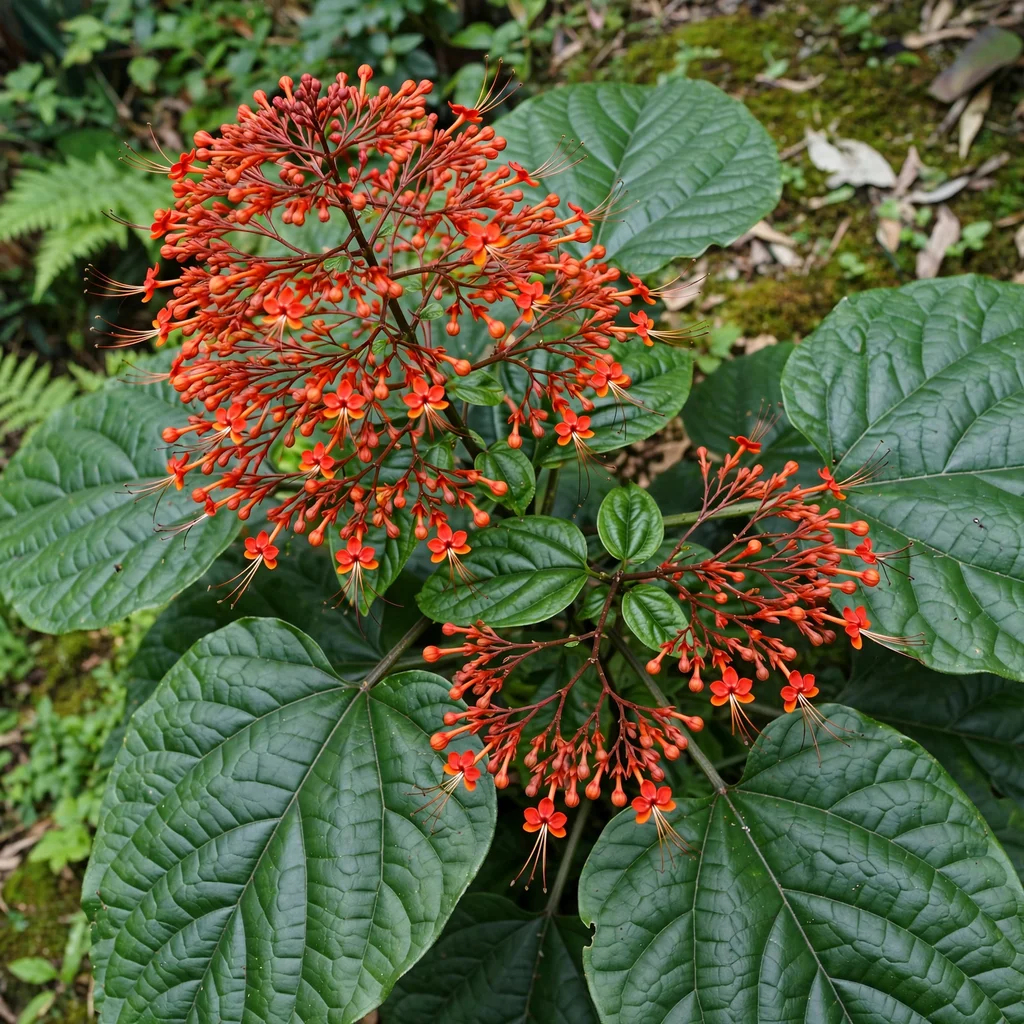
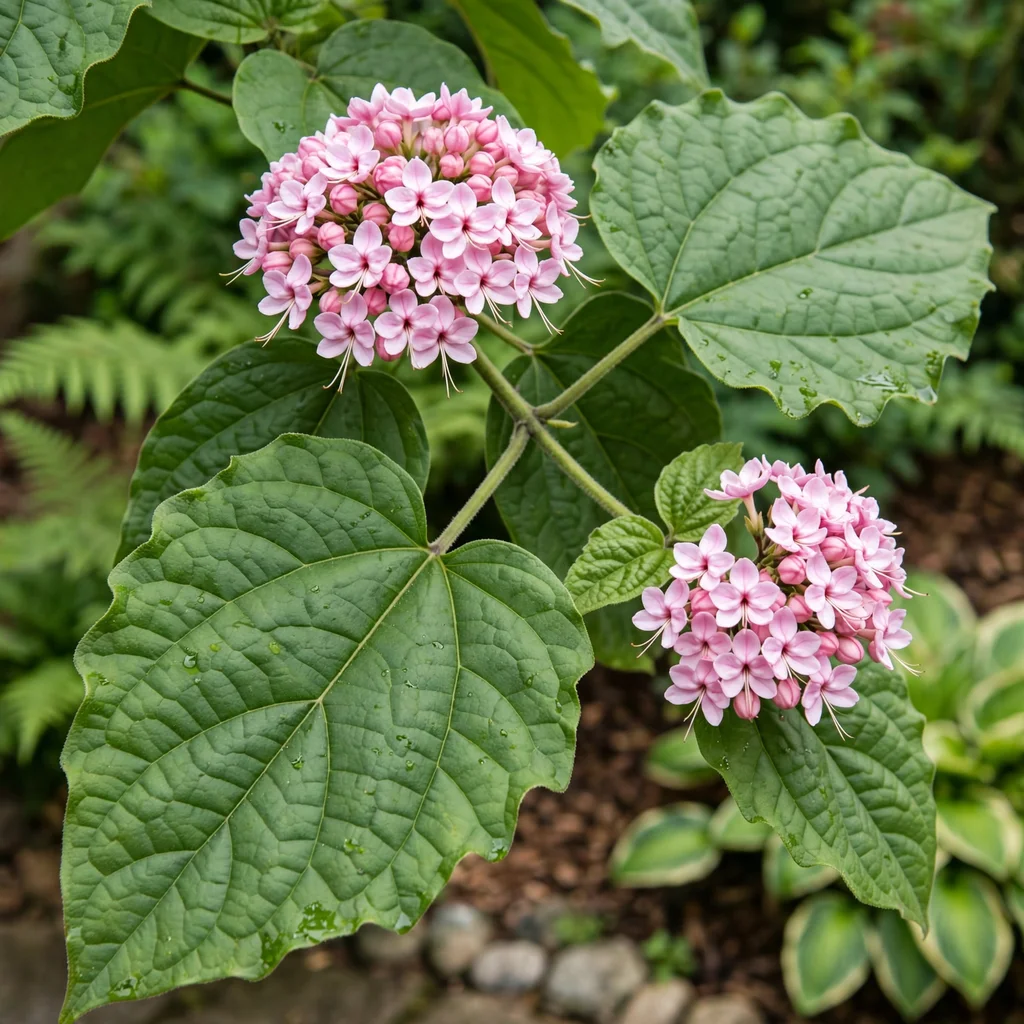
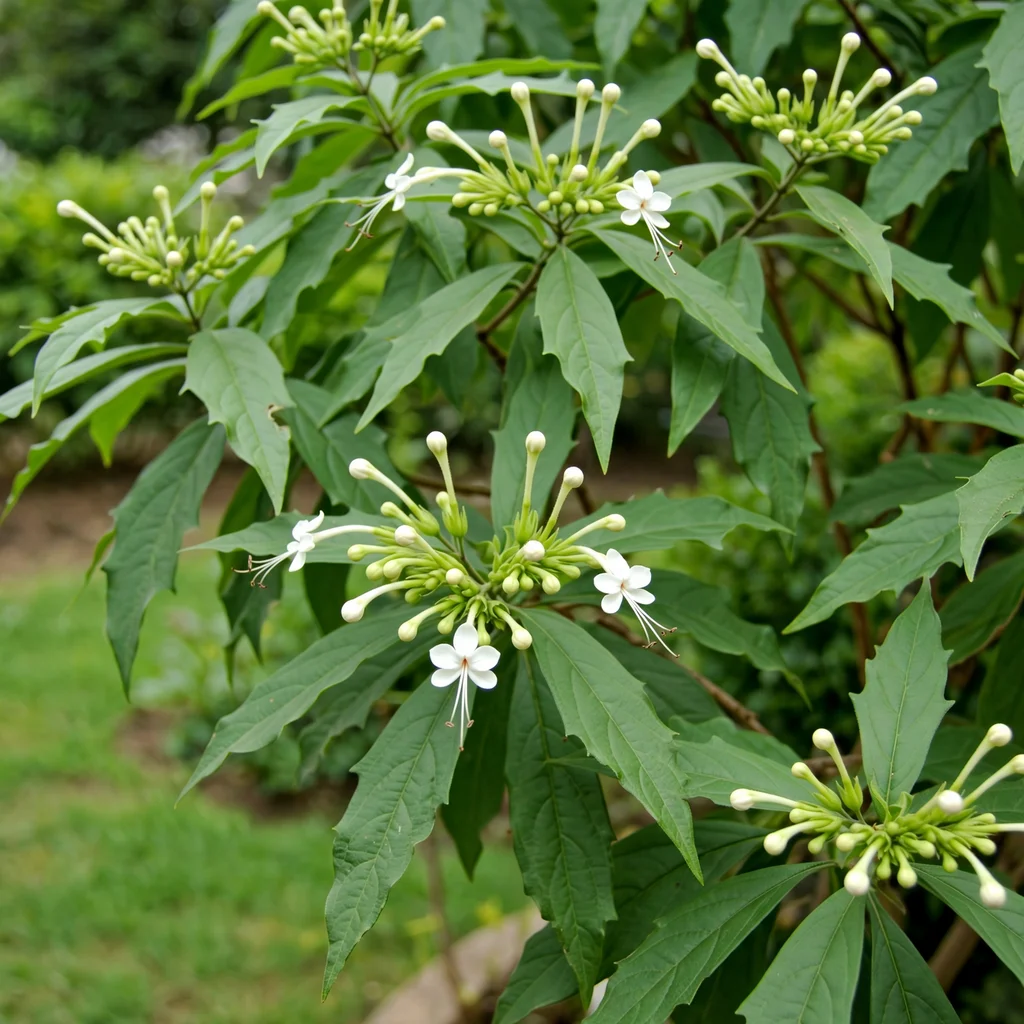
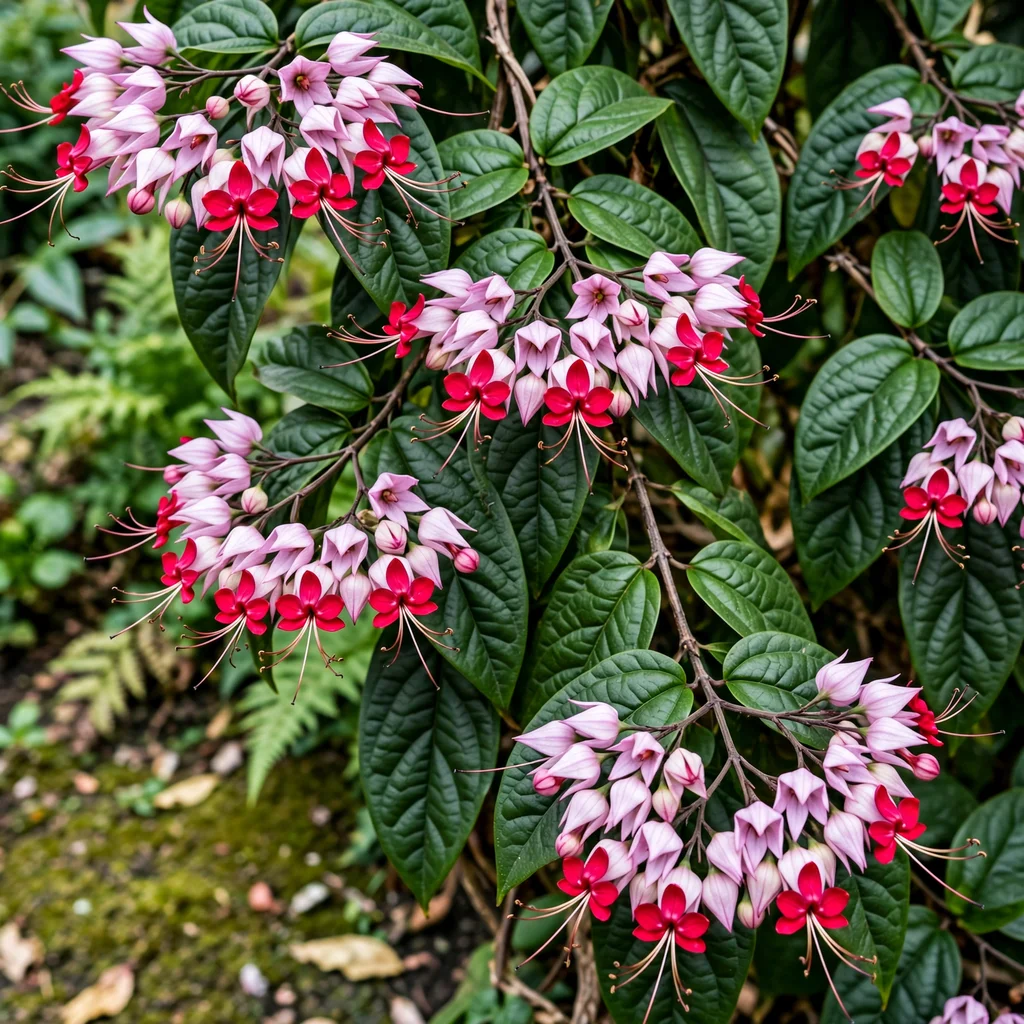
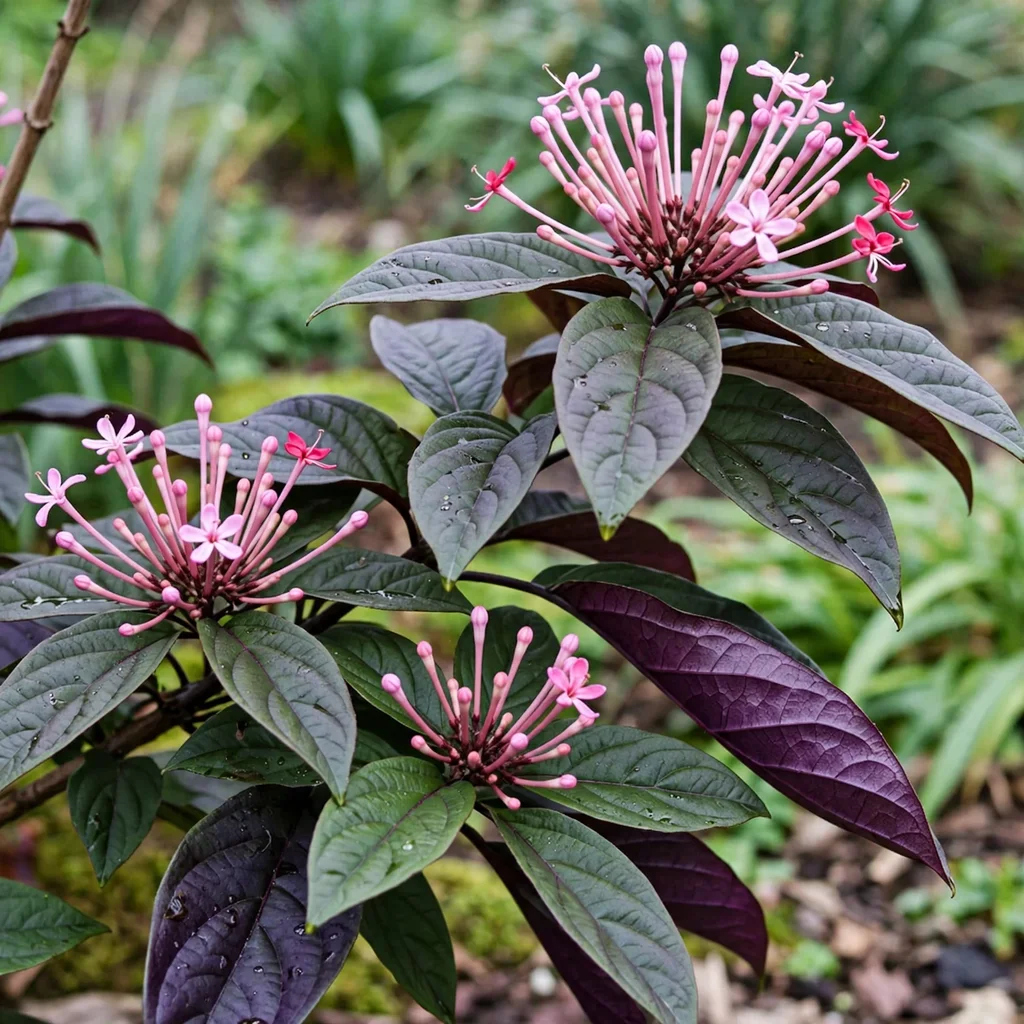
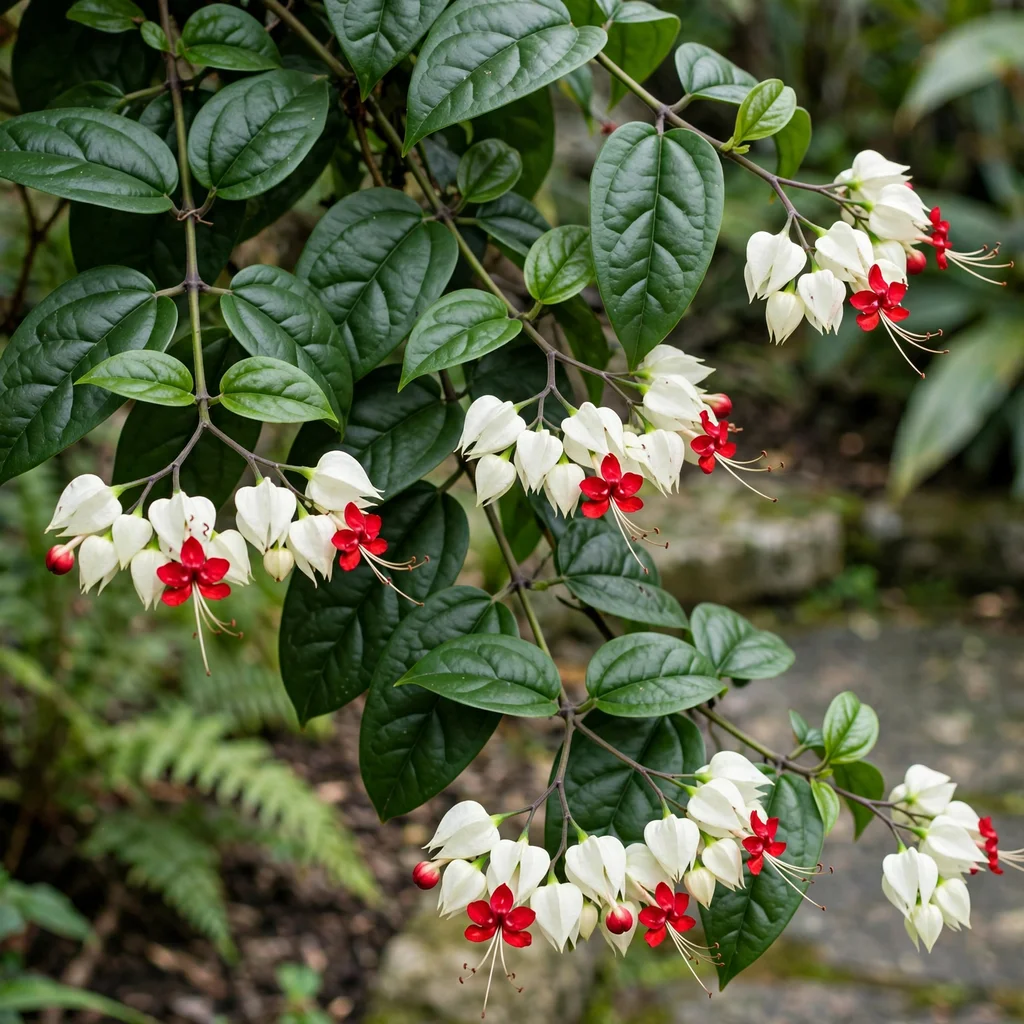
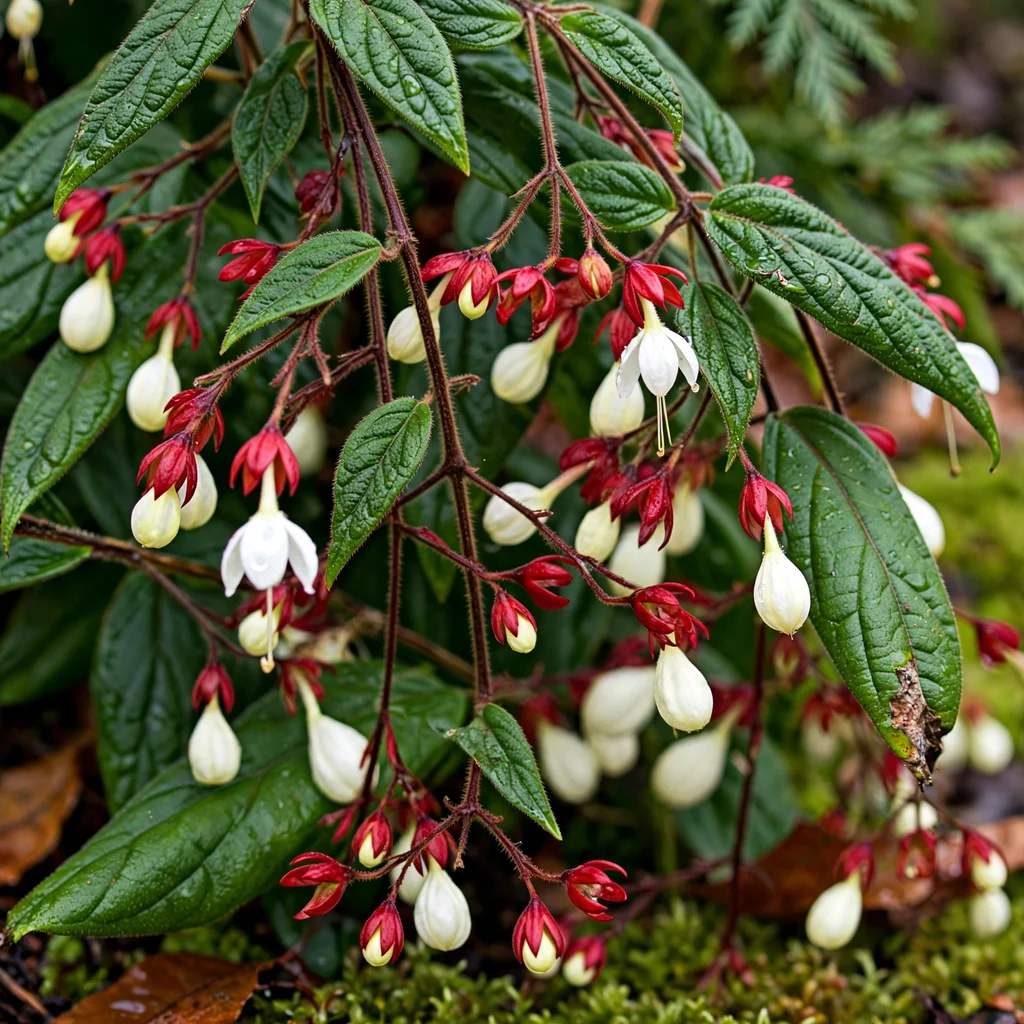
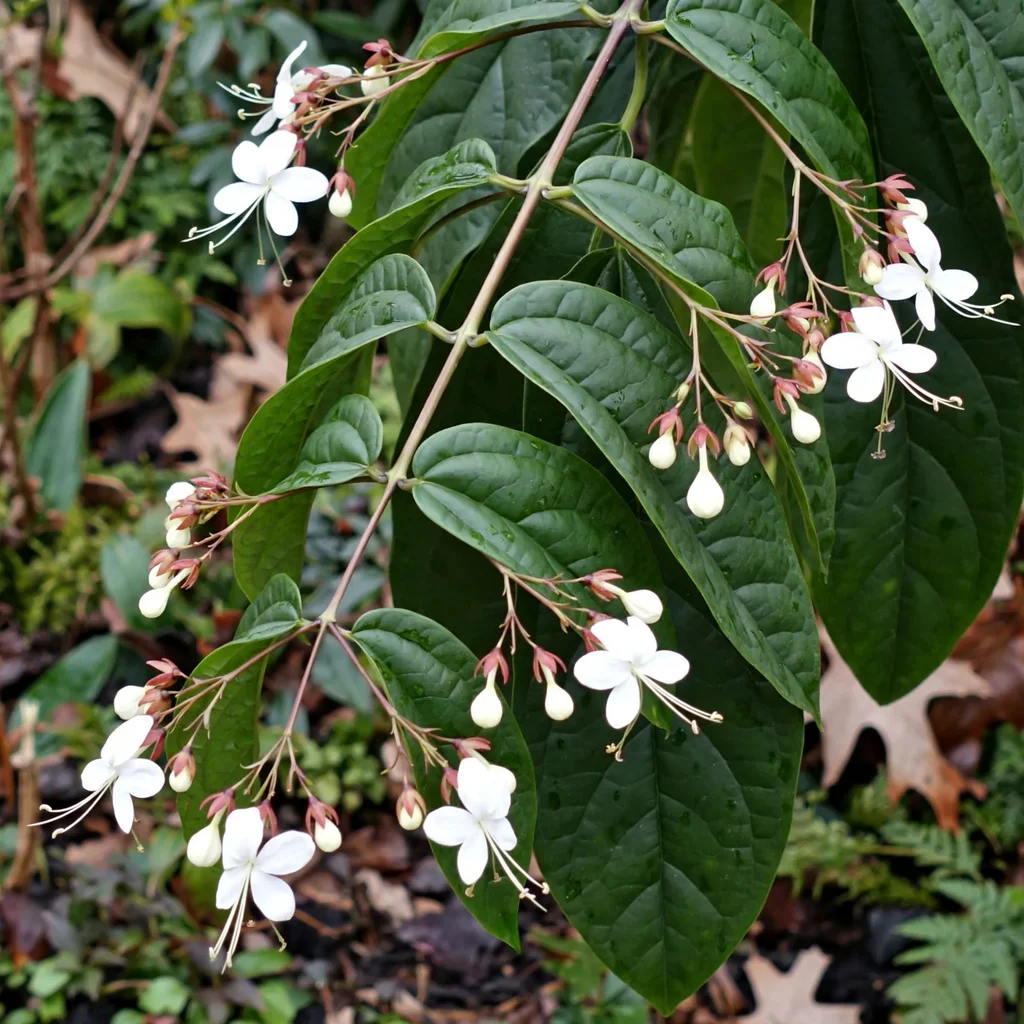
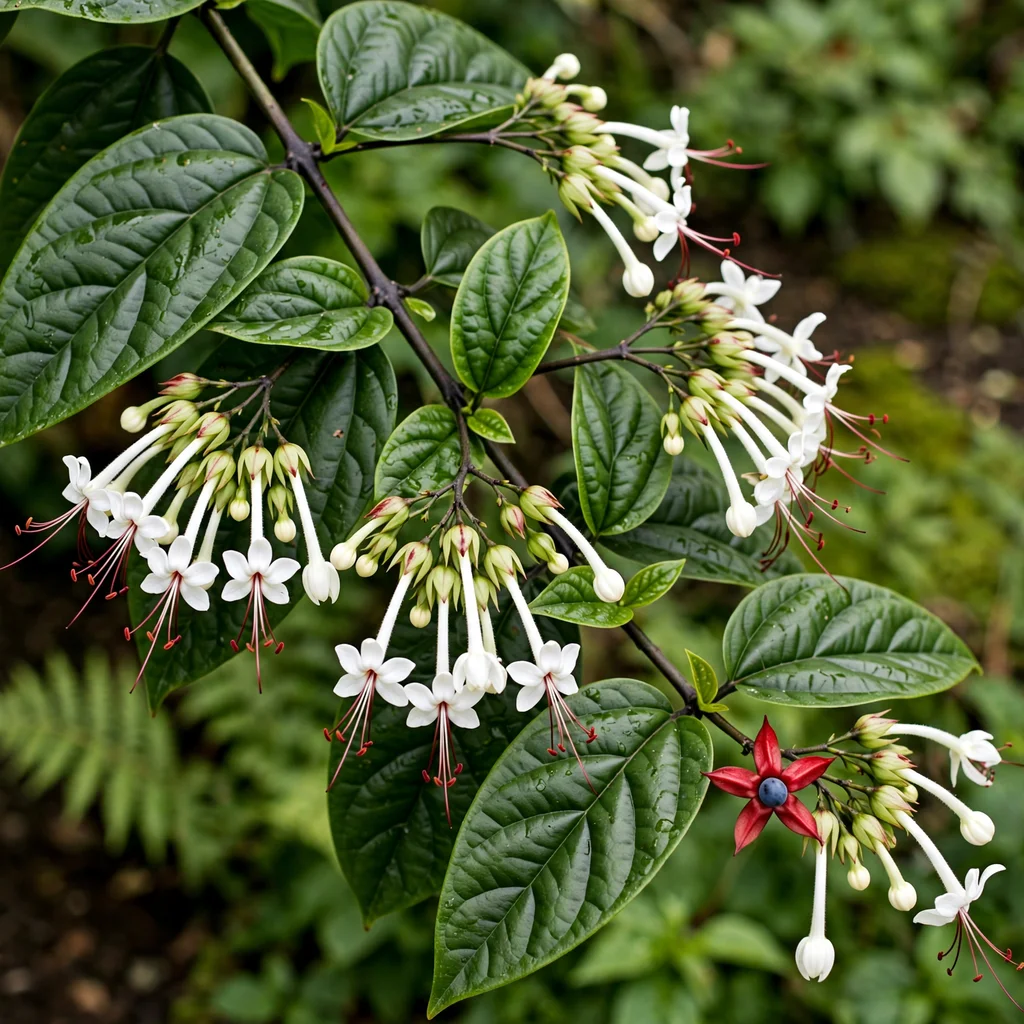
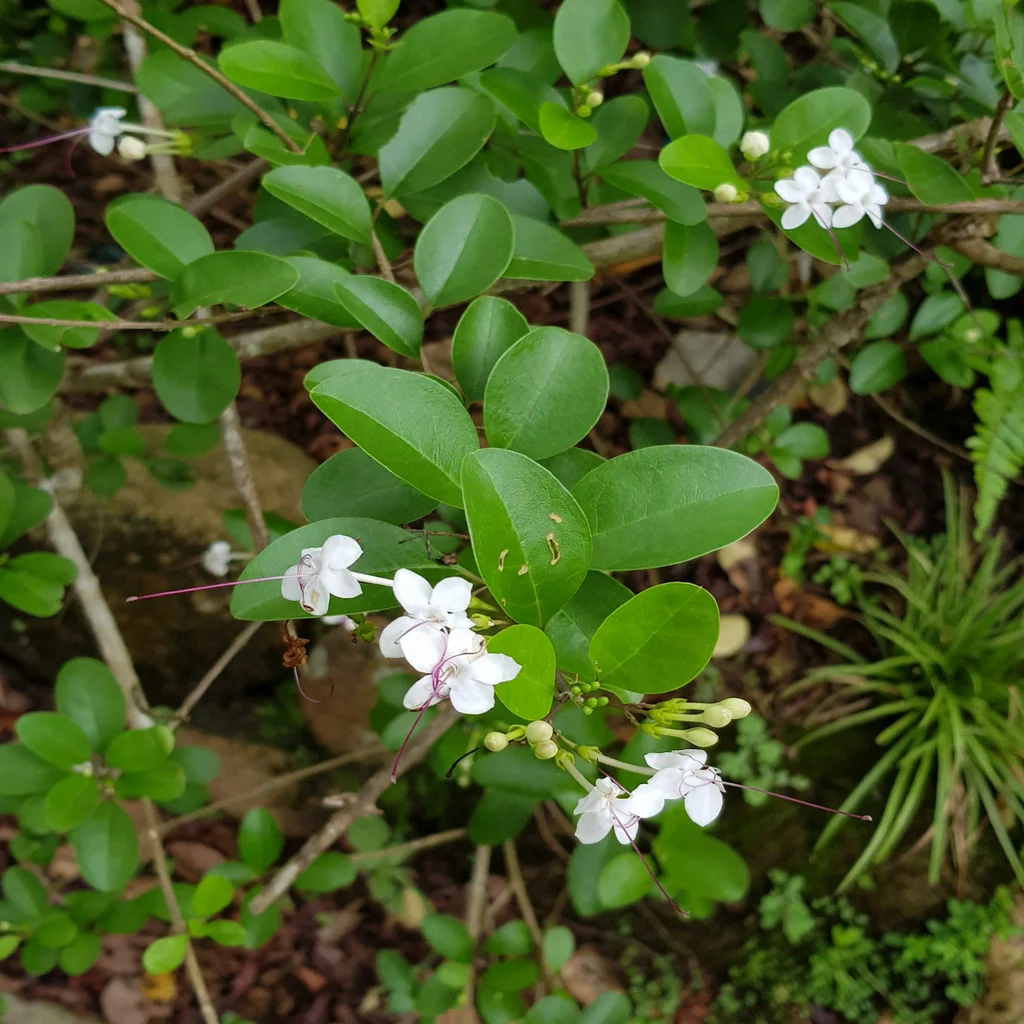
13 species of Clerodendrum
Each one is a parent of the varieties above.
Track your Clerodendrum in Sow
Save the Clerodendrum you grow and get care reminders timed to your zone.
How to grow Clerodendrum
Whats common across all Clerodendrum varieties in our catalog — drawn from the care records of the 14 most-grown of them.
The Clerodendrum year
- PruneMarch and April93% of varieties
Cut back after bloom and thin crowded stems; flowers form on new growth.
- Check for PestsJune–August79% of varieties
Check leaf undersides for mealybugs and spider mites.
- Winter PrepOctober and November71% of varieties
Move indoors before 45F; expect leaf drop in cool winter.
- FertilizeApril, June and July57% of varieties
Feed regularly during active growth with balanced fertilizer.
- MulchApril–June36% of varieties
Refresh mulch layer in spring to retain moisture and suppress weeds.
- PlantApril and May36% of varieties
Set out after last frost in warm acidic soil in sun to part shade.


Do
- Give full sun and a sturdy trellis
- Keep soil evenly moist during growth
- Feed regularly in warm weather
- Prune after flowering to force new growth
- Give strong support at planting and tie new shoots early
Avoid
- Avoid overwatering to prevent root rot ❌
- Do not let it freeze
- Do not overwater into soggy soil
- Do not grow in deep shade if you want flowers
What goes wrong with Clerodendrum
| Problem | What you'll see | What to do |
|---|---|---|
| Spider mites | Stippled leaves and fine webbing, worst in hot dry indoor air. | Rinse leaf undersides with water and treat with insecticidal soap or neem; raise humidity. |
| Aphids | Sticky residue and distorted leaves | Apply insecticidal soap or neem oil |
| Mealybugs | White cottony clusters in leaf axils and on undersides, with sticky honeydew. | Wipe off with alcohol swab and wash with insecticidal soap or neem, repeating until clear. |
| Whiteflies | Small white flies rise from foliage, with yellowing and honeydew, worse indoors. | Apply insecticidal soap or neem oil and remove heavily infested leaves. |
| Root rot | Wilting despite wet soil and soft blackened roots from waterlogged mix. | Repot into fresh well-drained mix, trim rotted roots, and let the surface dry between waterings. |
| Leaf spot | Dark spots from Cercospora and Phyllosticta on wet foliage. | Improve air flow, avoid overhead watering and remove spotted leaves. |
| Sooty mold | Black film on leaves growing on honeydew from sap-suckers | Control the insects and wash leaves with water; growth resumes once honeydew stops. |
Making more Clerodendrum
Seed
- Soak seed overnight before sowing.
- Sow 0.4 inches deep in warm moist mix.
- Hold warm and evenly moist until germination.
- Grow on in bright light and provide support early.
Cuttings
- Select healthy semi-hardwood stems
- Tuck cuttings into moist potting mix
- Mist regularly for 6 weeks until rooted
- Transplant to garden once established
Clerodendrum questions
How many types of Clerodendrum are there?
The Sow catalog tracks 14 distinct Clerodendrum varieties. The most popular — ranked by 41 real gardeners — are shown first above.
What zones does Clerodendrum grow in?
Across its varieties, Clerodendrum covers USDA Zones 7–10. Individual varieties differ — each plant page lists its exact range, and Sow filters the catalog to your zone automatically.
When does Clerodendrum bloom?
Most Clerodendrum varieties bloom from summer to winter.
Which Clerodendrum should I choose?
Start from the most-saved varieties above — popularity across thousands of gardens is a strong signal of reliability — then filter by your zone and sun. In the Sow app you can preview any of them in a photo of your actual yard before you buy.