The Story
Plant Bio
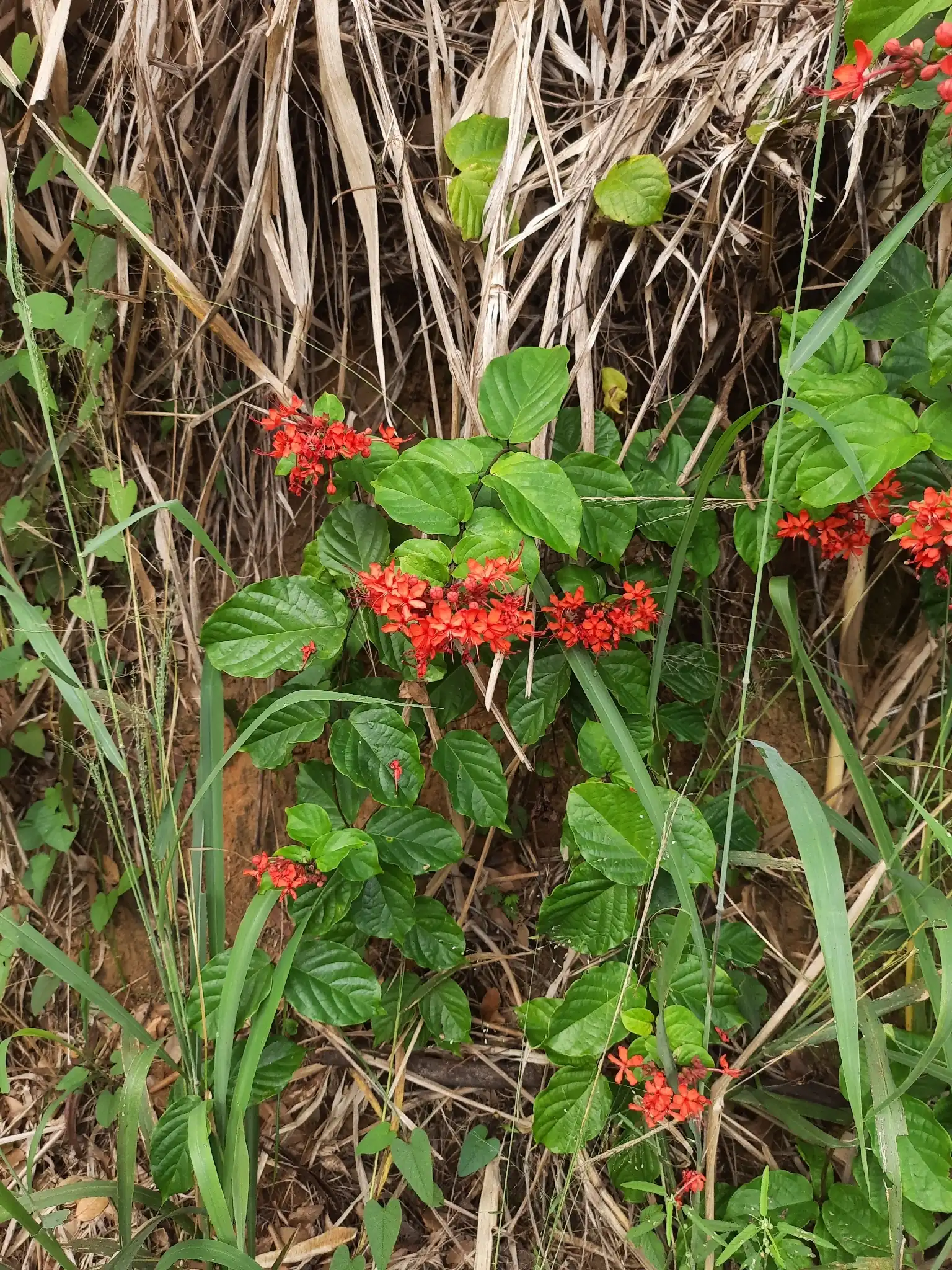
Clerodendrum splendens, the flaming glorybower, is a twining evergreen vine from tropical western Africa that climbs 10 to 12 feet in frost-free gardens on woody stems that sprawl as groundcover without support. It holds lustrous dark forest-green elliptic leaves to about 7 inches long and sends up root suckers where established.
Flaming glorybower carries dense terminal clusters 4 to 5 inches across of bright red salverform flowers with a slender trumpet tube, spreading lobes and prominent exserted stamens. The blooms are fragrant and open in quantity from early winter into late spring, drawing butterflies and, where hardy outdoors, hummingbirds to the tubular flowers.
Uses & Benefits:
Essentials
At a Glance
Plant Type
Vine
Height
144"
Width
72"
Light
Full Sun, Partial Sun
Zones
9, 10
Water
Medium
Humidity
High
Lifespan
Perennial vine
Native To
Tropical western Africa
Toxicity
Possibly toxic if ingested
Bloom period
Early winter – Late spring
In flower about 6 months of the year
Planting
How to Grow
- Plant in full sun to part shade with light afternoon shade in hot areas, tied to a trellis, pergola, or wall.
- Set in evenly moist, organically rich, well-drained soil and water to keep the root zone consistently moist.
- Move containers indoors before temperatures fall toward 55F; give a bright south window or conservatory with high humidity.
- Mist indoors or group pots to prevent leaf-margin scorch and check soft regrowth for sucking pests.
- Prune to shape only after the late-spring finish and retie new twining stems to support.
Pro Tip
Prune only right after flowering finishes; cutting earlier removes the wood that carries the winter bloom.
Keep It Thriving
Care Guide
Do
- Provide a trellis or wall from planting; unsupported stems sprawl and sucker.
- Keep soil evenly moist and mulched with organic matter.
- Raise humidity indoors in winter to prevent leaf edge burn.
- Inspect leaf undersides for whitefly, aphids, and mites after pruning and on new growth.
Don't
- Do not prune before or during bloom; you will remove the flower display.
- Do not plant outdoors where frost occurs unless grown as a movable container plant.
- Do not let cold-damaged top growth fool you; check the roots for resprouting before discarding.
- Do not assume dieback is disease; check first for sucking pests and honeydew/sooty mold.
Seasonal Care Calendar
| Task | Jan | Feb | Mar | Apr | May | Jun | Jul | Aug | Sep | Oct | Nov | Dec |
|---|---|---|---|---|---|---|---|---|---|---|---|---|
| Pest Check | ||||||||||||
| Prune | ||||||||||||
| Stake | ||||||||||||
| Winter Prep |
Watch Out For
Pests & Diseases
Common Pests
Common Diseases
In the Garden
Landscape Uses & Companions
Landscape Uses
Multiply
Propagation Methods
Good to Know
Common Questions
Flaming Glorybower questions
What zones can Flaming Glorybower grow in?
Flaming Glorybower is hardy in USDA Zones 9–10: in that range it survives winter in the ground. Colder than Zone 9, grow it in a container you can move to shelter for the winter, or as an annual.
When does Flaming Glorybower bloom?
Flaming Glorybower typically blooms from winter to spring. Exact timing shifts a week or two with your zone — Sow's bloom calendar maps it to your garden.
Does Flaming Glorybower need full sun?
Flaming Glorybower does best in full sun to part shade. In hot climates, afternoon shade keeps blooms fresher longer.
More Clerodendrum to compare
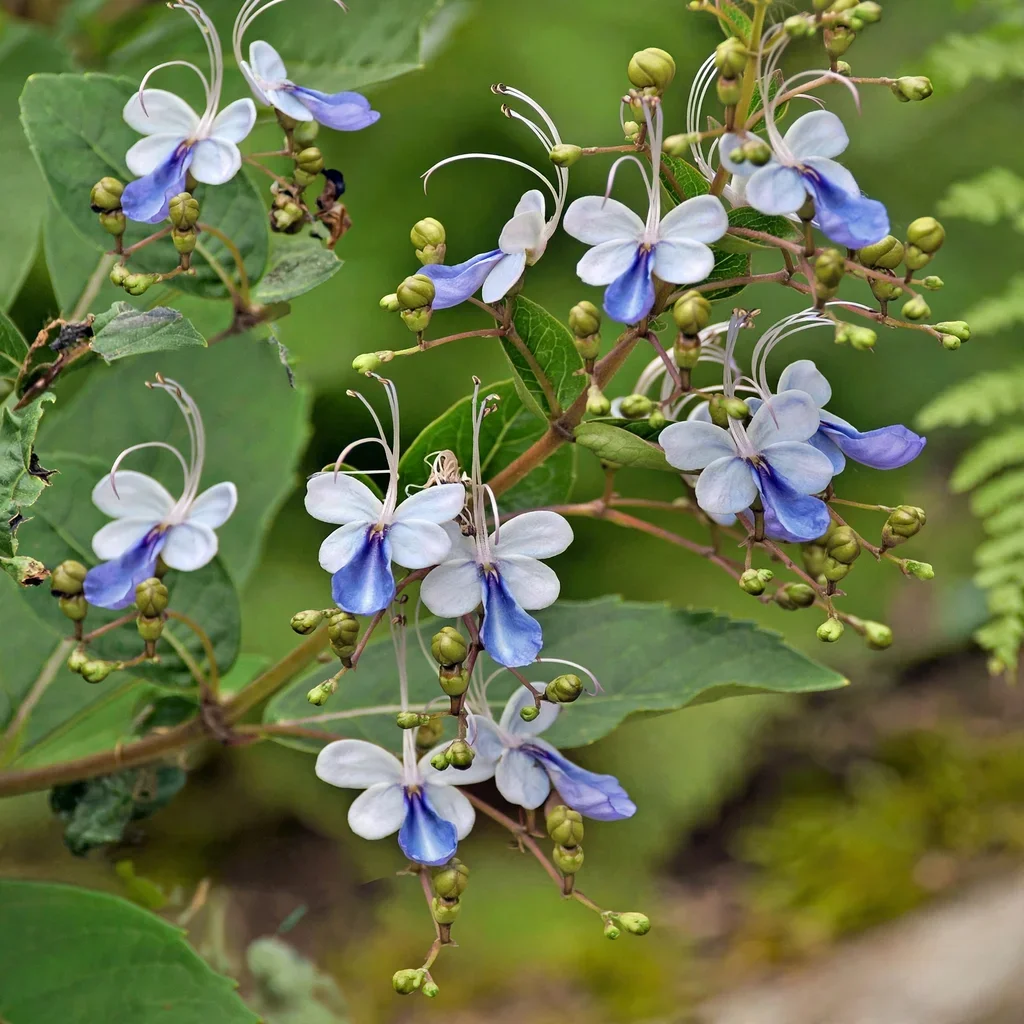
Blue Butterfly Bush
Clerodendrum ugandense
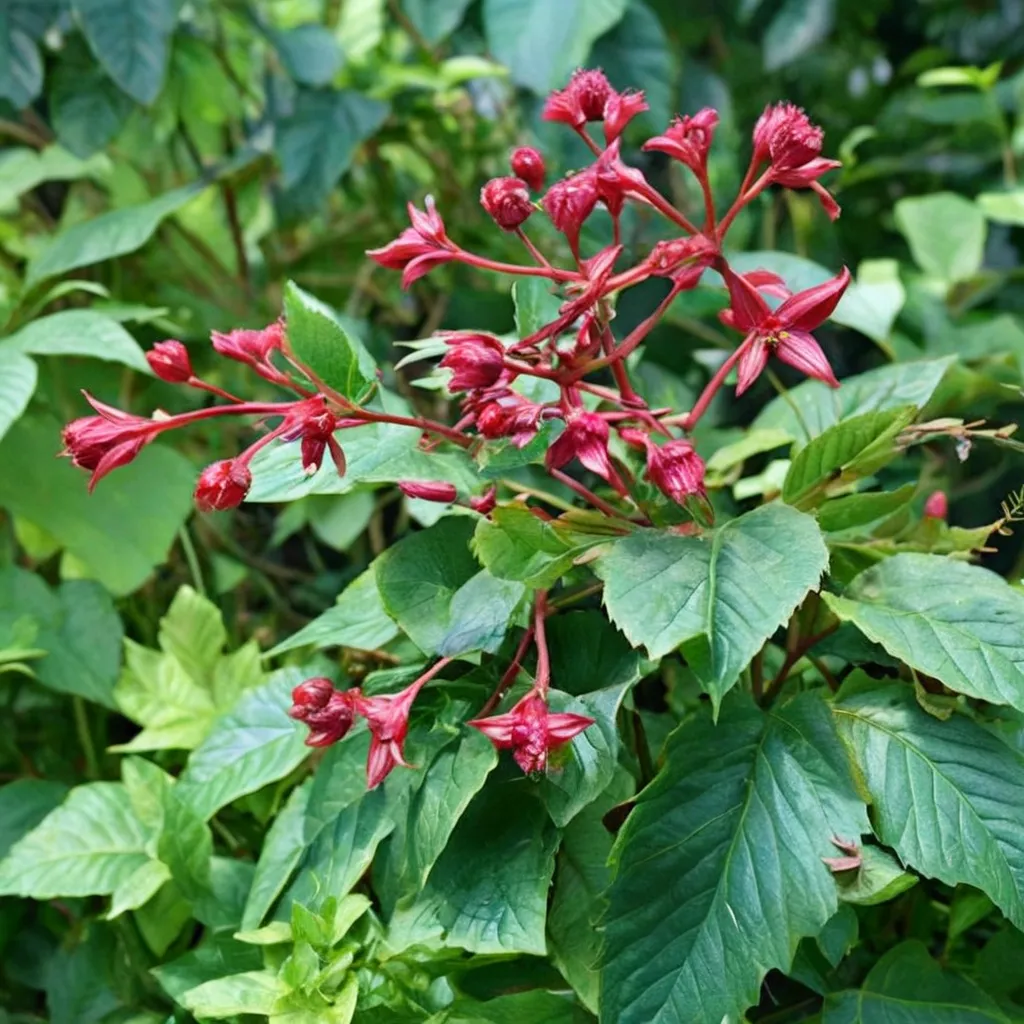
Rose Glory Bower
Clerodendrum speciosissimum 'Arkansas Hardy'
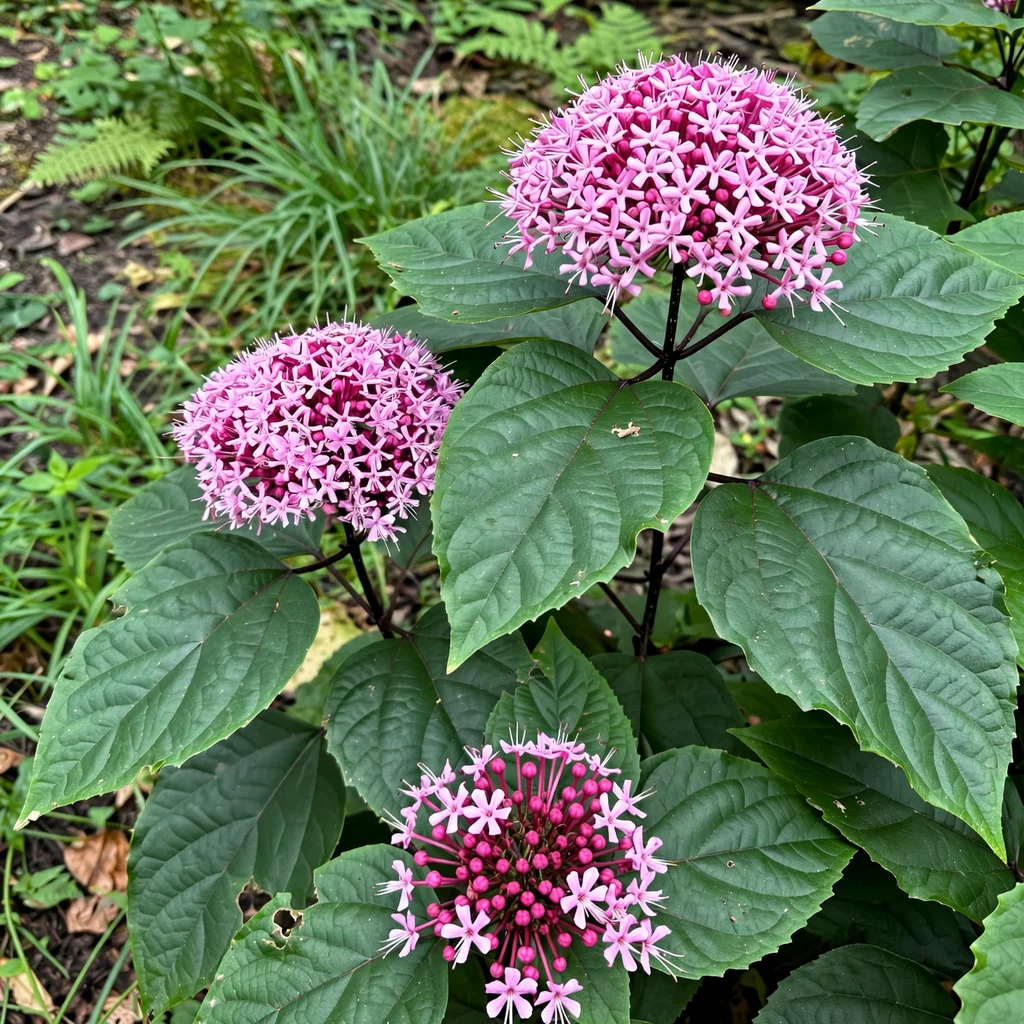
Rose Glorybower
Clerodendrum bungei
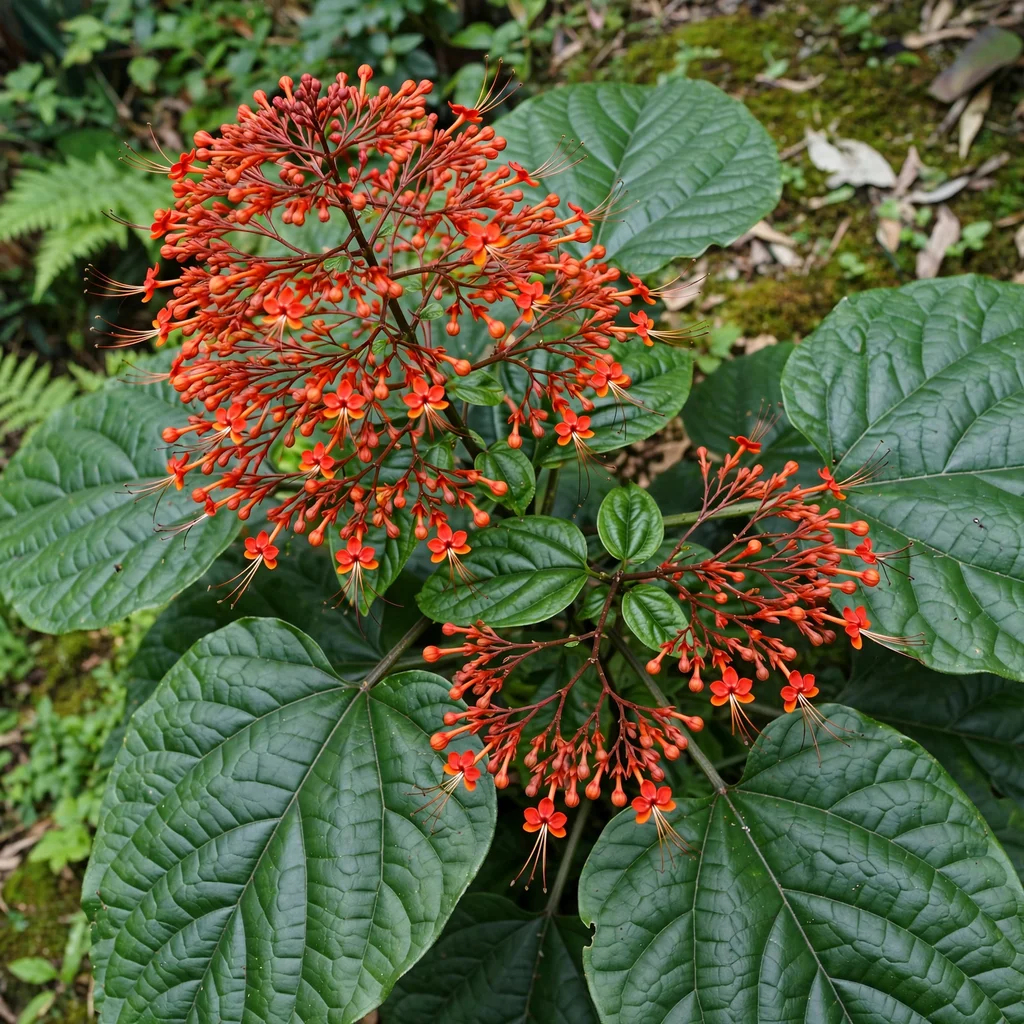
Pagoda Flower
Clerodendrum paniculatum
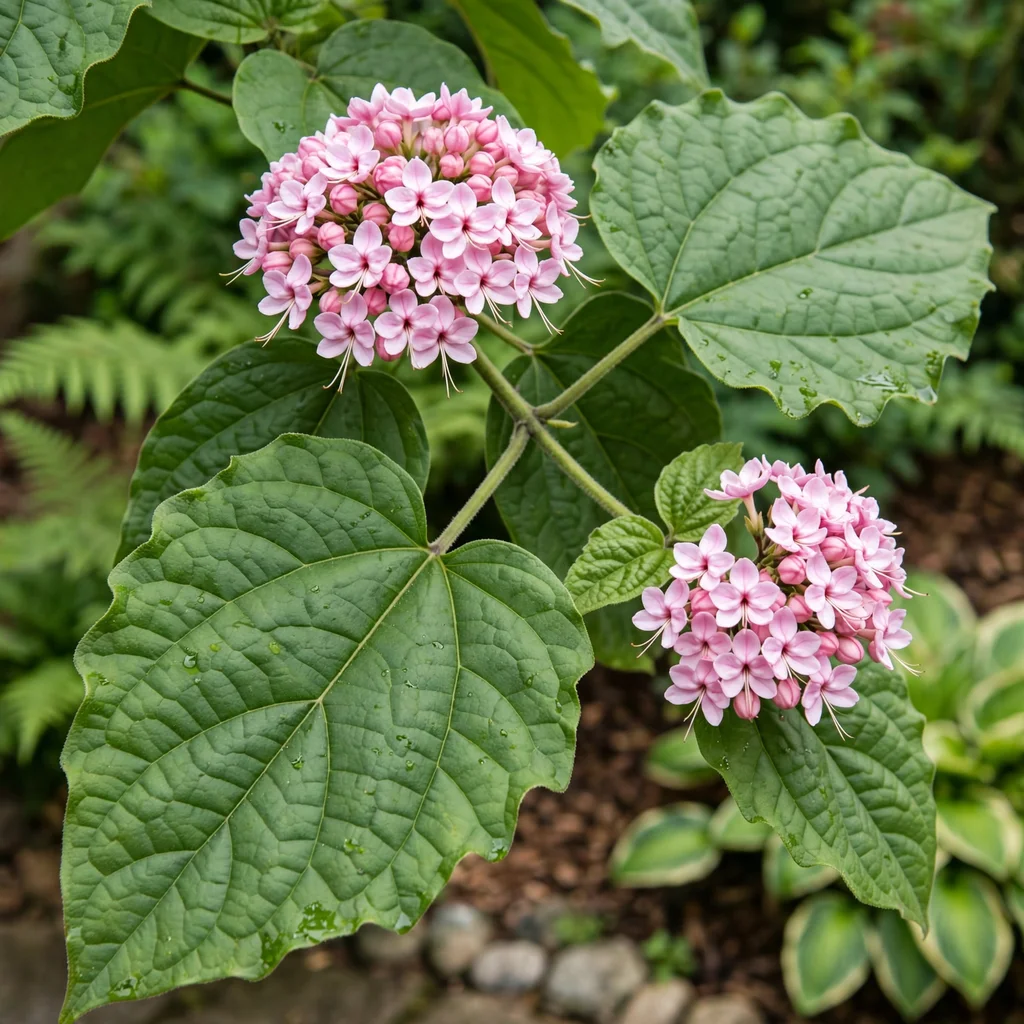
Chinese Glory Bower
Clerodendrum philippinum
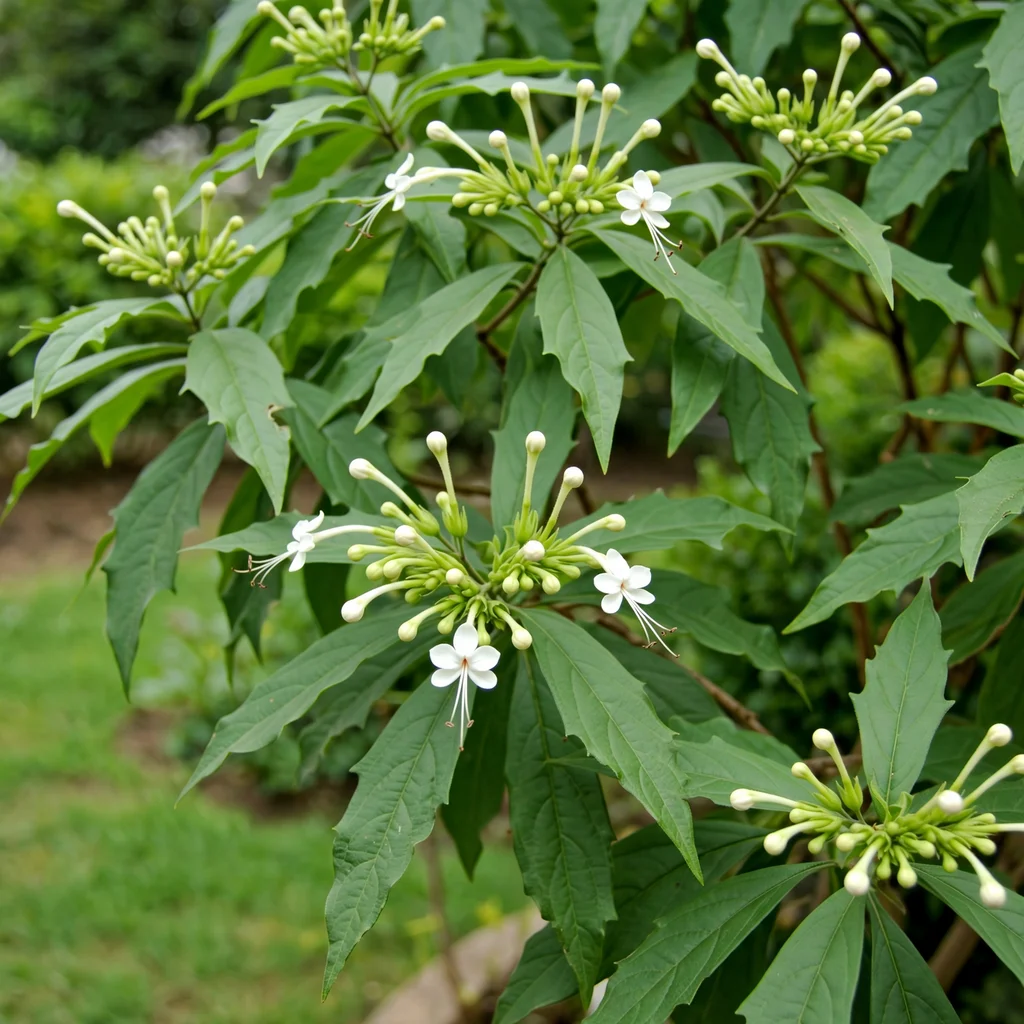
Musical Note Plant
Clerodendrum incisum
Keep exploring
Explore the genus
Hardy in your zone?
Grow Flaming Glorybower with confidence
See it in a design of your actual yard, get zone-matched care reminders, and track it season by season in your garden journal.