The Story
Plant Bio
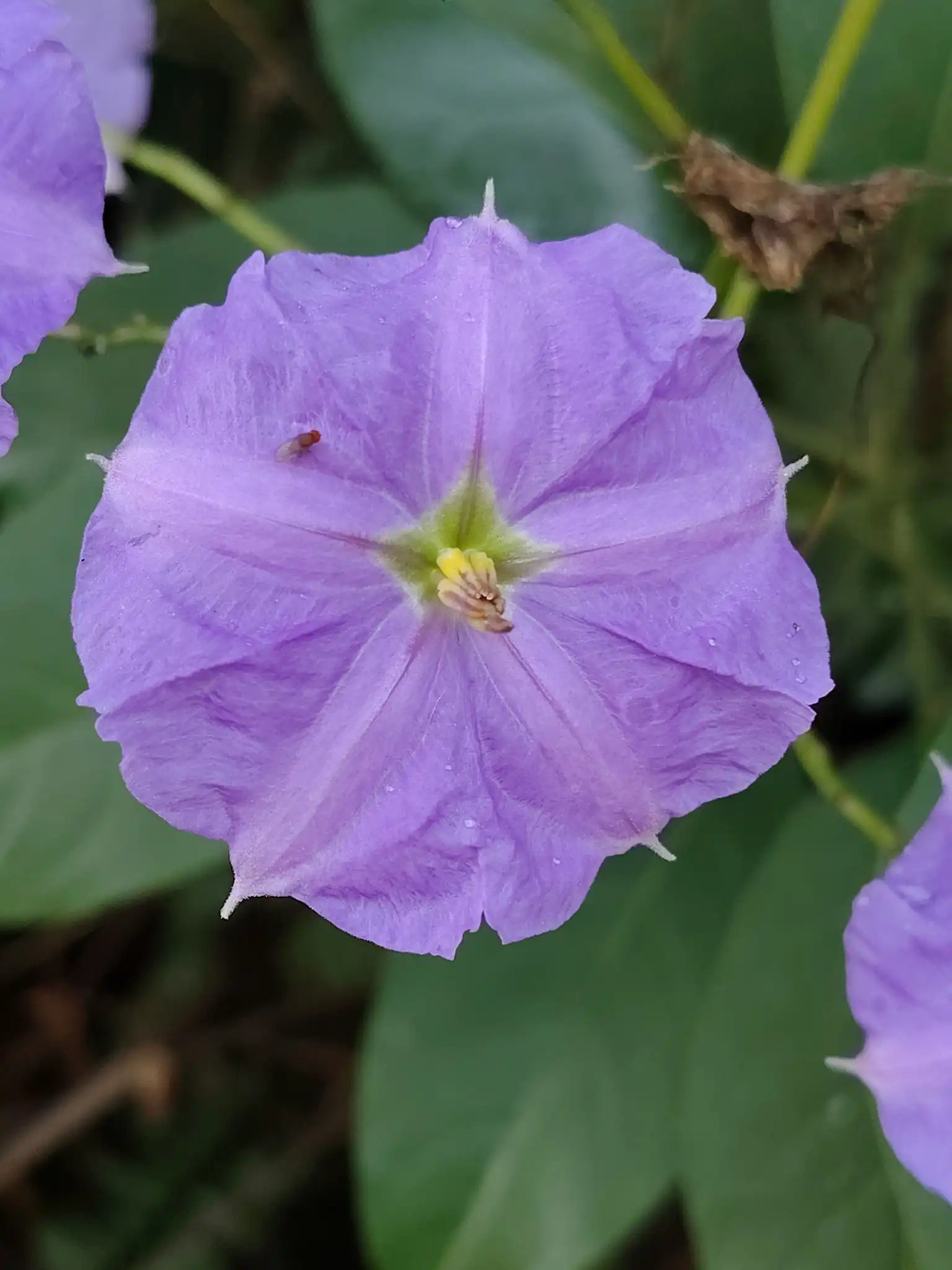
Solanum wendlandii, the giant potato creeper, is a large semi-evergreen to evergreen liana from wet forests of Mexico to Panama and northern South America, scrambling 15 to 20 feet in gardens with support. Stems and foliage carry hooked barbs, and the bright green leaves reach 10 inches long, pinnate with 8 to 13 leaflets below and simple above.
Large terminal drooping panicles to 6 inches wide carry saucer-shaped flowers about 2.5 inches across, opening dark mauve-purple with a yellow center and fading through lavender to white. All parts contain solanine alkaloids and are poisonous if eaten, and the hooked spines tear skin, which accounts for the divorce vine name.
Uses & Benefits:
Essentials
At a Glance
Plant Type
Vine
Height
240"
Width
180"
Light
Full Sun, Partial Sun
Zones
8, 9, 10
Water
Regular
Humidity
Average
Lifespan
Long-lived vine
Native To
Mexico to Panama and northern South America
Toxicity
Toxic if ingested
Bloom period
Summer – Fall
In flower about 6 months of the year
Planting
How to Grow
- Plant after frost danger in full sun to partial sun in average garden soil with regular water.
- Set a stout trellis, arbor or wall wires before planting and tie extending stems in place.
- Water regularly to keep soil evenly moist and mulch to hold moisture.
- Prune in spring and again after flowering to control vigorous 15- to 20-foot growth.
- In Zone 8-9 protect the crown from hard frost; where winter drops below 20F grow in a large container moved under cover.
Pro Tip
Tie young stems to a stout trellis early and prune after flowering to hold size; outdoor plants in south Florida seldom set fruit.
Keep It Thriving
Care Guide
Do
- Wear gloves and long sleeves when handling spiny stems.
- Provide a strong support rated for a heavy woody vine.
- Water regularly through the growing season.
Don't
- Do not eat leaves, flowers or fruit; all parts are poisonous.
- Do not plant where pets or children chew plants.
- Do not leave new growth to scramble unsupported where spines catch passersby.
Seasonal Care Calendar
| Task | Jan | Feb | Mar | Apr | May | Jun | Jul | Aug | Sep | Oct | Nov | Dec |
|---|---|---|---|---|---|---|---|---|---|---|---|---|
| Mulch | ||||||||||||
| Pest Check | ||||||||||||
| Prune | ||||||||||||
| Stake | ||||||||||||
| Winter Prep |
Watch Out For
Pests & Diseases
Common Pests
Common Diseases
In the Garden
Landscape Uses & Companions
Landscape Uses
Multiply
Propagation Methods
Good to Know
Common Questions
Giant Potato Creeper questions
What zones can Giant Potato Creeper grow in?
Giant Potato Creeper is hardy in USDA Zones 8–10: in that range it survives winter in the ground. Colder than Zone 8, grow it in a container you can move to shelter for the winter, or as an annual.
When does Giant Potato Creeper bloom?
Giant Potato Creeper typically blooms from summer to fall. Exact timing shifts a week or two with your zone — Sow's bloom calendar maps it to your garden.
Does Giant Potato Creeper need full sun?
Giant Potato Creeper does best in full sun to part shade. In hot climates, afternoon shade keeps blooms fresher longer.
More Solanum to compare
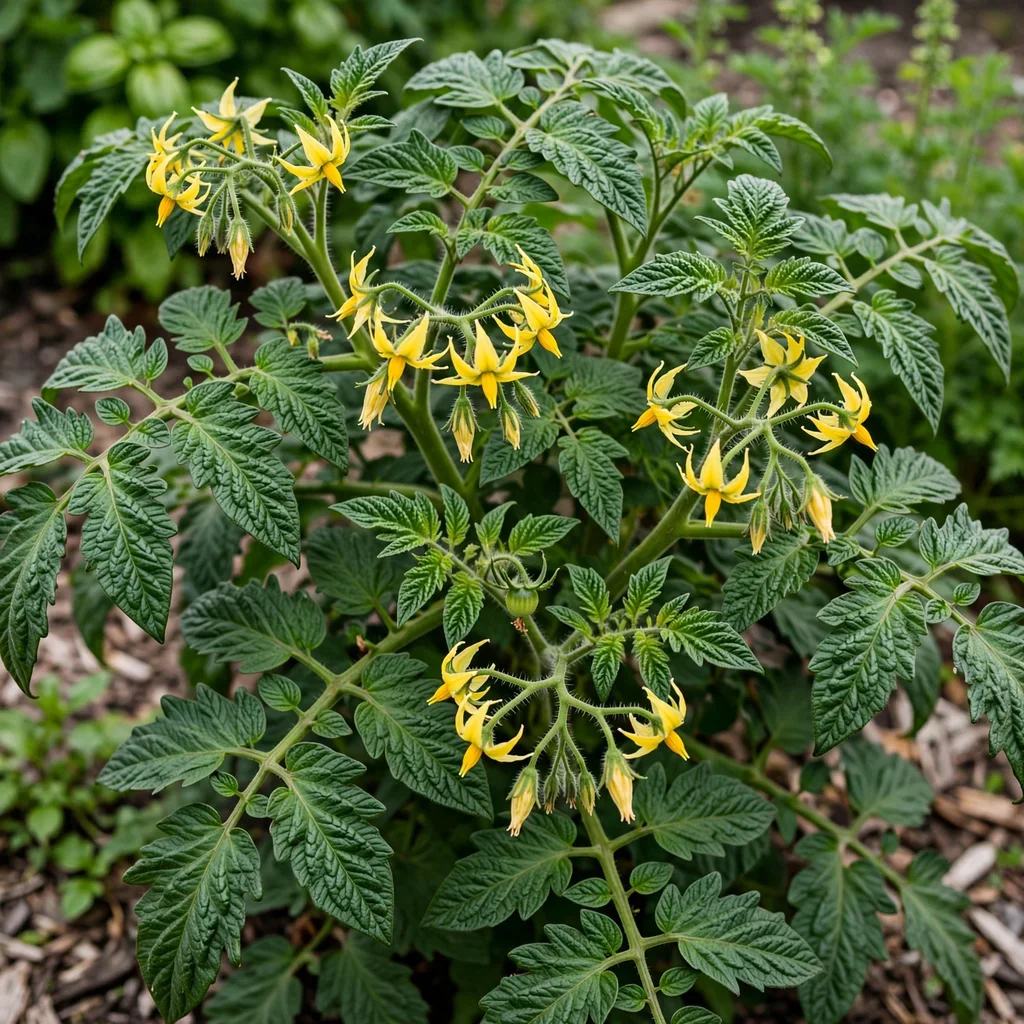
Martino's Roma Tomato
Solanum lycopersicum 'Martino's Roma'
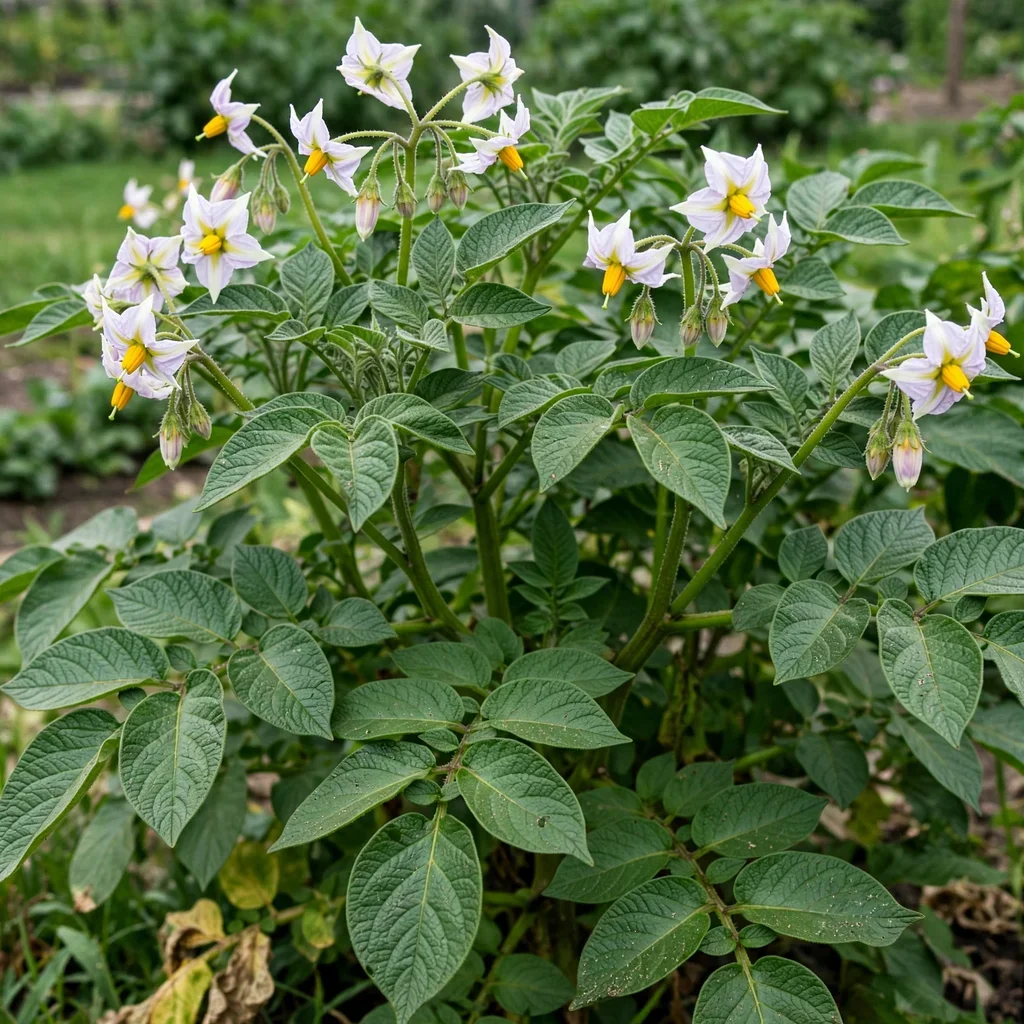
Yukon Gold Potato
Solanum tuberosum 'Yukon Gold'
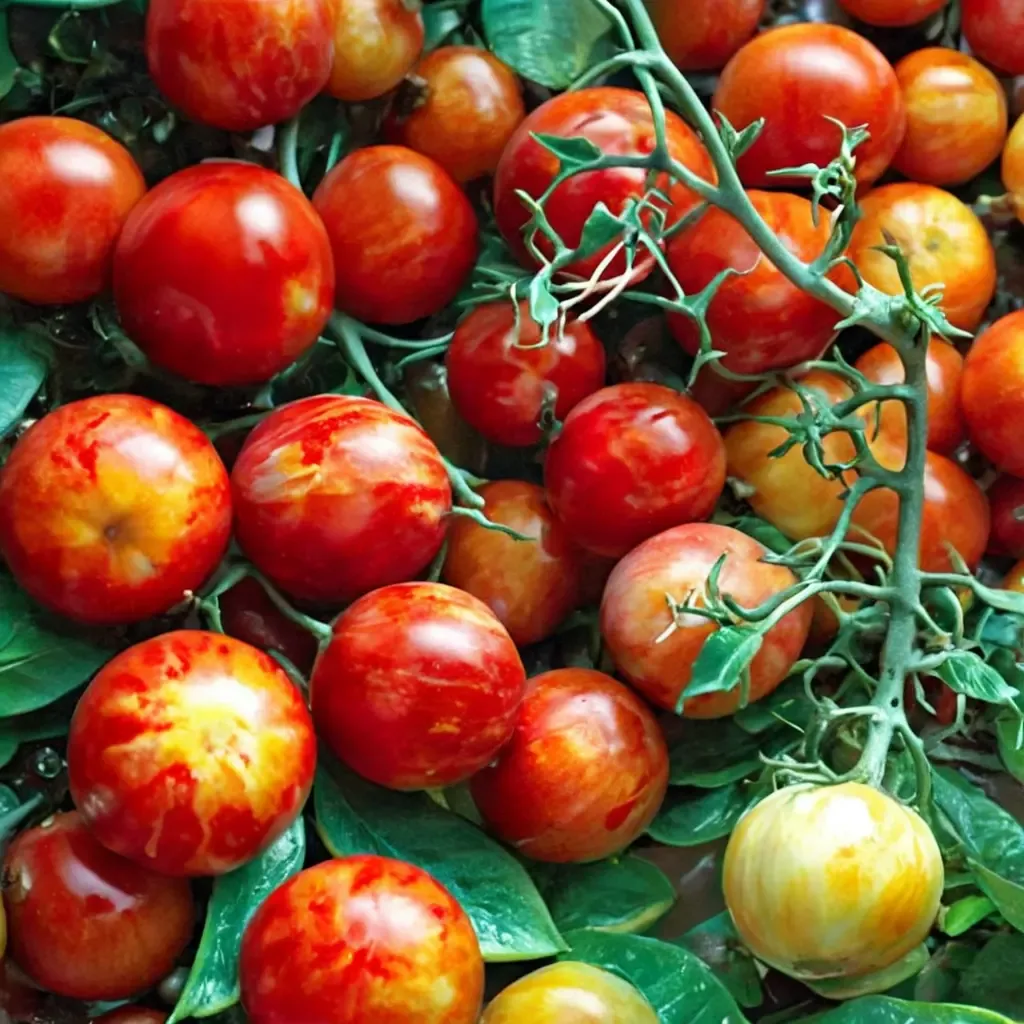
Sweet Tomato
Solanum lycopersicum 'Sweet'
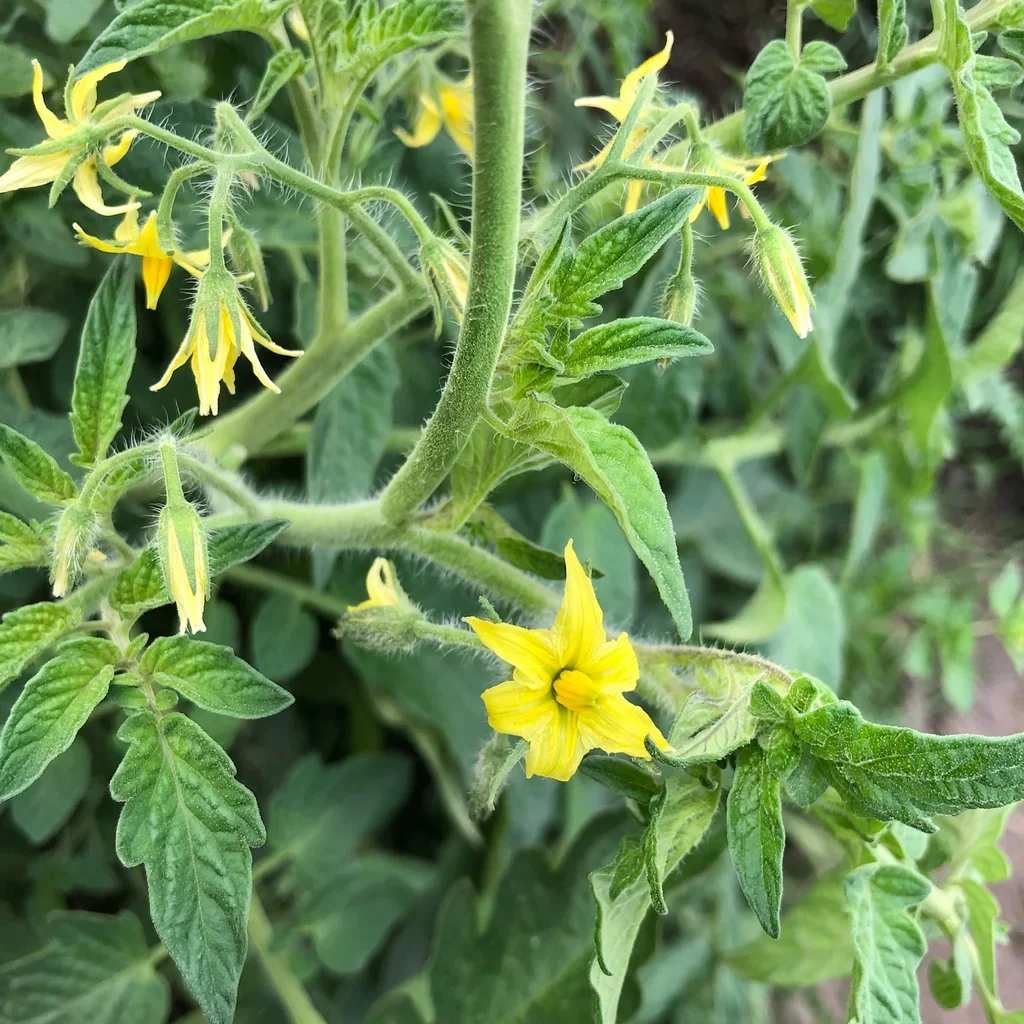
Napa Rose Tomato
Solanum lycopersicum 'Napa Rose'
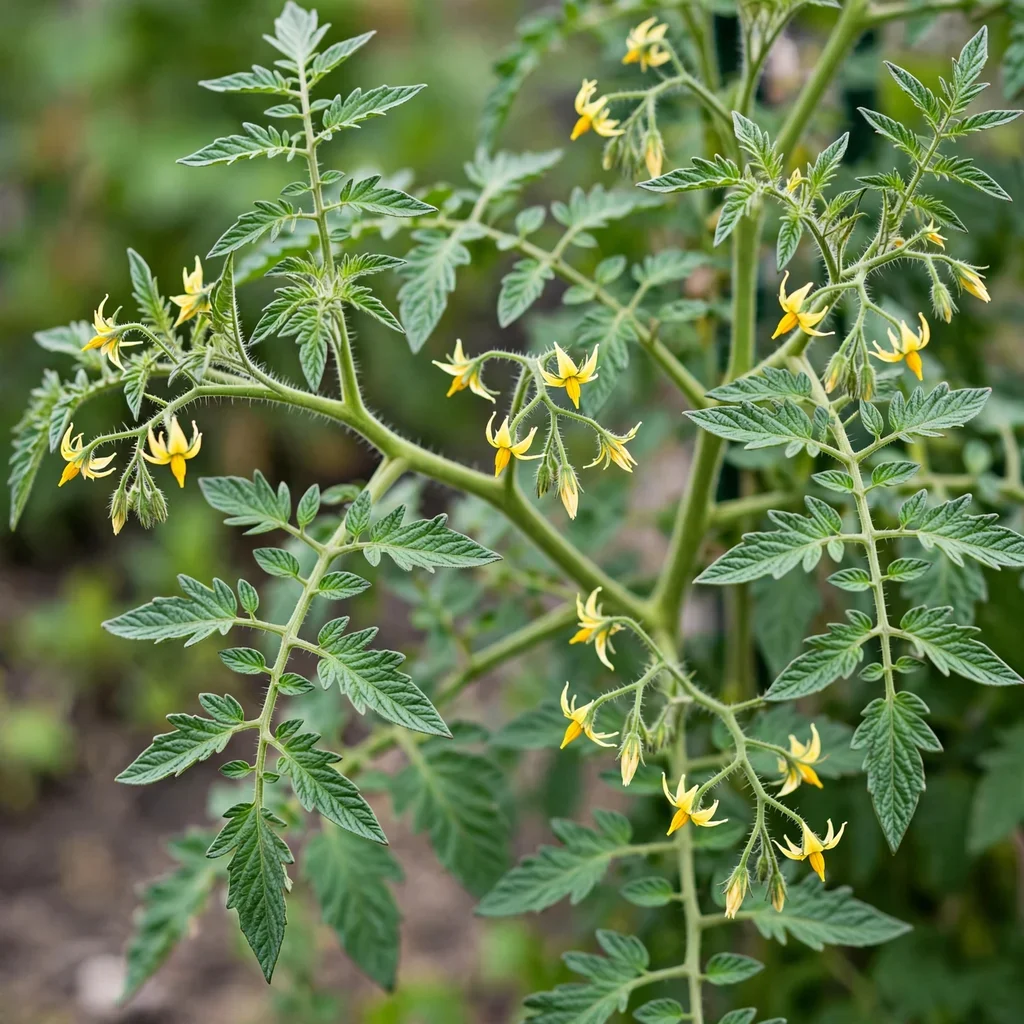
Red Currant Tomato
Solanum lycopersicum 'Red Currant'
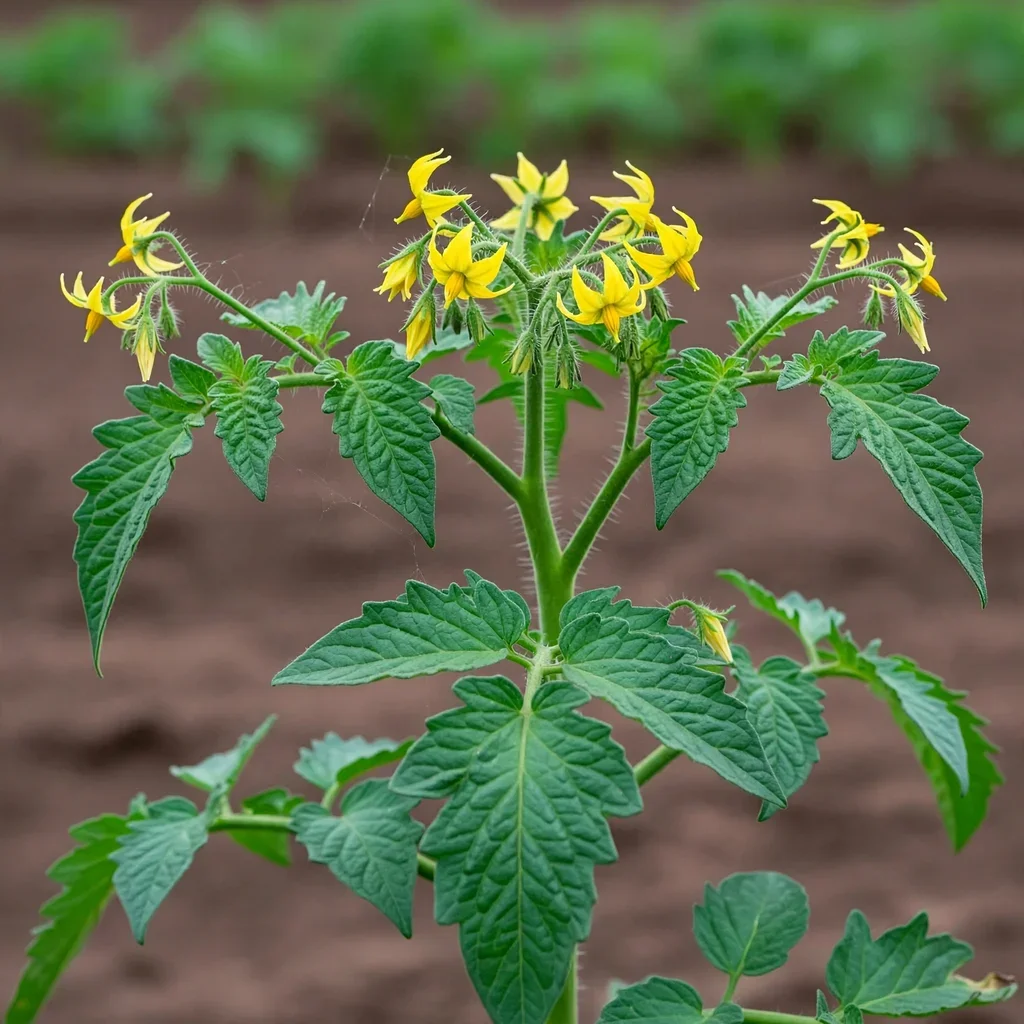
Gold Medal Tomato
Solanum lycopersicum 'Gold Medal'
Keep exploring
Explore the genus
Hardy in your zone?
Grow Giant Potato Creeper with confidence
See it in a design of your actual yard, get zone-matched care reminders, and track it season by season in your garden journal.