The Story
Plant Bio
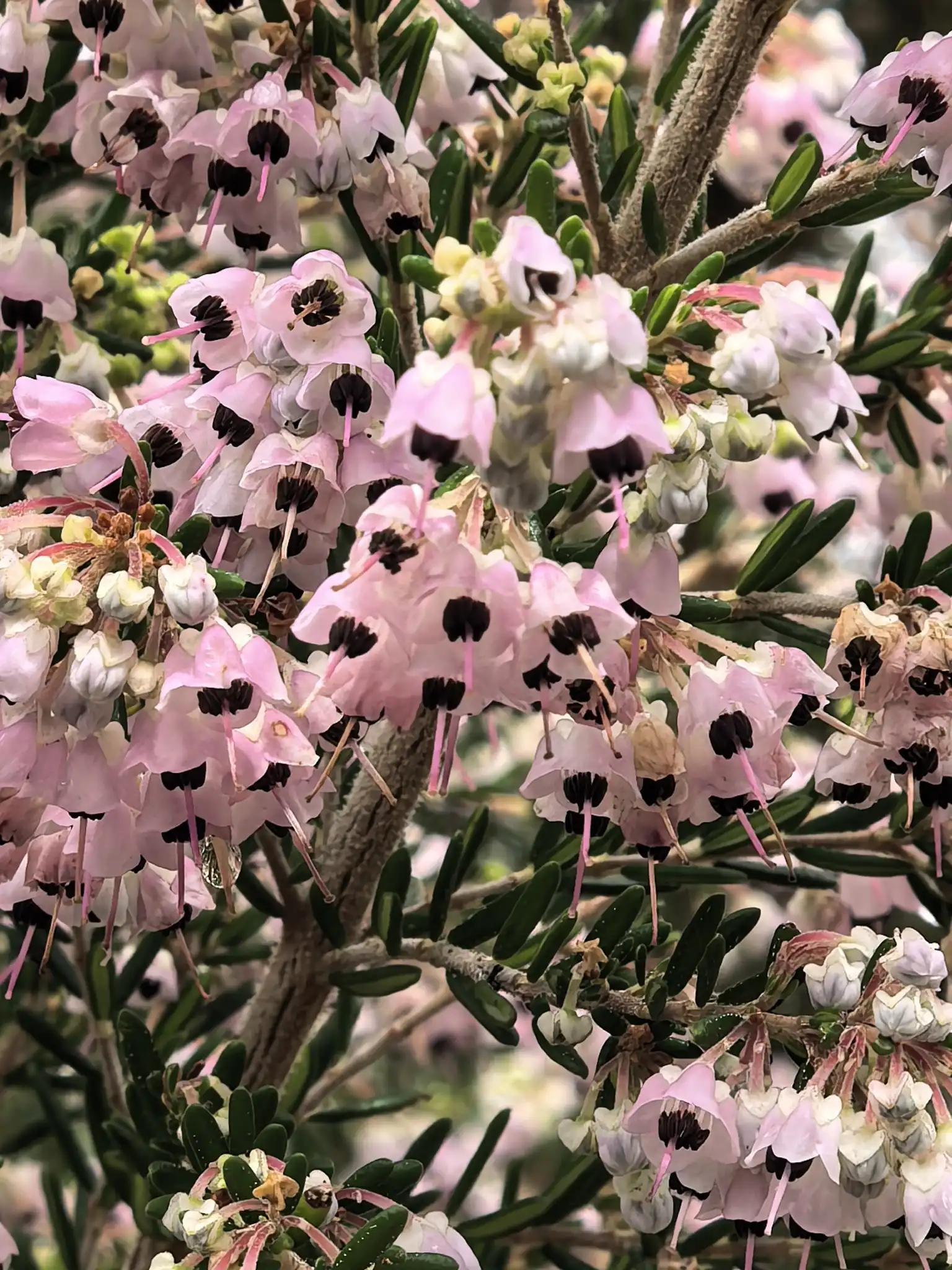
Erica canaliculata is a large, erect, much-branched evergreen shrub from the Cape Provinces that reaches about six to seven feet in gardens, more in ideal conditions. It carries tiny needle-like dark green leaves about a quarter-inch long, rolled to show white undersides, densely packed along the stems.
The flowers are small pale pink to white cups eight to twelve millimeters long, carried in large sprays at the branch ends in groups of three to six. Each opens to show dark brown to black anthers in the center, and the winter clusters are fragrant and nectar-rich.
Uses & Benefits:
Essentials
At a Glance
Plant Type
Shrub
Height
79"
Width
47"
Light
Full Sun, Partial Sun
Zones
9, 10
Water
Evenly moist
Lifespan
Woody perennial shrub
Native To
Cape Provinces, South Africa
Toxicity
Uncertain
Bloom period
Fall – Winter
In flower about 6 months of the year
Planting
How to Grow
- Plant in spring after frost in full sun with 6 to 8 hours of direct light.
- Dig in peat or compost to make acidic sandy loam at pH 5.0 to 6.0 that drains freely but holds moisture.
- Water to keep evenly moist and never let dry out; do not add lime or fresh manure.
- Tip-prune lightly after flowering and feed once with dilute acid-formula liquid fertilizer.
- In zones below 9 grow in a pot and move to a frost-free shelter before hard frost.
Pro Tip
Plant only in lime-free acidic soil that stays moist but drains freely, and keep it in a pot to move under cover where winter drops below freezing.
Keep It Thriving
Care Guide
Do
- Grow in acidic lime-free sandy loam with added peat or compost
- Keep soil evenly moist with pine bark or leaf mulch
- Give full sun for deepest flower color
- Trim lightly after flowering to stay compact
Don't
- Do not plant in alkaline or lime-amended soil
- Do not let the root zone dry out completely
- Do not shear hard each year into old wood
- Do not leave outdoors unprotected where temperatures fall well below freezing
Seasonal Care Calendar
| Task | Jan | Feb | Mar | Apr | May | Jun | Jul | Aug | Sep | Oct | Nov | Dec |
|---|---|---|---|---|---|---|---|---|---|---|---|---|
| Fertilize | ||||||||||||
| Pest Check | ||||||||||||
| Plant | ||||||||||||
| Prune | ||||||||||||
| Winter Prep |
Watch Out For
Pests & Diseases
Common Pests
In the Garden
Landscape Uses & Companions
Landscape Uses
Companion Plants
Good to Know
Common Questions
Christmas Heather questions
What zones can Christmas Heather grow in?
Christmas Heather is hardy in USDA Zones 9–10: in that range it survives winter in the ground. Colder than Zone 9, grow it in a container you can move to shelter for the winter.
When does Christmas Heather bloom?
Christmas Heather typically blooms from fall to winter. Exact timing shifts a week or two with your zone — Sow's bloom calendar maps it to your garden.
Does Christmas Heather need full sun?
Christmas Heather does best in full sun to part shade. In hot climates, afternoon shade keeps blooms fresher longer.
More Erica to compare
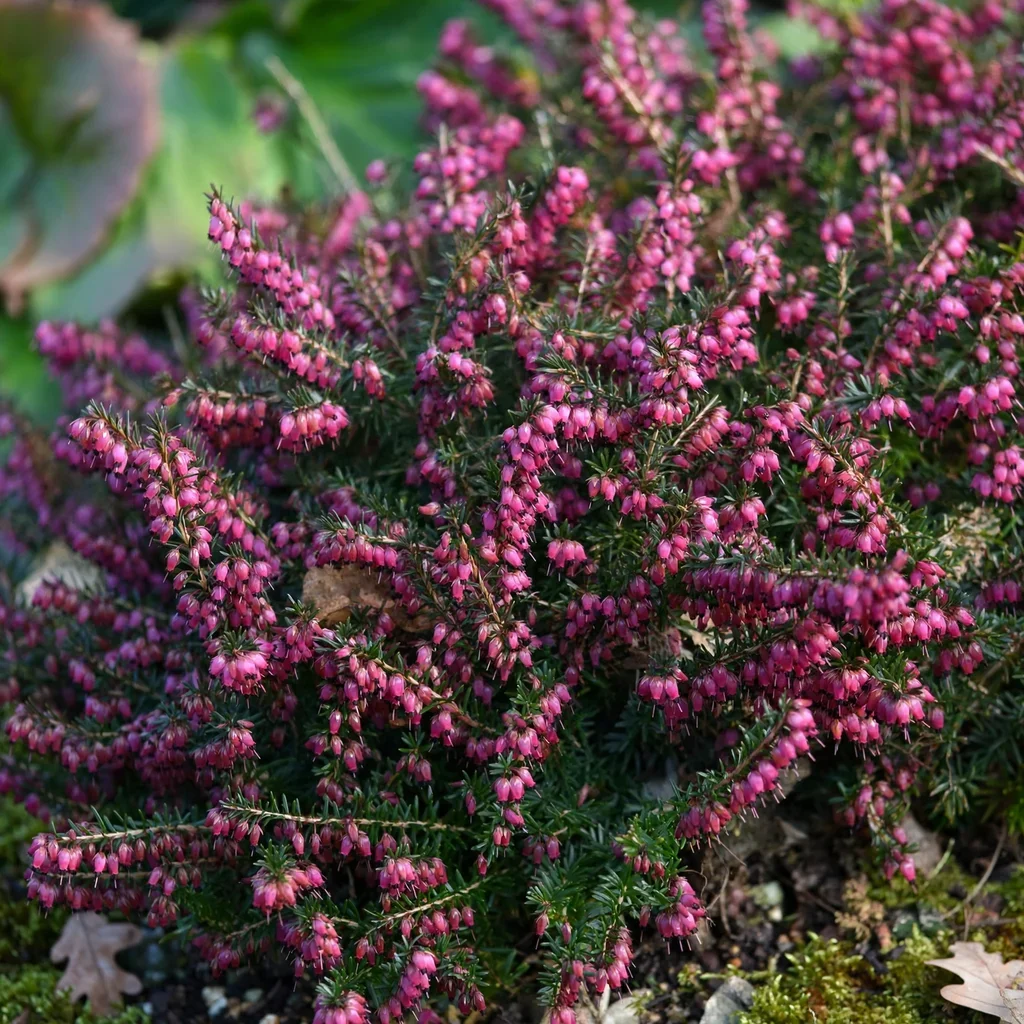
December Red Winter Heath
Erica carnea 'December Red'
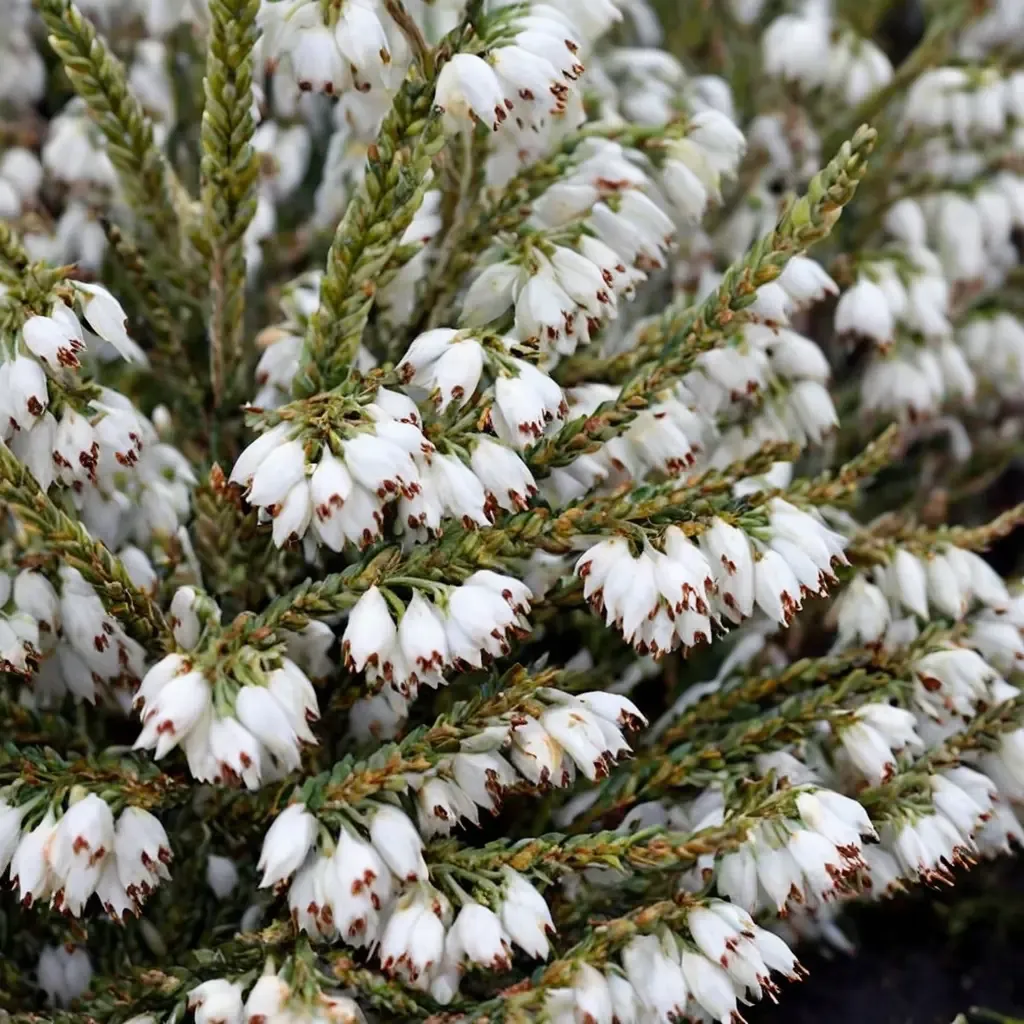
White Heath
Erica x hybrida 'Alba'
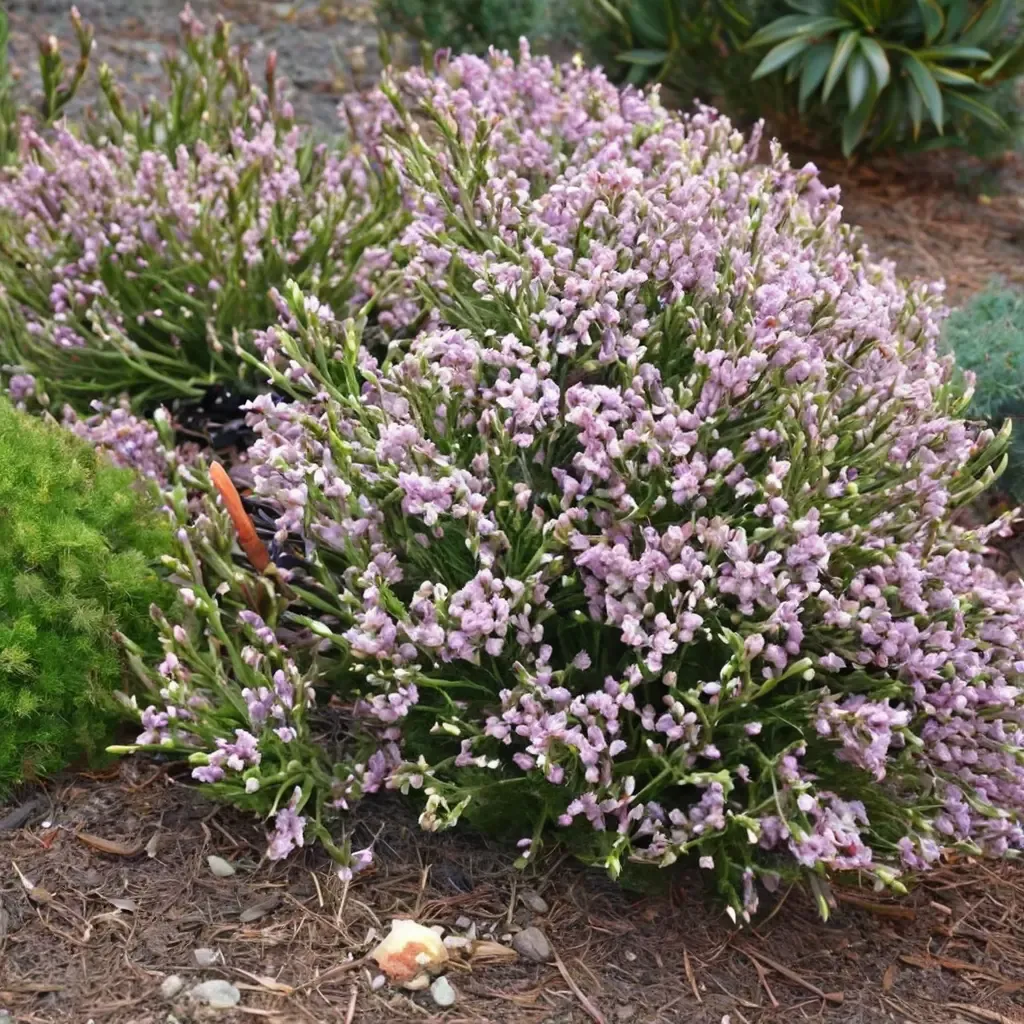
Darley Dale Heath
Erica x hybrida 'Darley Dale'
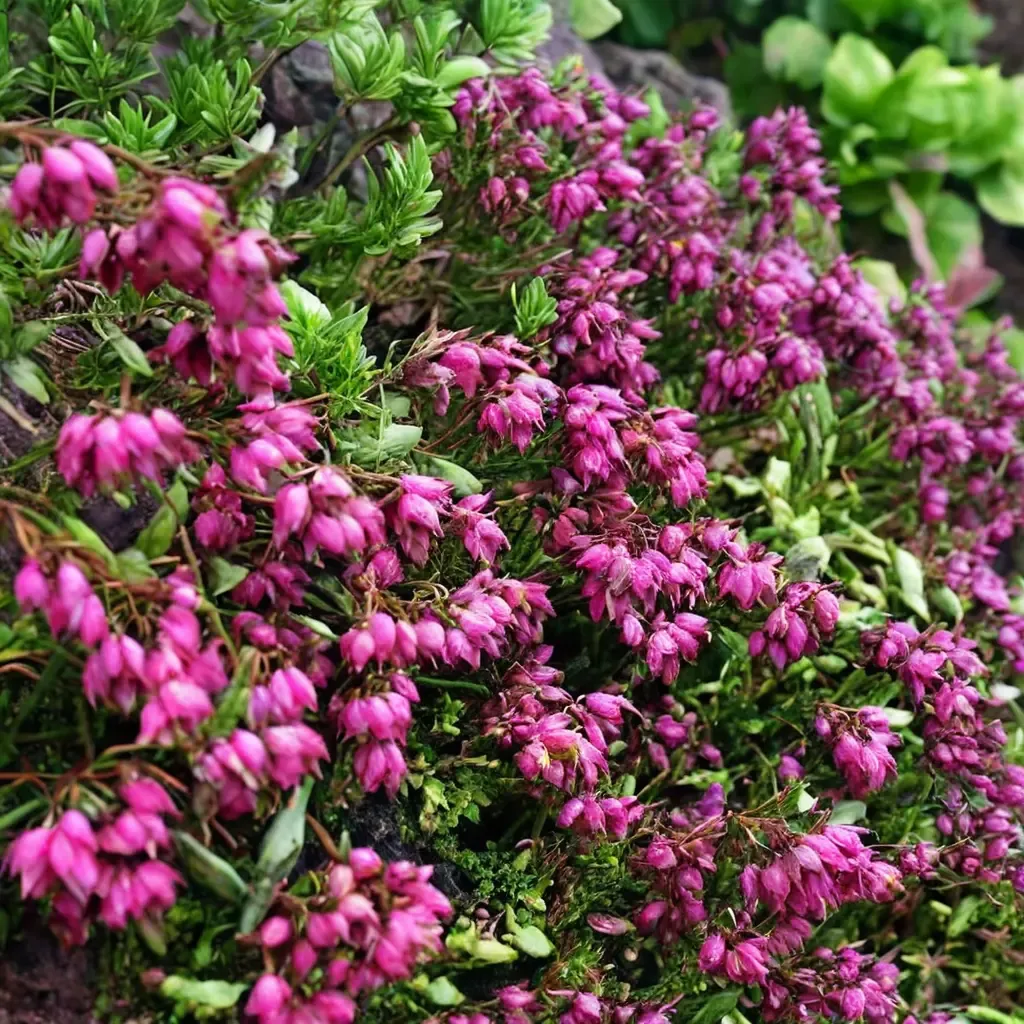
Myretoun Ruby Winter Heath
Erica carnea 'Myretoun Ruby'
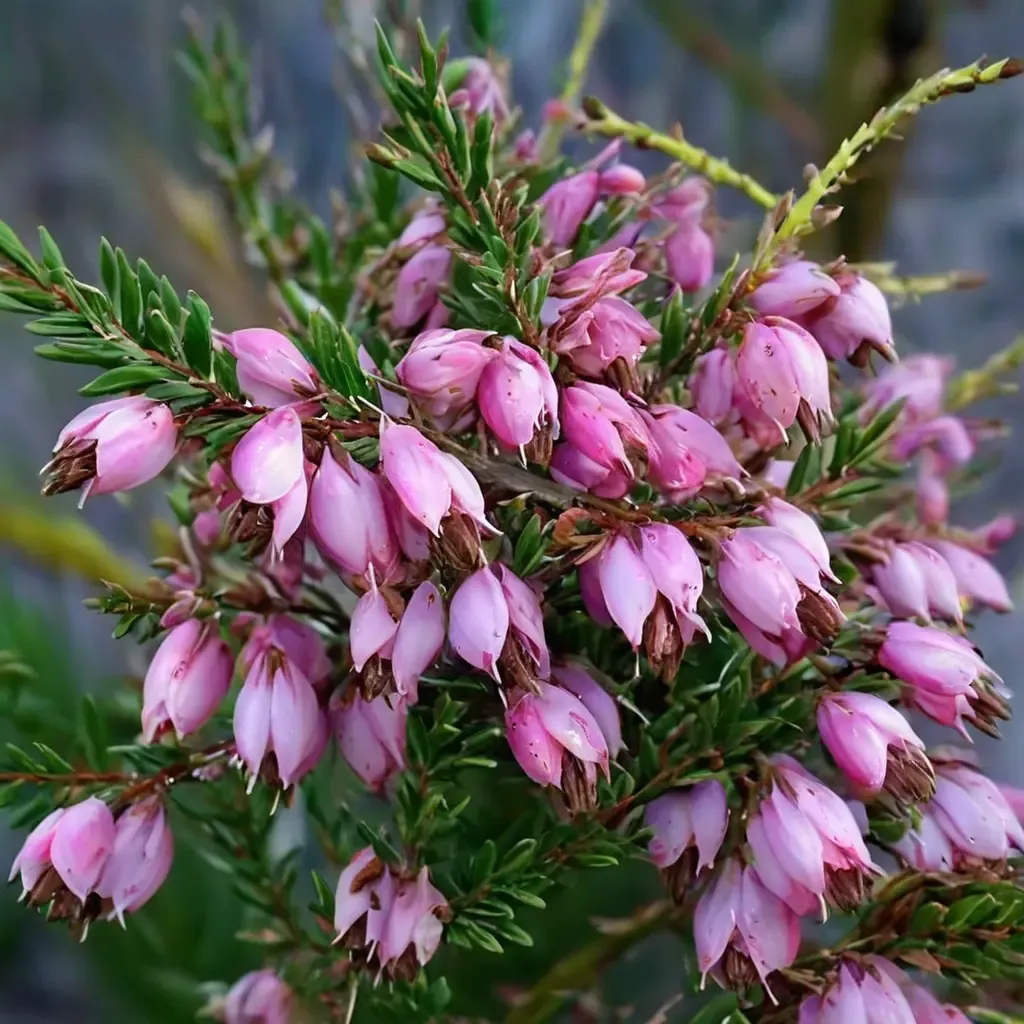
Winter Heath
Erica carnea
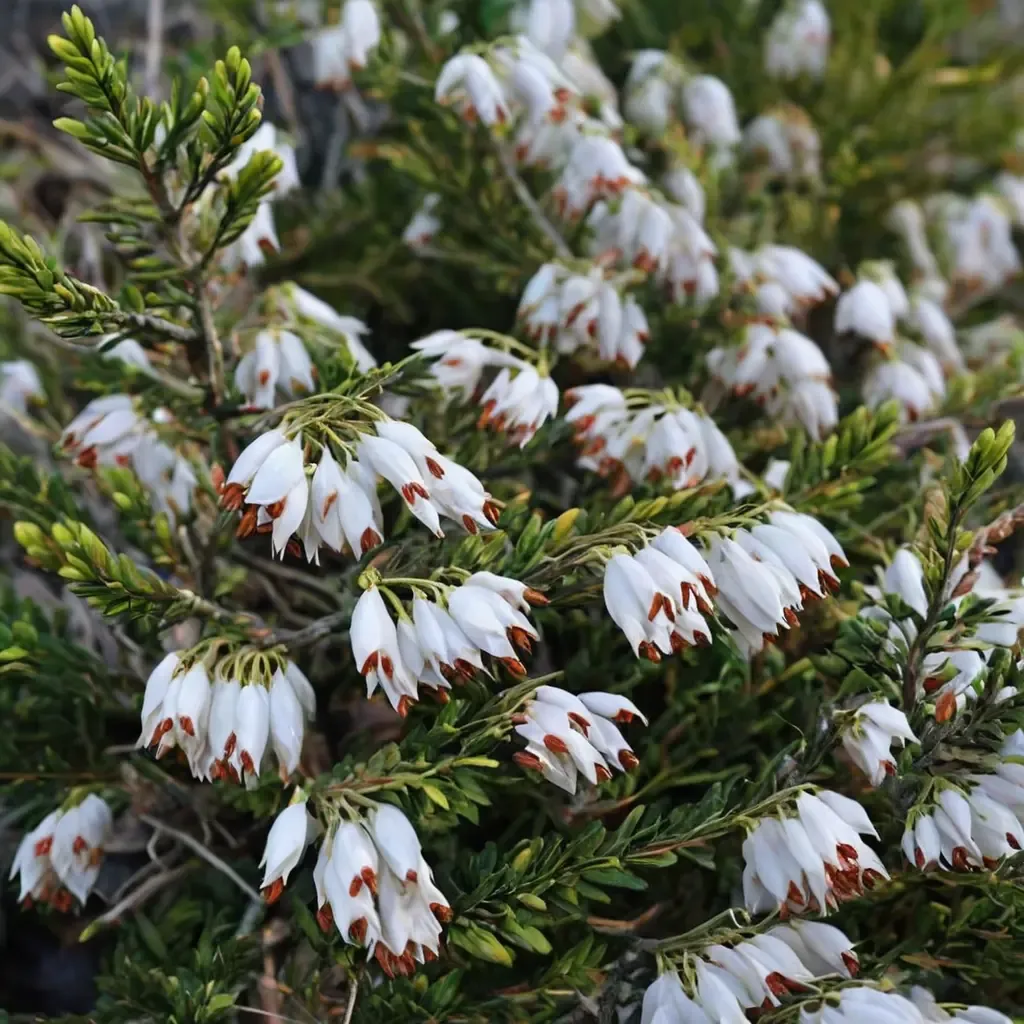
Springwood White Heather
Erica carnea 'Springwood White'
Keep exploring
Explore the genus
Hardy in your zone?
Grow Christmas Heather with confidence
See it in a design of your actual yard, get zone-matched care reminders, and track it season by season in your garden journal.