The Story
Plant Bio
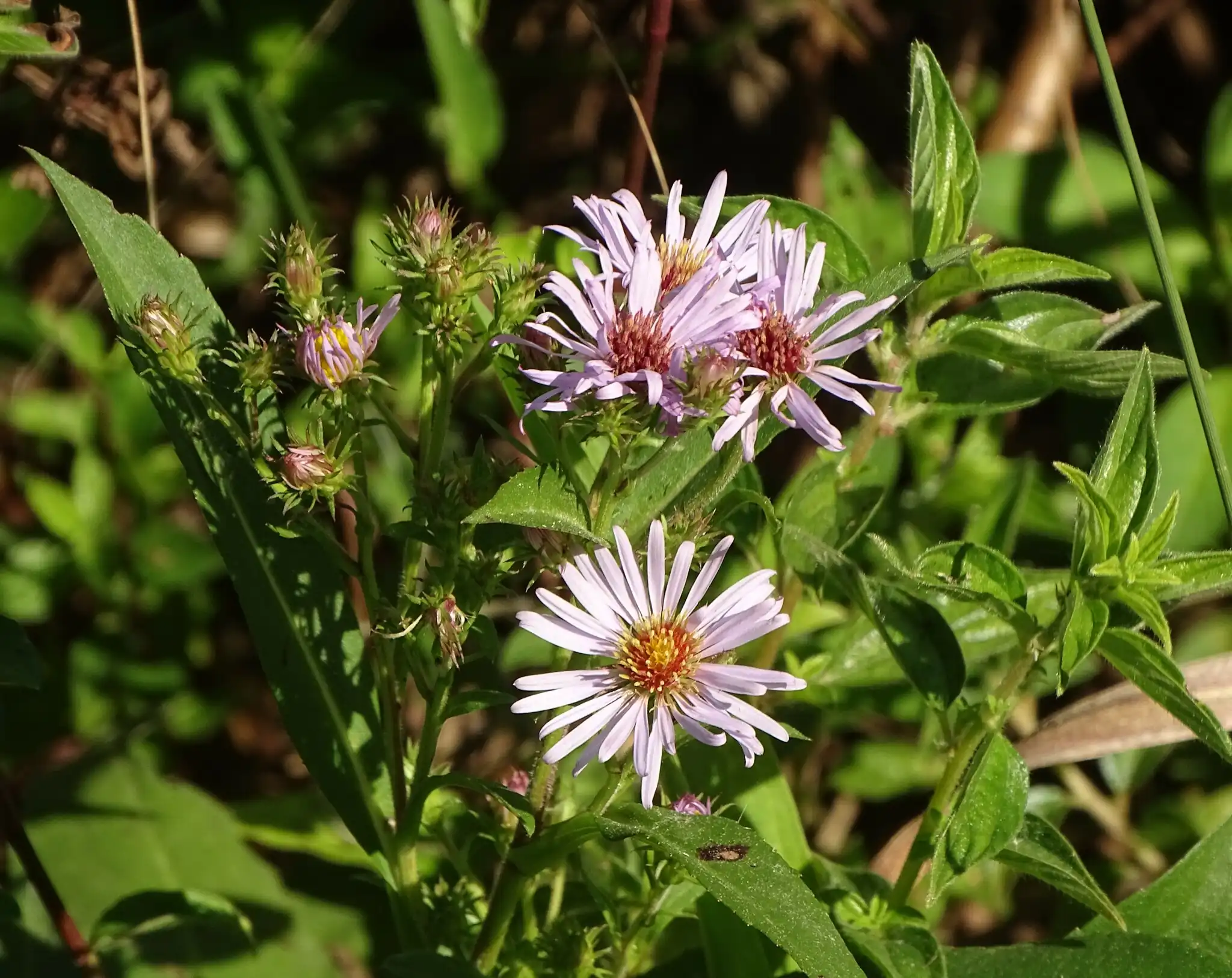
Symphyotrichum elliottii is a robust upright perennial reaching three to four feet in cultivation, branching freely from the base to form a multistemmed clump. The flower display is a multitude of small composite heads about one inch across, each with narrow light-purple rays around a yellow disk.
Unlike drier-land asters it is an obligate wetland plant, spreading aggressively by long rhizomes and suckers into broad colonial patches. It holds thick firm stem leaves with cuneate to rounded bases and blooms late summer to fall, tolerating humidity and wet poorly drained soil but not salt.
Uses & Benefits:
Essentials
At a Glance
Plant Type
Perennial
Height
48"
Width
36"
Light
Full Sun, Partial Sun
Zones
7, 8, 9, 10
Water
Wet
Humidity
Tolerant
Lifespan
Perennial
Native To
Southeastern USA
Toxicity
Non-toxic
Bloom period
Late summer – Fall
In flower about 4 months of the year
Marketplace
Where to Buy
Shipping costs Year-round shipping Free shipping
Planting
How to Grow
- Plant in full sun in moist to wet, poorly drained soil at the back of the border or in a rain garden.
- Set plants 2 to 3 feet apart to allow for rhizome spread and air movement.
- Water to keep soil consistently moist; do not let wetland plantings dry out in summer.
- Cut back the spreading rhizome edge in spring and deadhead after bloom to keep the patch contained.
Pro Tip
Give it wet full sun at the back of a rain garden and cut the rhizome edge back each spring; in part shade it flops and needs staking.
Keep It Thriving
Care Guide
Do
- Do plant in full sun in reliably wet soil.
- Do contain rhizome spread with regular edge cutting.
- Do deadhead after the fall flush to encourage more heads.
Don't
- Do not plant in a small mixed border where it will overrun neighbors.
- Do not plant in shade, where stems flop.
- Do not plant in salty or dry soil.
Seasonal Care Calendar
| Task | Jan | Feb | Mar | Apr | May | Jun | Jul | Aug | Sep | Oct | Nov | Dec |
|---|---|---|---|---|---|---|---|---|---|---|---|---|
| Deadhead | ||||||||||||
| Divide | ||||||||||||
| Pest Check | ||||||||||||
| Plant | ||||||||||||
| Prune |
Watch Out For
Pests & Diseases
Common Pests
Common Diseases
In the Garden
Landscape Uses & Companions
Landscape Uses
Multiply
Propagation Methods
Good to Know
Common Questions
Elliott's Aster questions
What zones can Elliott's Aster grow in?
Elliott's Aster is hardy in USDA Zones 7–10: in that range it survives winter in the ground. Colder than Zone 7, grow it in a container you can move to shelter for the winter, or as an annual.
When does Elliott's Aster bloom?
Elliott's Aster typically blooms from late summer to late fall. Exact timing shifts a week or two with your zone — Sow's bloom calendar maps it to your garden.
Does Elliott's Aster need full sun?
Elliott's Aster does best in full sun to part shade. In hot climates, afternoon shade keeps blooms fresher longer.
More Symphyotrichum to compare
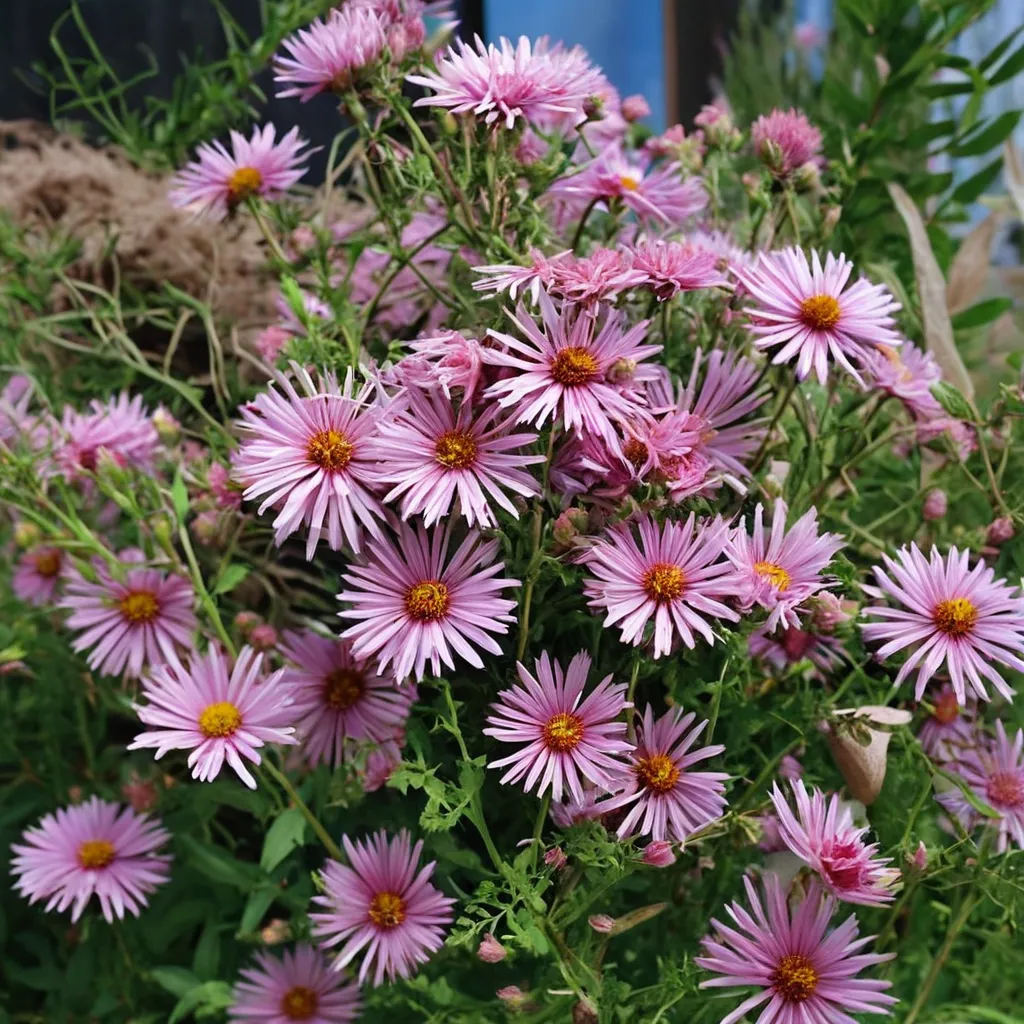
New England Aster Harringtons Pink
Symphyotrichum novae-angliae 'Harringtons Pink'
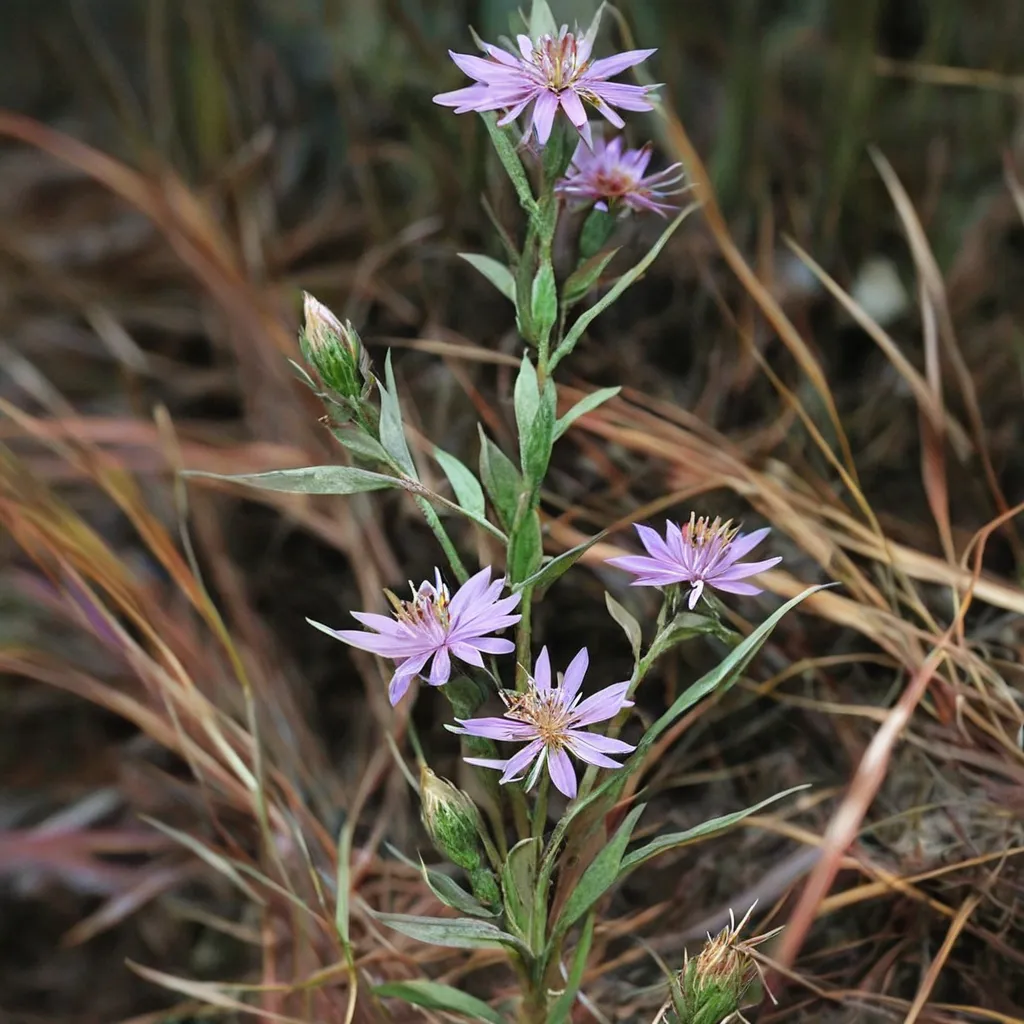
Eastern Silver Aster
Symphyotrichum concolor
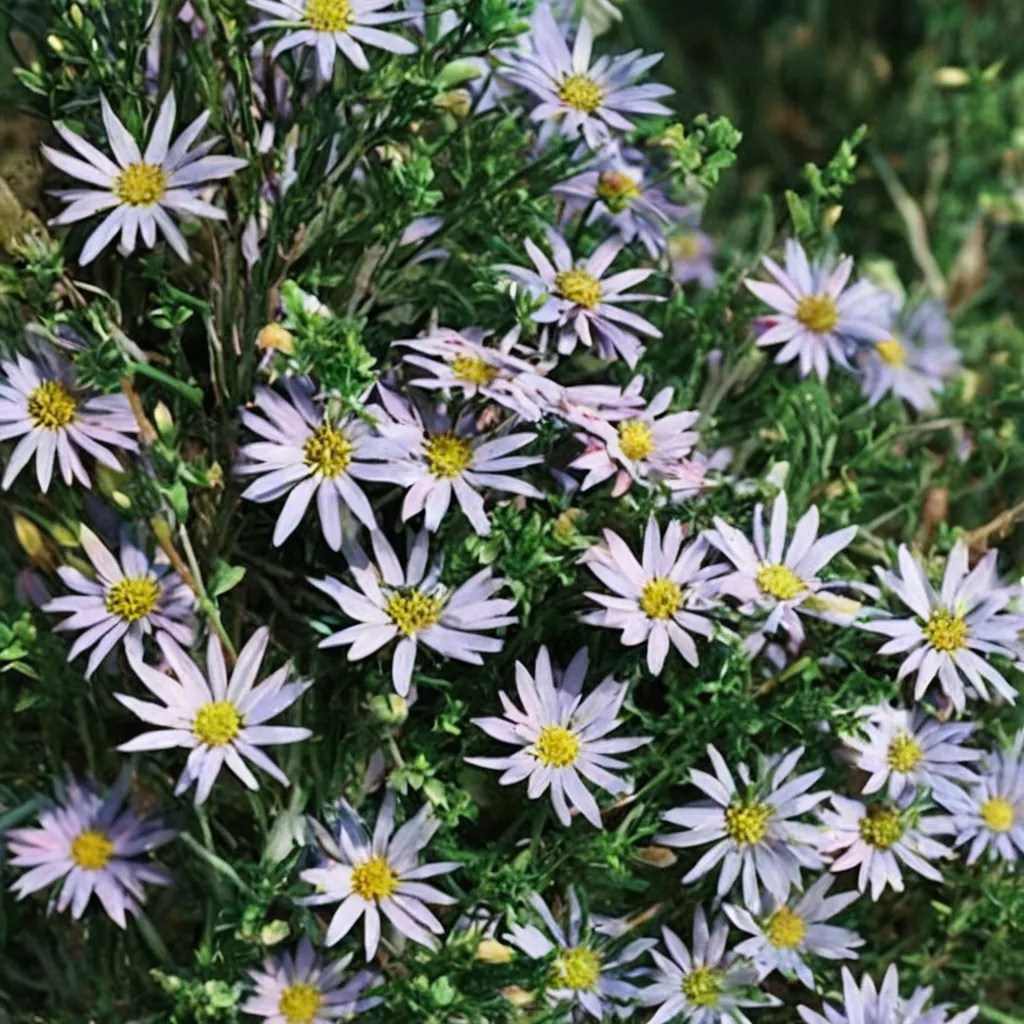
New Mexico Aster My Antonia
Symphyotrichum fendleri 'My Antonia'
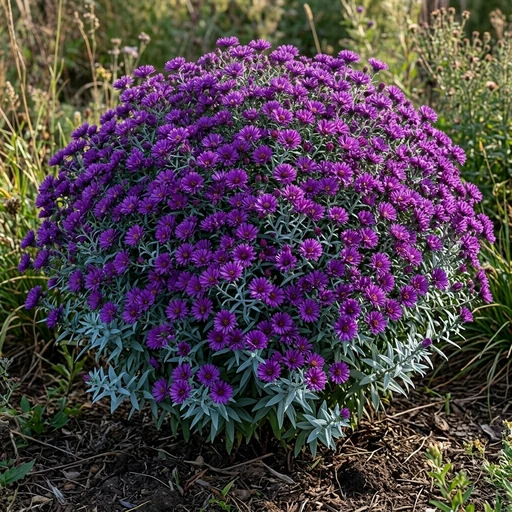
Purple Dome New England Aster
Symphyotrichum novae-angliae 'Purple Dome'
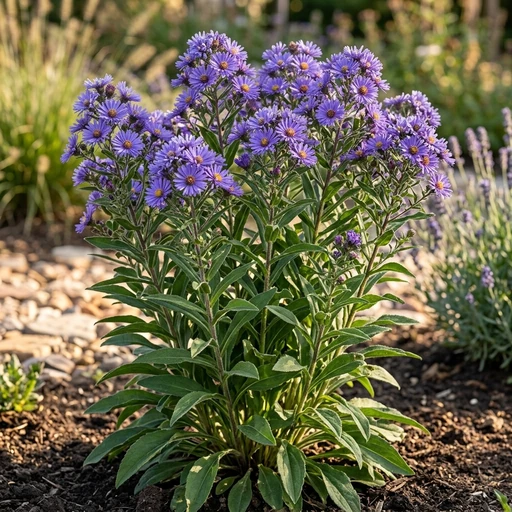
New England Aster
Symphyotrichum novae-angliae

Snow Flurry Heath Aster
Symphyotrichum ericoides 'Snow Flurry'
Keep exploring
Explore the genus
Hardy in your zone?
Grow Elliott's Aster with confidence
See it in a design of your actual yard, get zone-matched care reminders, and track it season by season in your garden journal.