The Story
Plant Bio
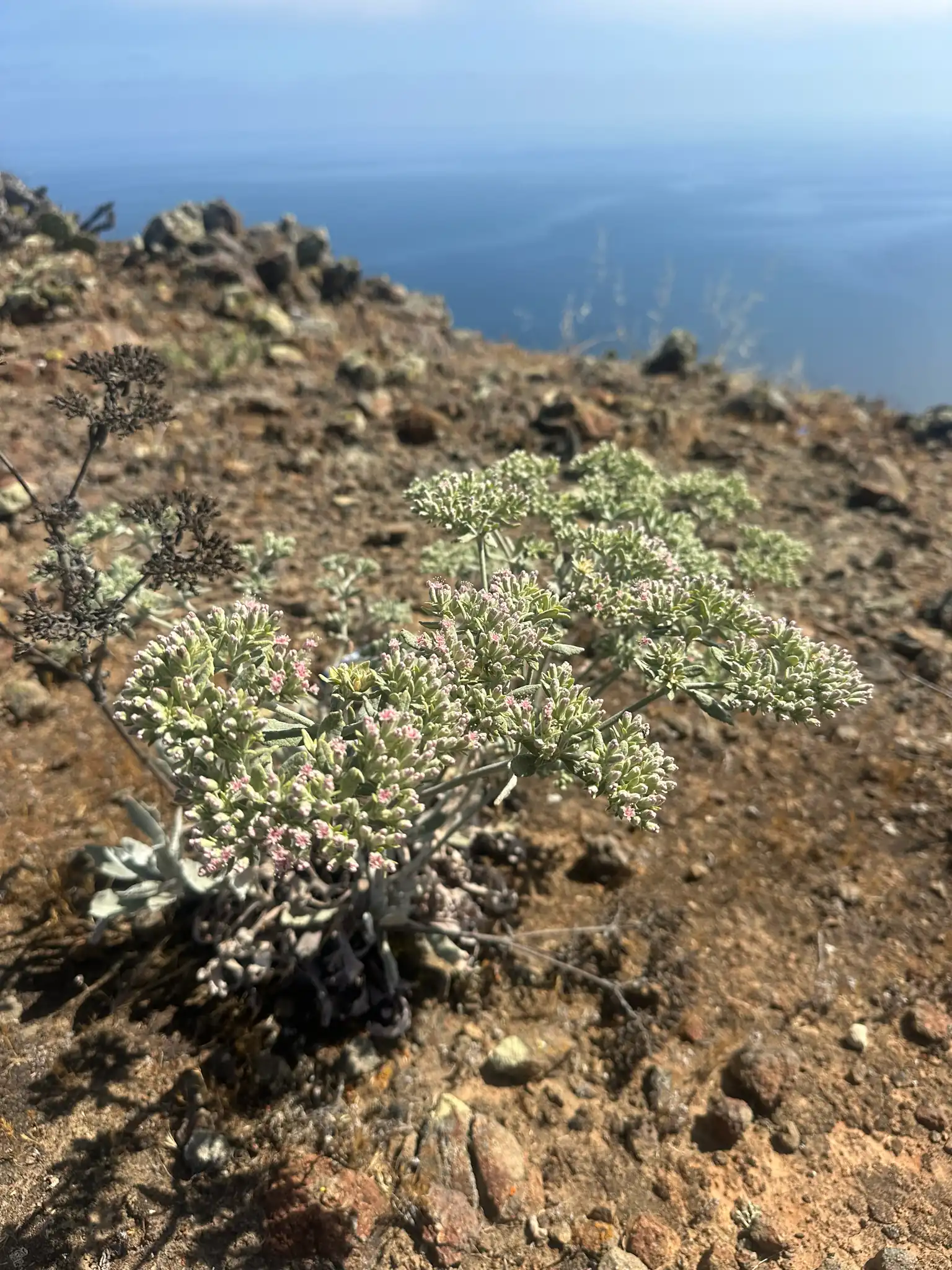
Eriogonum giganteum, known as St. Catherine's lace, is an evergreen shrub native to California's Channel Islands that forms a dense, rounded mound of silver-gray foliage up to eight feet tall and wide. In mid-spring, broad, flat-topped flower heads arise above the leaves, opening cream-white before drying to long-lasting rust and dark chocolate-brown tones through summer and fall.
Dense woolly hairs coat the underside of the oval leaves, reflecting solar heat and drastically reducing water loss in dry coastal environments. The expansive, lacy inflorescences persist into autumn, providing late-season architectural interest and vital forage for wildlife.
Uses & Benefits:
Essentials
At a Glance
Plant Type
Shrub
Height
96"
Width
96"
Light
Full Sun
Zones
8, 9, 10
Water
Low
Humidity
Low to moderate
Lifespan
Perennial
Native To
California Channel Islands
Toxicity
Non-toxic
Bloom period
Spring – Fall
In flower about 9 months of the year
Planting
How to Grow
- Choose a site in full sun with gritty, rock-rich, or sharply sloped clay soil.
- Dig a hole slightly wider than the container but matching its exact depth.
- Position the root ball flush with the surrounding soil to prevent moisture accumulation at the stem base.
- Water lightly at planting to settle the soil, then refrain from routine summer irrigation once roots establish.
Pro Tip
Never cut back into old leafless wood, as bare woody stems lack dormant buds and will fail to resprout.
Keep It Thriving
Care Guide
Do
- Ensure excellent soil drainage, ideally on a slope or elevated berm.
- Leave spent flower heads intact through fall to feed seed-eating wild birds.
- Prune lightly within leafy branch tips to maintain shape.
Don't
- Do not water established plants during warm summer months.
- Do not shear or cut branches back to old bare wood.
- Do not plant in soggy low spots or heavy, waterlogged soils.
Seasonal Care Calendar
| Task | Jan | Feb | Mar | Apr | May | Jun | Jul | Aug | Sep | Oct | Nov | Dec |
|---|---|---|---|---|---|---|---|---|---|---|---|---|
| Pest Check | ||||||||||||
| Propagate | ||||||||||||
| Prune | ||||||||||||
| Spring Cleanup |
Watch Out For
Pests & Diseases
Common Pests
Common Diseases
In the Garden
Landscape Uses & Companions
Landscape Uses
Multiply
Propagation Methods
Good to Know
Common Questions
St. Catherine's Lace questions
What zones can St. Catherine's Lace grow in?
St. Catherine's Lace is hardy in USDA Zones 8–10: in that range it survives winter in the ground. Colder than Zone 8, grow it in a container you can move to shelter for the winter.
Is St. Catherine's Lace deer resistant?
Yes — St. Catherine's Lace is rated deer-resistant. Deer typically pass it over, though extreme hunger can override any plant's defenses.
When does St. Catherine's Lace bloom?
St. Catherine's Lace typically blooms from spring to fall. Exact timing shifts a week or two with your zone — Sow's bloom calendar maps it to your garden.
Does St. Catherine's Lace need full sun?
St. Catherine's Lace does best in full sun (6+ hours).
Is St. Catherine's Lace drought tolerant?
Yes — once established (usually after the first full season), St. Catherine's Lace handles dry spells with minimal watering. Water deeply its first year to build the root system that makes that possible.
More Eriogonum to compare
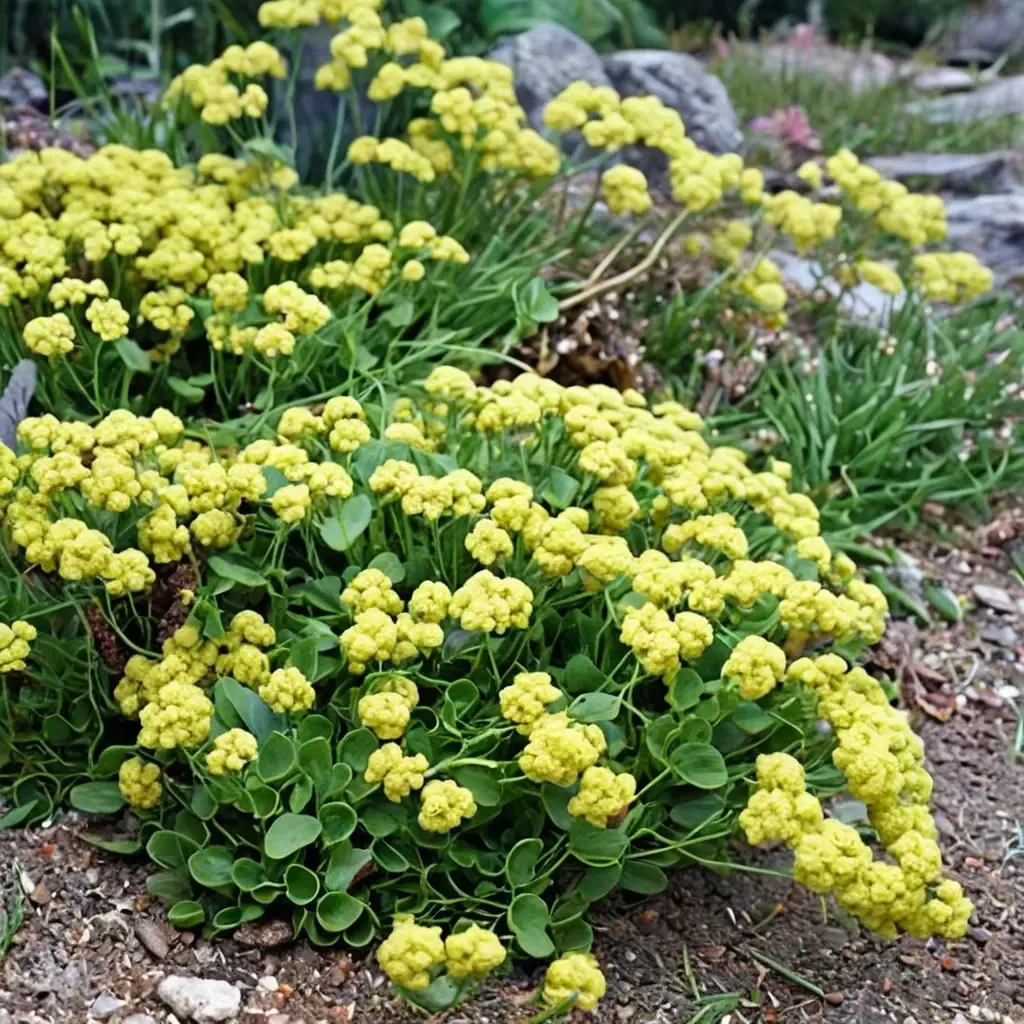
Golden Buckwheat
Eriogonum umbellatum 'aureum'
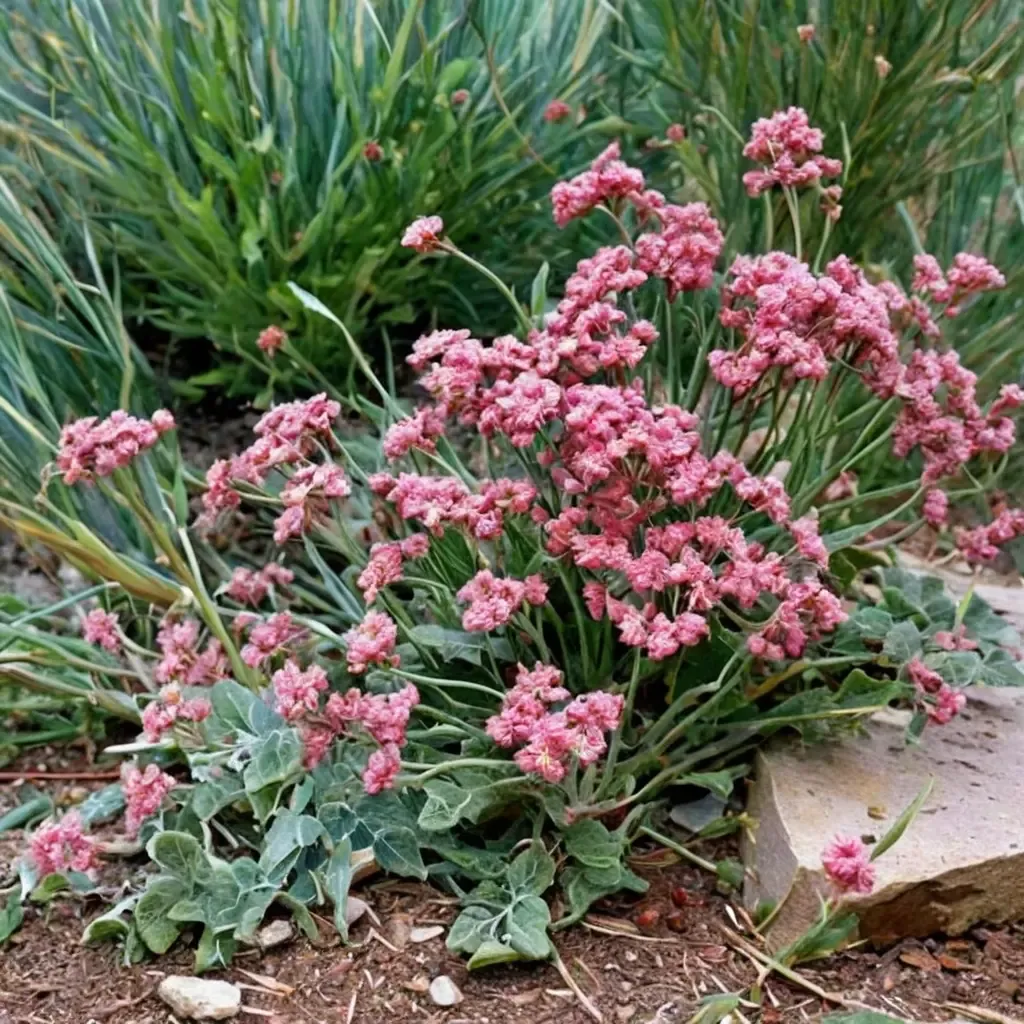
Red Buckwheat
Eriogonum grande 'rubescens'

Ella Nelson's Yellow Buckwheat
Eriogonum nudum 'Ella Nelson's Yellow'
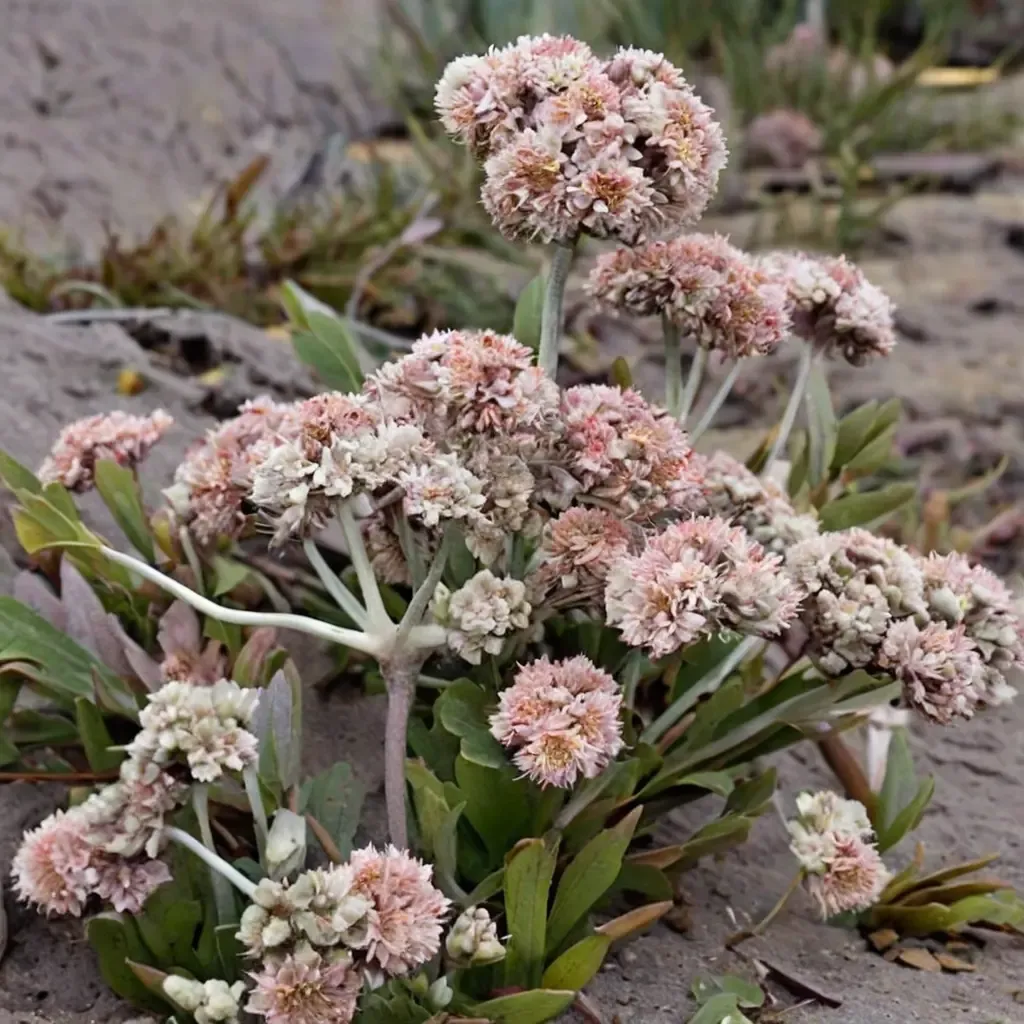
Broadleaf Buckwheat
Eriogonum latifolium
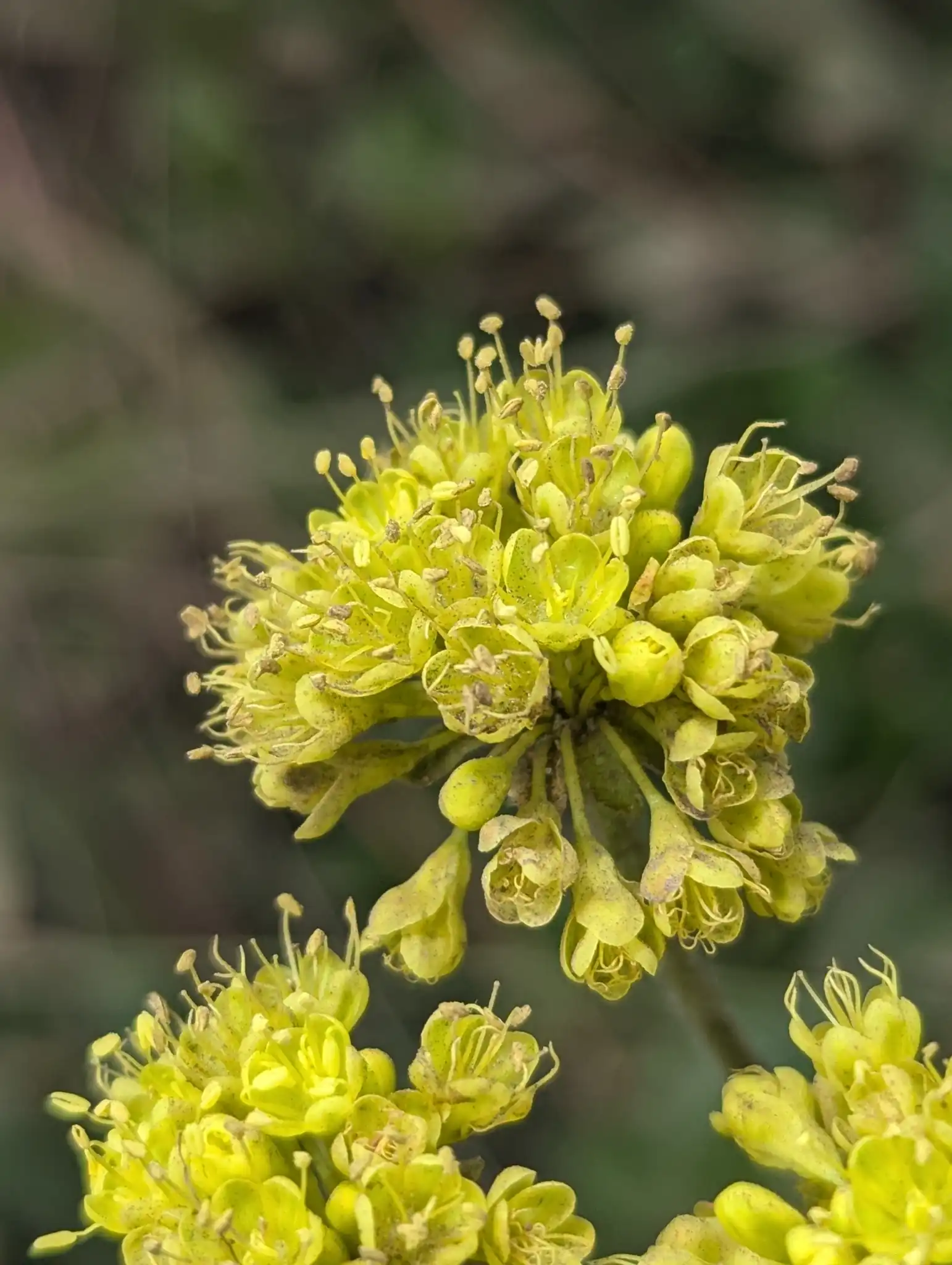
Sulphur Buckwheat
Eriogonum umbellatum
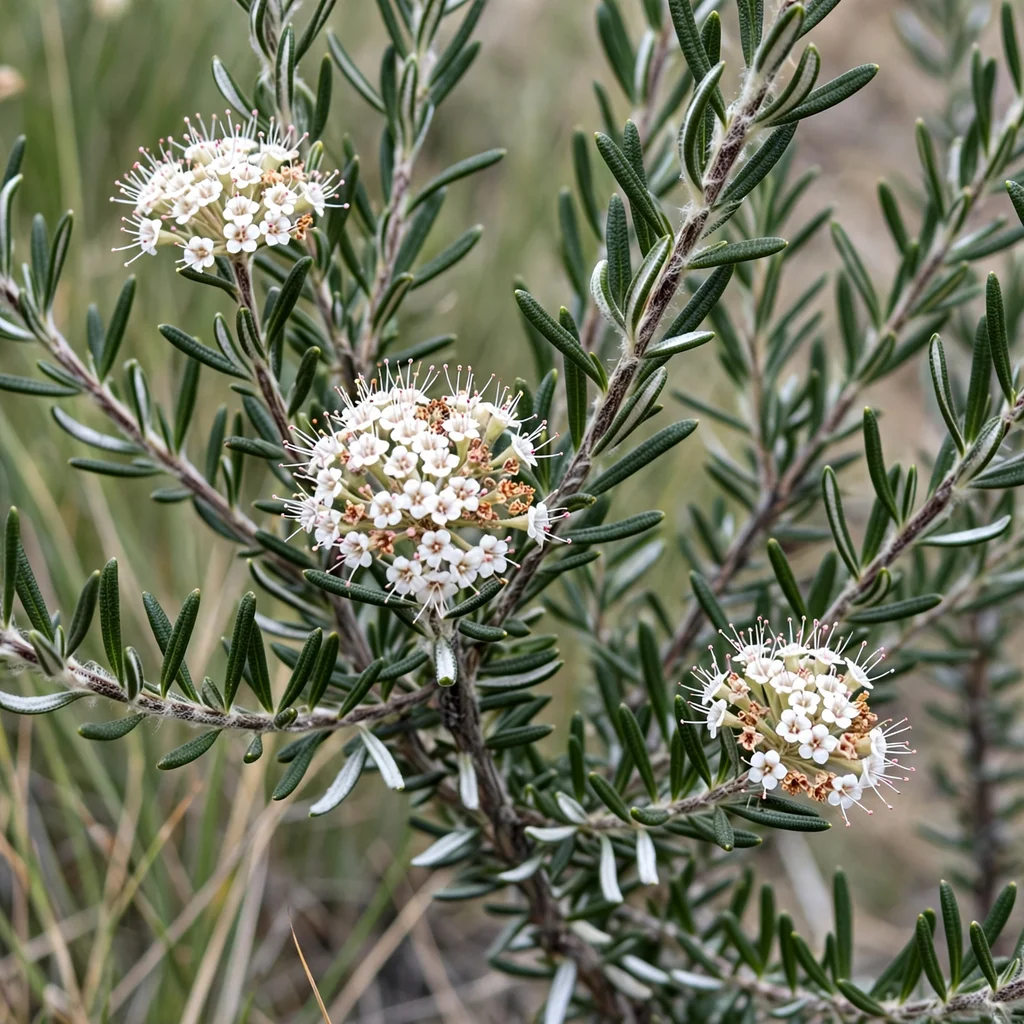
California Buckwheat
Eriogonum fasciculatum
Keep exploring
Explore the genus
Hardy in your zone?
Grow St. Catherine's Lace with confidence
See it in a design of your actual yard, get zone-matched care reminders, and track it season by season in your garden journal.