The Story
Plant Bio
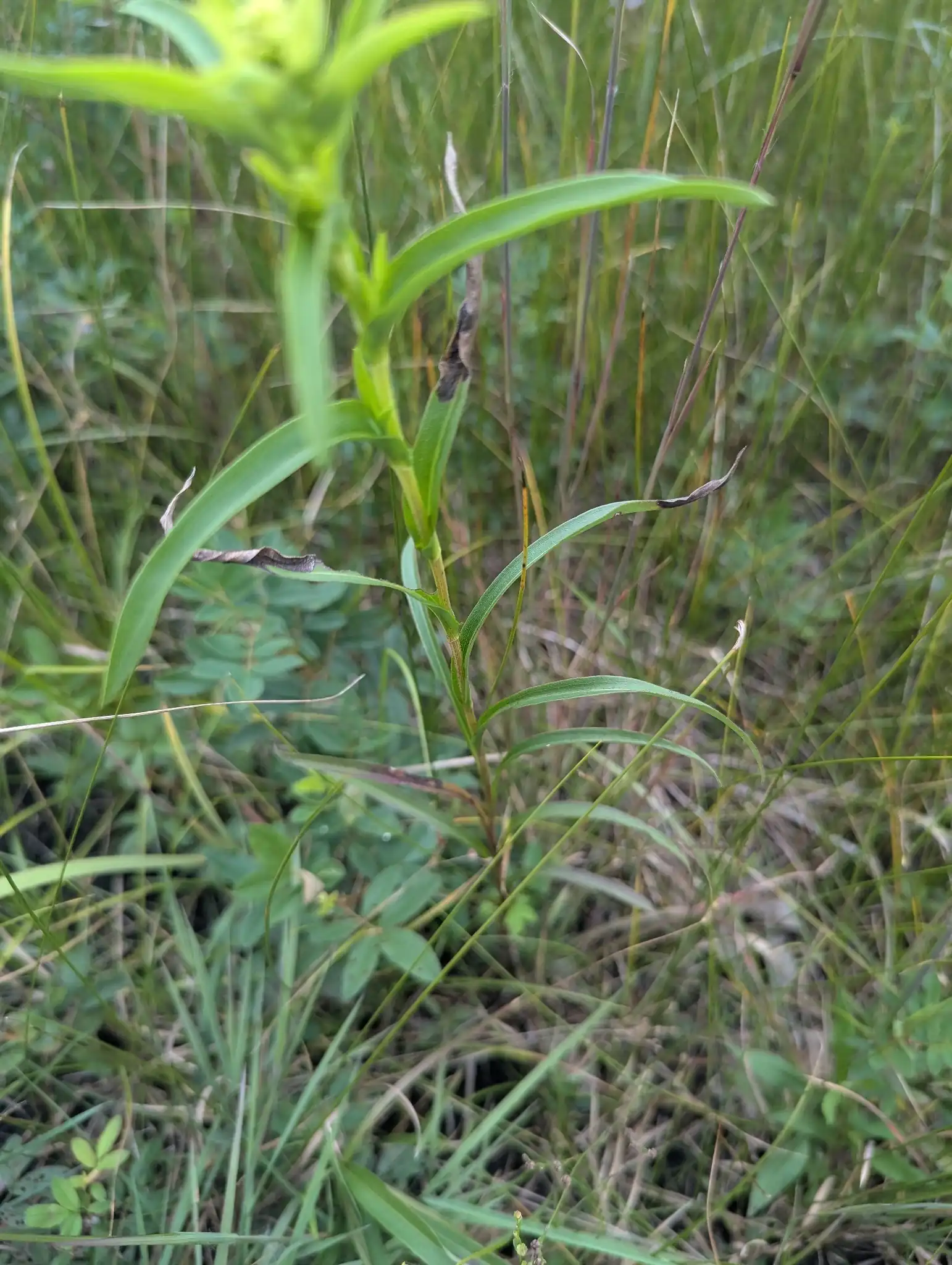
Solidago riddellii is an upright herbaceous perennial native to wet prairies, fens, and marshy ground across central and eastern North America. Stiff, smooth stems support narrow, arching leaves and dense, flat-topped clusters of yellow flower heads from late summer through early fall.
The bright green foliage is uniquely folded along the midrib and clasps the stem directly, giving the plant a distinct architectural structure. Unlike aggressively spreading goldenrods, this species expands slowly via a tight underground caudex to form neat clumps.
Uses & Benefits:
Essentials
At a Glance
Plant Type
Perennial
Height
36"
Width
24"
Light
Full Sun
Zones
4, 5, 6, 7, 8, 9
Water
High
Humidity
High
Lifespan
Perennial
Native To
North America
Toxicity
Non-toxic
Bloom period
Late summer – Fall
In flower about 4 months of the year
Planting
How to Grow
- Select a full-sun site with damp, heavy, or organic soil that stays consistently moist.
- Dig a hole slightly wider than the root ball and set the crown flush with the soil surface.
- Water thoroughly at planting to eliminate air pockets around the root system.
- Apply a 2-inch layer of organic mulch around the base to suppress weeds and conserve soil moisture.
Pro Tip
Do not apply fertilizer; nitrogen-rich soils cause the stems to grow overly tall and flop.
Keep It Thriving
Care Guide
Do
- Keep the soil consistently moist or wet throughout the growing season.
- Leave dried flower stems standing into winter to feed native songbirds.
- Divide overgrown clumps every three to four years in early spring.
Don't
- Do not apply high-nitrogen fertilizers, which trigger weak, top-heavy stems.
- Do not allow the planting area to dry out completely during summer heat.
- Do not plant in heavy shade, which causes leggy growth and sparse flowering.
Seasonal Care Calendar
| Task | Jan | Feb | Mar | Apr | May | Jun | Jul | Aug | Sep | Oct | Nov | Dec |
|---|---|---|---|---|---|---|---|---|---|---|---|---|
| Divide | ||||||||||||
| Mulch | ||||||||||||
| Pest Check | ||||||||||||
| Spring Cleanup |
Watch Out For
Pests & Diseases
Common Pests
Common Diseases
In the Garden
Landscape Uses & Companions
Landscape Uses
Multiply
Propagation Methods
Good to Know
Common Questions
Riddell's Goldenrod questions
What zones can Riddell's Goldenrod grow in?
Riddell's Goldenrod is hardy in USDA Zones 4–9: in that range it survives winter in the ground. Warmer than Zone 9, winter isn't the problem: it prefers colder winters, and summer heat can shorten its life.
Is Riddell's Goldenrod deer resistant?
Not reliably. Deer may browse Riddell's Goldenrod, especially tender spring growth — plan on repellents or fencing where pressure is high.
When does Riddell's Goldenrod bloom?
Riddell's Goldenrod typically blooms from late summer to late fall. Exact timing shifts a week or two with your zone — Sow's bloom calendar maps it to your garden.
Does Riddell's Goldenrod need full sun?
Riddell's Goldenrod does best in full sun (6+ hours).
More Solidago to compare
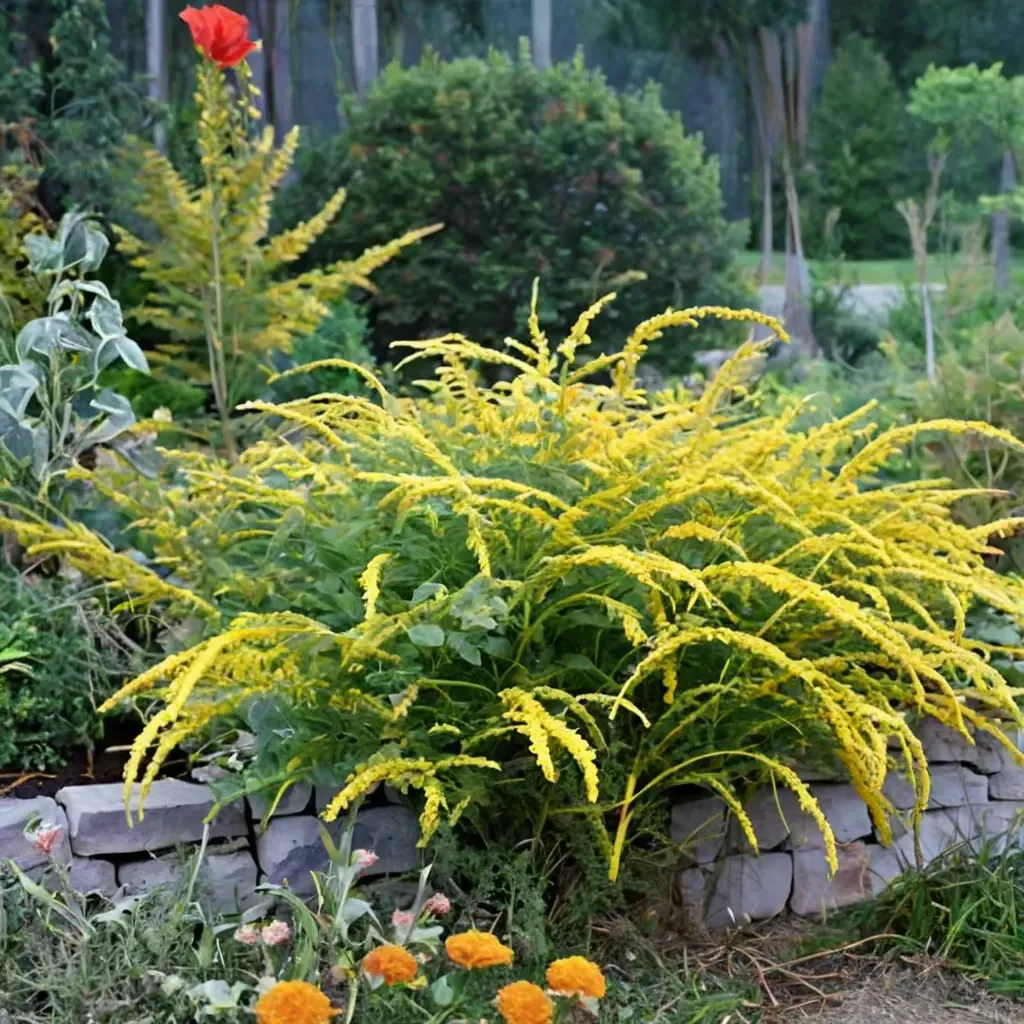
Fireworks Goldenrod
Solidago rugosa 'Fireworks'
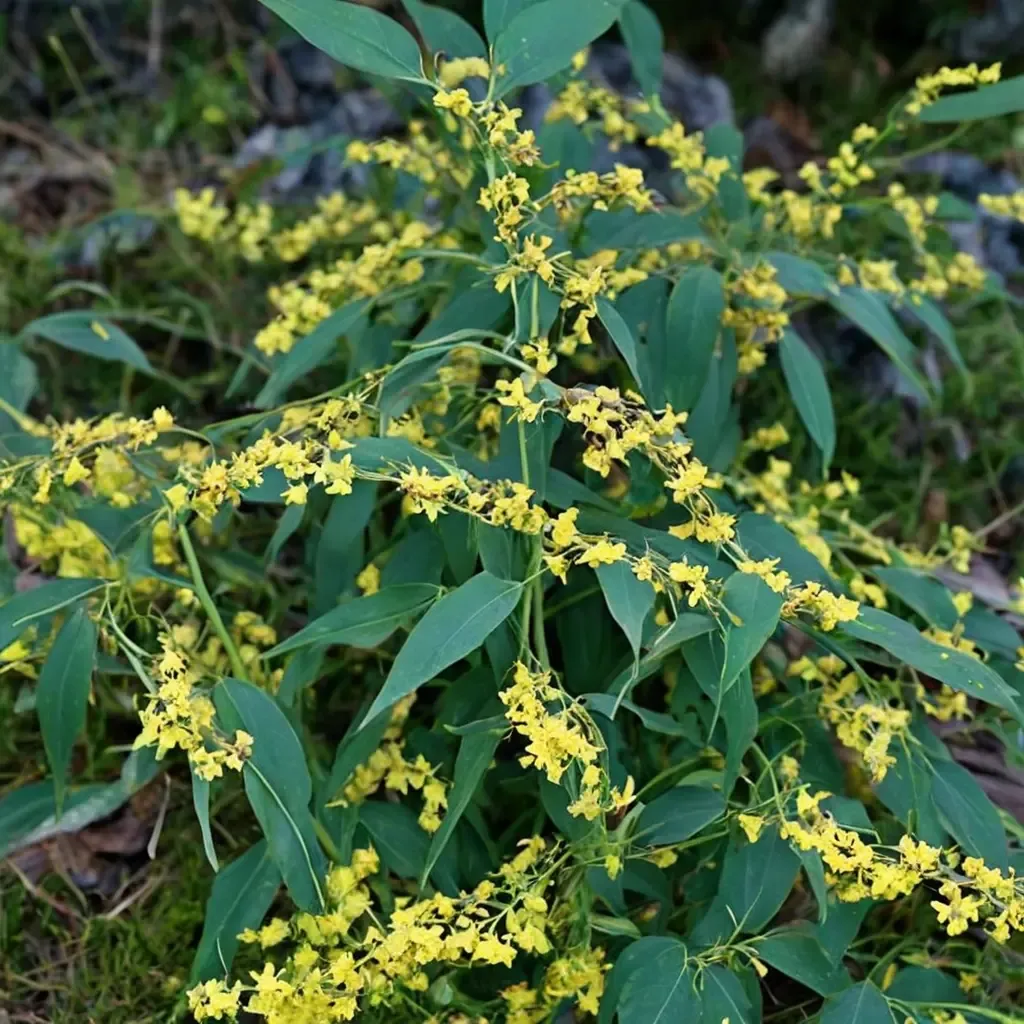
Bluestem Goldenrod
Solidago caesia
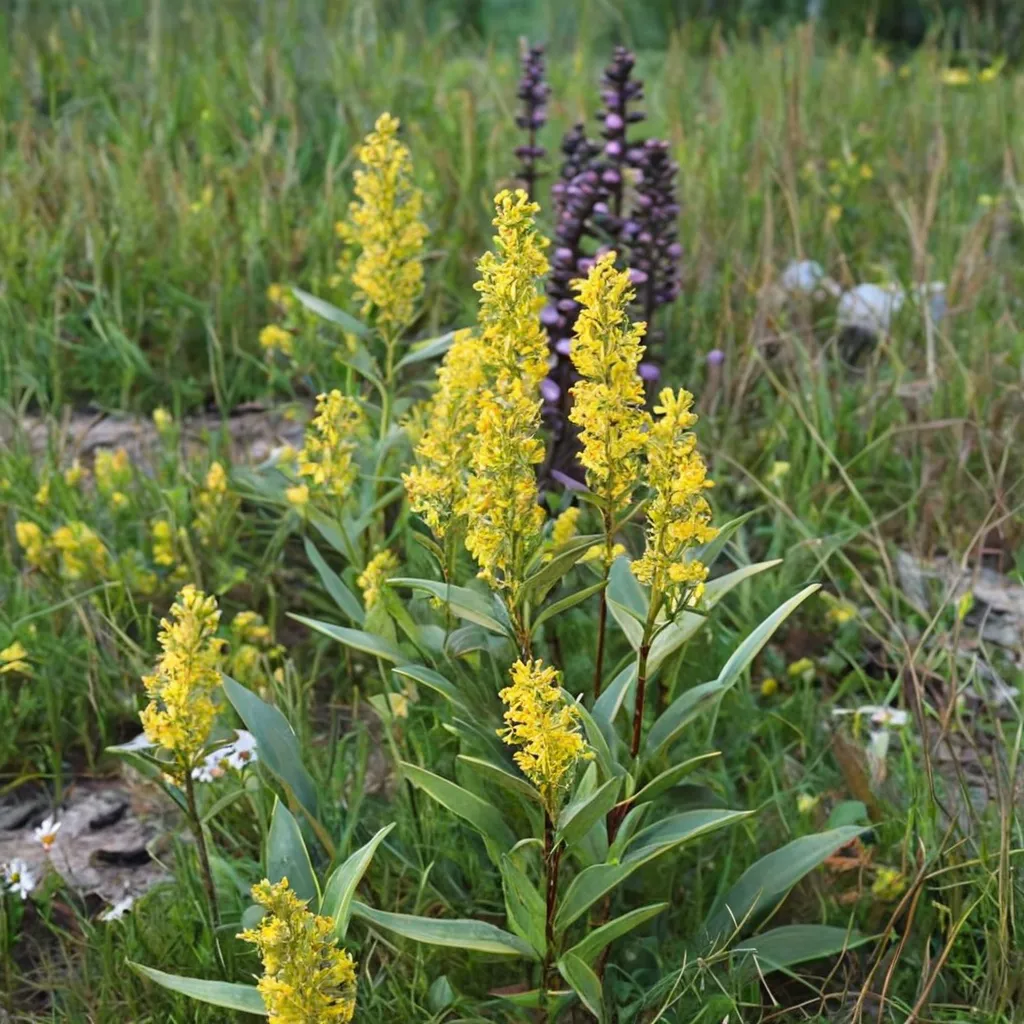
Showy Goldenrod
Solidago speciosa
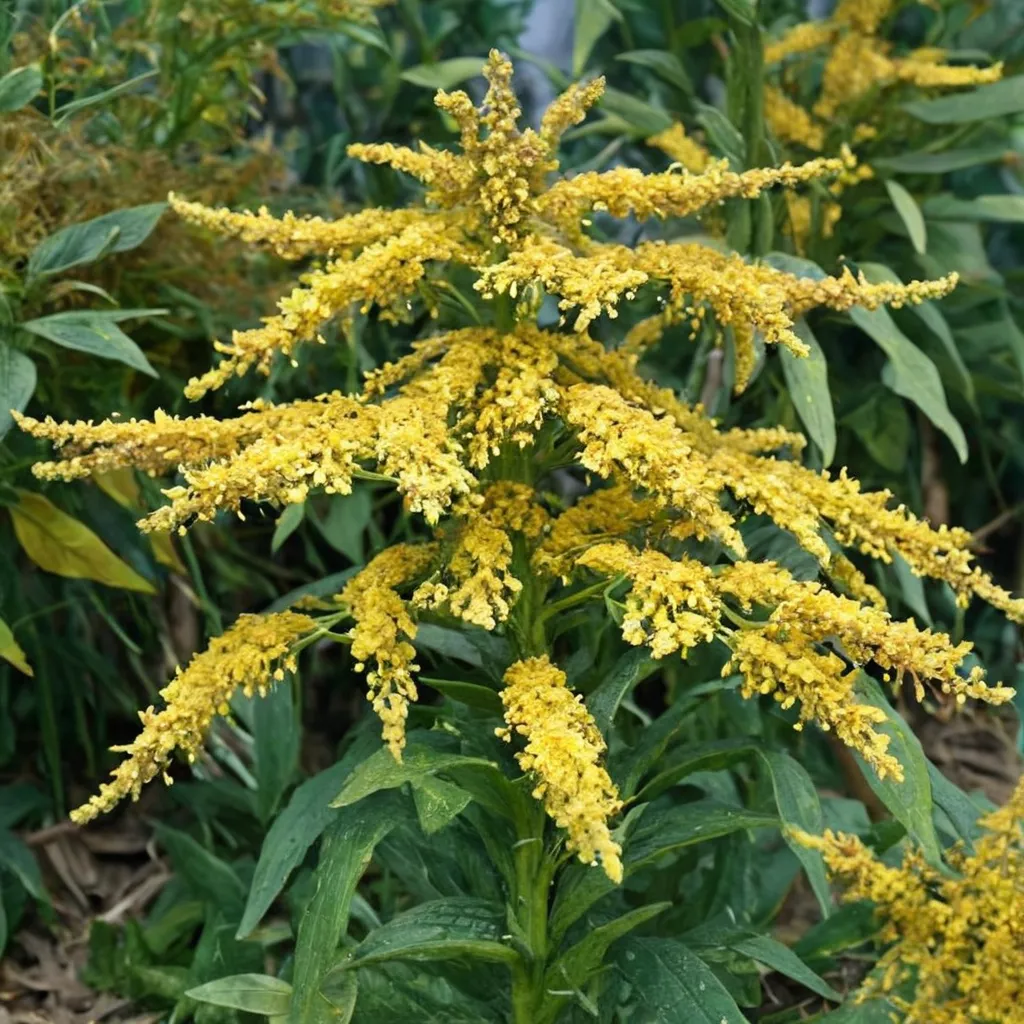
Goldenrod Peter Pan
Solidago x hybrida 'Peter Pan'
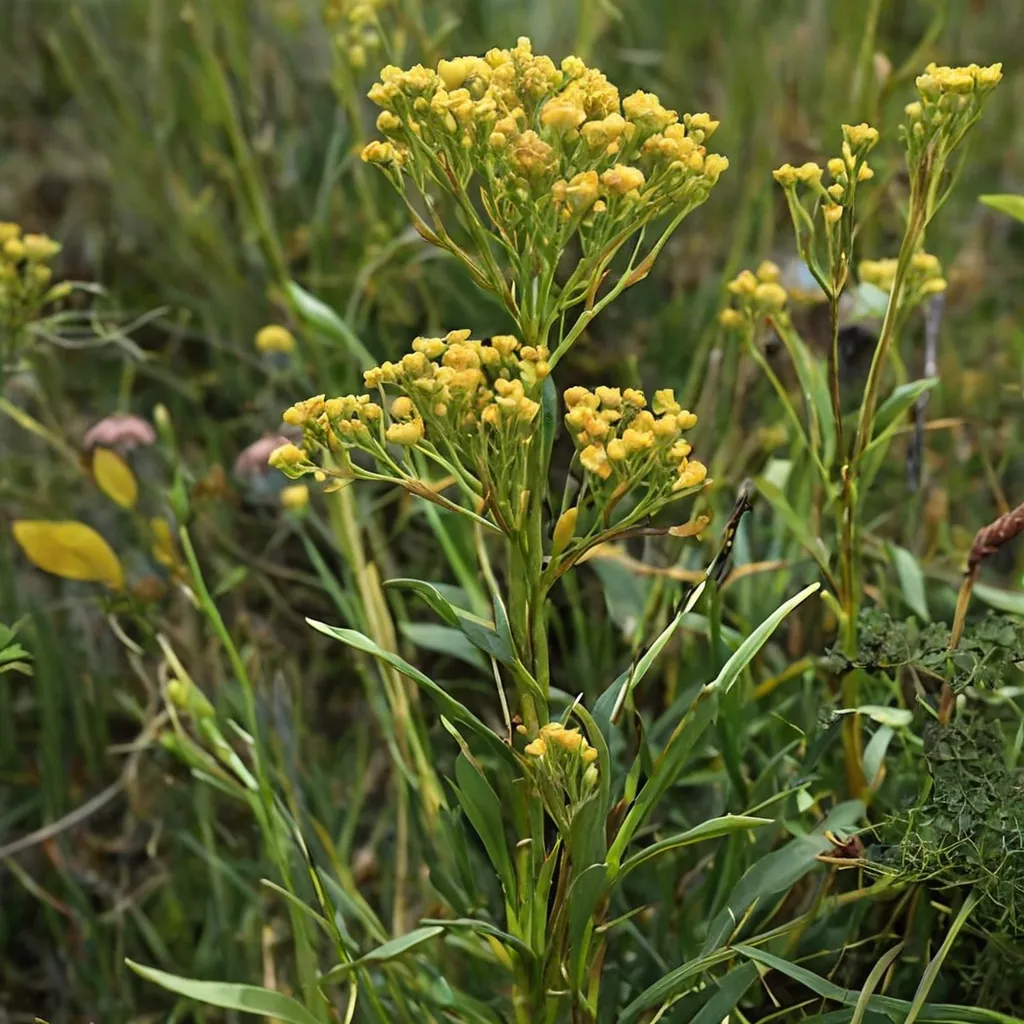
Ohio Goldenrod
Solidago ohioensis
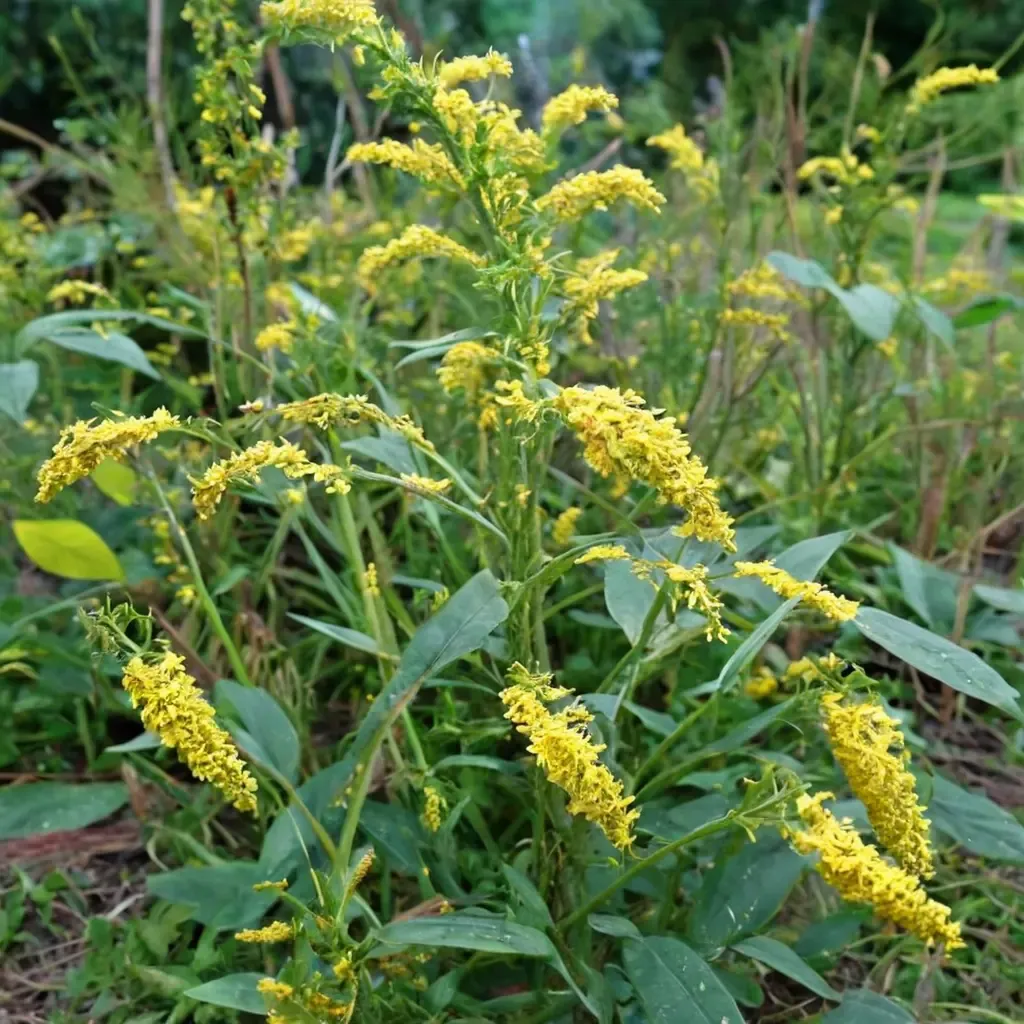
Wrinkleleaf Goldenrod
Solidago rugosa
Keep exploring
Explore the genus
Grow Riddell's Goldenrod with confidence
See it in a design of your actual yard, get zone-matched care reminders, and track it season by season in your garden journal.