The Story
Plant Bio
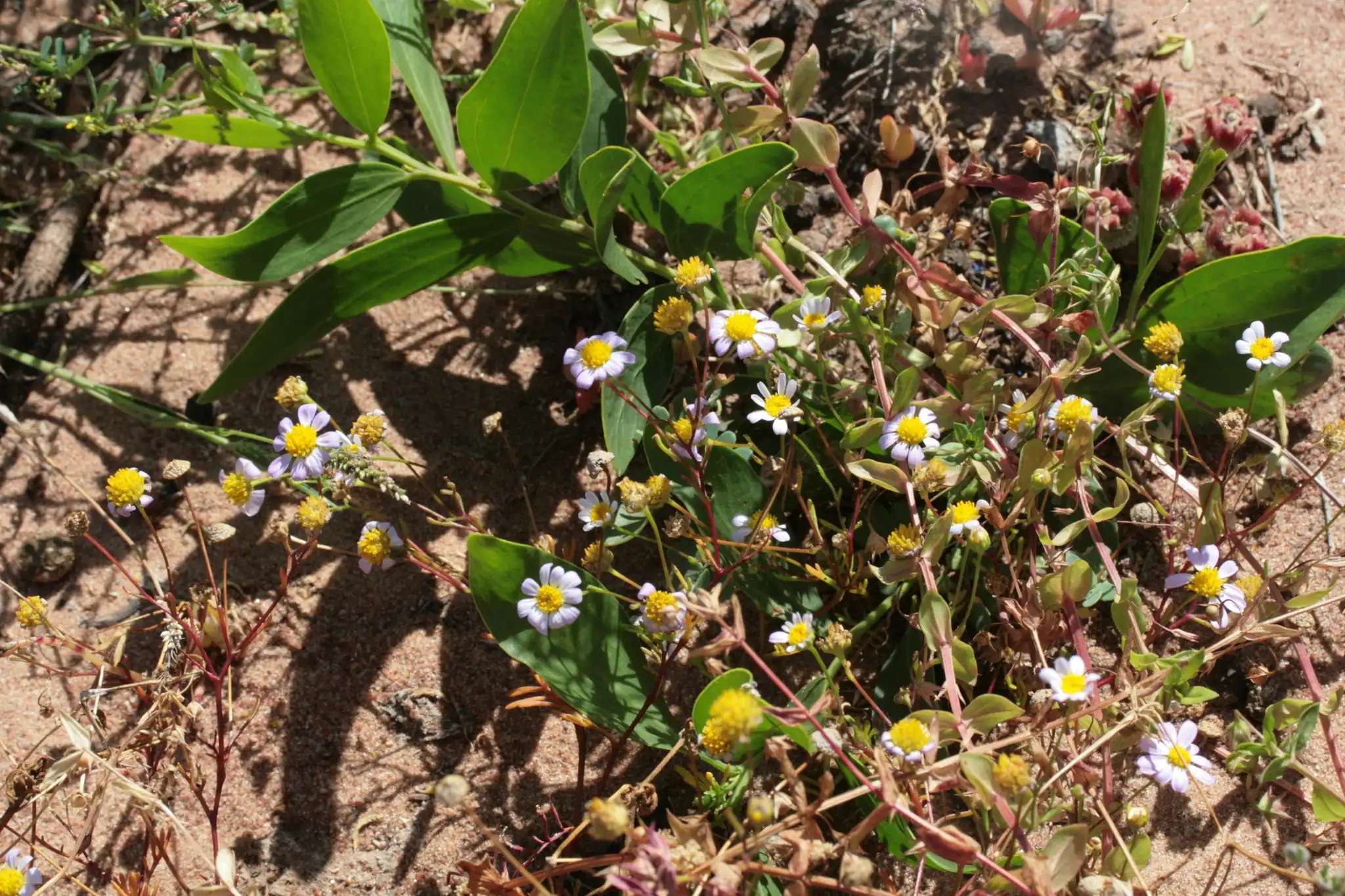
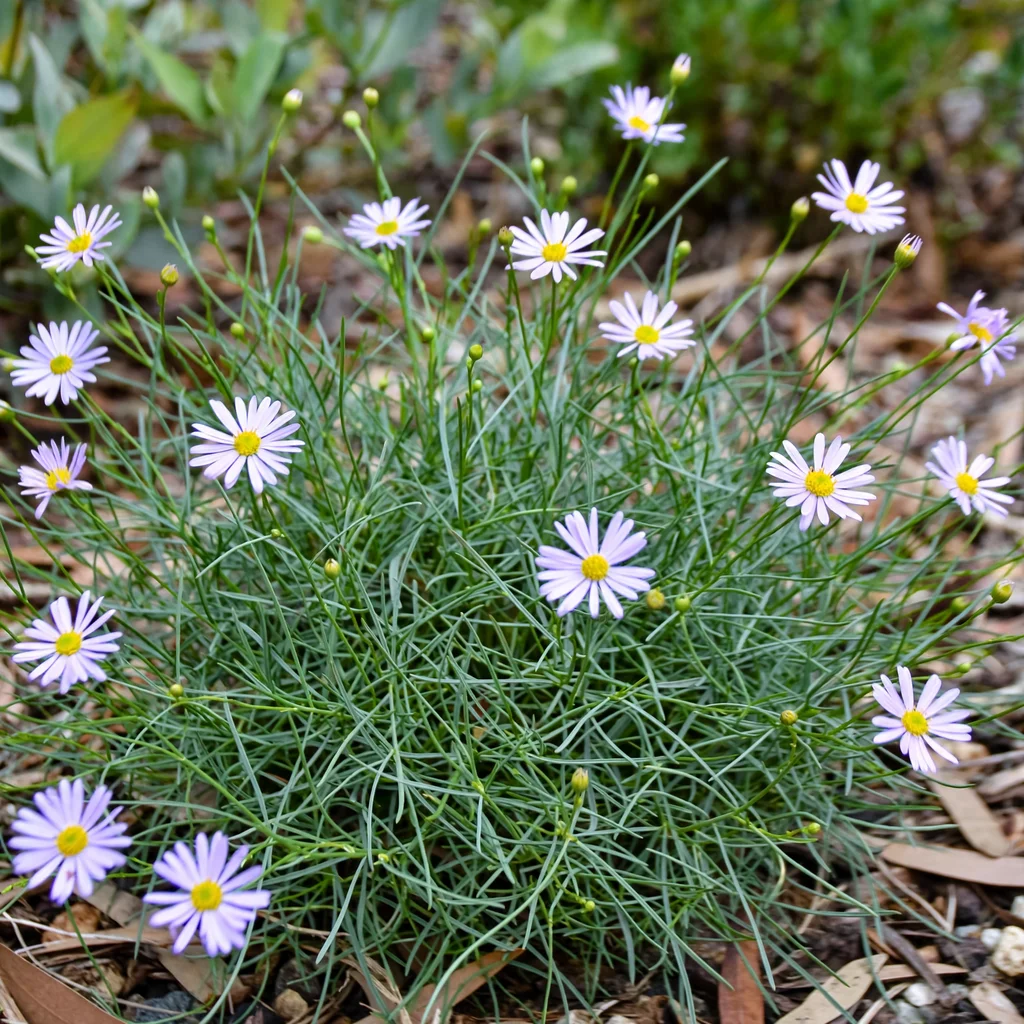
Brachyscome iberidifolia is a bushy, mounding annual native to Australia, growing up to 18 inches tall and wide with fine, feathery gray-green foliage. Fragrant, daisy-like flower heads bloom in shades of blue, purple, pink, mauve, or white around yellow or dark central discs.
The delicate, deeply divided leaves give the plant a fine-textured appearance that performs exceptionally well in container displays and rock gardens. Continuous flushes of vibrant flowers cover the foliage from spring into fall when trimmed after the primary bloom.
Uses & Benefits:
Essentials
At a Glance
Plant Type
Annual
Height
18"
Width
18"
Light
Full Sun, Partial Sun
Zones
9, 10
Water
Moderate
Humidity
Low to Moderate
Lifespan
Annual
Native To
Australia
Toxicity
Non-Toxic
Bloom period
Spring – Fall
In flower about 9 months of the year
Planting
How to Grow
- Sow seeds indoors six weeks before the last frost or transplant nursery starters into light, well-draining soil.
- Position plants in full sun or very light partial shade, ensuring adequate spacing for air circulation.
- Water regularly during early growth, allowing the top inch of soil to dry between waterings to prevent root rot.
- Shear back foliage by one-third midseason after peak bloom to maintain a tidy shape and prompt continuous flowers.
Pro Tip
Shear back stems by one-third after the first heavy flush of bloom to spur secondary flowering and prevent premature midsummer collapse.
Keep It Thriving
Care Guide
Do
- Plant in sharply draining sandy or loam soils.
- Provide full sun to maximize flowering performance.
- Shear back faded blooms periodically to stimulate secondary flowering.
Don't
- Do not overwater or let roots sit in soggy soil.
- Avoid planting in heavy clay without amending thoroughly for drainage.
- Do not prune back into old, dead stem tissue.
Seasonal Care Calendar
| Task | Jan | Feb | Mar | Apr | May | Jun | Jul | Aug | Sep | Oct | Nov | Dec |
|---|---|---|---|---|---|---|---|---|---|---|---|---|
| Fertilize | ||||||||||||
| Pest Check | ||||||||||||
| Plant | ||||||||||||
| Prune |
Watch Out For
Pests & Diseases
Common Pests
Common Diseases
In the Garden
Landscape Uses & Companions
Landscape Uses
Companion Plants
Multiply
Propagation Methods
Good to Know
Common Questions
Swan River Daisy questions
What zones can Swan River Daisy grow in?
Swan River Daisy is an annual: it grows, flowers and sets seed in one season, so winter cold doesn't limit where it grows. Gardeners in any zone can grow it by planting at the right time, usually after the last spring frost.
When does Swan River Daisy bloom?
Swan River Daisy typically blooms from spring to fall. Exact timing shifts a week or two with your zone — Sow's bloom calendar maps it to your garden.
Does Swan River Daisy need full sun?
Swan River Daisy does best in full sun to part shade. In hot climates, afternoon shade keeps blooms fresher longer.
Is Swan River Daisy drought tolerant?
Yes — once established (usually after the first full season), Swan River Daisy handles dry spells with minimal watering. Water deeply its first year to build the root system that makes that possible.
More Brachyscome to compare
Keep exploring
Explore the genus
Hardy in your zone?
Grow Swan River Daisy with confidence
See it in a design of your actual yard, get zone-matched care reminders, and track it season by season in your garden journal.