The Story
Plant Bio
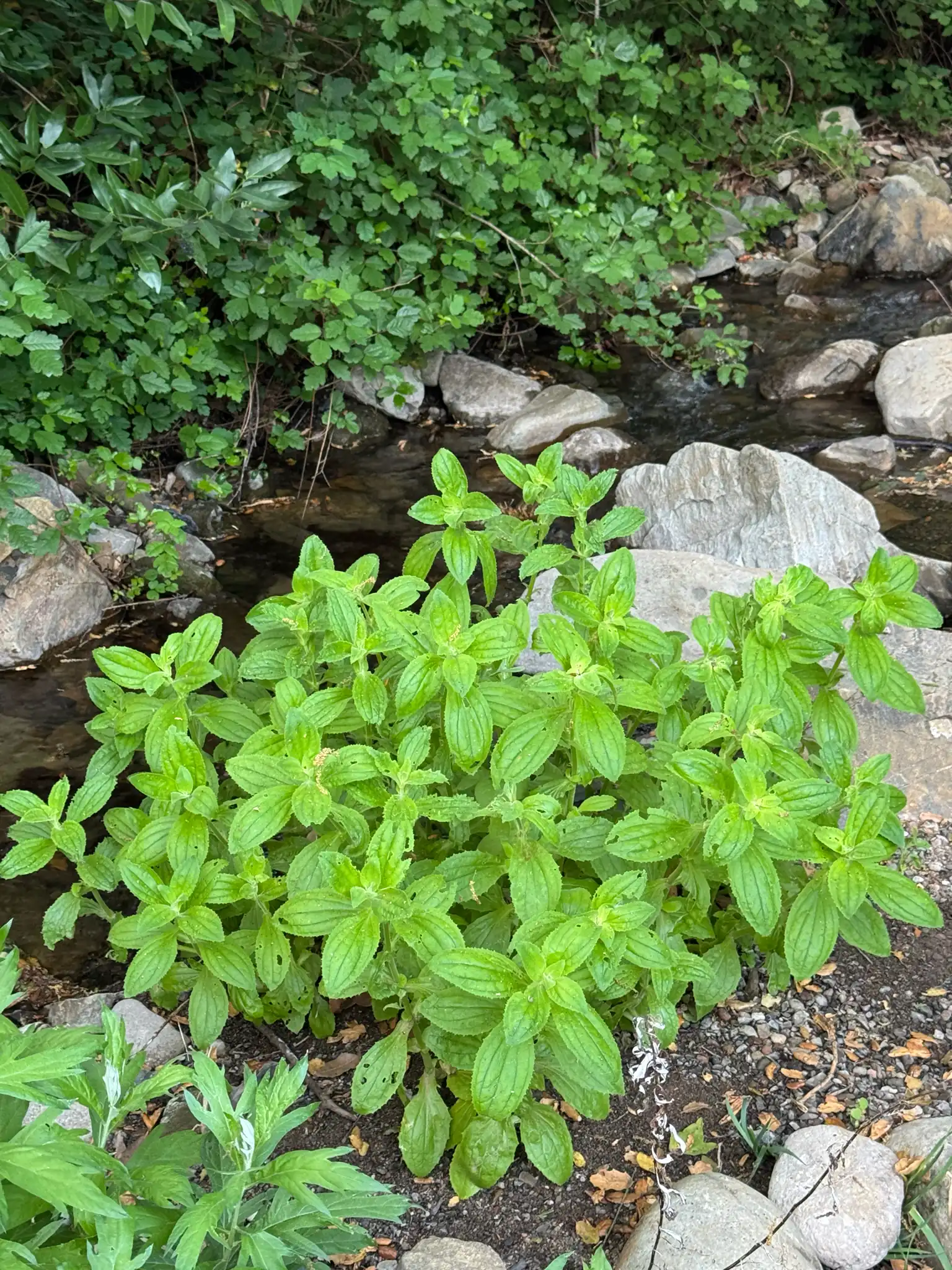
Erythranthe cardinalis is an herbaceous perennial native to western North America, forming upright, bushy stands to three feet tall via short underground rhizomes. Sticky-hairy yellow-green stems bear opposite, downy pale green leaves with serrated margins and brilliant scarlet trumpet flowers.
The strongly bilabiate blossoms feature reflexed lobes and protruding stamens that transfer pollen directly onto visiting hummingbirds. Unlike most drought-adapted western natives, this species is a strict obligate wetland plant that requires constantly saturated soils.
Uses & Benefits:
Essentials
At a Glance
Plant Type
Perennial
Height
36"
Width
48"
Light
Full Sun, Partial Sun, Shade
Zones
7, 8, 9, 10
Water
High / Saturated Soil
Humidity
Moderate to High
Lifespan
Perennial
Native To
Western North America
Toxicity
Non-toxic
Bloom period
Late spring – Fall
In flower about 7 months of the year
Planting
How to Grow
- Select a site in partial shade or dappled sun with rich, organic soil that remains constantly wet.
- Dig a hole equal to the depth of the root ball and twice as wide, keeping native soil soft and damp.
- Set the plant into the hole so the root crown sits level with or slightly above the standing water line.
- Backfill with humus-rich soil and soak thoroughly to eliminate air pockets around the rhizomes.
- Maintain high soil moisture year-round with regular irrigation or naturally wet seepage.
Pro Tip
Plant directly along pond margins, stream edges, or wet swales where the soil remains permanently saturated, as roots must stay chilled and wet to prevent rapid wilting.
Keep It Thriving
Care Guide
Do
- Keep the root zone constantly saturated or muddy at all times.
- Apply an organic compost mulch layer annually in spring to build soil humus.
- Cut back spent, bedraggled stems near ground level in late winter before new shoots break.
Don't
- Do not allow soil to dry out between waterings.
- Do not prune aggressively into old dry woody crown bases.
- Do not plant in full sun unless soil is permanently submerged or saturated.
Seasonal Care Calendar
| Task | Jan | Feb | Mar | Apr | May | Jun | Jul | Aug | Sep | Oct | Nov | Dec |
|---|---|---|---|---|---|---|---|---|---|---|---|---|
| Divide | ||||||||||||
| Mulch | ||||||||||||
| Pest Check | ||||||||||||
| Prune |
Watch Out For
Pests & Diseases
Common Pests
Common Diseases
In the Garden
Landscape Uses & Companions
Landscape Uses
Companion Plants
Multiply
Propagation Methods
Good to Know
Common Questions
Scarlet Monkeyflower questions
What zones can Scarlet Monkeyflower grow in?
Scarlet Monkeyflower is hardy in USDA Zones 7–10: in that range it survives winter in the ground. Colder than Zone 7, grow it in a container you can move to shelter for the winter, or as an annual.
Is Scarlet Monkeyflower deer resistant?
Not reliably. Deer may browse Scarlet Monkeyflower, especially tender spring growth — plan on repellents or fencing where pressure is high.
When does Scarlet Monkeyflower bloom?
Scarlet Monkeyflower typically blooms from late spring to late fall. Exact timing shifts a week or two with your zone — Sow's bloom calendar maps it to your garden.
Does Scarlet Monkeyflower need full sun?
Scarlet Monkeyflower does best in full sun to part shade. In hot climates, afternoon shade keeps blooms fresher longer.
More Erythranthe to compare
Keep exploring
Explore the genus
Hardy in your zone?
Grow Scarlet Monkeyflower with confidence
See it in a design of your actual yard, get zone-matched care reminders, and track it season by season in your garden journal.