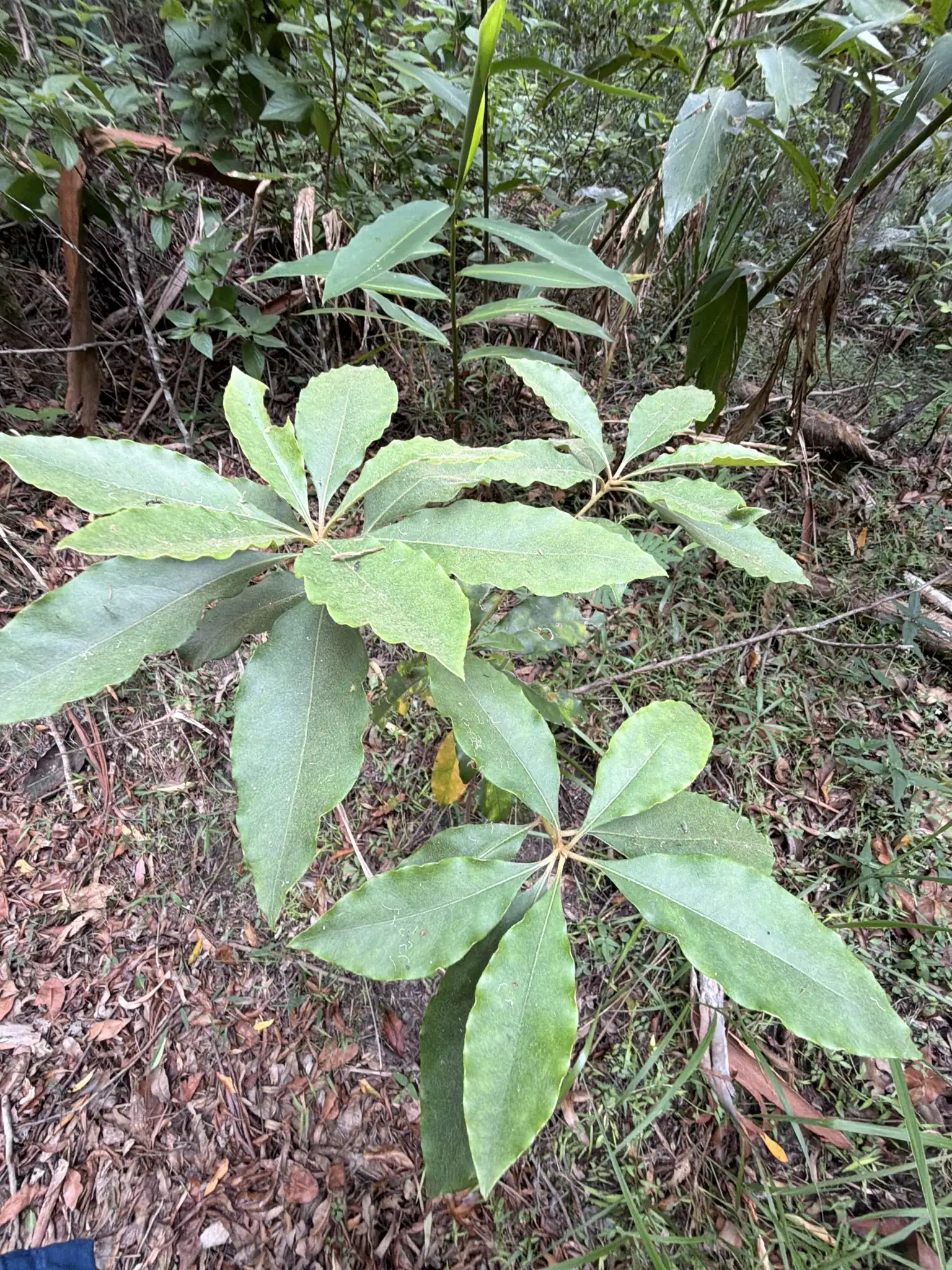
The Story
Plant Bio
Pittosporum revolutum is an evergreen Australian shrub that reaches ten to twelve feet tall in garden settings, with a dense, spreading habit. Its elliptic leaves feature a distinct coating of golden-brown, velvety hairs on new stems and leaf undersides, giving fresh growth a soft, silvery-rusty texture.
Clusters of sweetly scented, pale to bright yellow tubular blooms open in spring with a fragrance reminiscent of jasmine. The flowers are followed by rough, yellow-orange seed capsules that split to expose striking, resinous orange-red seeds.
Uses & Benefits:
Essentials
At a Glance
Plant Type
Shrub
Height
138"
Width
118"
Light
Full Sun, Partial Sun
Zones
9, 10
Water
Moderate
Humidity
Moderate to High
Lifespan
Perennial
Native To
Eastern Australia
Toxicity
Skin Irritant
Bloom period
Spring – Late spring
In flower about 3 months of the year
Planting
How to Grow
- Select a site in full sun to partial shade with well-draining soil.
- Dig a hole twice as wide as the root ball and set the plant at its original container depth.
- Backfill with native soil mixed with leaf mold or compost, pressing firmly to eliminate air pockets.
- Water thoroughly after planting and maintain consistent moisture until established.
Pro Tip
Do not mistake the brown woolly coating on young stems and leaf undersides for fungal rust or pest damage; this dense indumentum is a natural foliage trait.
Keep It Thriving
Care Guide
Do
- Plant in well-drained loamy or sandy soil to avoid root rot.
- Tip-prune lightly after flowering to maintain a compact canopy.
- Apply a organic mulch layer to keep roots cool and retain moisture.
Don't
- Do not overwater or plant in soggy, heavy clay where water sits.
- Do not scrape off or treat the soft golden-brown hairs on new shoots.
- Avoid severe hard pruning back into thick, bare, old wood.
Seasonal Care Calendar
| Task | Jan | Feb | Mar | Apr | May | Jun | Jul | Aug | Sep | Oct | Nov | Dec |
|---|---|---|---|---|---|---|---|---|---|---|---|---|
| Fertilize | ||||||||||||
| Mulch | ||||||||||||
| Pest Check | ||||||||||||
| Prune |
Watch Out For
Pests & Diseases
Common Pests
Common Diseases
In the Garden
Landscape Uses & Companions
Landscape Uses
Multiply
Propagation Methods
Good to Know
Common Questions
Rough-Fruited Pittosporum questions
What zones can Rough-Fruited Pittosporum grow in?
Rough-Fruited Pittosporum is hardy in USDA Zones 9–10: in that range it survives winter in the ground. Colder than Zone 9, grow it in a container you can move to shelter for the winter.
Is Rough-Fruited Pittosporum deer resistant?
Not reliably. Deer may browse Rough-Fruited Pittosporum, especially tender spring growth — plan on repellents or fencing where pressure is high.
When does Rough-Fruited Pittosporum bloom?
Rough-Fruited Pittosporum typically blooms in spring. Exact timing shifts a week or two with your zone — Sow's bloom calendar maps it to your garden.
Does Rough-Fruited Pittosporum need full sun?
Rough-Fruited Pittosporum does best in full sun to part shade. In hot climates, afternoon shade keeps blooms fresher longer.
Is Rough-Fruited Pittosporum drought tolerant?
Yes — once established (usually after the first full season), Rough-Fruited Pittosporum handles dry spells with minimal watering. Water deeply its first year to build the root system that makes that possible.
More Pittosporum to compare
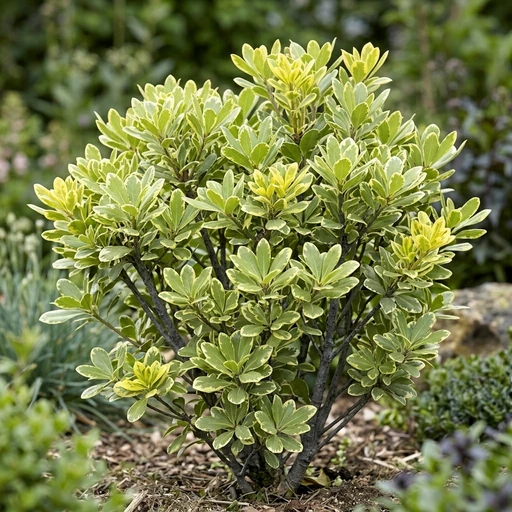
Mojo Pittosporum
Pittosporum tobira 'Mojo'
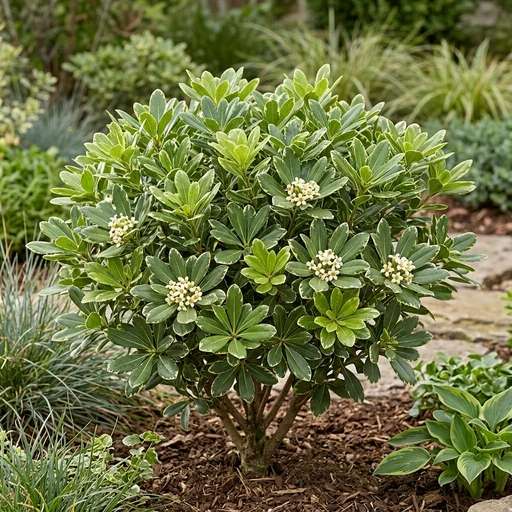
Wheeler's Dwarf Pittosporum
Pittosporum tobira 'Wheeler's Dwarf'
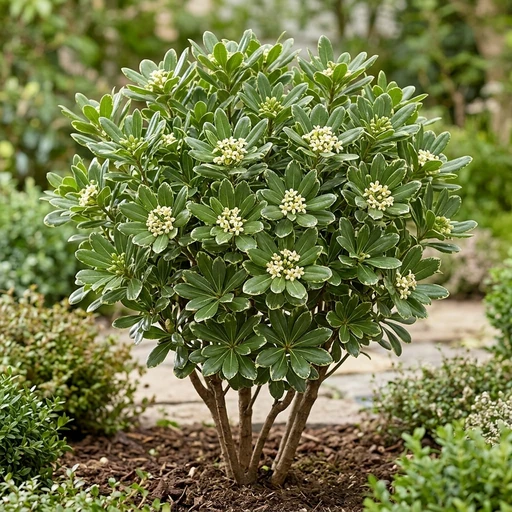
Japanese Pittosporum
Pittosporum tobira
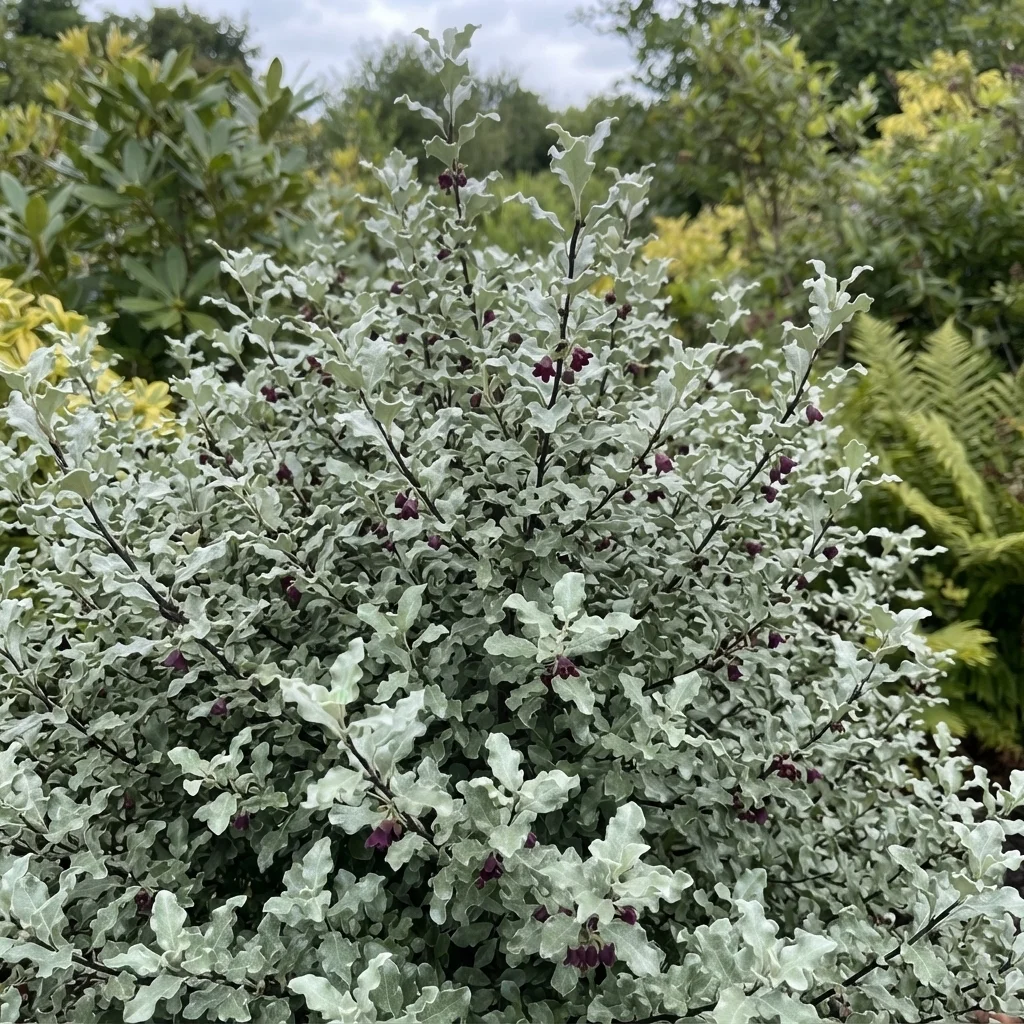
James Stirling Kohuhu
Pittosporum tenuifolium 'James Stirling'
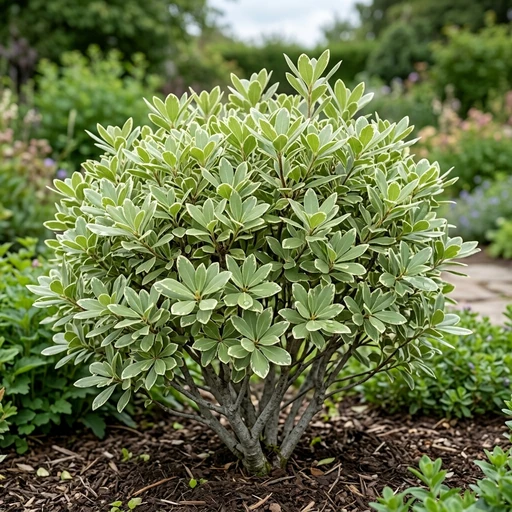
Variegated Japanese Pittosporum
Pittosporum tobira 'Variegatum'
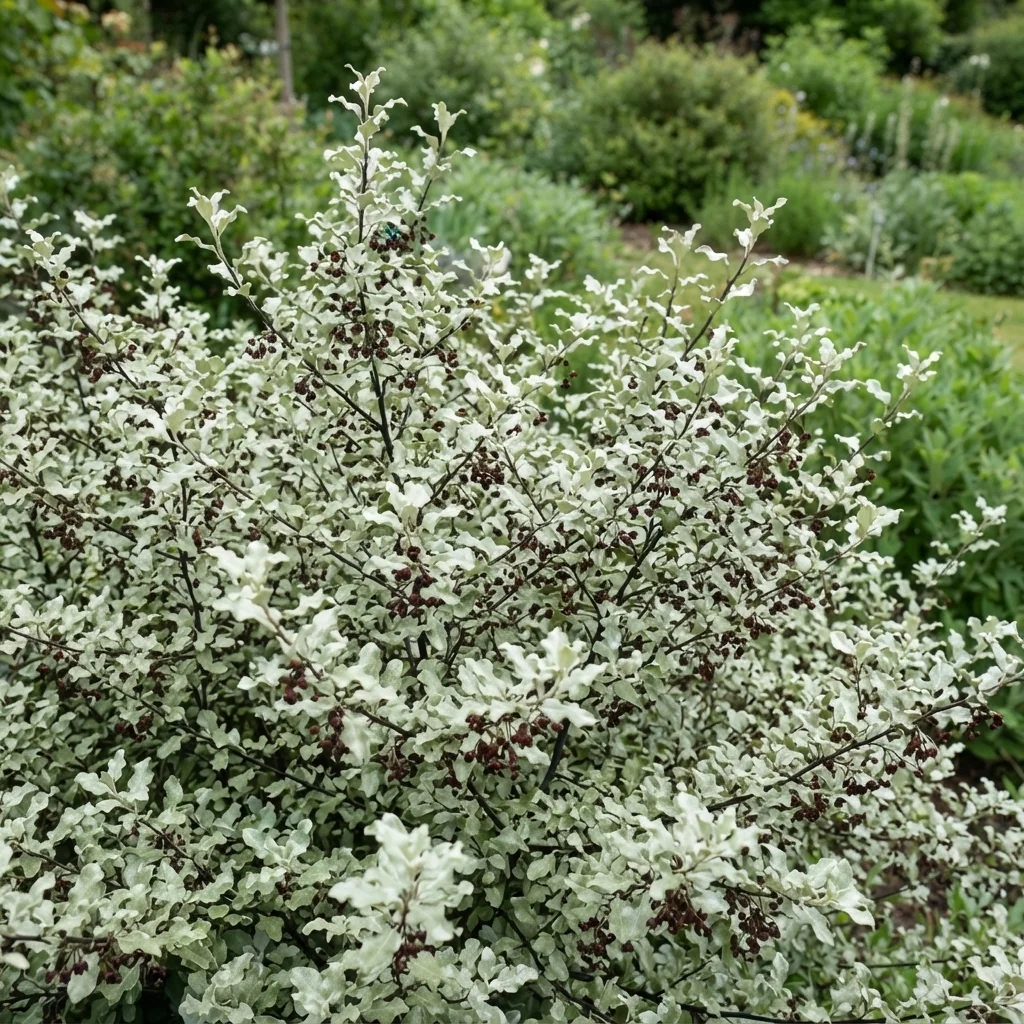
Silver Sheen Kohuhu
Pittosporum tenuifolium 'Silver Sheen'
Keep exploring
Explore the genus
Hardy in your zone?
Grow Rough-Fruited Pittosporum with confidence
See it in a design of your actual yard, get zone-matched care reminders, and track it season by season in your garden journal.