The Story
Plant Bio
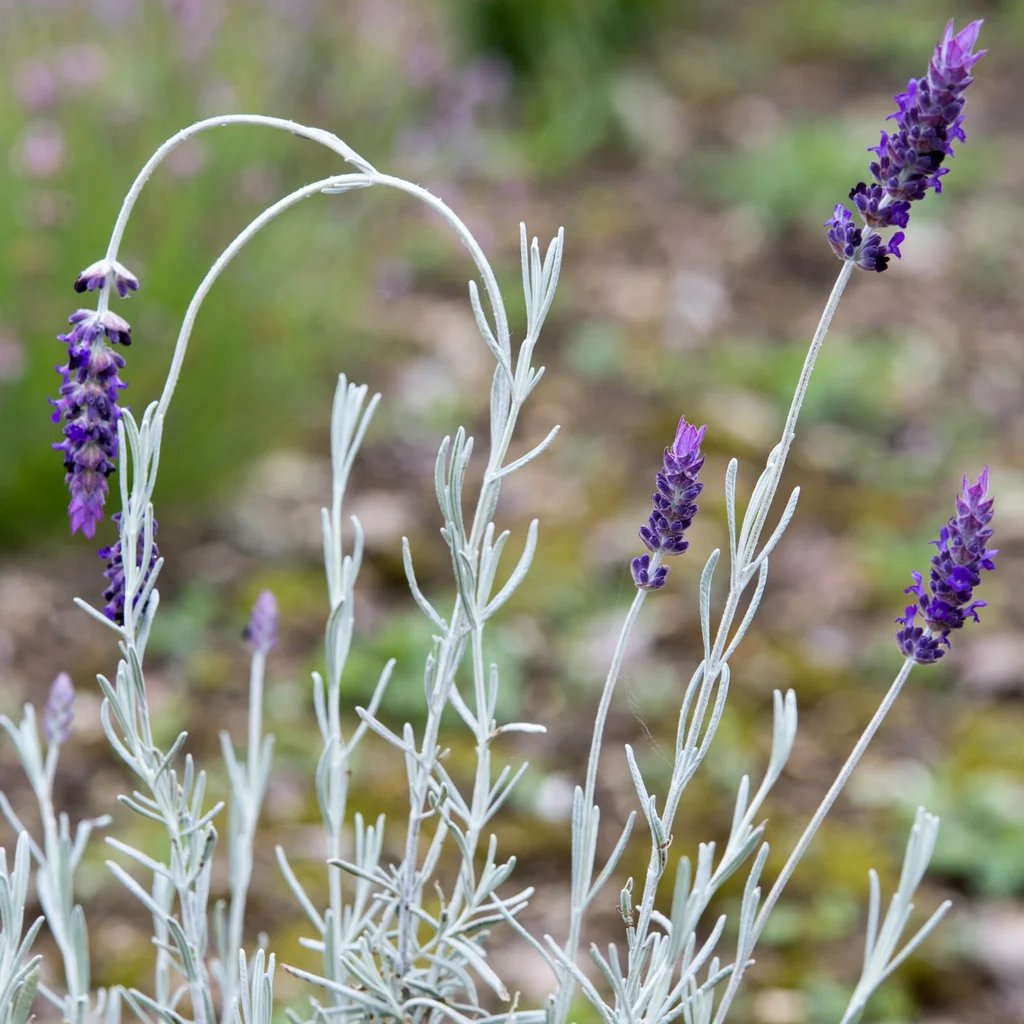
Lavandula x chaytoriae, Chaytor's lavender, is a compact evergreen shrub bred from English lavender and woolly lavender, forming a bushy mound wider than tall. The flowers have no petals to speak of; the display comes from dense blunt-tipped spikes of small deep-purple tubular flowers held above broad silver-grey foliage felted with woolly hairs.
What separates it from English lavender is the broader, almost white silver foliage inherited from its woolly parent, held year-round on a spreading mound to about three feet high and wide. It trades toughness for that silvering, needing sharper drainage, leaner soil and drier summer air, and it fails fast in wet ground or humid heat.
Uses & Benefits:
Essentials
At a Glance
Plant Type
Shrub
Height
36"
Width
32"
Light
Full Sun
Zones
6, 7, 8, 9, 10
Water
Low
Humidity
Low - needs dry air
Lifespan
Woody perennial
Native To
Garden origin - no wild range
Toxicity
Unknown
Bloom period
Early summer – Mid summer
In flower about 2 months of the year
Planting
How to Grow
- Plant in full sun in gritty neutral to alkaline loam or sand that drains within minutes after rain.
- Set the crown level with the soil and space about 3 feet apart to keep airflow around the foliage.
- Water deeply at planting, then sparingly; let the top 2 inches dry between waterings.
- Top-dress lightly with potash in spring to support flowering; withhold nitrogen fertilizer and manure.
- Deadhead after the summer flush and shear lightly to leaf; mulch with gravel, not bark, to keep the crown dry.
Pro Tip
Shear lightly just above leafy growth after flowering; cutting back into old leafless wood leaves bare stubs that do not resprout.
Keep It Thriving
Care Guide
Do
- Plant high in full sun in a sheltered south- or east-facing spot
- Keep soil lean, gritty and alkaline with added gravel or coarse sand
- Space widely and let soil dry between waterings for airflow
Don't
- Don't plant in clay, low spots or soil that stays wet in winter
- Don't feed with high-nitrogen fertilizer or manure that makes growth floppy
- Don't cut into old leafless wood or prune hard in fall before cold wet weather
Seasonal Care Calendar
| Task | Jan | Feb | Mar | Apr | May | Jun | Jul | Aug | Sep | Oct | Nov | Dec |
|---|---|---|---|---|---|---|---|---|---|---|---|---|
| Deadhead | ||||||||||||
| Fertilize | ||||||||||||
| Pest Check | ||||||||||||
| Plant | ||||||||||||
| Prune |
Watch Out For
Pests & Diseases
Common Pests
Common Diseases
In the Garden
Landscape Uses & Companions
Landscape Uses
Multiply
Propagation Methods
Good to Know
Common Questions
Chaytor's Lavender questions
What zones can Chaytor's Lavender grow in?
Chaytor's Lavender is hardy in USDA Zones 6–10: in that range it survives winter in the ground. Colder than Zone 6, grow it in a container you can move to shelter for the winter.
When does Chaytor's Lavender bloom?
Chaytor's Lavender typically blooms in early to mid-summer. Exact timing shifts a week or two with your zone — Sow's bloom calendar maps it to your garden.
Does Chaytor's Lavender need full sun?
Chaytor's Lavender does best in full sun (6+ hours).
Is Chaytor's Lavender drought tolerant?
Yes — once established (usually after the first full season), Chaytor's Lavender handles dry spells with minimal watering. Water deeply its first year to build the root system that makes that possible.
More Lavandula to compare
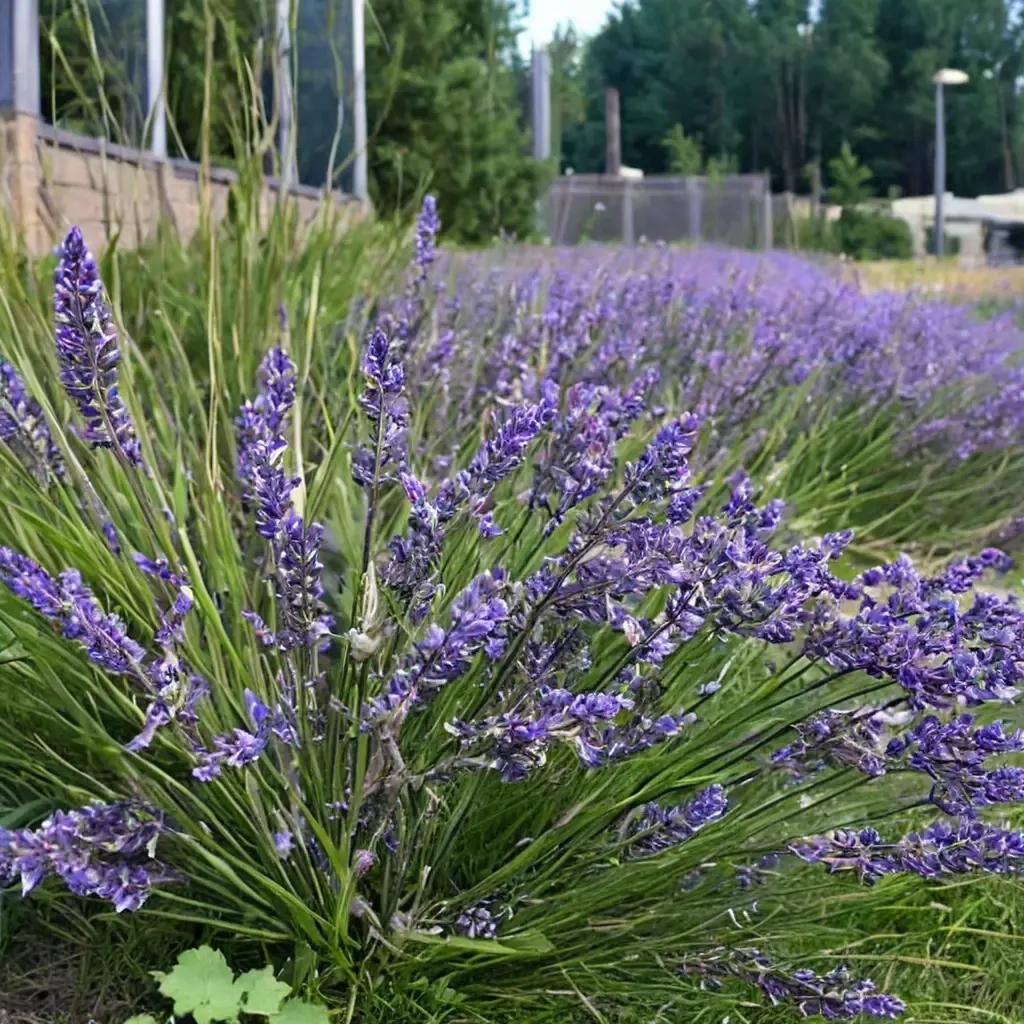
Phenomenal Lavender
Lavandula x intermedia 'Phenomenal'
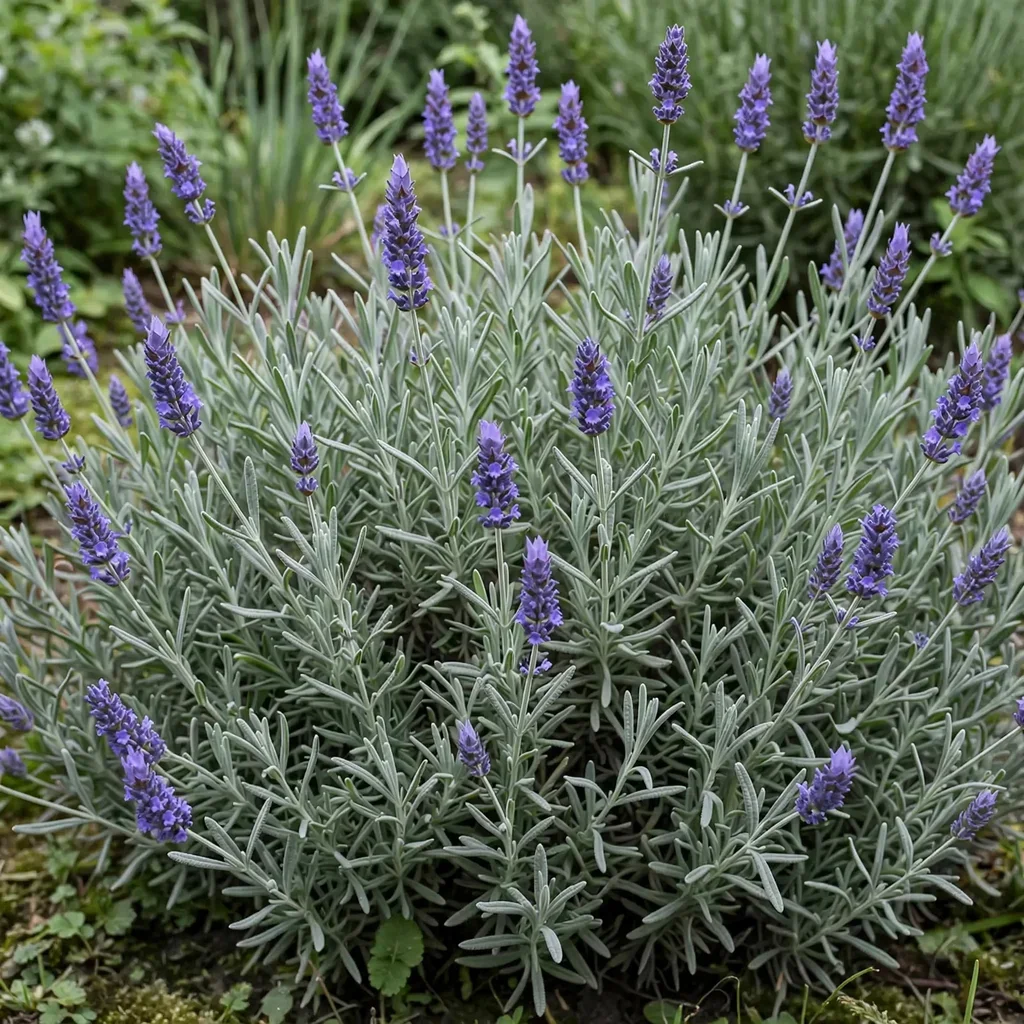
Munstead Lavender
Lavandula angustifolia 'Munstead'
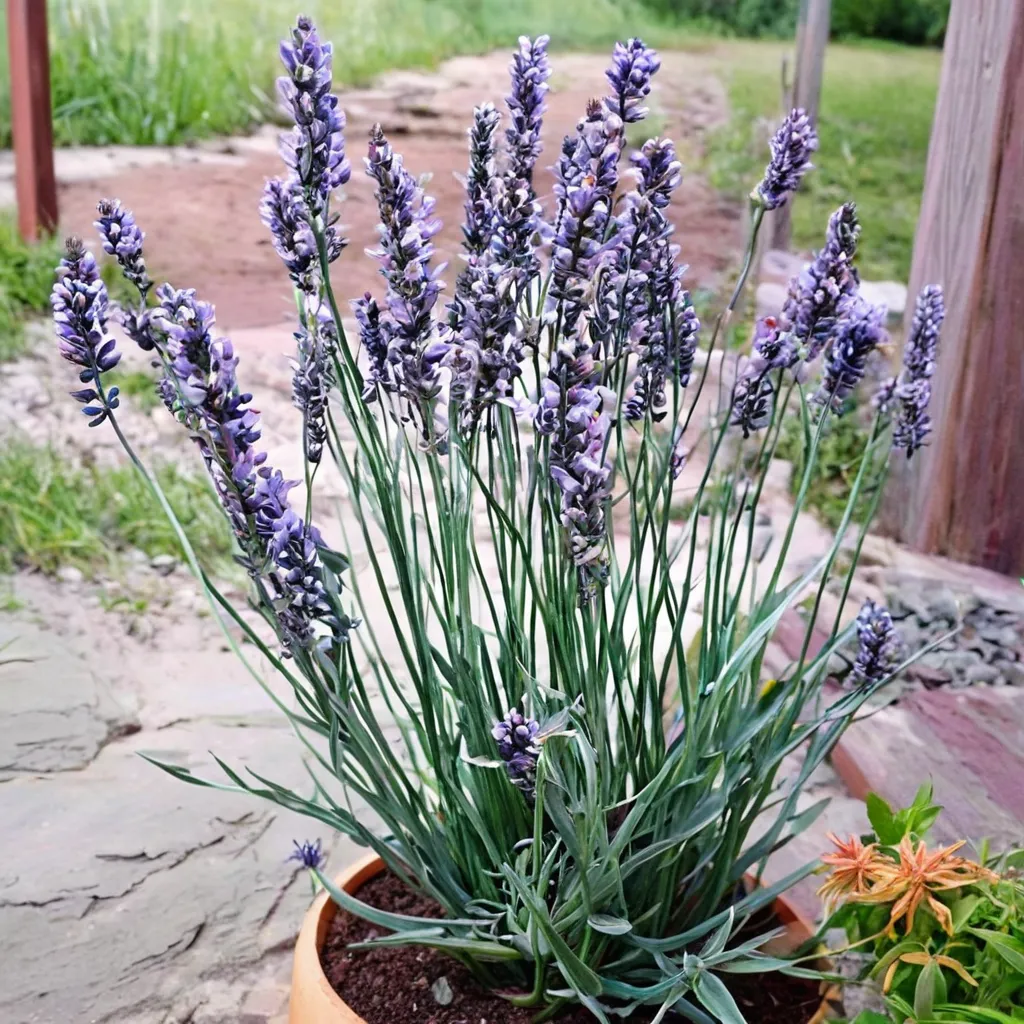
Lavender Sensational
Lavandula angustifolia 'Sensational'
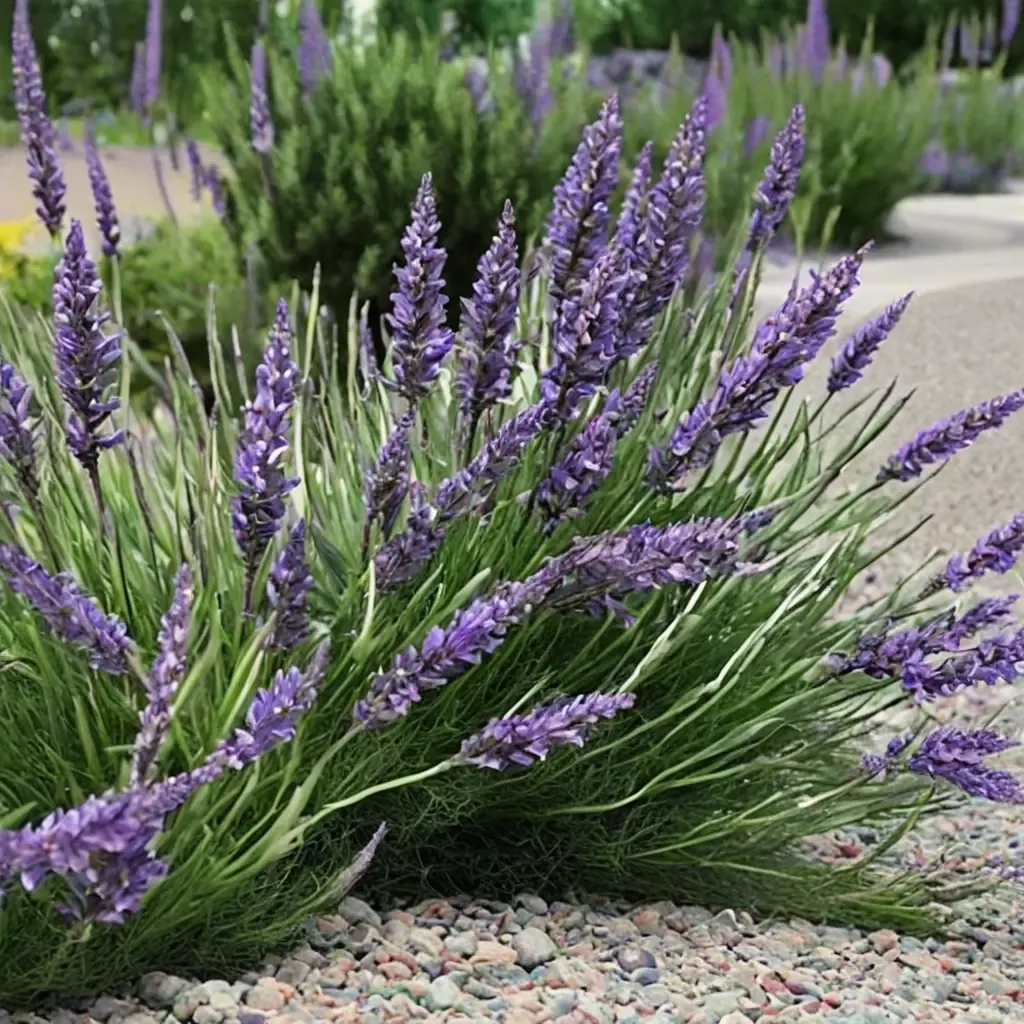
Grosso Lavender
Lavandula x hybrida 'Grosso'
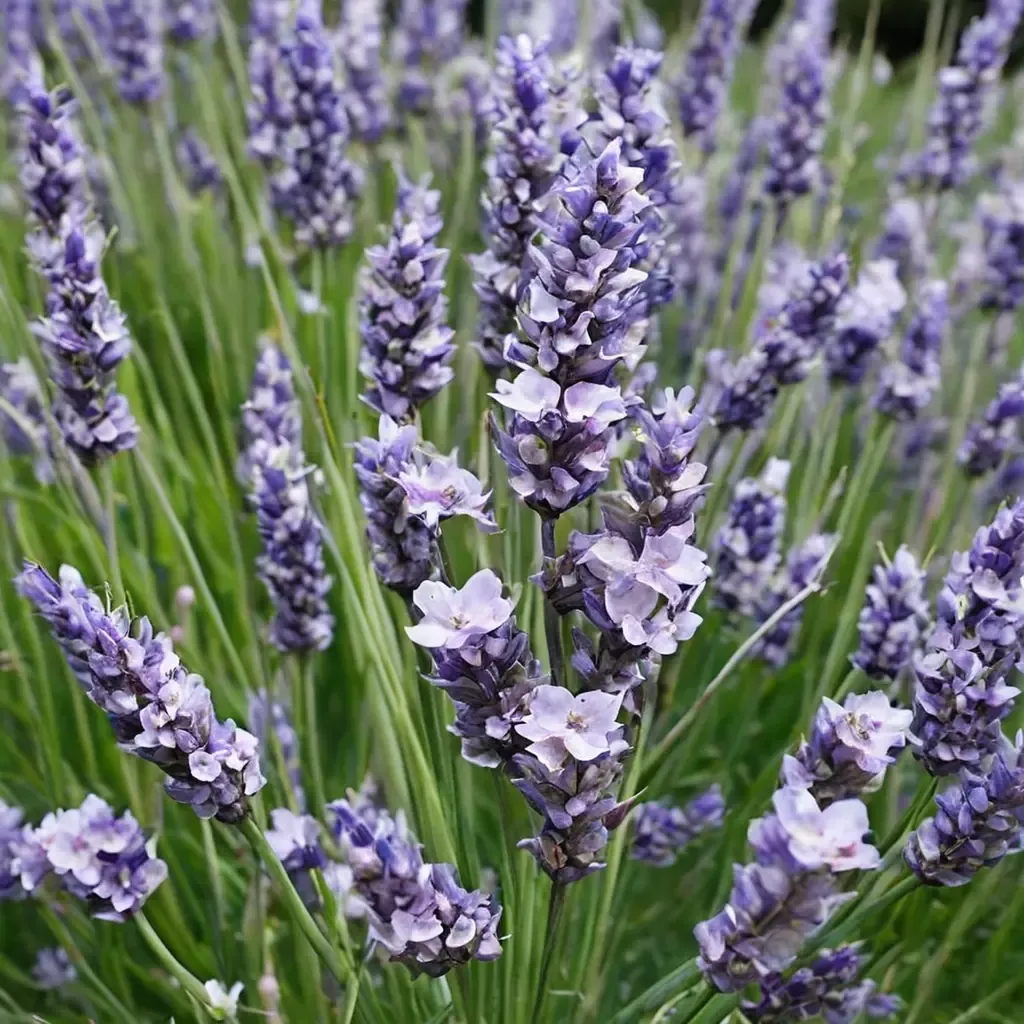
Melissa Lilac Lavender
Lavandula angustifolia 'Melissa Lilac'
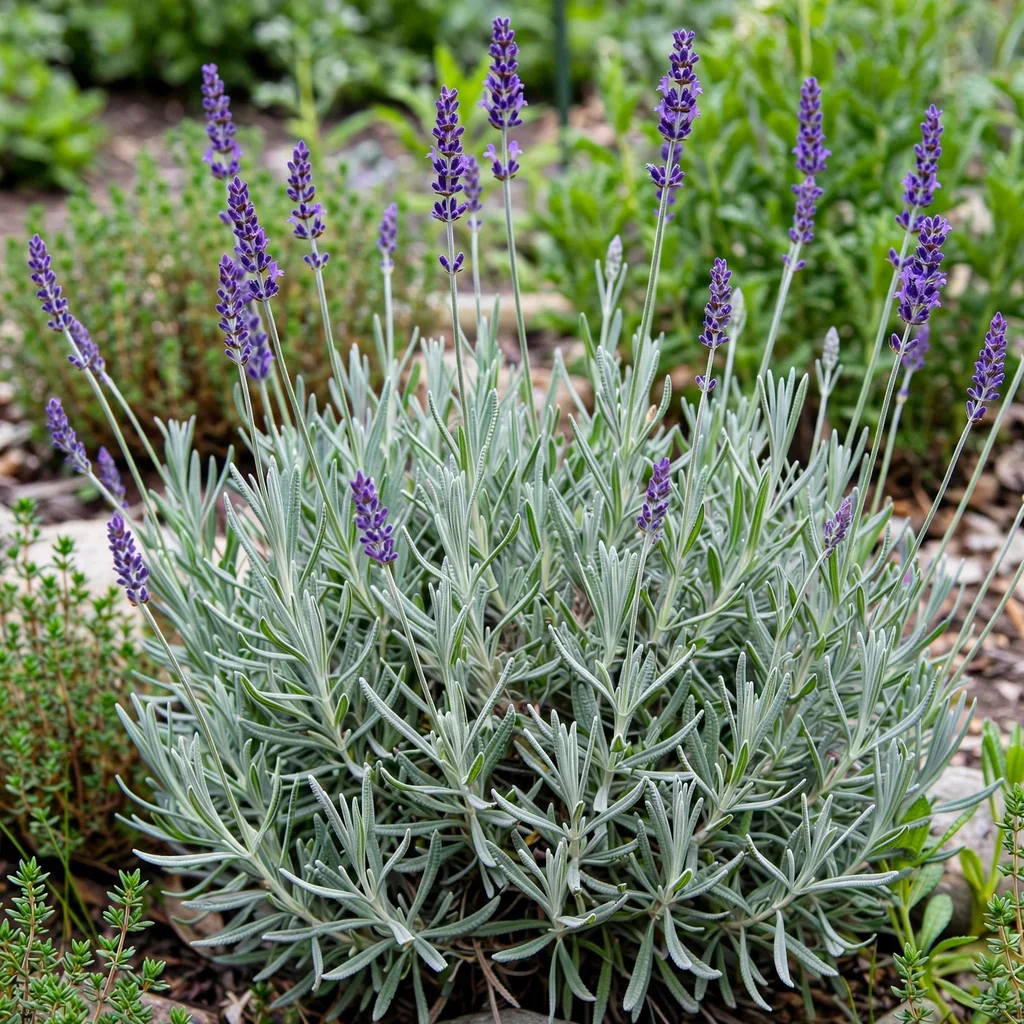
English Lavender
Lavandula angustifolia
Keep exploring
Guides
Hardy in your zone?
Grow Chaytor's Lavender with confidence
See it in a design of your actual yard, get zone-matched care reminders, and track it season by season in your garden journal.