The Story
Plant Bio
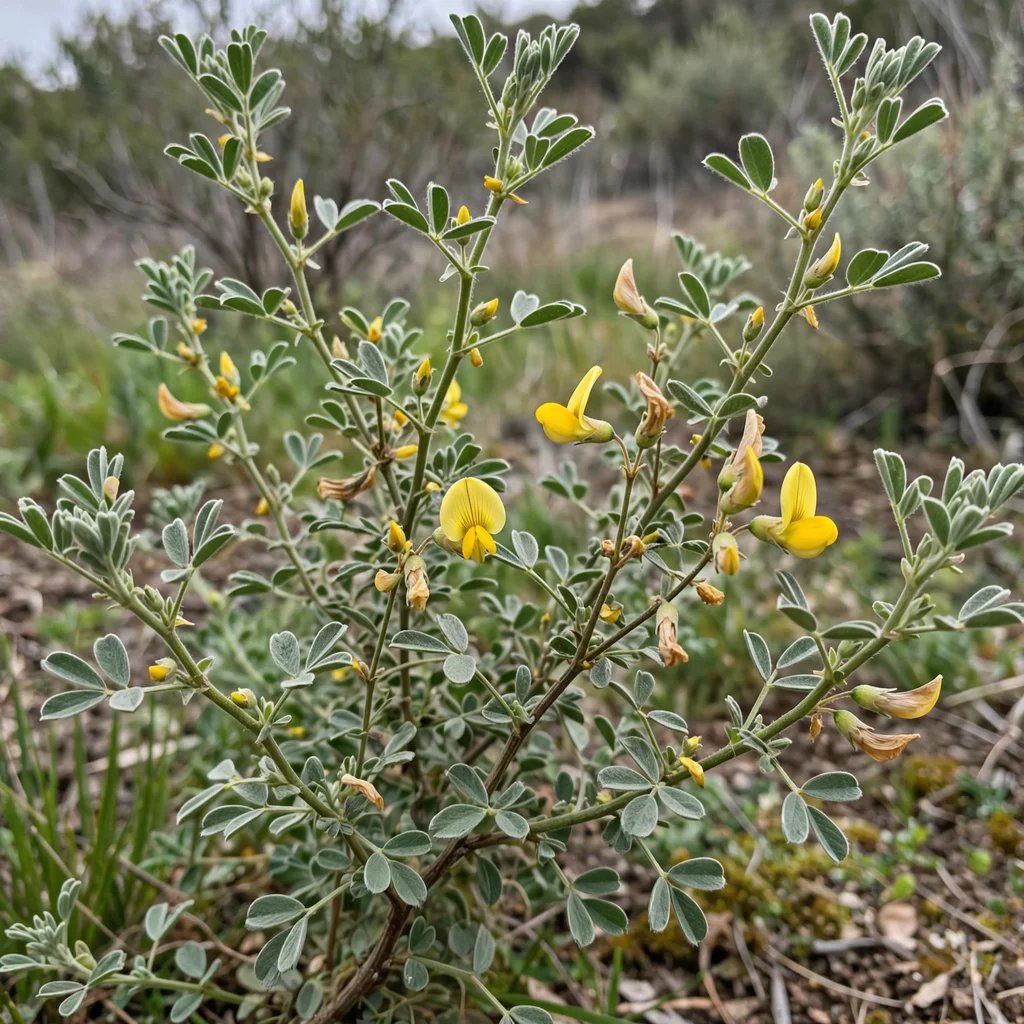
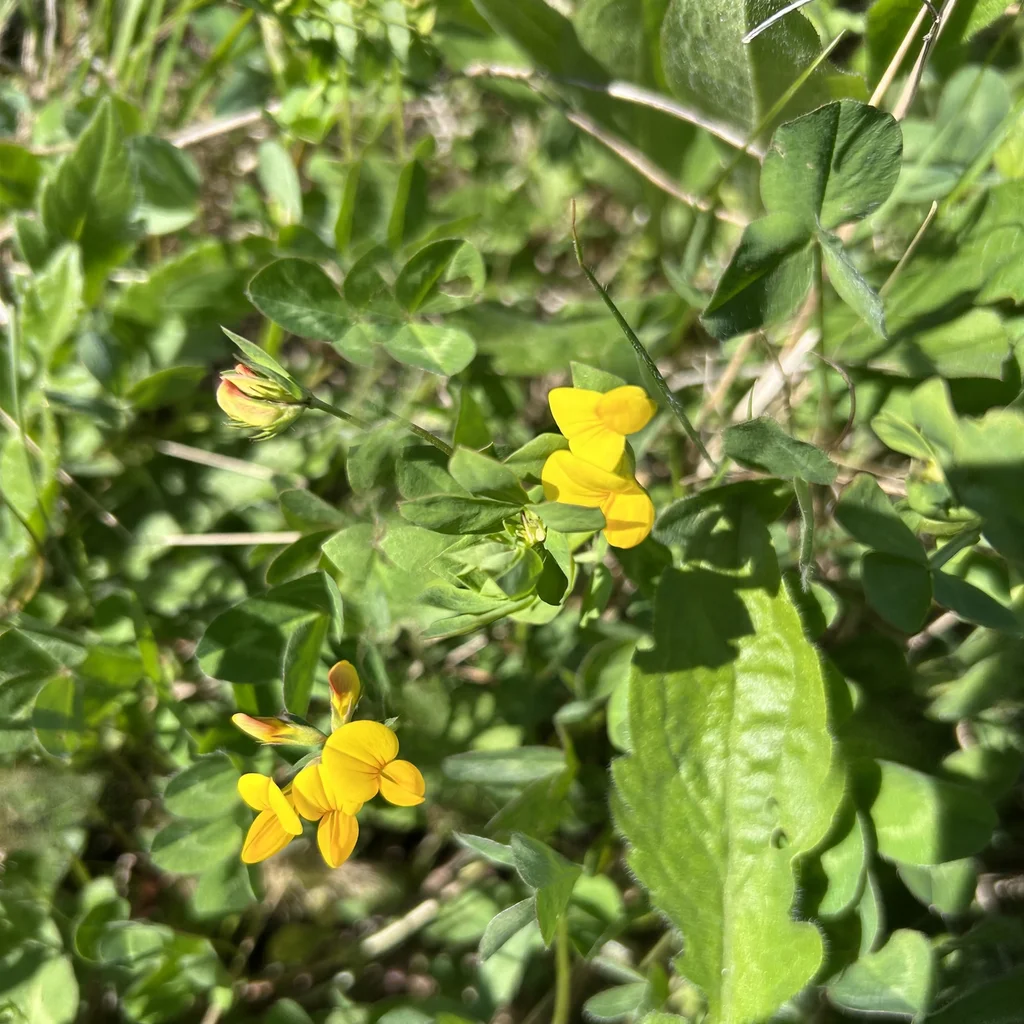
Acmispon rigidus is a twiggy, stiff-stemmed subshrub from the Mojave and Sonoran deserts, forming an upright broom-like mound 2 to 5 feet tall from a heavy crown. The wiry ascending stems carry short bristly hairs and bear small clusters of yellow pea flowers that age through orange-red.
Plants sold as Lotus rigidus are the same species under an older name, now accepted as Acmispon rigidus. In the garden expect a variable wild subshrub rather than uniform bedding growth, with 1 to 3 flowers per stalk opening yellow with a red-backed banner from late winter to spring and summer semi-dormancy under low water.
Uses & Benefits:
Essentials
At a Glance
Plant Type
Shrub
Height
48"
Width
24"
Light
Full Sun, Partial Sun
Zones
7, 8, 9, 10
Water
Low
Humidity
Low
Lifespan
Perennial
Native To
Southwestern USA and northwestern Mexico
Toxicity
Unknown
Bloom period
Late winter – Spring
In flower about 4 months of the year
Planting
How to Grow
- Plant in fall or early spring in full sun with reflected heat.
- Set in sandy, gravelly, or loamy soil that drains fast and stays nutritionally poor.
- Water to establish, then cut back to low water with dry summers.
- Keep mulch as gravel away from the crown to hold heat without trapping moisture.
Pro Tip
Leave summer semi-dormant plants dry; soaking the crown while leafless invites rot without restarting growth.
Keep It Thriving
Care Guide
Do
- Give full sun and open air on a slope, wash edge, or rock pocket.
- Water deeply but infrequently in winter and spring.
- Allow summer leaf drop and rest without fertilizer.
Don't
- Do not plant in heavy wet soil or a low spot that ponds.
- Do not overwater through summer dormancy.
- Do not feed to push growth in poor desert soil.
Seasonal Care Calendar
| Task | Jan | Feb | Mar | Apr | May | Jun | Jul | Aug | Sep | Oct | Nov | Dec |
|---|---|---|---|---|---|---|---|---|---|---|---|---|
| Pest Check | ||||||||||||
| Plant | ||||||||||||
| Propagate | ||||||||||||
| Prune |
Watch Out For
Pests & Diseases
Common Pests
Common Diseases
In the Garden
Landscape Uses & Companions
Landscape Uses
Multiply
Propagation Methods
Good to Know
Common Questions
Shrubby Deervetch questions
What zones can Shrubby Deervetch grow in?
Shrubby Deervetch is hardy in USDA Zones 7–10: in that range it survives winter in the ground. Colder than Zone 7, grow it in a container you can move to shelter for the winter.
When does Shrubby Deervetch bloom?
Shrubby Deervetch typically blooms from late winter to late spring. Exact timing shifts a week or two with your zone — Sow's bloom calendar maps it to your garden.
Does Shrubby Deervetch need full sun?
Shrubby Deervetch does best in full sun to part shade. In hot climates, afternoon shade keeps blooms fresher longer.
Is Shrubby Deervetch drought tolerant?
Yes — once established (usually after the first full season), Shrubby Deervetch handles dry spells with minimal watering. Water deeply its first year to build the root system that makes that possible.
More Lotus to compare
Keep exploring
Explore the genus
Hardy in your zone?
Grow Shrubby Deervetch with confidence
See it in a design of your actual yard, get zone-matched care reminders, and track it season by season in your garden journal.