The Story
Plant Bio
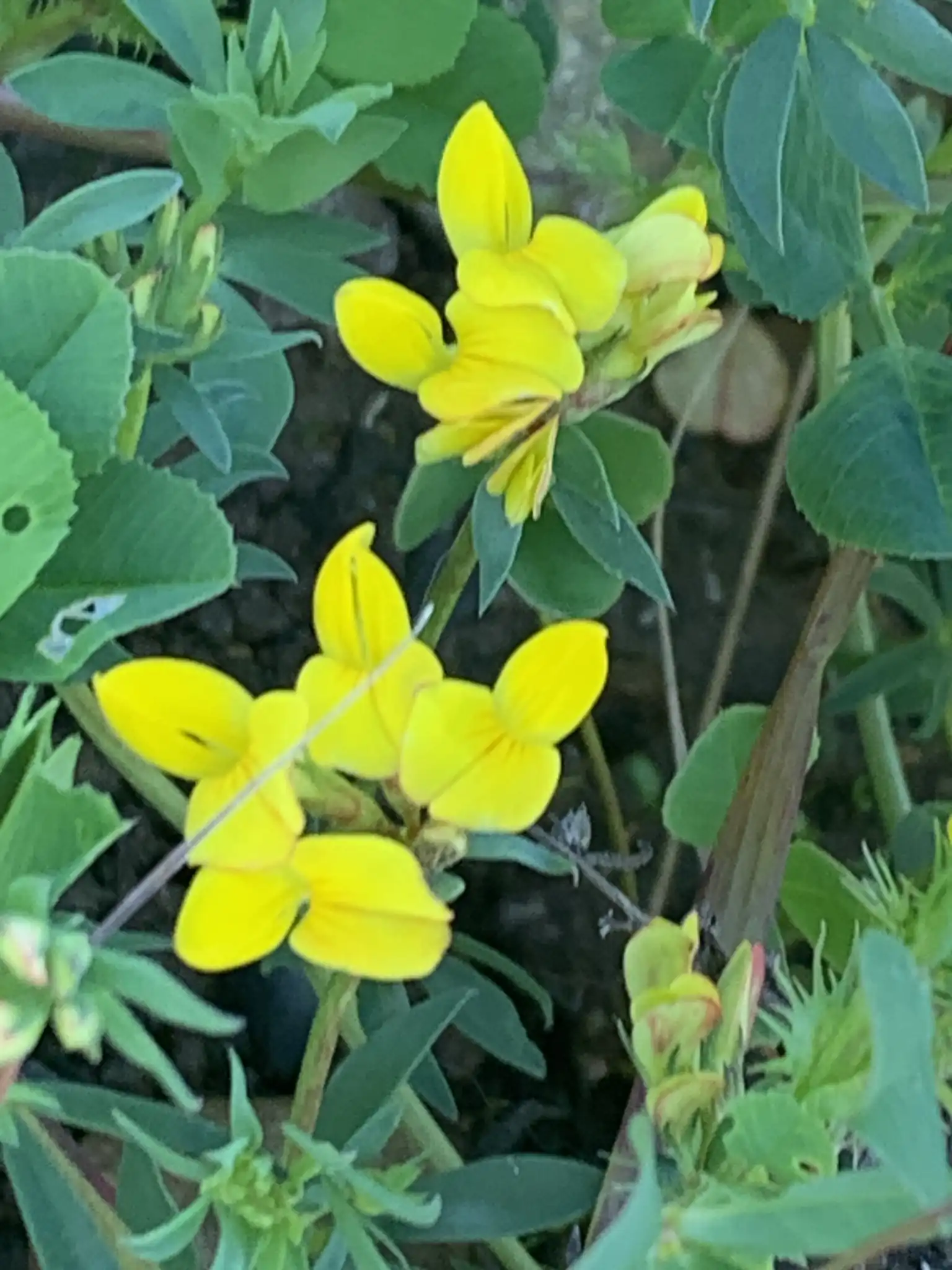
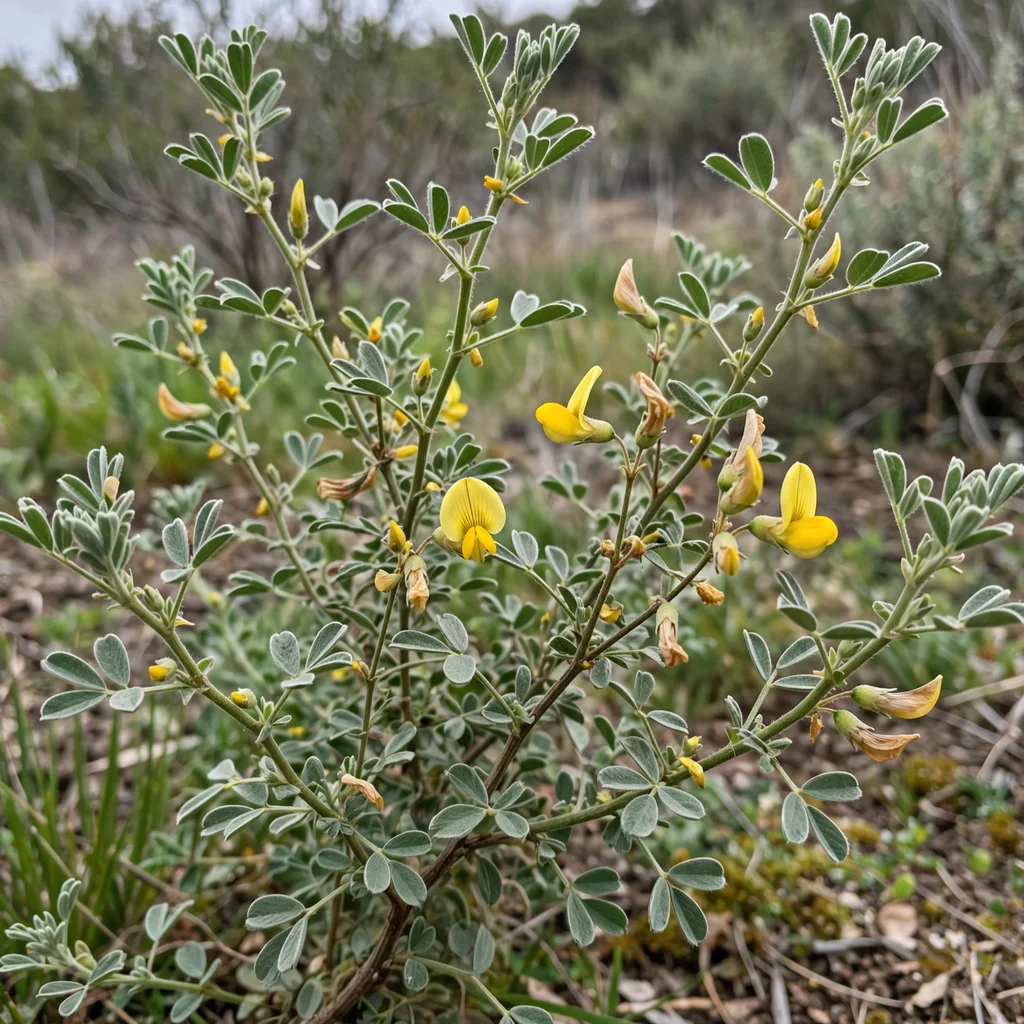
Lotus corniculatus is a low-growing herbaceous perennial in the pea family that forms a dense, sprawling mat of fine branching stems up to two feet tall. Alternate compound leaves feature three main leaflets flanked by two leaf-like basal stipules, producing bright yellow pea flowers in terminal clusters from spring through fall.
Bright yellow flower buds are frequently flushed with red or orange before opening, giving rise to its common name eggs and bacon. A deep taproot grants exceptional drought resistance and allows the plant to anchor effectively in poor, compacted, or dry soils.
Uses & Benefits:
Essentials
At a Glance
Plant Type
Groundcover
Height
24"
Width
30"
Light
Full Sun, Partial Sun
Zones
4, 5, 6, 7, 8, 9
Water
Low
Humidity
Moderate
Lifespan
Perennial
Native To
Eurasia and Africa
Toxicity
Contains cyanogenic glycosides toxic to livestock if ingested in large quantities
Bloom period
Spring – Fall
In flower about 9 months of the year
Planting
How to Grow
- Select a site in full sun with well-draining soil, though poor or heavy soils are tolerated.
- Plant plugs or bare-root crowns at the same depth as the nursery soil line, spacing them 18 to 24 inches apart.
- Water thoroughly at planting to settle soil around the deep taproot.
- Maintain moderate moisture for the first month until the taproot establishes, then reduce irrigation.
Pro Tip
Avoid applying nitrogen fertilizer; nitrogen suppresses beneficial root nodulation and encourages weak, rank stems that flop over.
Keep It Thriving
Care Guide
Do
- Cut back stems hard once or twice a season to maintain a dense growth habit.
- Ensure soil drains adequately to prevent fungal crown rot during winter months.
Don't
- Do not apply high-nitrogen fertilizers, which inhibit root nodulation.
- Do not plant in delicate rock gardens where stoloniferous spreading will overpower slow-growing alpines.
Seasonal Care Calendar
| Task | Jan | Feb | Mar | Apr | May | Jun | Jul | Aug | Sep | Oct | Nov | Dec |
|---|---|---|---|---|---|---|---|---|---|---|---|---|
| Fertilize | ||||||||||||
| Pest Check | ||||||||||||
| Prune | ||||||||||||
| Winter Prep |
Watch Out For
Pests & Diseases
Common Pests
Common Diseases
In the Garden
Landscape Uses & Companions
Landscape Uses
Multiply
Propagation Methods
Good to Know
Common Questions
Bird's-Foot Trefoil questions
What zones can Bird's-Foot Trefoil grow in?
Bird's-Foot Trefoil is hardy in USDA Zones 4–9: in that range it survives winter in the ground. Warmer than Zone 9, winter isn't the problem: it prefers colder winters, and summer heat can shorten its life.
Is Bird's-Foot Trefoil deer resistant?
Yes — Bird's-Foot Trefoil is rated deer-resistant. Deer typically pass it over, though extreme hunger can override any plant's defenses.
When does Bird's-Foot Trefoil bloom?
Bird's-Foot Trefoil typically blooms from spring to fall. Exact timing shifts a week or two with your zone — Sow's bloom calendar maps it to your garden.
Does Bird's-Foot Trefoil need full sun?
Bird's-Foot Trefoil does best in full sun to part shade. In hot climates, afternoon shade keeps blooms fresher longer.
Is Bird's-Foot Trefoil drought tolerant?
Yes — once established (usually after the first full season), Bird's-Foot Trefoil handles dry spells with minimal watering. Water deeply its first year to build the root system that makes that possible.
More Lotus to compare
Keep exploring
Explore the genus
Grow Bird's-Foot Trefoil with confidence
See it in a design of your actual yard, get zone-matched care reminders, and track it season by season in your garden journal.