The Story
Plant Bio
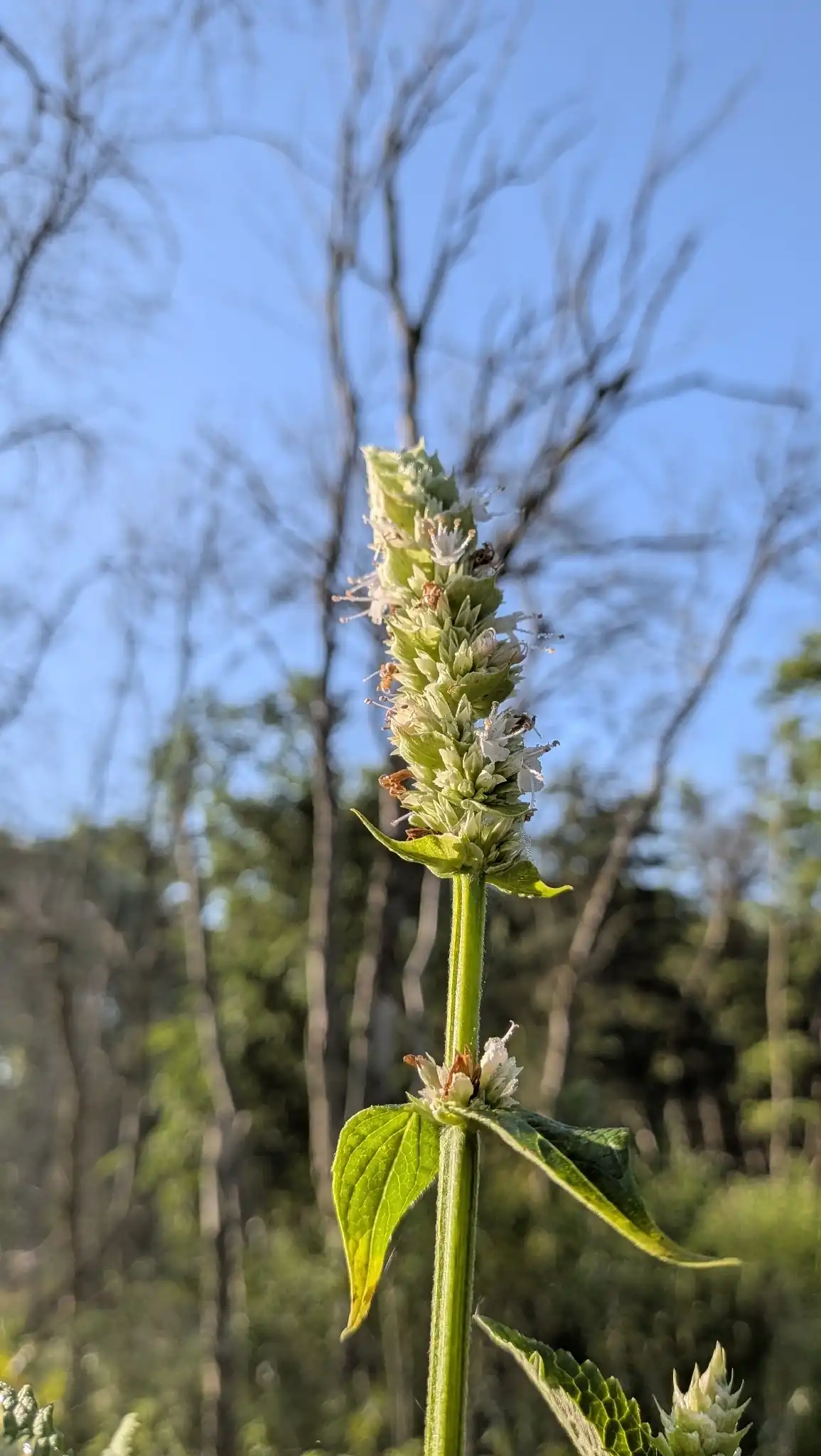
Agastache scrophulariifolia is an erect, clump-forming herbaceous perennial native to rich woodland clearings, thickets, and riverbanks of eastern North America. Stems reach three to five feet in height with square cross-sections and coarsely toothed, aromatic green leaves.
Unlike anise hyssop, which features pale hairs beneath its leaves, this species has leaf blades that are green on both upper and lower surfaces. Its dense, pagoda-like terminal spikes bear purplish-red flowers held on distinct petioles, setting it apart from yellow-bloomed relatives.
Uses & Benefits:
Essentials
At a Glance
Plant Type
Perennial
Height
60"
Width
36"
Light
Full Sun, Partial Sun
Zones
4, 5, 6, 7, 8
Water
Medium to High
Humidity
Moderate to High
Lifespan
Perennial
Native To
Eastern North America
Toxicity
Non-toxic
Bloom period
Summer – Early fall
In flower about 4 months of the year
Planting
How to Grow
- Select a planting site in full sun to light partial shade with rich, moisture-retentive soil.
- Incorporate organic compost into the top six inches of soil to enhance nutrient density and water retention.
- Space plants 18 to 36 inches apart to ensure sufficient air movement around mature foliage.
- Water thoroughly at planting and supply supplemental water during dry spells to keep soil evenly moist.
- Apply an annual top-dressing of leaf mold or finished compost each spring to supply nutrients.
Pro Tip
Plant in moist, organic-rich loam that retains moisture through summer while providing enough slope or aeration to ensure free winter drainage.
Keep It Thriving
Care Guide
Do
- Maintain consistent moisture in rich, well-drained loamy soils.
- Provide wide spacing between plants to optimize air circulation and deter foliar diseases.
- Cut spent stems back to the ground in late winter before new basal growth begins.
Don't
- Do not allow soil to remain waterlogged during dormant winter months.
- Avoid overhead irrigation that wet leaf surfaces during humid summer weather.
- Do not apply high-nitrogen fertilizers, which cause weak, floppy stem growth.
Seasonal Care Calendar
| Task | Jan | Feb | Mar | Apr | May | Jun | Jul | Aug | Sep | Oct | Nov | Dec |
|---|---|---|---|---|---|---|---|---|---|---|---|---|
| Divide | ||||||||||||
| Mulch | ||||||||||||
| Pest Check | ||||||||||||
| Spring Cleanup |
Watch Out For
Pests & Diseases
Common Pests
Common Diseases
In the Garden
Landscape Uses & Companions
Landscape Uses
Multiply
Propagation Methods
Good to Know
Common Questions
Purple Giant Hyssop questions
What zones can Purple Giant Hyssop grow in?
Purple Giant Hyssop is hardy in USDA Zones 4–8: in that range it survives winter in the ground. Warmer than Zone 8, winter isn't the problem: it prefers colder winters, and summer heat can shorten its life.
Is Purple Giant Hyssop deer resistant?
Not reliably. Deer may browse Purple Giant Hyssop, especially tender spring growth — plan on repellents or fencing where pressure is high.
When does Purple Giant Hyssop bloom?
Purple Giant Hyssop typically blooms from early summer to early fall. Exact timing shifts a week or two with your zone — Sow's bloom calendar maps it to your garden.
Does Purple Giant Hyssop need full sun?
Purple Giant Hyssop does best in full sun to part shade. In hot climates, afternoon shade keeps blooms fresher longer.
More Agastache to compare
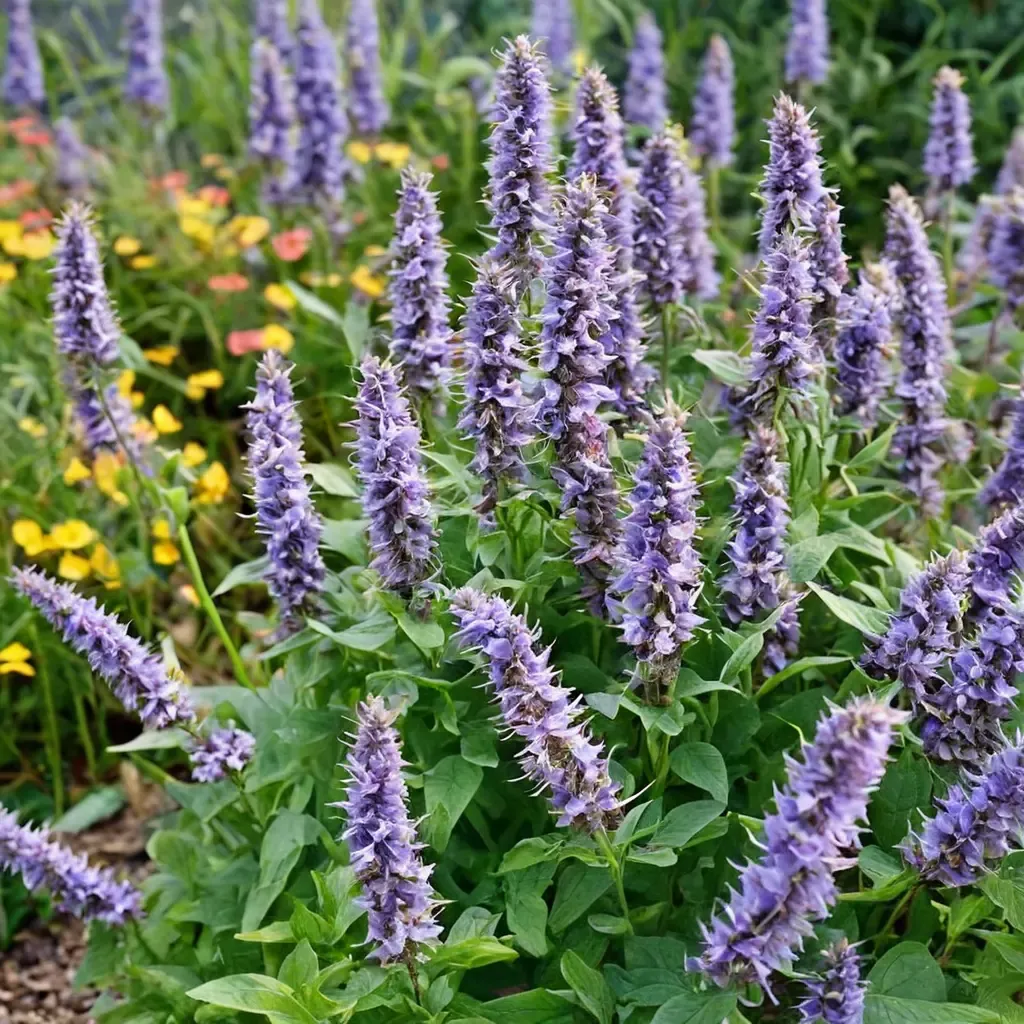
'Blue Fortune' Anise Hyssop
Agastache x hybrida 'Blue Fortune'
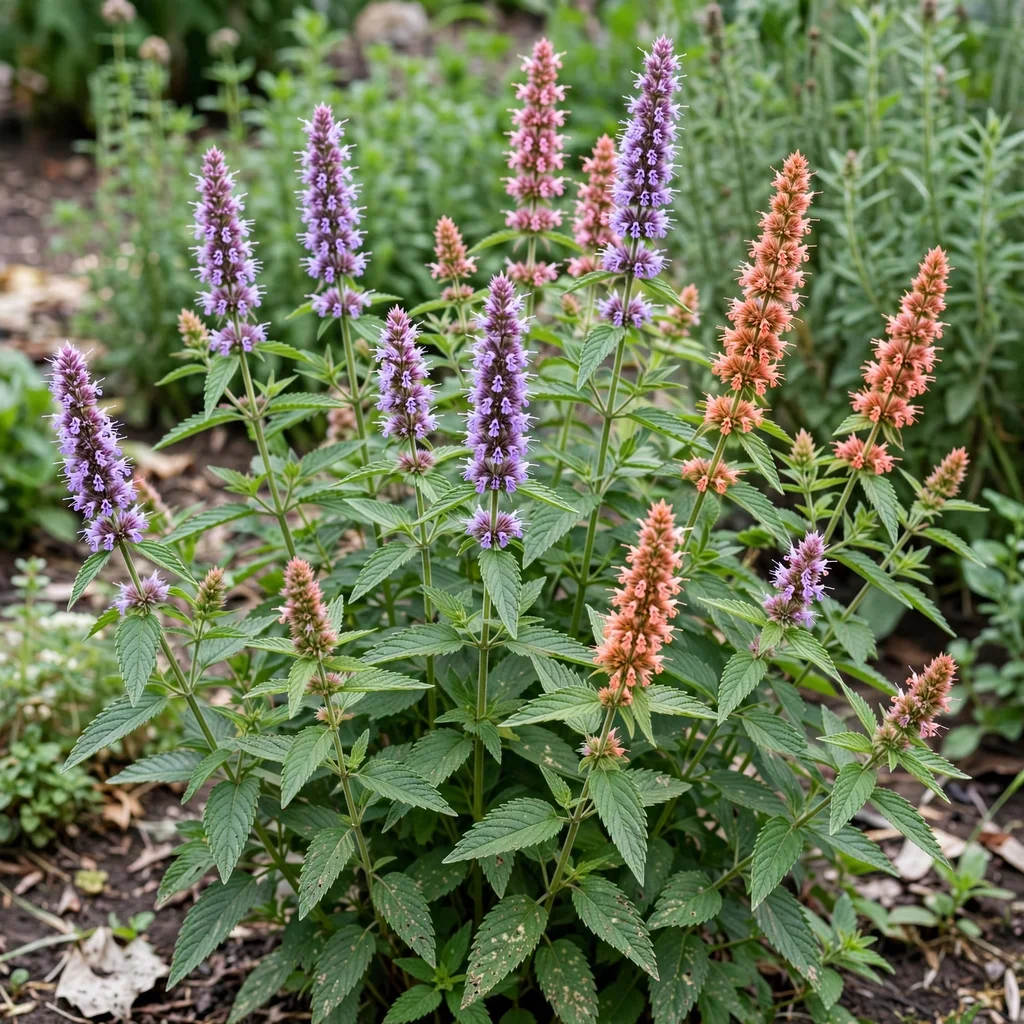
Hummingbird Mint Mix
Agastache x hybrida 'Mix'
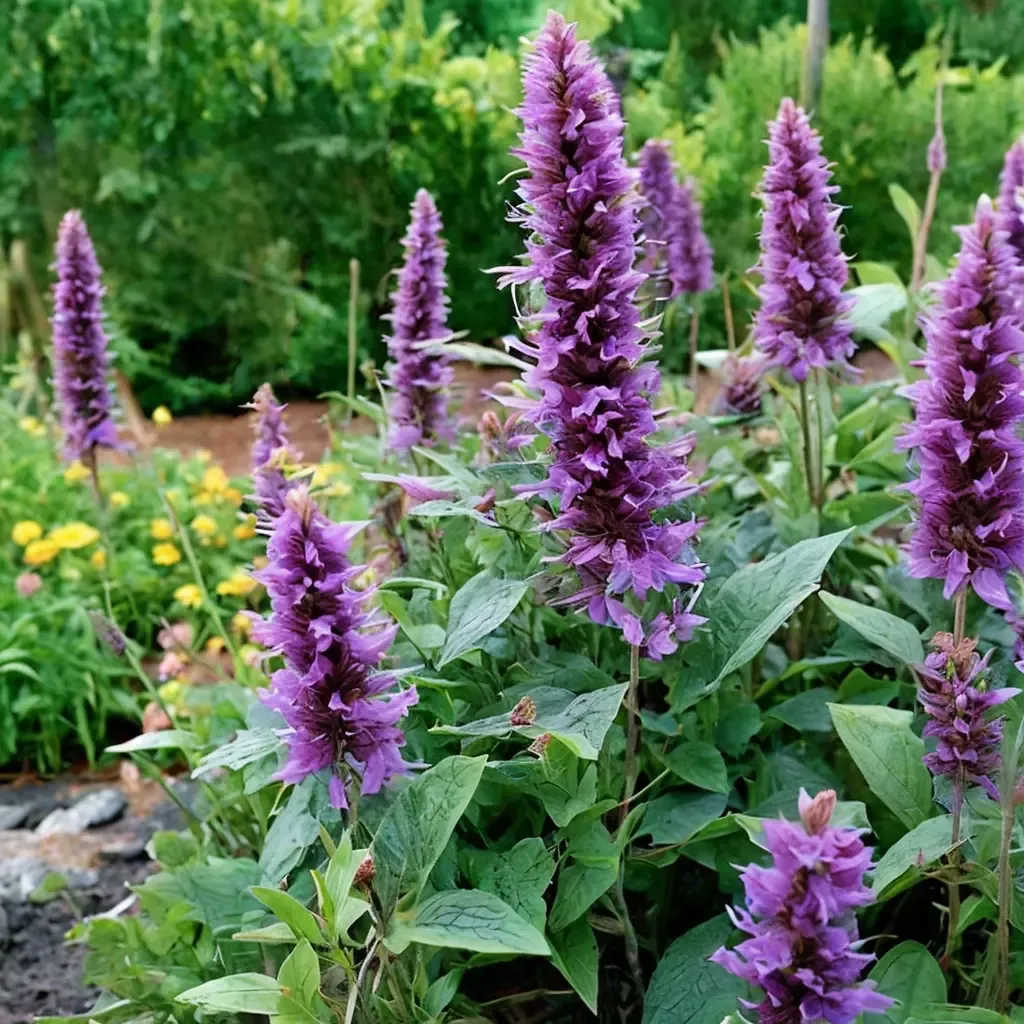
Blue Boa Hyssop
Agastache x hybrida 'Blue Boa'
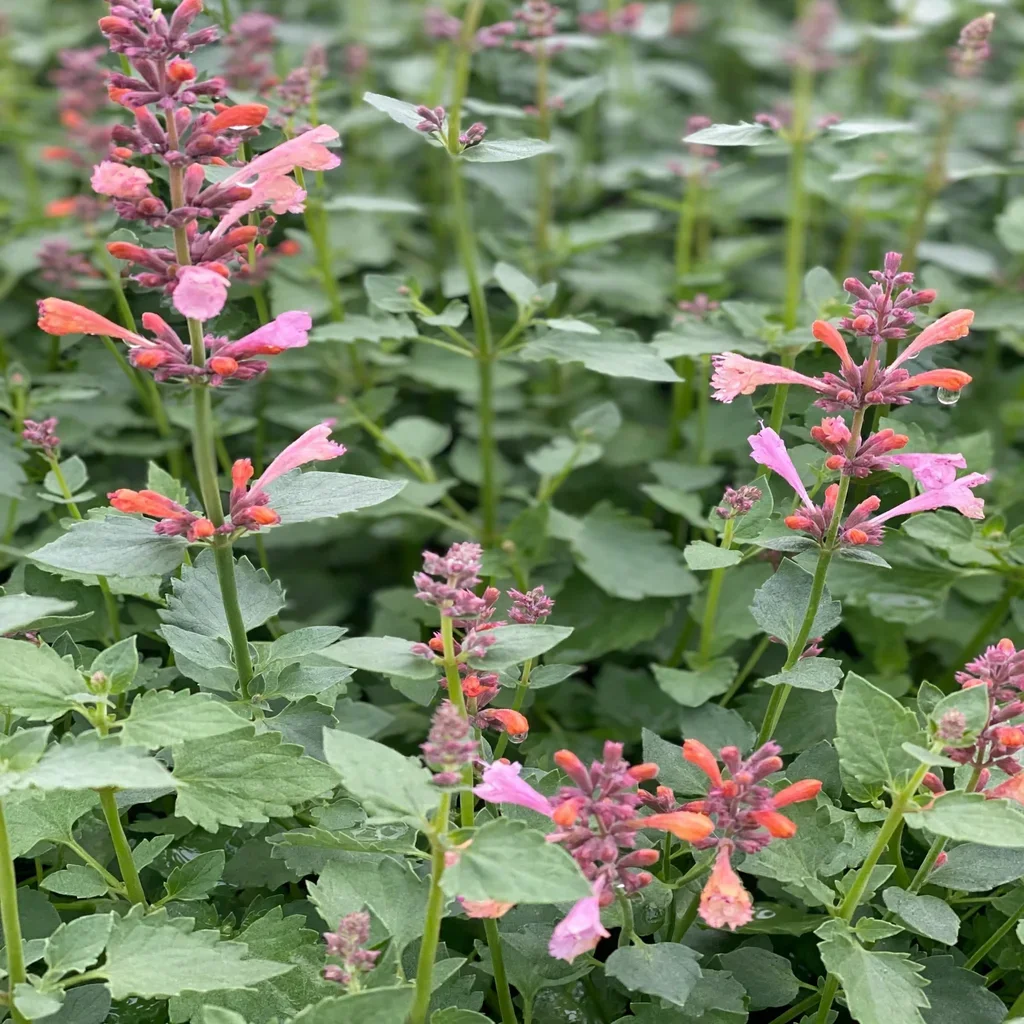
Kudos Ambrosia Anise Hyssop
Agastache foeniculum 'Kudos Ambrosia'
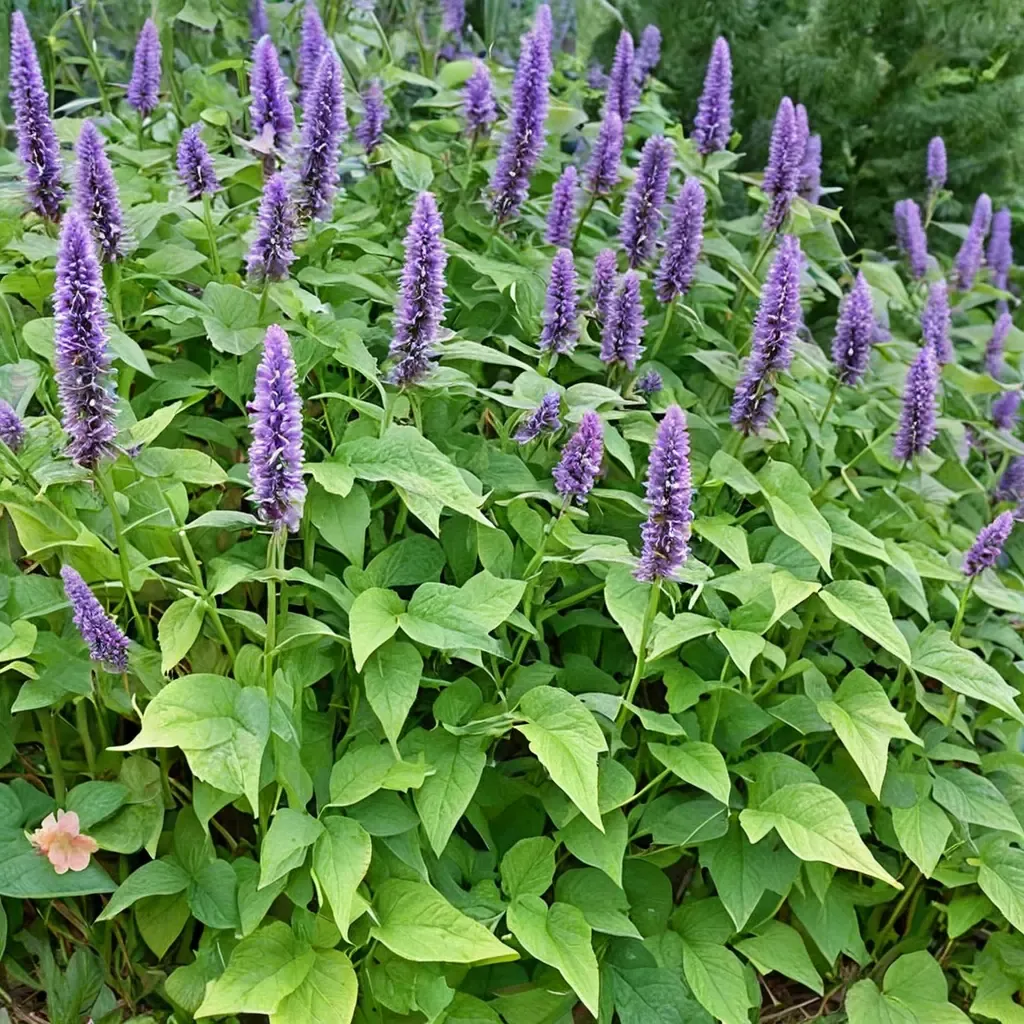
Anise Hyssop
Agastache foeniculum
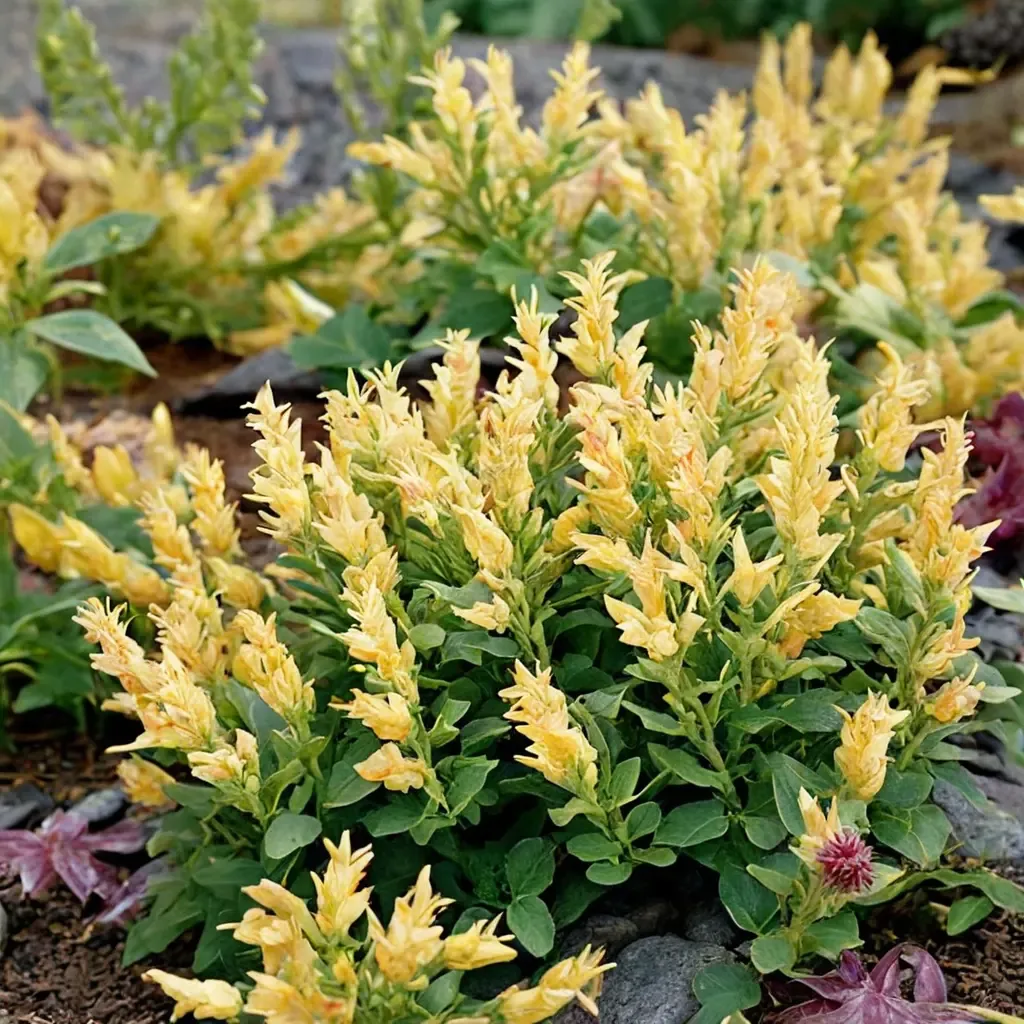
Poquito Butter Yellow Anise Hyssop
Agastache foeniculum 'Poquito Butter Yellow'
Keep exploring
Hardy in your zone?
Grow Purple Giant Hyssop with confidence
See it in a design of your actual yard, get zone-matched care reminders, and track it season by season in your garden journal.