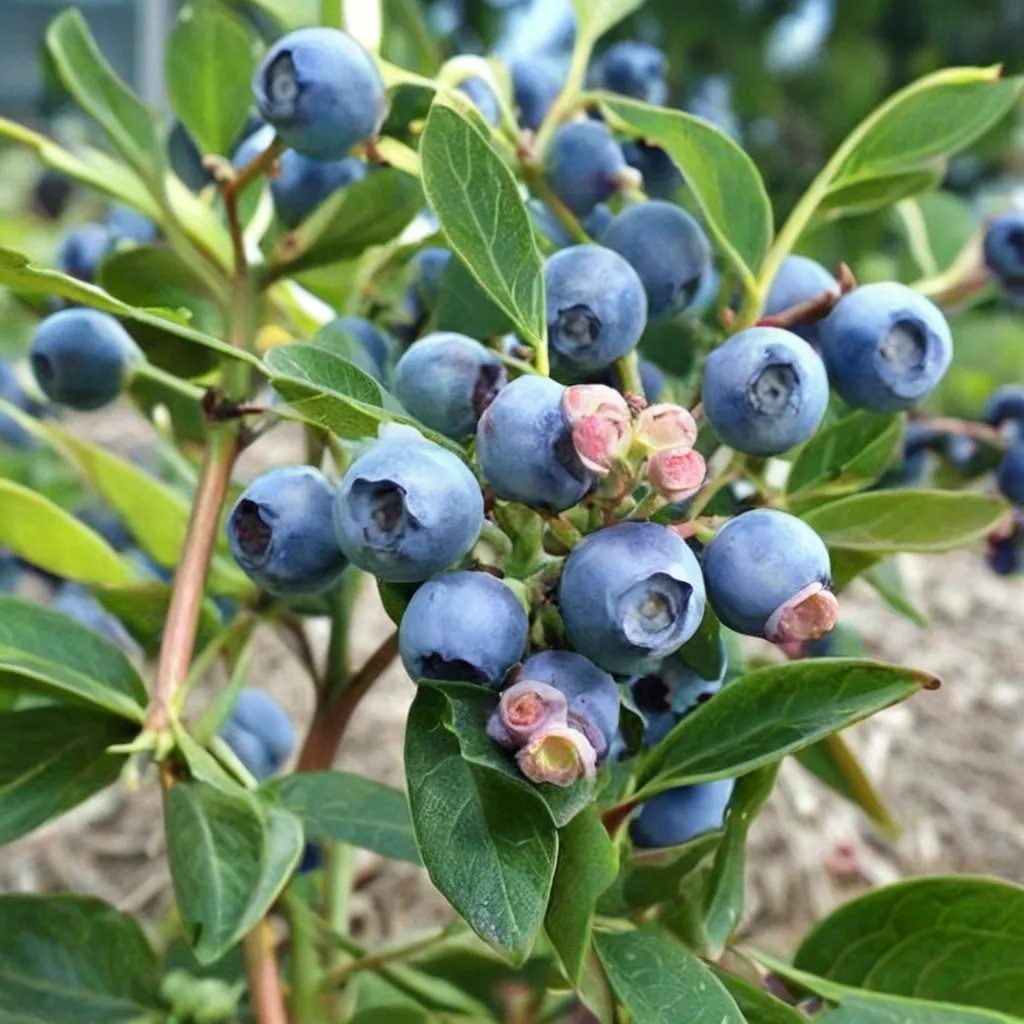
Species
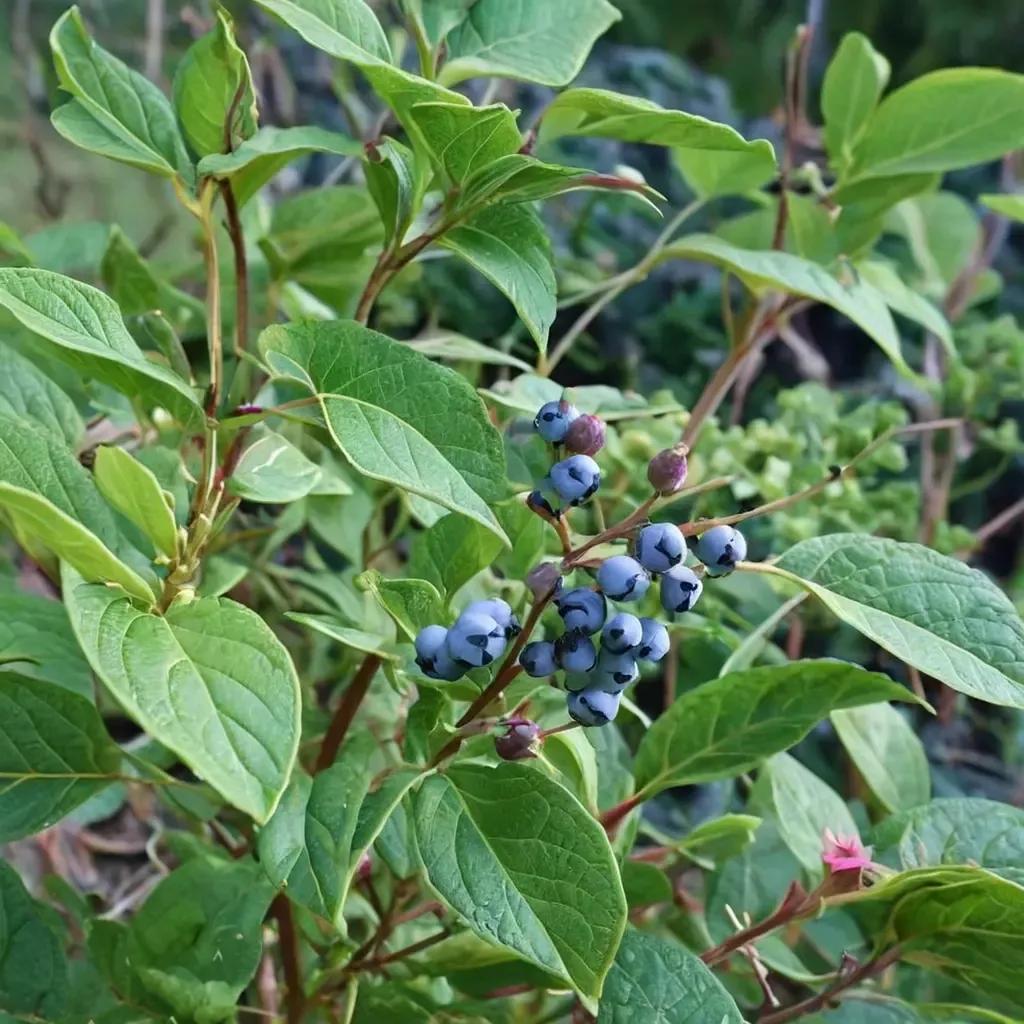 Vaccinium corymbosumHighbush Blueberry
13 other cultivars
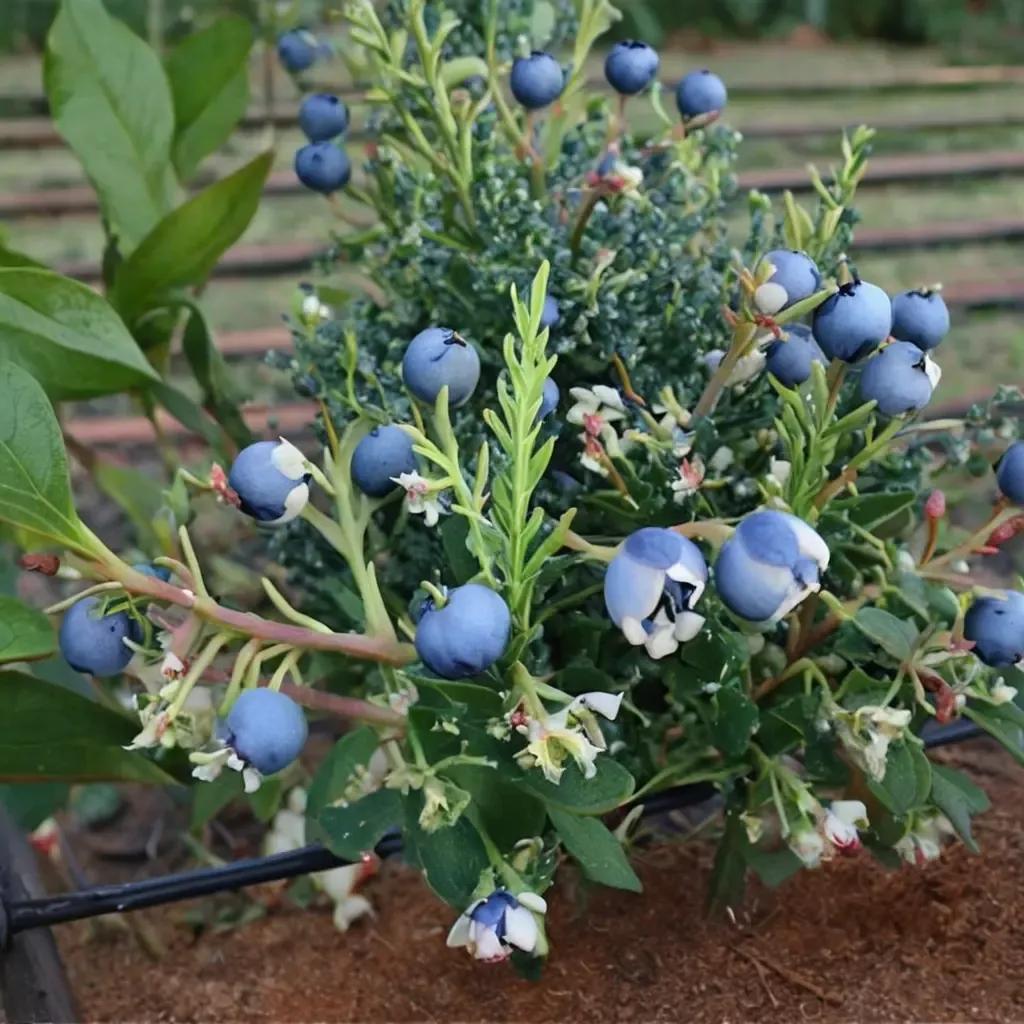 ‘Echo’Echo Blueberry
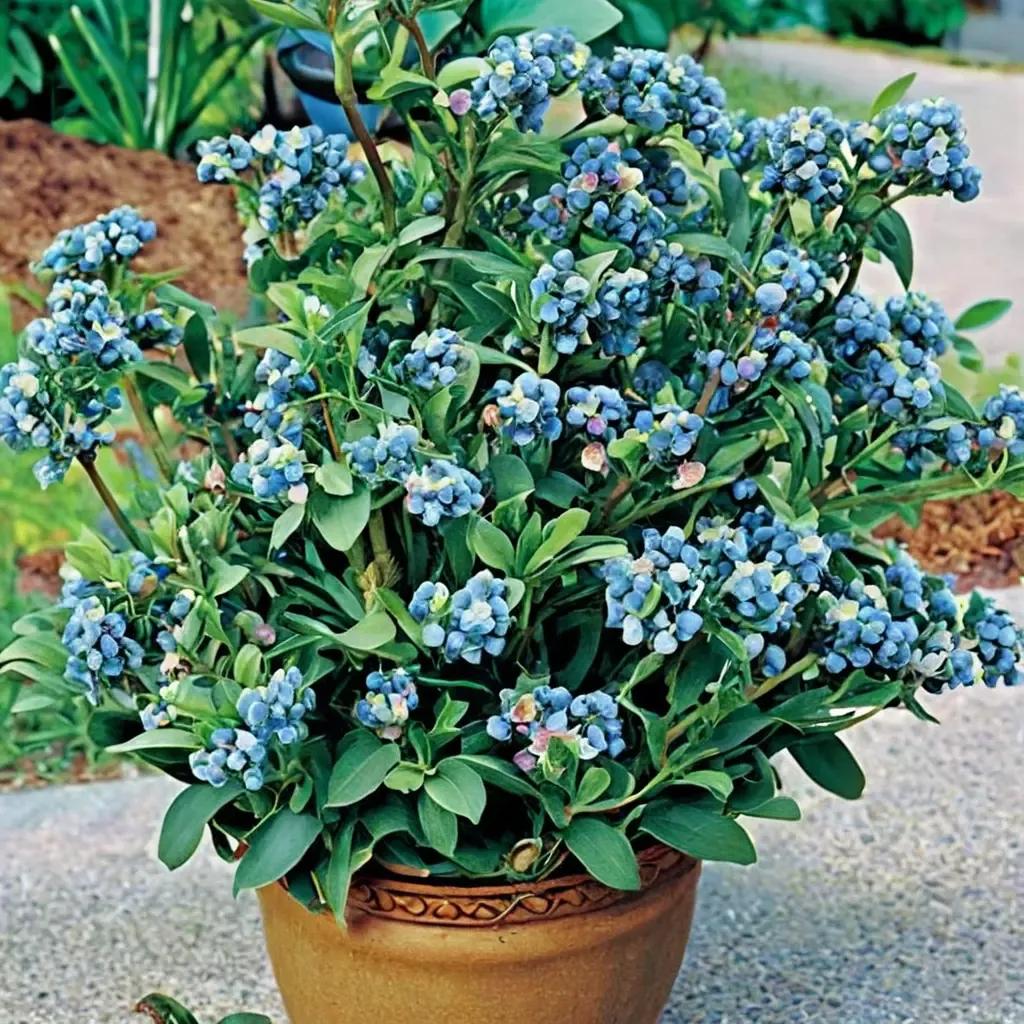 ‘Blueberry Sunshine Blue’Sunshine Blue Blueberry
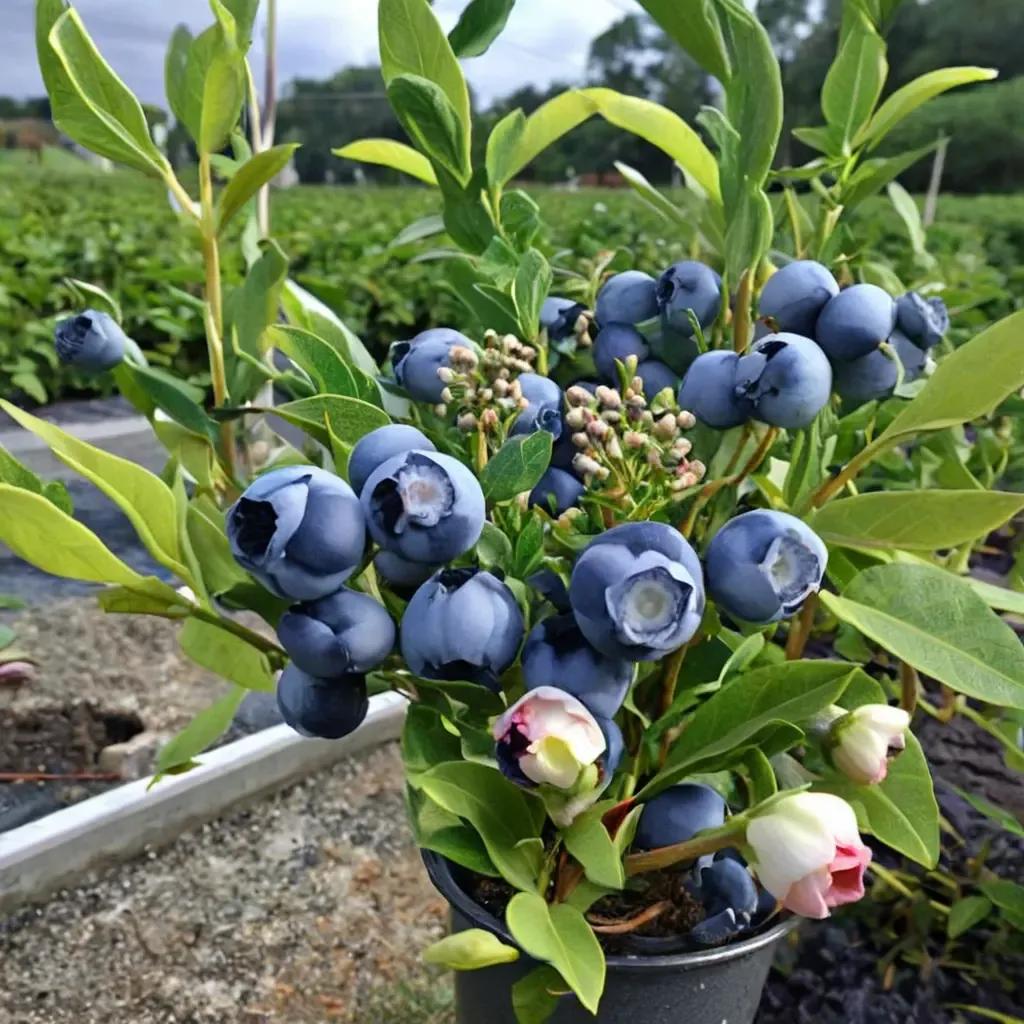 ‘Chandler’Chandler Blueberry
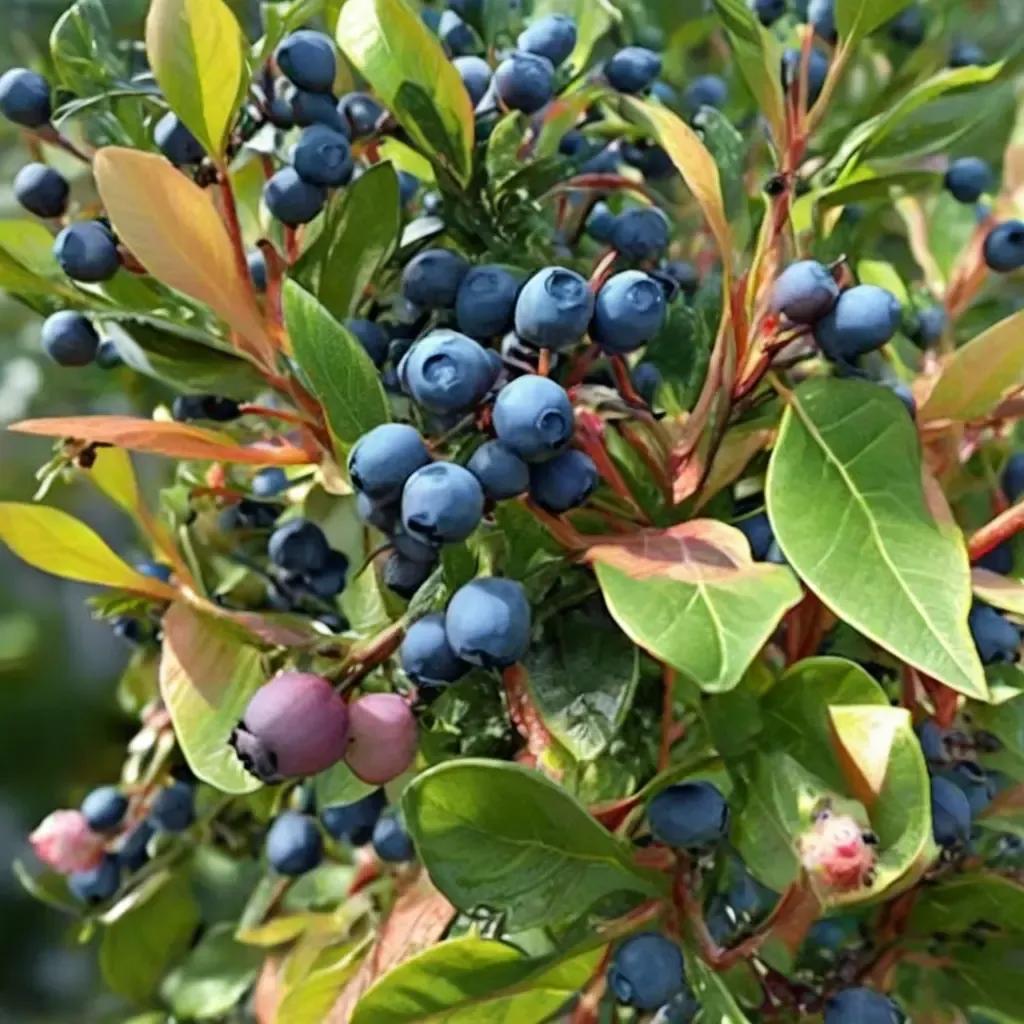 ‘Bonus’Bonus Blueberry
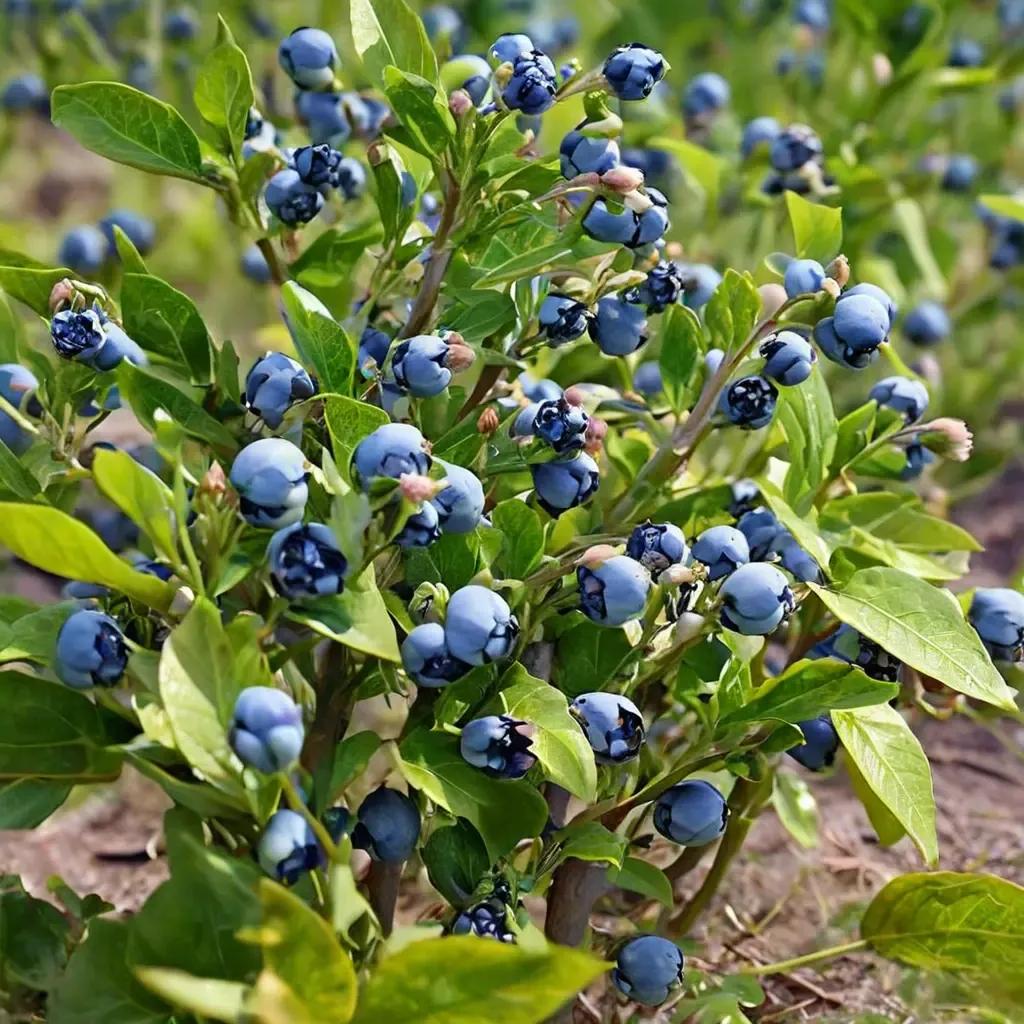 ‘Duke’Duke blueberry
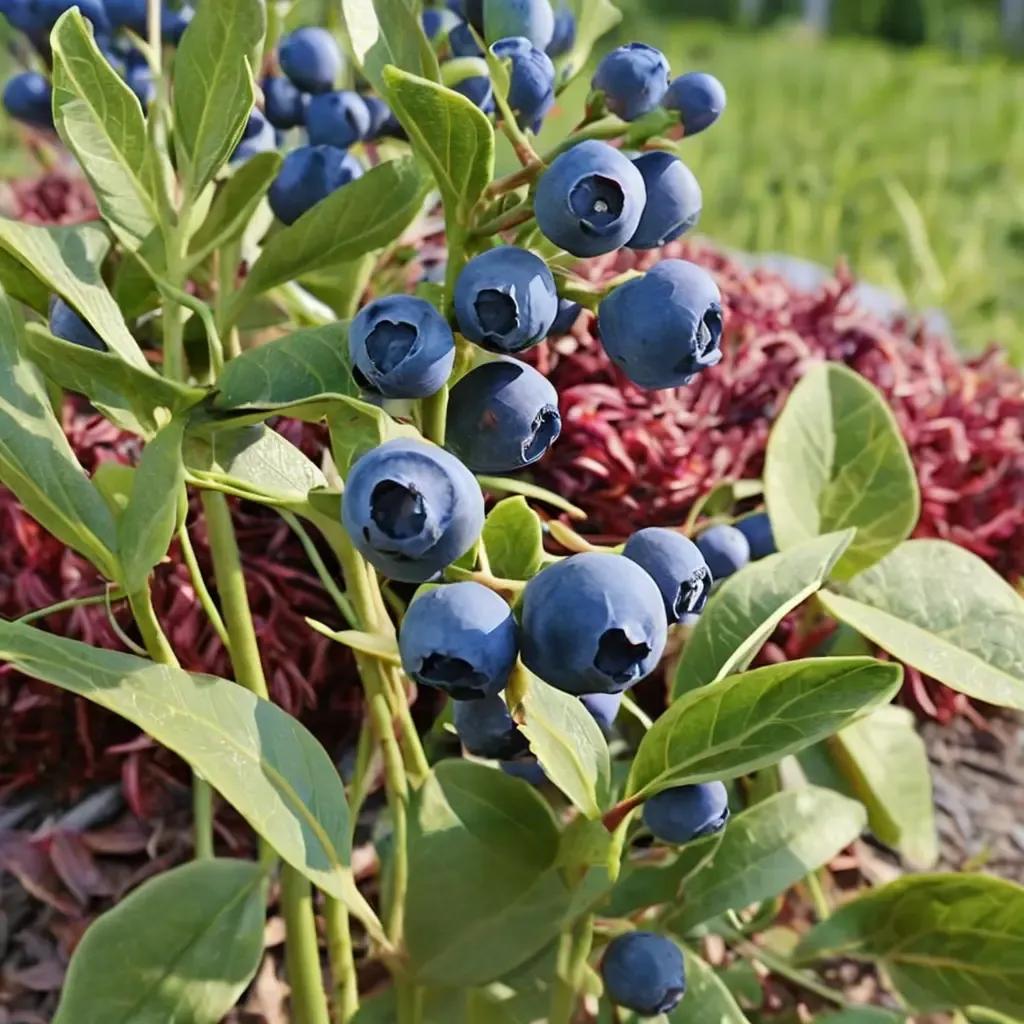 ‘Success Mix’Success Mix Highbush Blueberry
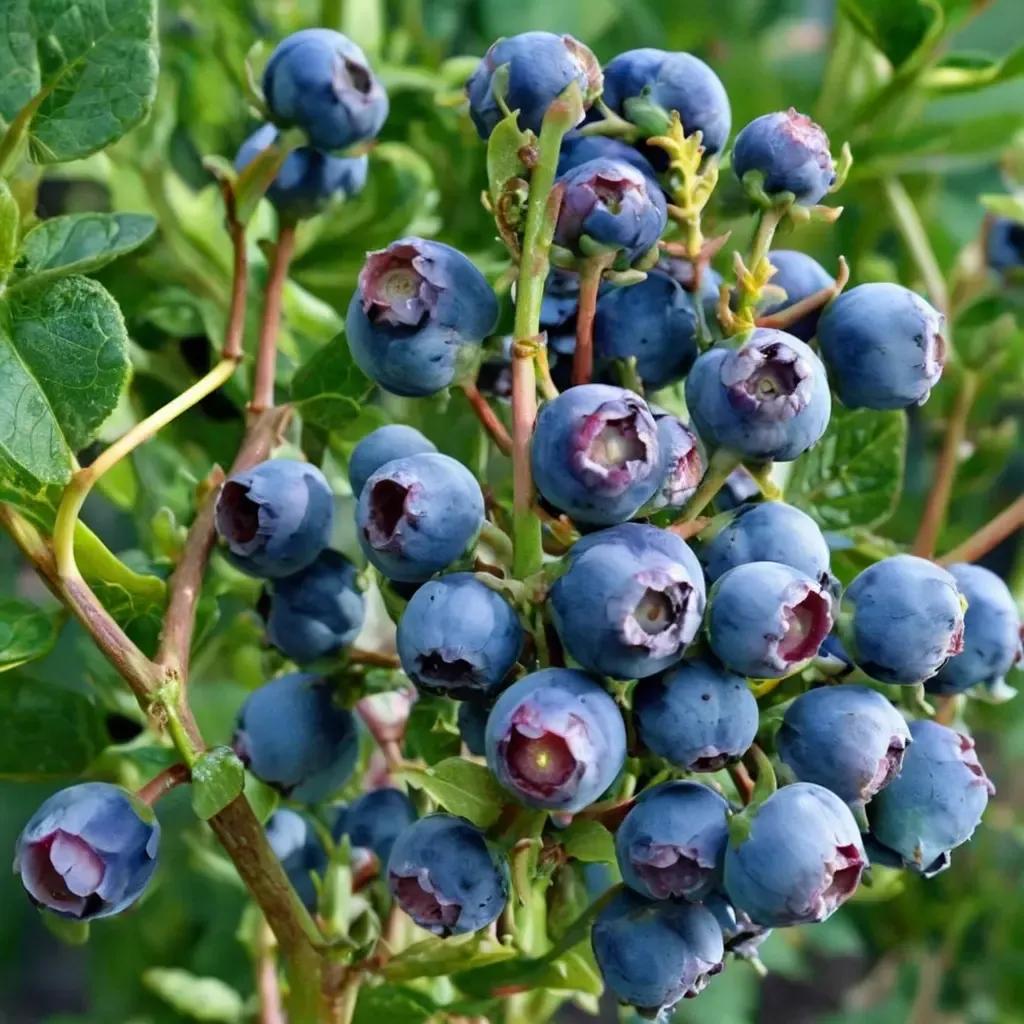 ‘Reka’Reka Blueberry
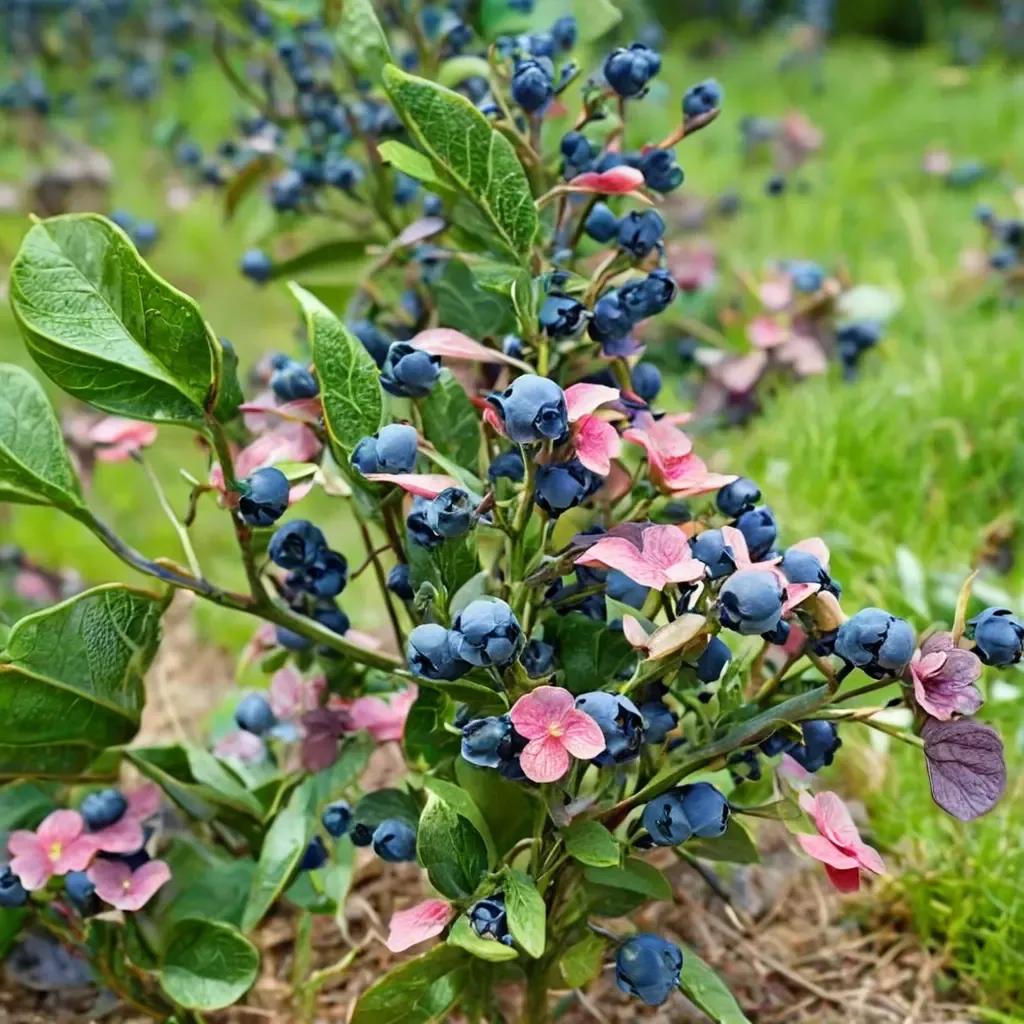 ‘Mix’Highbush Blueberry
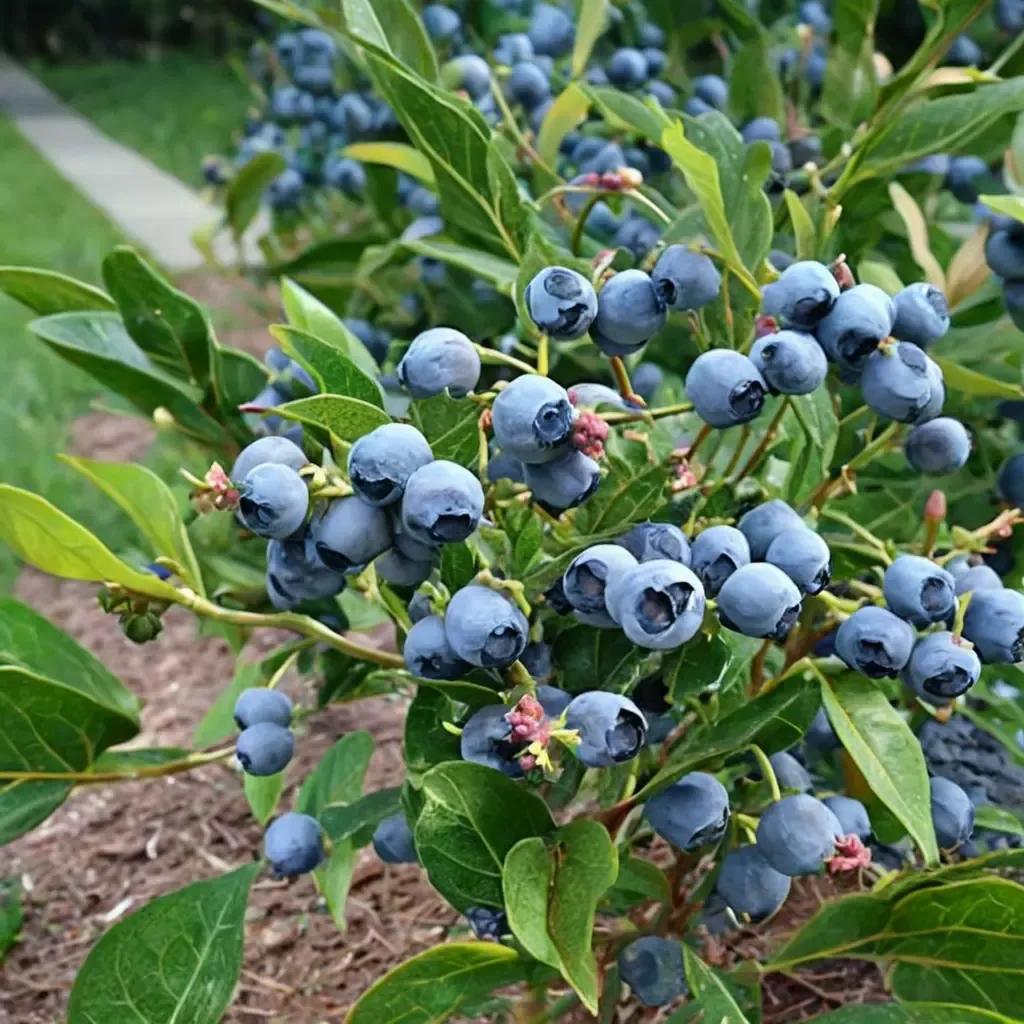 ‘Patriot’Patriot Blueberry
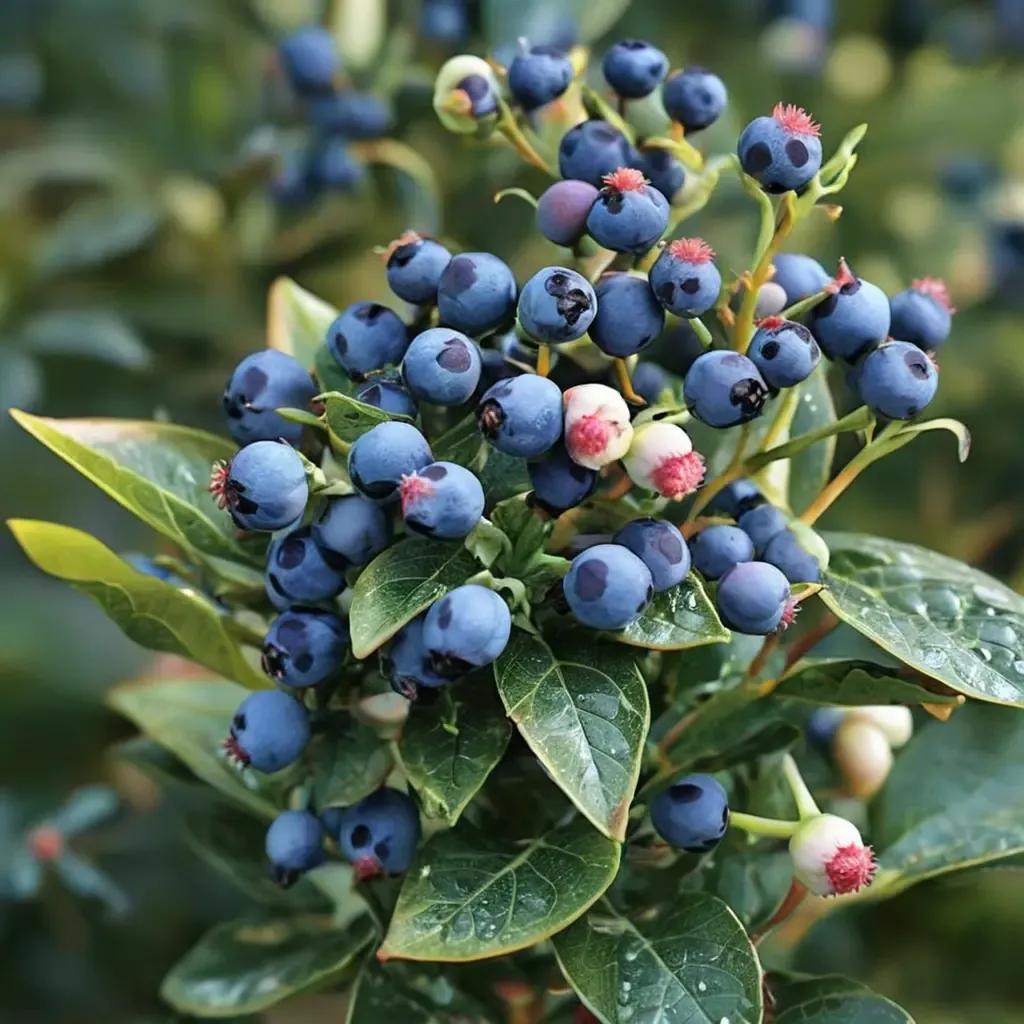 ‘Perpetua’Perpetua Blueberry
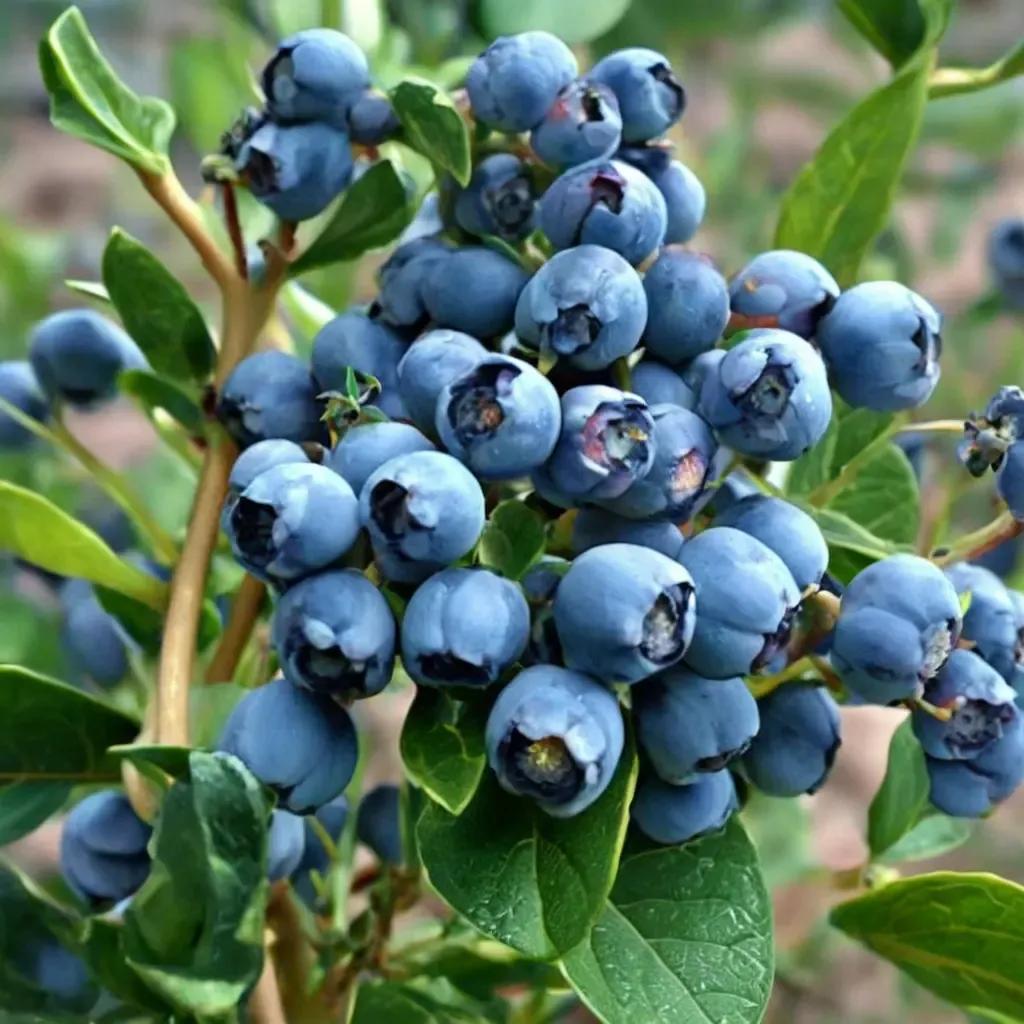 ‘Spartan’Spartan Blueberry
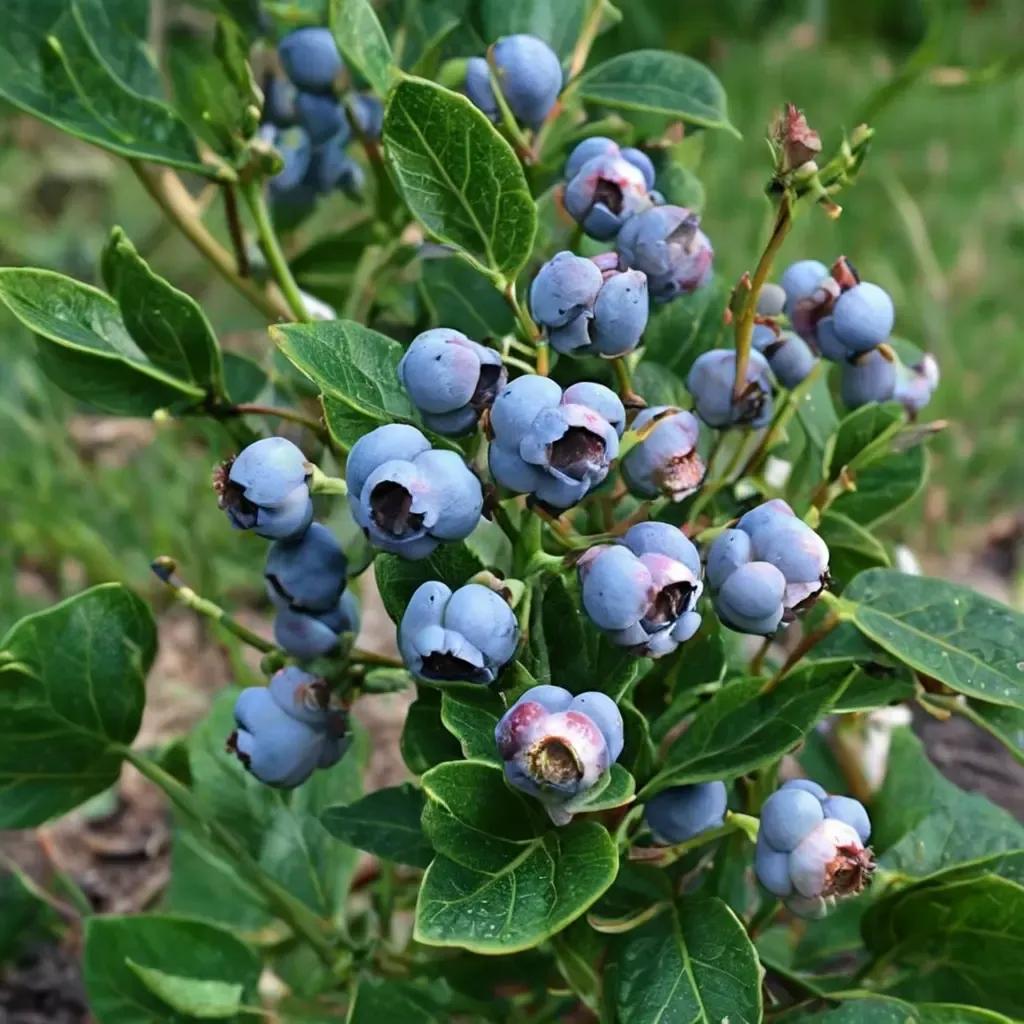 ‘Elliot’Elliot Blueberry
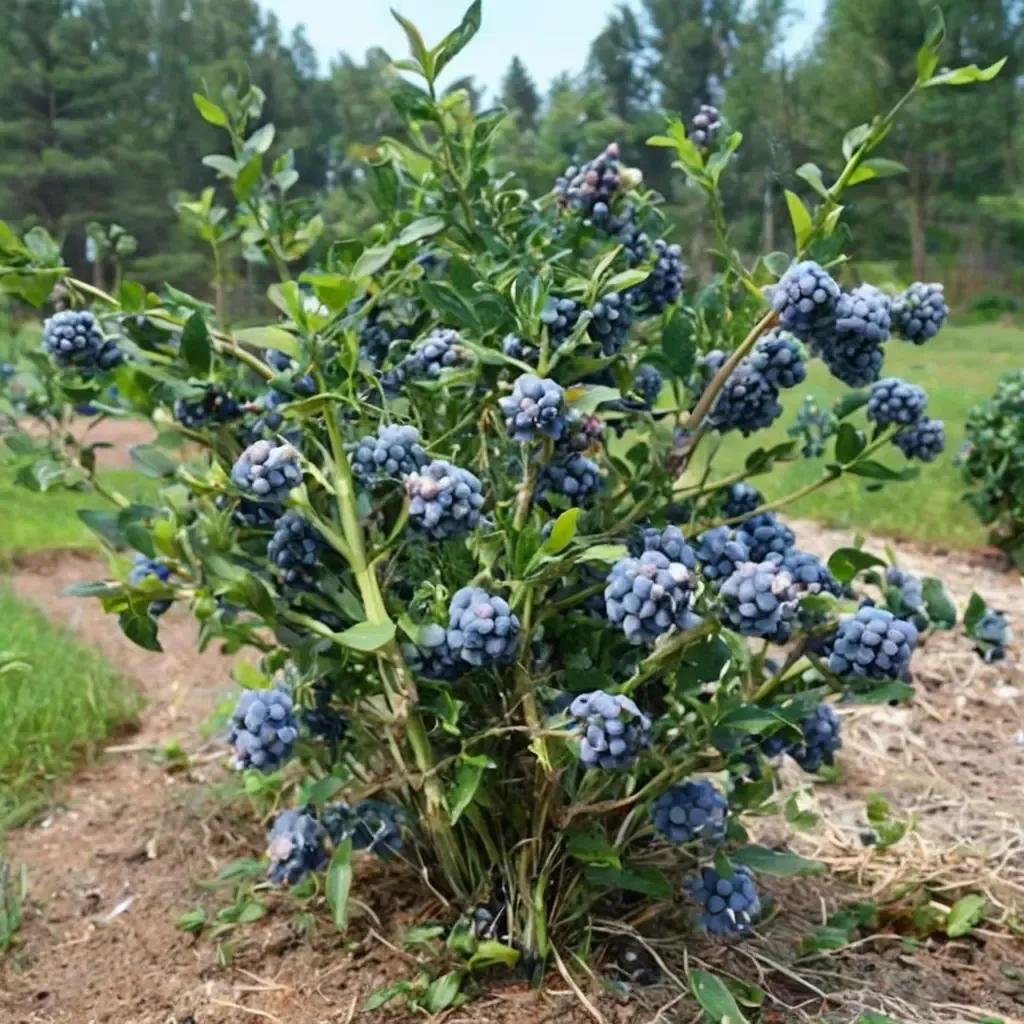 ‘Bluecrop’Bluecrop Blueberry
The Story
Plant Bio
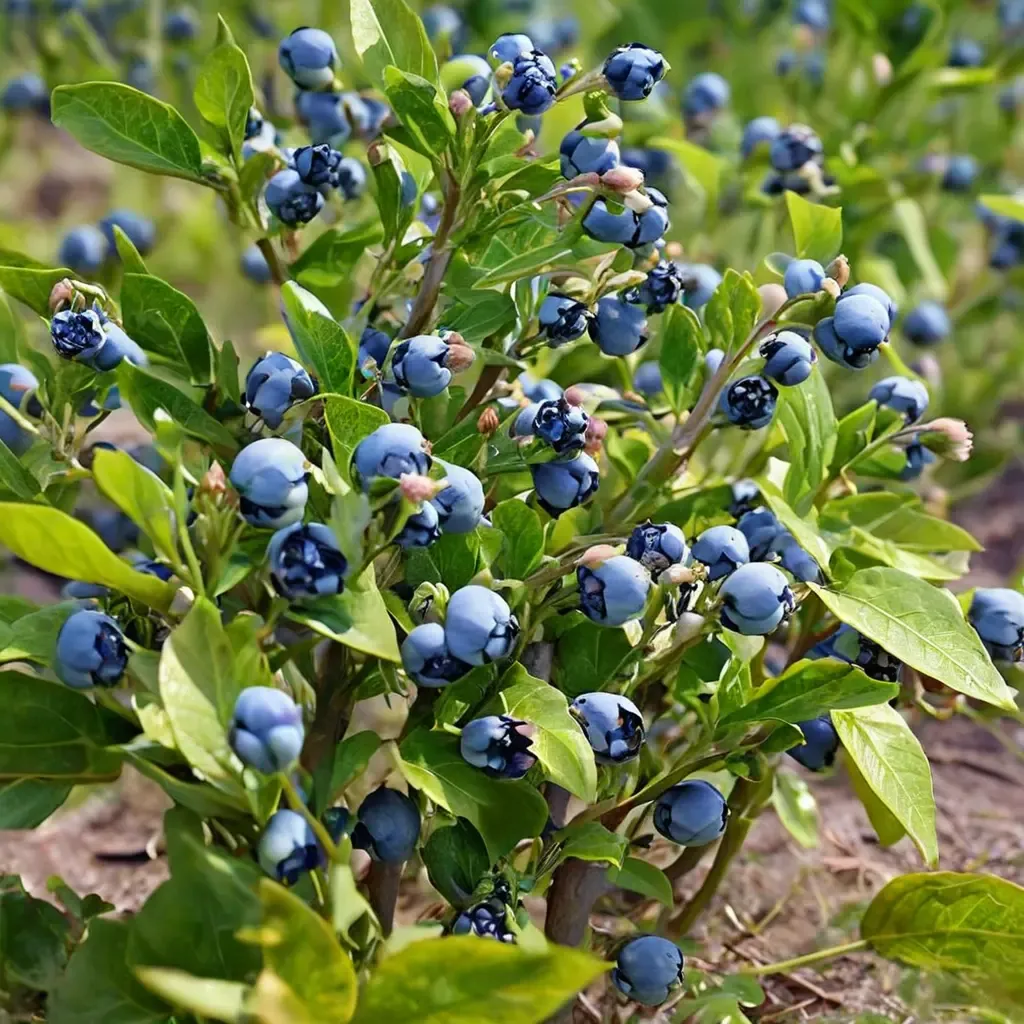
'Tifblue' is a vigorous, upright Rabbiteye blueberry (Vaccinium ashei), a deciduous shrub grown for its delicious, light blue berries. It has attractive glossy green leaves that turn red in the fall.
A popular late-season variety, 'Tifblue' is known for its high yields, heat tolerance, and large, flavorful fruit. It requires cross-pollination with another rabbiteye variety for good fruit set.
Uses & Benefits:
Essentials
At a Glance
Plant Type
Shrub
Height
96"
Width
96"
Light
Full Sun
Zones
7, 8, 9
Water
Consistent moisture, avoid drought stress
Humidity
Prefers moderate humidity
Lifespan
30+ years
Native To
Southeastern U.S.
Toxicity
Non-toxic
Bloom period
Spring – Late summer
In flower about 6 months of the year
Planting
How to Grow
- Choose a sunny location with well-draining acidic soil.
- Tuck seeds or transplant young plants in early spring or fall.
- Water regularly to keep soil moist but not waterlogged.
- Apply acidic fertilizer in early spring for best growth.
- Prune after harvest to maintain shape and promote fruiting.
- Mulch around the base to conserve moisture and suppress weeds.
Pro Tip
Ensure soil pH is below 6.0 for optimal blueberry growth.
Keep It Thriving
Care Guide
Do
- Water consistently, especially during dry periods 💧
- Apply acidic fertilizer in early spring 🌱
- Prune to shape and encourage new growth ✂️
Don't
- Avoid overwatering to prevent root rot ❌
- Do not fertilize with alkaline fertilizers ❌
- Keep away from heavy clay soils without proper amendments ❌
Seasonal Care Calendar
| Task | Jan | Feb | Mar | Apr | May | Jun | Jul | Aug | Sep | Oct | Nov | Dec |
|---|---|---|---|---|---|---|---|---|---|---|---|---|
| Fertilize | ||||||||||||
| Harvest | ||||||||||||
| Mulch | ||||||||||||
| Pest Check | ||||||||||||
| Plant | ||||||||||||
| Prune |
Watch Out For
Pests & Diseases
Common Pests
Common Diseases
In the Garden
Landscape Uses & Companions
Landscape Uses
Companion Plants
Multiply
Propagation Methods
Good to Know
Common Questions
Tifblue Rabbiteye Blueberry questions
What zones can Tifblue Rabbiteye Blueberry grow in?
Tifblue Rabbiteye Blueberry is hardy in USDA Zones 7–9. Inside that range it survives winter in the ground; outside it, grow it as an annual or a container plant you protect.
Is Tifblue Rabbiteye Blueberry deer resistant?
Not reliably. Deer may browse Tifblue Rabbiteye Blueberry, especially tender spring growth — plan on repellents or fencing where pressure is high.
When does Tifblue Rabbiteye Blueberry bloom?
Tifblue Rabbiteye Blueberry typically blooms in spring through late summer. Exact timing shifts a week or two with your zone — Sow's bloom calendar maps it to your garden.
Does Tifblue Rabbiteye Blueberry need full sun?
Tifblue Rabbiteye Blueberry does best in full sun (6+ hours).
More Vaccinium to compare
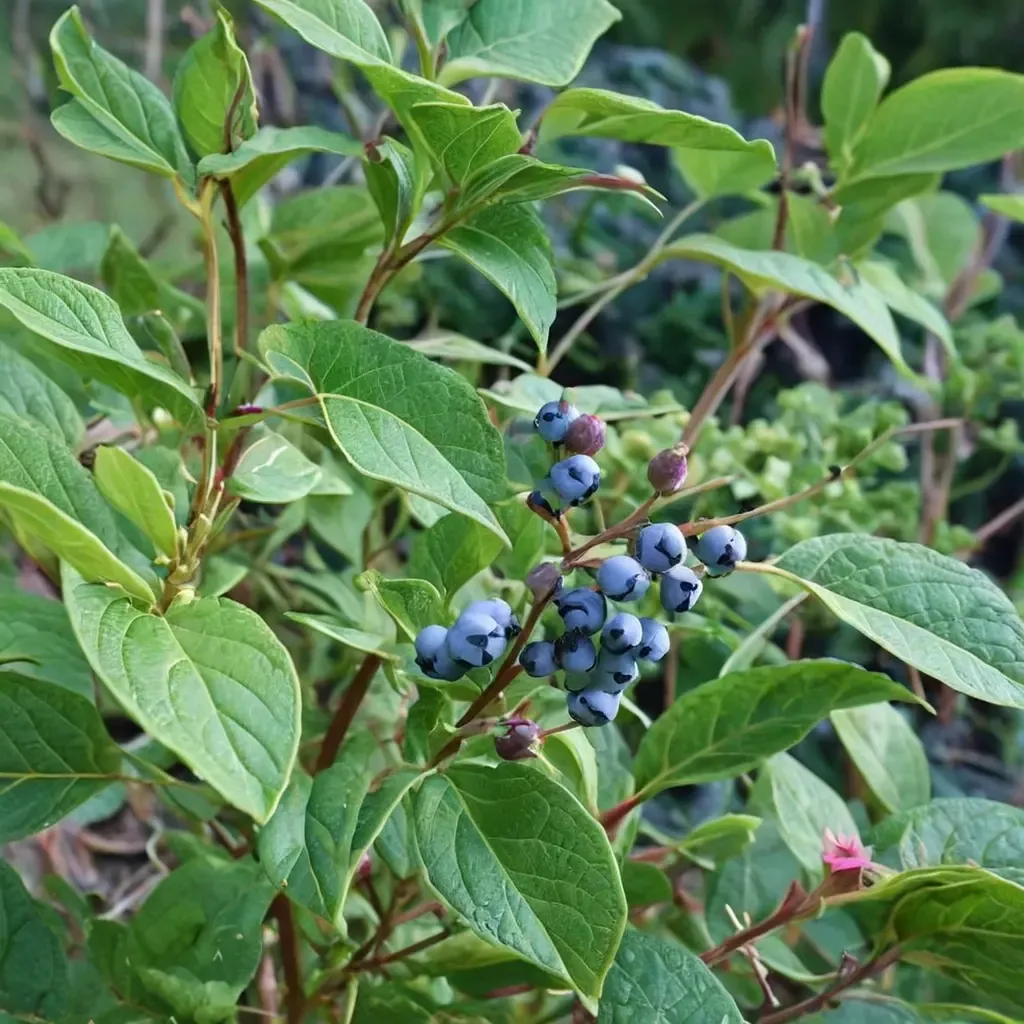
Highbush Blueberry
Vaccinium corymbosum
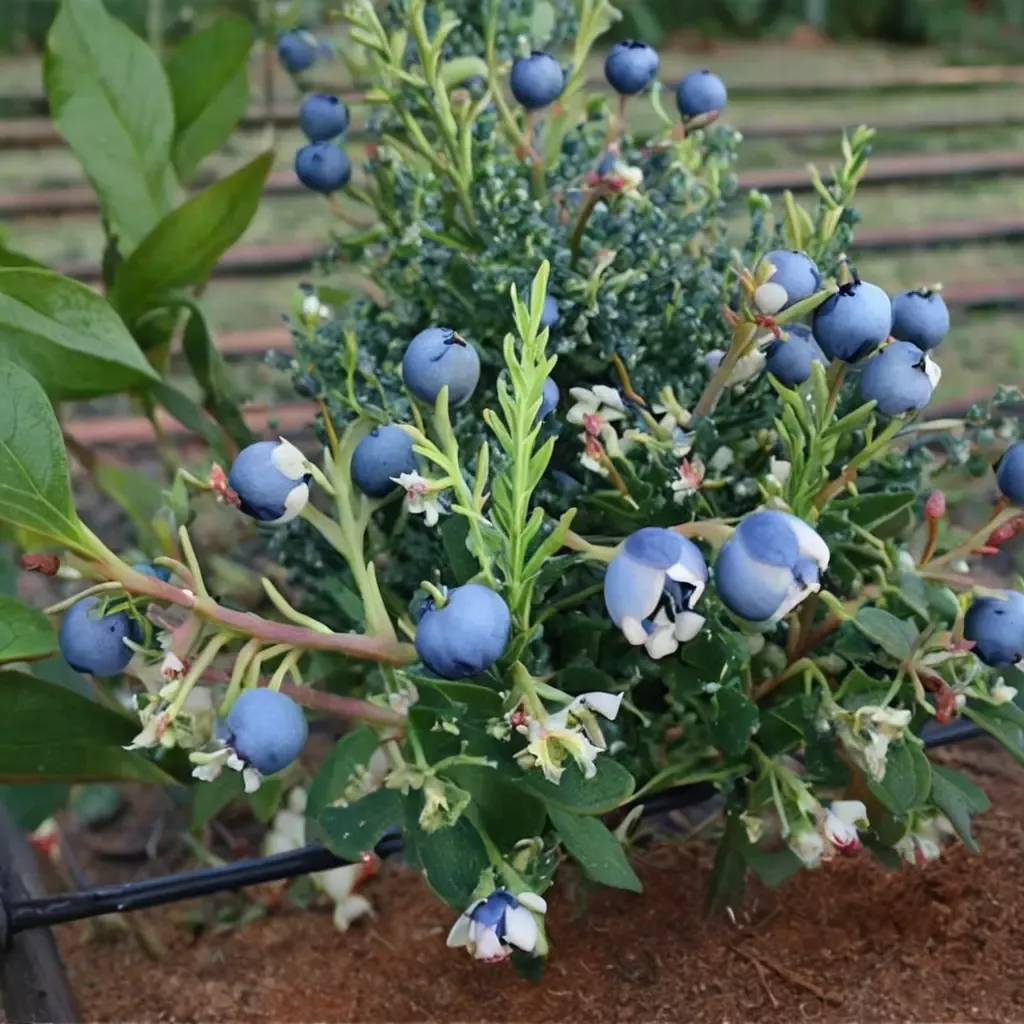
Echo Blueberry
Vaccinium corymbosum 'Echo'
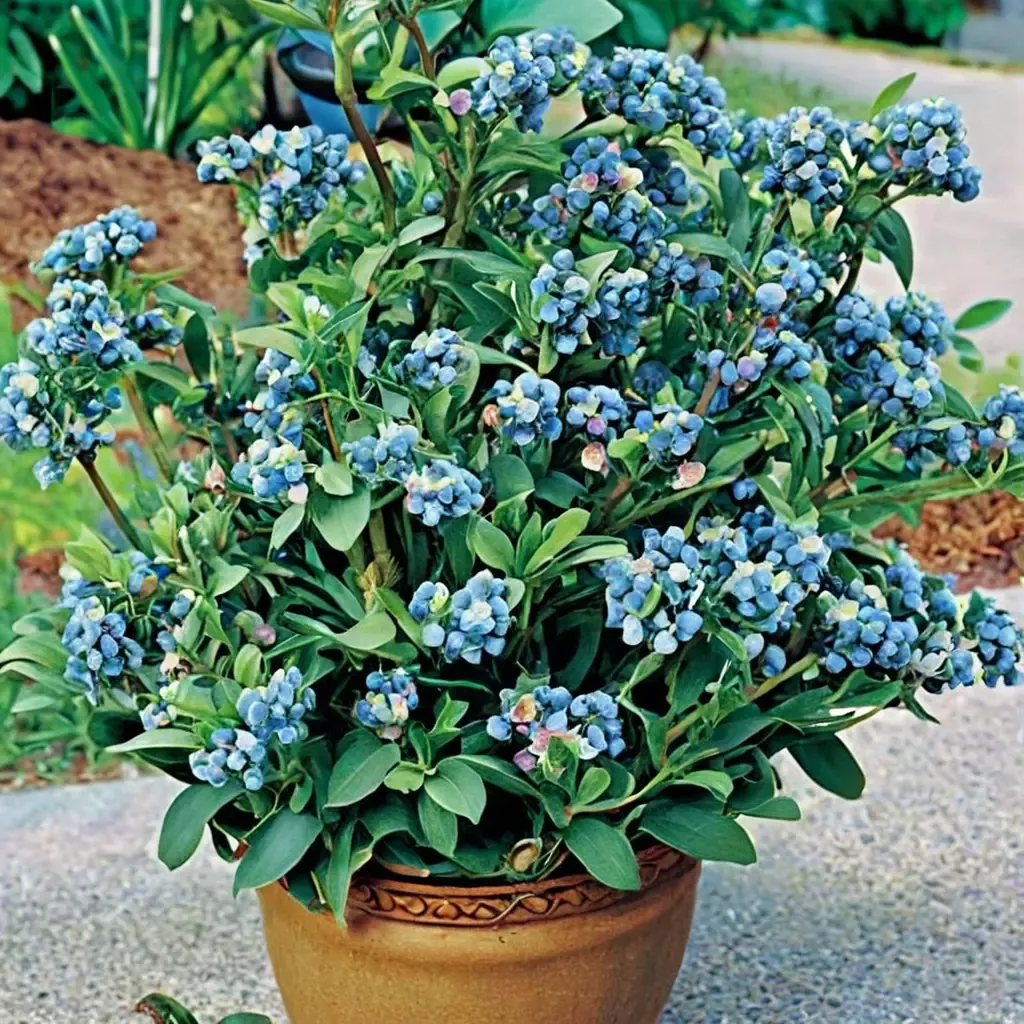
Sunshine Blue Blueberry
Vaccinium corymbosum 'Blueberry Sunshine Blue'
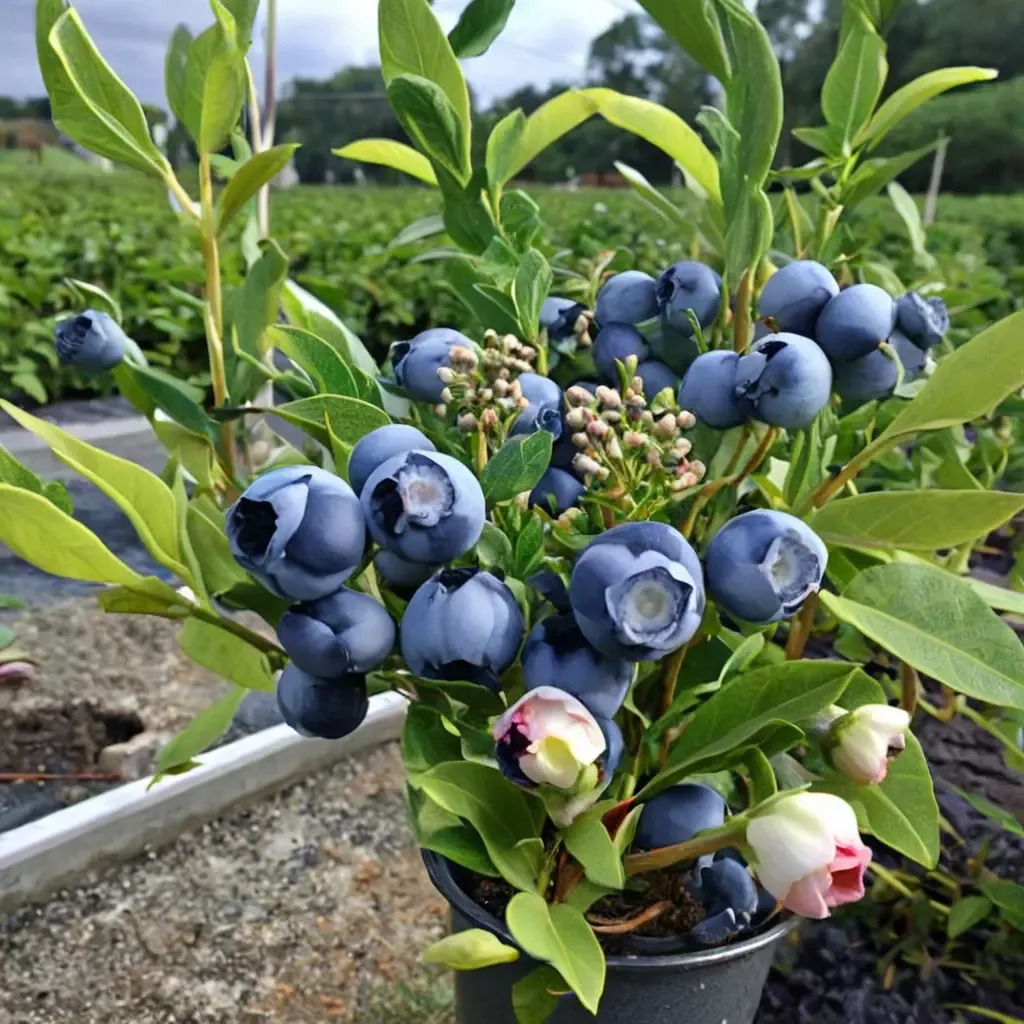
Chandler Blueberry
Vaccinium corymbosum 'Chandler'
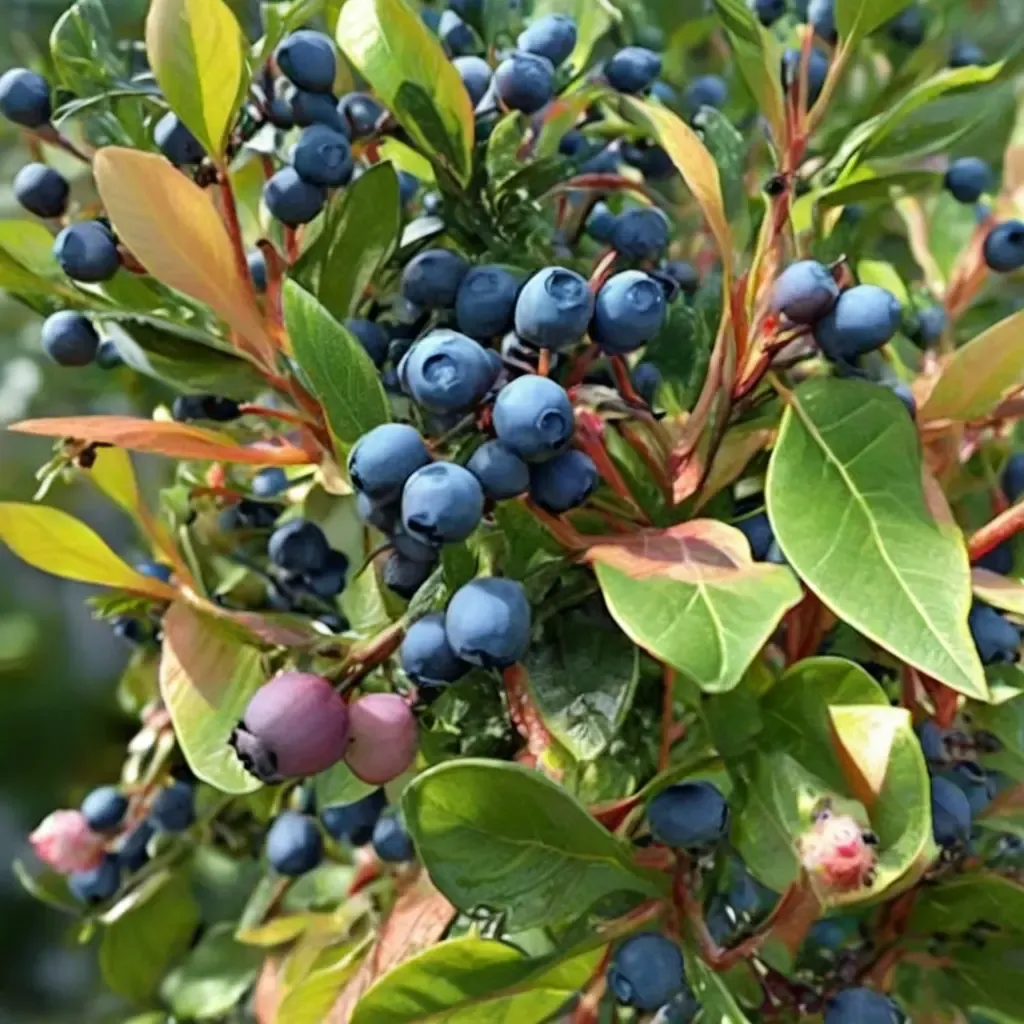
Bonus Blueberry
Vaccinium corymbosum 'Bonus'
Duke blueberry
Vaccinium corymbosum 'Duke'
Keep exploring
Explore the genus
Hardy in your zone?
Grow Tifblue Rabbiteye Blueberry with confidence
See it in a design of your actual yard, get zone-matched care reminders, and track it season by season in your garden journal.