The Story
Plant Bio
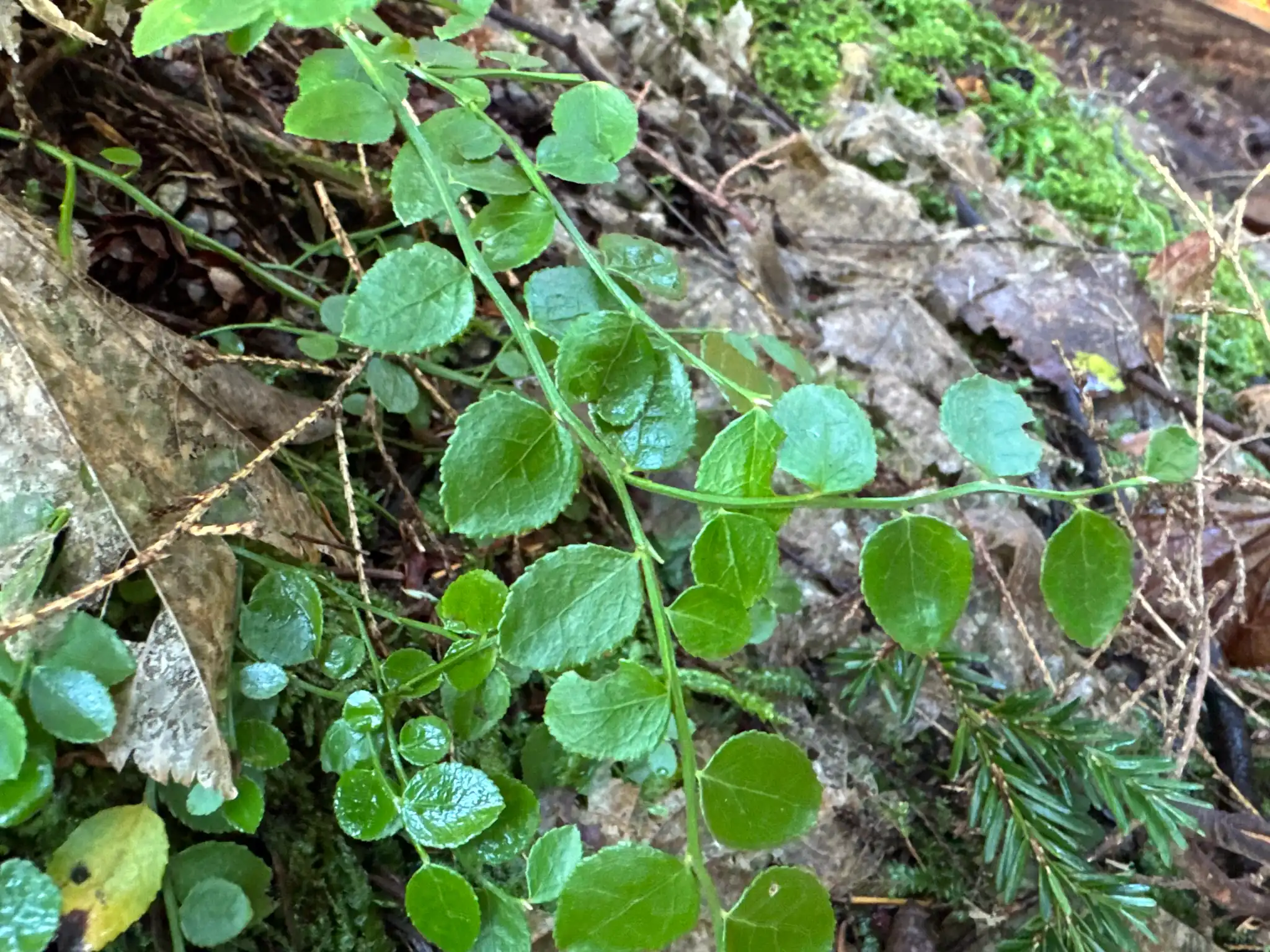
Vaccinium parvifolium is a deciduous woodland shrub native to Pacific Northwest forests, characterized by bright green, strongly angled stems that remain vivid throughout winter. Small, urn-shaped white to pale pink flowers bloom singly in leaf axils during spring, followed by translucent bright red tart berries in summer.
The species features fine yellow-green foliage on intricate zigzag branches that turn reddish in fall. Its tart, edible berries ripen in midsummer and hold significant ecological value for wildlife and native pollinators.
Uses & Benefits:
Essentials
At a Glance
Plant Type
Shrub
Height
144"
Width
72"
Light
Partial Sun, Shade
Zones
6, 7, 8, 9
Water
Moderate
Humidity
High
Lifespan
Perennial
Native To
Western North America
Toxicity
Non-toxic
Bloom period
Spring – Late spring
In flower about 3 months of the year
Marketplace
Where to Buy
Shipping costs Year-round shipping Free shipping
Planting
How to Grow
- Select a partial shade or full shade site protected from strong summer heat and drying winds.
- Incorporate generous amounts of acidic organic matter, such as leaf mold, composted bark, or crushed decaying coniferous wood.
- Set the root crown flush with or slightly above the surrounding soil surface to avoid root rot.
- Apply a thick surface layer of acidic bark chips or pine needles to keep roots cool and retain moisture.
Pro Tip
Plant into decaying wood, stumps, or deep acidic leaf mold, as roots fail in mineral soil or compacted clay.
Keep It Thriving
Care Guide
Do
- Topdress annually with acidic leaf mold or composted pine bark in spring.
- Maintain consistent soil moisture throughout dry summer periods.
- Protect young plants with physical barriers to prevent deer and rabbit browsing.
Don't
- Do not cut back into old, leafless woody stems, which fail to regenerate buds.
- Do not plant in neutral, alkaline, or heavy clay soils.
- Do not apply heavy synthetic fertilizers, as the roots are sensitive to excess nutrient salts.
Seasonal Care Calendar
| Task | Jan | Feb | Mar | Apr | May | Jun | Jul | Aug | Sep | Oct | Nov | Dec |
|---|---|---|---|---|---|---|---|---|---|---|---|---|
| Harvest | ||||||||||||
| Mulch | ||||||||||||
| Pest Check | ||||||||||||
| Prune |
Watch Out For
Pests & Diseases
Common Pests
Common Diseases
In the Garden
Landscape Uses & Companions
Landscape Uses
Multiply
Propagation Methods
Good to Know
Common Questions
Red Huckleberry questions
What zones can Red Huckleberry grow in?
Red Huckleberry is hardy in USDA Zones 6–9: in that range it survives winter in the ground. Colder than Zone 6, grow it in a container you can move to shelter for the winter. Warmer than Zone 9, winter isn't the problem: it prefers colder winters, and summer heat can shorten its life.
Is Red Huckleberry deer resistant?
Not reliably. Deer may browse Red Huckleberry, especially tender spring growth — plan on repellents or fencing where pressure is high.
When does Red Huckleberry bloom?
Red Huckleberry typically blooms in spring. Exact timing shifts a week or two with your zone — Sow's bloom calendar maps it to your garden.
Does Red Huckleberry need full sun?
Red Huckleberry does best in part shade.
More Vaccinium to compare
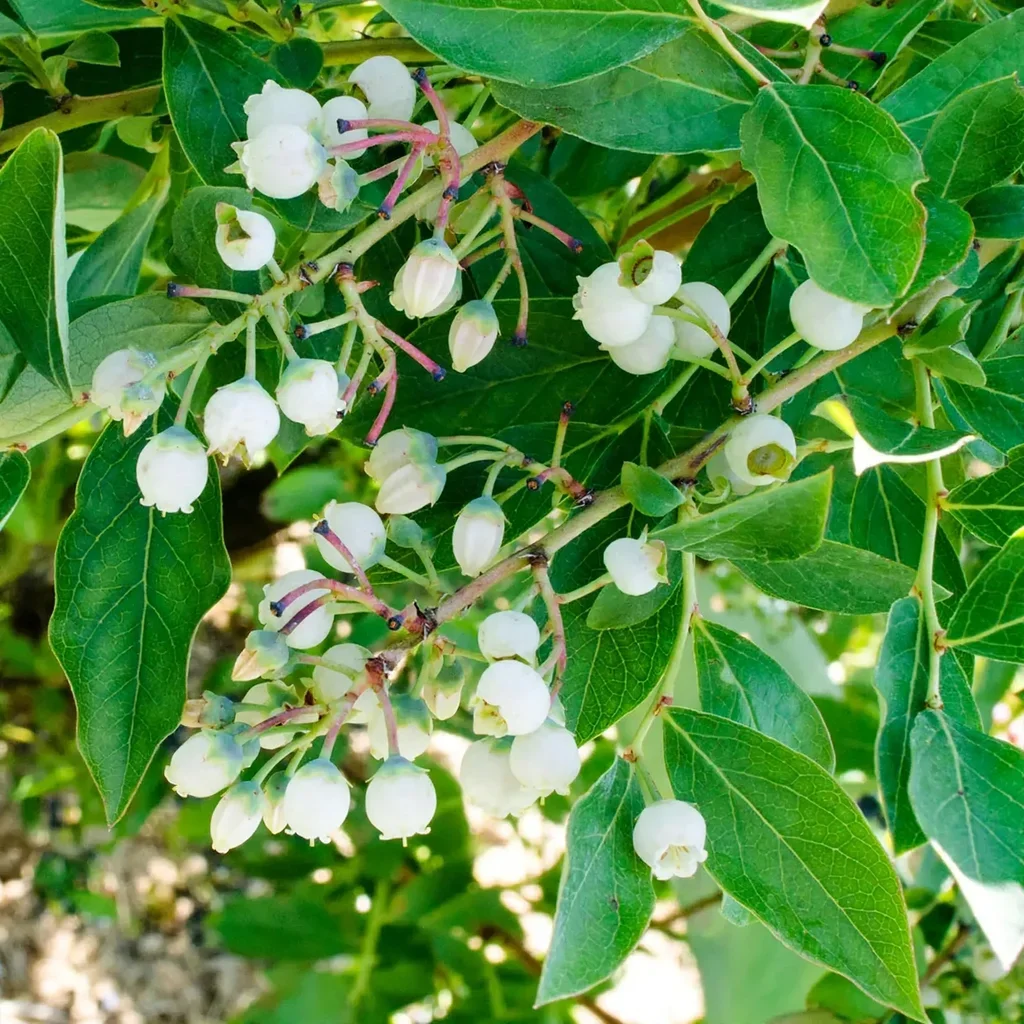
Echo Blueberry
Vaccinium corymbosum 'Echo'
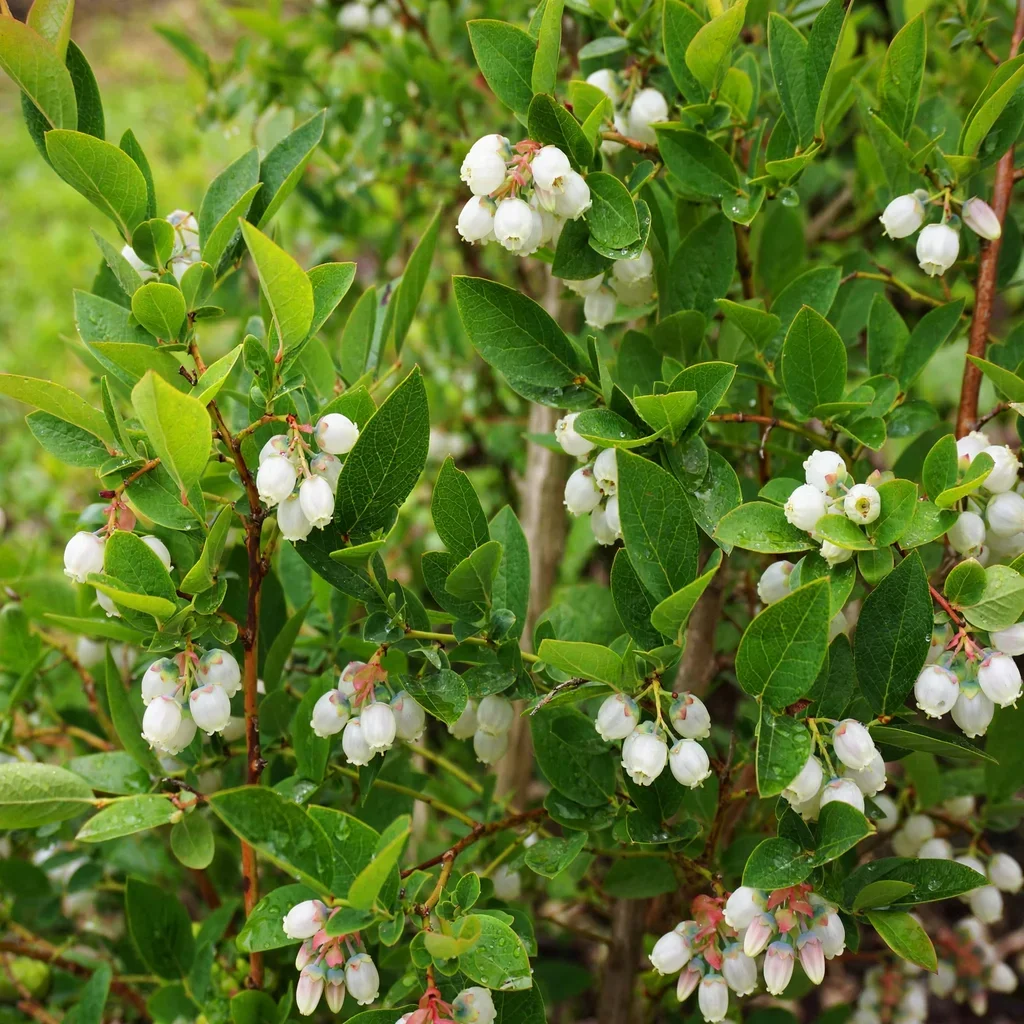
Highbush Blueberry
Vaccinium corymbosum
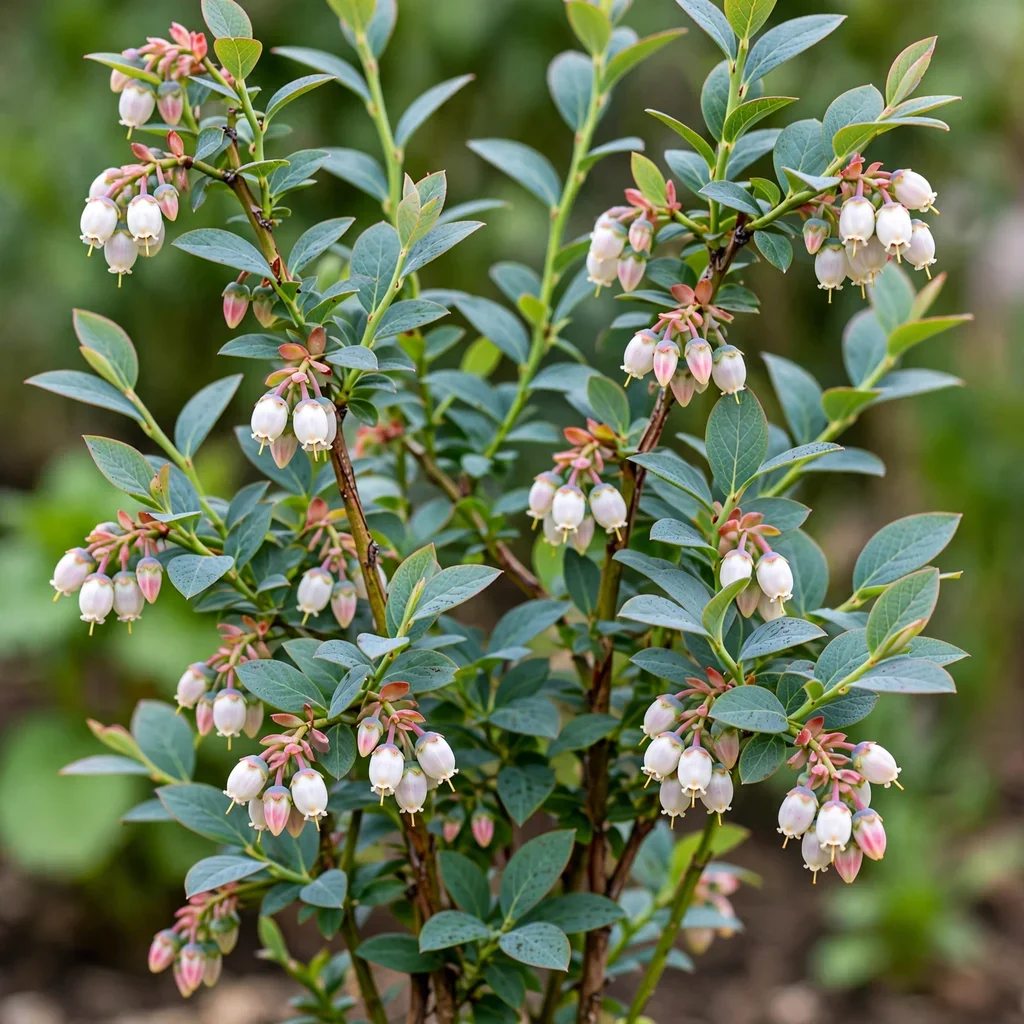
Sunshine Blue Blueberry
Vaccinium corymbosum 'Blueberry Sunshine Blue'
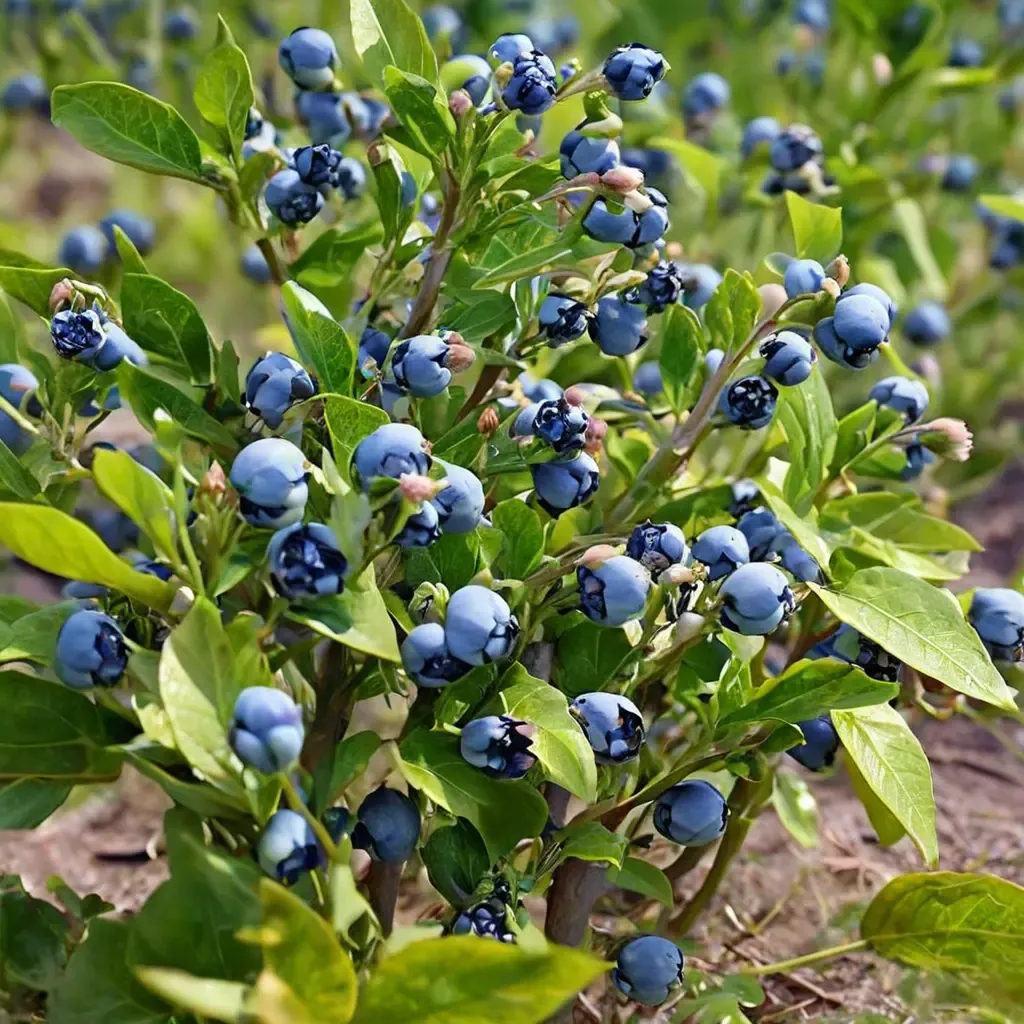
Duke blueberry
Vaccinium corymbosum 'Duke'
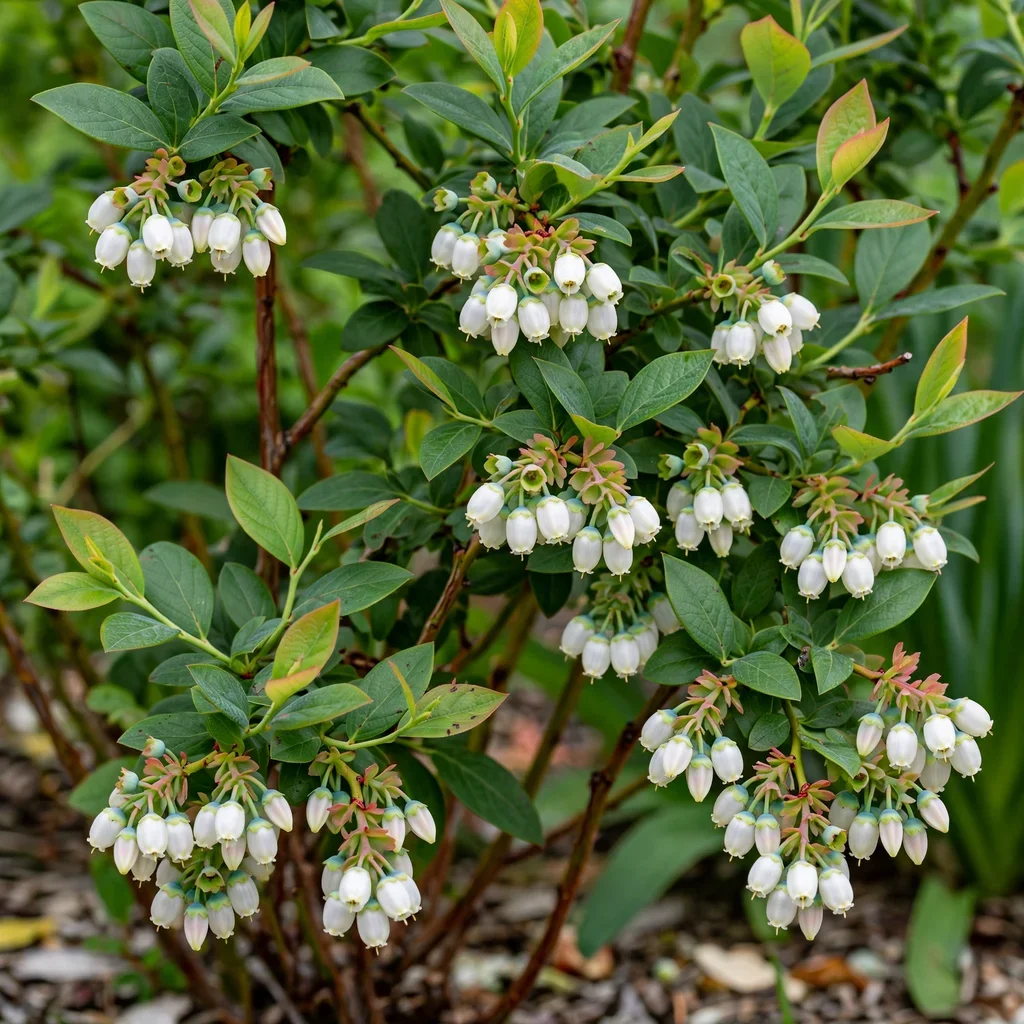
Chandler Blueberry
Vaccinium corymbosum 'Chandler'
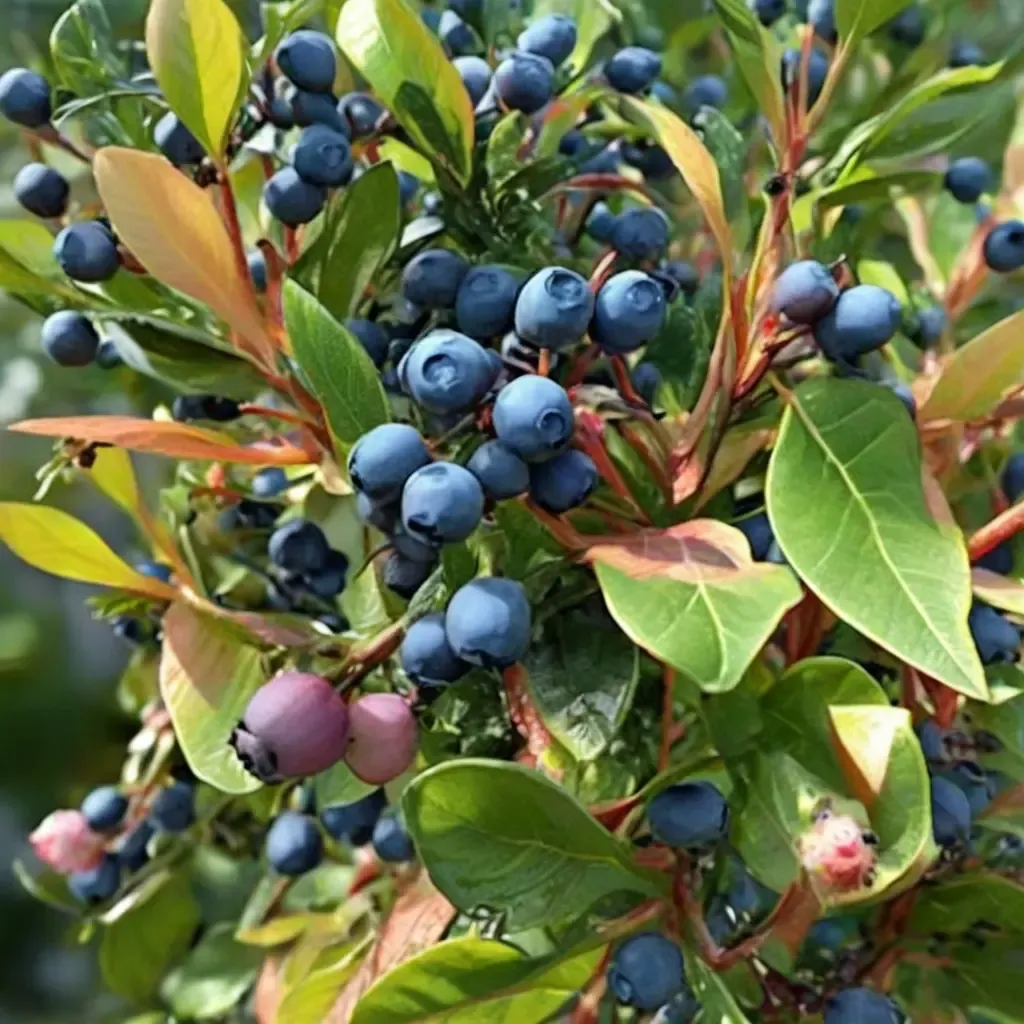
Bonus Blueberry
Vaccinium corymbosum 'Bonus'
Keep exploring
Explore the genus
Hardy in your zone?
Grow Red Huckleberry with confidence
See it in a design of your actual yard, get zone-matched care reminders, and track it season by season in your garden journal.