The Story
Plant Bio
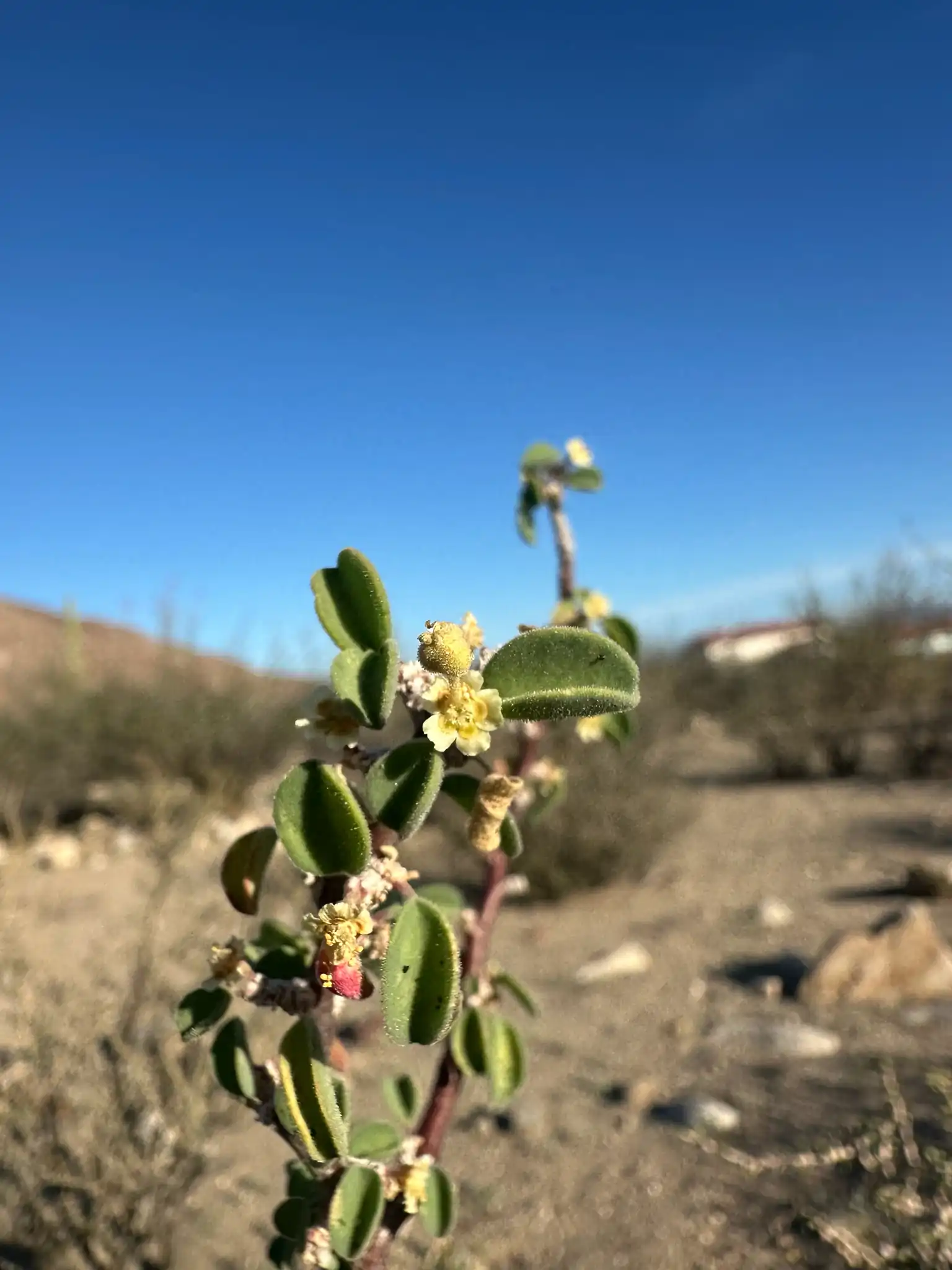
Euphorbia misera, known as cliff spurge, is a multi-stemmed drought-deciduous shrub native to coastal bluffs and dry slopes of southern California and northwestern Mexico. It reaches two to five feet tall, producing flexible grey-brown to reddish stems with light grey bark and rounded, finely hairy foliage.
The gnarled semi-succulent stems store water through dry summer periods when the plant drops its leaves to conserve moisture. Its small flower heads feature maroon-fringed petal-like appendages around a bright yellow nectar disc, blooming mainly from winter into spring.
Uses & Benefits:
Essentials
At a Glance
Plant Type
Shrub
Height
59"
Width
47"
Light
Full Sun, Partial Sun
Zones
10
Water
Low
Humidity
Low
Lifespan
Perennial
Native To
North America (California, Baja California)
Toxicity
Toxic latex sap causing skin and eye irritation
Bloom period
Winter – Spring
In flower about 6 months of the year
Planting
How to Grow
- Plant in a position receiving full coastal sun or light afternoon shade in hot inland regions.
- Provide sharply draining sandy, gravelly, or rocky soil with a neutral to slightly alkaline pH.
- Water sparingly during establishment and withhold summer irrigation once the plant settles.
- Ensure protection from severe freezes, as cold temperatures below 25°F (-4°C) cause stem damage.
Pro Tip
Avoid hard pruning into thick woody branches, as stems respond poorly to heavy cuts; restrict maintenance to occasional removal of dead twigs.
Keep It Thriving
Care Guide
Do
- Plant in gritty, coarse soil mixes that clear excess moisture immediately.
- Wear protective gloves when handling plants to avoid skin contact with the milky latex sap.
Don't
- Do not overwater during summer when the plant enters its natural drought-deciduous dormancy.
- Do not cut heavily into old woody stems, which causes severe bleeding of sap and poor regrowth.
Seasonal Care Calendar
| Task | Jan | Feb | Mar | Apr | May | Jun | Jul | Aug | Sep | Oct | Nov | Dec |
|---|---|---|---|---|---|---|---|---|---|---|---|---|
| Pest Check | ||||||||||||
| Propagate | ||||||||||||
| Prune | ||||||||||||
| Winter Prep |
Watch Out For
Pests & Diseases
Common Pests
Common Diseases
In the Garden
Landscape Uses & Companions
Landscape Uses
Companion Plants
Multiply
Propagation Methods
Good to Know
Common Questions
Cliff Spurge questions
What zones can Cliff Spurge grow in?
Cliff Spurge is hardy in USDA Zone 10: in that range it survives winter in the ground. Colder than Zone 10, grow it in a container you can move to shelter for the winter.
Is Cliff Spurge deer resistant?
Yes — Cliff Spurge is rated deer-resistant. Deer typically pass it over, though extreme hunger can override any plant's defenses.
When does Cliff Spurge bloom?
Cliff Spurge typically blooms from winter to spring. Exact timing shifts a week or two with your zone — Sow's bloom calendar maps it to your garden.
Does Cliff Spurge need full sun?
Cliff Spurge does best in full sun to part shade. In hot climates, afternoon shade keeps blooms fresher longer.
Is Cliff Spurge drought tolerant?
Yes — once established (usually after the first full season), Cliff Spurge handles dry spells with minimal watering. Water deeply its first year to build the root system that makes that possible.
More Euphorbia to compare
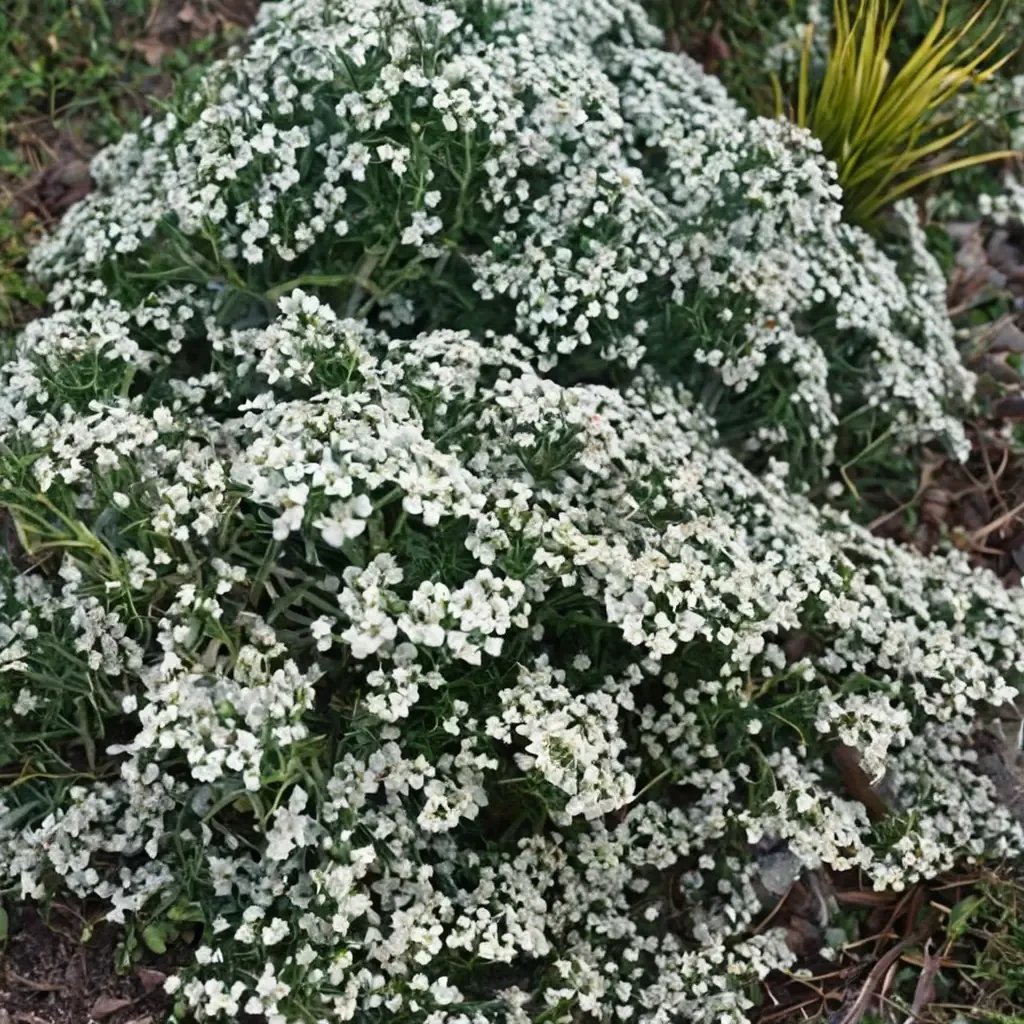
Carolina Snow Flowering Spurge
Euphorbia corollata 'Carolina Snow'
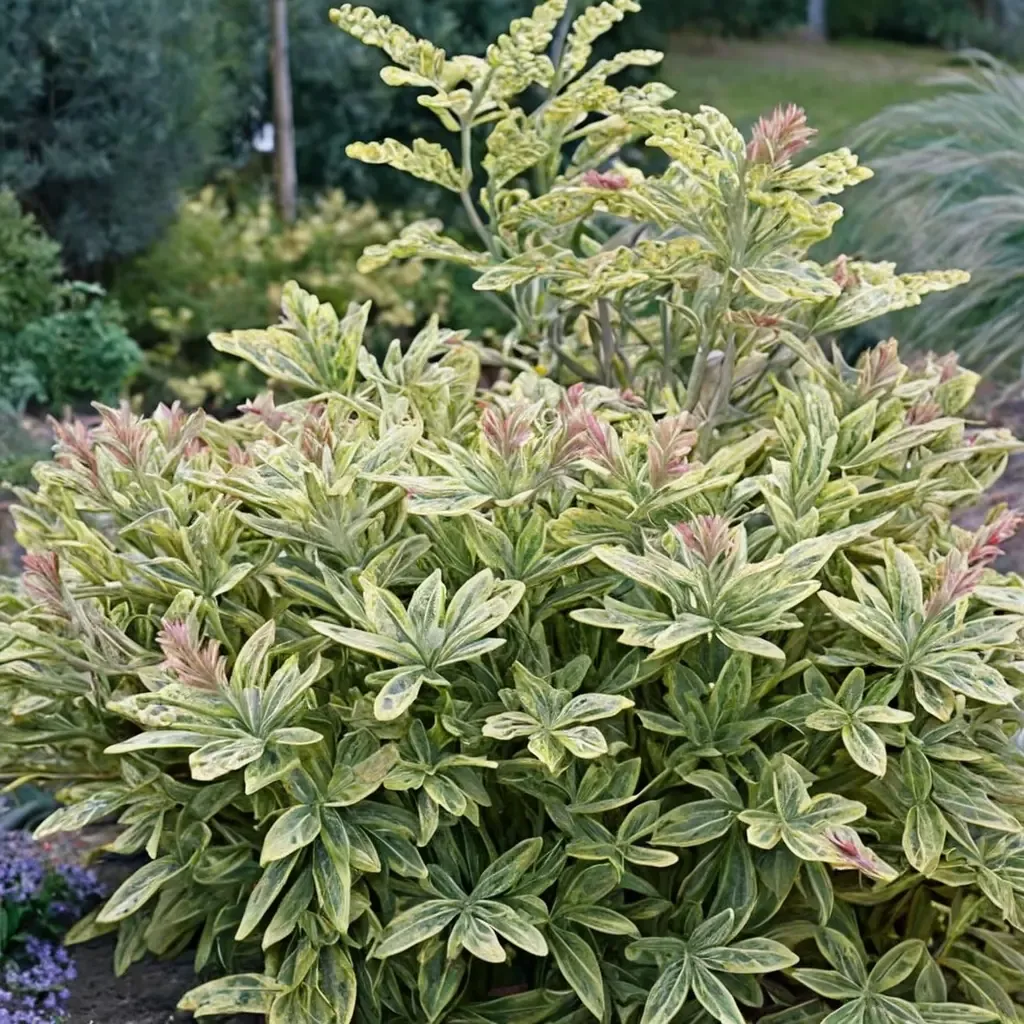
Ascot Rainbow Spurge
Euphorbia x hybrida 'Ascot Rainbow'
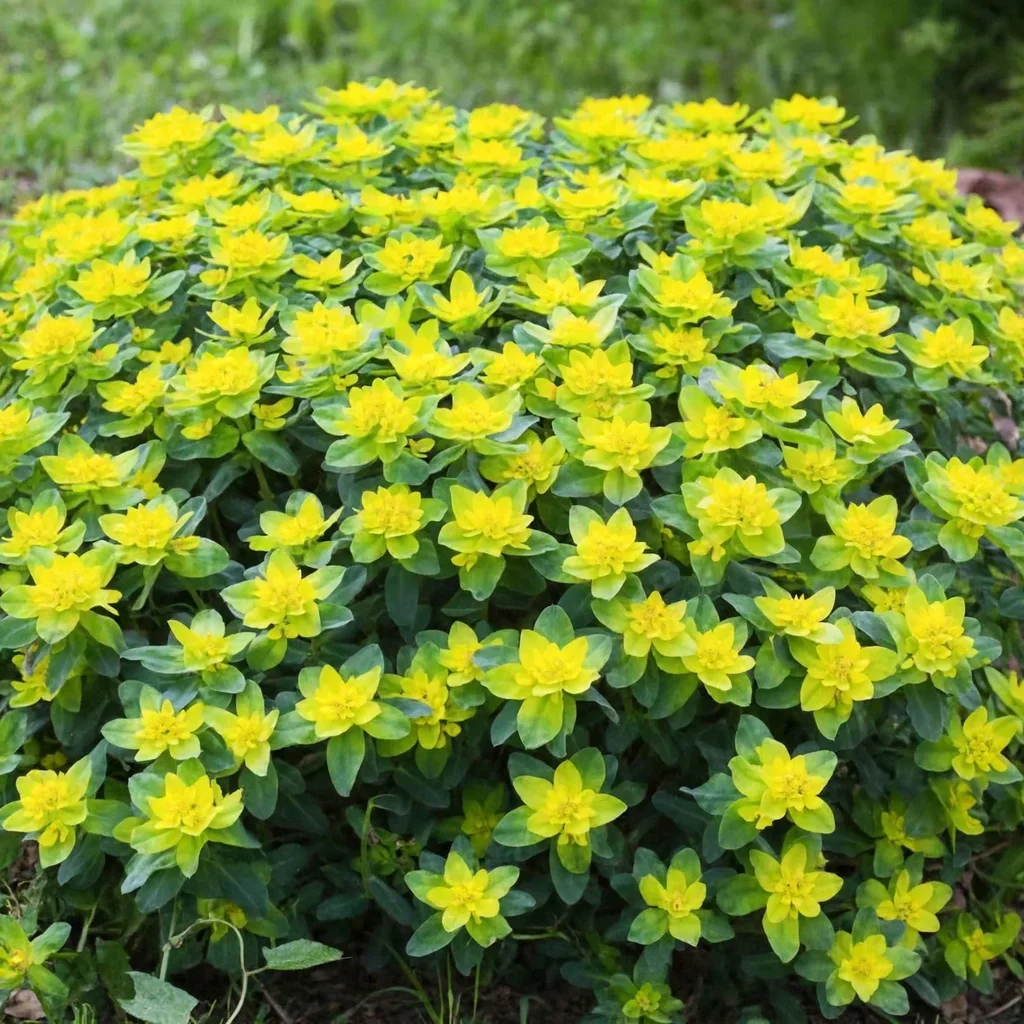
Mediterranean Spurge
Euphorbia polychroma
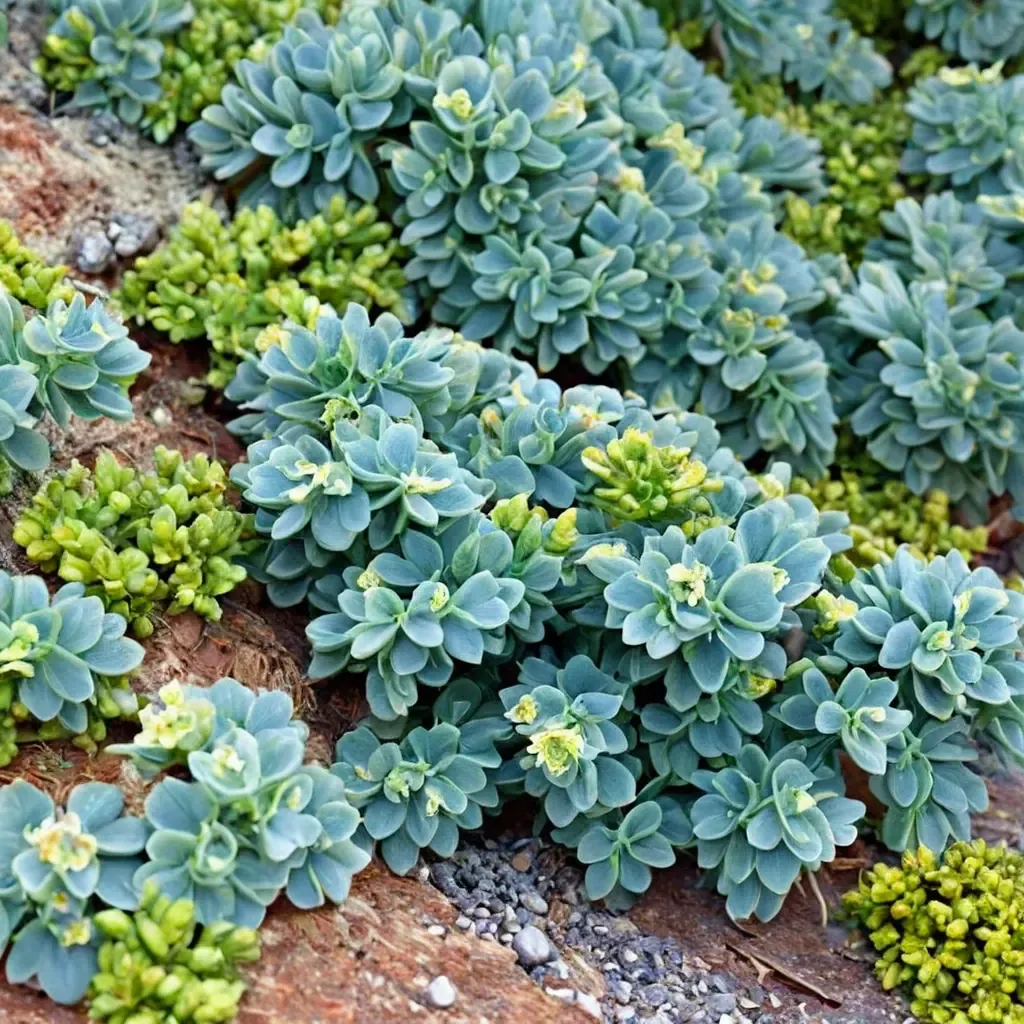
Myrtle Spurge
Euphorbia myrsinites
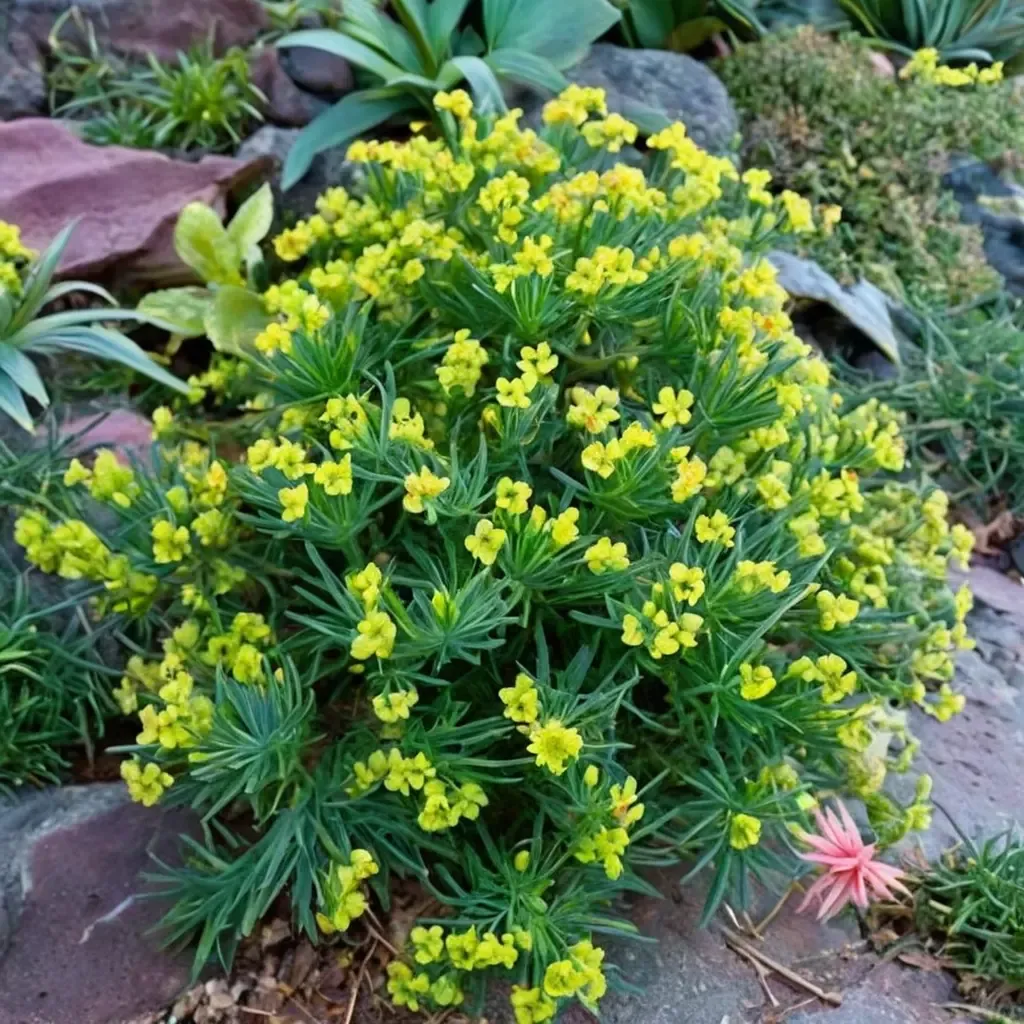
Ruby Spurge
Euphorbia cyparissias 'Fens Ruby'
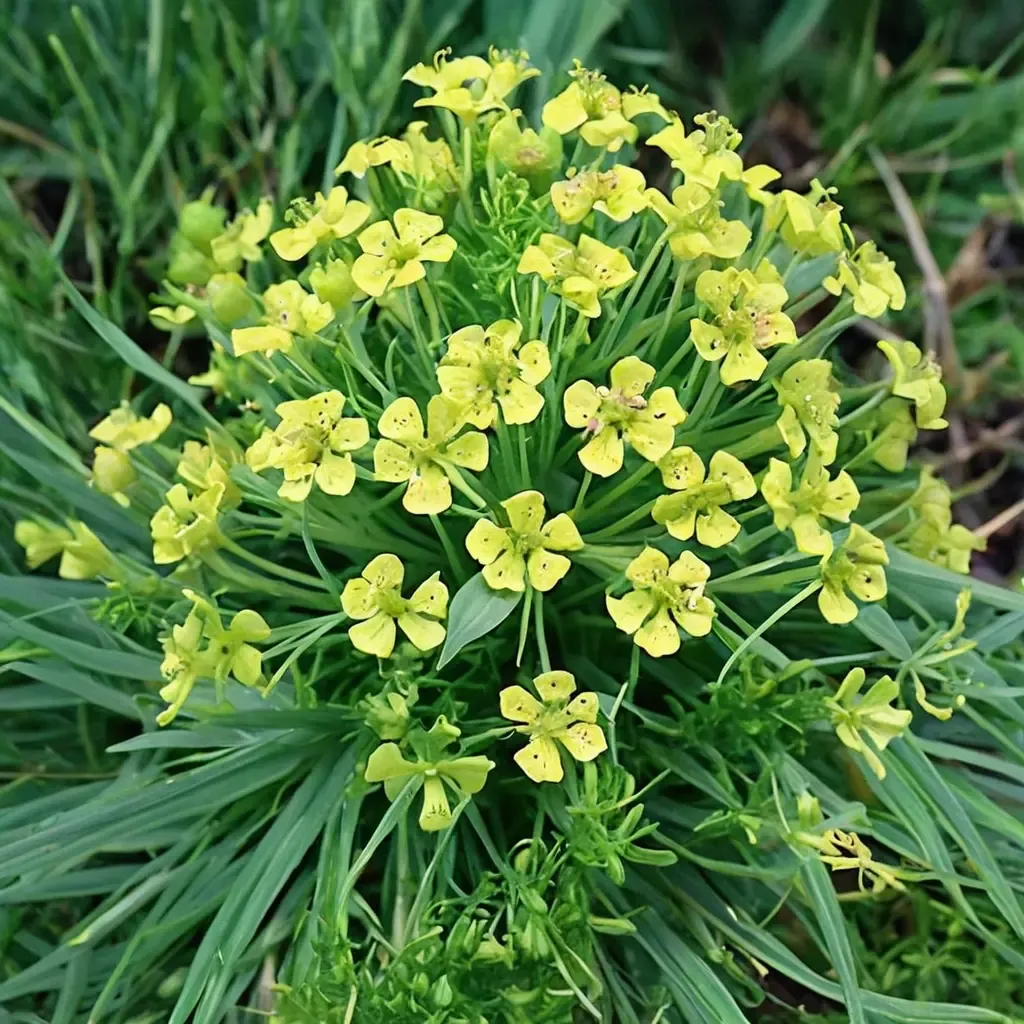
Cypress Spurge
Euphorbia cyparissias
Keep exploring
Explore the genus
Hardy in your zone?
Grow Cliff Spurge with confidence
See it in a design of your actual yard, get zone-matched care reminders, and track it season by season in your garden journal.