The Story
Plant Bio
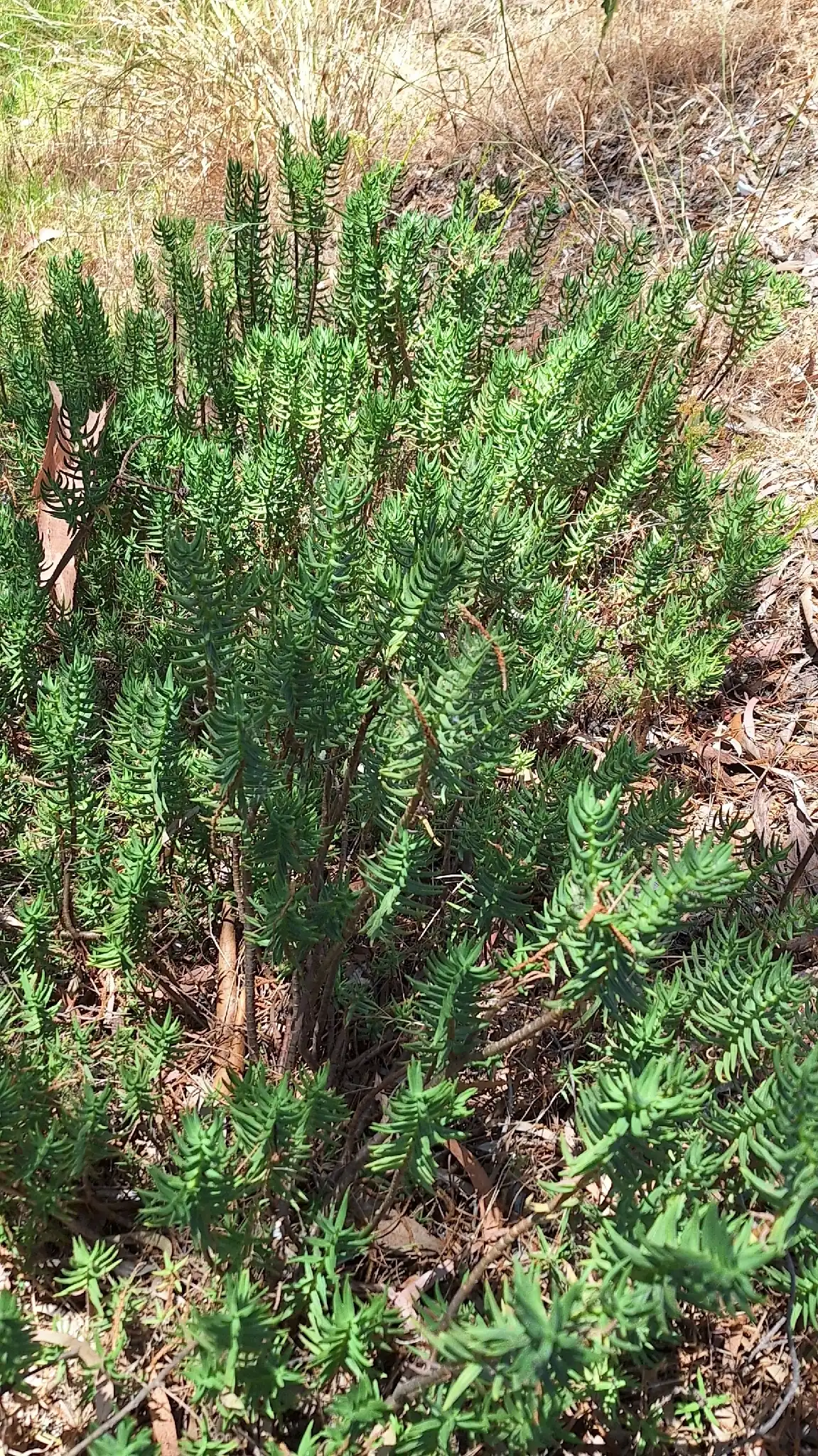
Crassula tetragona is an upright shrubby succulent from the Cape Provinces of South Africa, forming a tree-like framework of four-angled stems to around two to three feet in cultivation. The fleshy needle-like leaves sit in opposite pairs up the stems, giving the plant its pine-like outline and storing water through dry periods.
The stems are distinctly square in cross-section, with short awl-shaped leaves pressed close to limit water loss. In late spring into early summer the branch tips carry flat corymbs of tiny creamy-white star-shaped flowers about one-eighth inch long.
Uses & Benefits:
Essentials
At a Glance
Plant Type
Cactus Succulent
Height
36"
Width
24"
Light
Full Sun, Partial Sun
Zones
9, 10
Water
Low
Humidity
Low - prefers dry air
Lifespan
Perennial shrub
Native To
South Africa - Cape Provinces
Toxicity
Toxic to pets - keep from dogs, cats and toddlers
Bloom period
Late spring – Early summer
In flower about 2 months of the year
Planting
How to Grow
- Set in full sun to light shade where air moves freely.
- Plant in sandy, gritty cactus mix that drains instantly.
- Water deeply only when the surface is dry, about once weekly in growth and far less in winter.
- Protect below 25-30F; move pots under cover before hard frost.
Pro Tip
Let the mix dry completely between waterings; standing water rots the roots faster than drought stresses the top.
Keep It Thriving
Care Guide
Do
- Give gritty, well-drained soil with added coarse sand or pumice.
- Allow the mix to dry completely between waterings.
- Pinch or lightly prune after flowering to keep the pine-like shape.
Don't
- Don't leave the pot standing in a saucer of water.
- Don't cut back into old leafless wood.
- Don't feed heavily; a sparing cactus fertilizer in the growing season is enough.
Seasonal Care Calendar
| Task | Jan | Feb | Mar | Apr | May | Jun | Jul | Aug | Sep | Oct | Nov | Dec |
|---|---|---|---|---|---|---|---|---|---|---|---|---|
| Fertilize | ||||||||||||
| Pest Check | ||||||||||||
| Plant | ||||||||||||
| Prune |
Watch Out For
Pests & Diseases
Common Pests
Common Diseases
In the Garden
Landscape Uses & Companions
Landscape Uses
Companion Plants
Multiply
Propagation Methods
Good to Know
Common Questions
Miniature Pine Tree questions
What zones can Miniature Pine Tree grow in?
Miniature Pine Tree is hardy in USDA Zones 9–10: in that range it survives winter in the ground. Colder than Zone 9, grow it in a container you can move to shelter for the winter, or as an annual.
When does Miniature Pine Tree bloom?
Miniature Pine Tree typically blooms from late spring to early summer. Exact timing shifts a week or two with your zone — Sow's bloom calendar maps it to your garden.
Does Miniature Pine Tree need full sun?
Miniature Pine Tree does best in full sun to part shade. In hot climates, afternoon shade keeps blooms fresher longer.
Is Miniature Pine Tree drought tolerant?
Yes — once established (usually after the first full season), Miniature Pine Tree handles dry spells with minimal watering. Water deeply its first year to build the root system that makes that possible.
More Crassula to compare
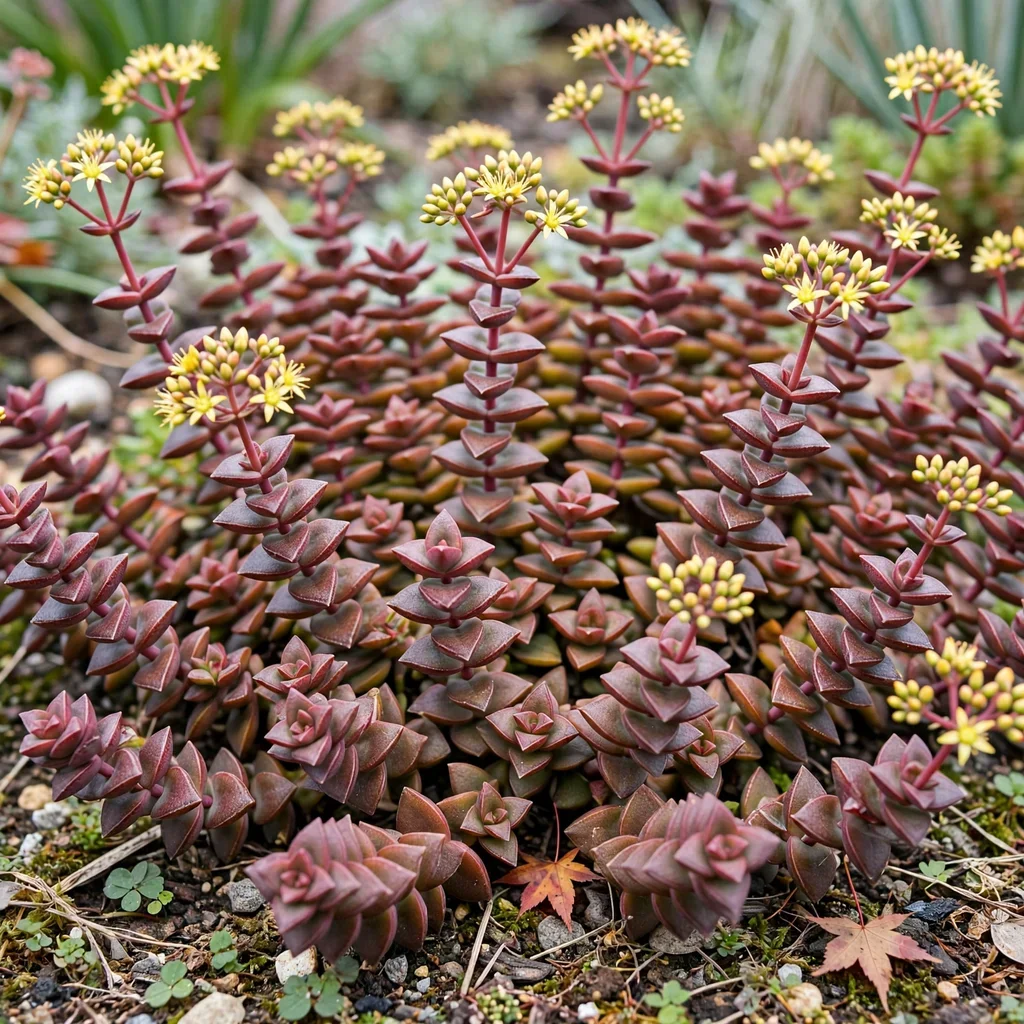
Small Red Carpet String of Buttons
Crassula perforata 'Small Red Carpet'
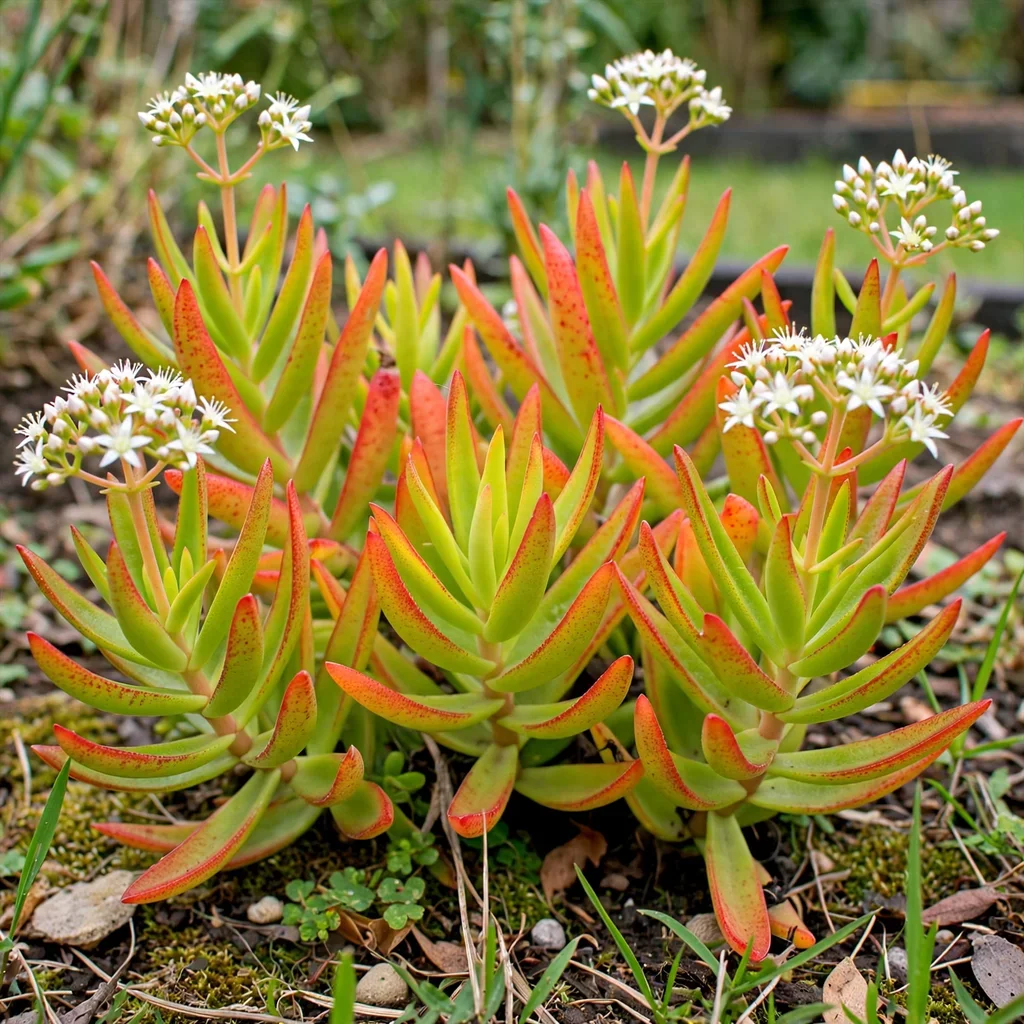
Campfire Crassula
Crassula erosula 'Campfire'
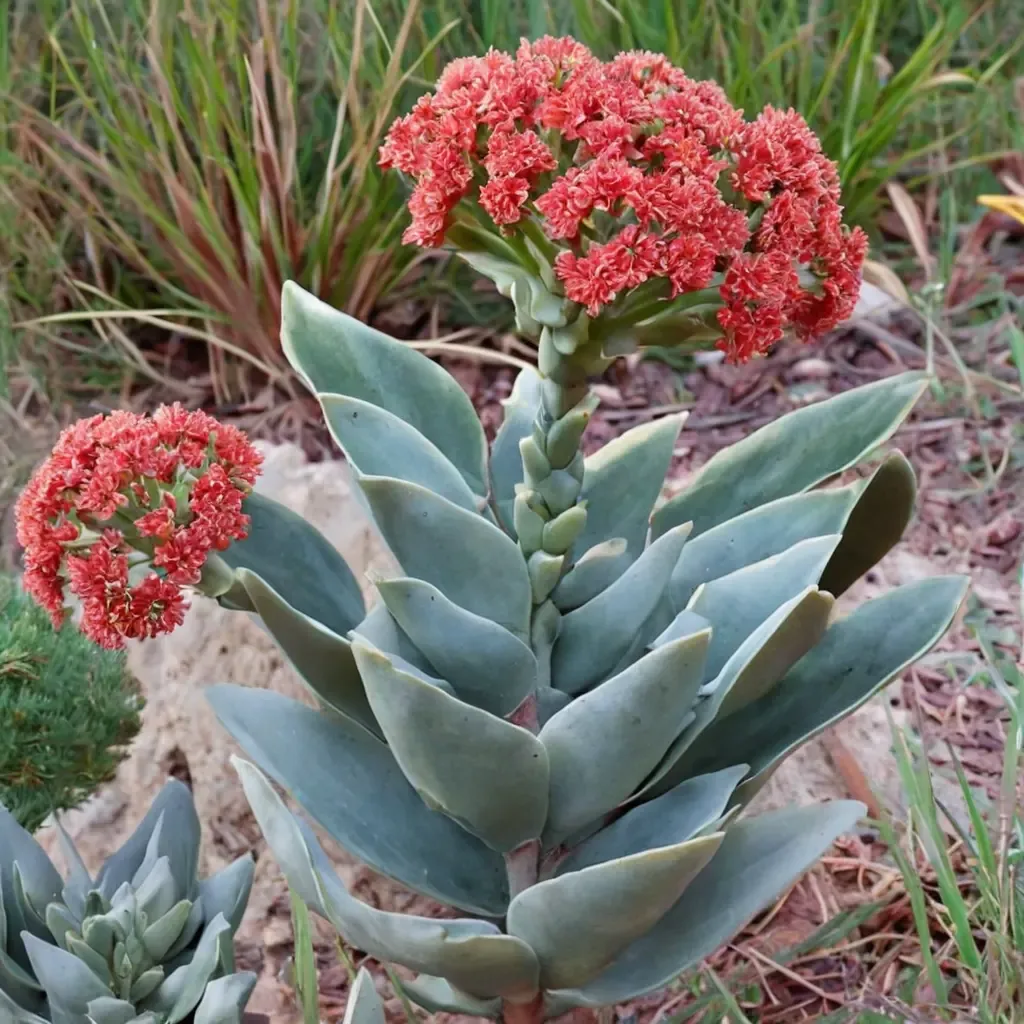
Propeller Plant
Crassula falcata
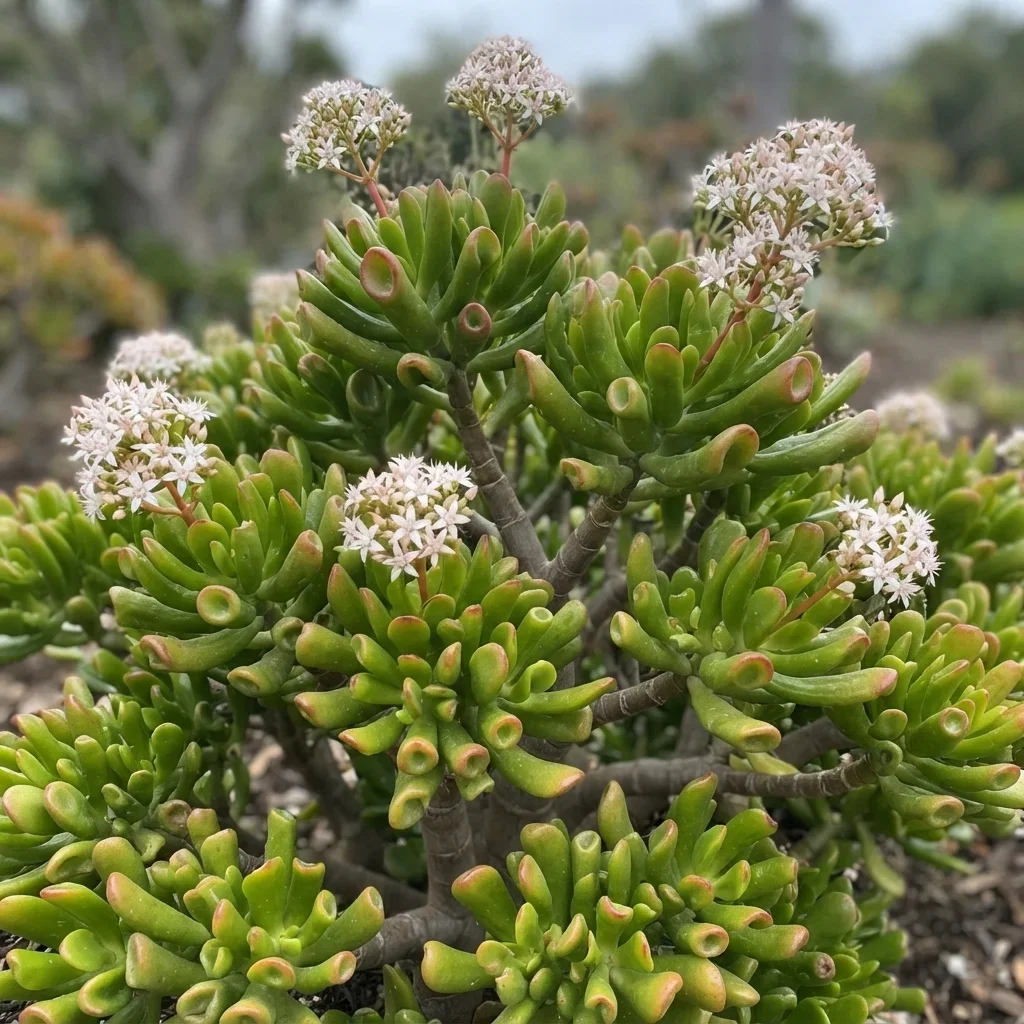
Hobbit Jade Plant
Crassula ovata 'Hobbit'
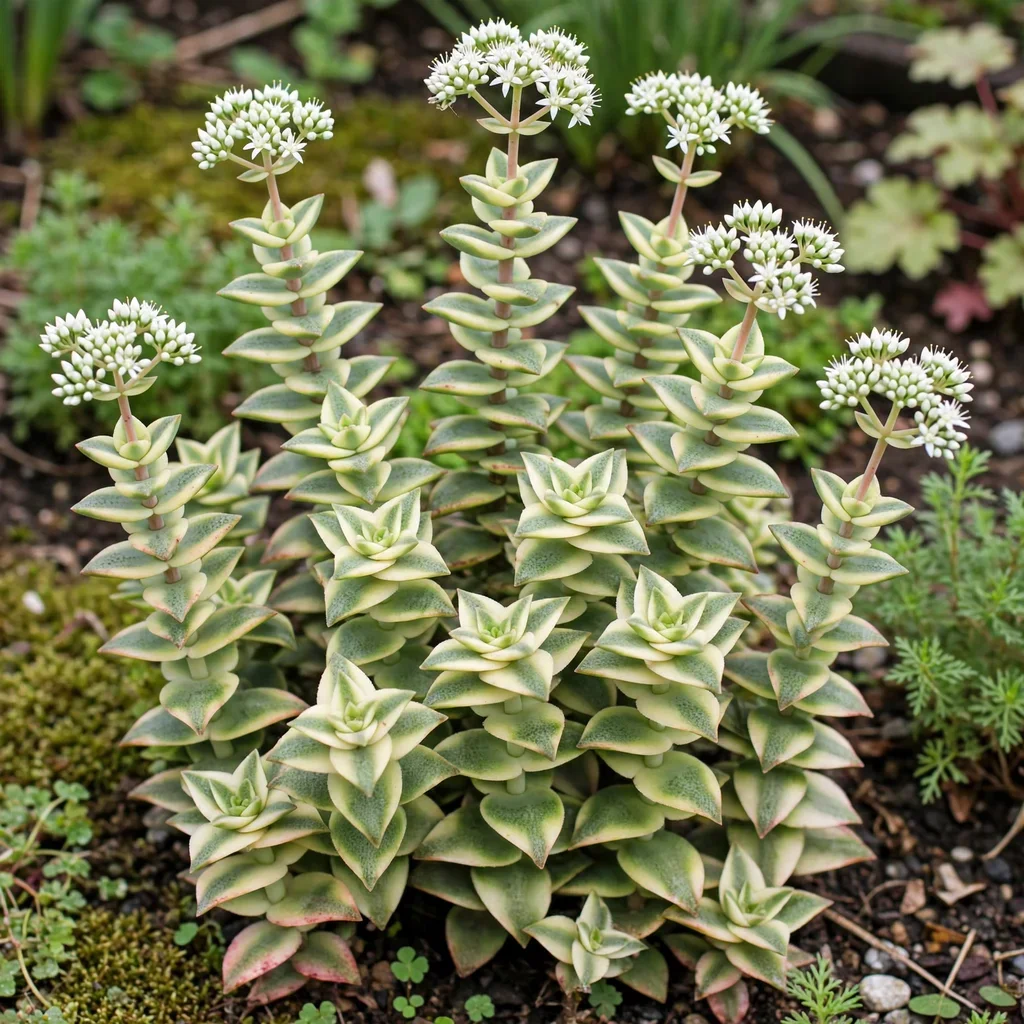
Variegated Red Pagoda
Crassula capitella 'Variegata'
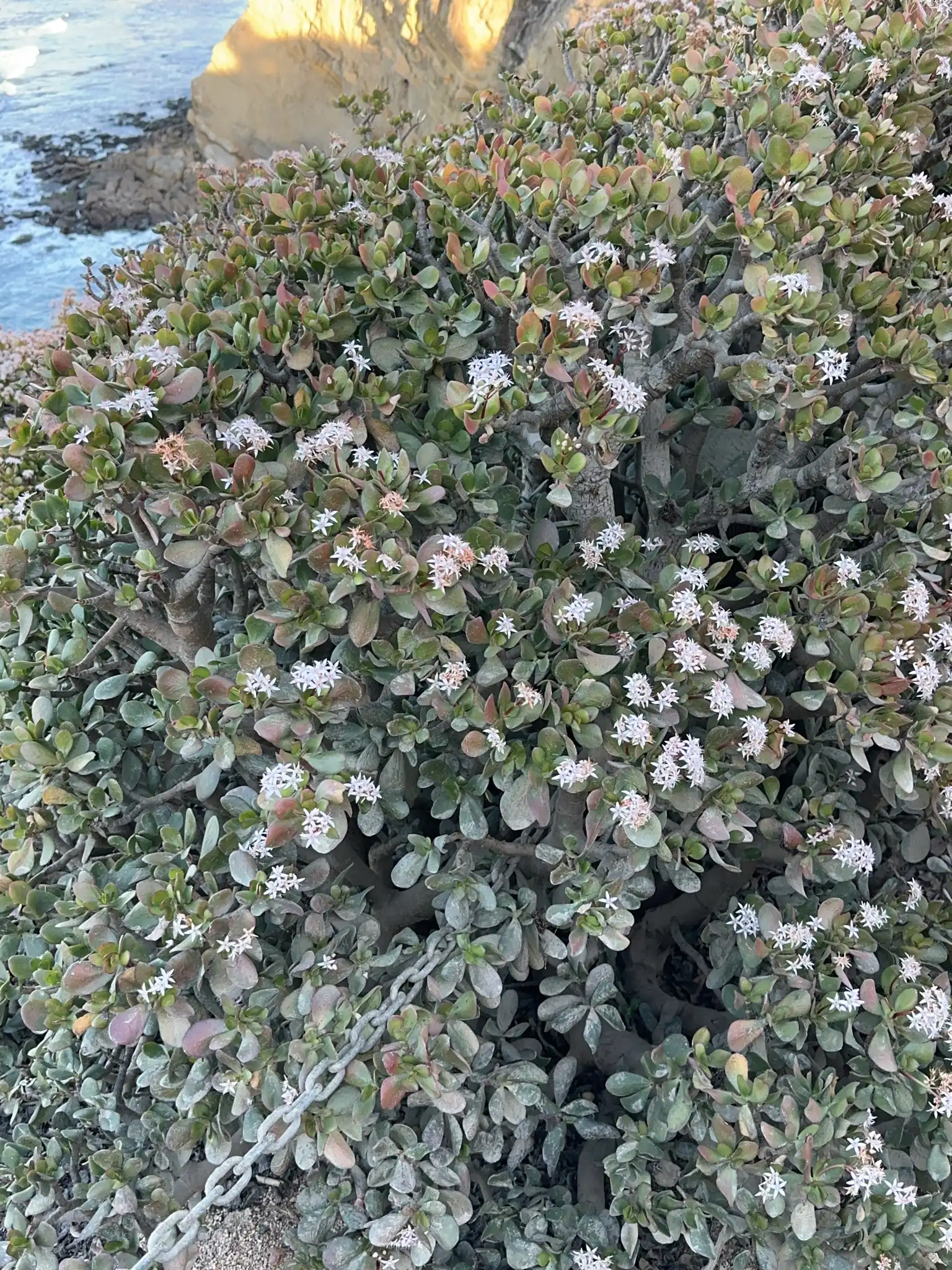
Jade Plant
Crassula ovata
Keep exploring
Explore the genus
Hardy in your zone?
Grow Miniature Pine Tree with confidence
See it in a design of your actual yard, get zone-matched care reminders, and track it season by season in your garden journal.