The Story
Plant Bio
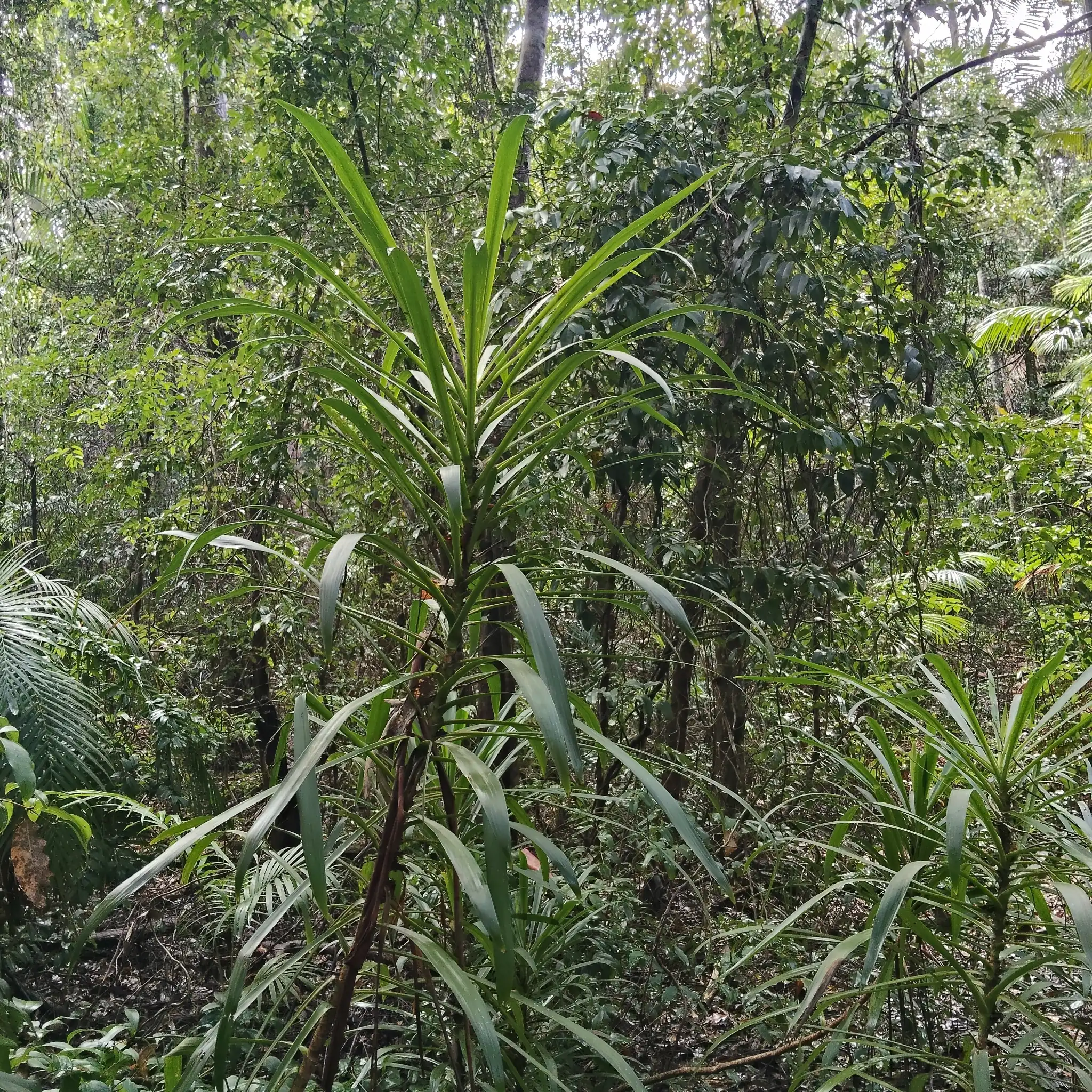
Cordyline stricta is an erect, multistemmed evergreen shrub originating from Australian rainforest margins and coastal lowlands, forming suckering clumps of slender cane-like stems with clear horizontal leaf scars. The deep glossy green foliage is narrow and linear, lacking petioles and clustering densely near the tops of the stems.
Unlike broader-leaved accent plants, this species features strappy leaves under an inch wide and produces branched panicles of pale purple flowers followed by glossy black berries. It maintains a upright, palm-like canopy and tolerates deep shade better than dark-foliaged cordyline cultivars.
Uses & Benefits:
Essentials
At a Glance
Plant Type
Shrub
Height
157"
Width
59"
Light
Full Sun, Partial Sun
Zones
9, 10
Water
Moderate
Humidity
High
Lifespan
Perennial
Native To
Australia
Toxicity
Non-toxic
Bloom period
Winter – Spring
In flower about 6 months of the year
Planting
How to Grow
- Select a planting location in partial shade to full sun with well-draining soil rich in organic matter.
- Dig a planting hole twice as wide as the root ball and match the depth of the nursery container.
- Set the root ball into the hole, ensuring the collar sits level with the surrounding soil line, then backfill and firm gently.
- Water thoroughly at planting and maintain consistent moisture until the root system establishes.
- Apply a 2-inch layer of organic mulch around the base, keeping it clear of the main stems to prevent crown rot.
Pro Tip
Selectively remove older overgrown stems at ground level every few years to stimulate fresh basal suckers rather than trimming upper stems sequentially.
Keep It Thriving
Care Guide
Do
- Provide partial shade in hot inland regions to prevent leaf scorch.
- Ensure pots and planting beds drain freely to protect rhizomes from root rot.
- Prune individual leggy canes down to the base to force fresh sucker growth.
Don't
- Do not allow container soil to remain waterlogged during cool winter months.
- Do not shear or top stems back mid-height, which ruins the architectural cane habit.
- Do not leave young plants exposed to hard freezes below 28°F without overhead protection.
Seasonal Care Calendar
| Task | Jan | Feb | Mar | Apr | May | Jun | Jul | Aug | Sep | Oct | Nov | Dec |
|---|---|---|---|---|---|---|---|---|---|---|---|---|
| Fertilize | ||||||||||||
| Pest Check | ||||||||||||
| Prune | ||||||||||||
| Winter Prep |
Watch Out For
Pests & Diseases
Common Pests
Common Diseases
In the Garden
Landscape Uses & Companions
Landscape Uses
Multiply
Propagation Methods
Good to Know
Common Questions
Slender Palm Lily questions
What zones can Slender Palm Lily grow in?
Slender Palm Lily is hardy in USDA Zones 9–10: in that range it survives winter in the ground. Colder than Zone 9, grow it in a container you can move to shelter for the winter.
When does Slender Palm Lily bloom?
Slender Palm Lily typically blooms from winter to spring. Exact timing shifts a week or two with your zone — Sow's bloom calendar maps it to your garden.
Does Slender Palm Lily need full sun?
Slender Palm Lily does best in full sun to part shade. In hot climates, afternoon shade keeps blooms fresher longer.
Is Slender Palm Lily drought tolerant?
Yes — once established (usually after the first full season), Slender Palm Lily handles dry spells with minimal watering. Water deeply its first year to build the root system that makes that possible.
More Cordyline to compare
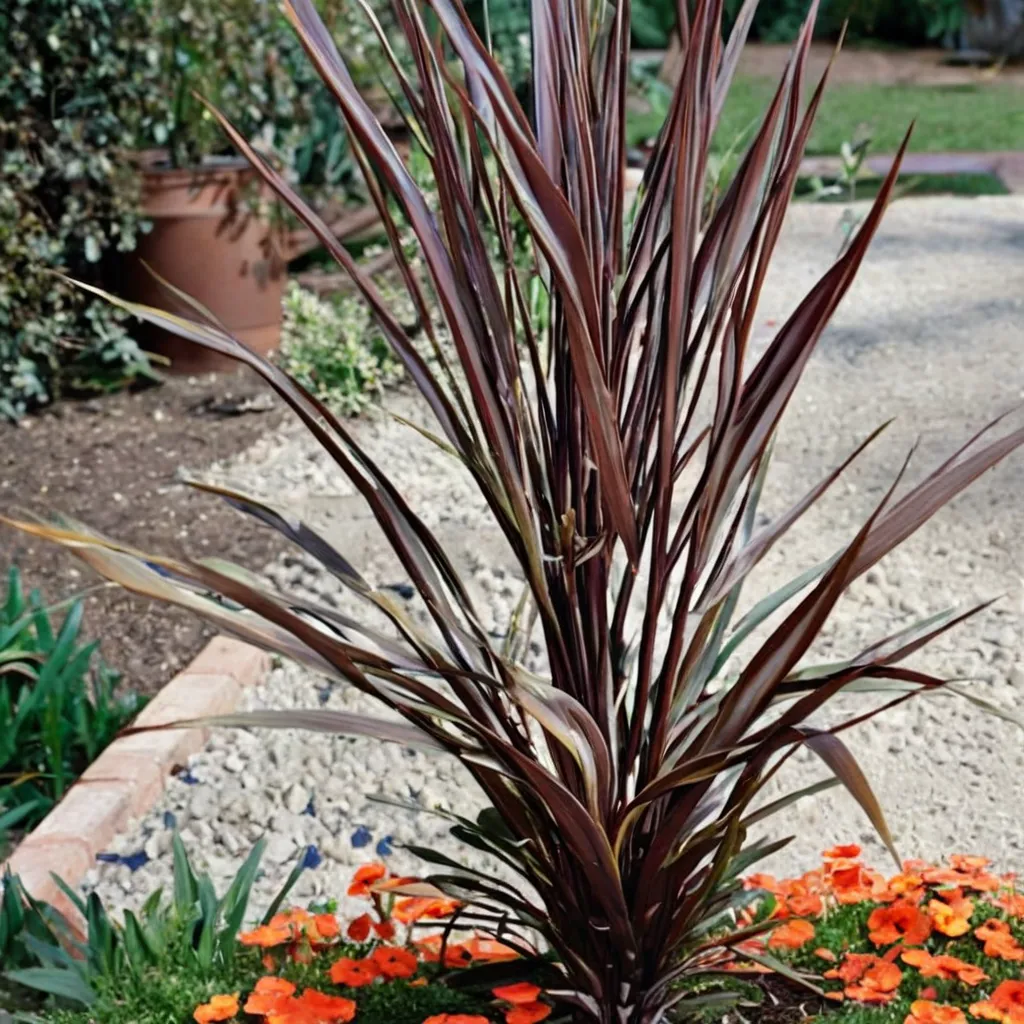
Red Sensation Cordyline
Cordyline australis 'Red Sensation'
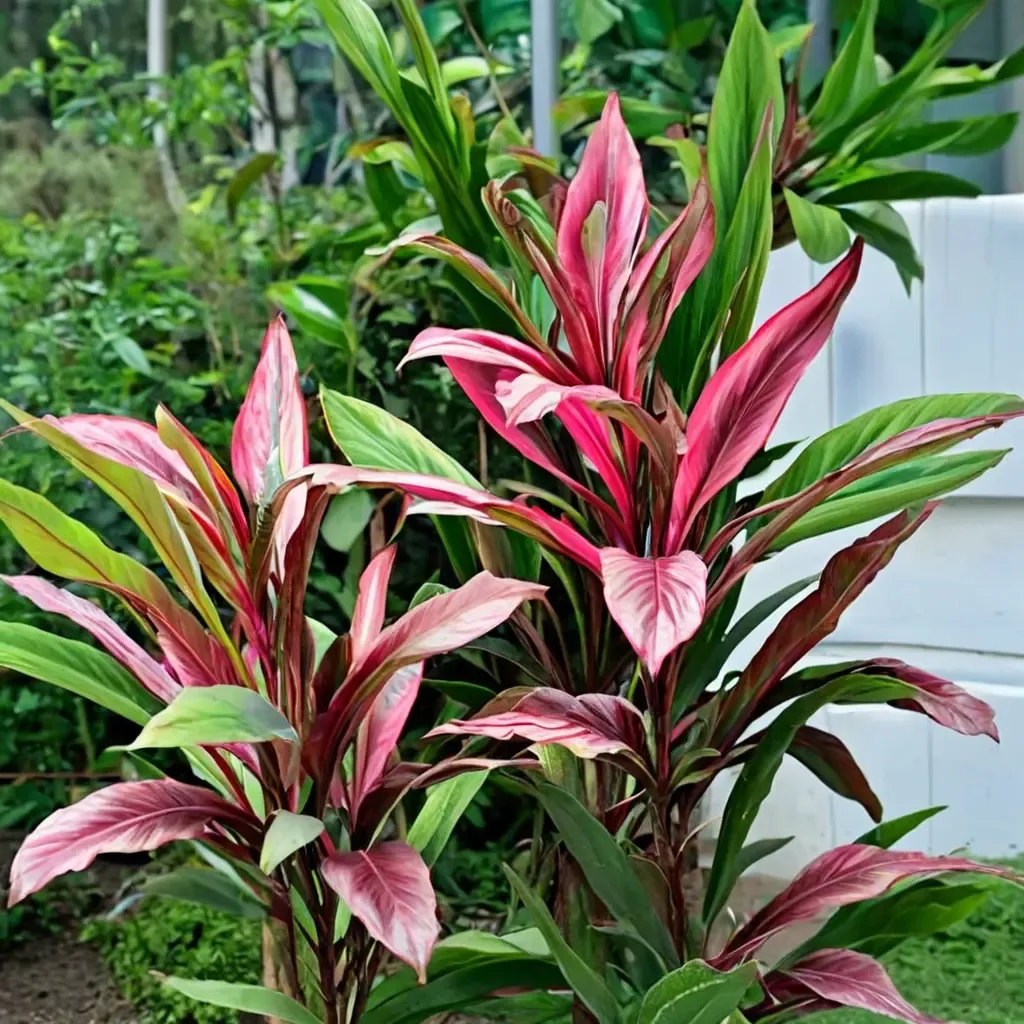
Can Can Cordyline
Cordyline fruticosa 'Can Can'
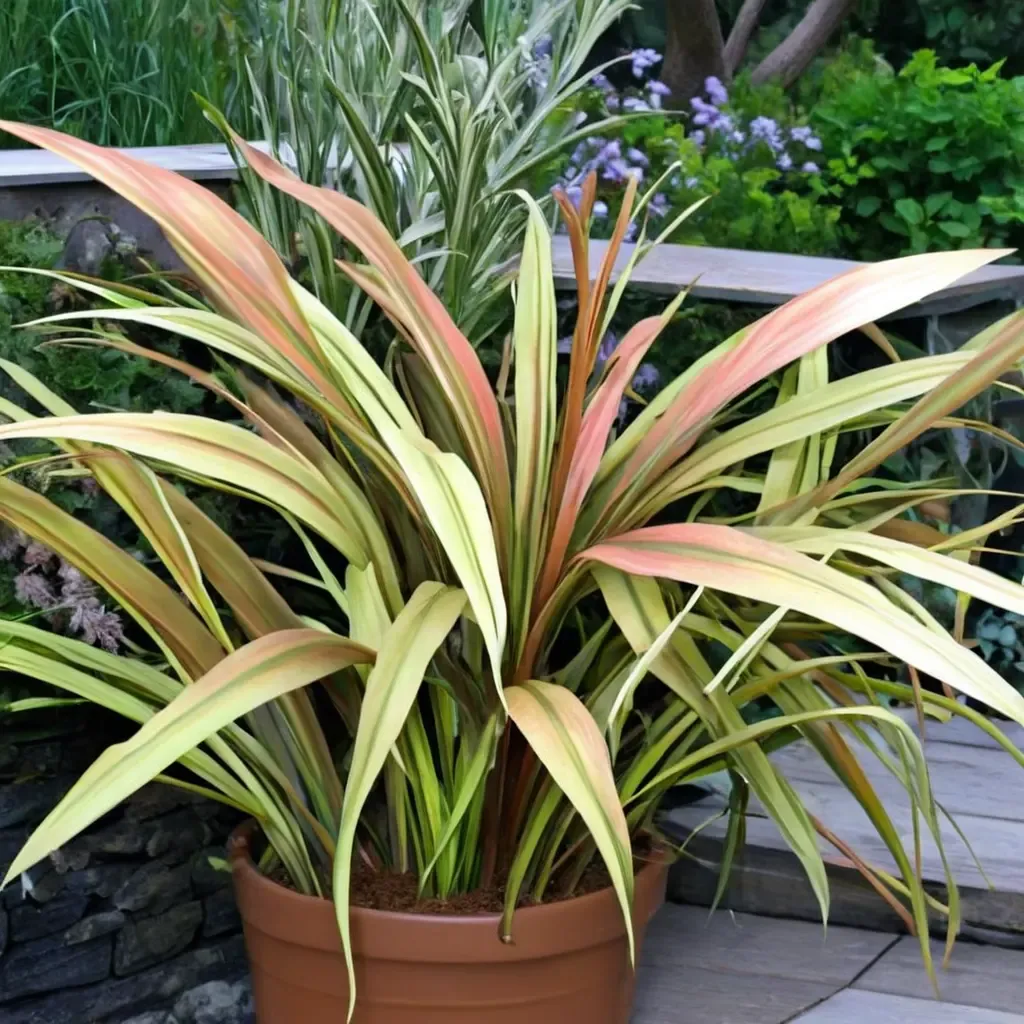
Cha Cha Ti Plant Cordyline Cha Cha
Cordyline fruticosa 'Cha Cha'
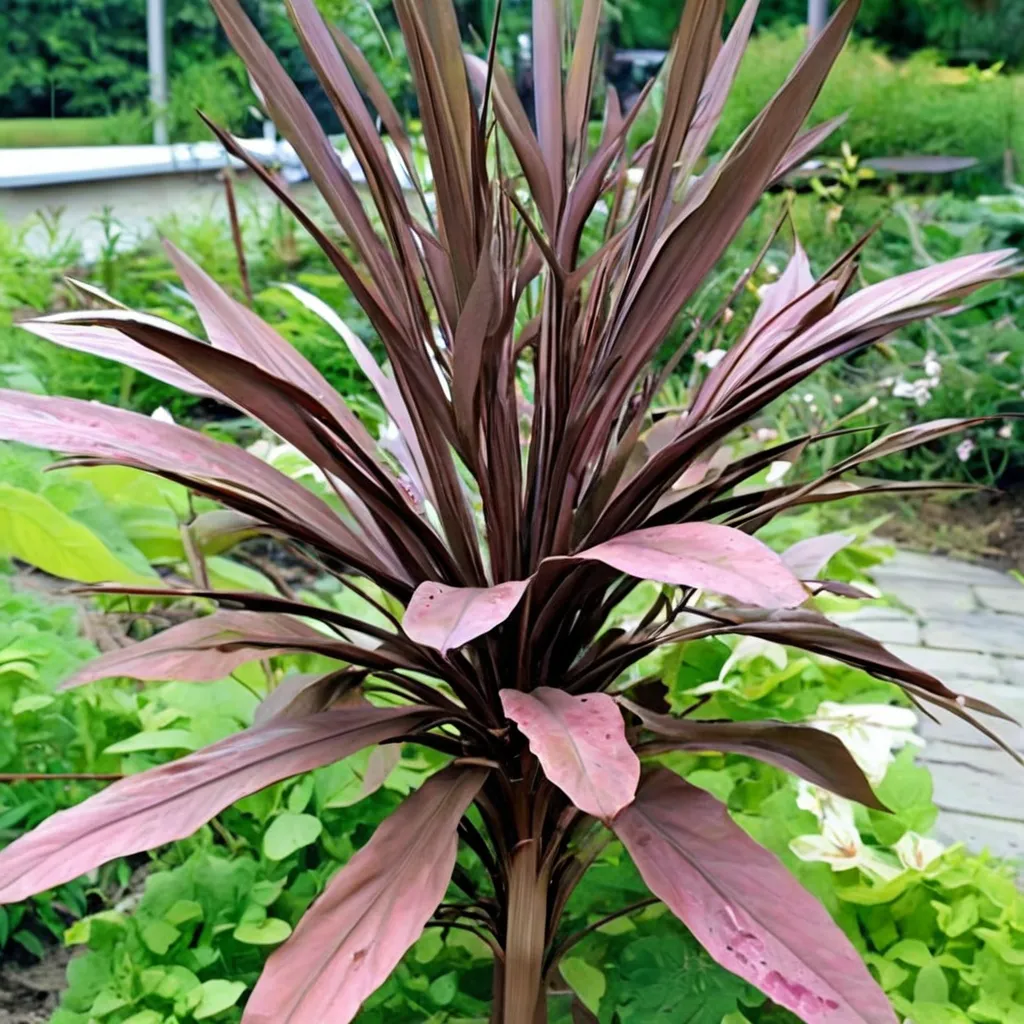
Purple Tower Cordyline
Cordyline australis 'Purple Tower'
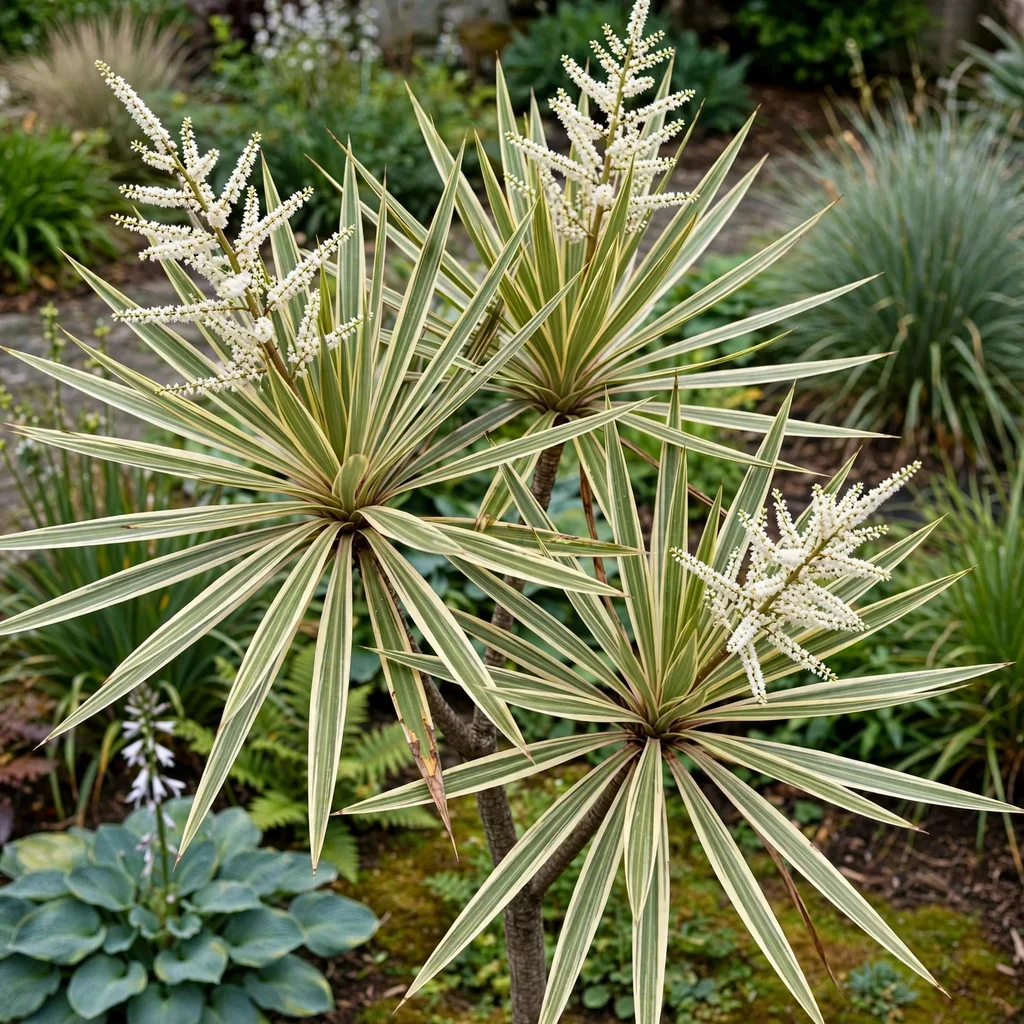
Alberti Cabbage Tree
Cordyline australis 'Alberti'
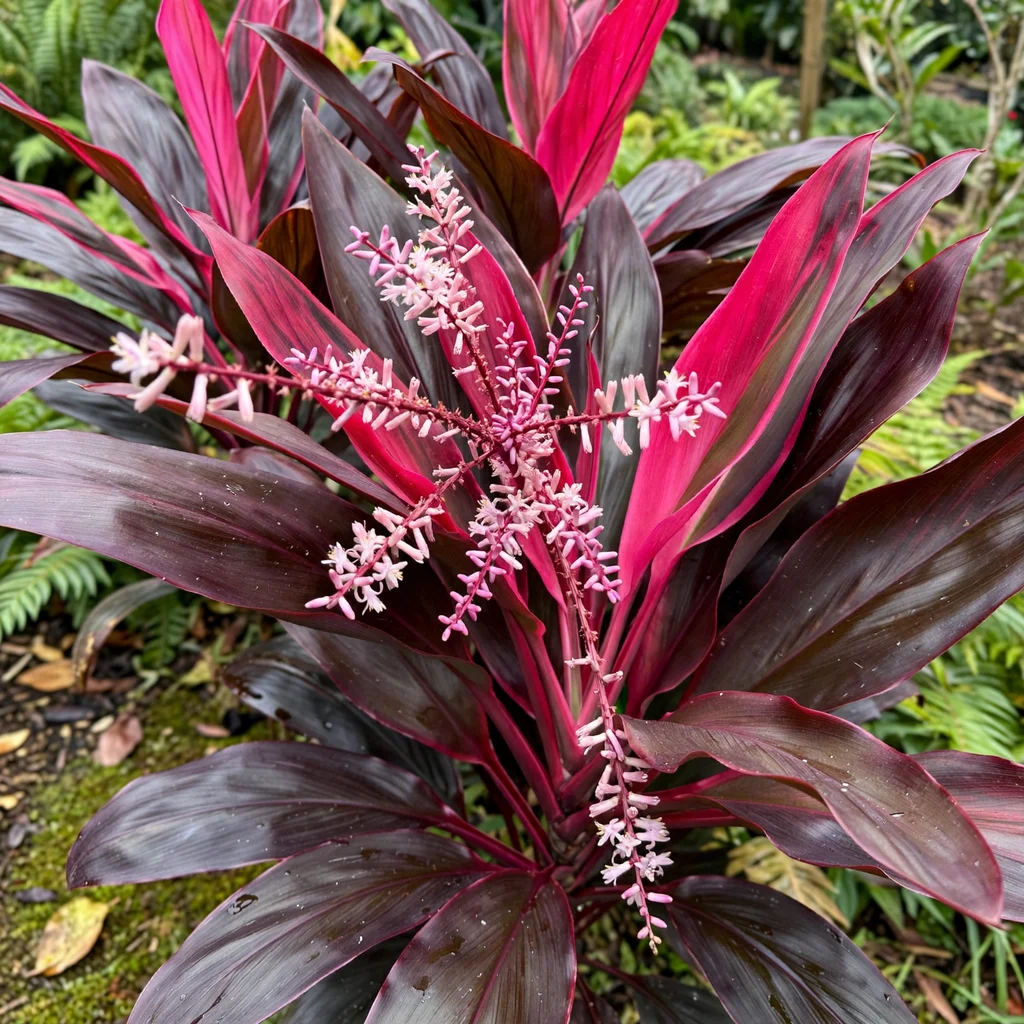
Ti Plant 'Rubra'
Cordyline fruticosa 'Rubra'
Keep exploring
Explore the genus
Hardy in your zone?
Grow Slender Palm Lily with confidence
See it in a design of your actual yard, get zone-matched care reminders, and track it season by season in your garden journal.