The Story
Plant Bio
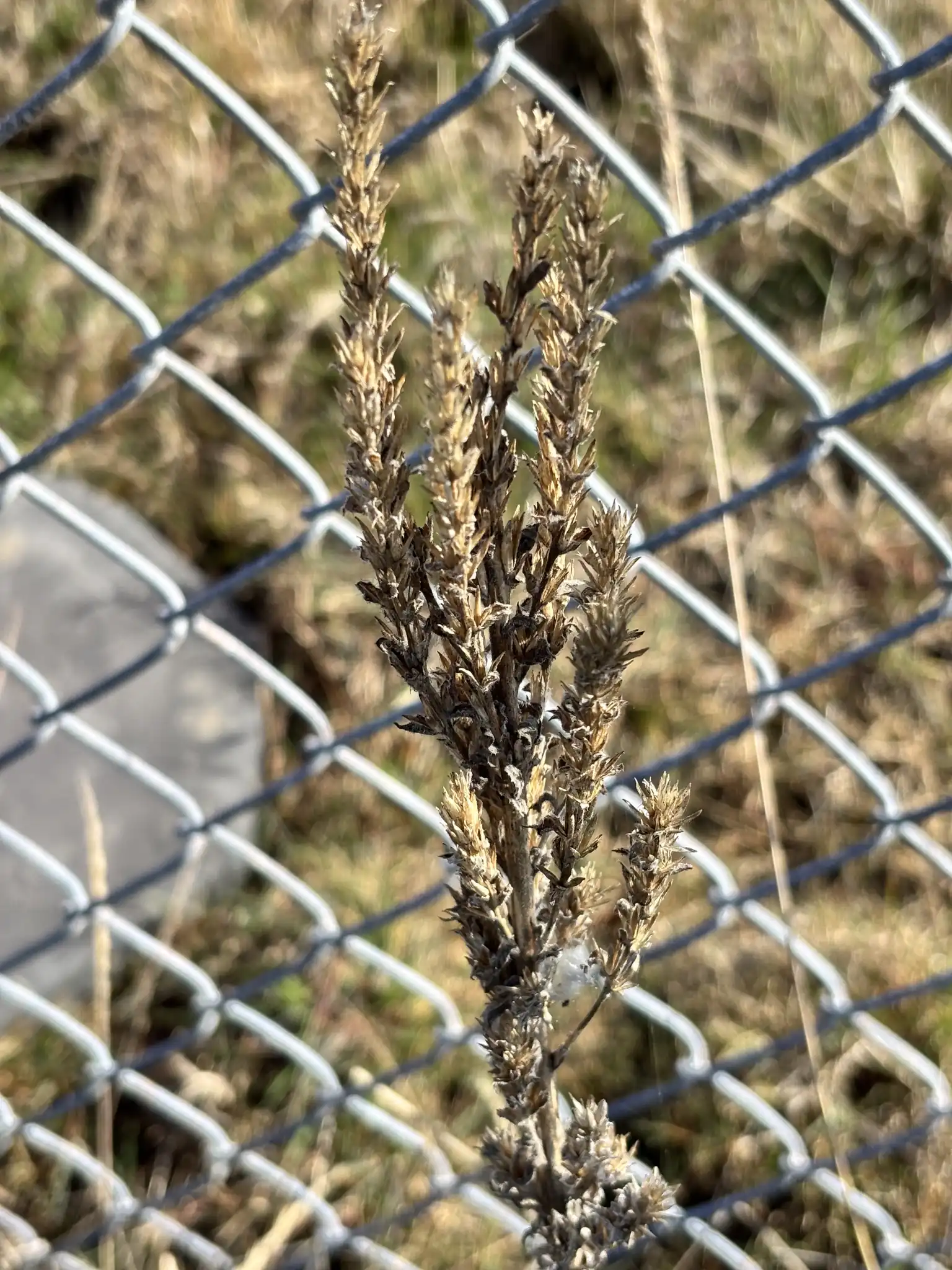
Epilobium densiflorum is an erect annual herb native to western North America, growing one to five feet tall in seasonally wet soils, prairies, and streambanks. The foliage features lance-shaped leaves up to three inches long that become shorter and densely hairy toward the upper stem.
In summer, dense leafy spikes bear four-petaled flowers ranging from pink to nearly white with prominent dark veins. The late-season floral display feeds native bees and butterflies, followed by mature seeds that attract seed-eating songbirds.
Uses & Benefits:
Essentials
At a Glance
Plant Type
Annual
Height
60"
Width
24"
Light
Full Sun
Zones
5, 6, 7, 8, 9
Water
Moderate to high
Humidity
Moderate
Lifespan
Annual
Native To
Western North America
Toxicity
Non-toxic
Bloom period
Summer – Fall
In flower about 6 months of the year
Planting
How to Grow
- Select an open site receiving full sun with moisture-retentive loam, clay, or sandy soil.
- Sow seeds directly on moist soil surfaces in early spring or late autumn without deep burial.
- Maintain high soil moisture throughout early seedling growth until roots establish.
- Allow the soil moisture to recede naturally in late summer as plants finish blooming and set seed.
Pro Tip
Sow seeds directly into wet spring soil; taproots establish quickly while moisture is abundant, allowing plants to survive subsequent summer dry periods.
Keep It Thriving
Care Guide
Do
- Keep soil damp during seed germination and early spring seedling development.
- Allow seed heads to mature completely if natural self-seeding and bird feeding are desired.
Don't
- Do not apply synthetic fertilizers, as excess nutrients encourage leggy growth and stem flopping.
- Do not overwater during late summer seed ripening once plants begin natural senescence.
Seasonal Care Calendar
| Task | Jan | Feb | Mar | Apr | May | Jun | Jul | Aug | Sep | Oct | Nov | Dec |
|---|---|---|---|---|---|---|---|---|---|---|---|---|
| Deadhead | ||||||||||||
| Pest Check | ||||||||||||
| Plant | ||||||||||||
| Winter Prep |
Watch Out For
Pests & Diseases
Common Pests
Common Diseases
In the Garden
Landscape Uses & Companions
Landscape Uses
Multiply
Propagation Methods
Good to Know
Common Questions
Denseflower Willowherb questions
What zones can Denseflower Willowherb grow in?
Denseflower Willowherb is an annual: it grows, flowers and sets seed in one season, so winter cold doesn't limit where it grows. Gardeners in any zone can grow it by planting at the right time, usually after the last spring frost.
Is Denseflower Willowherb deer resistant?
Not reliably. Deer may browse Denseflower Willowherb, especially tender spring growth — plan on repellents or fencing where pressure is high.
When does Denseflower Willowherb bloom?
Denseflower Willowherb typically blooms from summer to fall. Exact timing shifts a week or two with your zone — Sow's bloom calendar maps it to your garden.
Does Denseflower Willowherb need full sun?
Denseflower Willowherb does best in full sun (6+ hours).
Is Denseflower Willowherb drought tolerant?
Yes — once established (usually after the first full season), Denseflower Willowherb handles dry spells with minimal watering. Water deeply its first year to build the root system that makes that possible.
More Epilobium to compare
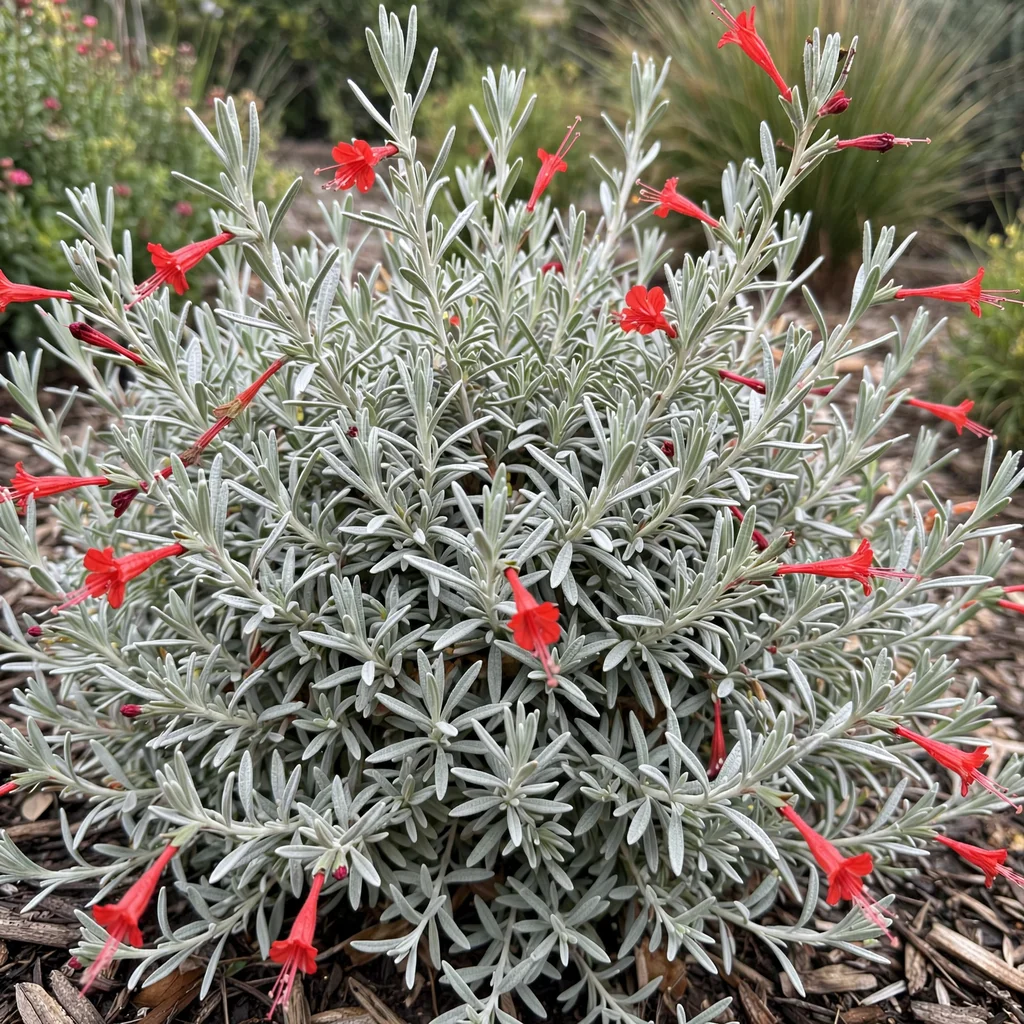
California Fuchsia
Epilobium canum
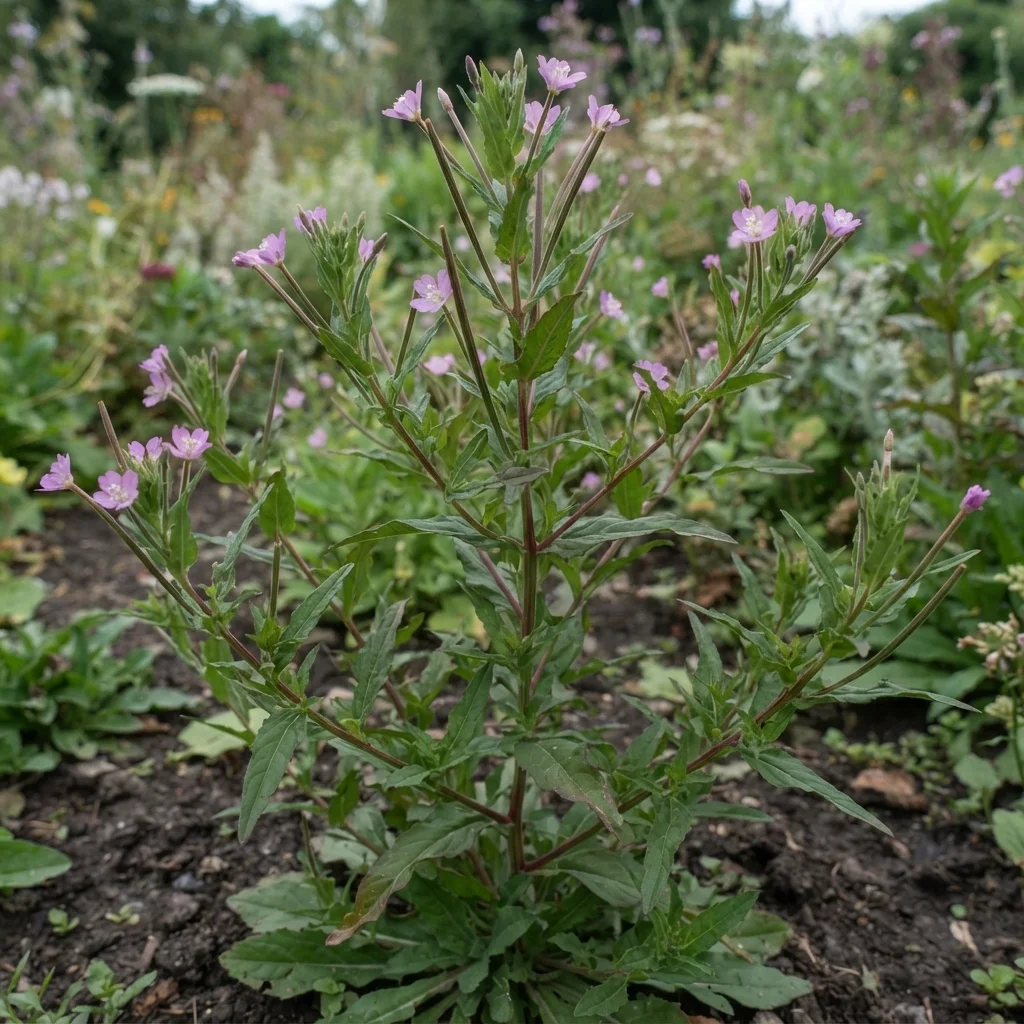
Square-stemmed willowherb
Epilobium tetragonum
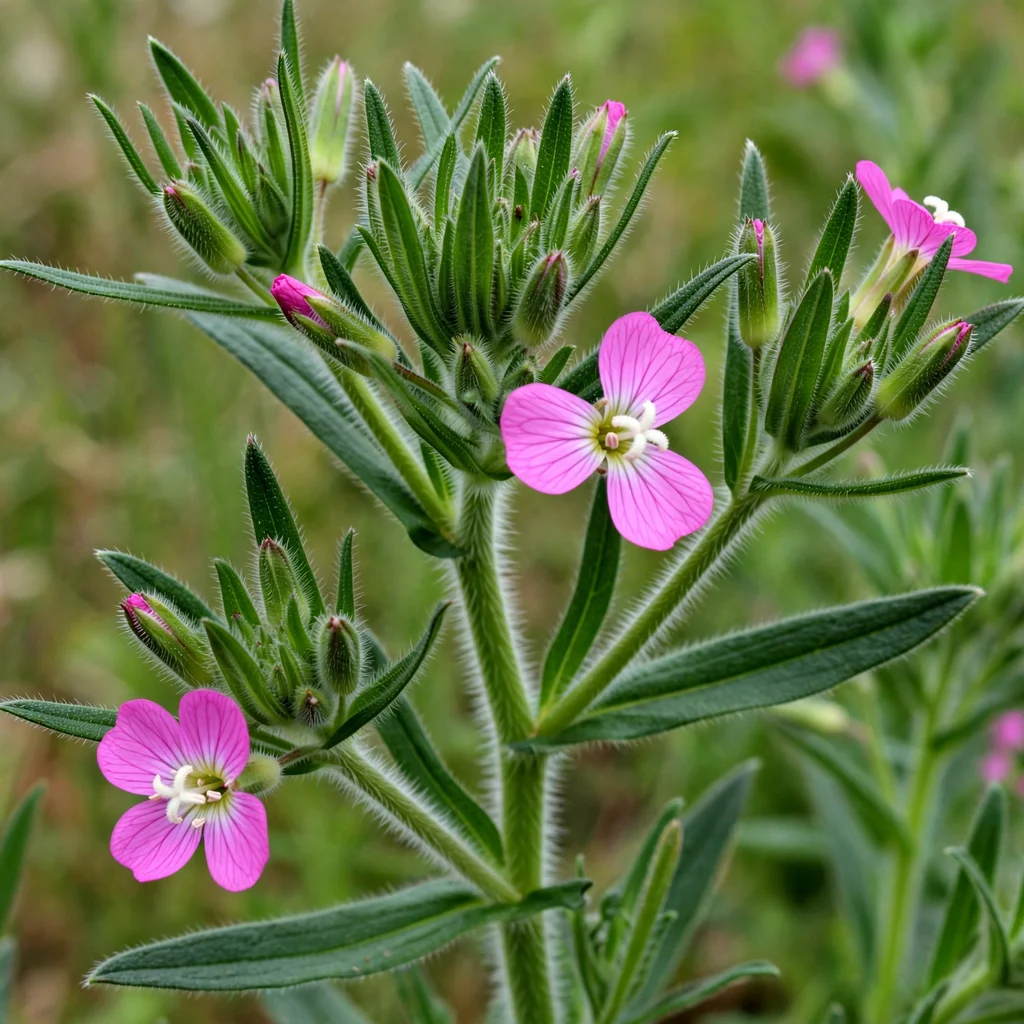
Great Willowherb
Epilobium hirsutum
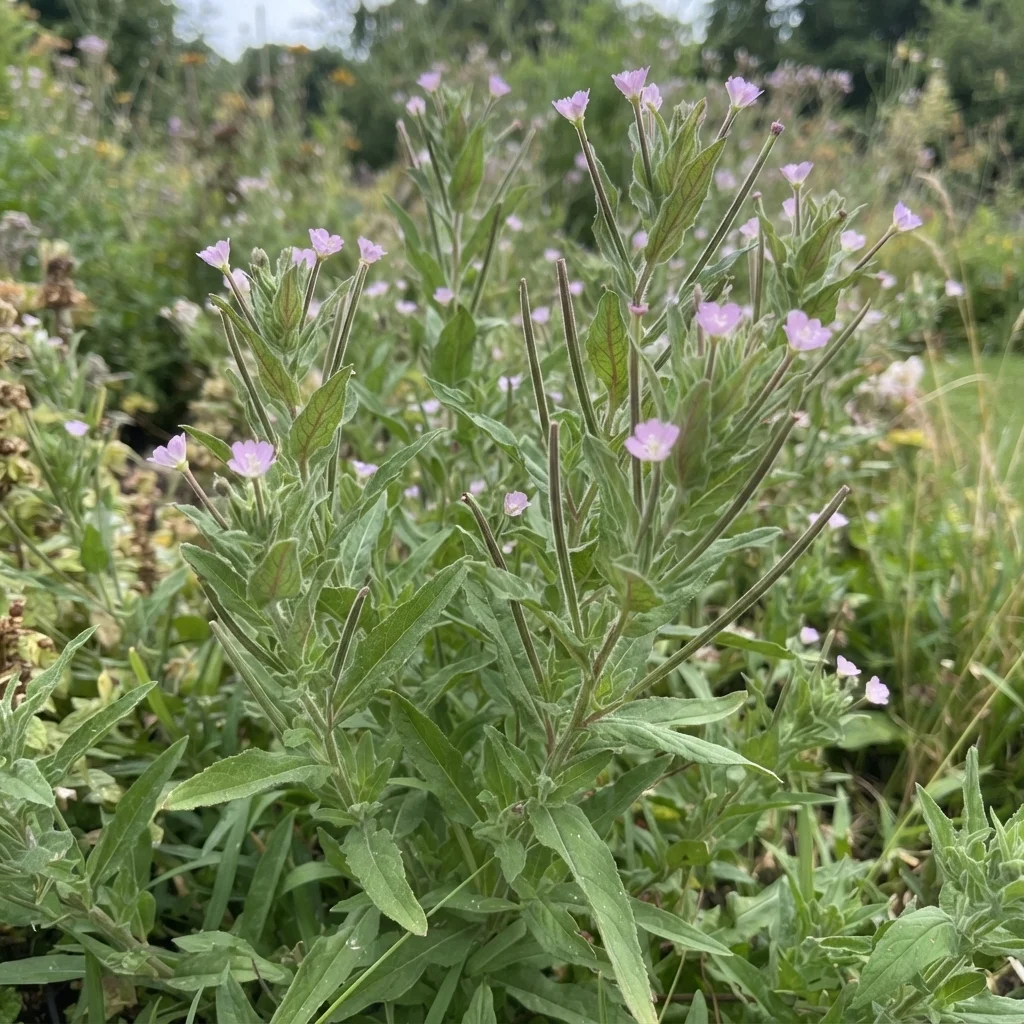
Smallflower Hairy Willowherb
Epilobium parviflorum
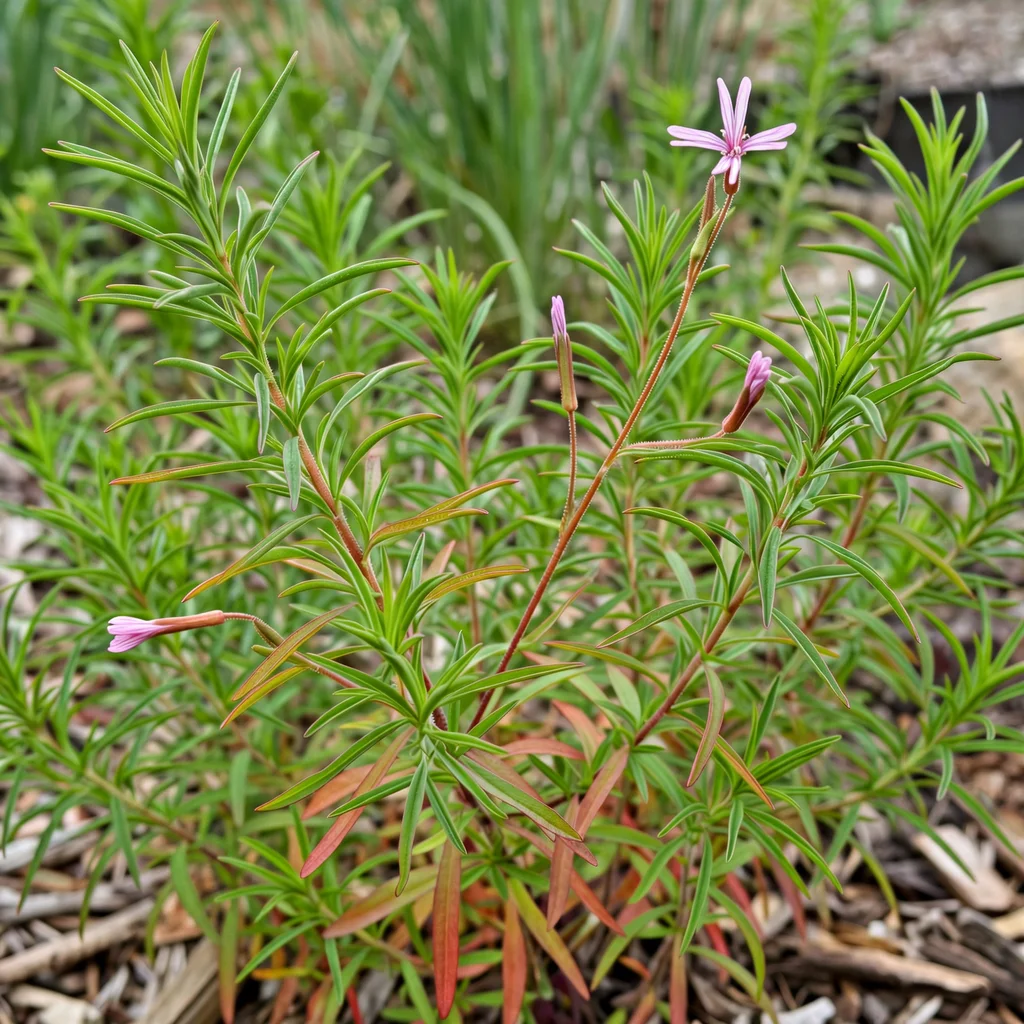
Tall Annual Willowherb
Epilobium brachycarpum
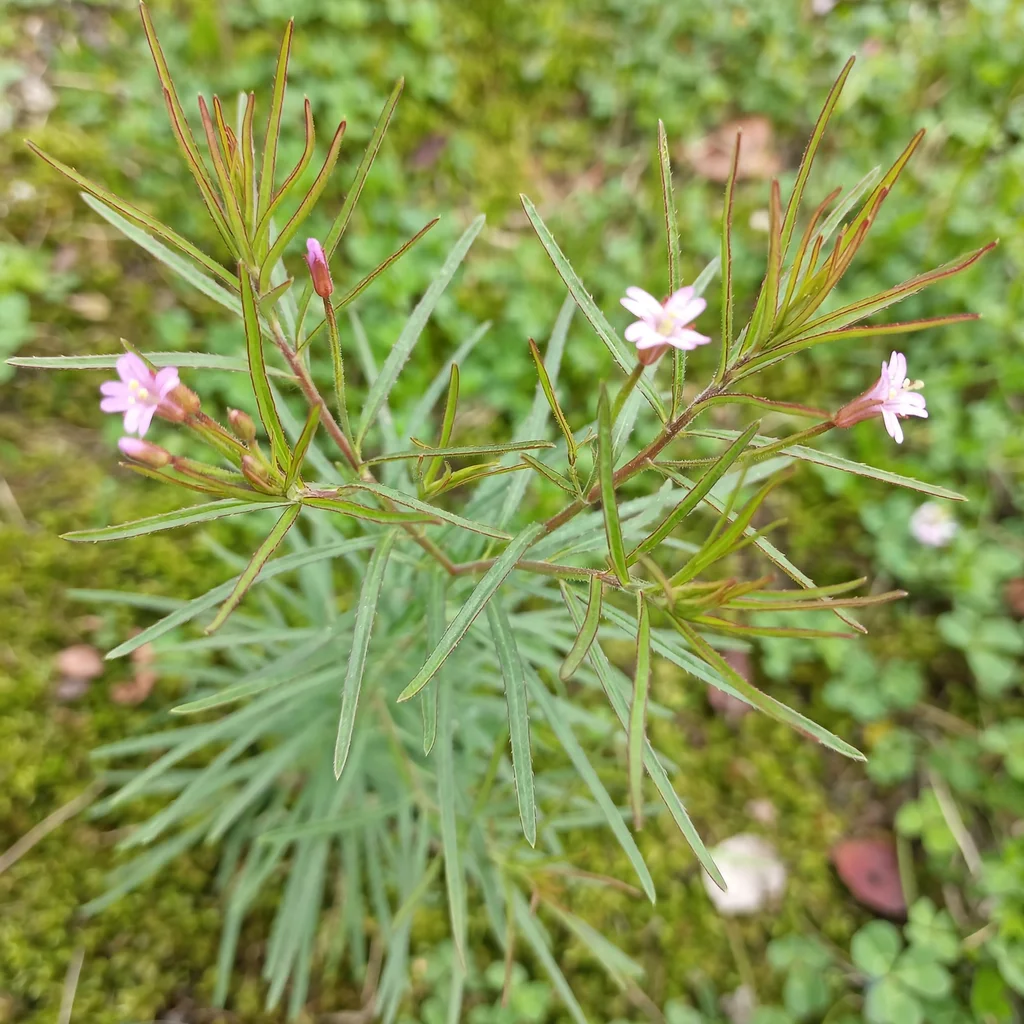
Fringed Willowherb
Epilobium ciliatum
Keep exploring
Explore the genus
Hardy in your zone?
Grow Denseflower Willowherb with confidence
See it in a design of your actual yard, get zone-matched care reminders, and track it season by season in your garden journal.