The Story
Plant Bio
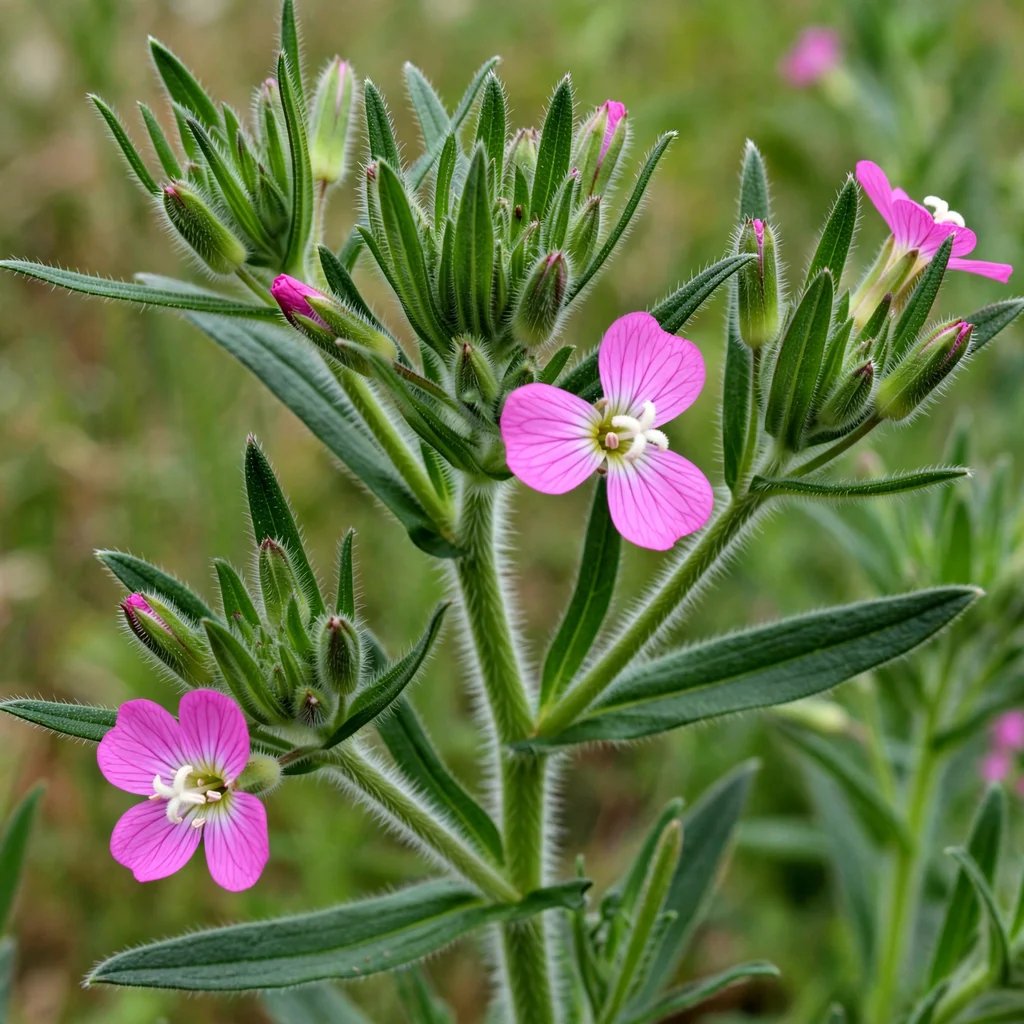
Epilobium hirsutum, commonly known as great willowherb, is a robust, erect semi-aquatic perennial herb native to temperate Eurasia and northern Africa. Stems reach up to eight feet tall, densely covered in soft spreading hairs, bearing lance-shaped clasping leaves and bright rose-pink four-petaled flowers held in leafy terminal clusters from midsummer into fall.
Thick white underground runners and rhizomes allow this species to spread indefinitely, forming dense stands in saturated soils. The inner hypanthium of each bloom features a distinct ring of long white hairs surrounding a prominent four-lobed stigma.
Uses & Benefits:
Essentials
At a Glance
Plant Type
Perennial
Height
98"
Width
98"
Light
Full Sun, Partial Sun
Zones
4, 5, 6, 7, 8, 9
Water
High / Wet
Humidity
High
Lifespan
Perennial
Native To
Eurasia, North Africa
Toxicity
Non-toxic
Bloom period
Summer – Early fall
In flower about 4 months of the year
Planting
How to Grow
- Select a site in full sun to partial shade with consistently moist, wet, or heavy clay soil.
- Sink a heavy root barrier or solid container into the soil to constrain underground runner growth.
- Plant dormant plugs or bare-root rhizomes flush with the surrounding soil line and water thoroughly.
- Maintain saturated soil conditions through active summer growth by siting near pond margins or water features.
Pro Tip
Install heavy subterranean root barriers or sink plantings into fully enclosed containers to prevent underground runners from invading surrounding soil or natural drainage ways.
Keep It Thriving
Care Guide
Do
- Keep soil consistently wet or saturated throughout the growing season.
- Cut spent flower heads promptly to prevent wind-blown seed dispersal.
- Remove topgrowth down to ground level in late winter.
Don't
- Do not apply excess fertilizer, which triggers rampant underground runner growth.
- Do not plant near uncontained natural wetlands or open drainage streams.
- Do not allow soil to dry out completely during hot weather.
Seasonal Care Calendar
| Task | Jan | Feb | Mar | Apr | May | Jun | Jul | Aug | Sep | Oct | Nov | Dec |
|---|---|---|---|---|---|---|---|---|---|---|---|---|
| Divide | ||||||||||||
| Pest Check | ||||||||||||
| Prune | ||||||||||||
| Spring Cleanup |
Watch Out For
Pests & Diseases
Common Pests
Common Diseases
In the Garden
Landscape Uses & Companions
Landscape Uses
Companion Plants
Multiply
Propagation Methods
Good to Know
Common Questions
Great Willowherb questions
What zones can Great Willowherb grow in?
Great Willowherb is hardy in USDA Zones 4–9: in that range it survives winter in the ground. Warmer than Zone 9, winter isn't the problem: it prefers colder winters, and summer heat can shorten its life.
Is Great Willowherb deer resistant?
Not reliably. Deer may browse Great Willowherb, especially tender spring growth — plan on repellents or fencing where pressure is high.
When does Great Willowherb bloom?
Great Willowherb typically blooms from early summer to early fall. Exact timing shifts a week or two with your zone — Sow's bloom calendar maps it to your garden.
Does Great Willowherb need full sun?
Great Willowherb does best in full sun to part shade. In hot climates, afternoon shade keeps blooms fresher longer.
More Epilobium to compare
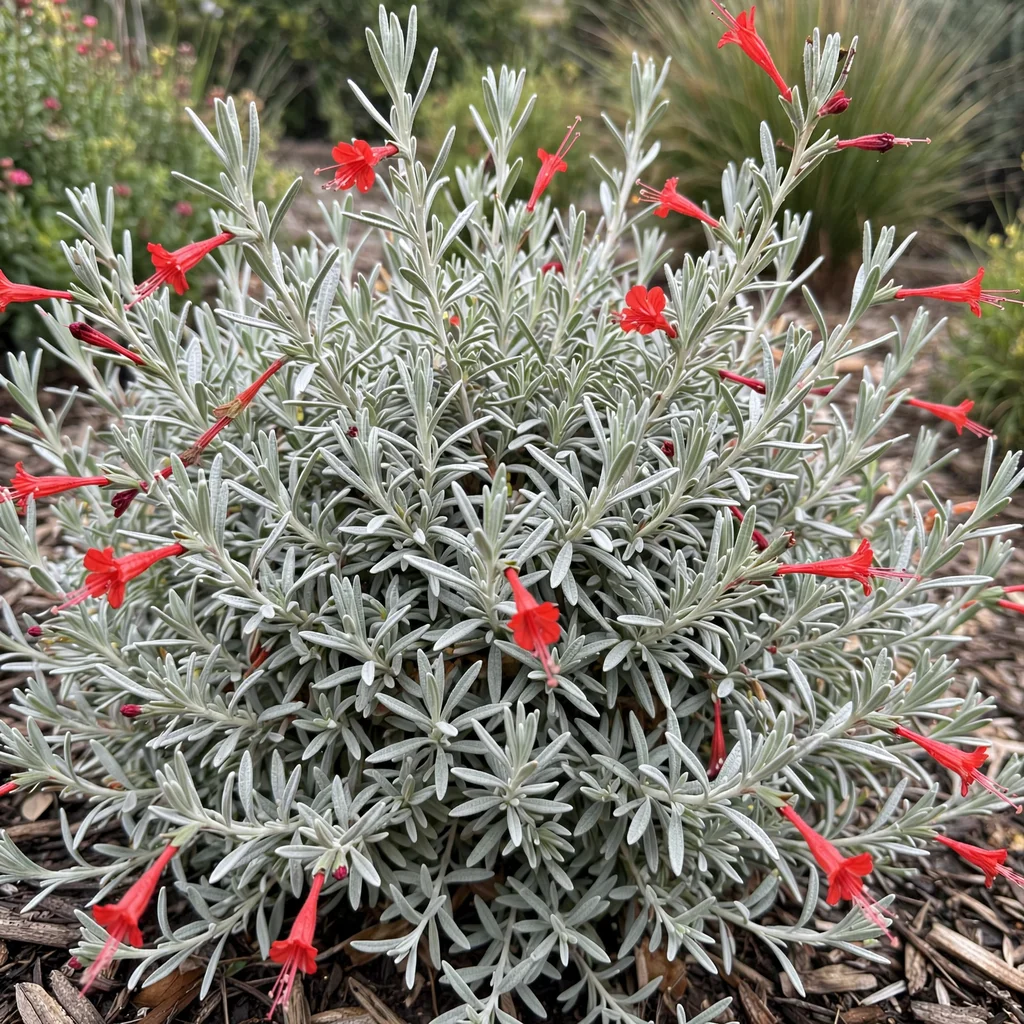
California Fuchsia
Epilobium canum
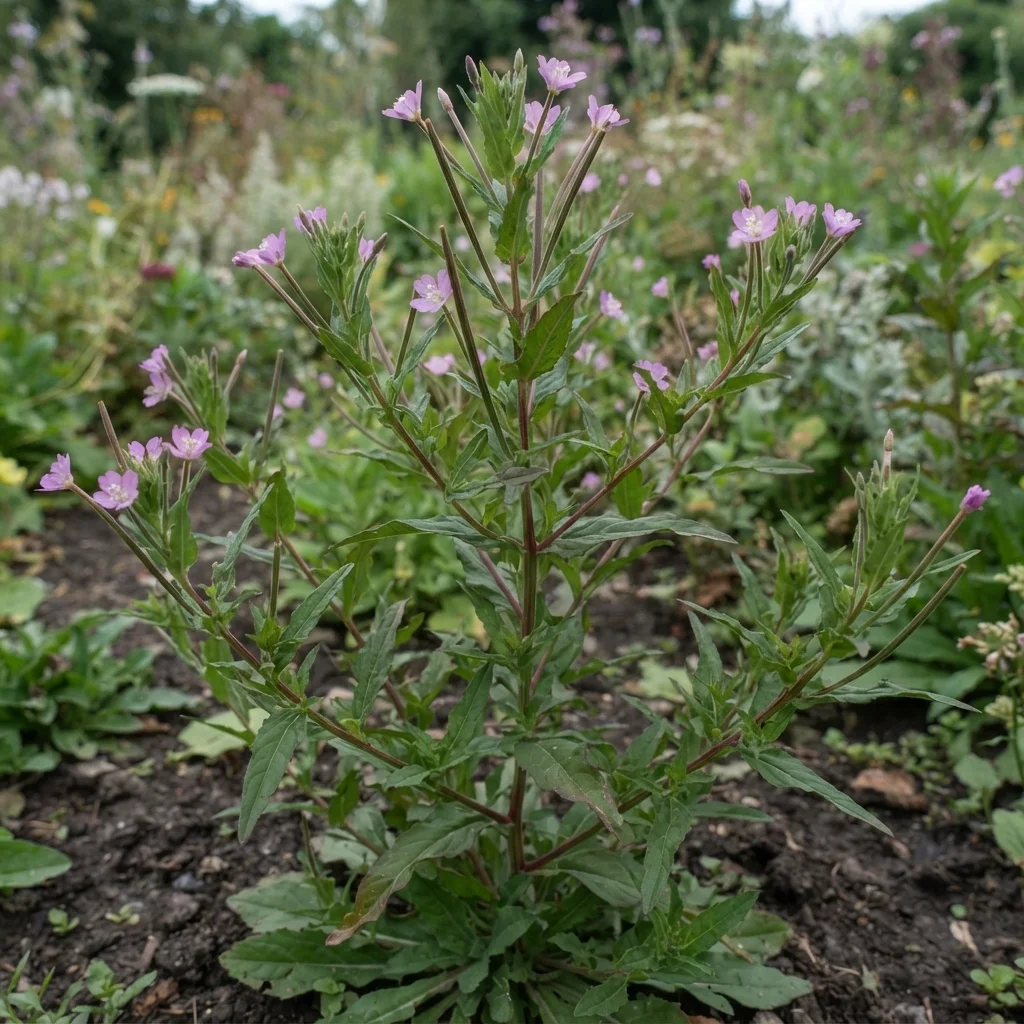
Square-stemmed willowherb
Epilobium tetragonum
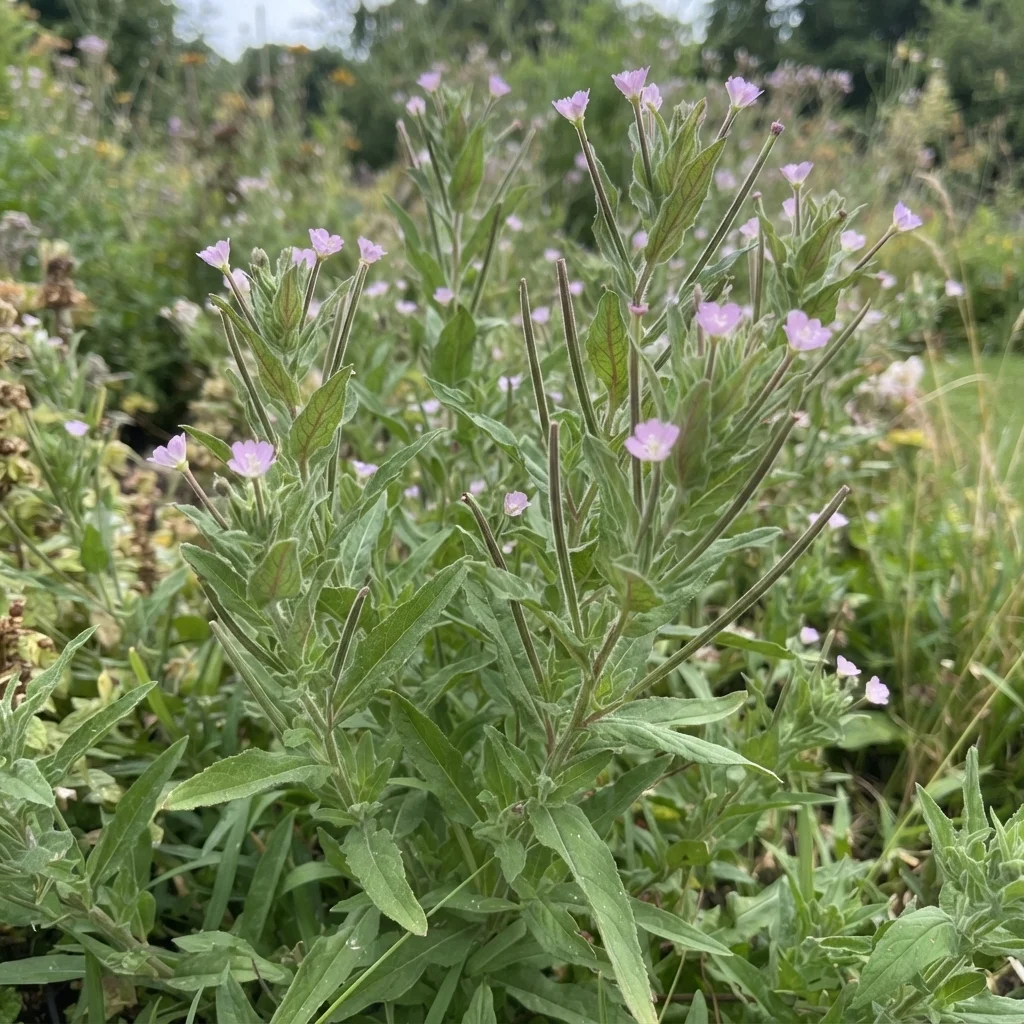
Smallflower Hairy Willowherb
Epilobium parviflorum
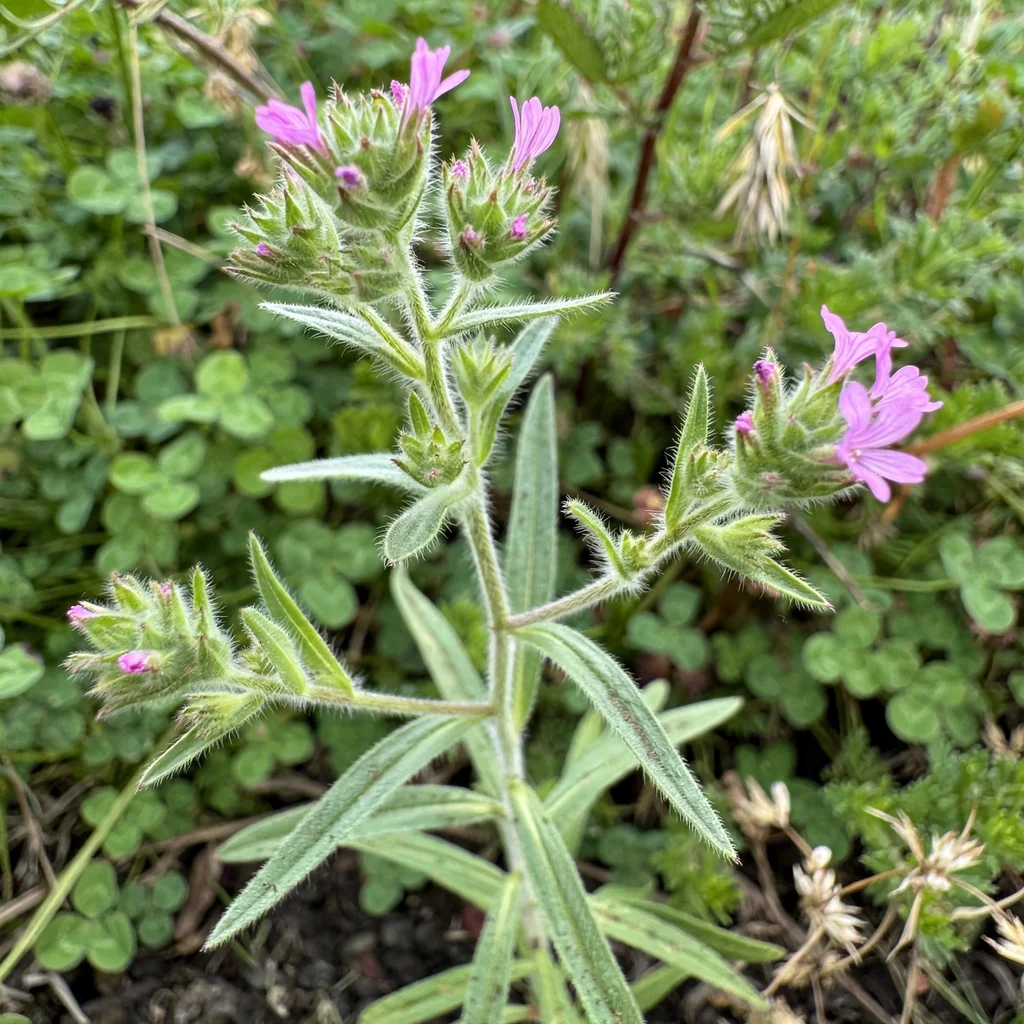
Denseflower Willowherb
Epilobium densiflorum
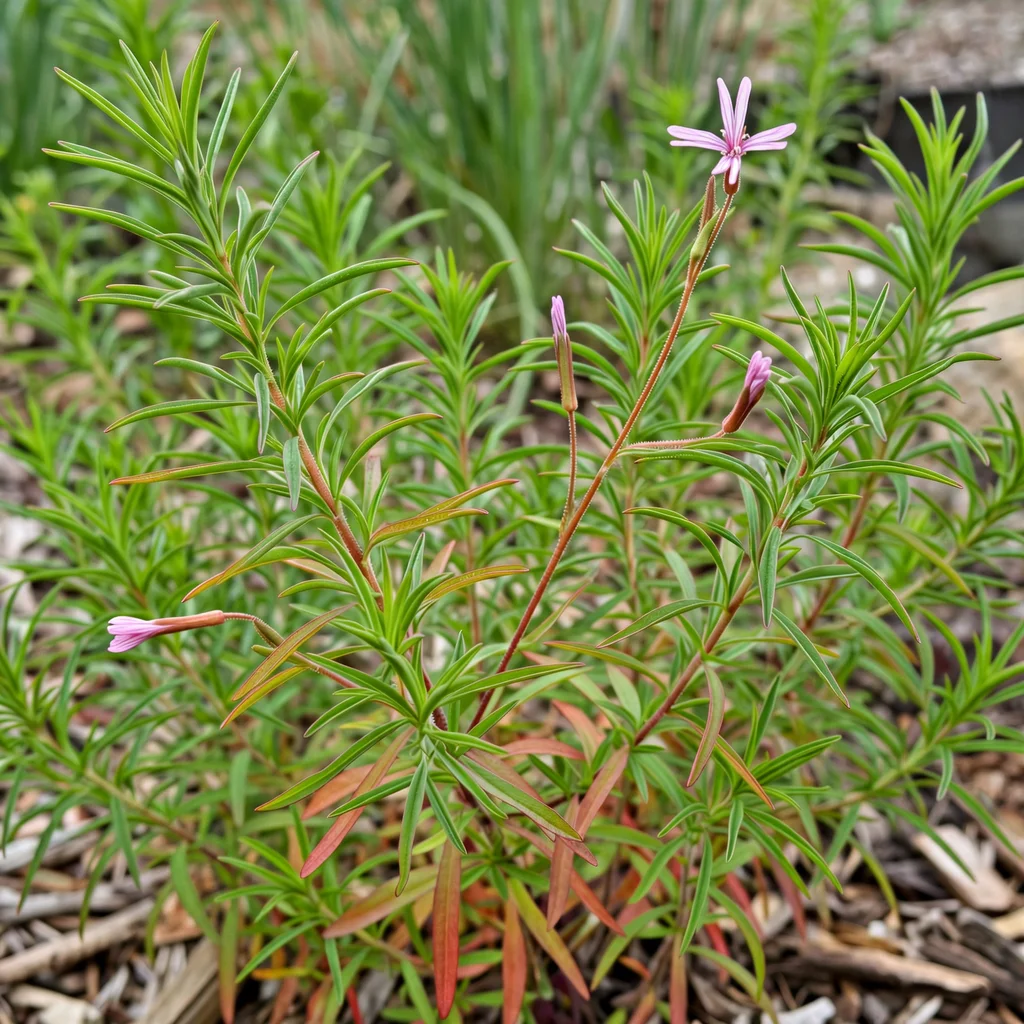
Tall Annual Willowherb
Epilobium brachycarpum
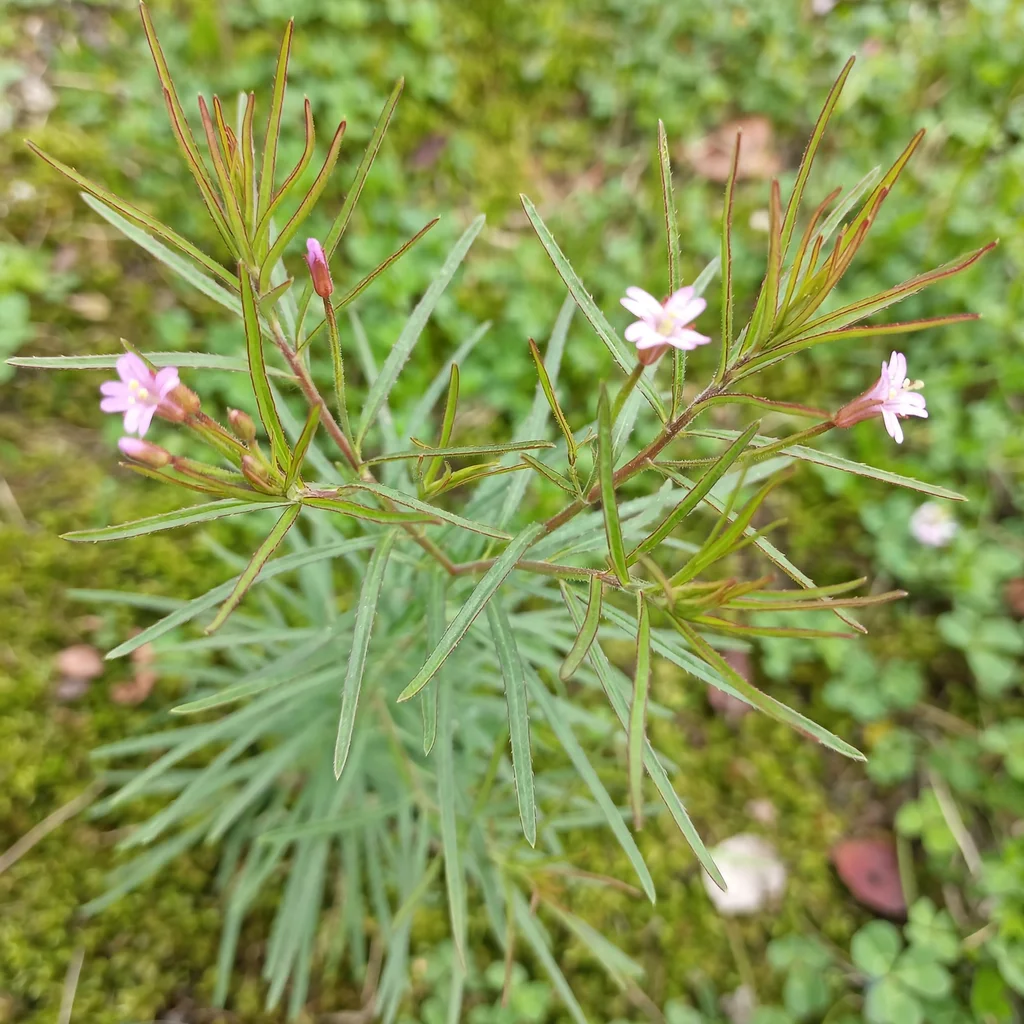
Fringed Willowherb
Epilobium ciliatum
Keep exploring
Explore the genus
Grow Great Willowherb with confidence
See it in a design of your actual yard, get zone-matched care reminders, and track it season by season in your garden journal.