The Story
Plant Bio
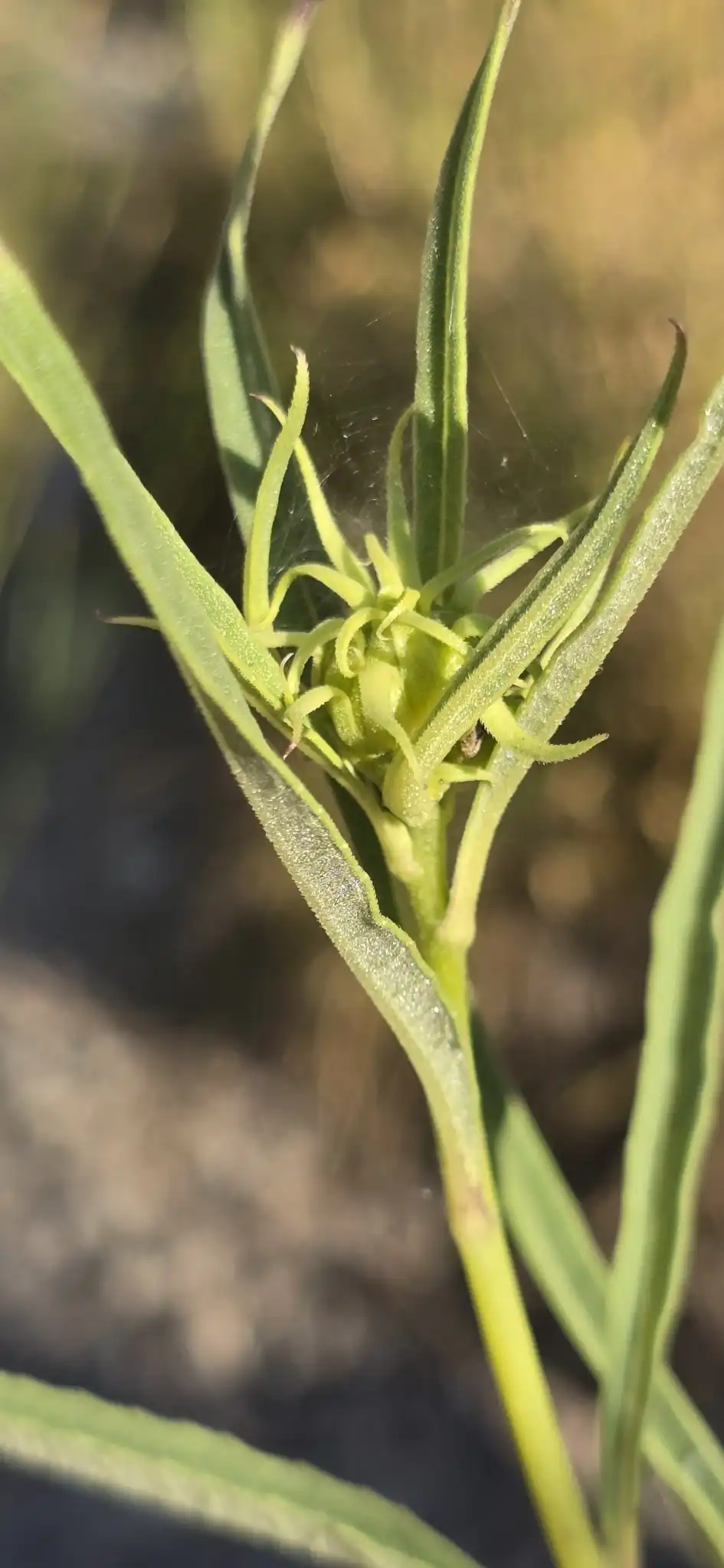
Helianthus californicus, the California sunflower, is a tall rhizomatous perennial herb native to California and northern Baja California, growing six to eleven feet tall on stout, woody stems. Bright yellow disc and ray flower heads appear in clusters at branch tips from summer through fall above narrow, rough-textured green leaves.
Spreading via creeping rhizomes to form wide clumps, this species naturally inhabits moist swales, stream banks, and freshwater marshes. The rough foliage is gland-dotted underneath, and the abundant seed heads provide critical late-season nutrition for native birds.
Uses & Benefits:
Essentials
At a Glance
Plant Type
Perennial
Height
132"
Width
48"
Light
Full Sun
Zones
8, 9, 10
Water
Moderate to High
Humidity
Adapts to warm Mediterranean summer heat
Lifespan
Perennial
Native To
California, USA and northern Baja California, Mexico
Toxicity
Non-toxic
Bloom period
Summer – Fall
In flower about 6 months of the year
Planting
How to Grow
- Choose a site in full sun with moist, well-draining loam or sandy soil near a water feature or low swale.
- Plant dormant rhizomes or potted specimens in spring, placing the root crown flush with the surrounding soil level.
- Water regularly during the first growing season to establish a deep root system.
- Cut dead stems to the ground late in winter after birds have harvested the seed heads.
Pro Tip
Avoid heavy nitrogen fertilizer and excessive water in rich garden soils, as rapid growth produces weak stems that collapse under their own weight without staking.
Keep It Thriving
Care Guide
Do
- Plant in full sun to foster sturdy, upright stems.
- Provide regular deep watering during dry summer periods in inland gardens.
- Cut dead stalks back hard to ground level in late winter once completely dormant.
Don't
- Do not apply excessive high-nitrogen fertilizer, which causes leggy growth and stem flopping.
- Do not plant in confined borders where spreading rhizomes can crowd out smaller companions.
- Do not allow soil to remain saturated in stagnant, poorly drained clay sites.
Seasonal Care Calendar
| Task | Jan | Feb | Mar | Apr | May | Jun | Jul | Aug | Sep | Oct | Nov | Dec |
|---|---|---|---|---|---|---|---|---|---|---|---|---|
| Divide | ||||||||||||
| Pest Check | ||||||||||||
| Prune | ||||||||||||
| Stake |
Watch Out For
Pests & Diseases
Common Pests
Common Diseases
In the Garden
Landscape Uses & Companions
Landscape Uses
Multiply
Propagation Methods
Good to Know
Common Questions
California Sunflower questions
What zones can California Sunflower grow in?
California Sunflower is hardy in USDA Zones 8–10: in that range it survives winter in the ground. Colder than Zone 8, grow it in a container you can move to shelter for the winter, or as an annual.
Is California Sunflower deer resistant?
Not reliably. Deer may browse California Sunflower, especially tender spring growth — plan on repellents or fencing where pressure is high.
When does California Sunflower bloom?
California Sunflower typically blooms from summer to fall. Exact timing shifts a week or two with your zone — Sow's bloom calendar maps it to your garden.
Does California Sunflower need full sun?
California Sunflower does best in full sun (6+ hours).
Is California Sunflower drought tolerant?
Yes — once established (usually after the first full season), California Sunflower handles dry spells with minimal watering. Water deeply its first year to build the root system that makes that possible.
More Helianthus to compare
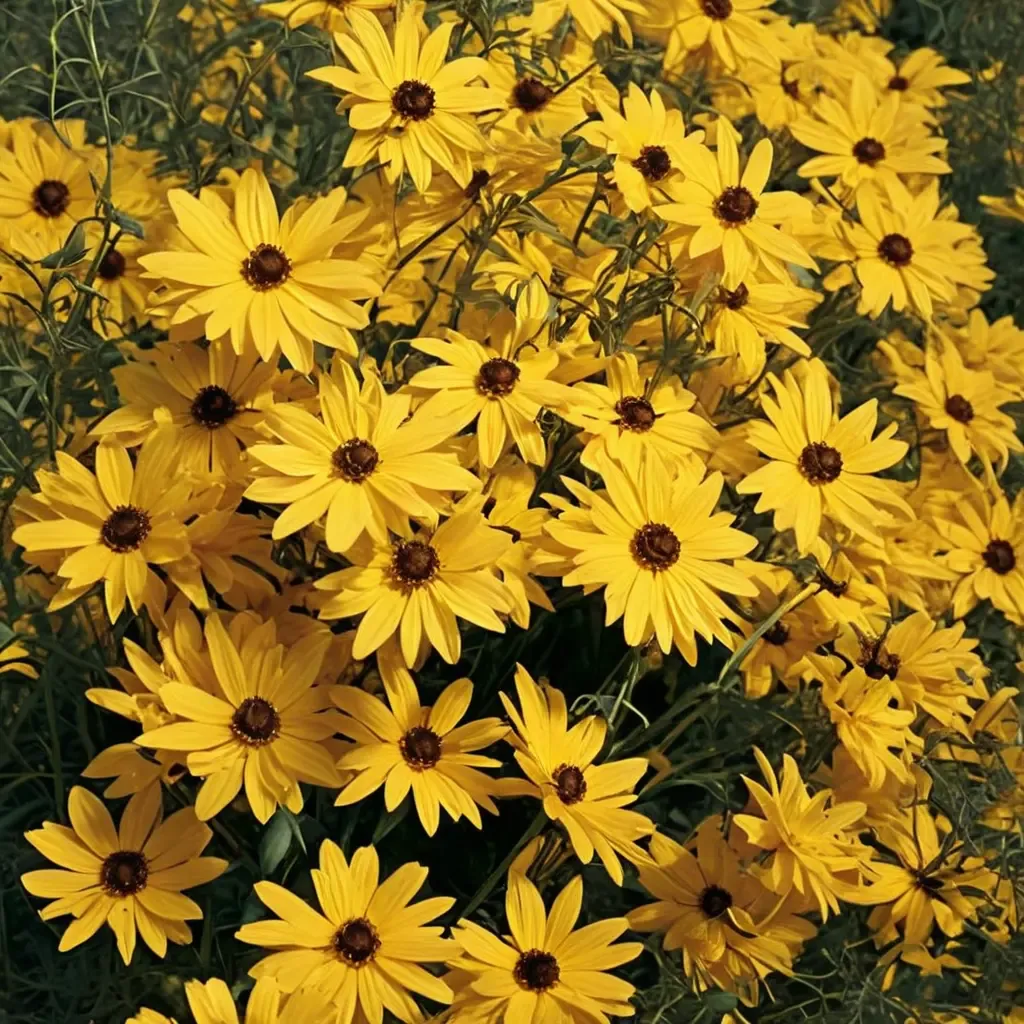
First Light Swamp Sunflower
Helianthus angustifolius 'First Light'
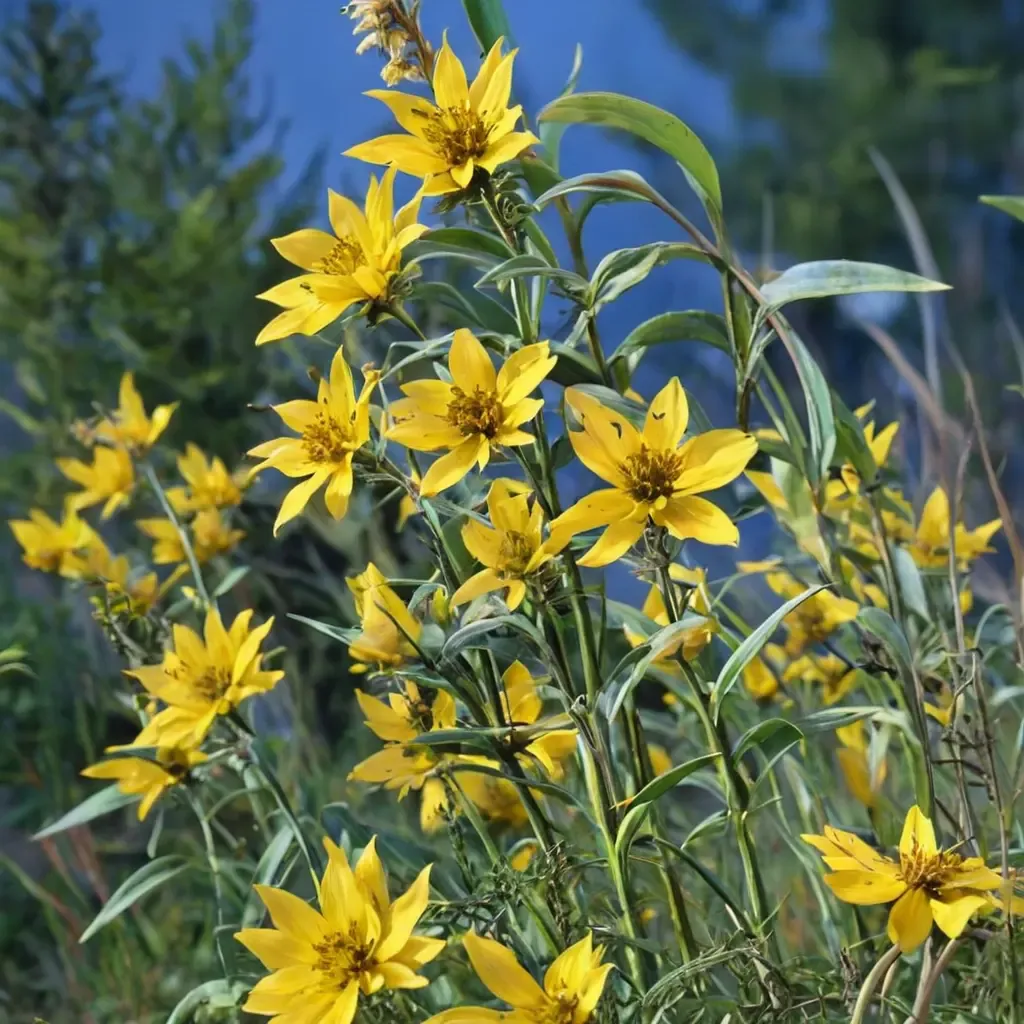
Maximilian sunflower
Helianthus maximiliani
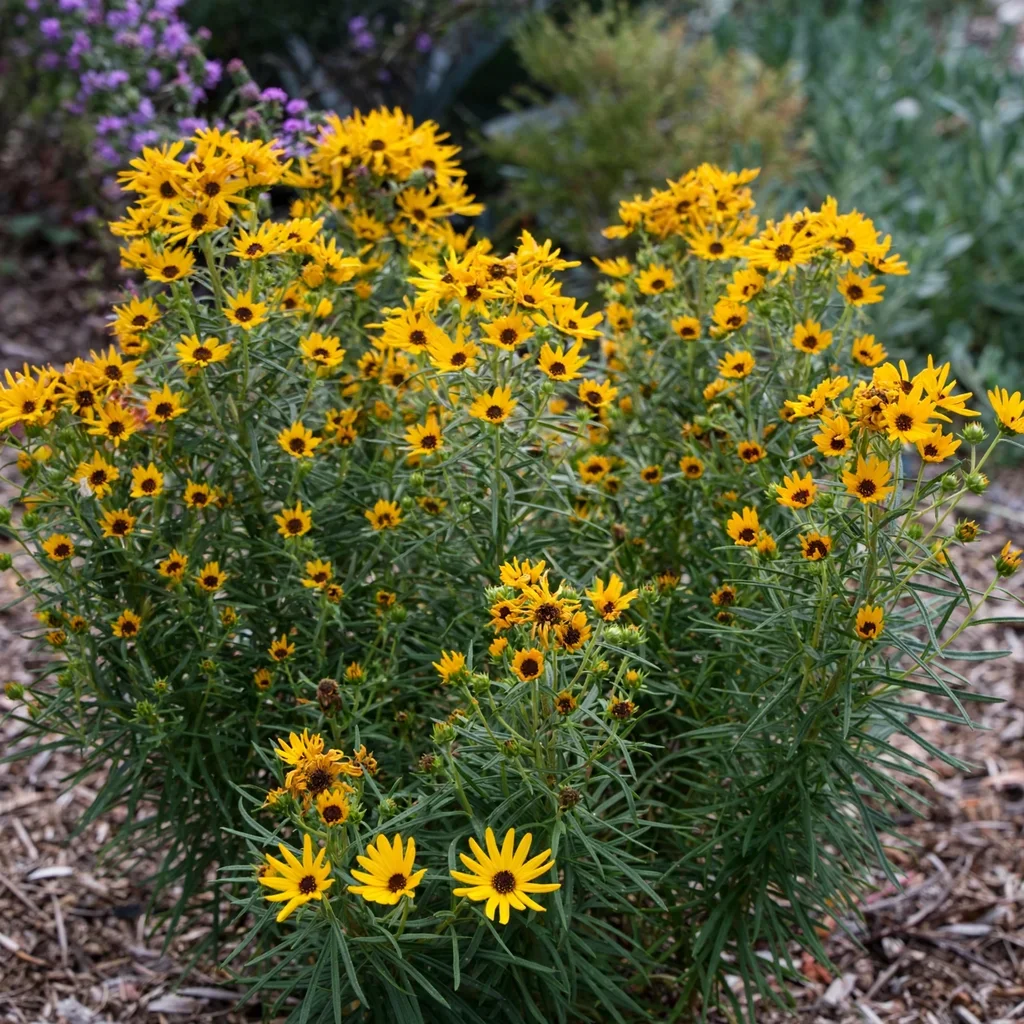
Narrow-Leaf Sunflower Low Down
Helianthus angustifolius 'Low Down'
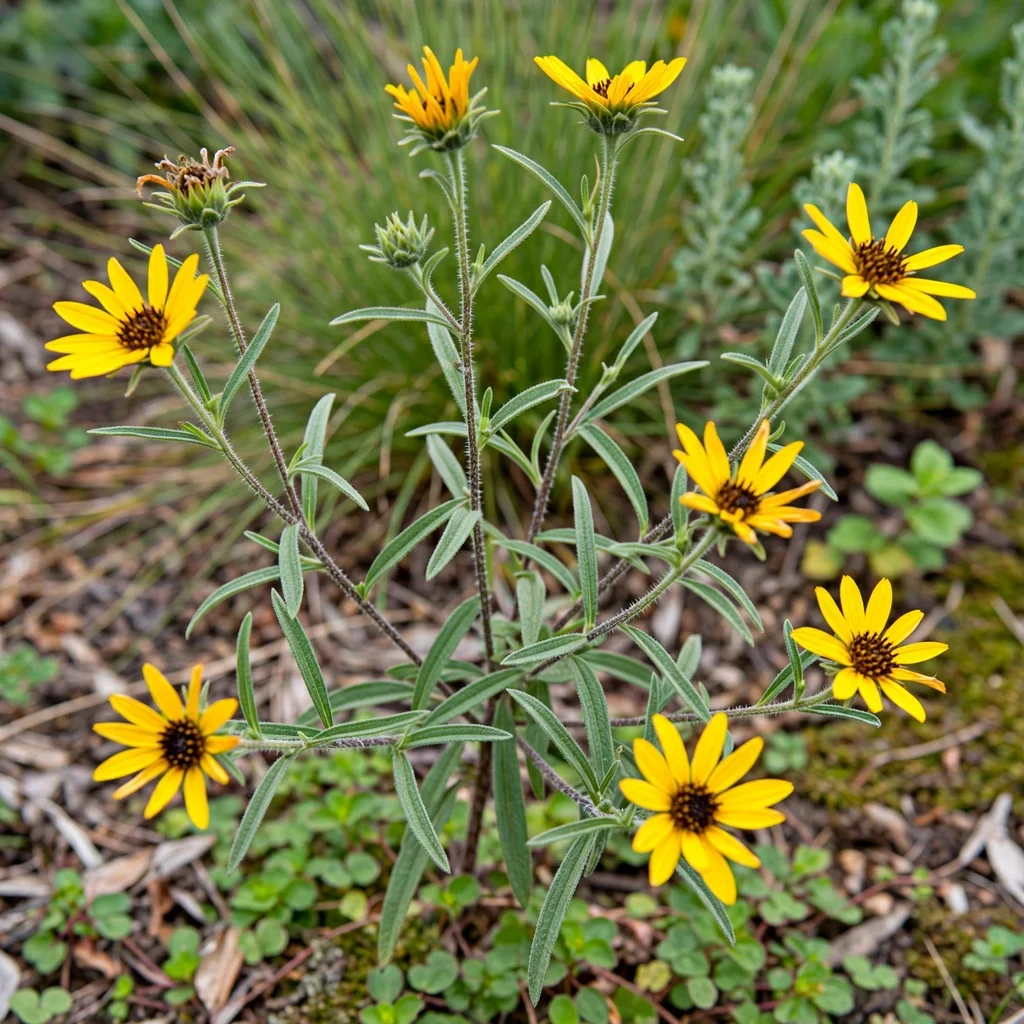
Bolander's Sunflower
Helianthus bolanderi
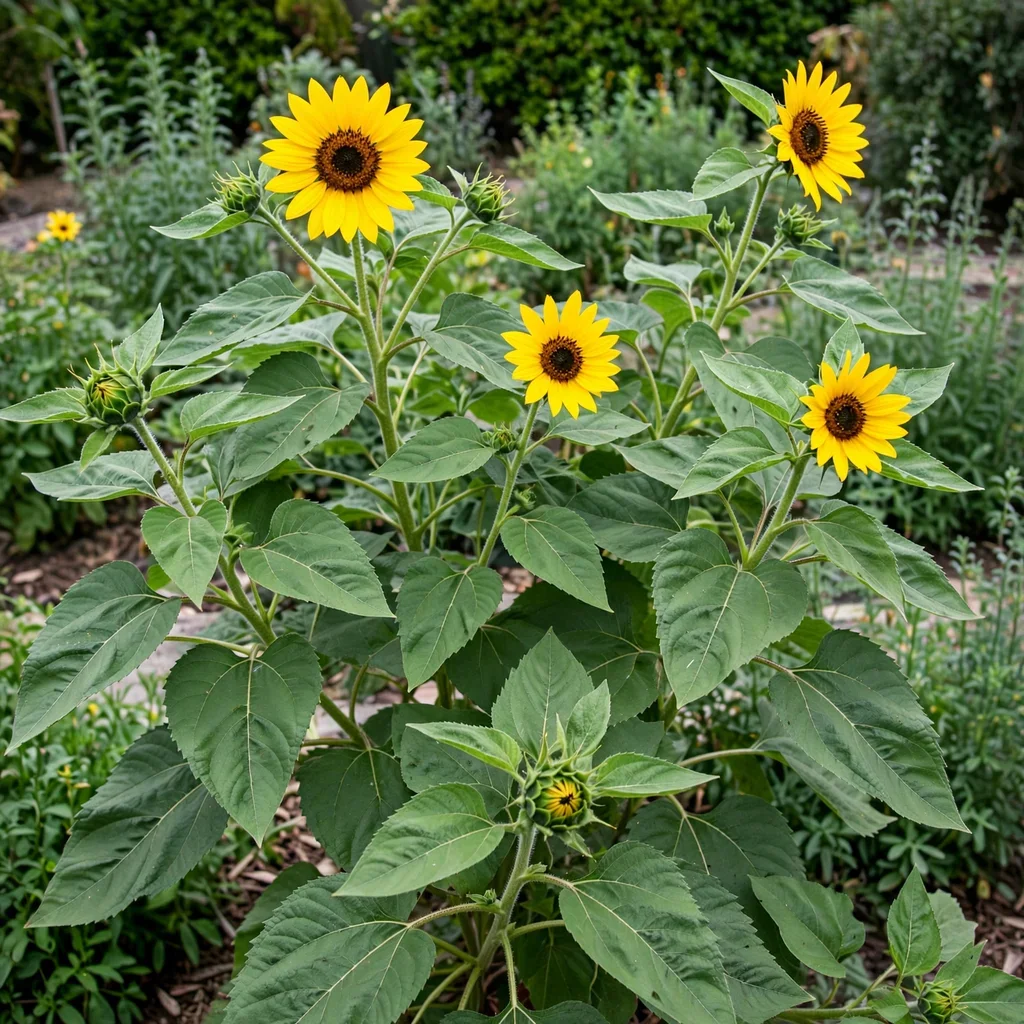
Table Mountain Sunflower
Helianthus annuus 'Table Mountain'
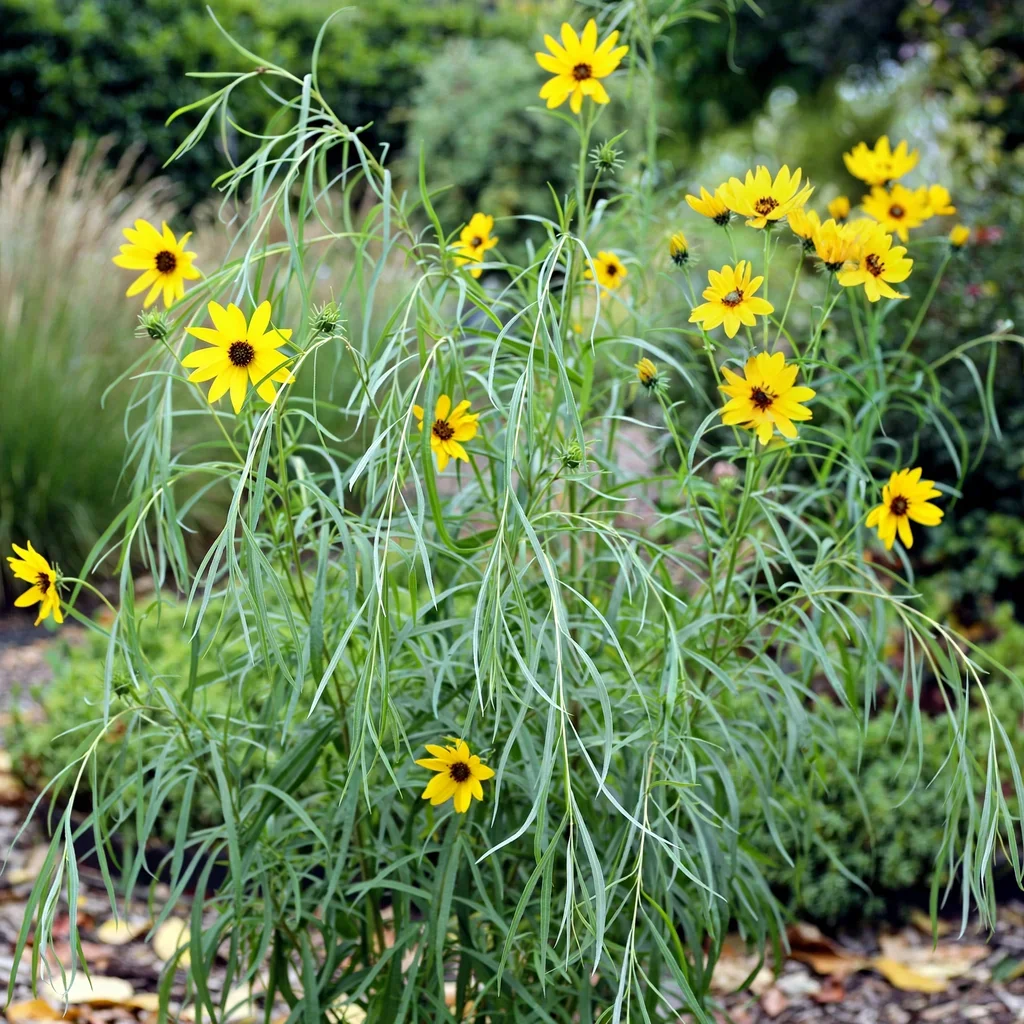
Salicifolius Sunflower Willowleaf Sunflower
Helianthus salicifolius
Keep exploring
Explore the genus
Hardy in your zone?
Grow California Sunflower with confidence
See it in a design of your actual yard, get zone-matched care reminders, and track it season by season in your garden journal.