

The Story
Plant Bio
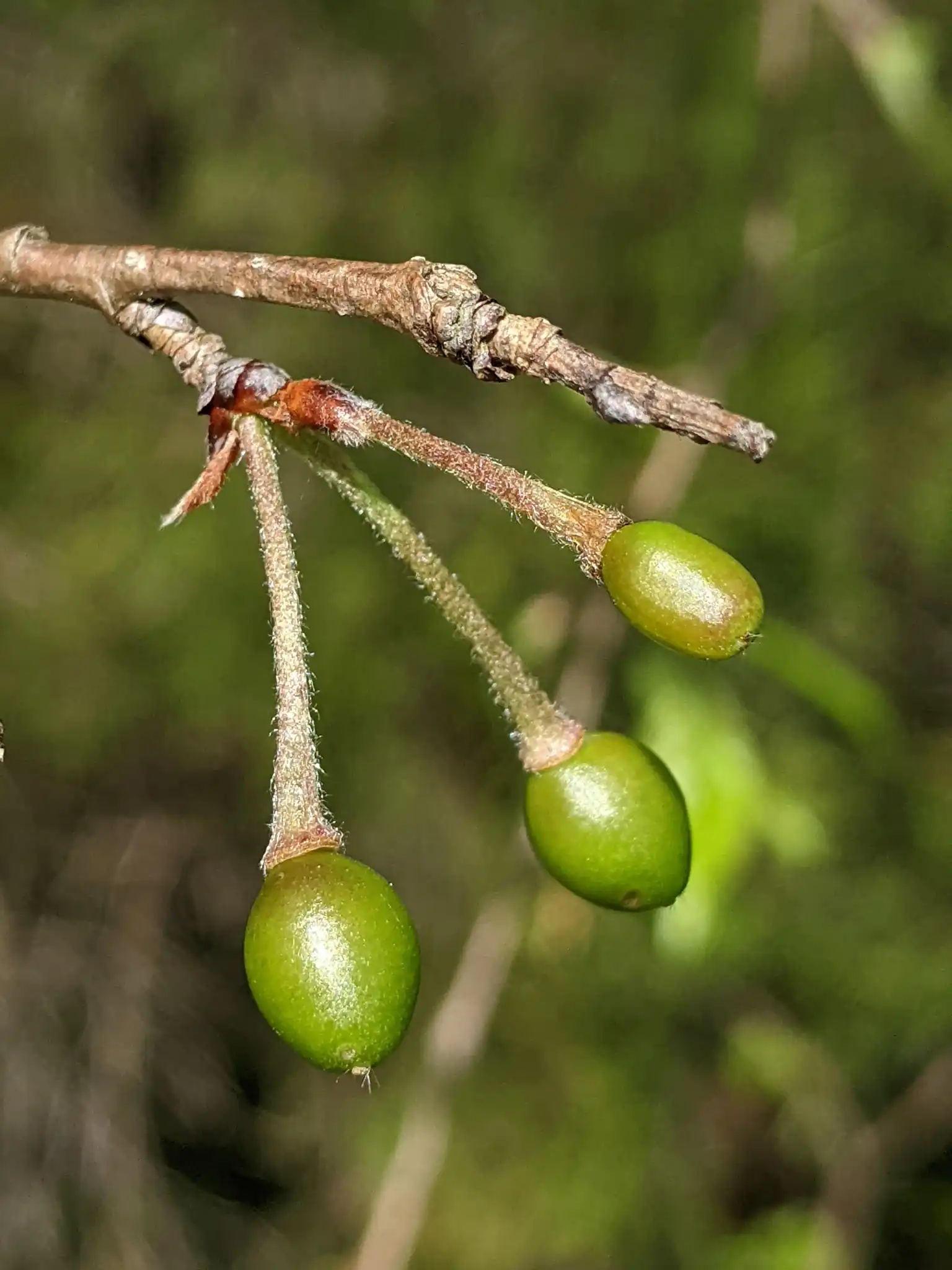
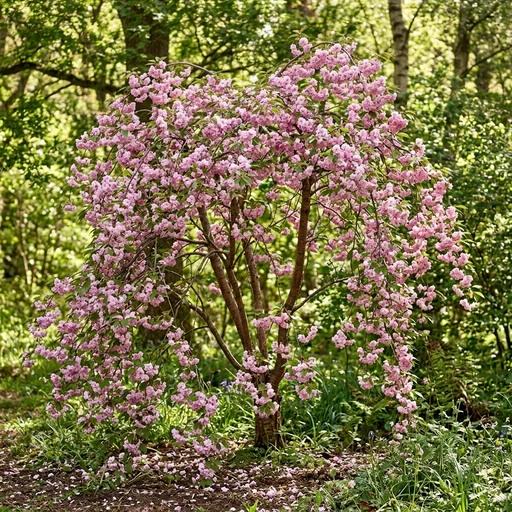
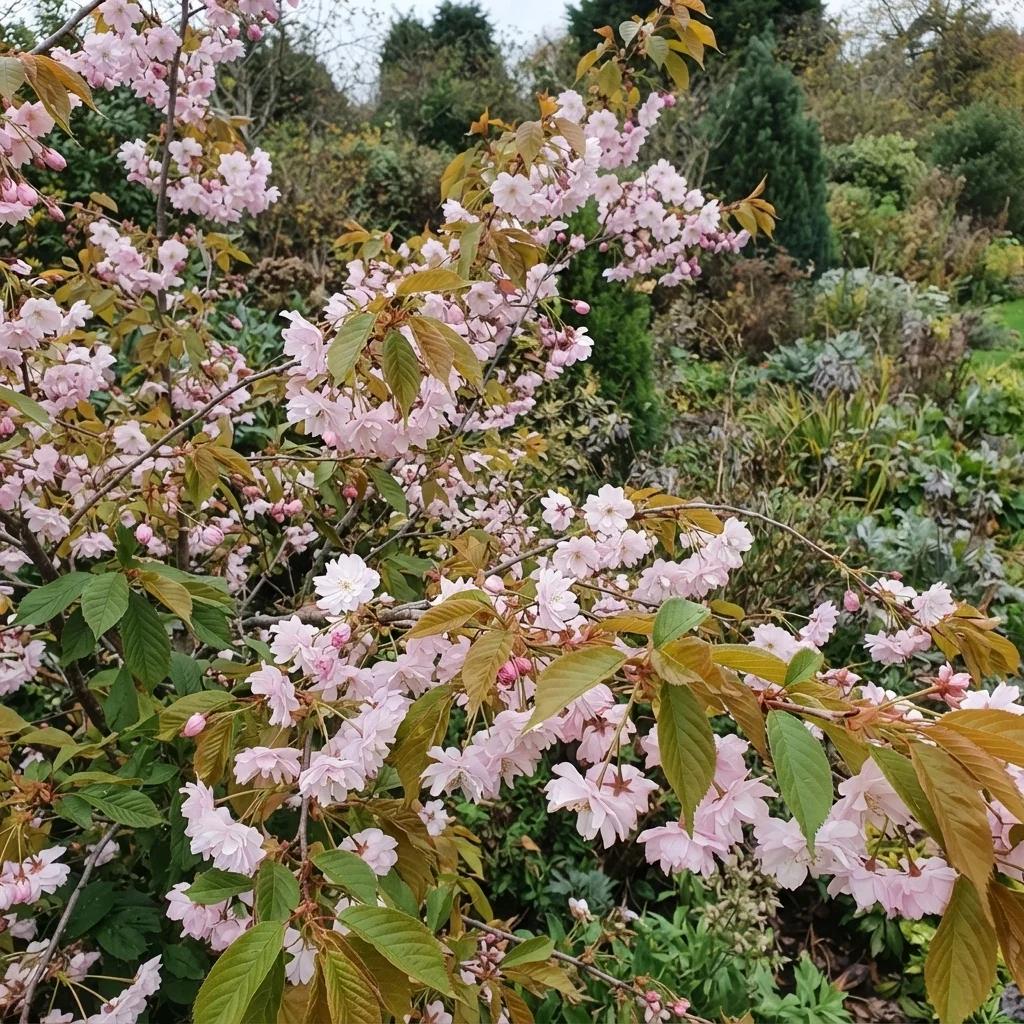
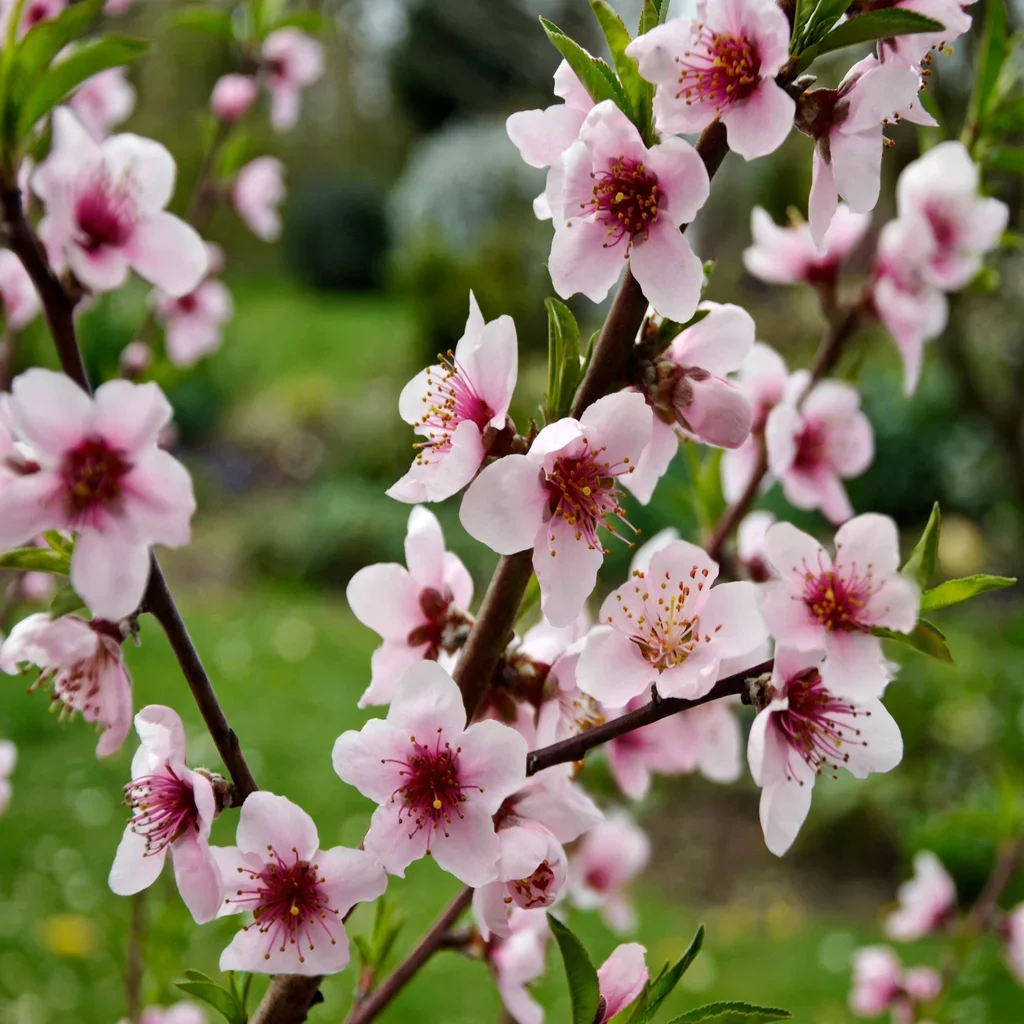
Prunus subhirtella, Higan cherry, is a deciduous flowering cherry native to Japan, reaching forty to fifty feet with an erect spreading crown. Small pale pink to white cup-shaped flowers smother the bare branches in early spring, followed by doubly serrated leaves and pea-sized black drupes that birds take quickly.
It is the longest-lived and most cold-hardy of the ornamental cherries, and the autumn-flowering forms open a scattering of blossom in mild spells from November onward as well as their main spring display. Weeping selections are far more commonly sold than the upright species, and behave quite differently.
Uses & Benefits:
Essentials
At a Glance
Plant Type
Tree
Height
540"
Width
360"
Light
Full Sun
Zones
5, 6, 7, 8
Water
Moderate
Humidity
Moderate
Lifespan
Perennial
Native To
Japan
Toxicity
Non-toxic
Marketplace
Where to Buy
Shipping costs Year-round shipping Free shipping
Planting
How to Grow
- Plant in autumn or early spring in moist, well-drained soil.
- Choose full sun for the heaviest flowering.
- Allow twenty to forty feet of spread for the species.
- Water through the first two seasons.
- Prune only after flowering, and minimally.
- Avoid wounding the trunk, which invites canker.
Pro Tip
Prune as little as possible and only after flowering — ornamental cherries respond badly to heavy cuts and canker enters through large wounds.
Keep It Thriving
Care Guide
Do
- Plant in full sun for best bloom ☀️
- Prune lightly, after flowering ✂️
- Give it room; the species is a large tree 🌳
- Keep mowers away from the trunk 🚫
Don't
- Prune hard or in winter ❌
- Wound the trunk ❌
- Confuse the weeping form with the upright species ❌
Seasonal Care Calendar
| Task | Jan | Feb | Mar | Apr | May | Jun | Jul | Aug | Sep | Oct | Nov | Dec |
|---|---|---|---|---|---|---|---|---|---|---|---|---|
| Monitor | ||||||||||||
| Prune |
Watch Out For
Pests & Diseases
Common Pests
Common Diseases
In the Garden
Landscape Uses & Companions
Landscape Uses
Companion Plants
Multiply
Propagation Methods
Good to Know
Common Questions
Higan Cherry questions
What zones can Higan Cherry grow in?
Higan Cherry is hardy in USDA Zones 5–8. Inside that range it survives winter in the ground; outside it, grow it as an annual or a container plant you protect.
Is Higan Cherry deer resistant?
Not reliably. Deer may browse Higan Cherry, especially tender spring growth — plan on repellents or fencing where pressure is high.
When does Higan Cherry bloom?
Higan Cherry typically blooms in early spring through mid-spring. Exact timing shifts a week or two with your zone — Sow's bloom calendar maps it to your garden.
Does Higan Cherry need full sun?
Higan Cherry does best in full sun (6+ hours).
More Prunus to compare
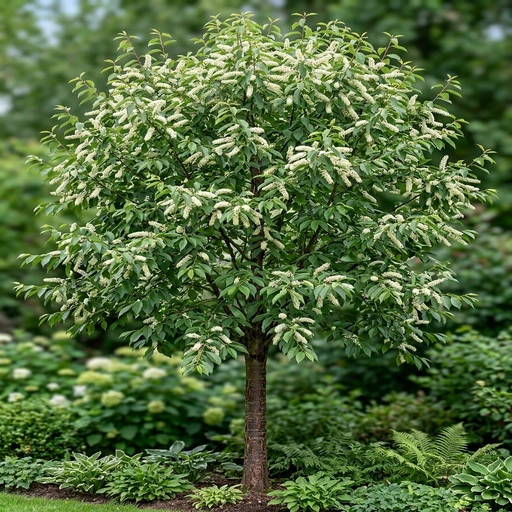
Black Cherry
Prunus serotina
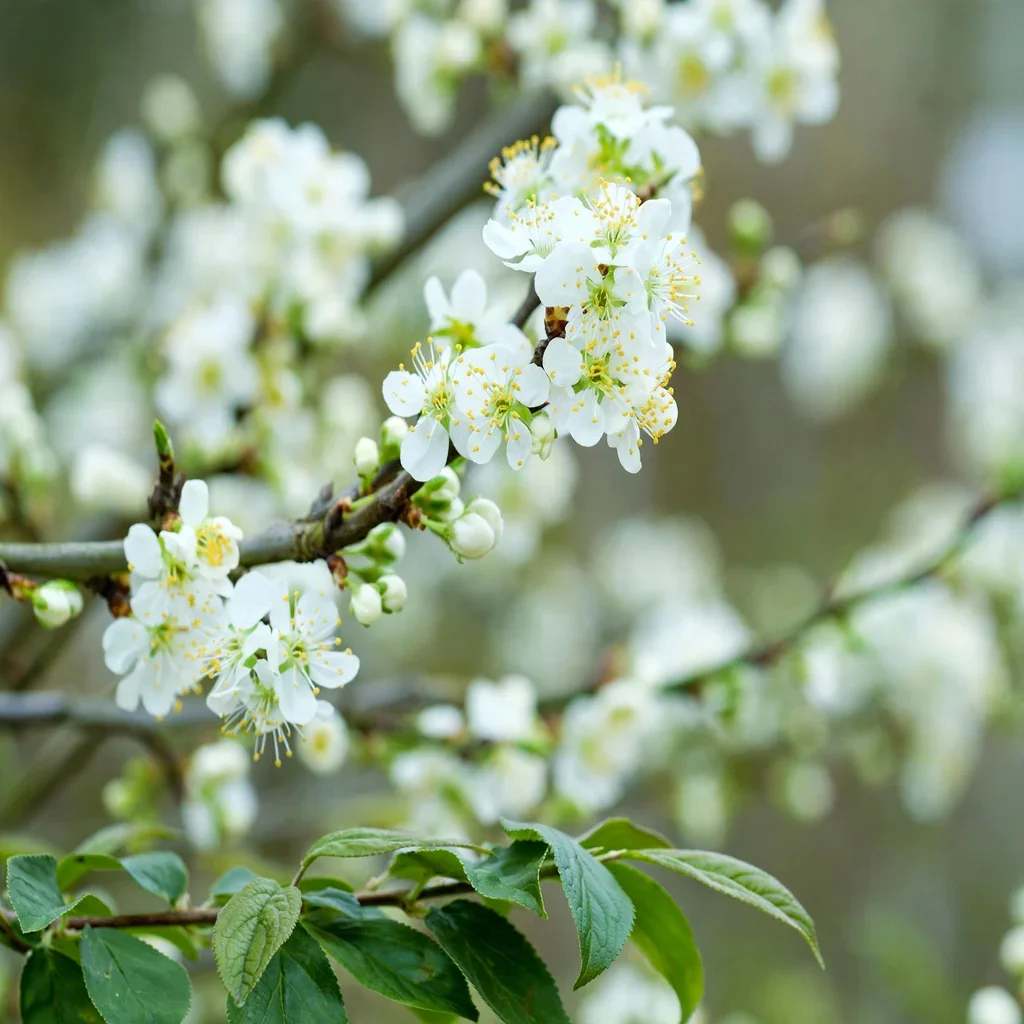
Sugar Plum
Prunus domestica 'Sugar Plum'
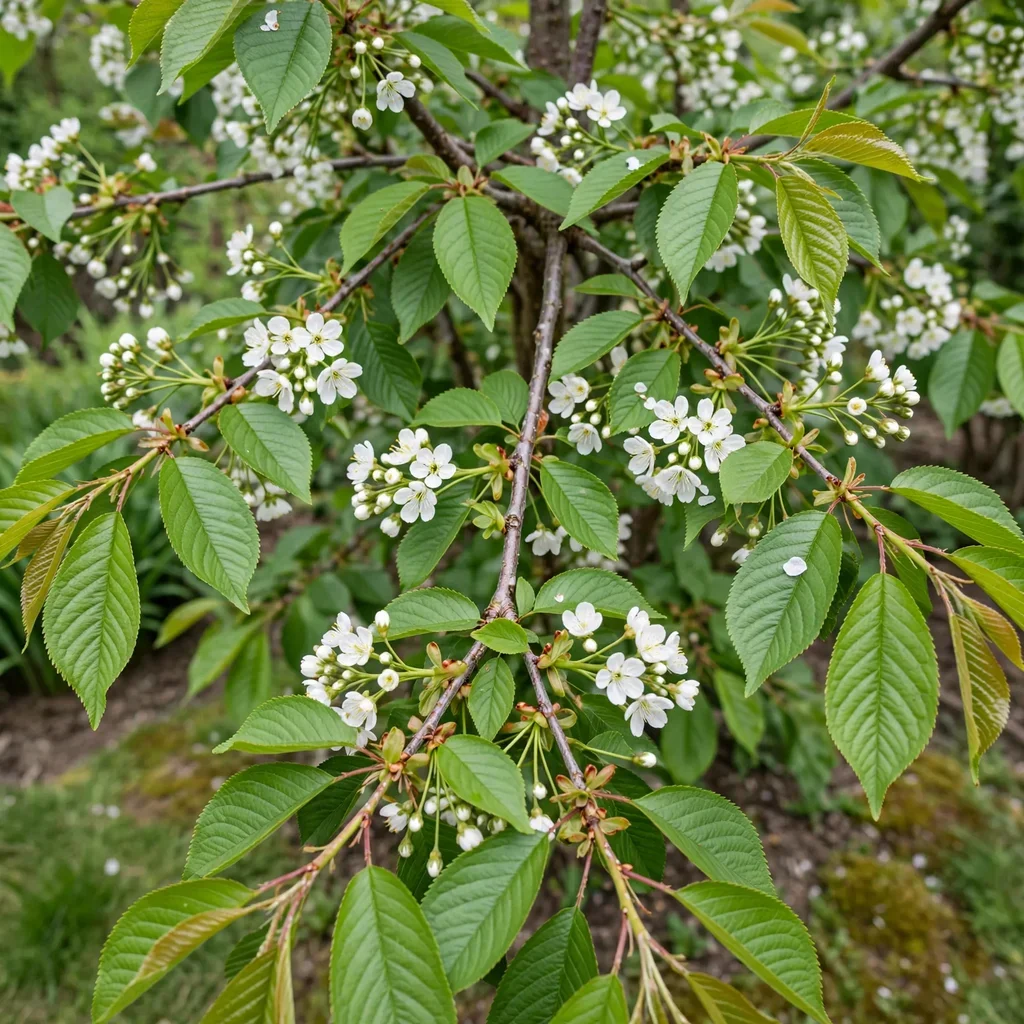
Sweet Cherry
Prunus avium 'Mix'
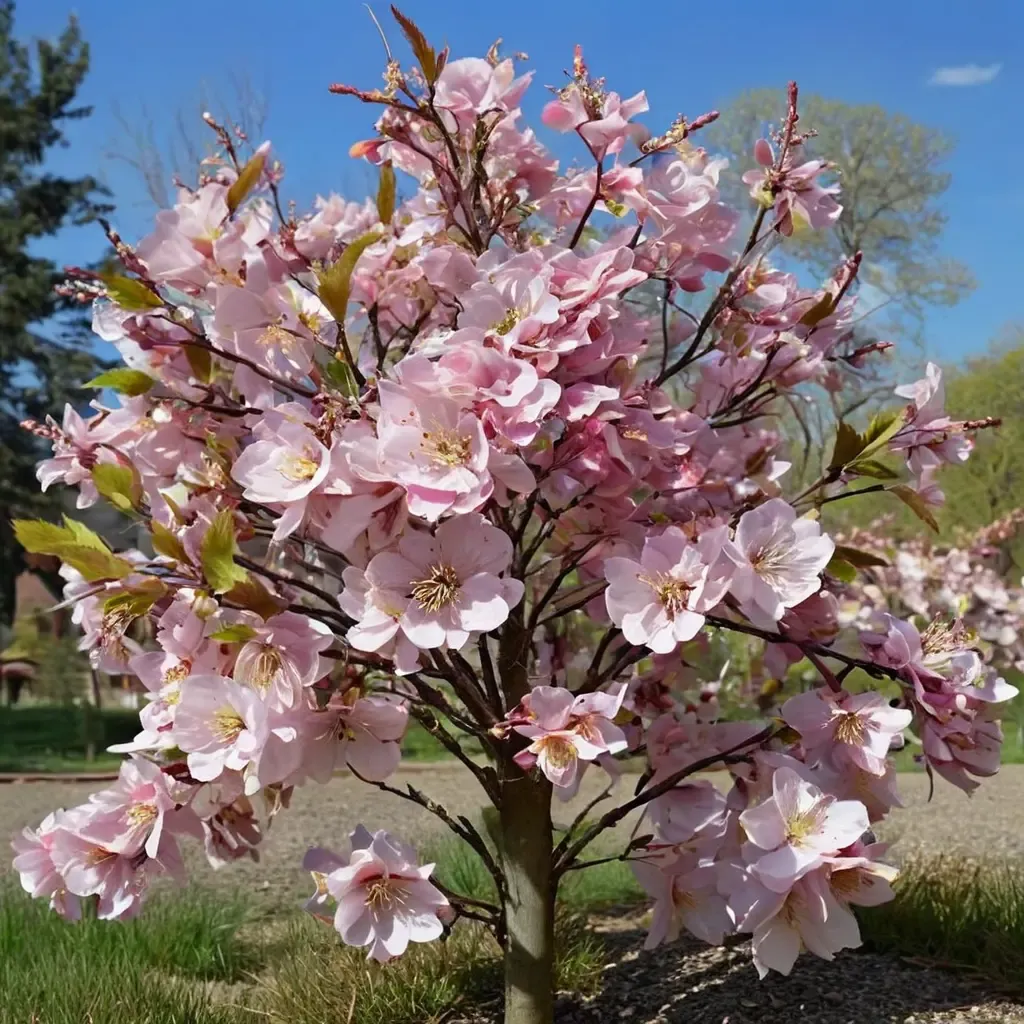
Japanese Flowering Cherry
Prunus serrulata
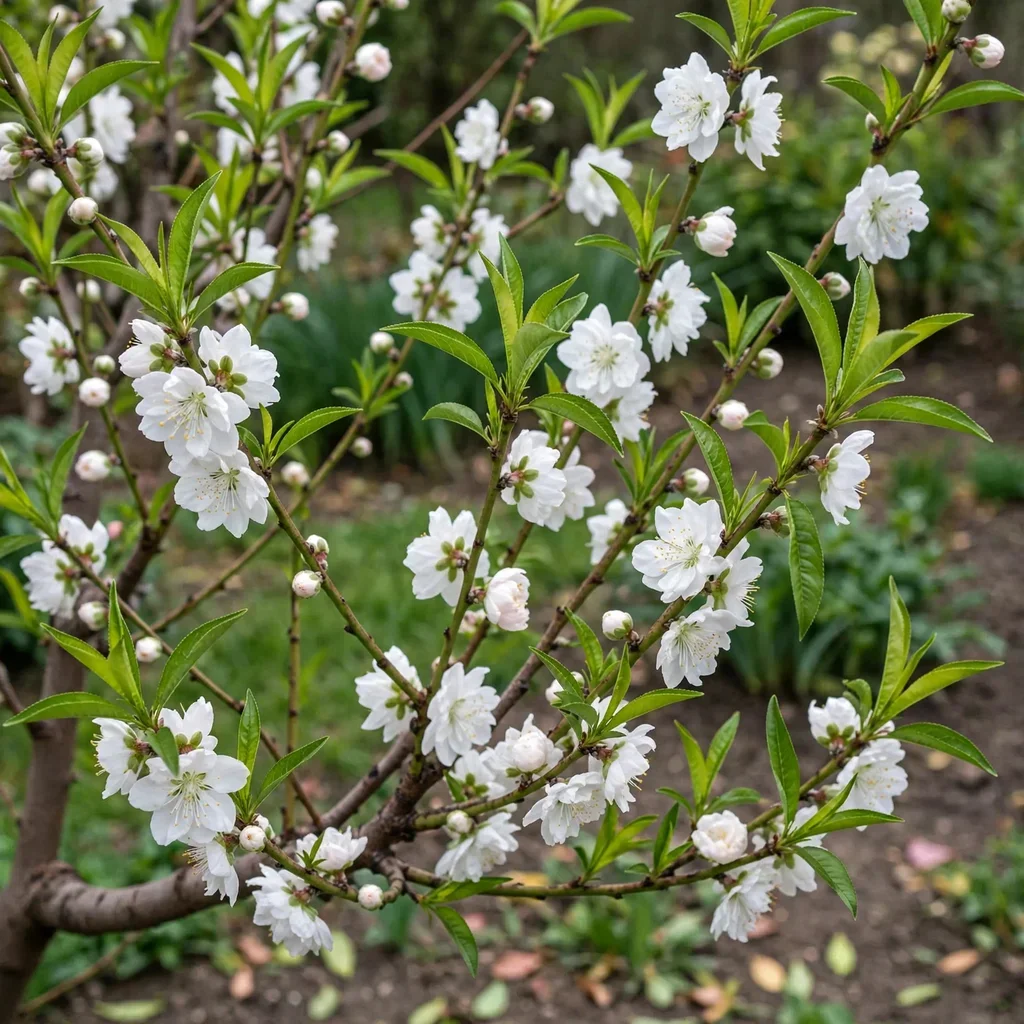
Feiching Tao White Peach
Prunus persica 'Feiching Tao White'
Hale Haven Peach
Prunus persica 'Hale Haven'
Keep exploring
Explore the genus
Hardy in your zone?
Grow Higan Cherry with confidence
See it in a design of your actual yard, get zone-matched care reminders, and track it season by season in your garden journal.