The Story
Plant Bio
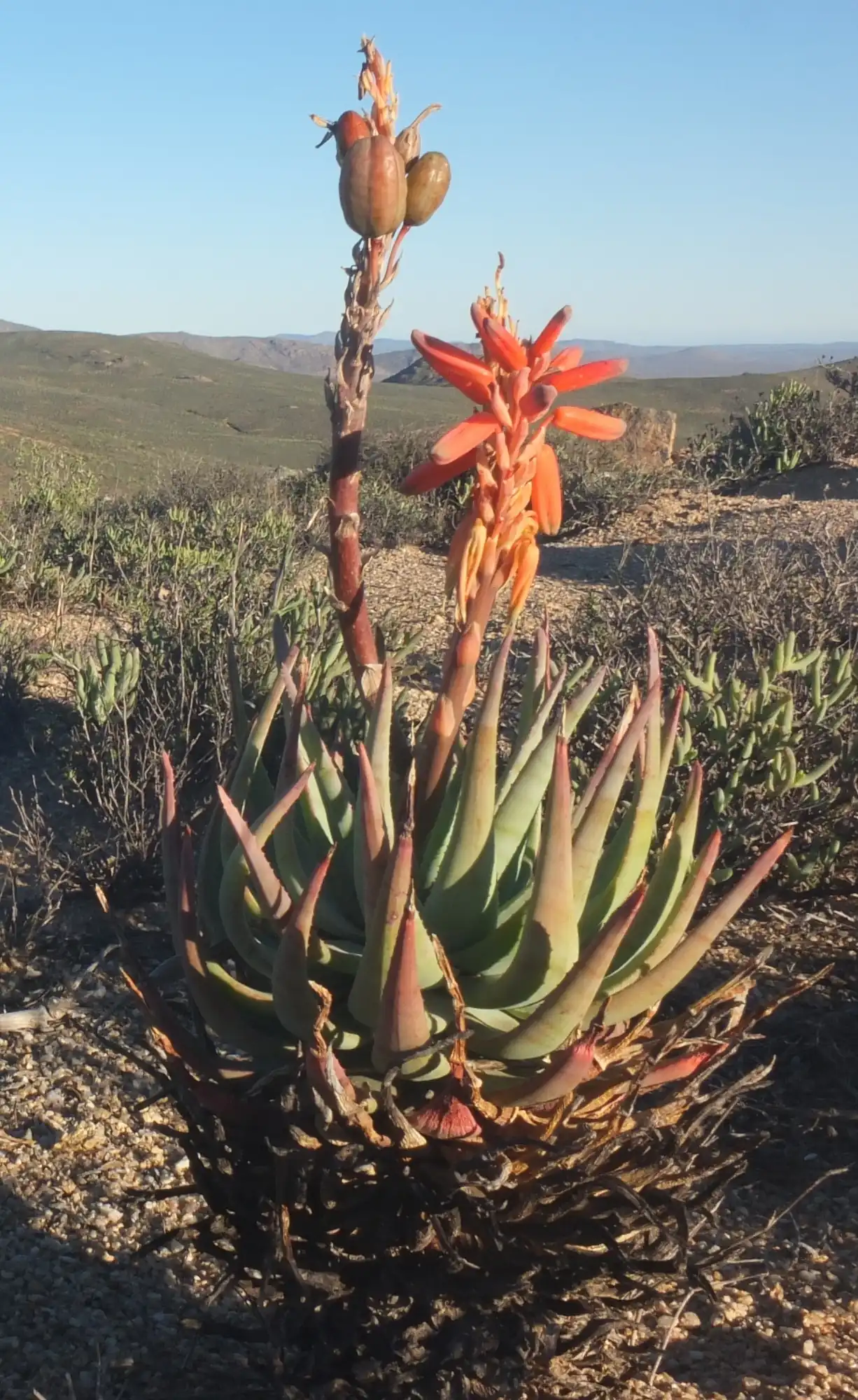
Aloe krapohliana is a dwarf stemless aloe forming a ground-level rosette to about ten inches tall, solitary or slowly clumping to a dense cluster. The short fleshy leaves store water and fold inward and flush reddish brown under heat and drought stress.
This species is distinguished by grey-green to blue-green leaves banded with grey-brown transverse stripes and edged with minute white teeth, without spots or sharp spines. Each rosette sends up to six short, simple or twice-branched stalks in winter carrying dense oblong racemes of dull red tubular flowers tipped greenish yellow.
Uses & Benefits:
Essentials
At a Glance
Plant Type
Cactus Succulent
Height
10"
Width
8"
Light
Full Sun, Partial Sun
Zones
9, 10
Water
Very low
Humidity
Low, needs dry air
Lifespan
Perennial, often short-lived outside habitat
Native To
Namaqualand, South Africa
Toxicity
Unknown, no sharp spines
Bloom period
Winter
In flower about 3 months of the year
Planting
How to Grow
- Plant in full sun to light shade in a rock garden crevice or shallow clay pot with extra drainage holes.
- Use a very gritty, stony sandy mix and set the crown slightly high so water runs away from the leaves.
- Water only during cool fall to winter growth and then sparingly, letting the mix dry completely between waterings.
- Keep completely dry through hot summer dormancy except for an occasional light mist in extreme heat.
- Protect from hard freeze below 22F by moving pots under cover or covering in-ground plants with frost cloth.
Pro Tip
Keep it on a winter-rainfall cycle with dry hot summers and very sharp drainage; summer water rots the crown even when the soil looks dry.
Keep It Thriving
Care Guide
Do
- Give maximum light and air movement with sharp drainage around the crown.
- Remove spent flower stalks at the base after winter bloom.
- Feed established plants sparingly with dilute organic fertilizer during cool-season growth.
Don't
- Do not water in summer or leave the pot sitting in a saucer of water.
- Do not plant in rich moisture-retentive soil or heavy clay.
- Do not cut leaves or divide the rosette to tidy it; overhandling invites rot.
Seasonal Care Calendar
| Task | Jan | Feb | Mar | Apr | May | Jun | Jul | Aug | Sep | Oct | Nov | Dec |
|---|---|---|---|---|---|---|---|---|---|---|---|---|
| Deadhead | ||||||||||||
| Fertilize | ||||||||||||
| Pest Check | ||||||||||||
| Propagate | ||||||||||||
| Winter Prep |
Watch Out For
Pests & Diseases
Common Pests
Common Diseases
In the Garden
Landscape Uses & Companions
Landscape Uses
Companion Plants
Multiply
Propagation Methods
Good to Know
Common Questions
Krapohl's Aloe questions
What zones can Krapohl's Aloe grow in?
Krapohl's Aloe is hardy in USDA Zones 9–10: in that range it survives winter in the ground. Colder than Zone 9, grow it in a container you can move to shelter for the winter, or as an annual.
When does Krapohl's Aloe bloom?
Krapohl's Aloe typically blooms in winter. Exact timing shifts a week or two with your zone — Sow's bloom calendar maps it to your garden.
Does Krapohl's Aloe need full sun?
Krapohl's Aloe does best in full sun to part shade. In hot climates, afternoon shade keeps blooms fresher longer.
Is Krapohl's Aloe drought tolerant?
Yes — once established (usually after the first full season), Krapohl's Aloe handles dry spells with minimal watering. Water deeply its first year to build the root system that makes that possible.
More Aloe to compare
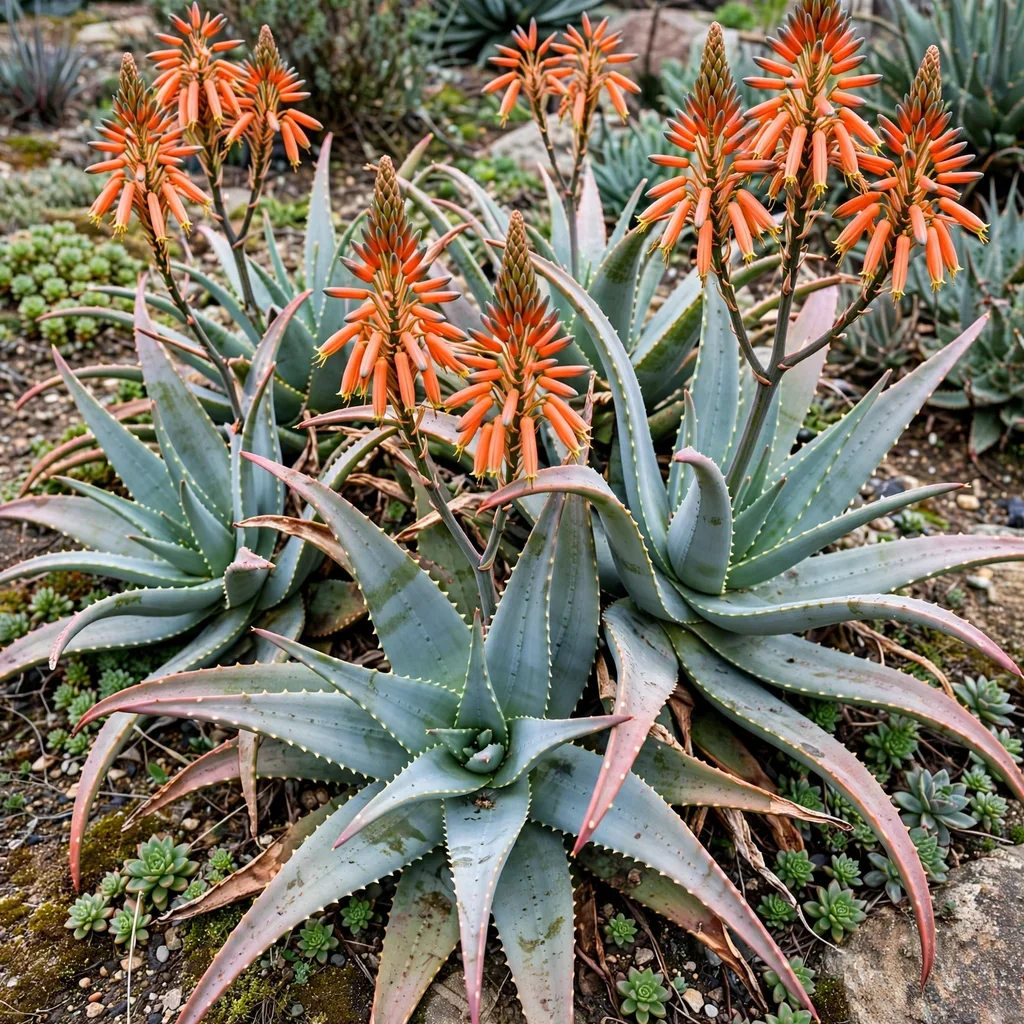
Compton's Aloe
Aloe comptonii
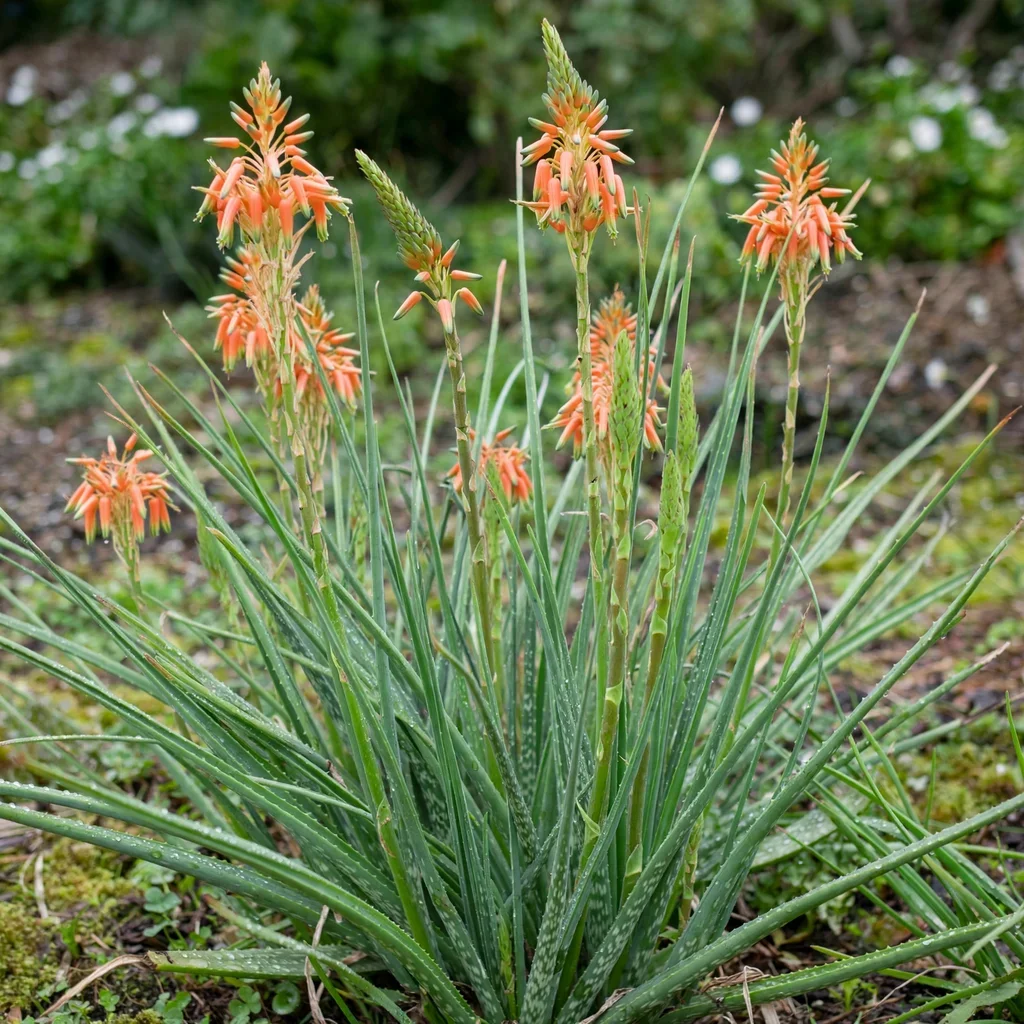
Cooper's Aloe
Aloe cooperi
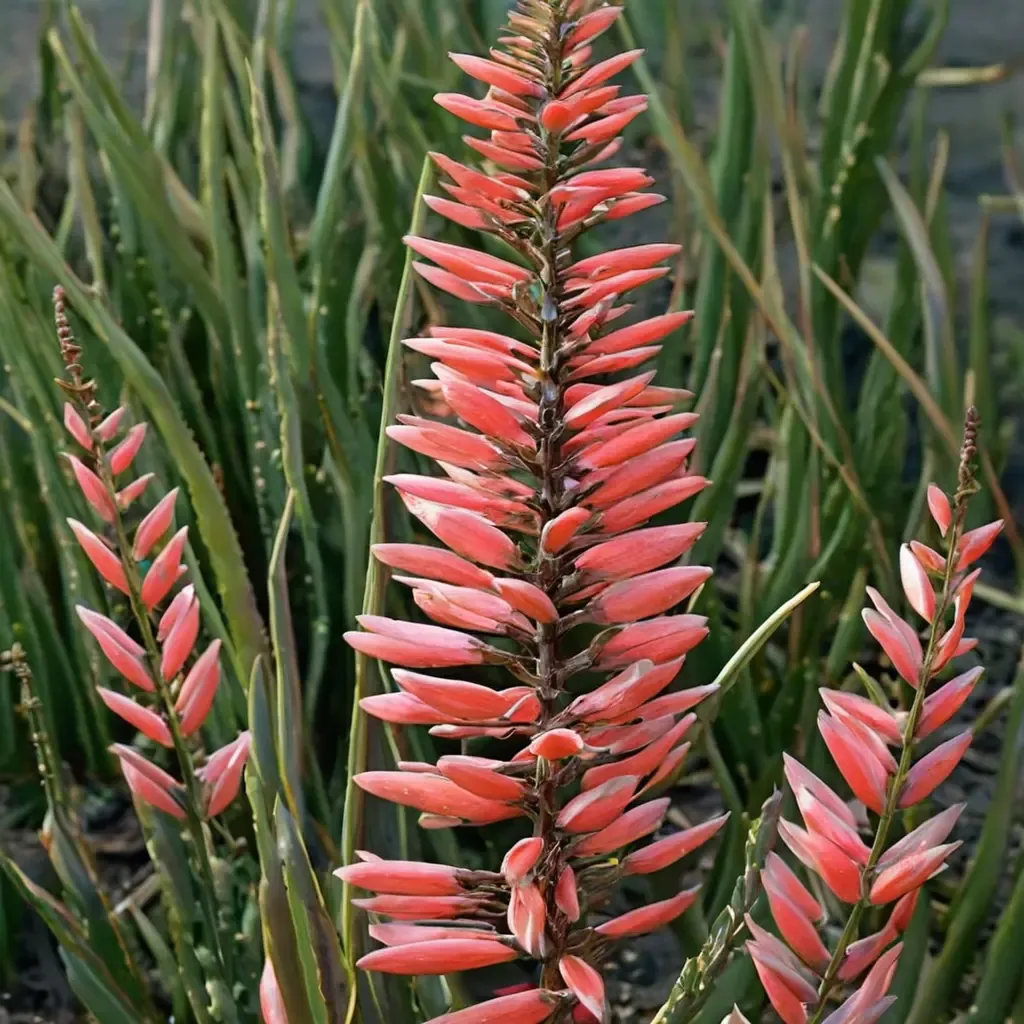
Safari Rose Aloe
Aloe vera 'Safari Rose'
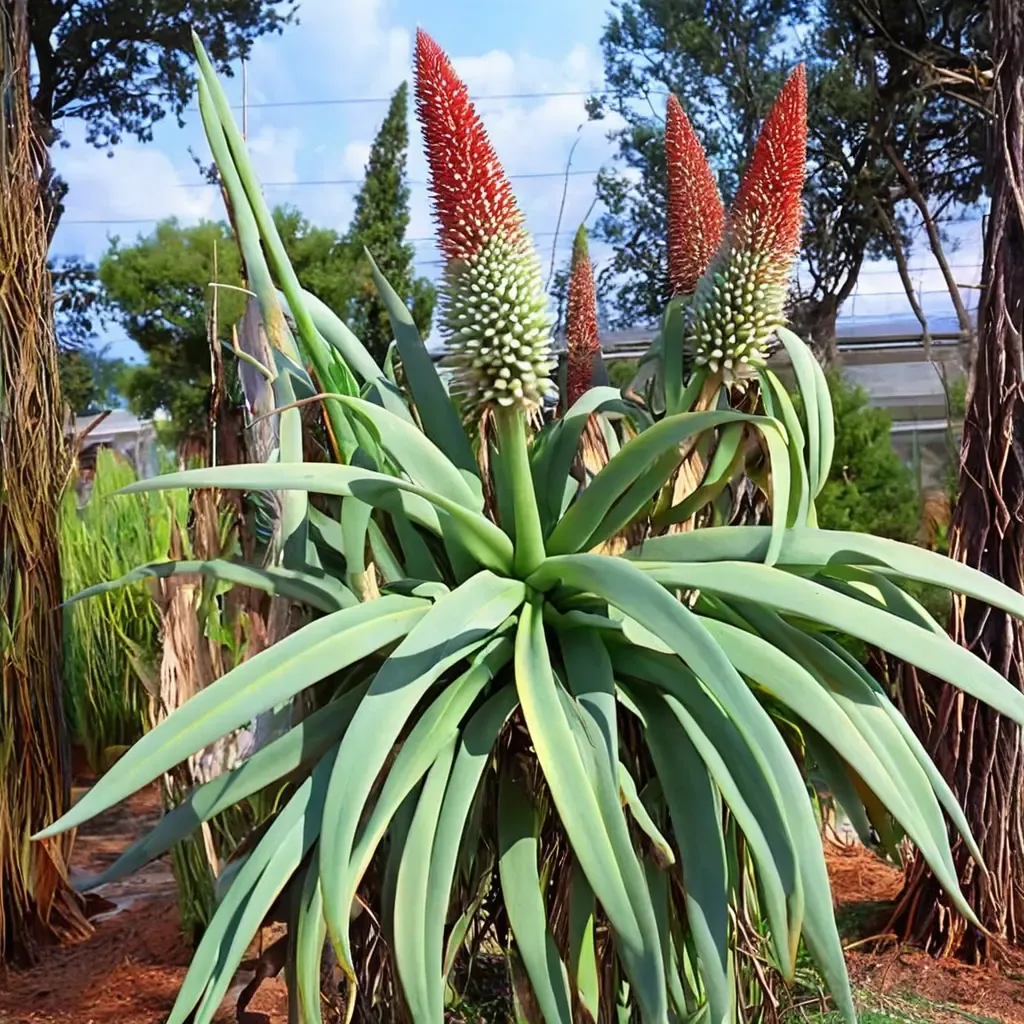
Tilt-Head Aloe
Aloe speciosa 'Tilt-Head Aloe'
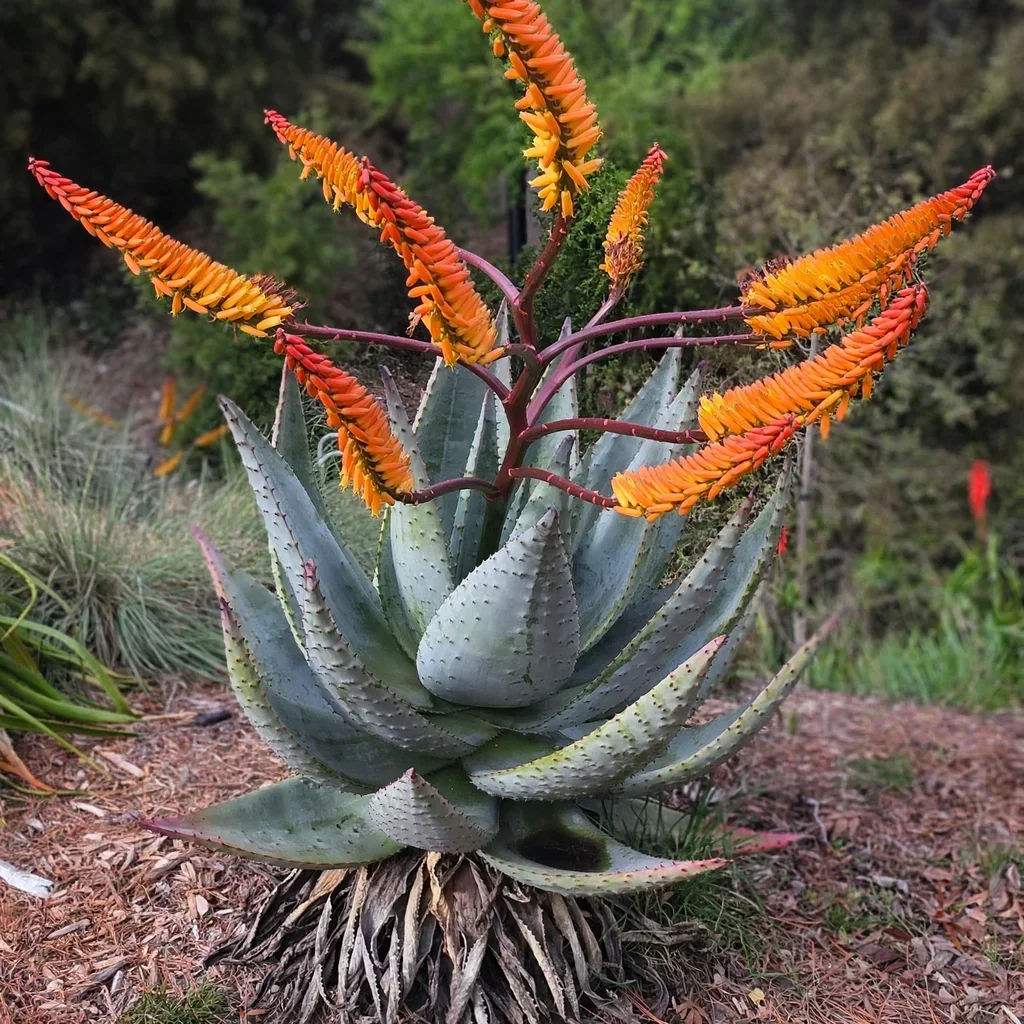
Mountain Aloe
Aloe marlothii 'Flat Flowered Aloe'
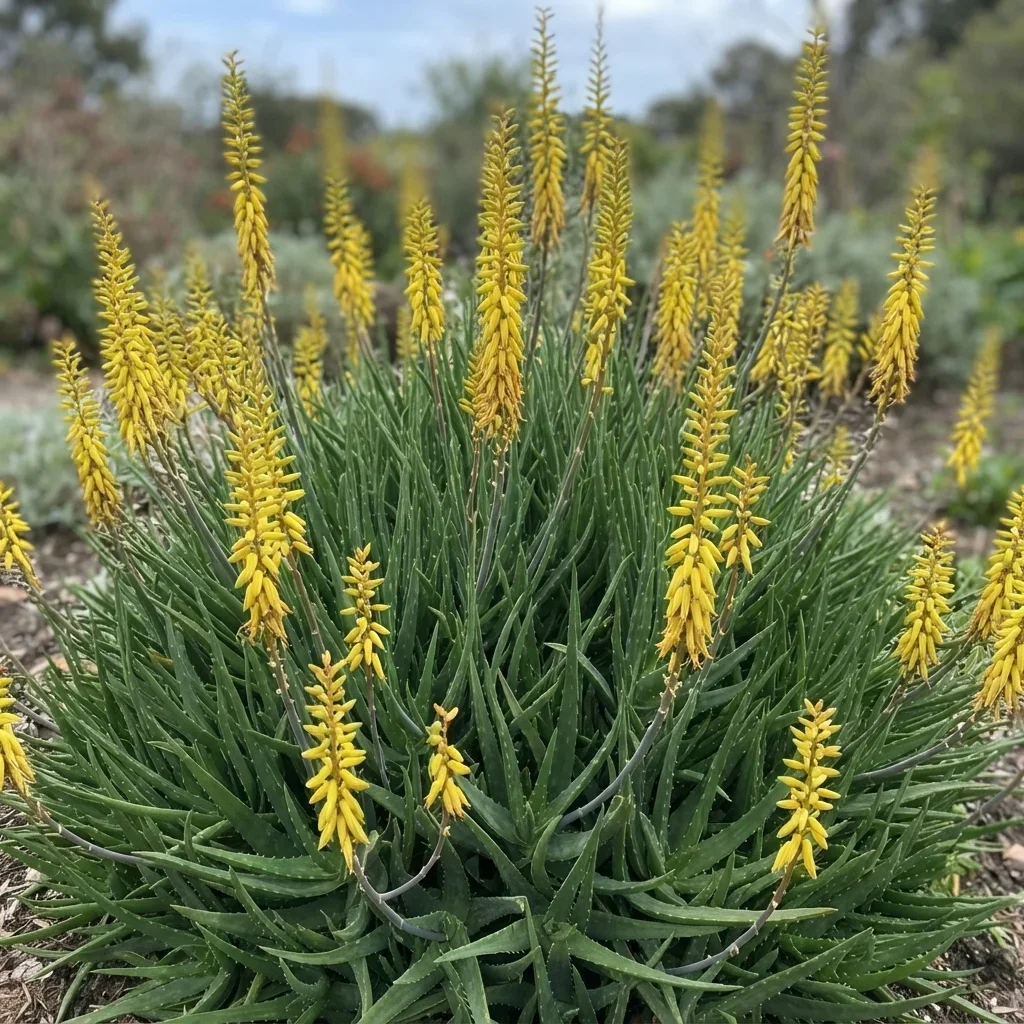
Fence Aloe
Aloe tenuior 'Fence Aloe'
Keep exploring
Explore the genus
Hardy in your zone?
Grow Krapohl's Aloe with confidence
See it in a design of your actual yard, get zone-matched care reminders, and track it season by season in your garden journal.