The Story
Plant Bio
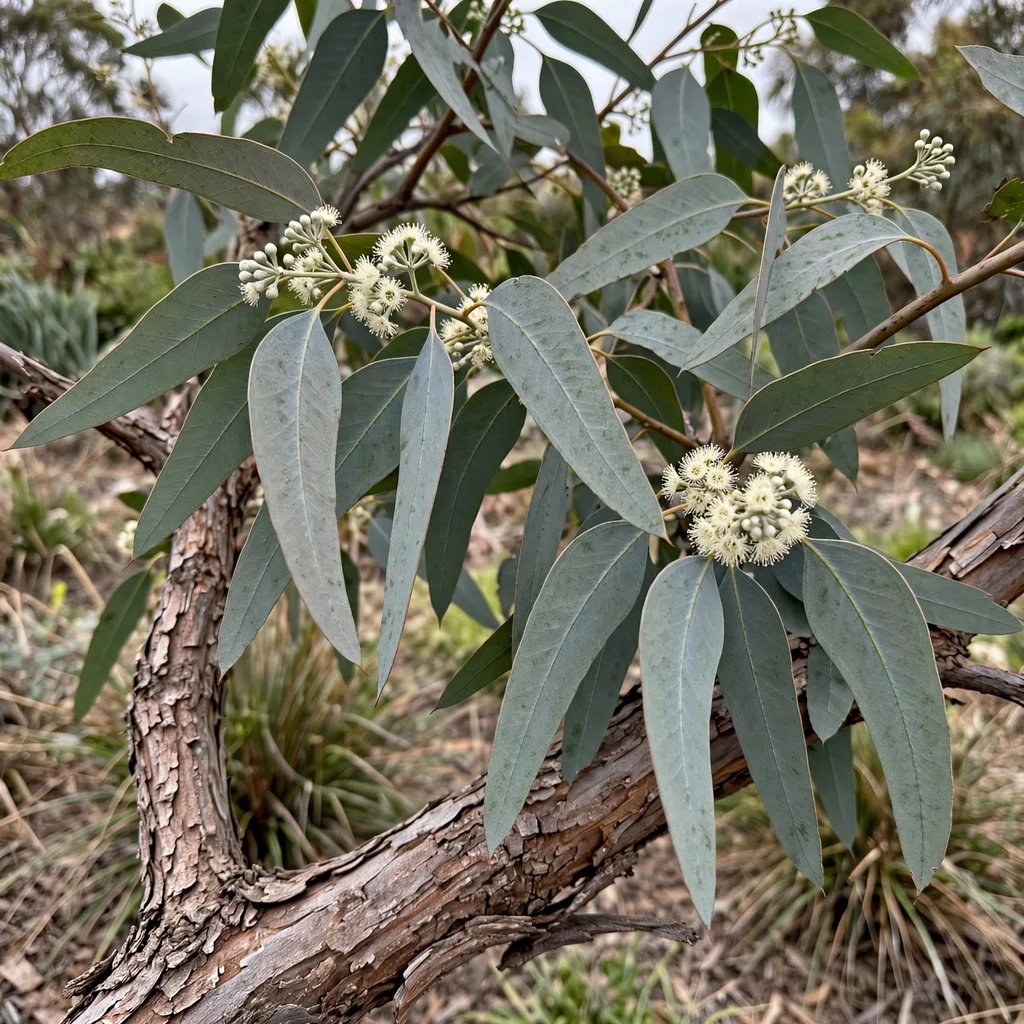
Eucalyptus microtheca is an evergreen Australian tree reaching 20 to 33 feet in gardens with a crooked single or multi-stemmed frame and a dense spreading crown. Adult leaves are narrow lance-shaped blue-green to gray-green and aromatic when crushed, while the trunk carries rough box-type bark that is deeply fissured and flaky.
It is set apart by tiny 4 to 6 millimeter buds borne seven to eleven to a stalk and ripening to small capped capsules in threes to fives, the little-cap character behind the name microtheca. It holds on alkaline clay subject to temporary flooding and tolerates heat, drought, soil salinity and Texas root rot where most eucalypts fail, but its fast crooked growth to 10 feet per year demands wide space.
Uses & Benefits:
Essentials
At a Glance
Plant Type
Tree
Height
394"
Width
315"
Light
Full Sun
Zones
8, 9, 10
Water
Low
Humidity
Low
Lifespan
Long-lived
Native To
Australia
Toxicity
Non-toxic
Bloom period
Summer
In flower about 3 months of the year
Planting
How to Grow
- Plant in full sun with at least 30 feet of clear space for the spreading crown.
- Dig into clay, loam or sand, including alkaline and seasonally wet ground, and set the root ball level with the soil surface.
- Water deeply through the first summer, then taper off; established trees handle drought and brief flooding.
- Feed lightly if at all; it grows on low-fertility alkaline soil without routine fertilizer.
- Prune only to remove crossing limbs or to favor one trunk, keeping cuts small and in the dry season.
Pro Tip
Give it full sun and room for a wide crooked crown, and select a single straight trunk at purchase if you want a shade tree rather than a multi-stemmed clump.
Keep It Thriving
Care Guide
Do
- Plant in full sun on clay or alkaline loam that drains after rain
- Water new trees deeply until established
- Leave wide clearance for the fast spreading crown
Don't
- Do not plant in a narrow street verge or under powerlines
- Do not cut back into old leafless wood
- Do not overwater once established
Seasonal Care Calendar
| Task | Jan | Feb | Mar | Apr | May | Jun | Jul | Aug | Sep | Oct | Nov | Dec |
|---|---|---|---|---|---|---|---|---|---|---|---|---|
| Mulch | ||||||||||||
| Pest Check | ||||||||||||
| Plant | ||||||||||||
| Prune |
Watch Out For
Pests & Diseases
Common Pests
Common Diseases
In the Garden
Landscape Uses & Companions
Landscape Uses
Multiply
Propagation Methods
Good to Know
Common Questions
Coolibah questions
What zones can Coolibah grow in?
Coolibah is hardy in USDA Zones 8–10: in that range it survives winter in the ground. Colder than Zone 8, winters are too cold for it to survive outdoors.
When does Coolibah bloom?
Coolibah typically blooms in summer. Exact timing shifts a week or two with your zone — Sow's bloom calendar maps it to your garden.
Does Coolibah need full sun?
Coolibah does best in full sun (6+ hours).
Is Coolibah drought tolerant?
Yes — once established (usually after the first full season), Coolibah handles dry spells with minimal watering. Water deeply its first year to build the root system that makes that possible.
More Eucalyptus to compare
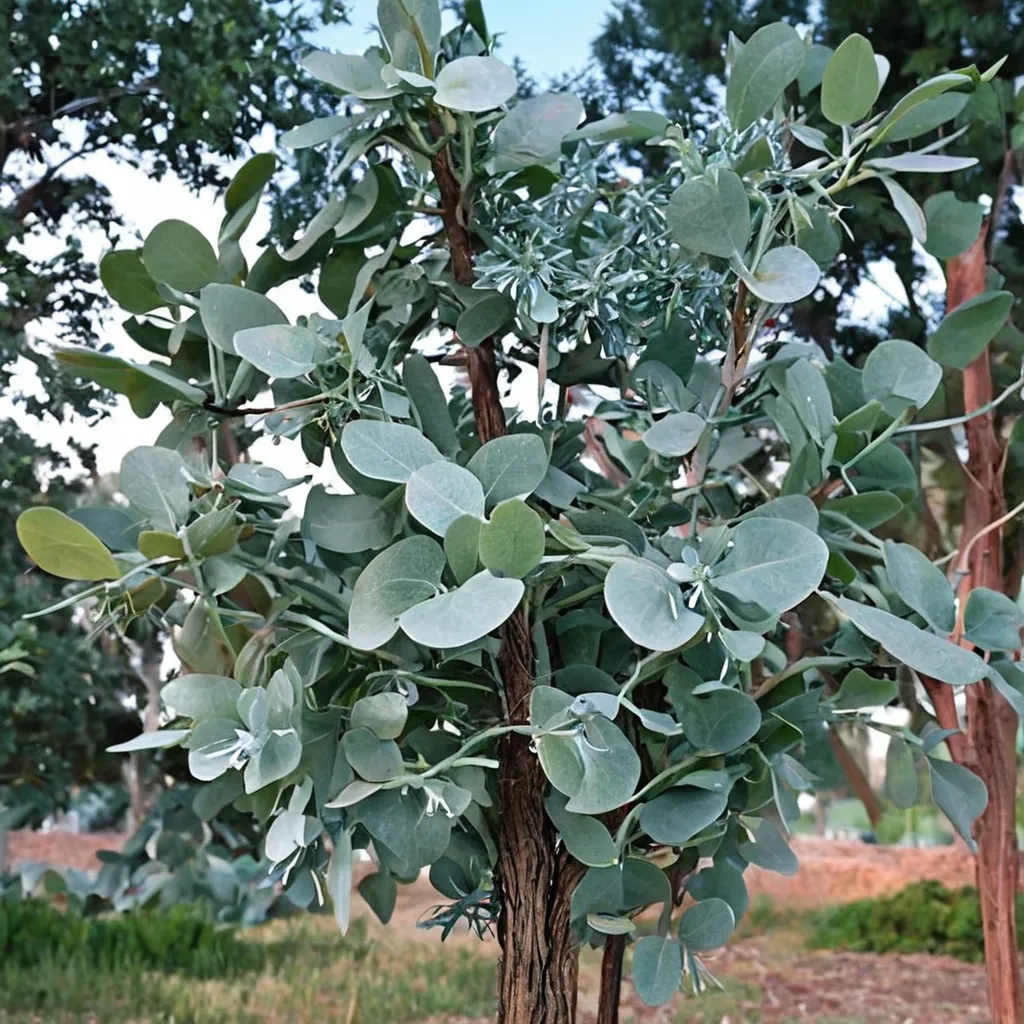
Silver Dollar Eucalyptus
Eucalyptus cinerea
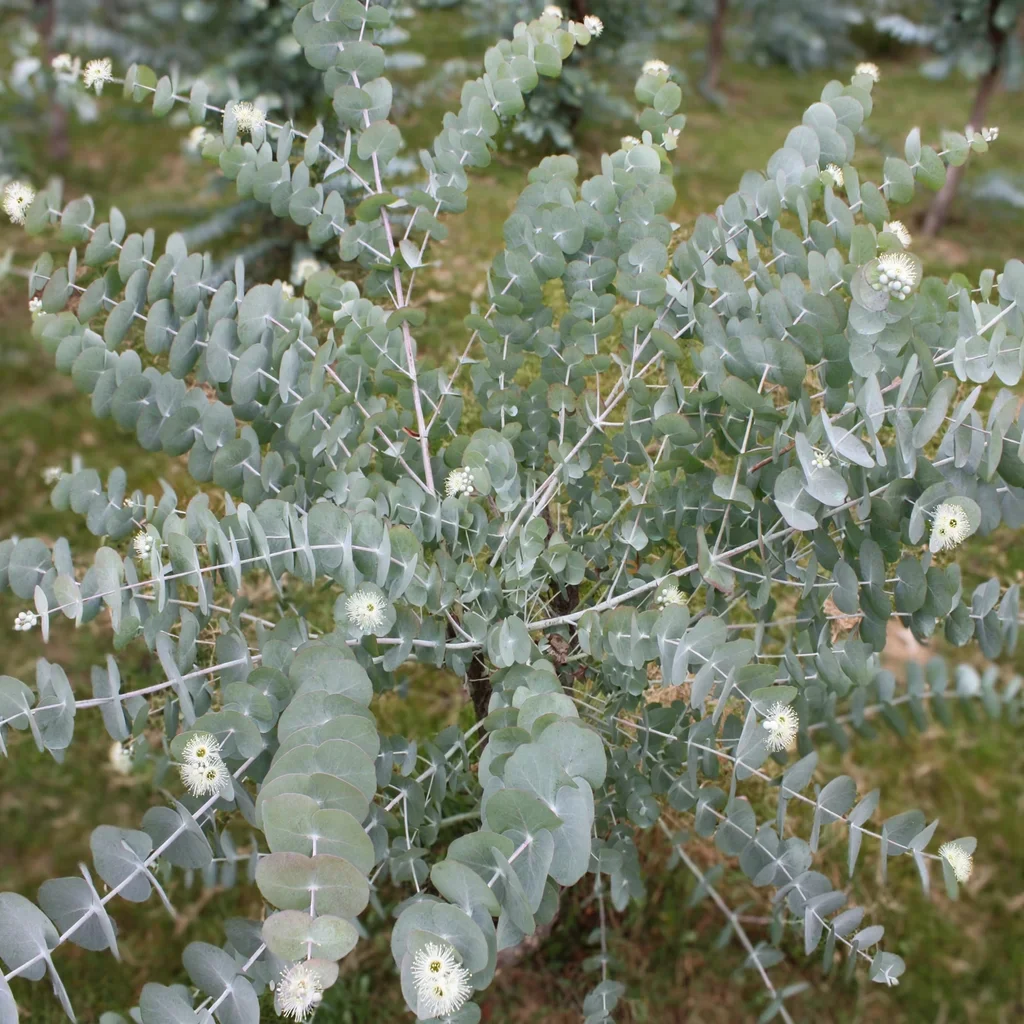
Silver Dollar Tree
Eucalyptus cinerea 'Silver Dollar Tree'
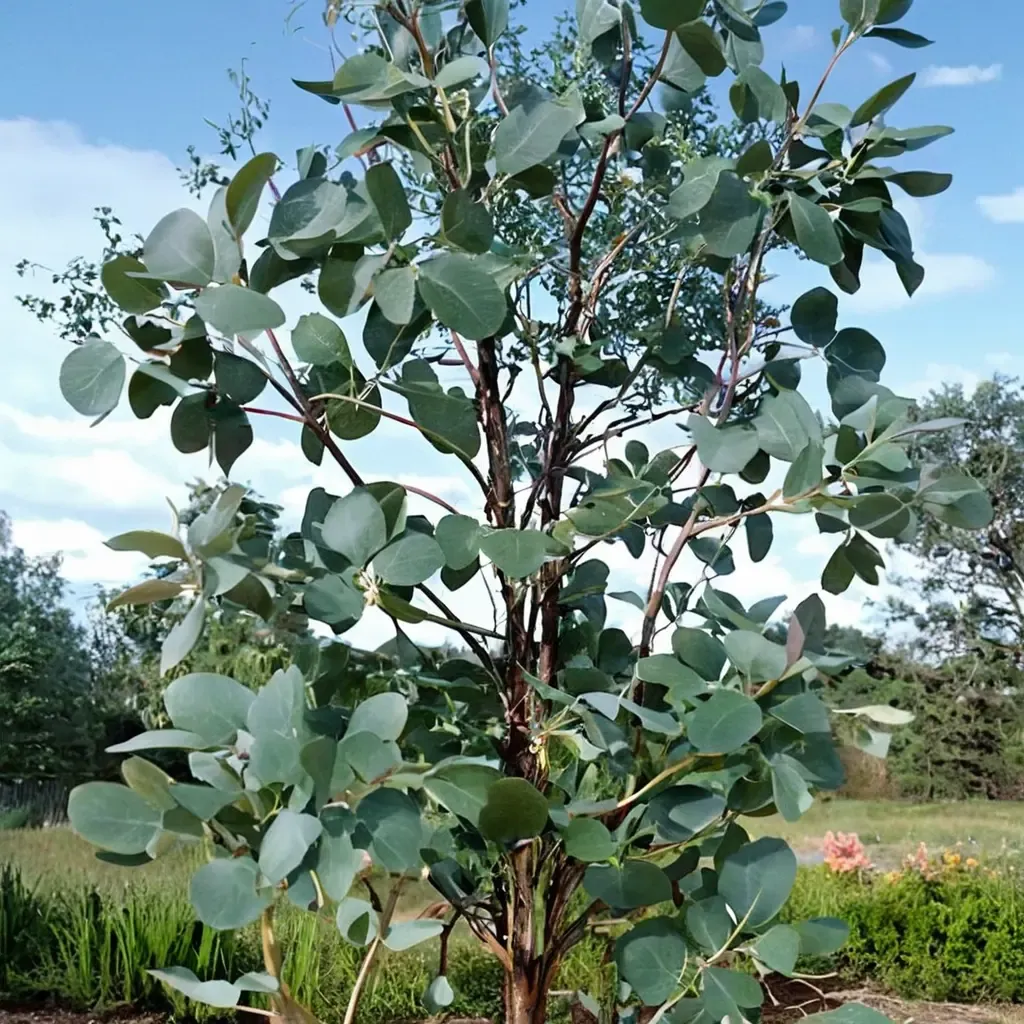
Omeo Gum
Eucalyptus neglecta
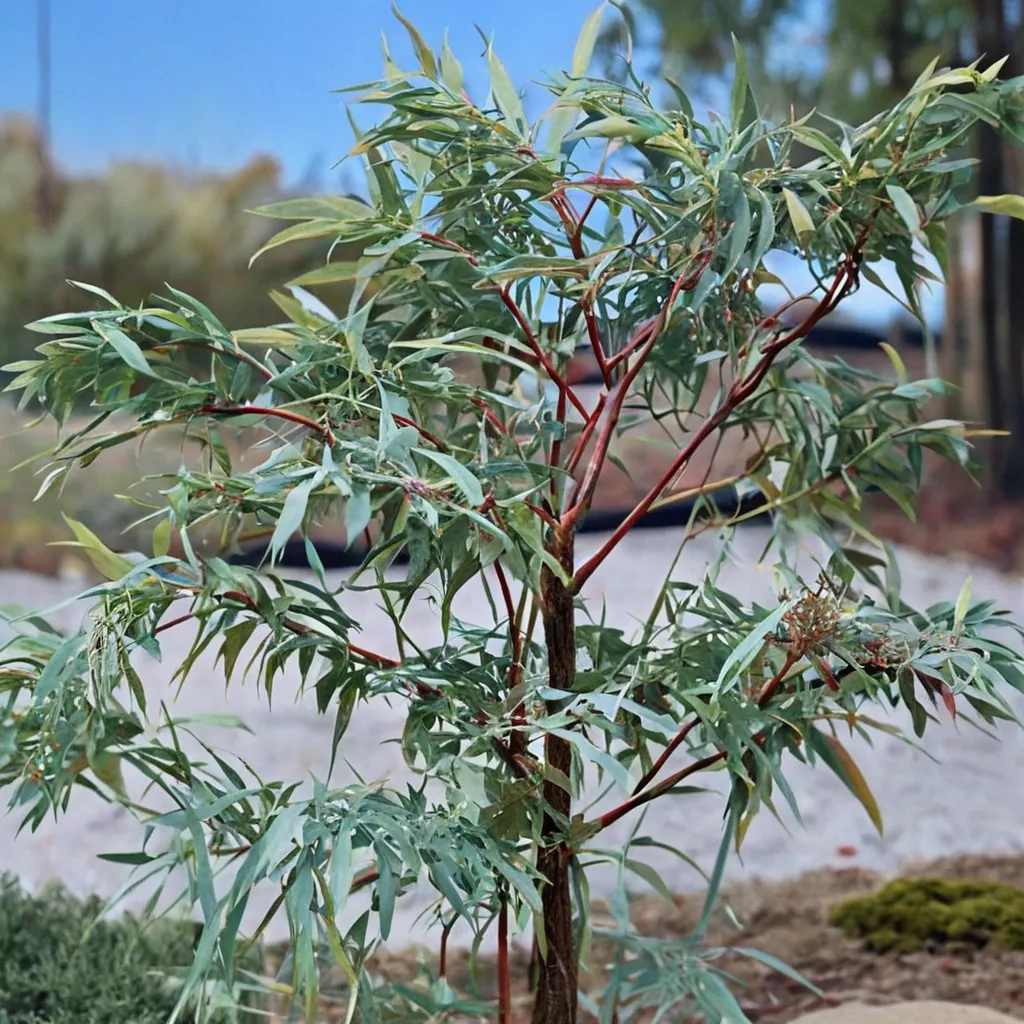
Narrow-leaved Peppermint Eucalyptus
Eucalyptus nicholii
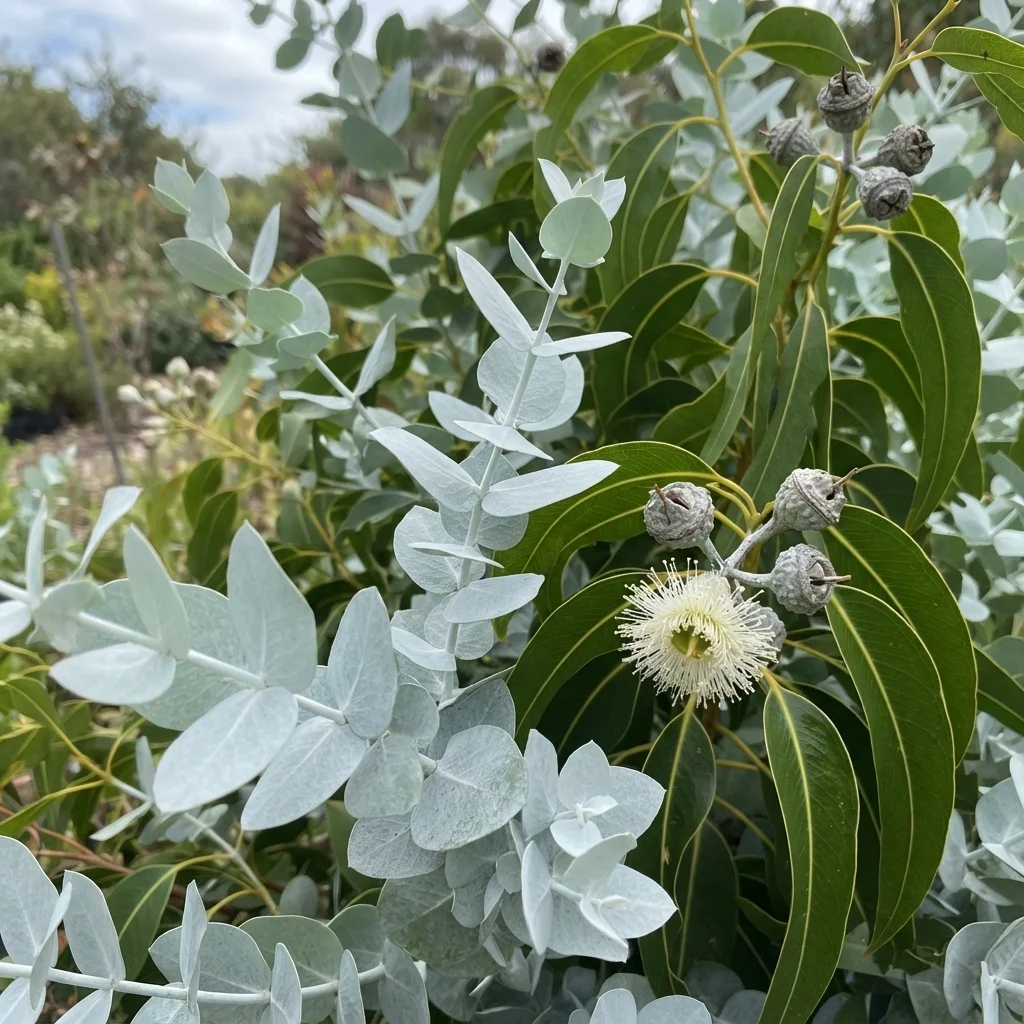
Tasmanian Blue Gum
Eucalyptus globulus
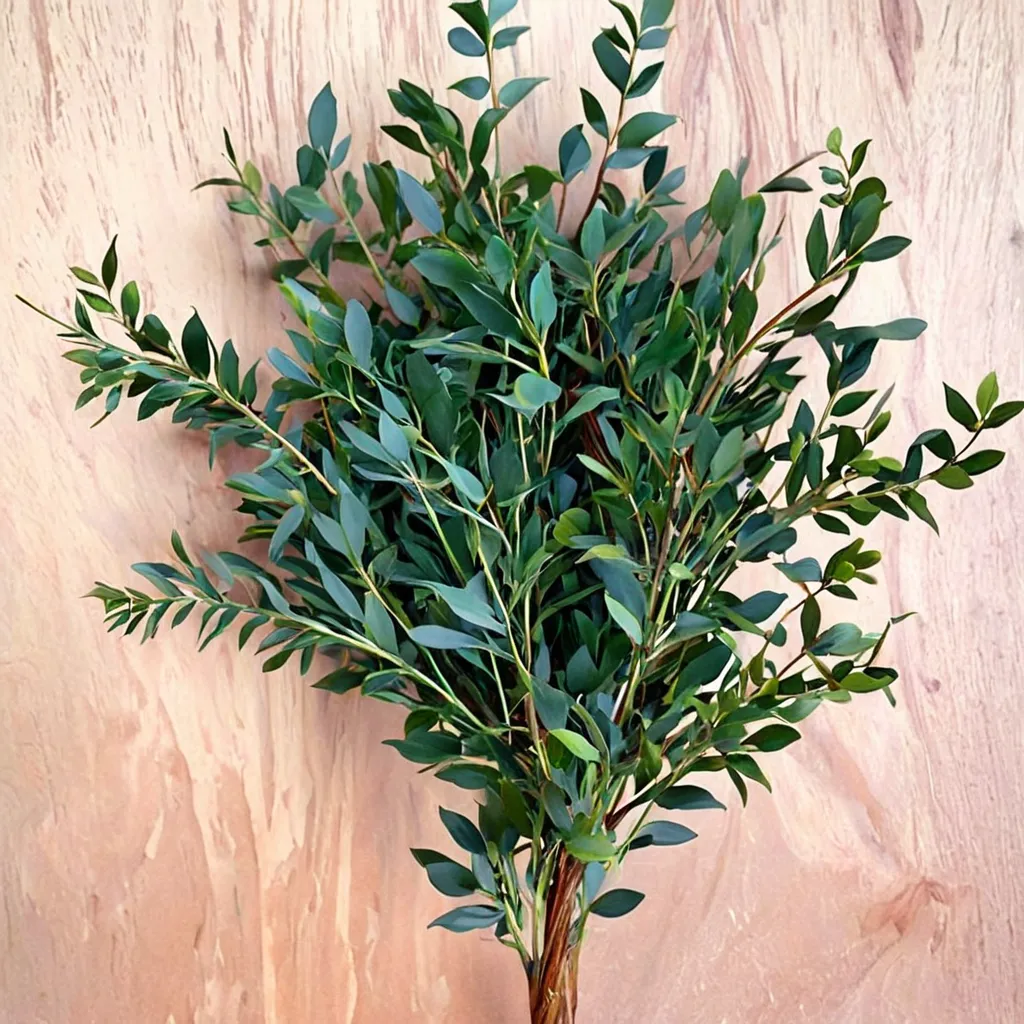
Small-leaved Gum
Eucalyptus parvula
Keep exploring
Explore the genus
Hardy in your zone?
Grow Coolibah with confidence
See it in a design of your actual yard, get zone-matched care reminders, and track it season by season in your garden journal.