
The Story
Plant Bio
Phlomis chrysophylla, Jerusalem sage, is a small rounded evergreen shrub from rocky open ground in Lebanon, Syria and Palestine, woody at the base with upright stems forming a mound to about three feet high and four feet wide. The sage-like ovate leaves reach about two inches long with a woolly texture, and hooded tubular flowers are carried in dense whorls in the upper leaf axils in early summer.
New growth emerges golden-yellow and holds its color best in full sun on poor free-draining soil, ageing to lime and yellow-green. The flowers are golden-yellow hoods about an inch long, opening in the leaf whorls from early summer into summer.
Uses & Benefits:
Essentials
At a Glance
Plant Type
Shrub
Height
36"
Width
47"
Light
Full Sun
Zones
6, 7, 8, 9, 10
Water
Low
Humidity
Low
Lifespan
Long-lived shrub
Native To
Lebanon, Syria, Palestine
Toxicity
Unknown - no toxicity reported
Bloom period
Early summer – Summer
In flower about 3 months of the year
Planting
How to Grow
- Plant in full sun in a sheltered spot with open air movement.
- Set into poor to moderately fertile free-draining sand, chalk or loam; mound up if drainage is doubtful.
- Water in once, then water sparingly; established plants take long summer drought and wet feet kills faster than cold.
- Leave seed-heads standing through fall and winter; cut out dead wood in spring and trim lightly after flowering.
- Do not feed richly; lean soil holds the gold foliage color.
Pro Tip
Grow it hard in full sun and poor free-draining soil to hold the gold color; rich soil and shade turn it green and floppy, and wet soil kills it faster than frost. Trim lightly after flowering and never cut into old leafless wood.
Keep It Thriving
Care Guide
Do
- Grow in full sun on poor free-draining soil to hold gold foliage
- Leave seed-heads over winter for structure and bird food
- Cut out dead wood in spring and trim lightly after flowering
Don't
- Do not overwater or plant in heavy wet clay
- Do not shear like lavender or cut into old leafless wood
- Do not feed richly or shade; foliage turns green and floppy
Seasonal Care Calendar
| Task | Jan | Feb | Mar | Apr | May | Jun | Jul | Aug | Sep | Oct | Nov | Dec |
|---|---|---|---|---|---|---|---|---|---|---|---|---|
| Pest Check | ||||||||||||
| Plant | ||||||||||||
| Prune | ||||||||||||
| Spring Cleanup | ||||||||||||
| Winter Prep |
Watch Out For
Pests & Diseases
Common Pests
Common Diseases
In the Garden
Landscape Uses & Companions
Landscape Uses
Companion Plants
Multiply
Propagation Methods
Good to Know
Common Questions
Golden-Leaved Jerusalem Sage questions
What zones can Golden-Leaved Jerusalem Sage grow in?
Golden-Leaved Jerusalem Sage is hardy in USDA Zones 6–10: in that range it survives winter in the ground. Colder than Zone 6, grow it in a container you can move to shelter for the winter.
Is Golden-Leaved Jerusalem Sage deer resistant?
Yes — Golden-Leaved Jerusalem Sage is rated deer-resistant. Deer typically pass it over, though extreme hunger can override any plant's defenses.
When does Golden-Leaved Jerusalem Sage bloom?
Golden-Leaved Jerusalem Sage typically blooms in summer. Exact timing shifts a week or two with your zone — Sow's bloom calendar maps it to your garden.
Does Golden-Leaved Jerusalem Sage need full sun?
Golden-Leaved Jerusalem Sage does best in full sun (6+ hours).
Is Golden-Leaved Jerusalem Sage drought tolerant?
Yes — once established (usually after the first full season), Golden-Leaved Jerusalem Sage handles dry spells with minimal watering. Water deeply its first year to build the root system that makes that possible.
More Phlomis to compare
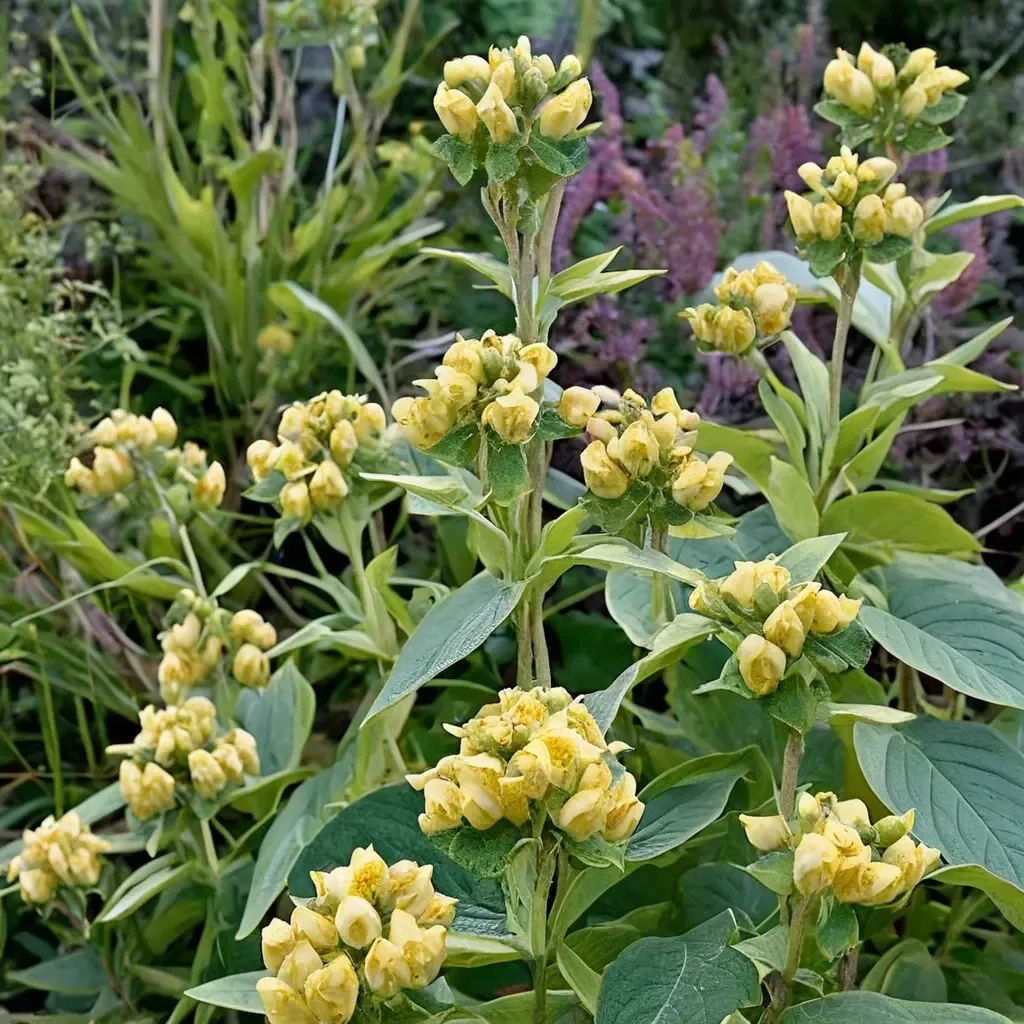
Turkish sage
Phlomis russeliana
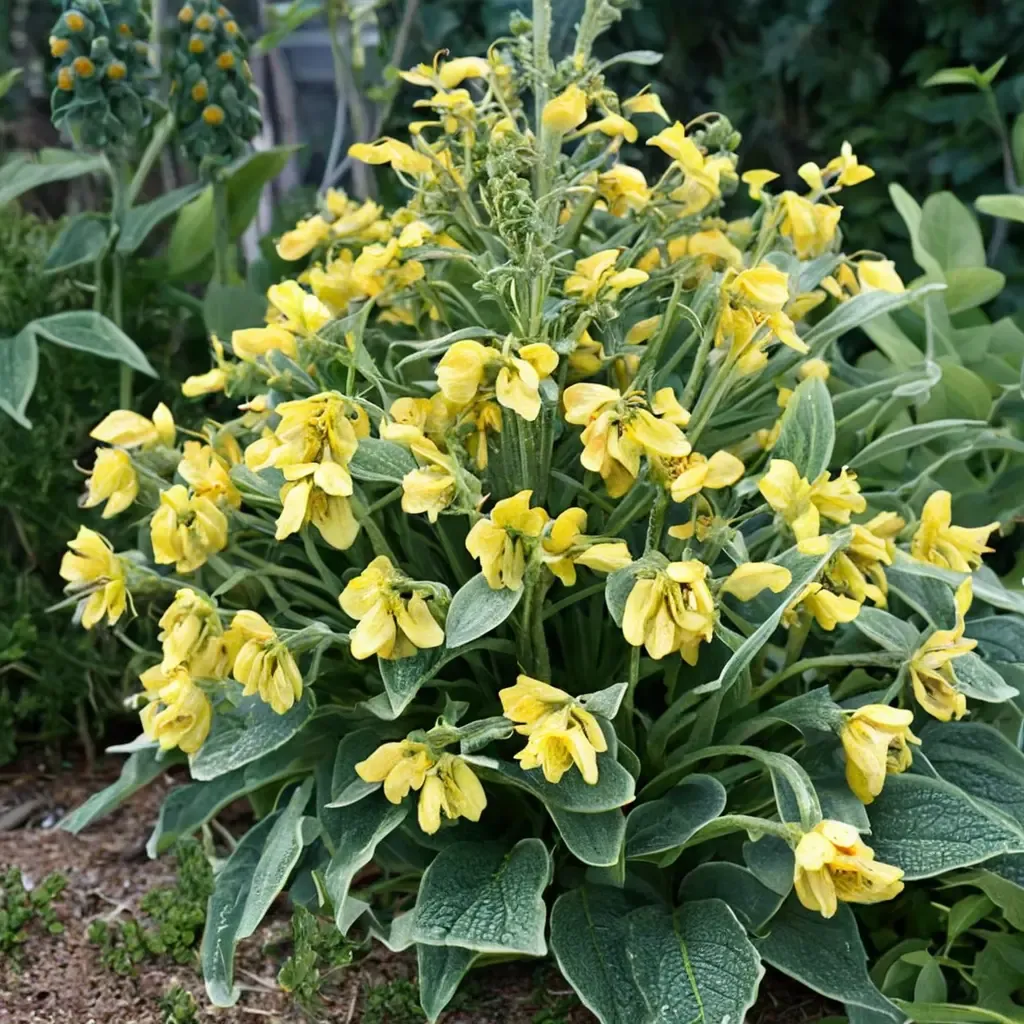
Jerusalem sage
Phlomis fruticosa
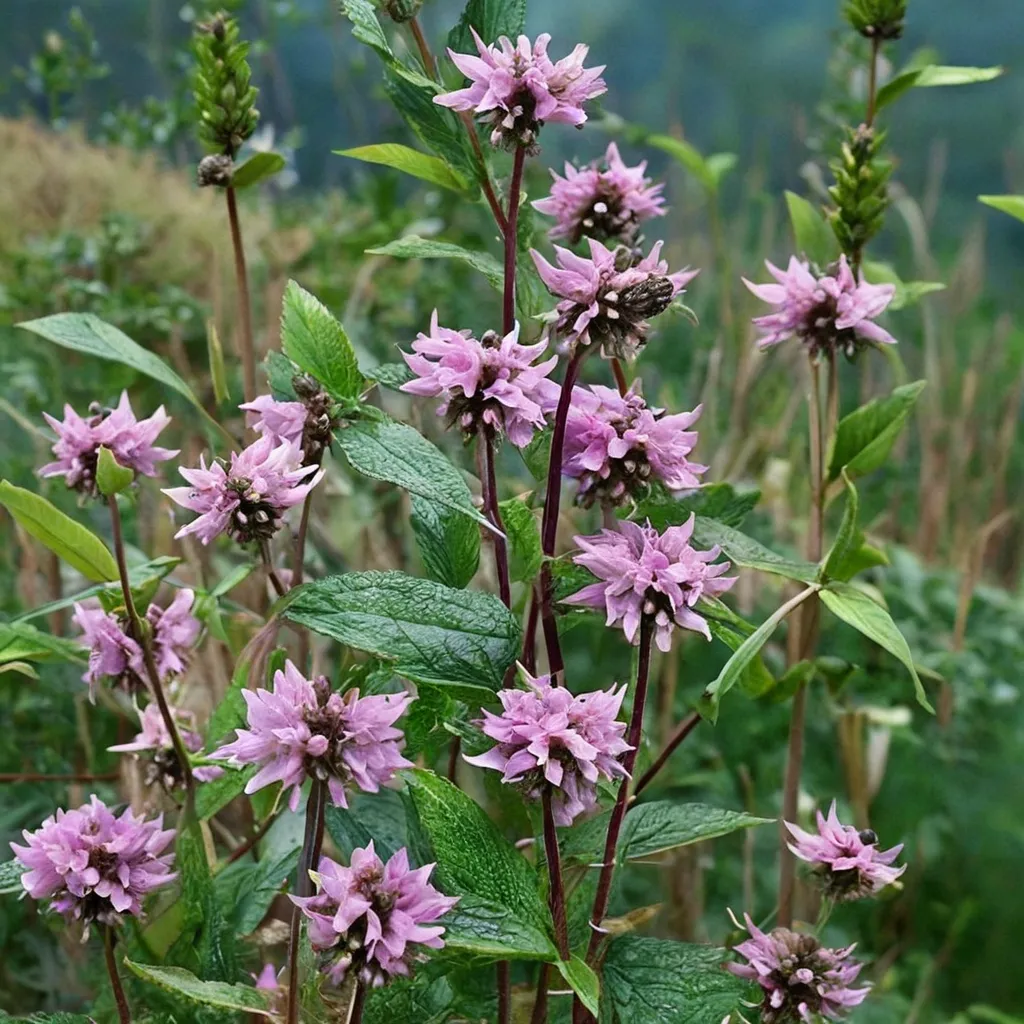
Tuberous Jerusalem Sage
Phlomis tuberosa
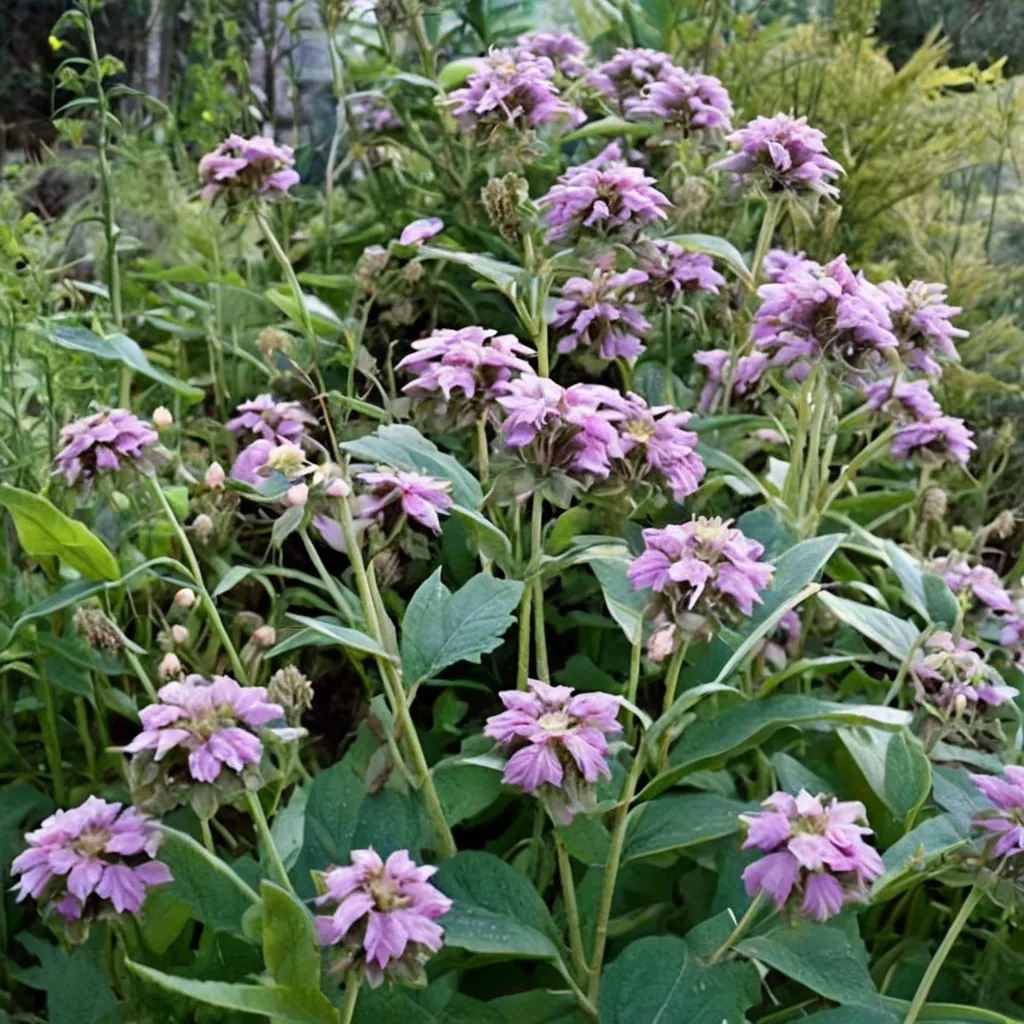
Cashmere Phlomis
Phlomis cashmeriana
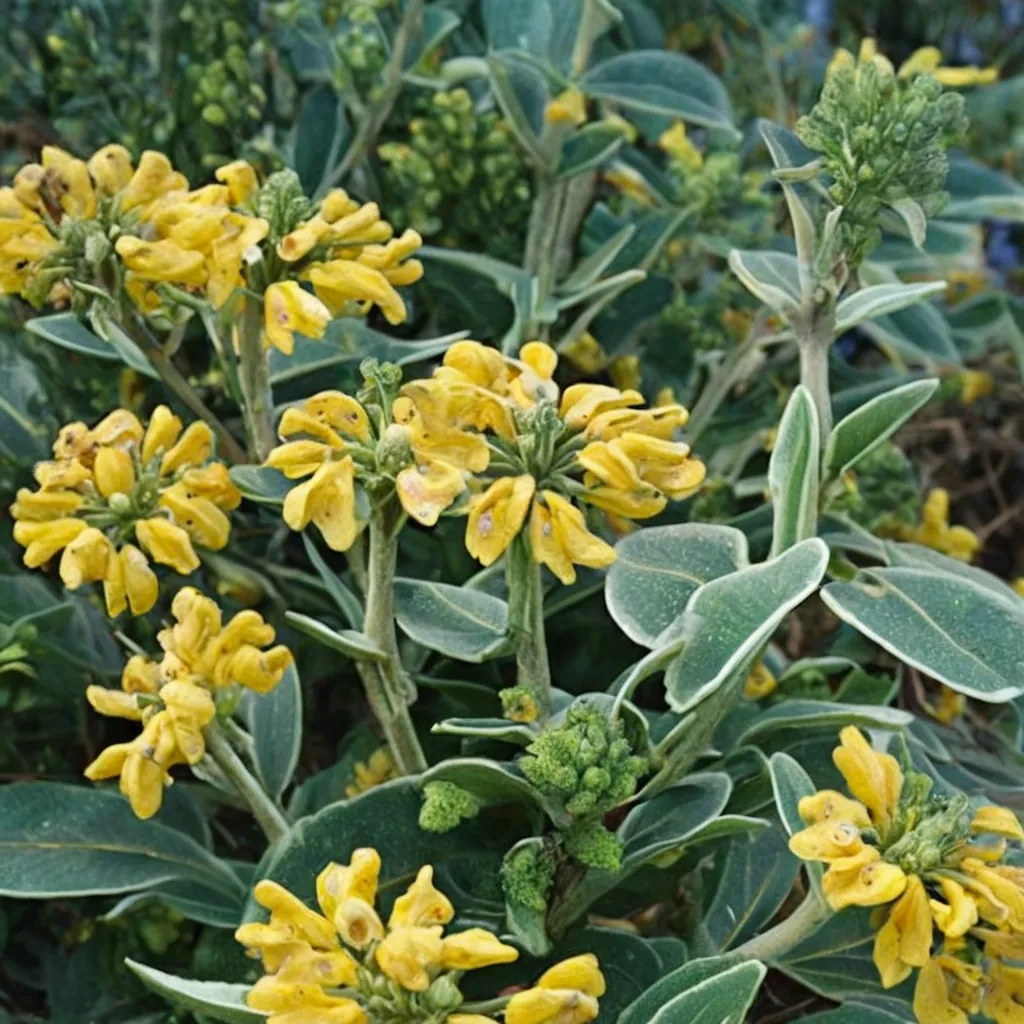
Jerusalem Sage Miss Grace
Phlomis fruticosa 'Miss Grace'
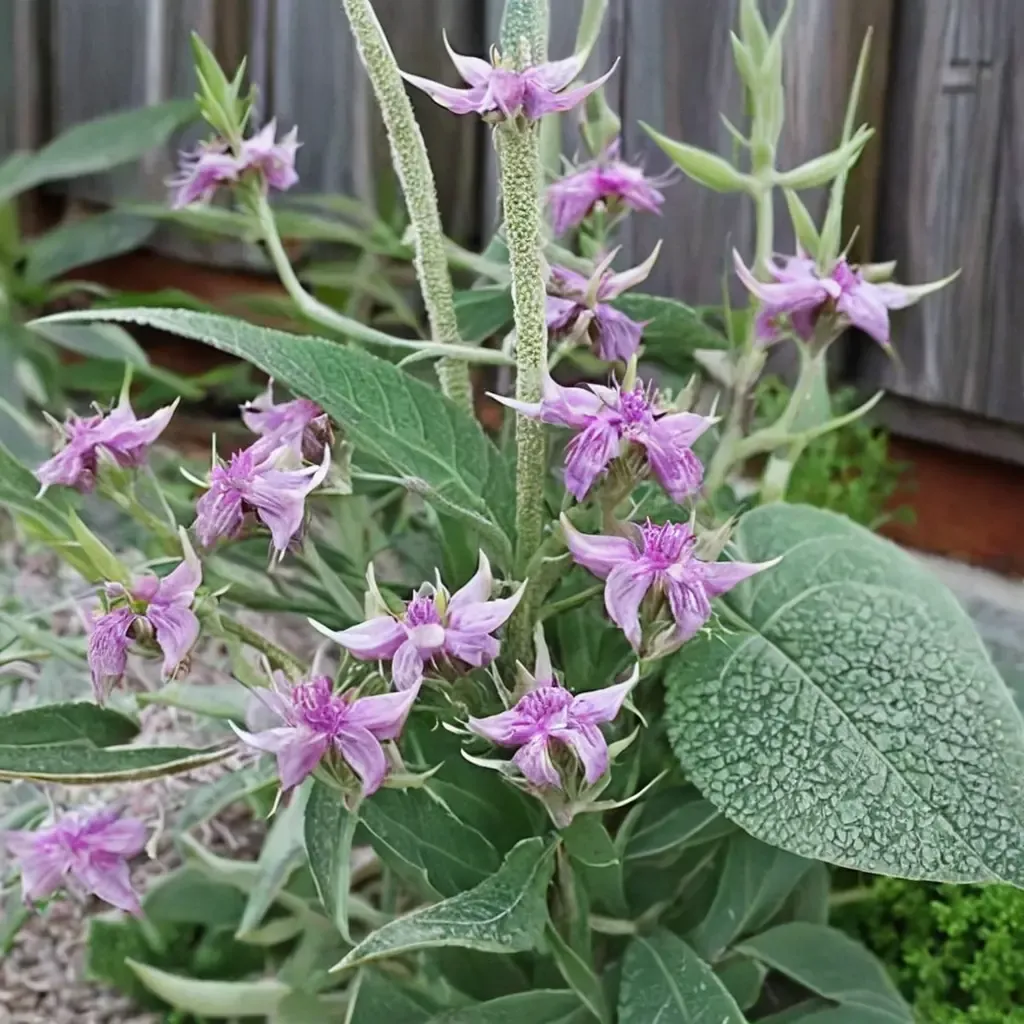
Purple Phlomis
Phlomis purpurea
Keep exploring
Explore the genus
Hardy in your zone?
Grow Golden-Leaved Jerusalem Sage with confidence
See it in a design of your actual yard, get zone-matched care reminders, and track it season by season in your garden journal.