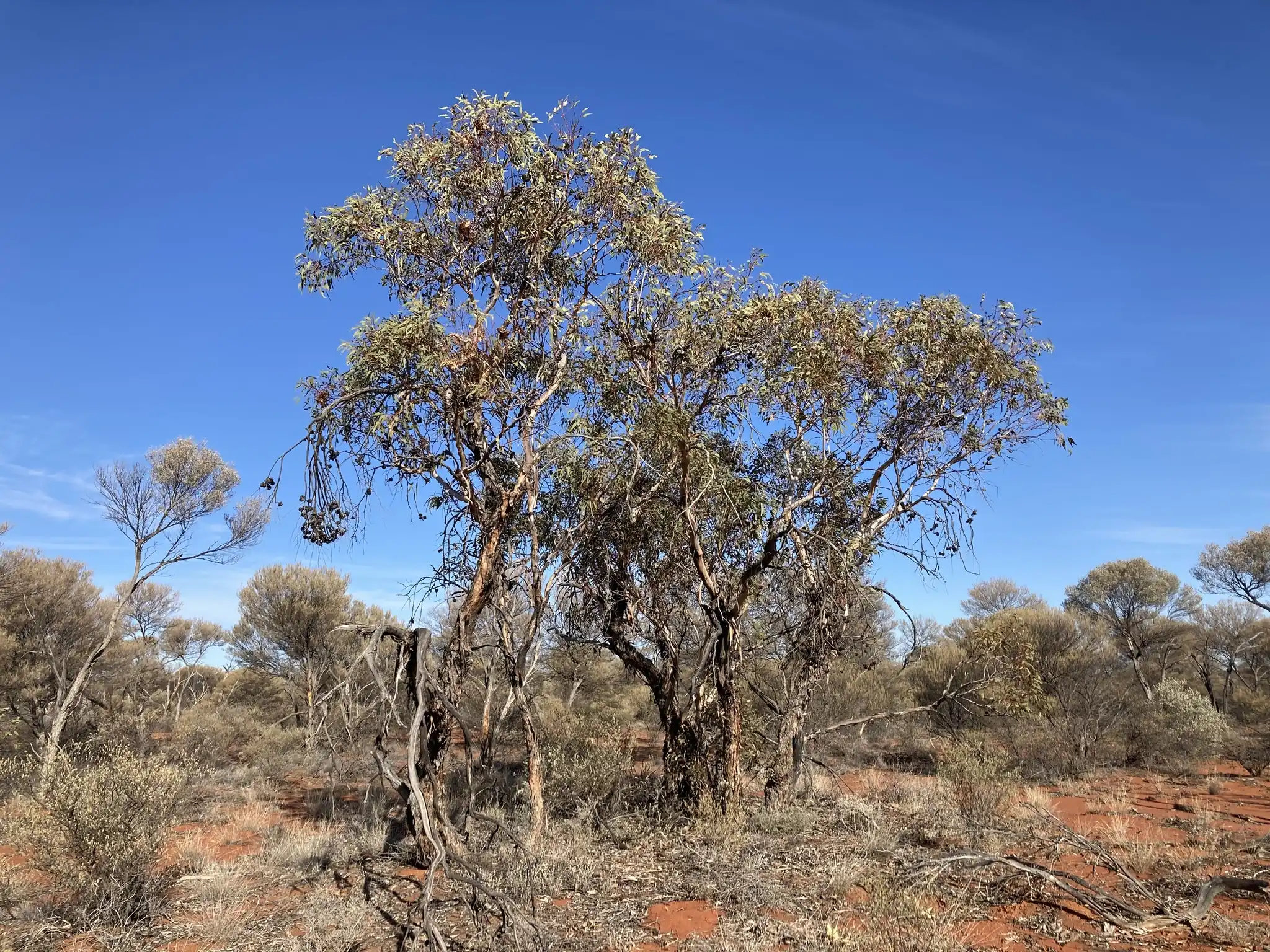
The Story
Plant Bio
Eucalyptus youngiana, commonly known as the Ooldea mallee, is a multi-stemmed eucalypt reaching up to 25 feet tall with a subterranean lignotuber and fibrous lower bark. It bears dull blue-green adult foliage and large, heavily ribbed flower buds that open into blossoms up to four inches across.
This species is distinguished by its massive, circular woody seed capsules measuring nearly three inches wide following blooms in shades of red, pink, or yellow. Its underground lignotuber allows the plant to resprout vigorously if top growth is damaged or cut back.
Uses & Benefits:
Essentials
At a Glance
Plant Type
Tree
Height
315"
Width
236"
Light
Full Sun
Zones
9, 10
Water
Low
Humidity
Low
Lifespan
Perennial
Native To
Australia
Toxicity
Non-Toxic
Bloom period
Late winter – Spring
In flower about 4 months of the year
Planting
How to Grow
- Select a planting site receiving full, unobstructed sun with fast-draining sandy or gravelly soil.
- Dig a hole no deeper than the root ball and twice as wide, backfilling strictly with unamended native soil.
- Position the plant so the root crown sits level with or slightly above the surrounding grade.
- Water thoroughly once to settle the soil, then withhold extra water until new growth appears.
Pro Tip
Provide full, blazing sun and exceptional subsoil drainage, as lingering moisture around the roots rapidly induces fatal rot.
Keep It Thriving
Care Guide
Do
- Plant in light, coarse soil with sharp drainage.
- Expose the canopy to full sun all day.
- Allow soil to dry out completely between occasional deep soakings during initial establishment.
Don't
- Do not apply fertilizers containing high levels of phosphorus.
- Do not overwater or plant in heavy clay soils that hold standing water.
- Do not bury the lignotuber deeper than its natural soil level.
Seasonal Care Calendar
| Task | Jan | Feb | Mar | Apr | May | Jun | Jul | Aug | Sep | Oct | Nov | Dec |
|---|---|---|---|---|---|---|---|---|---|---|---|---|
| Fertilize | ||||||||||||
| Pest Check | ||||||||||||
| Prune | ||||||||||||
| Winter Prep |
Watch Out For
Pests & Diseases
Common Pests
Common Diseases
In the Garden
Landscape Uses & Companions
Landscape Uses
Multiply
Propagation Methods
Good to Know
Common Questions
Ooldea Mallee questions
What zones can Ooldea Mallee grow in?
Ooldea Mallee is hardy in USDA Zones 9–10: in that range it survives winter in the ground. Colder than Zone 9, winters are too cold for it to survive outdoors.
Is Ooldea Mallee deer resistant?
Not reliably. Deer may browse Ooldea Mallee, especially tender spring growth — plan on repellents or fencing where pressure is high.
When does Ooldea Mallee bloom?
Ooldea Mallee typically blooms from late winter to late spring. Exact timing shifts a week or two with your zone — Sow's bloom calendar maps it to your garden.
Does Ooldea Mallee need full sun?
Ooldea Mallee does best in full sun (6+ hours).
Is Ooldea Mallee drought tolerant?
Yes — once established (usually after the first full season), Ooldea Mallee handles dry spells with minimal watering. Water deeply its first year to build the root system that makes that possible.
More Eucalyptus to compare
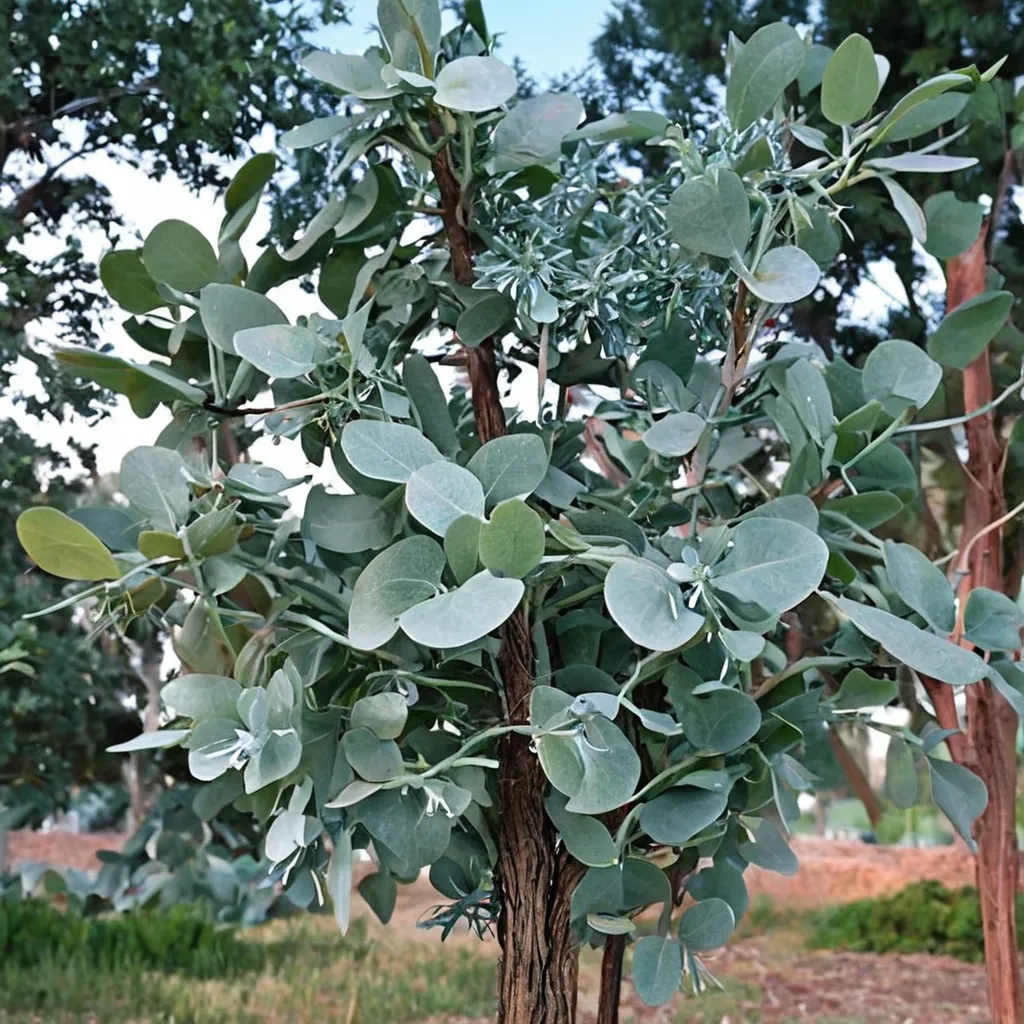
Silver Dollar Eucalyptus
Eucalyptus cinerea
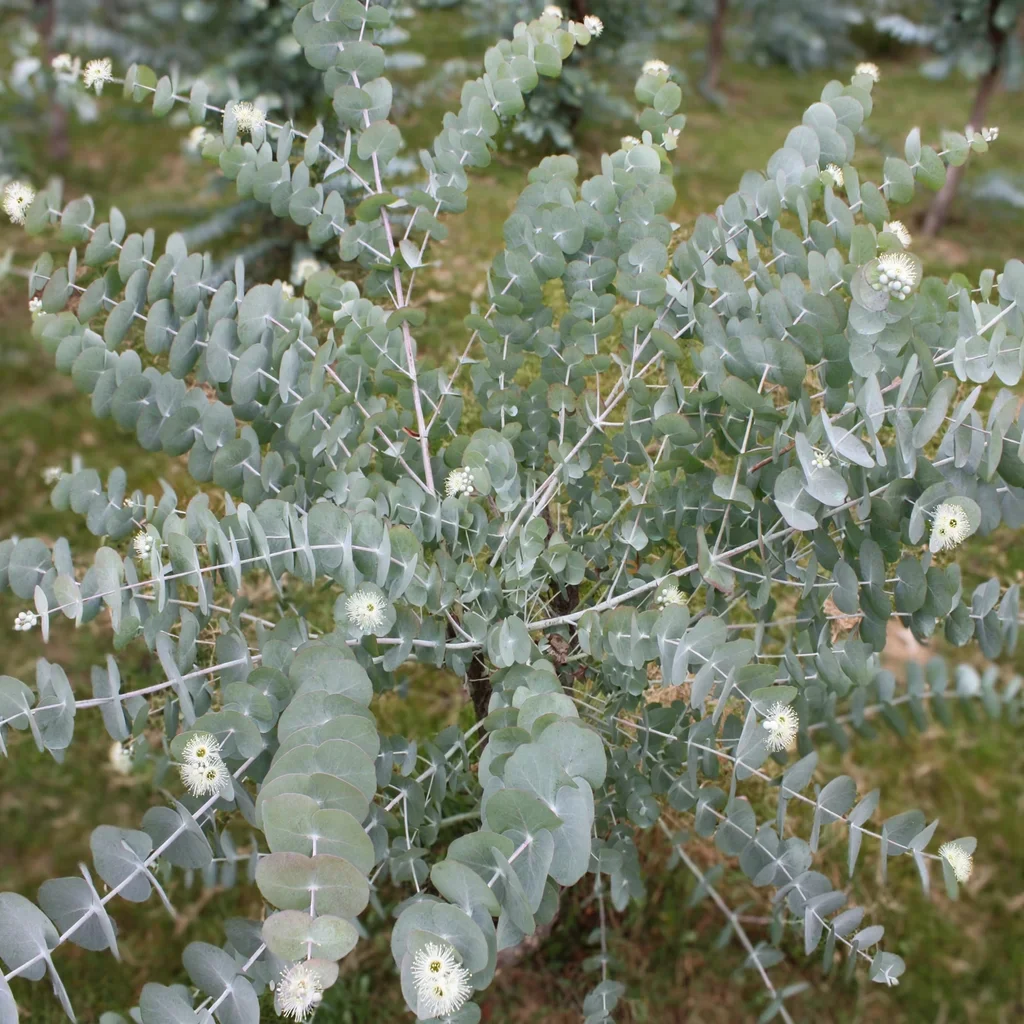
Silver Dollar Tree
Eucalyptus cinerea 'Silver Dollar Tree'
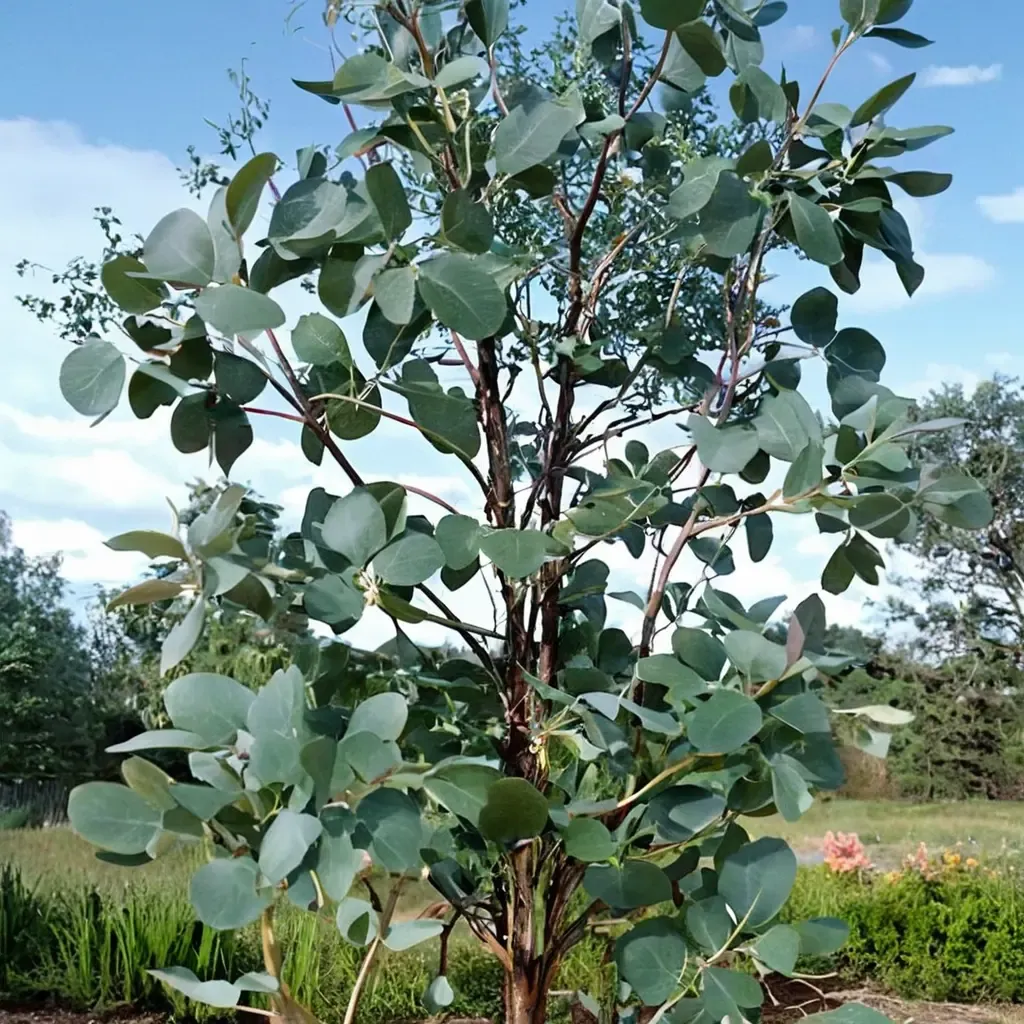
Omeo Gum
Eucalyptus neglecta
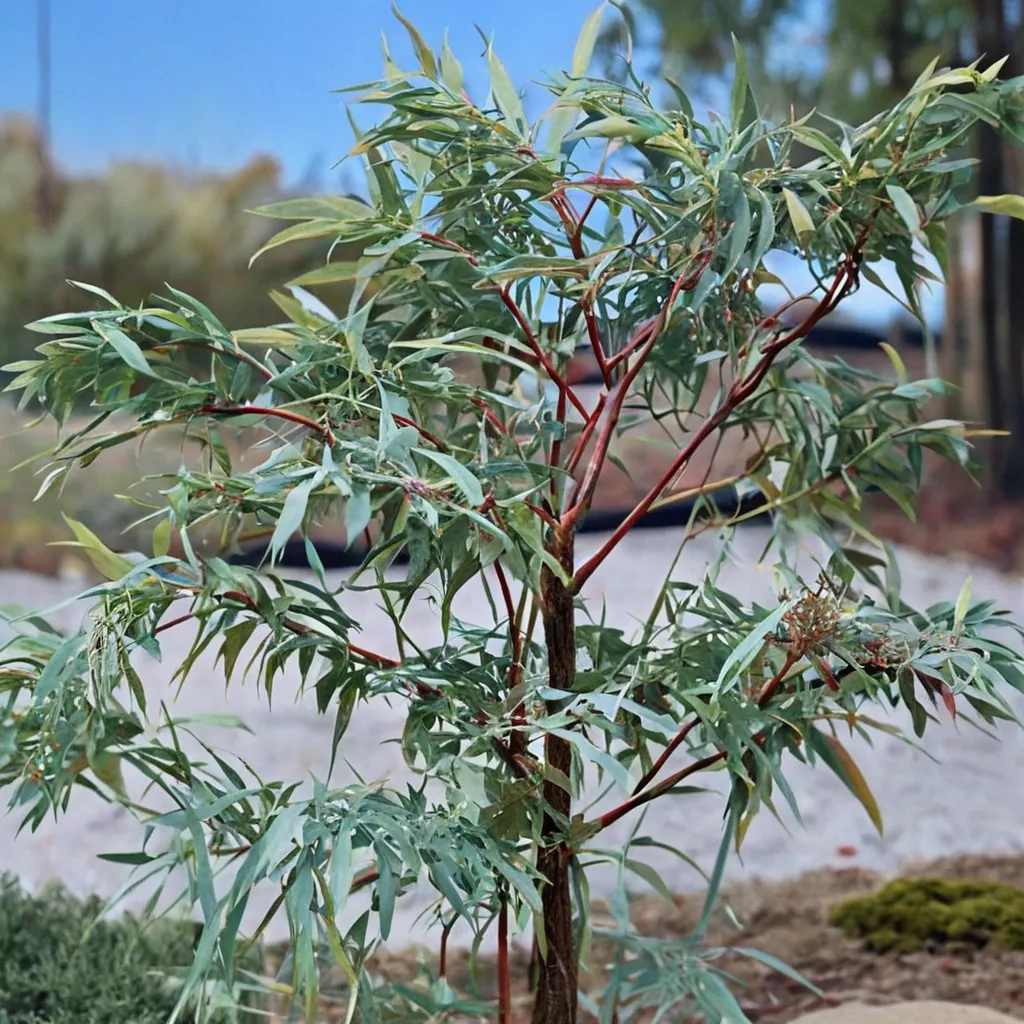
Narrow-leaved Peppermint Eucalyptus
Eucalyptus nicholii
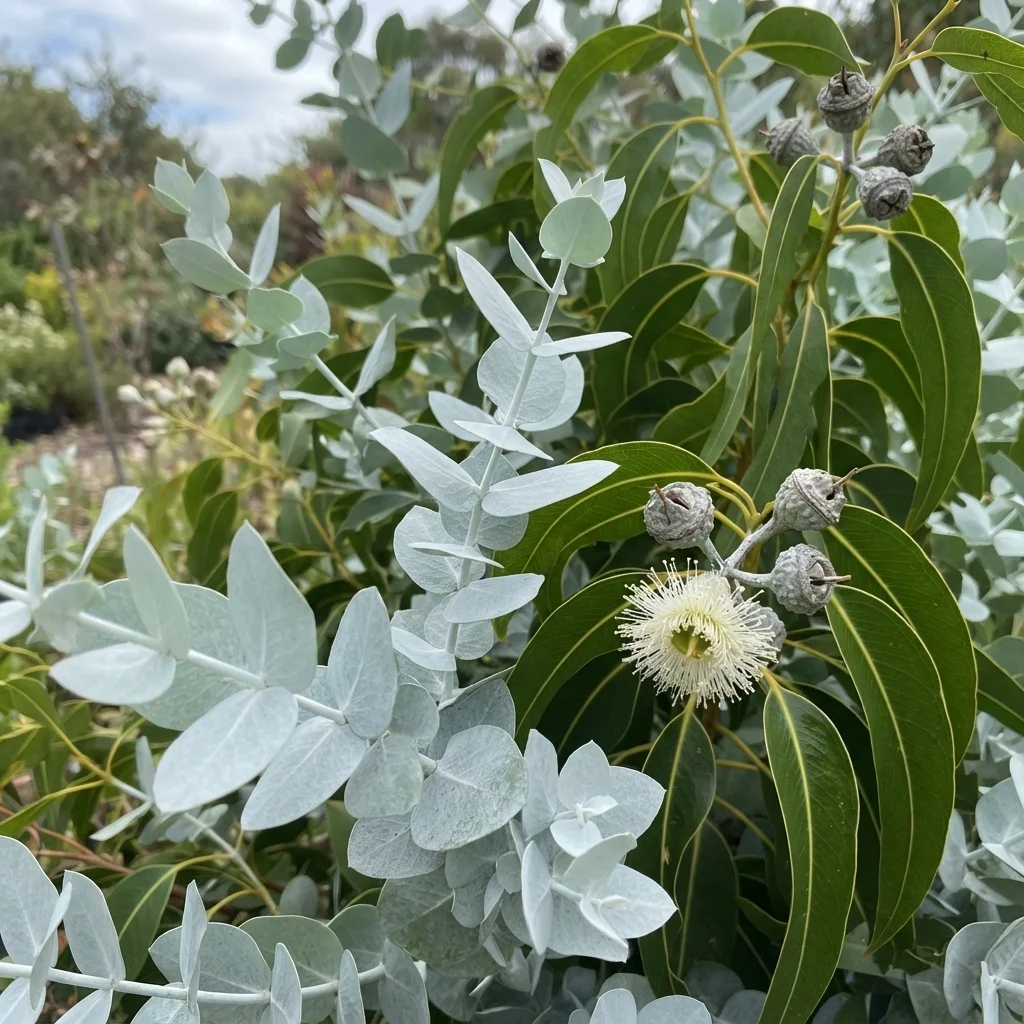
Tasmanian Blue Gum
Eucalyptus globulus
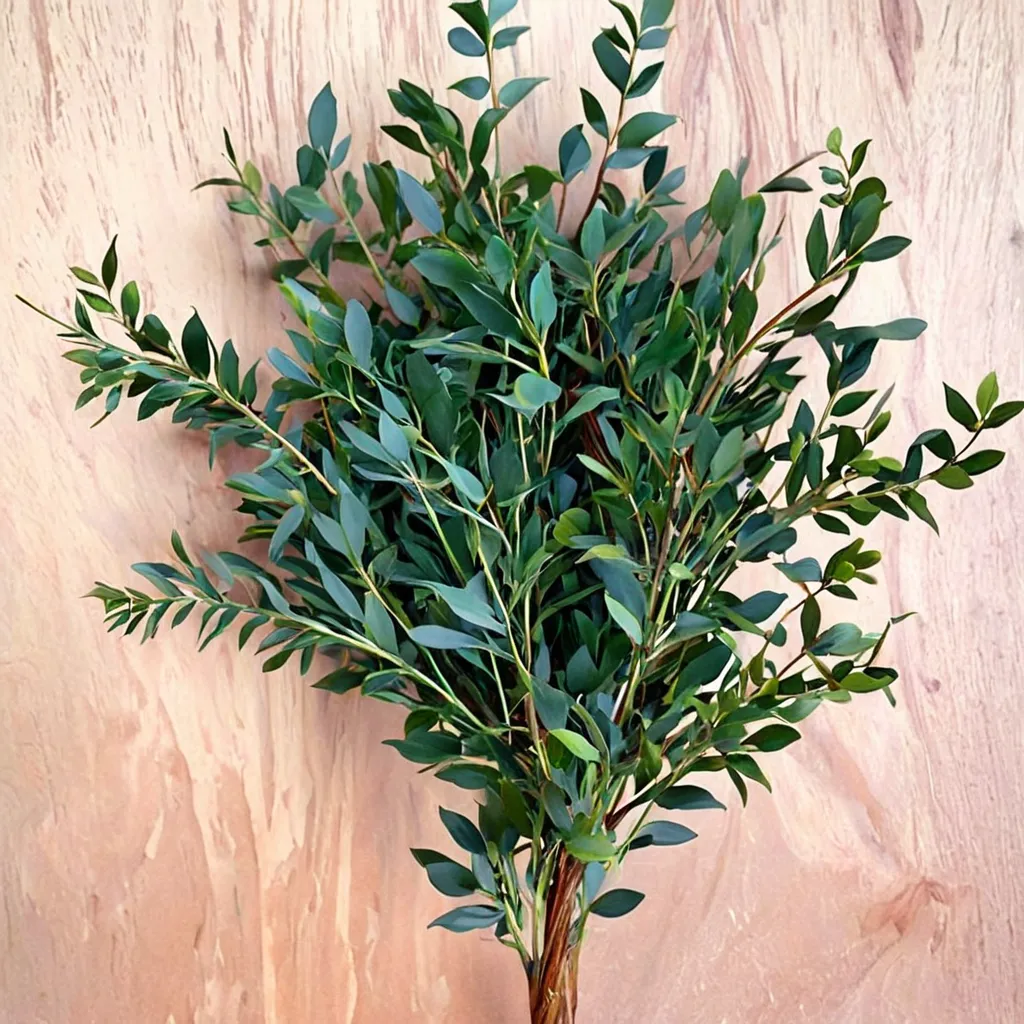
Small-leaved Gum
Eucalyptus parvula
Keep exploring
Explore the genus
Hardy in your zone?
Grow Ooldea Mallee with confidence
See it in a design of your actual yard, get zone-matched care reminders, and track it season by season in your garden journal.