The Story
Plant Bio
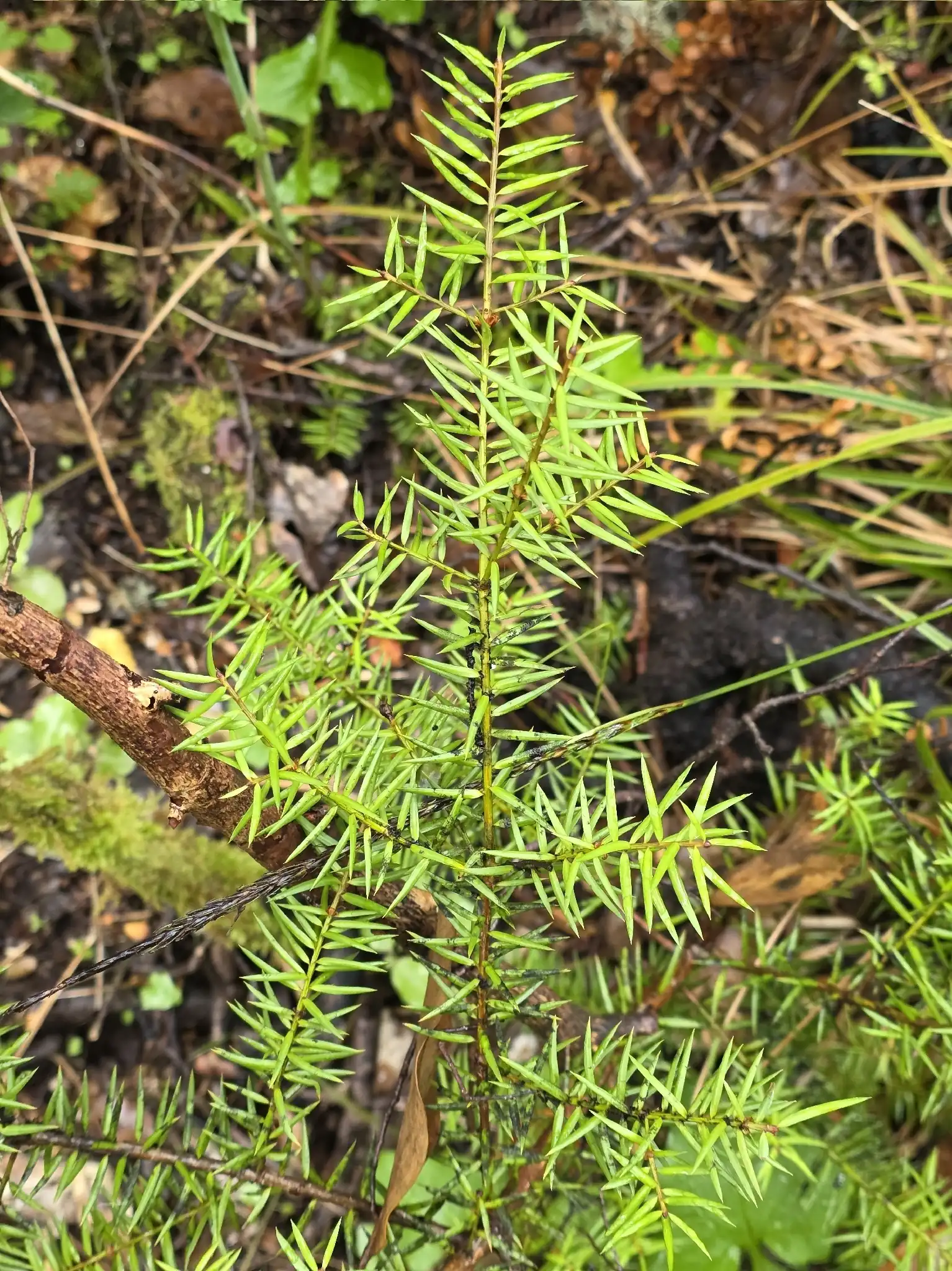
Podocarpus acutifolius, commonly known as needle-leaved tōtara, is a dense evergreen conifer endemic to New Zealand's South Island that reaches eight to thirteen feet tall in cultivation. Its fine, linear foliage emerges with bronze-green tones in spring before maturing to a sharp, needle-pointed olive or yellow-green.
This species is distinguished from other tōtaras by its exceptionally narrow, needle-sharp leaves and a natural tendency to sucker from the base, forming dense architectural thickets. In place of true flowers, female plants produce solitary seeds seated on swollen, fleshy, bright red bases that ripen in late summer.
Uses & Benefits:
Essentials
At a Glance
Plant Type
Shrub
Height
157"
Width
98"
Light
Full Sun, Partial Sun
Zones
7, 8, 9, 10
Water
Low to Moderate
Humidity
Moderate
Lifespan
Perennial
Native To
New Zealand (South Island)
Toxicity
Toxic seed if ingested
Bloom period
Spring – Late spring
In flower about 3 months of the year
Planting
How to Grow
- Select a planting site in full sun to partial shade with sharply draining soil.
- Dig a planting hole twice as wide as the root ball and equal to its depth.
- Set the plant in the hole so the root crown sits level with the surrounding soil.
- Backfill with native soil mixed with coarse sand or grit, firming light to remove air pockets.
- Water thoroughly at planting and supply consistent moisture during the first growing season.
Pro Tip
Trim lightly in late winter or early spring to shape the foliage; never cut back deep into old leafless wood, as bare stems fail to regenerate.
Keep It Thriving
Care Guide
Do
- Plant in gritty, well-draining soils to protect roots from crown rot.
- Place in full sun to encourage the densest foliage density and vibrant color.
Don't
- Do not allow roots to sit in stagnant water or poorly drained clay.
- Do not prune back into old bare wood where leaves have already fallen.
Seasonal Care Calendar
| Task | Jan | Feb | Mar | Apr | May | Jun | Jul | Aug | Sep | Oct | Nov | Dec |
|---|---|---|---|---|---|---|---|---|---|---|---|---|
| Fertilize | ||||||||||||
| Mulch | ||||||||||||
| Pest Check | ||||||||||||
| Prune |
Watch Out For
Pests & Diseases
Common Pests
Common Diseases
In the Garden
Landscape Uses & Companions
Landscape Uses
Multiply
Propagation Methods
Good to Know
Common Questions
Needle-Leaved Totara questions
What zones can Needle-Leaved Totara grow in?
Needle-Leaved Totara is hardy in USDA Zones 7–10: in that range it survives winter in the ground. Colder than Zone 7, grow it in a container you can move to shelter for the winter.
Is Needle-Leaved Totara deer resistant?
Yes — Needle-Leaved Totara is rated deer-resistant. Deer typically pass it over, though extreme hunger can override any plant's defenses.
When does Needle-Leaved Totara bloom?
Needle-Leaved Totara typically blooms in spring. Exact timing shifts a week or two with your zone — Sow's bloom calendar maps it to your garden.
Does Needle-Leaved Totara need full sun?
Needle-Leaved Totara does best in full sun to part shade. In hot climates, afternoon shade keeps blooms fresher longer.
Is Needle-Leaved Totara drought tolerant?
Yes — once established (usually after the first full season), Needle-Leaved Totara handles dry spells with minimal watering. Water deeply its first year to build the root system that makes that possible.
More Podocarpus to compare
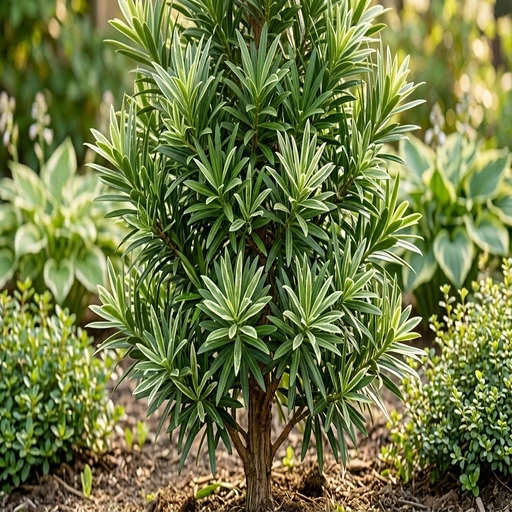
Roman Candle Podocarpus
Podocarpus macrophyllus 'Miu'
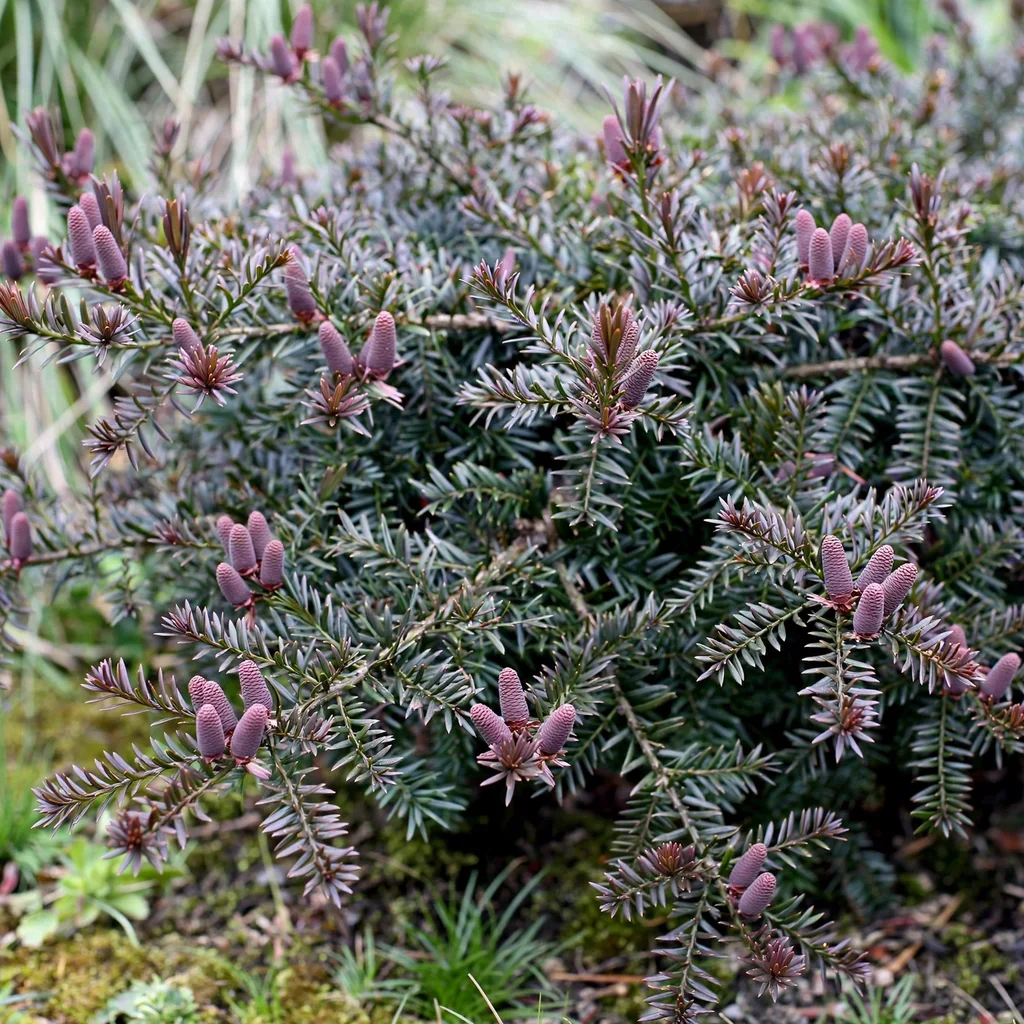
Mountain Plum-pine
Podocarpus lawrencei 'Purple King'
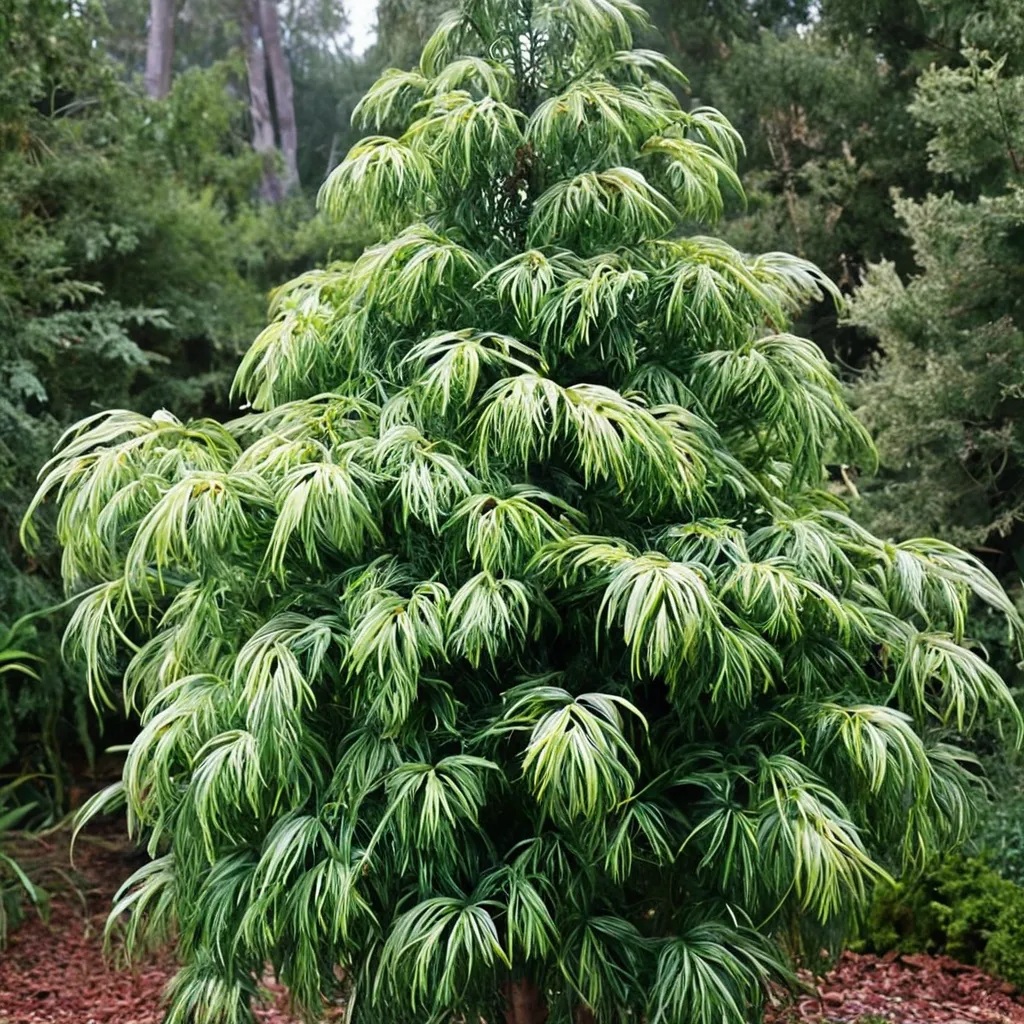
Henkel's Yellowwood
Podocarpus henkelii
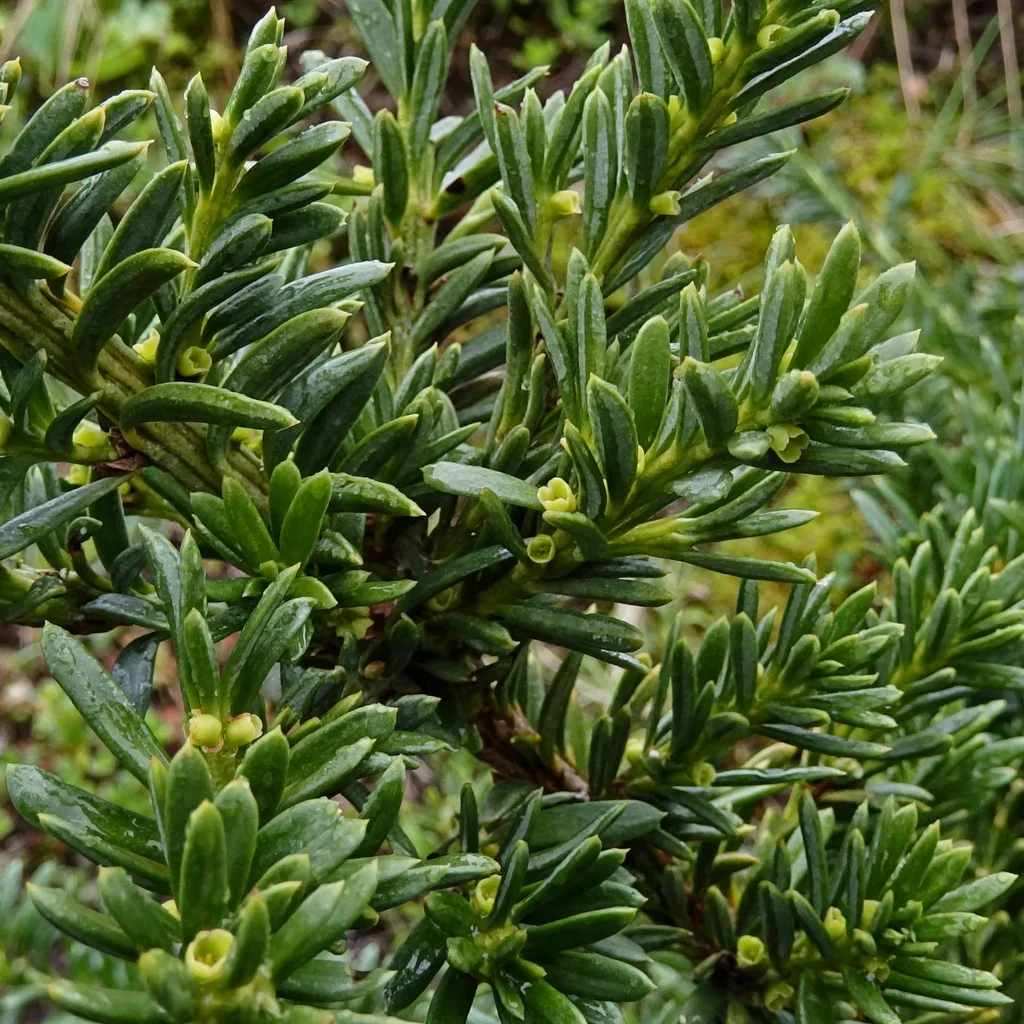
Snow Podocarp
Podocarpus nivalis 'Female Form'
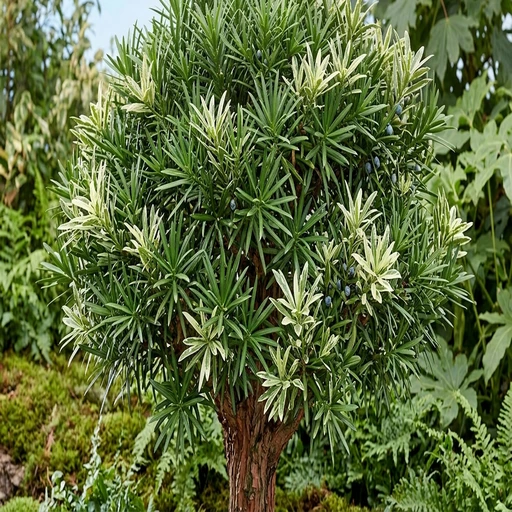
Yew Plum Pine
Podocarpus macrophyllus
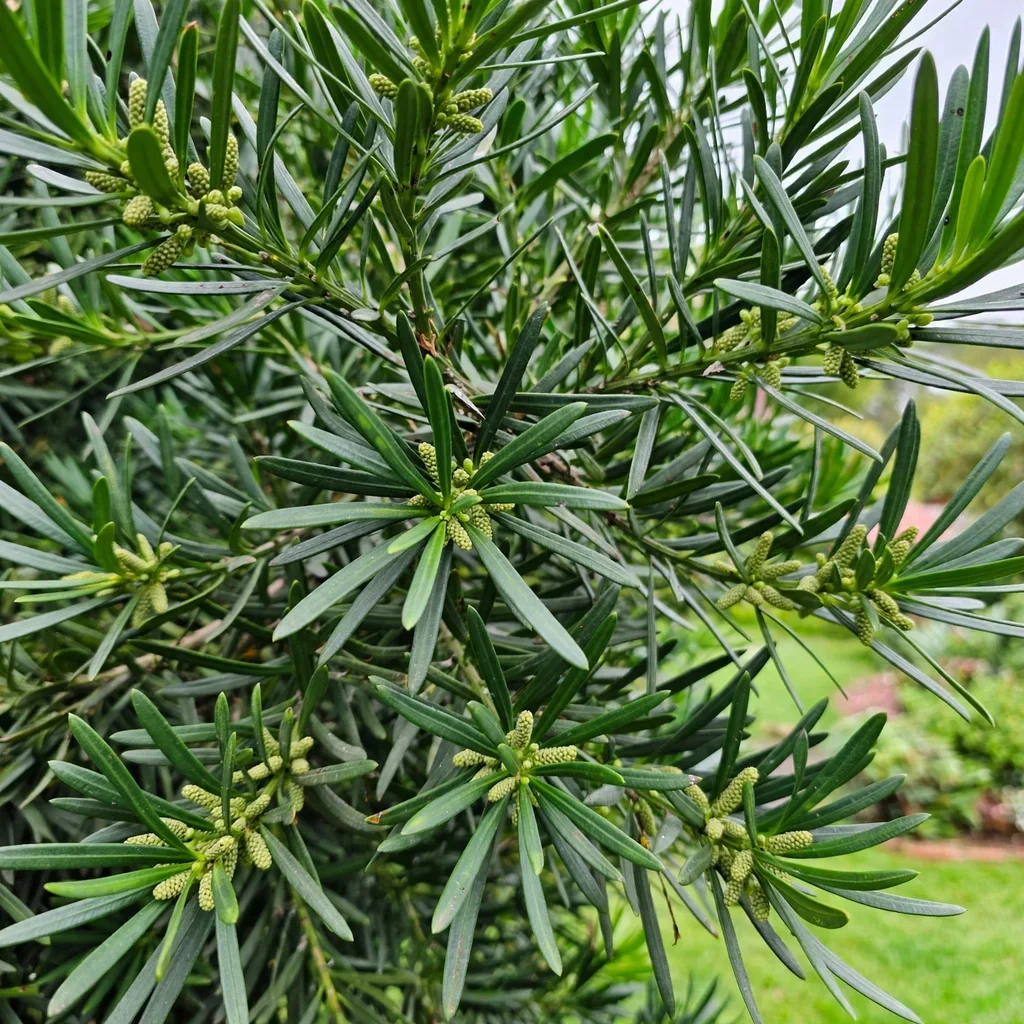
Outeniqua Yellowwood
Podocarpus falcatus
Keep exploring
Explore the genus
Hardy in your zone?
Grow Needle-Leaved Totara with confidence
See it in a design of your actual yard, get zone-matched care reminders, and track it season by season in your garden journal.