The Story
Plant Bio
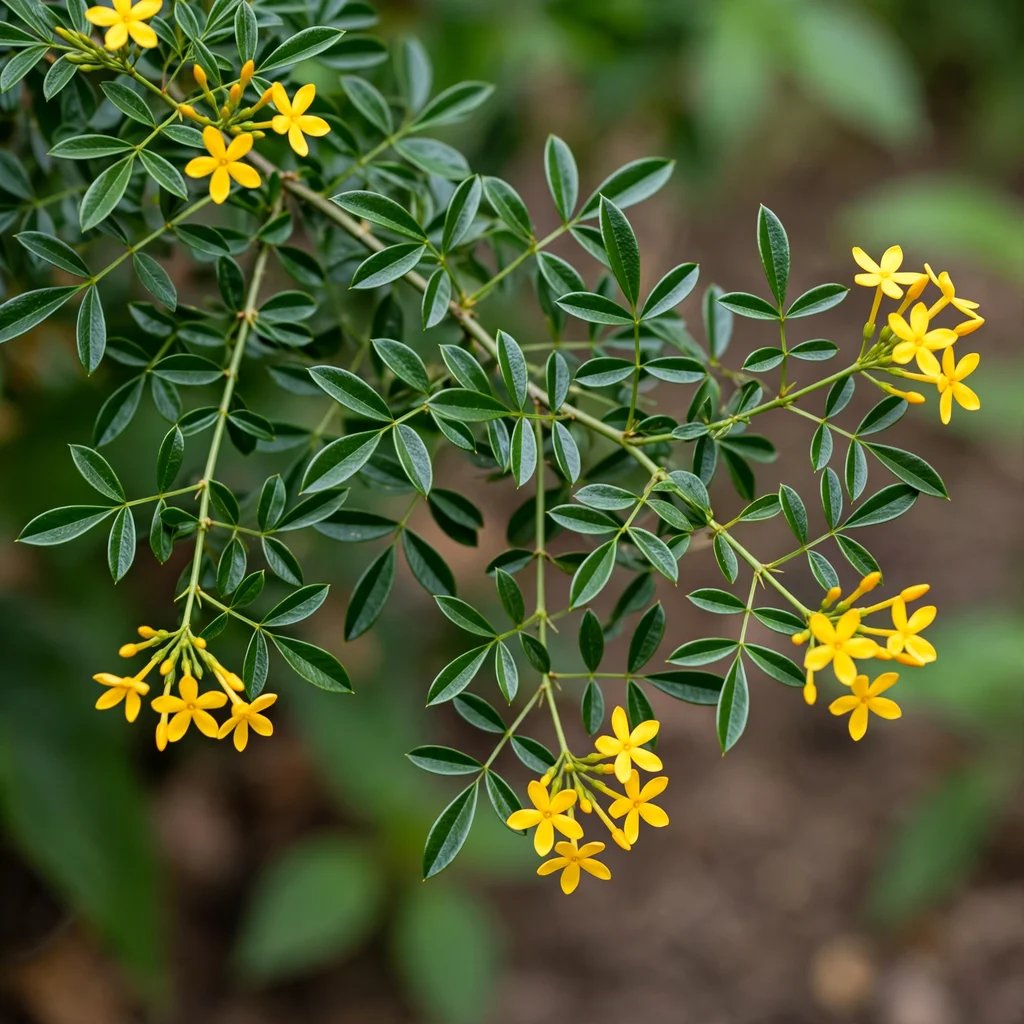
Chrysojasminum floridum is a semi-evergreen scrambling shrub from central, southern and western China, forming a mounded fountain of arching quadrangular green canes that root where they touch soil. It carries alternate ternately compound glossy dark green leaves of three leaflets and bears clusters of six or more golden-yellow star-shaped five-lobed flowers from spring through summer.
Unlike true jasmines with opposite leaves, it bears alternate leaves, the character that moved it from Jasminum to Chrysojasminum though it is still sold as Jasminum floridum. Its flowers vary from fragrant to scentless and open sporadically into fall, and it is not the toxic Carolina jessamine despite the yellow jasmine name.
Uses & Benefits:
Essentials
At a Glance
Plant Type
Shrub
Height
48"
Width
60"
Light
Full Sun, Partial Sun
Zones
7, 8, 9, 10
Water
Medium
Humidity
Average
Lifespan
Woody perennial
Native To
Central, southern and western China
Toxicity
Non-toxic to cats, dogs and humans
Bloom period
Spring – Fall
In flower about 9 months of the year
Planting
How to Grow
- Plant in full sun to part shade in rich, moist but well-drained soil with pH 6.0 to 8.0.
- Water regularly through the first season to establish, then reduce once roots are down; established plants tolerate drought but not soggy soil.
- Spread a heavy mulch ring to hold moisture and keep canes off bare soil except where layering.
- Feed once with general-purpose fertilizer before spring growth starts.
- Prune after the spring flush to shape and remove canes that have rooted beyond bounds.
Pro Tip
Cut arching canes back right after the main spring flush to prevent a tangled colony; pin a low cane to soil to layer a new plant.
Keep It Thriving
Care Guide
Do
- Do keep soil evenly moist the first season, then water deeply only in dry spells.
- Do mulch heavily to conserve moisture and suppress weeds.
- Do prune to control sprawl and train canes as a lazy climber if desired.
Don't
- Do not plant in waterlogged soil or let pots sit in standing water.
- Do not let arching canes root unchecked if you want a contained mound.
- Do not expect a strong scent on every plant, as some are scentless.
Seasonal Care Calendar
| Task | Jan | Feb | Mar | Apr | May | Jun | Jul | Aug | Sep | Oct | Nov | Dec |
|---|---|---|---|---|---|---|---|---|---|---|---|---|
| Fertilize | ||||||||||||
| Mulch | ||||||||||||
| Pest Check | ||||||||||||
| Plant | ||||||||||||
| Prune |
Watch Out For
Pests & Diseases
Common Pests
Common Diseases
In the Garden
Landscape Uses & Companions
Landscape Uses
Multiply
Propagation Methods
Good to Know
Common Questions
Showy Jasmine questions
What zones can Showy Jasmine grow in?
Showy Jasmine is hardy in USDA Zones 7–10: in that range it survives winter in the ground. Colder than Zone 7, grow it in a container you can move to shelter for the winter.
When does Showy Jasmine bloom?
Showy Jasmine typically blooms from spring to fall. Exact timing shifts a week or two with your zone — Sow's bloom calendar maps it to your garden.
Does Showy Jasmine need full sun?
Showy Jasmine does best in full sun to part shade. In hot climates, afternoon shade keeps blooms fresher longer.
Is Showy Jasmine drought tolerant?
Yes — once established (usually after the first full season), Showy Jasmine handles dry spells with minimal watering. Water deeply its first year to build the root system that makes that possible.
More Jasminum to compare
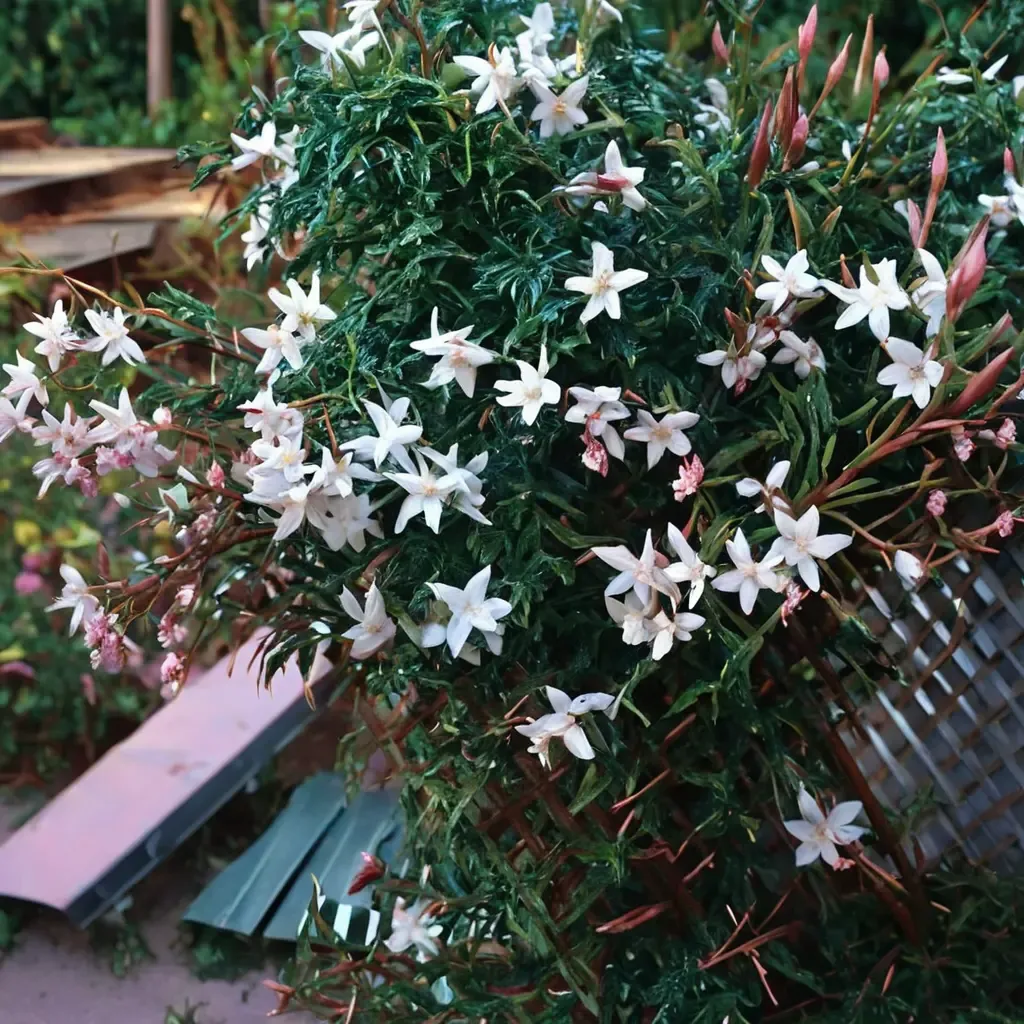
Pink Jasmine
Jasminum polyanthum
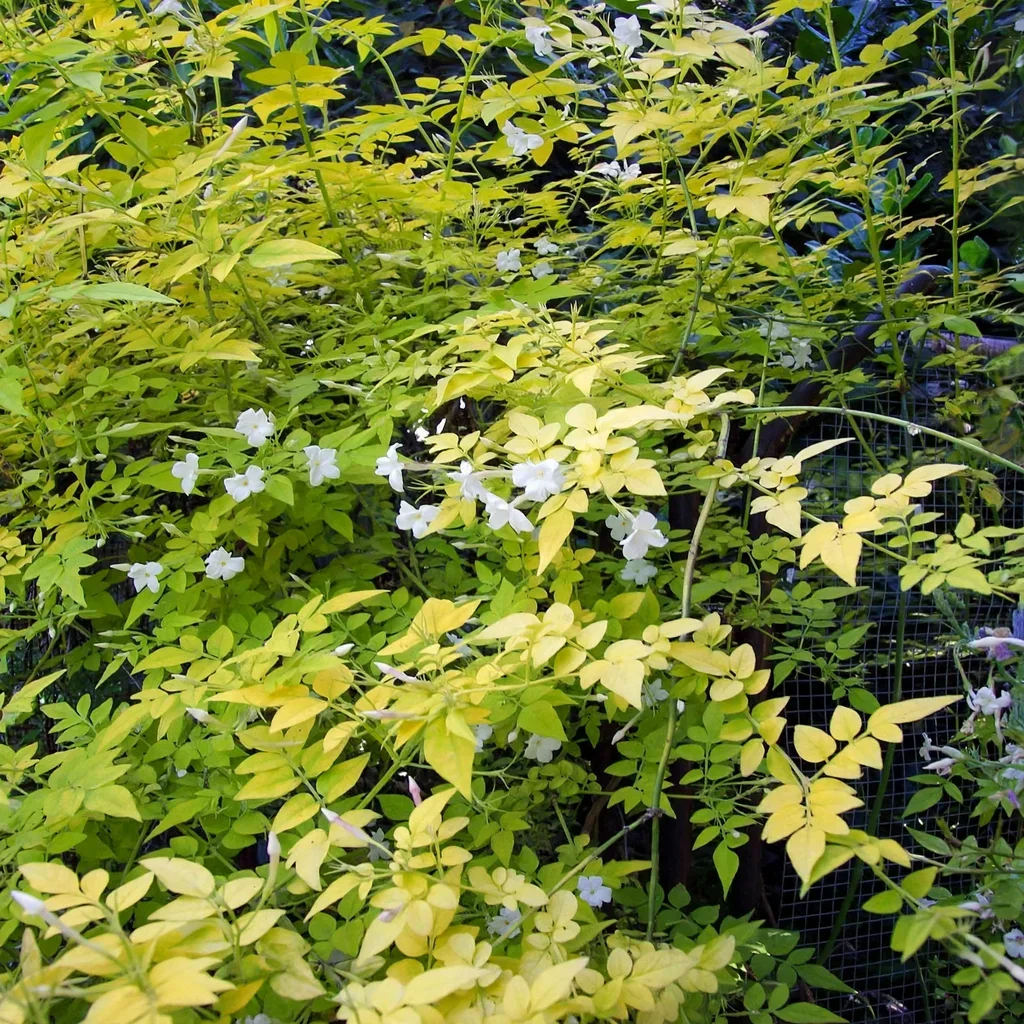
Fiona Sunrise Common Jasmine
Jasminum officinale 'Frojas'
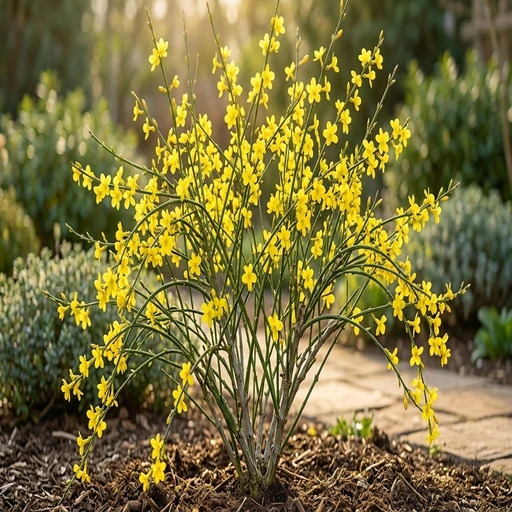
Winter Jasmine
Jasminum nudiflorum
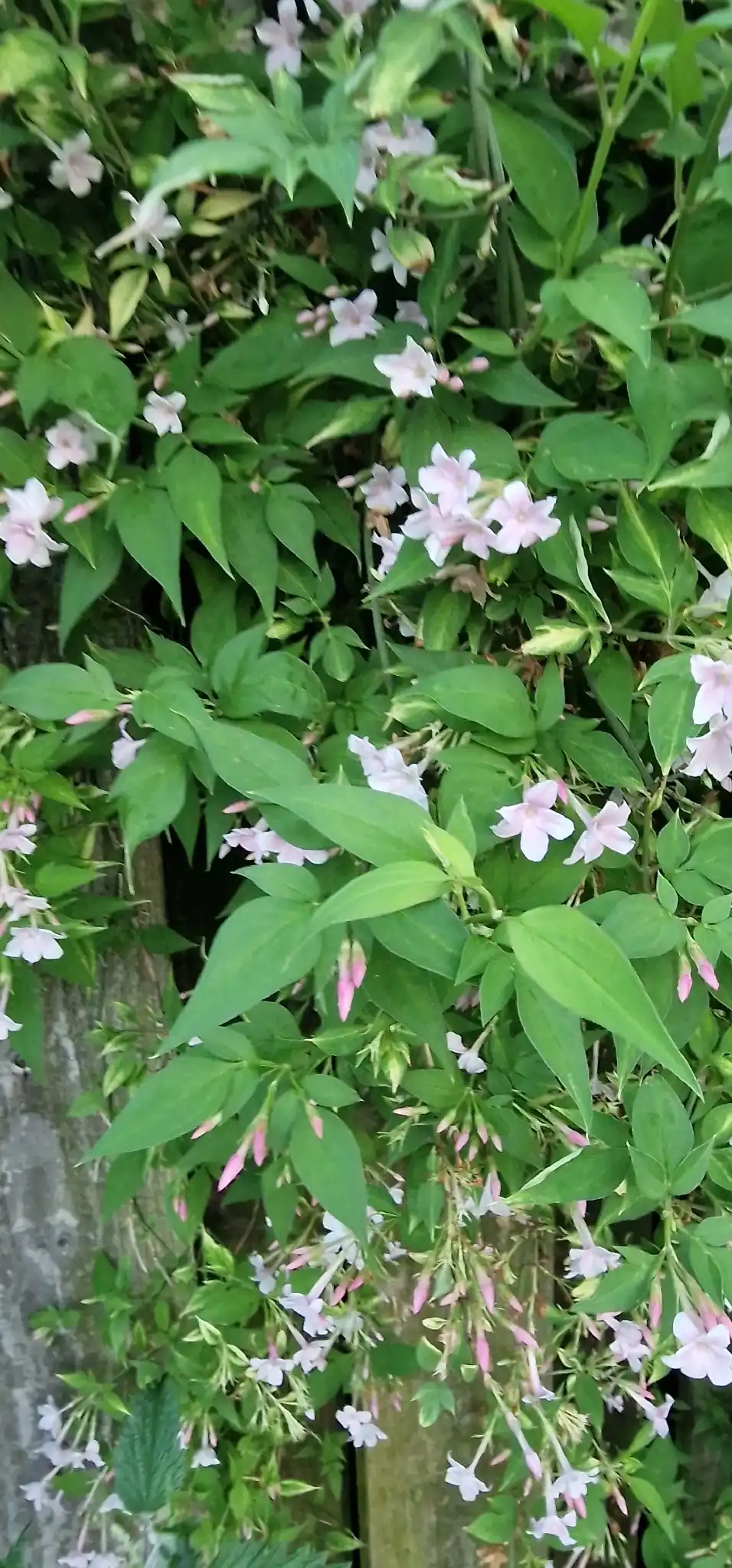
Common Jasmine
Jasminum officinale
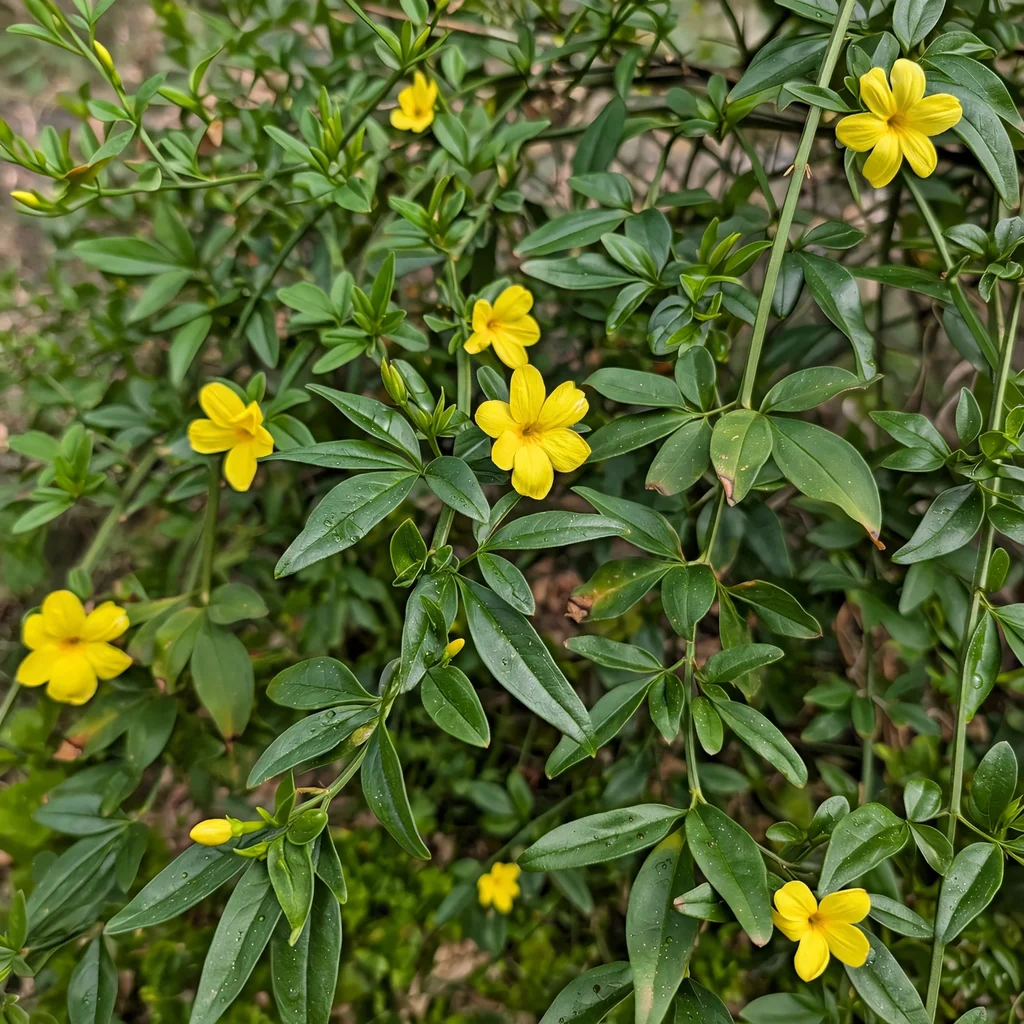
Primrose Jasmine
Jasminum mesnyi
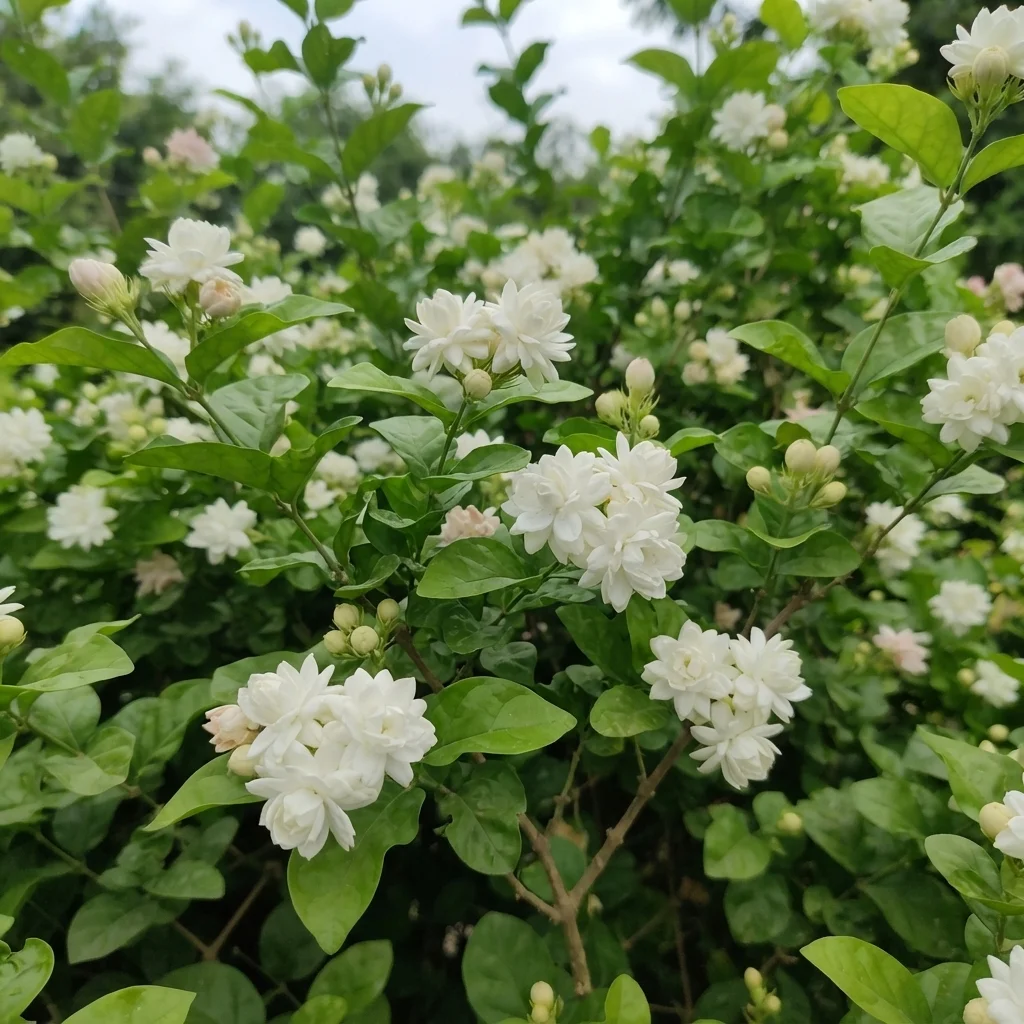
Arabian Jasmine
Jasminum sambac
Keep exploring
Explore the genus
Hardy in your zone?
Grow Showy Jasmine with confidence
See it in a design of your actual yard, get zone-matched care reminders, and track it season by season in your garden journal.