The Story
Plant Bio
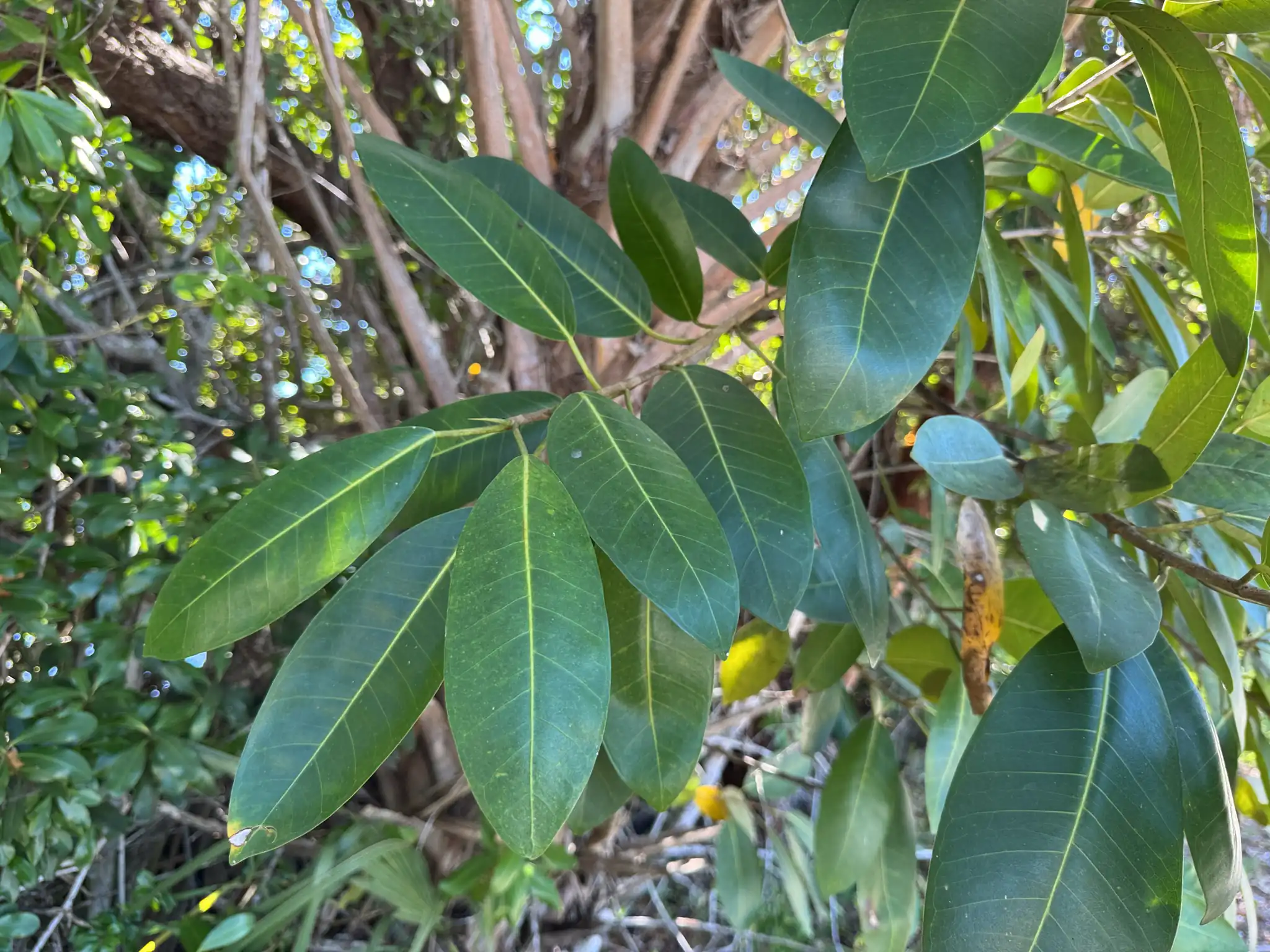
Ficus aurea, the Florida strangler fig, is an evergreen Moraceae tree reaching 50 to 60 feet tall and wide in cultivation with a spreading, rounded, dense and irregular crown. The alternate simple leaves are thick, ovate-elliptic and glossy dark green above, and mature bark is smooth tan with milky white sap when cut.
Seedlings start as vine-like epiphytes high in a host tree, then send aerial roots to the ground that thicken, fuse and strangle the host before standing self-supporting. The true flowers are hidden inside the fleshy syconium, with half-inch to three-quarter-inch figs ripening from green to red to burgundy-purple in spring and summer.
Uses & Benefits:
Essentials
At a Glance
Plant Type
Tree
Height
720"
Width
840"
Light
Full Sun, Partial Sun, Shade
Zones
10
Water
Low once established; tolerates occasional wet
Humidity
Tolerates humid subtropical air
Lifespan
Long-lived evergreen tree
Native To
Central and S. Florida to Panama, Bahamas and Caribbean
Toxicity
Toxic if ingested; skin irritant
Bloom period
Spring – Summer
In flower about 6 months of the year
Planting
How to Grow
- Plant in full sun to partial shade in clay, sand or loam that drains but stays periodically moist.
- Dig a hole twice the root-ball width, set at original depth and water deeply to settle.
- Water regularly until established, then water during extended drought; mature trees are highly drought tolerant.
- Prune in late winter to early spring to develop one strong leader and remove crossing limbs and unwanted aerial roots.
- Mulch 3 inches deep under the canopy, keeping mulch off the trunk, and rake fallen figs to reduce litter.
Pro Tip
Give it 50 feet of clearance from structures, pavement and lawns, and rub off or prune aerial roots early if you want a single-trunk shade tree rather than a banyan-like thicket.
Keep It Thriving
Care Guide
Do
- Give full sun to partial shade and room for a 50-foot-plus crown and surface roots.
- Prune young trees for a single strong trunk and scaffold structure.
- Rake and discard fallen figs to reduce seedlings and litter.
Don't
- Do not plant near foundations, sidewalks, septic systems or lawns that need mowing.
- Do not plant as a street tree or in a small yard.
- Do not let children or pets chew leaves, bark or figs; the milky latex causes skin irritation and vomiting if eaten.
Seasonal Care Calendar
| Task | Jan | Feb | Mar | Apr | May | Jun | Jul | Aug | Sep | Oct | Nov | Dec |
|---|---|---|---|---|---|---|---|---|---|---|---|---|
| Mulch | ||||||||||||
| Pest Check | ||||||||||||
| Plant | ||||||||||||
| Prune |
Watch Out For
Pests & Diseases
Common Pests
Common Diseases
In the Garden
Landscape Uses & Companions
Landscape Uses
Multiply
Propagation Methods
Good to Know
Common Questions
Florida Strangler Fig questions
What zones can Florida Strangler Fig grow in?
Florida Strangler Fig is hardy in USDA Zone 10: in that range it survives winter in the ground. Colder than Zone 10, winters are too cold for it to survive outdoors.
When does Florida Strangler Fig bloom?
Florida Strangler Fig typically blooms from spring to summer. Exact timing shifts a week or two with your zone — Sow's bloom calendar maps it to your garden.
Does Florida Strangler Fig need full sun?
Florida Strangler Fig does best in full sun to part shade. In hot climates, afternoon shade keeps blooms fresher longer.
Is Florida Strangler Fig drought tolerant?
Yes — once established (usually after the first full season), Florida Strangler Fig handles dry spells with minimal watering. Water deeply its first year to build the root system that makes that possible.
More Ficus to compare
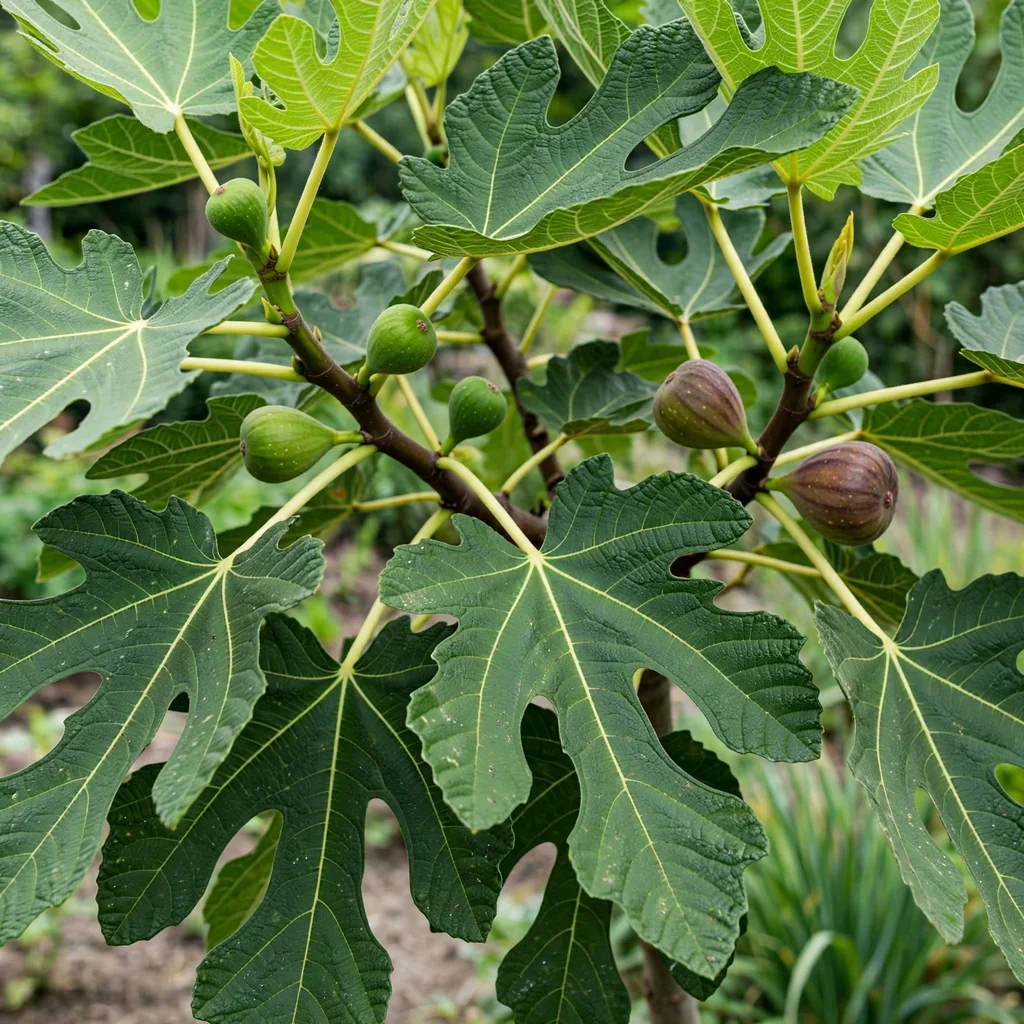
Fig Tree Brown Turkey
Ficus carica 'Brown Turkey'
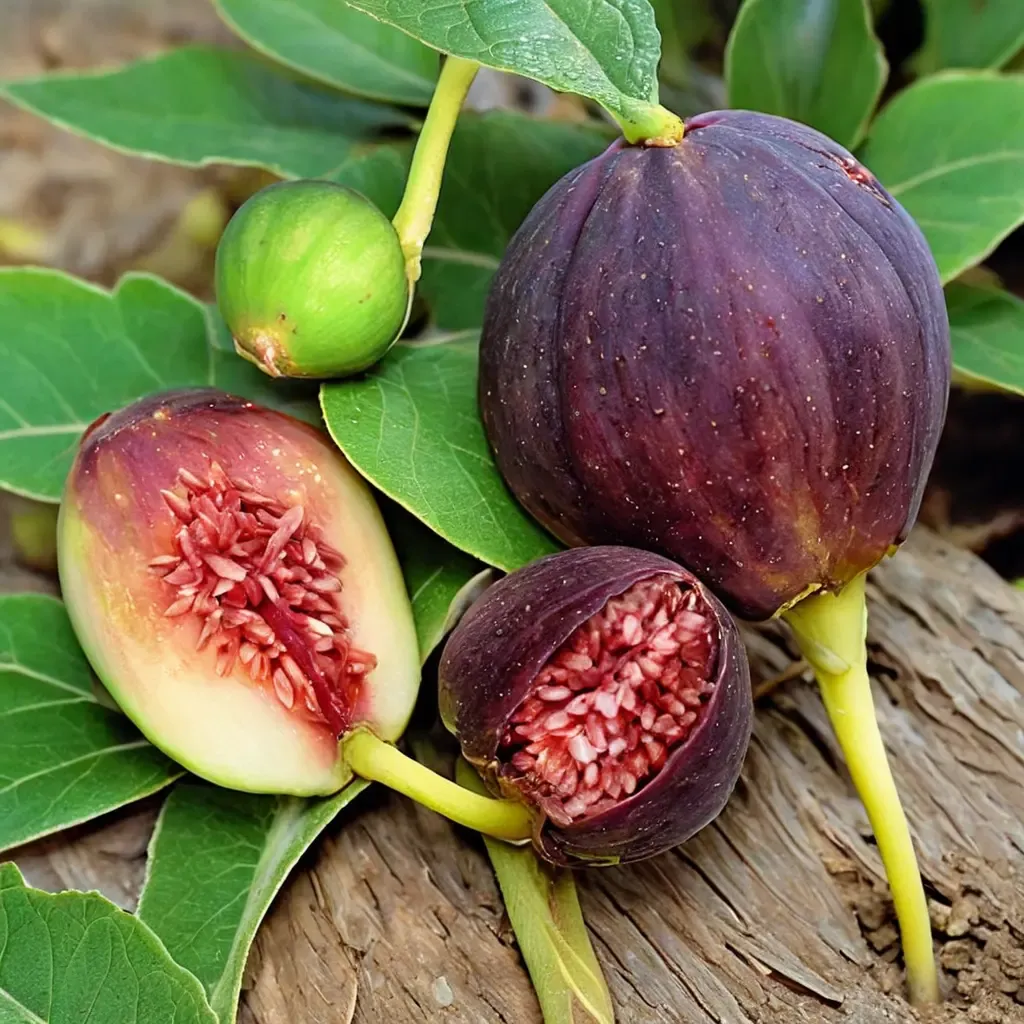
Improved Brown Turkey Fig
Ficus carica 'Improved Brown Turkey'
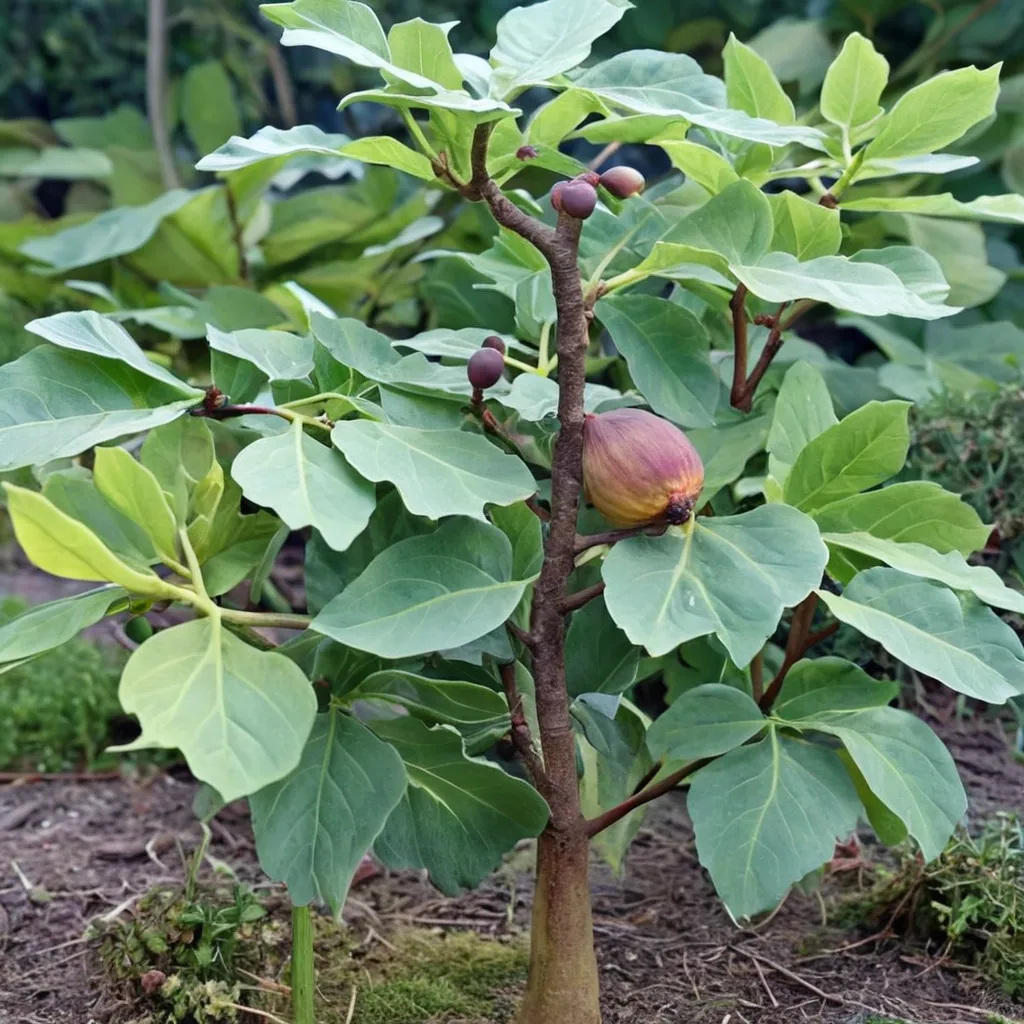
Chicago Hardy Fig
Ficus carica 'Chicago Hardy'
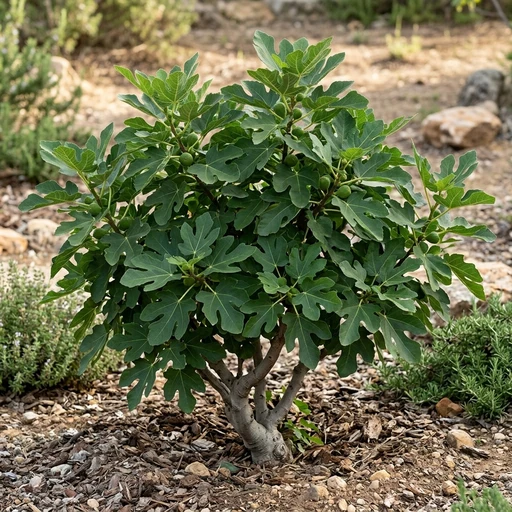
Little Miss Figgy Dwarf Fig
Ficus carica 'Little Miss Figgy'
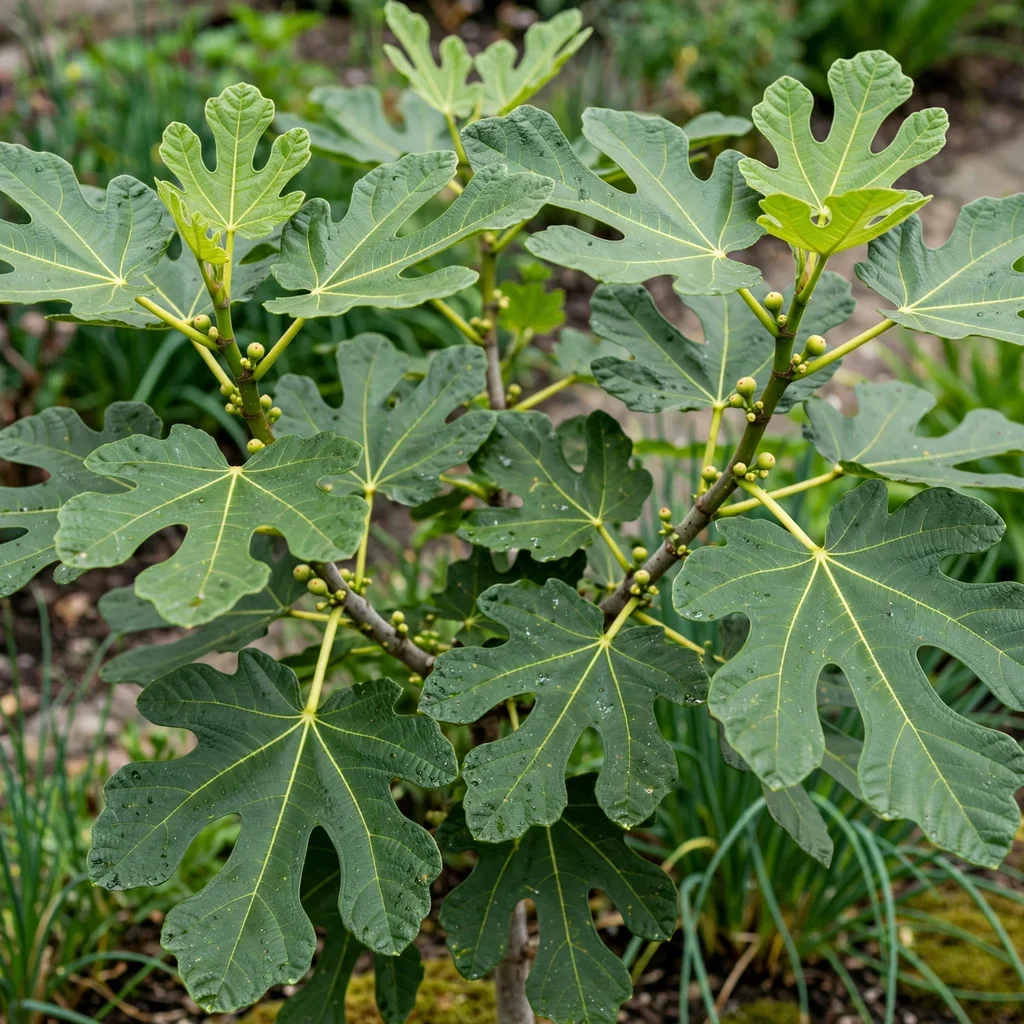
Champagne Fig
Ficus carica 'Champagne'
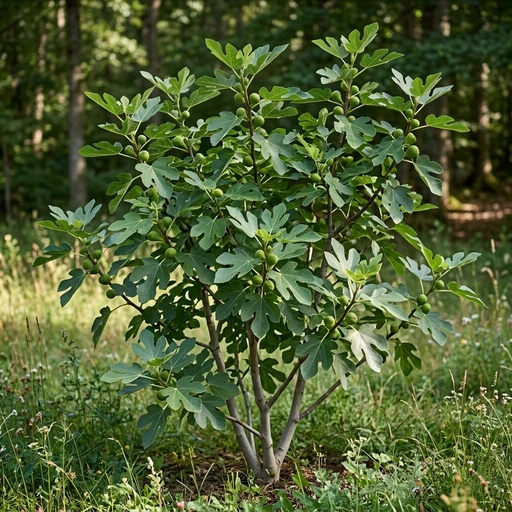
Celeste Fig
Ficus carica 'Celeste'
Keep exploring
Explore the genus
Hardy in your zone?
Grow Florida Strangler Fig with confidence
See it in a design of your actual yard, get zone-matched care reminders, and track it season by season in your garden journal.