The Story
Plant Bio
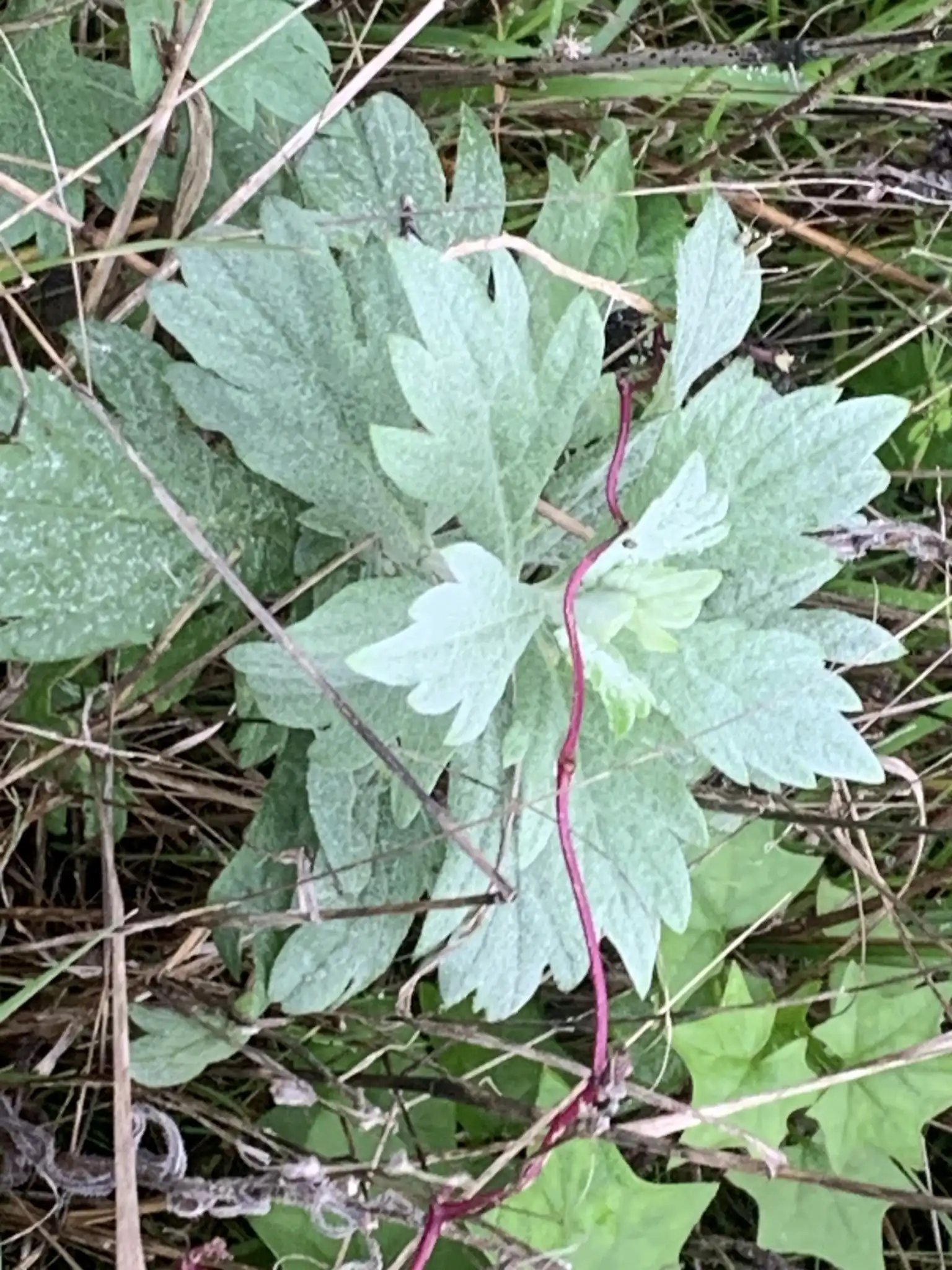
Artemisia douglasiana is a rhizomatous herbaceous perennial native to western North America, growing two to six feet tall and forming dense, upright thickets along streams and damp sites. Its foliage features deeply lobed leaves with dark green hairless upper surfaces and white-to-silvery woolly undersides.
Narrow, yellowish or brownish-white flower heads appear in leafy paniculate spikes from summer into fall. The plant spreads rapidly through underground rhizomes, stabilizing moist stream banks and damp soil margins.
Uses & Benefits:
Essentials
At a Glance
Plant Type
Perennial
Height
71"
Width
59"
Light
Full Sun, Partial Sun
Zones
4, 5, 6, 7, 8, 9
Water
Moderate
Humidity
High
Lifespan
Perennial
Native To
Western North America
Toxicity
Causes contact dermatitis in sensitive skin
Bloom period
Summer – Fall
In flower about 6 months of the year
Planting
How to Grow
- Select a planting location in full sun to partial shade with moist, loam, clay, or sandy soil.
- Dig a hole twice as wide as the root container and insert root barriers if contained growth is desired.
- Set the plant at the depth of its original container, backfill with native soil, and water thoroughly.
- Maintain steady soil moisture during establishment; plants tolerate seasonal dry periods once rooted.
Pro Tip
Install subterranean root barriers or confine plantings to isolated, damp naturalized zones to prevent creeping rhizomes from invading adjacent flower beds.
Keep It Thriving
Care Guide
Do
- Cut dead top-growth down to ground level every year in late winter before new basal shoots break through.
- Wear gloves when handling stems to avoid contact dermatitis from aromatic leaf compounds.
- Confine running rhizomes using physical barriers or deep container culture in managed gardens.
Don't
- Do not apply supplemental fertilizer, which promotes weak, floppy stem growth.
- Do not leave dry, leafless winter stems intact into spring as they block sunlight from new basal shoots.
Seasonal Care Calendar
| Task | Jan | Feb | Mar | Apr | May | Jun | Jul | Aug | Sep | Oct | Nov | Dec |
|---|---|---|---|---|---|---|---|---|---|---|---|---|
| Pest Check | ||||||||||||
| Plant | ||||||||||||
| Propagate | ||||||||||||
| Prune |
Watch Out For
Pests & Diseases
Common Pests
Common Diseases
In the Garden
Landscape Uses & Companions
Landscape Uses
Companion Plants
Multiply
Propagation Methods
Good to Know
Common Questions
California Mugwort questions
What zones can California Mugwort grow in?
California Mugwort is hardy in USDA Zones 4–9: in that range it survives winter in the ground. Warmer than Zone 9, winter isn't the problem: it prefers colder winters, and summer heat can shorten its life.
Is California Mugwort deer resistant?
Yes — California Mugwort is rated deer-resistant. Deer typically pass it over, though extreme hunger can override any plant's defenses.
When does California Mugwort bloom?
California Mugwort typically blooms from summer to fall. Exact timing shifts a week or two with your zone — Sow's bloom calendar maps it to your garden.
Does California Mugwort need full sun?
California Mugwort does best in full sun to part shade. In hot climates, afternoon shade keeps blooms fresher longer.
Is California Mugwort drought tolerant?
Yes — once established (usually after the first full season), California Mugwort handles dry spells with minimal watering. Water deeply its first year to build the root system that makes that possible.
More Artemisia to compare
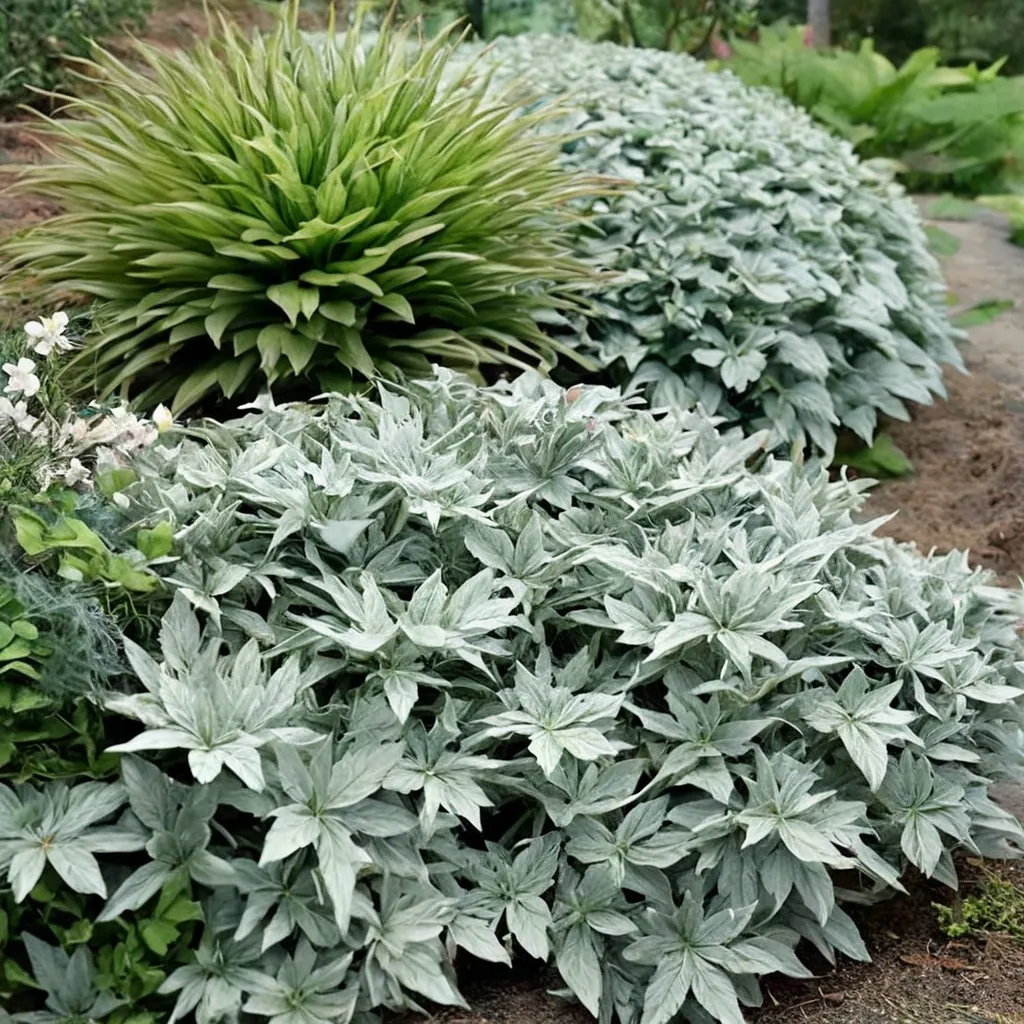
Artemisia Silver Lining
Artemisia x hybrida 'Silver Lining'
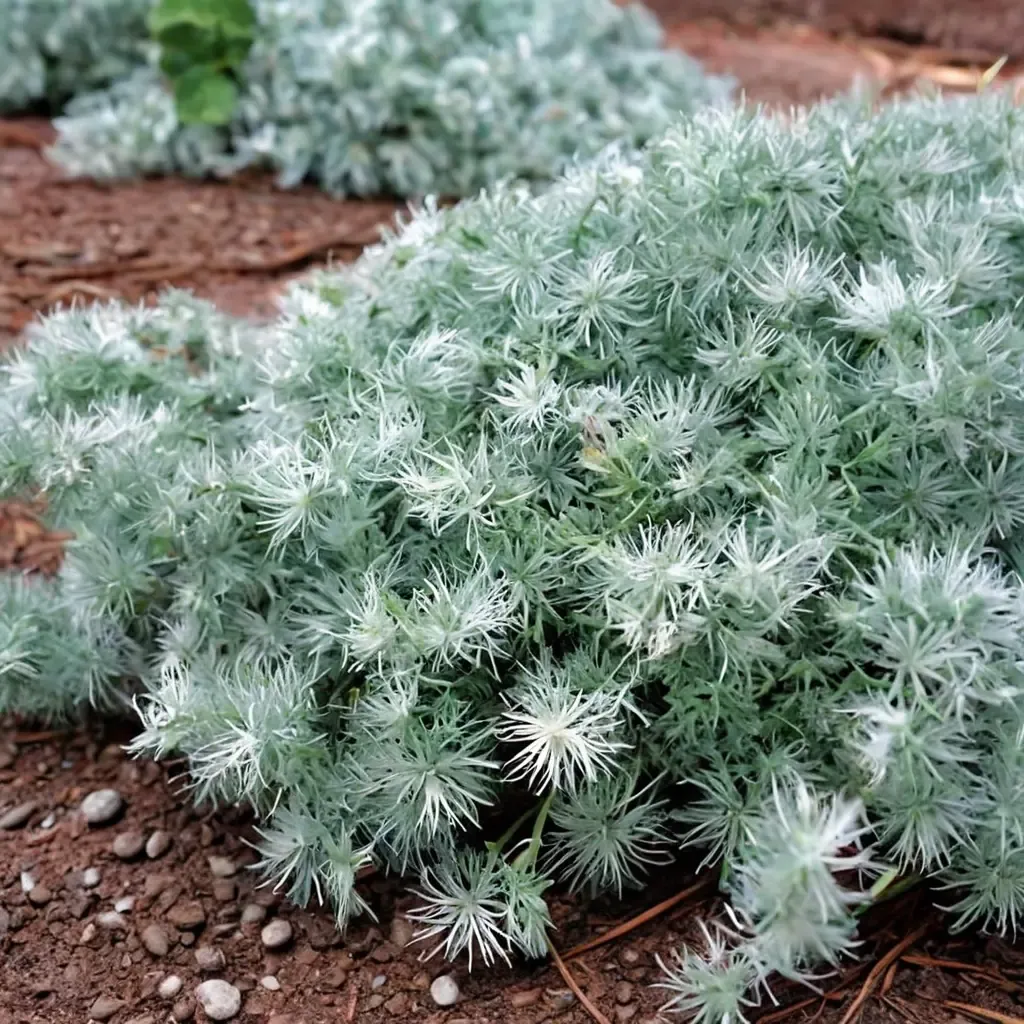
Silver Mound Wormwood
Artemisia schmidtiana 'Silver Mound'
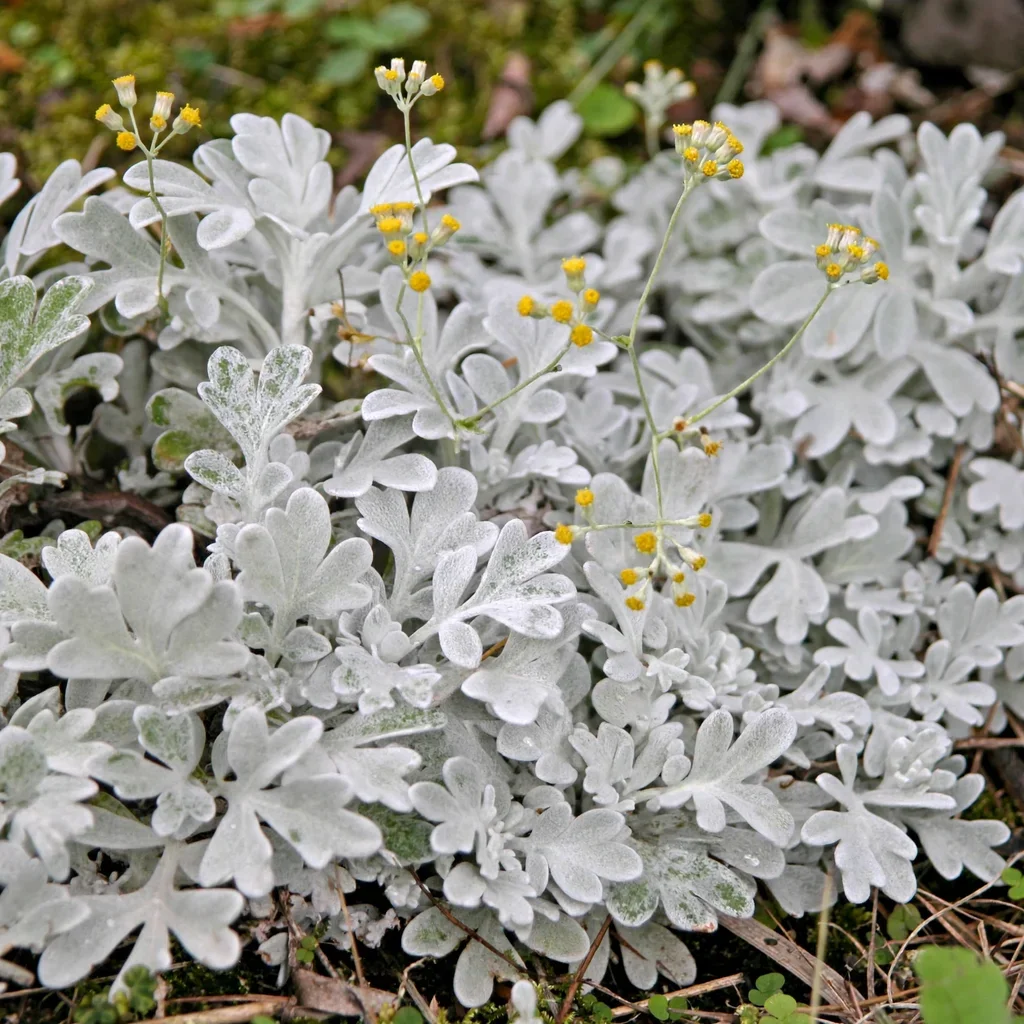
Silver Brocade Beach Wormwood
Artemisia stelleriana 'Silver Brocade'
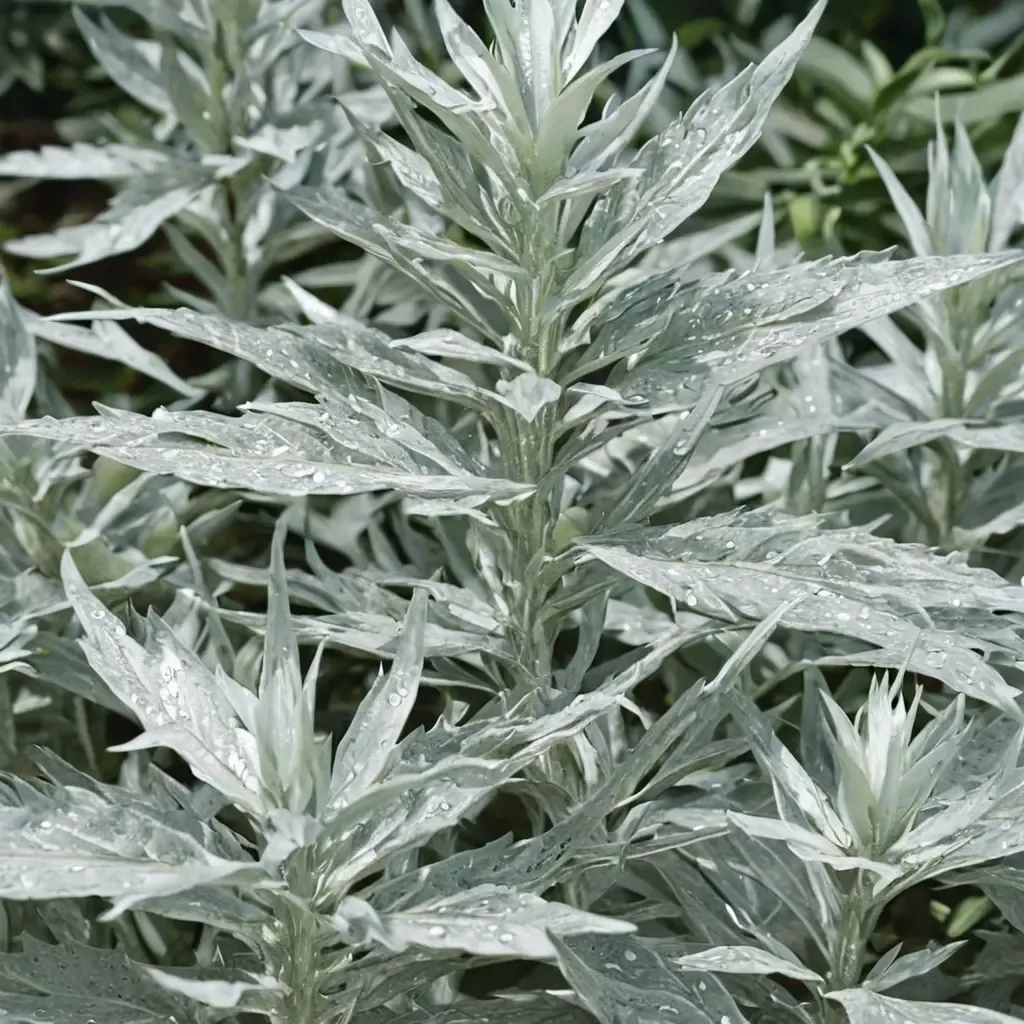
Silver King Artemisia
Artemisia ludoviciana 'Silver King'
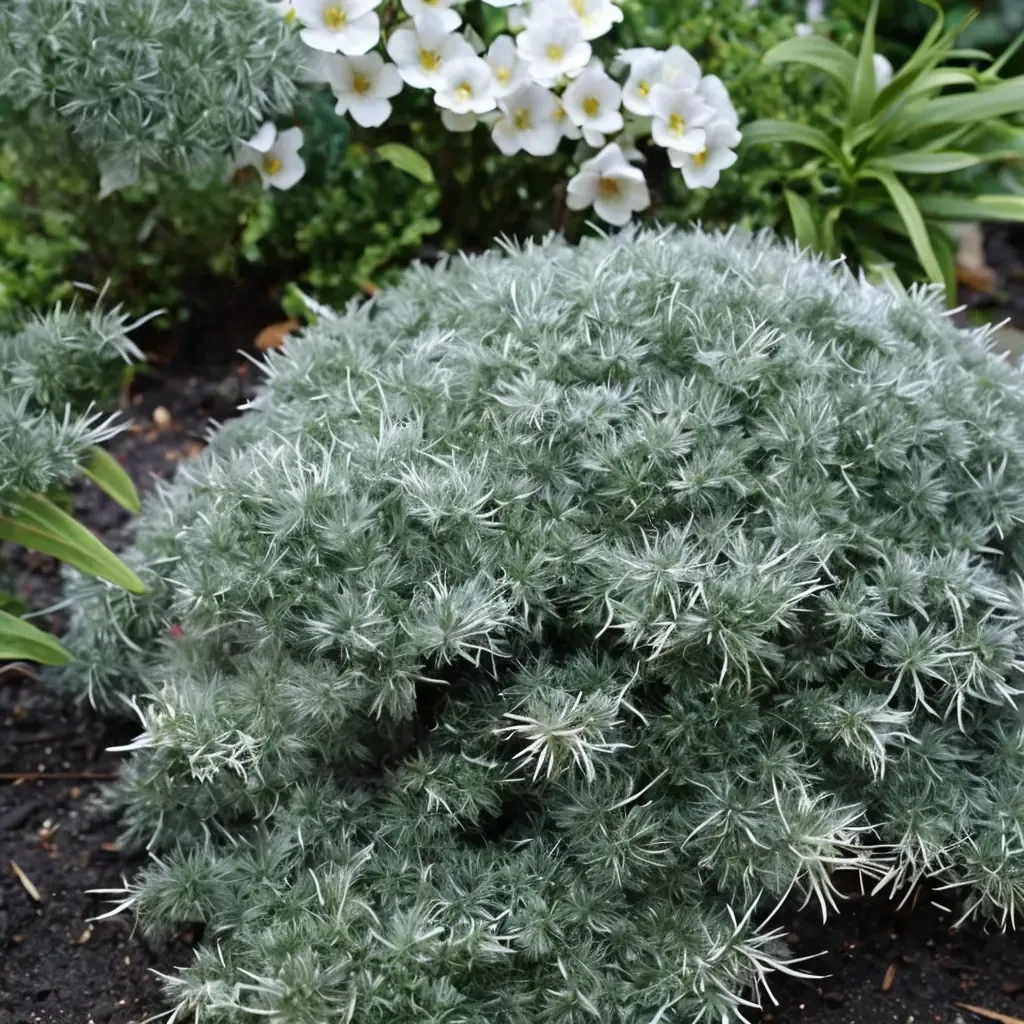
Silver Mound Artemisia
Artemisia schmidtiana 'Nana'
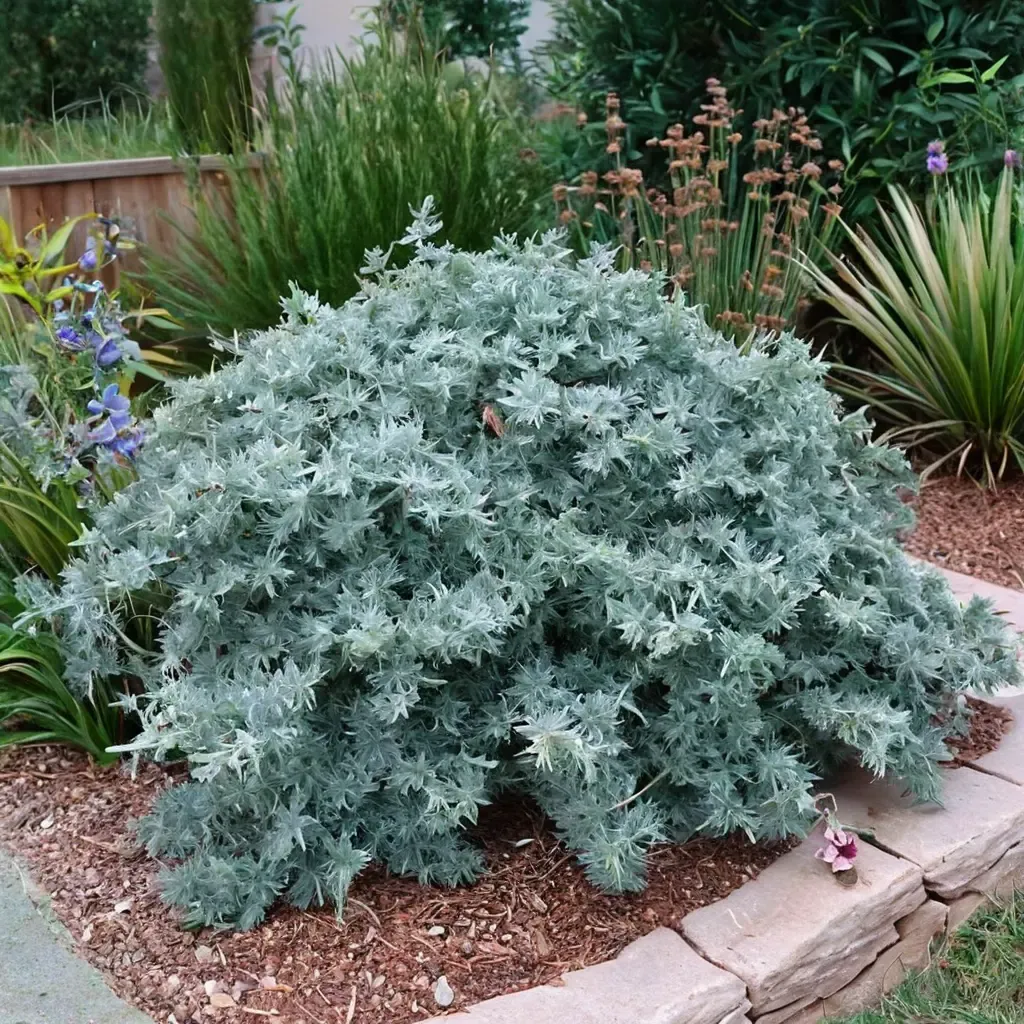
Powis Castle wormwood
Artemisia x hybrida 'Powis Castle'
Keep exploring
Explore the genus
Grow California Mugwort with confidence
See it in a design of your actual yard, get zone-matched care reminders, and track it season by season in your garden journal.