Garden hybrid
This is a garden hybrid, bred from more than one wild species, so it has no single species page of its own.
12 other cultivars
- ‘Paprikash’Siberian Iris 'Paprikash'
- ‘Wow Factor’Louisiana Iris Wow Factor
- ‘Handmaiden’Handmaiden Louisiana Iris
- ‘Kita-No-Seiza’Kita-No-Seiza Japanese Iris
- ‘Blatant Reblooming KickStart’Blatant Reblooming Bearded Iris
- ‘Geisha Eyes’Louisiana Iris Geisha Eyes
- ‘Tsukiyono’Japanese Iris Tsukiyono
- ‘Now and Forever’Louisiana Iris Now and Forever
- ‘Pseudata’Hybrid Iris Pseudata
- ‘Joie de Vivre’Louisiana Iris Joie de Vivre
- ‘Cobweb Concerto’Louisiana Iris Cobweb Concerto
- ‘Double Standard’Bearded Iris Double Standard


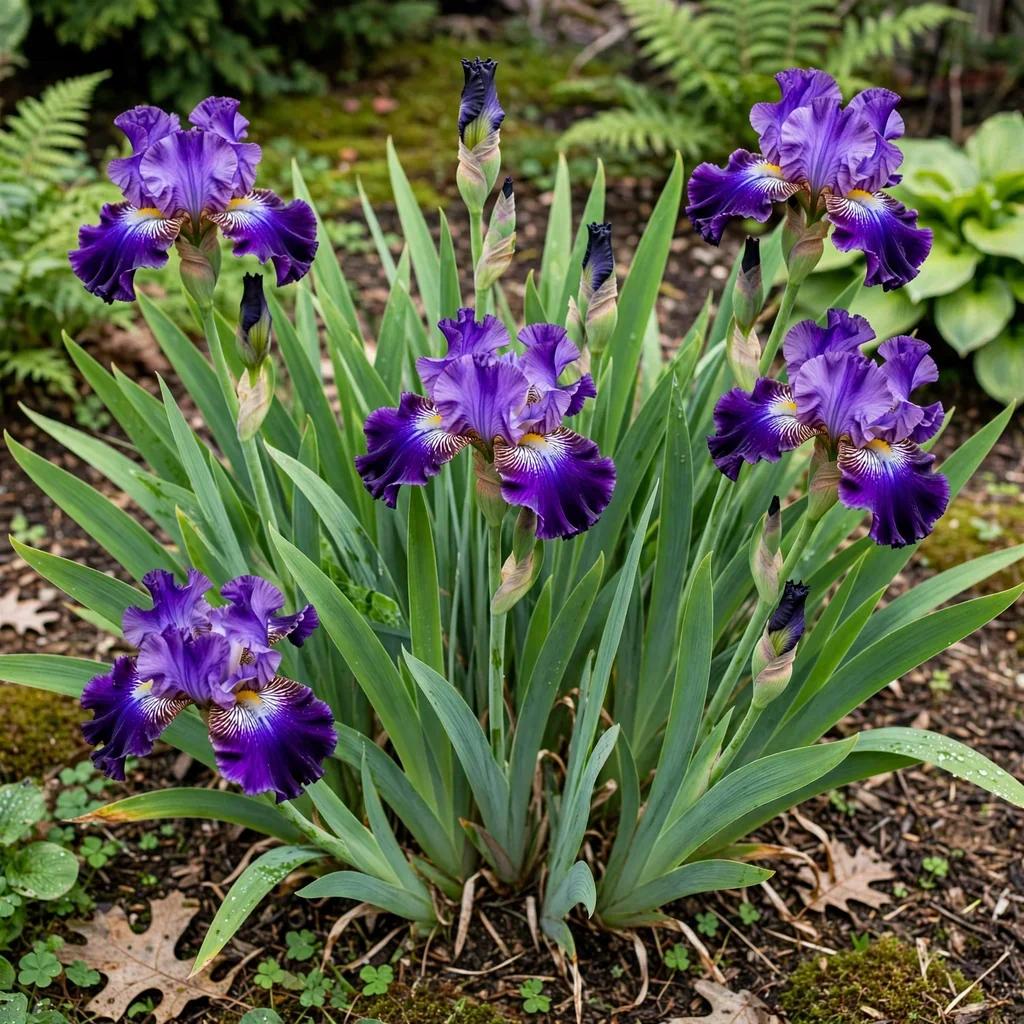


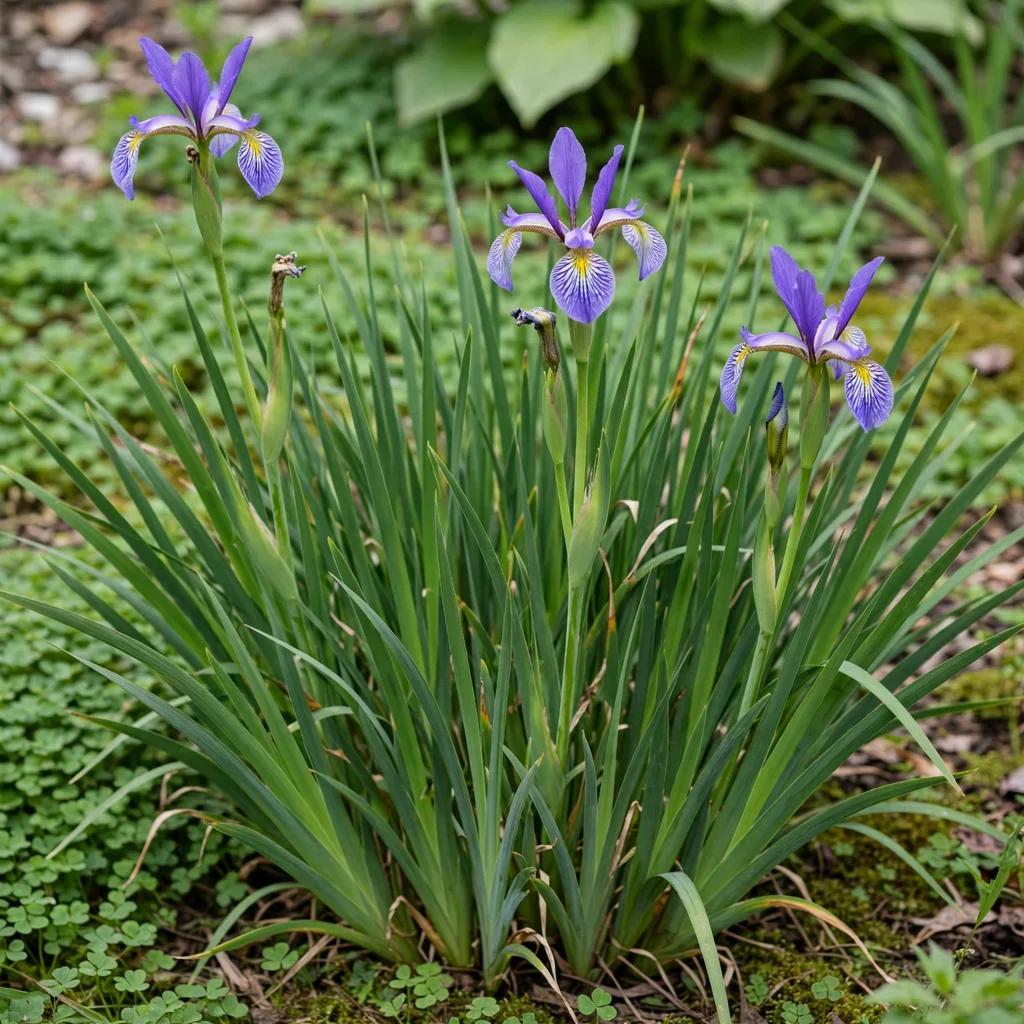
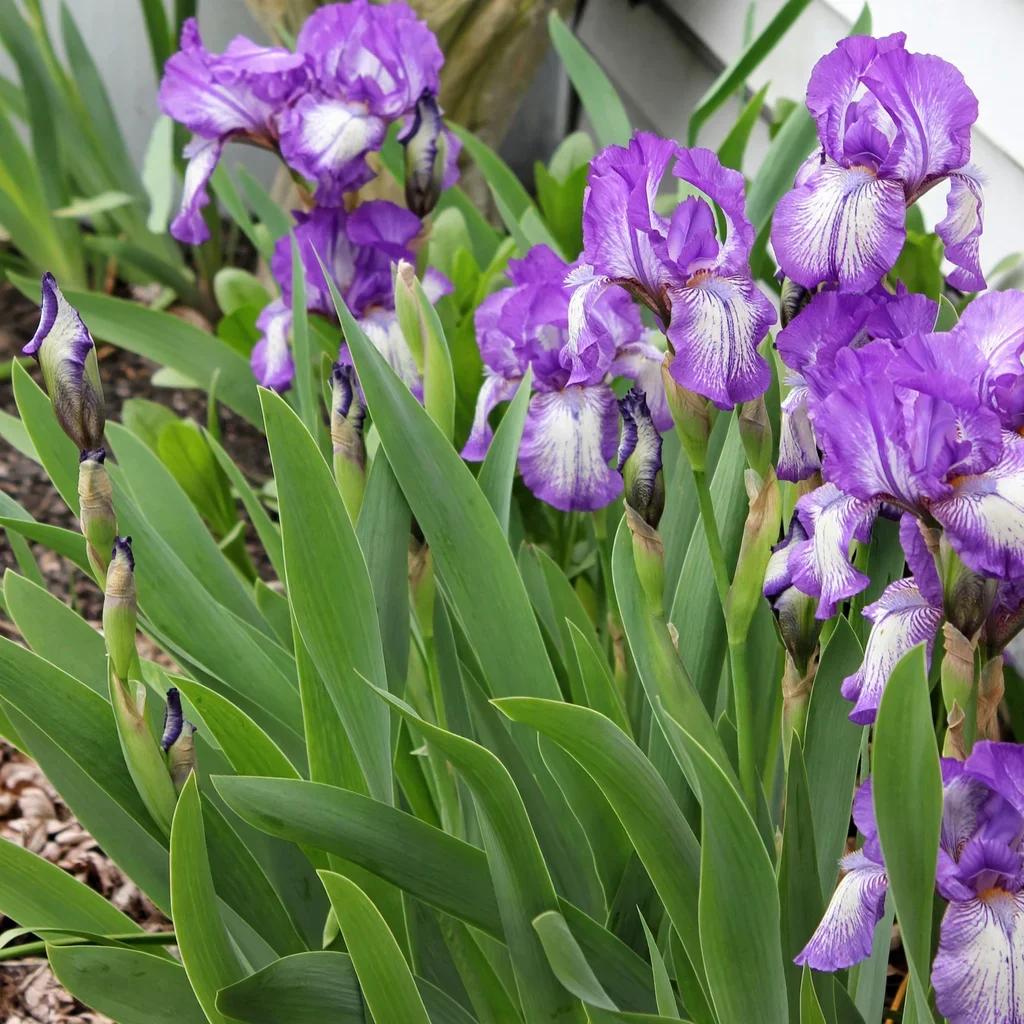
The Story
Plant Bio
Iris × pseudata represents a group of sterile interspecific hybrids developed by crossing the European yellow flag iris (Iris pseudacorus) with the Japanese iris (Iris ensata). These vigorous perennials combine the moisture tolerance and robust constitution of the former parent with the elegant, flat-topped flower form of the latter.
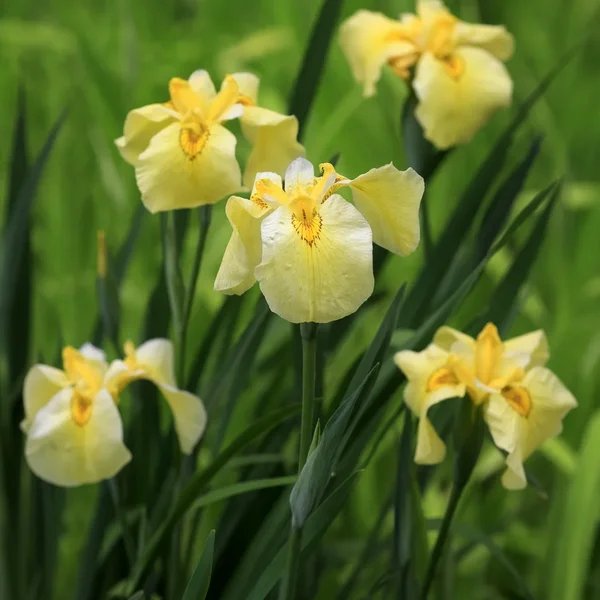
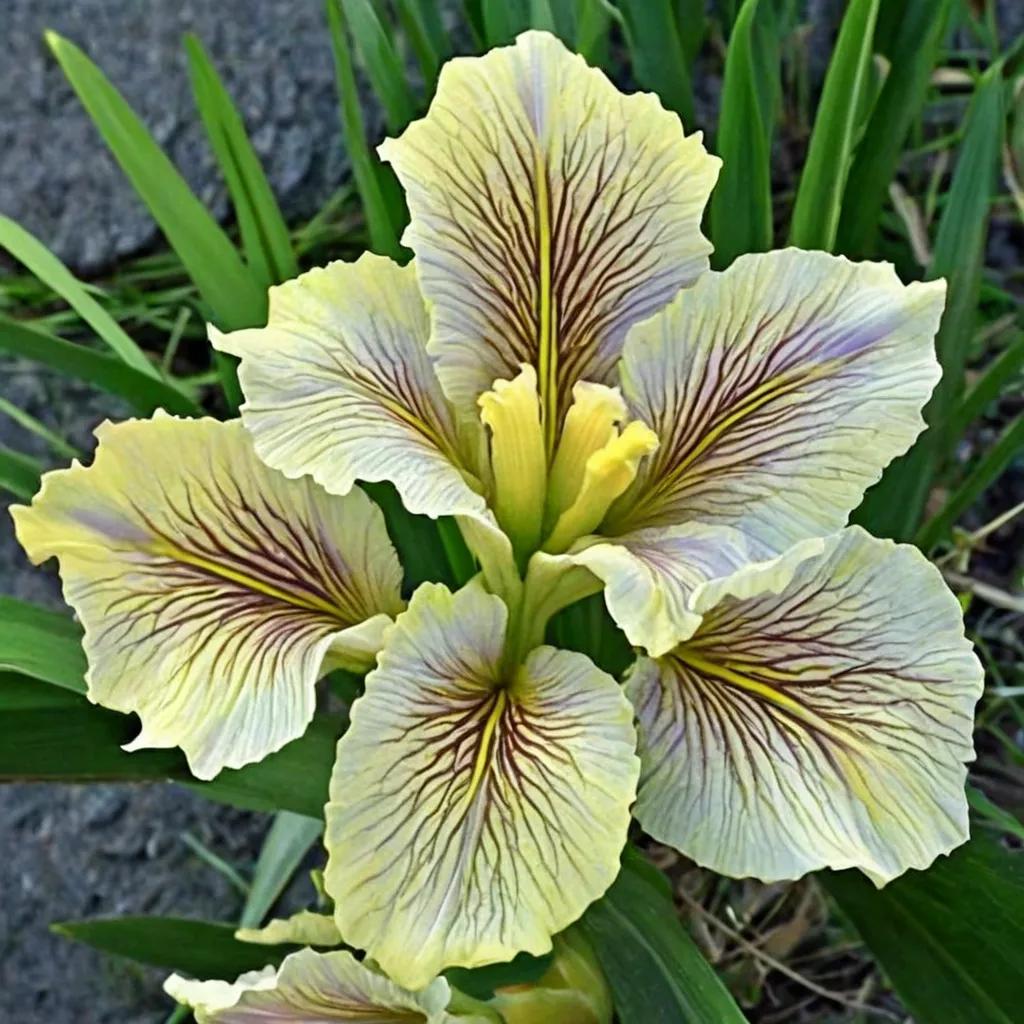
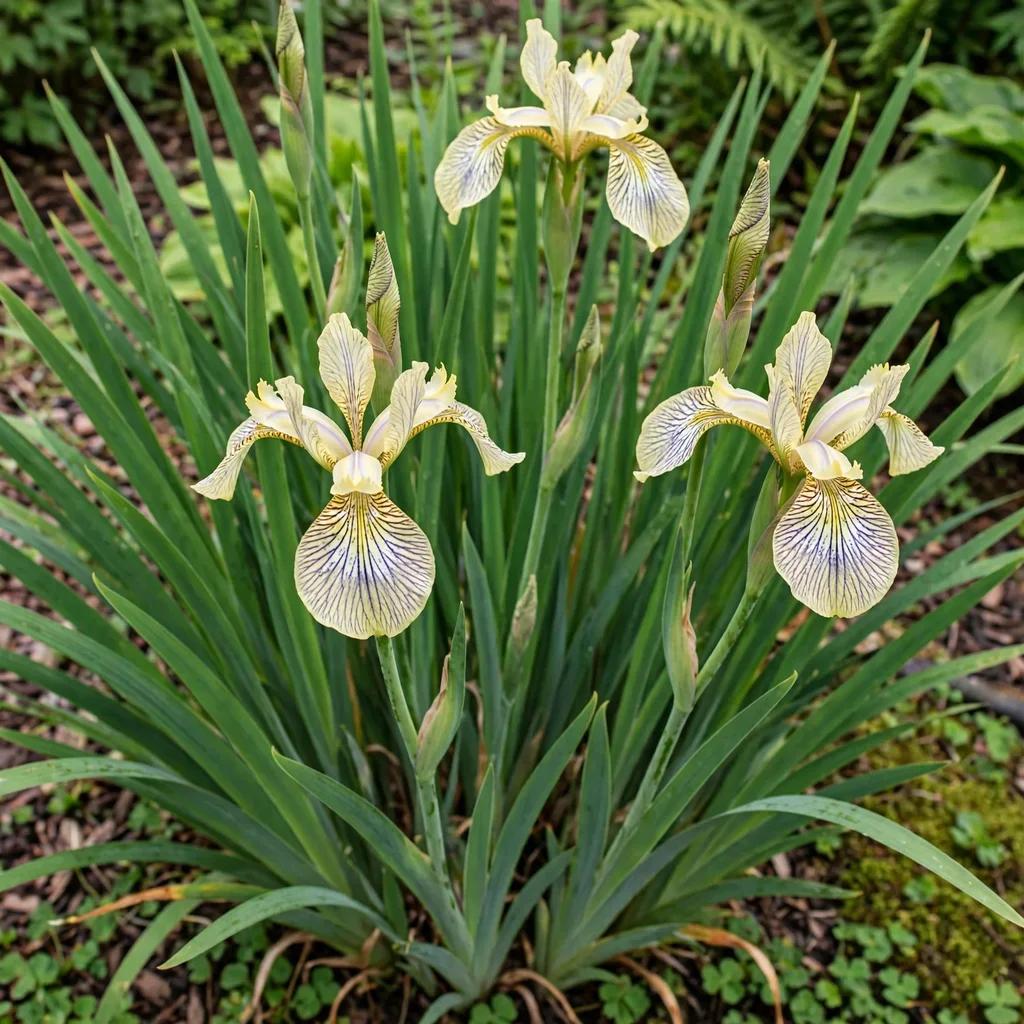
'Aichi no Kagayaki' is distinguished by its sword-shaped leaves that emerge bright chartreuse-yellow in spring before maturing to mid-green. The beardless, pale yellow flowers feature slightly darker falls marked by a deep yellow signal and fine brown veining along the margins.
Uses & Benefits:
Bred from more than one wild species, so it has no species page of its own.
Essentials
At a Glance
Plant Type
Perennial
Height
35"
Width
35"
Light
Full Sun, Partial Sun
Zones
4, 5, 6, 7, 8, 9
Water
High
Humidity
Unknown
Lifespan
Perennial
Native To
Asia (cultivar developed in Japan)
Toxicity
Toxic if Ingested / Skin Irritant
Bloom period
Spring – Early summer
In flower about 4 months of the year
Planting
How to Grow
- Select a site in full sun to partial shade with moist loam, wet sand, or heavy clay soil.
- Plant rhizomes 1 to 2 inches deep, spacing multiple plants 24 to 30 inches apart to allow for clump expansion.
- Water thoroughly at planting and maintain consistent moisture, or submerge the pot in shallow water up to several inches deep during spring and summer.
- Apply a balanced fertilizer in early spring as the new chartreuse foliage begins to emerge.
Pro Tip
Unlike pure Japanese irises which demand acidic conditions, this hybrid tolerates a broad pH range and thrives in heavy clay or shallow standing water during the active growing season.
Keep It Thriving
Care Guide
Do
- Keep the soil consistently moist to wet during the spring and summer growing seasons.
- Cut the deciduous foliage cleanly to the ground after it turns brown following the first hard winter frosts.
- Remove spent flower stalks down to the foliage line after blooming finishes to maintain a tidy appearance.
Don't
- Do not allow the soil to dry out completely, especially during hot summer periods.
- Do not worry about deadheading to prevent self-seeding, as this hybrid is completely sterile.
- Do not divide the clumps frequently, as they are slow to expand and perform best when left undisturbed for several years.
Seasonal Care Calendar
| Task | Jan | Feb | Mar | Apr | May | Jun | Jul | Aug | Sep | Oct | Nov | Dec |
|---|---|---|---|---|---|---|---|---|---|---|---|---|
| Deadhead | ||||||||||||
| Fertilize | ||||||||||||
| Spring Cleanup | ||||||||||||
| Winter Prep |
Watch Out For
Pests & Diseases
Common Pests
Common Diseases
In the Garden
Landscape Uses & Companions
Landscape Uses
Companion Plants
Multiply
Propagation Methods
Good to Know
Common Questions
Aichi no Kagayaki Iris questions
What zones can Aichi no Kagayaki Iris grow in?
Aichi no Kagayaki Iris is hardy in USDA Zones 4–9: in that range it survives winter in the ground. Warmer than Zone 9, winter isn't the problem: it prefers colder winters, and summer heat can shorten its life.
Is Aichi no Kagayaki Iris deer resistant?
Yes — Aichi no Kagayaki Iris is rated deer-resistant. Deer typically pass it over, though extreme hunger can override any plant's defenses.
When does Aichi no Kagayaki Iris bloom?
Aichi no Kagayaki Iris typically blooms from early spring to early summer. Exact timing shifts a week or two with your zone — Sow's bloom calendar maps it to your garden.
Does Aichi no Kagayaki Iris need full sun?
Aichi no Kagayaki Iris does best in full sun to part shade. In hot climates, afternoon shade keeps blooms fresher longer.
More Iris to compare
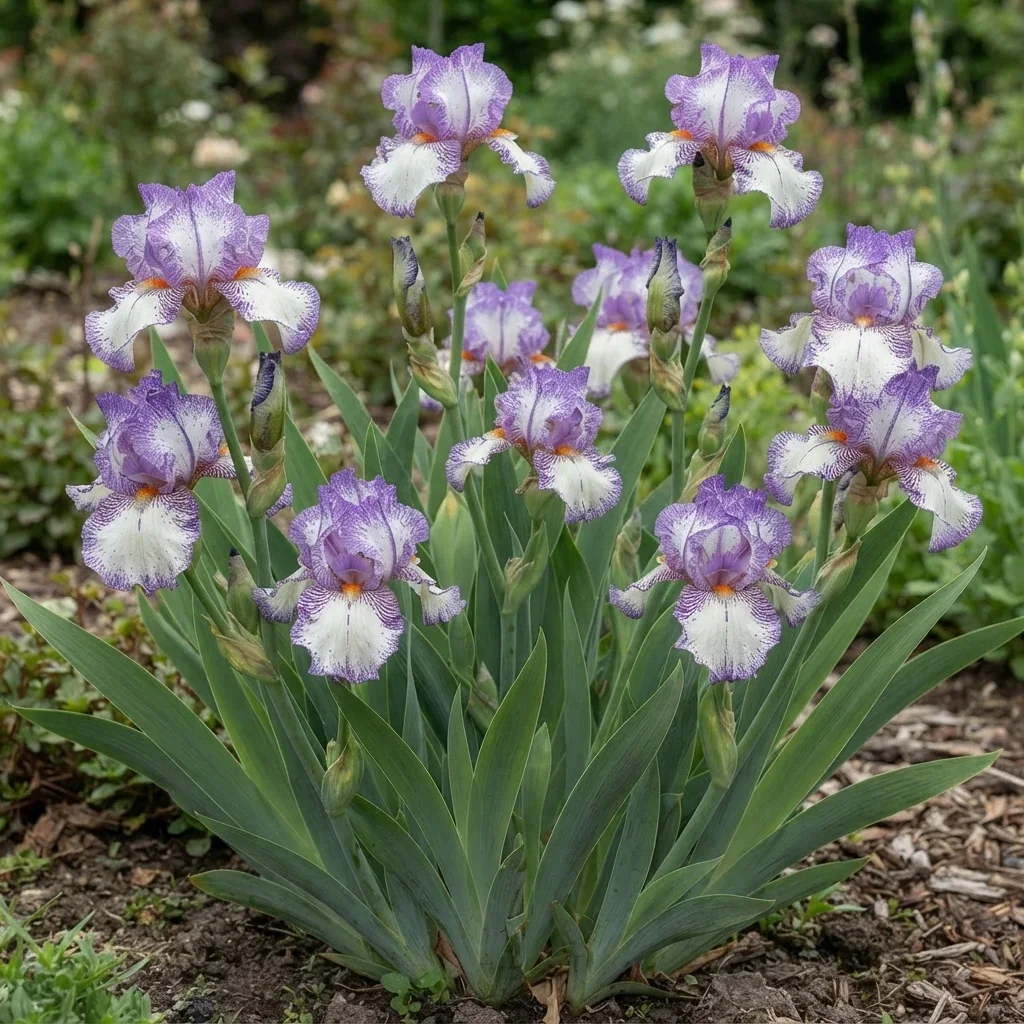
German Iris Bearded Iris
Iris x germanica 'Mix'
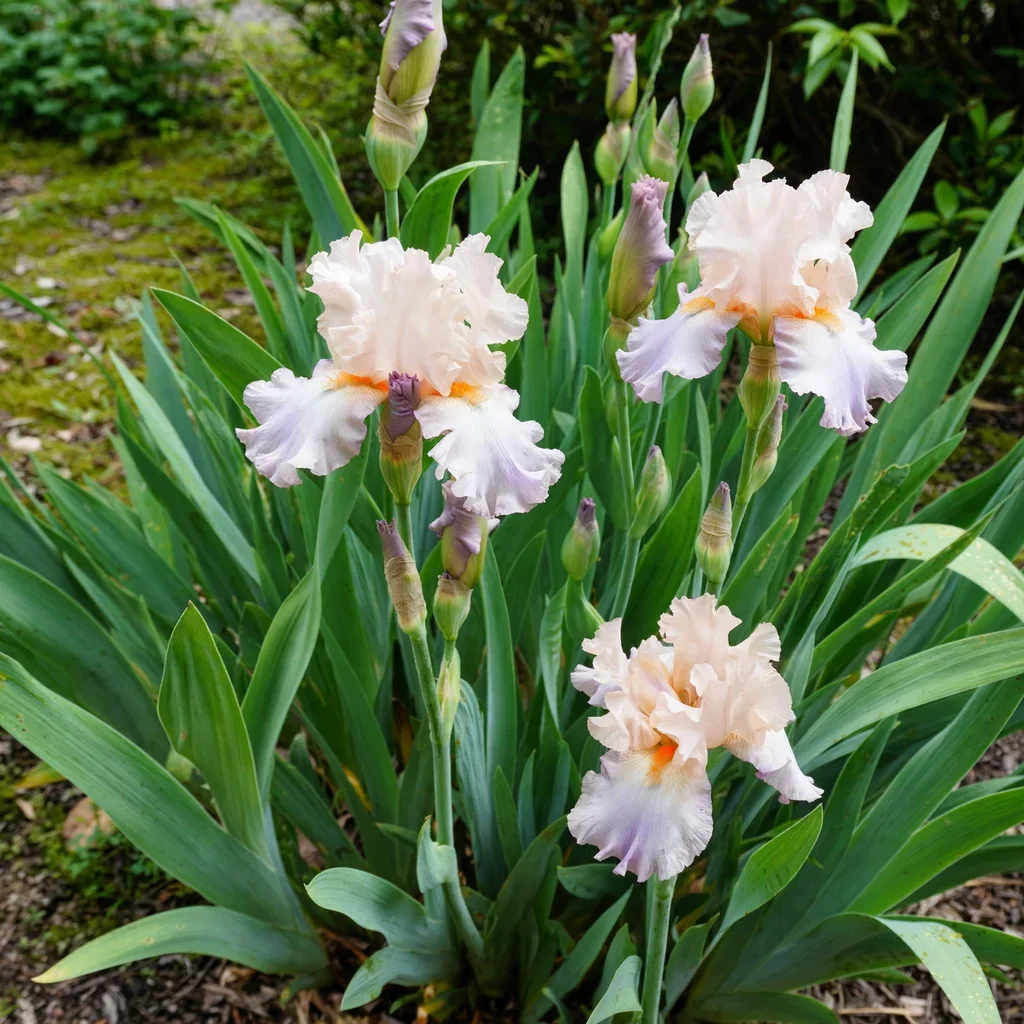
Celebration Song Iris
Iris tenuissima 'Celebration Song'
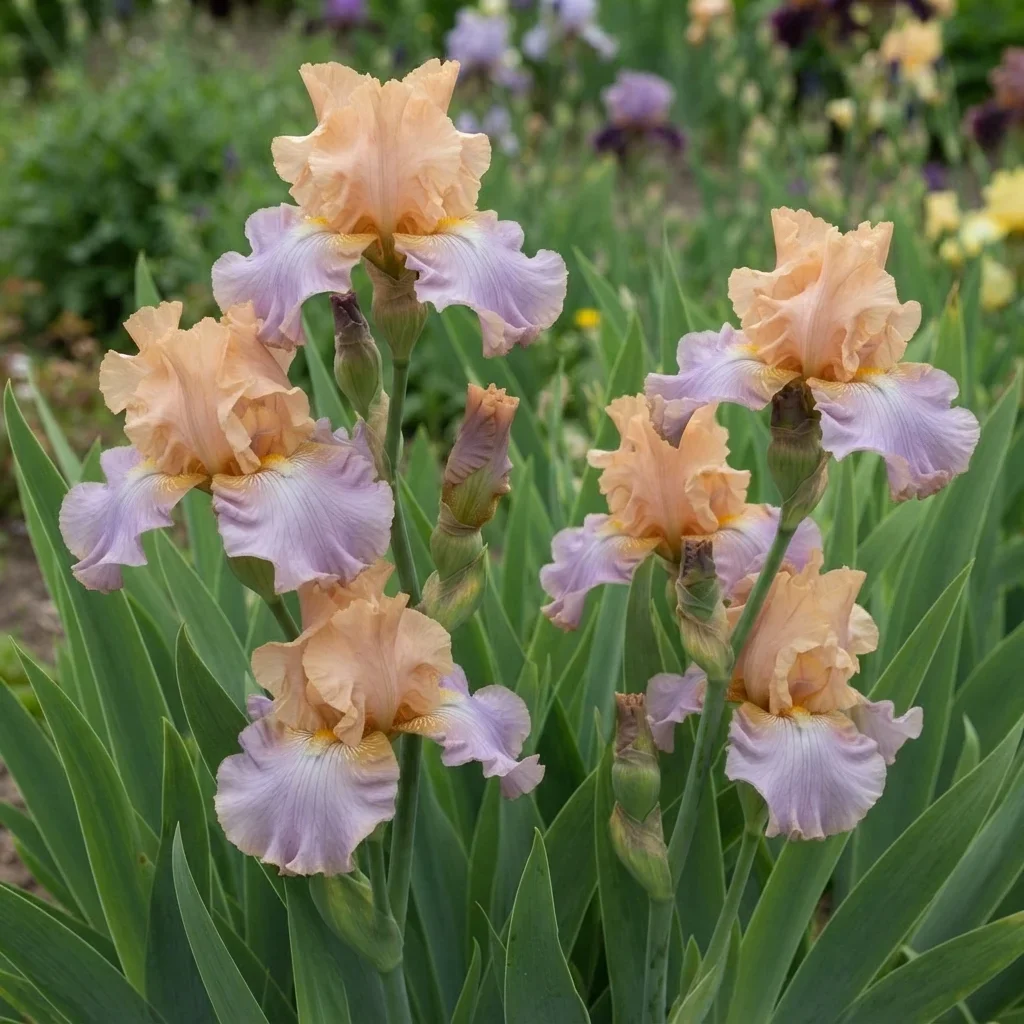
Poem of Ecstasy German Iris
Iris x germanica 'Poem Of Ecstasy'
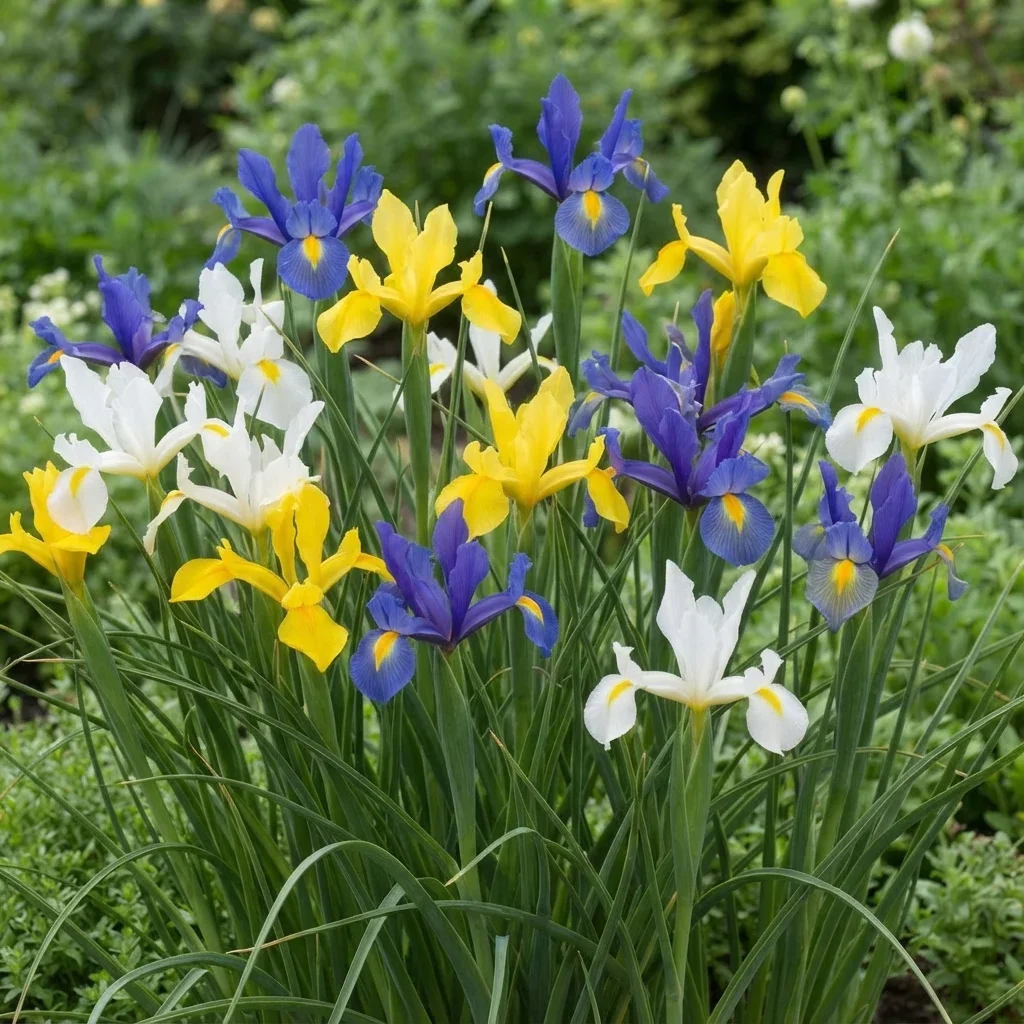
Dutch Iris Mix
Iris x hollandica 'Mix'
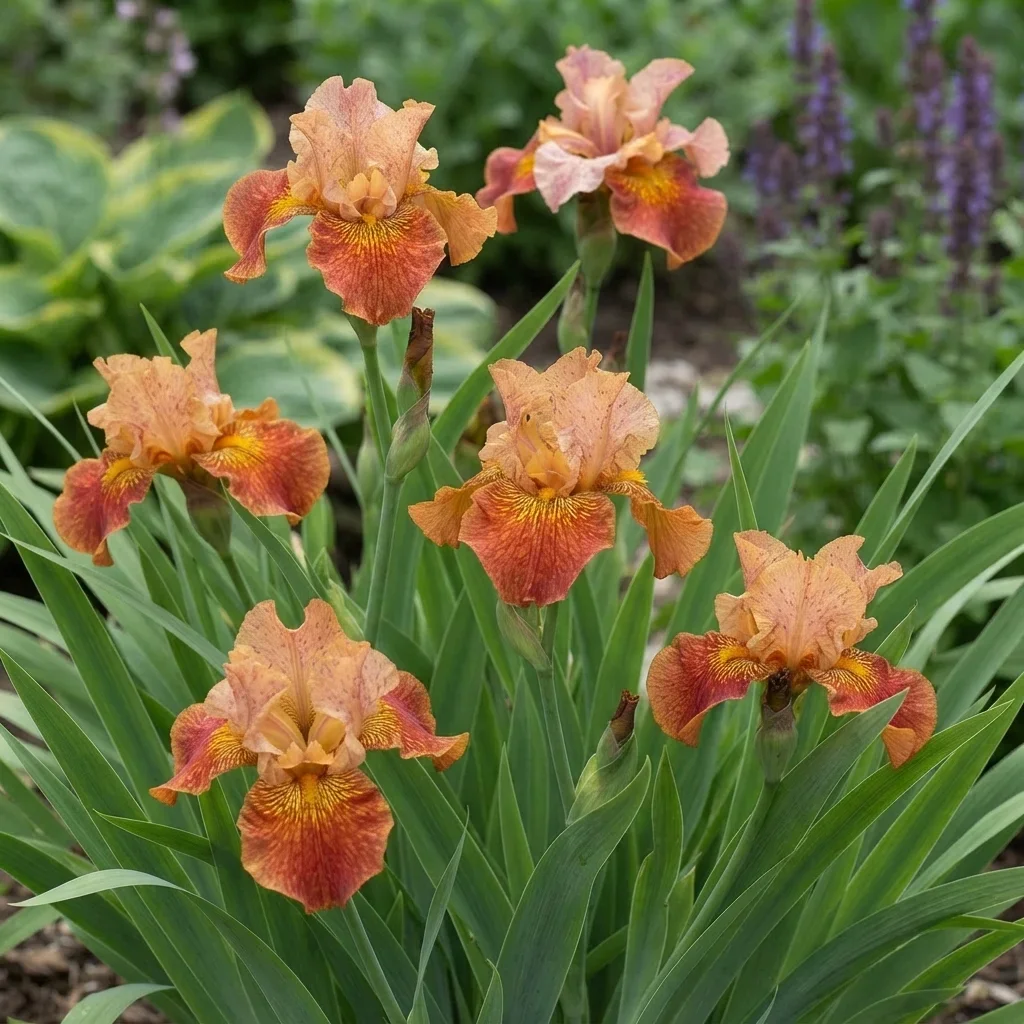
Siberian Iris 'Paprikash'
Iris x hybrida 'Paprikash'
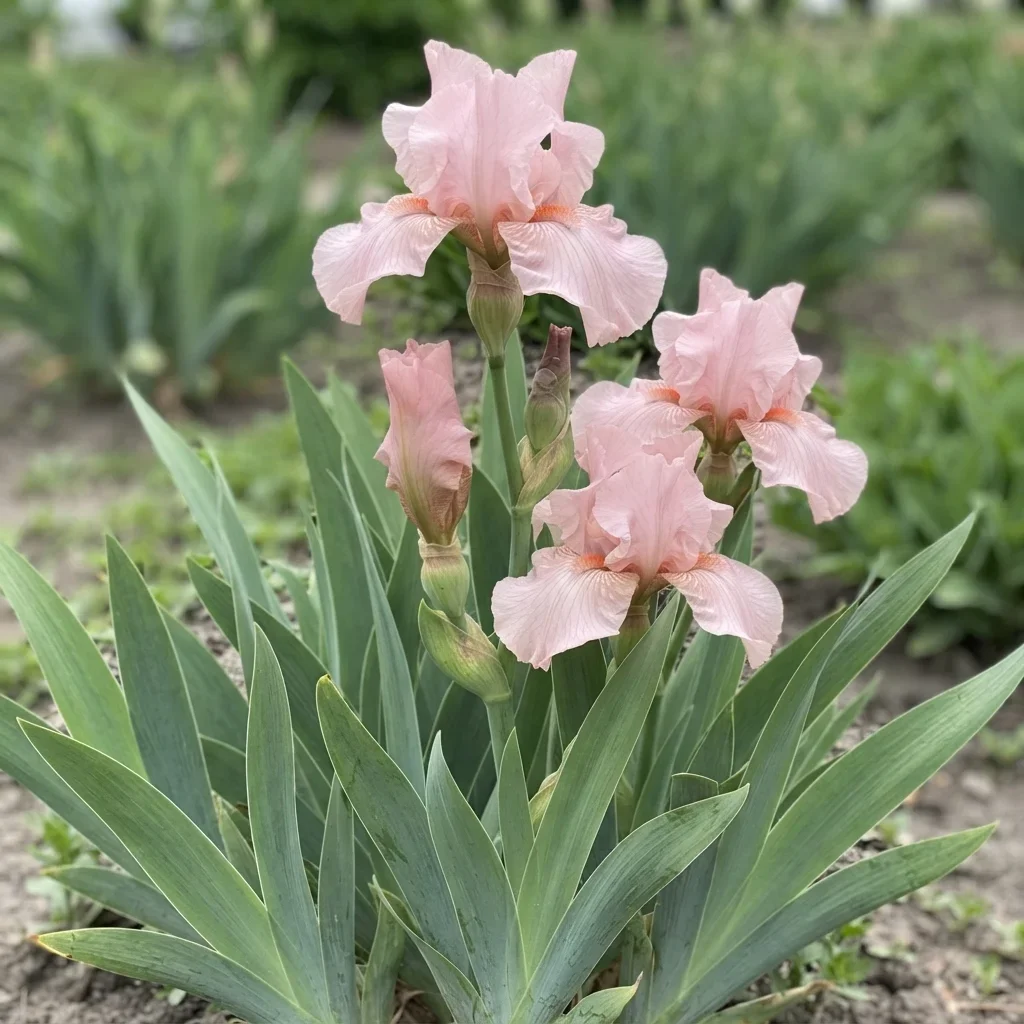
Baboon Bottom Bearded Iris
Iris x germanica 'Baboon Bottom Bearded'
Keep exploring
Explore the genus
Guides
Grow Aichi no Kagayaki Iris with confidence
See it in a design of your actual yard, get zone-matched care reminders, and track it season by season in your garden journal.