The Story
Plant Bio
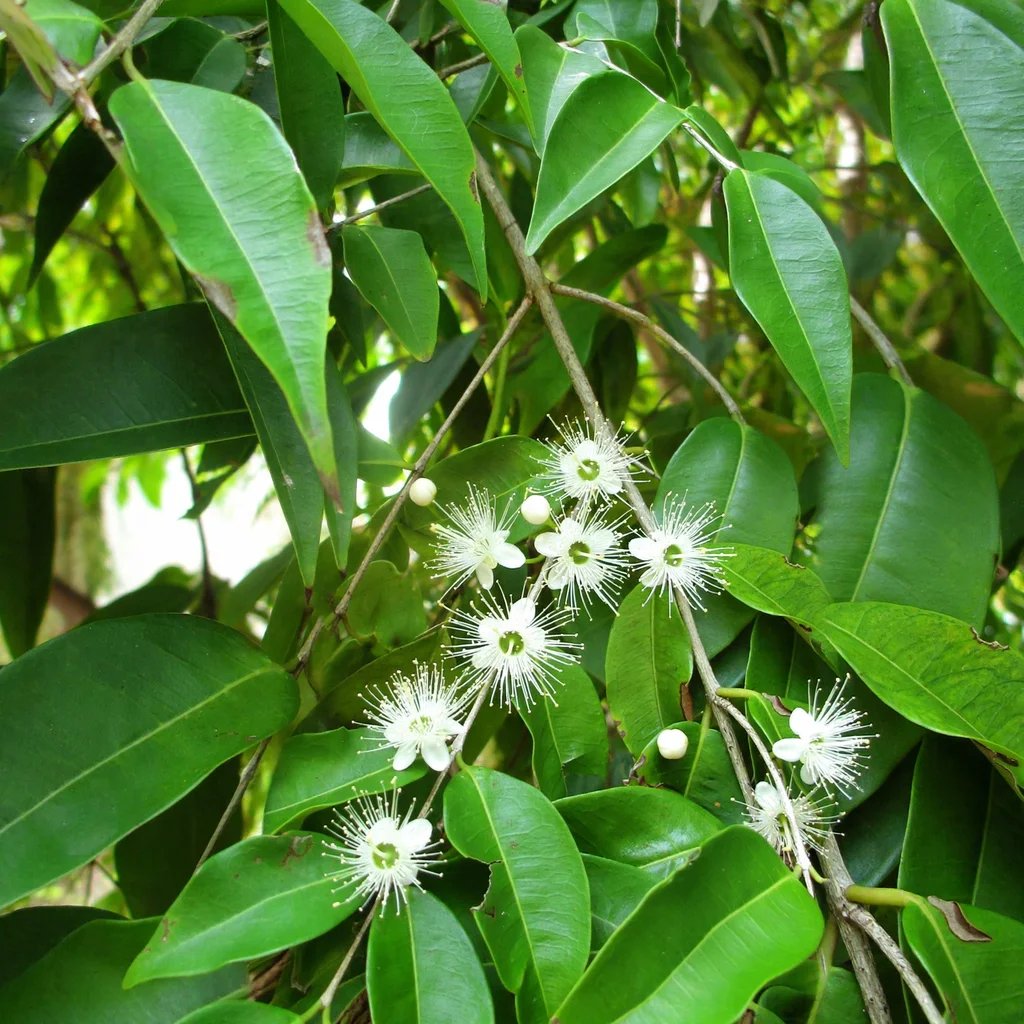
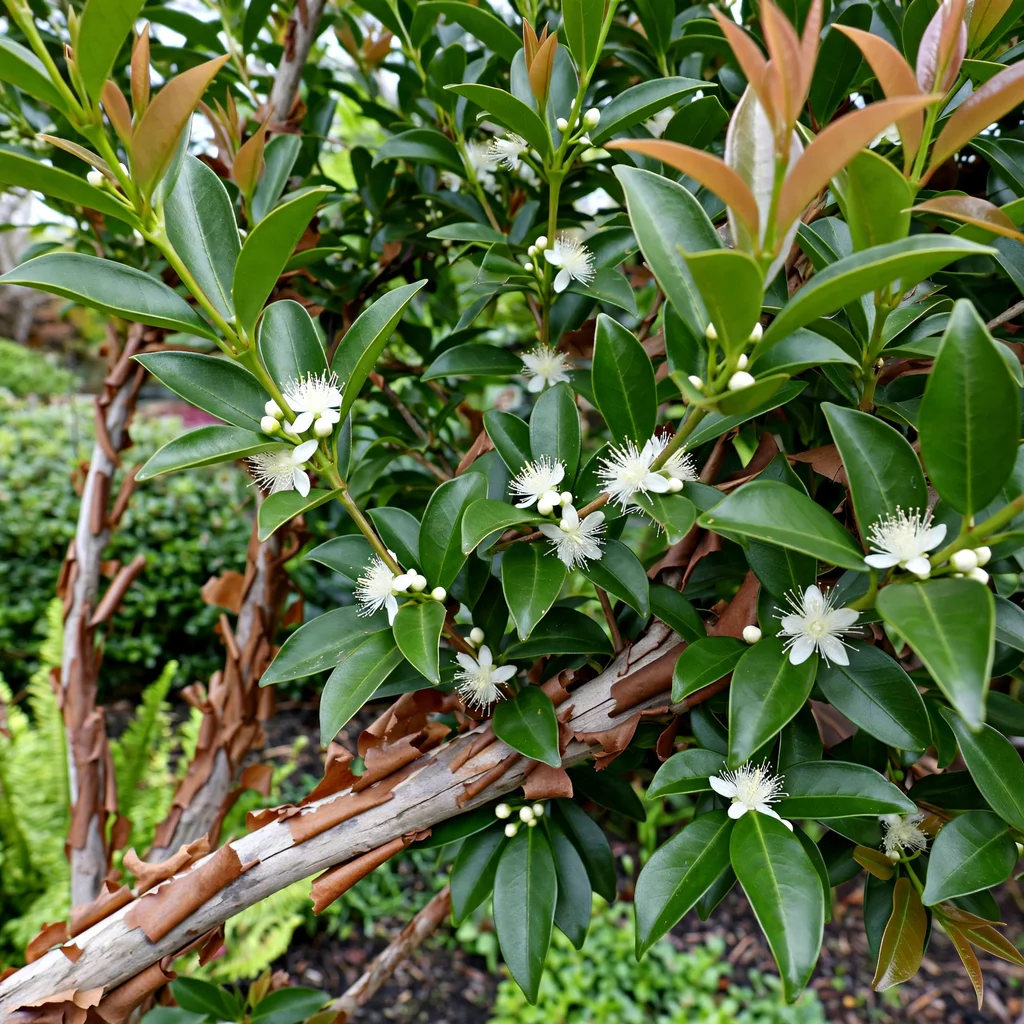
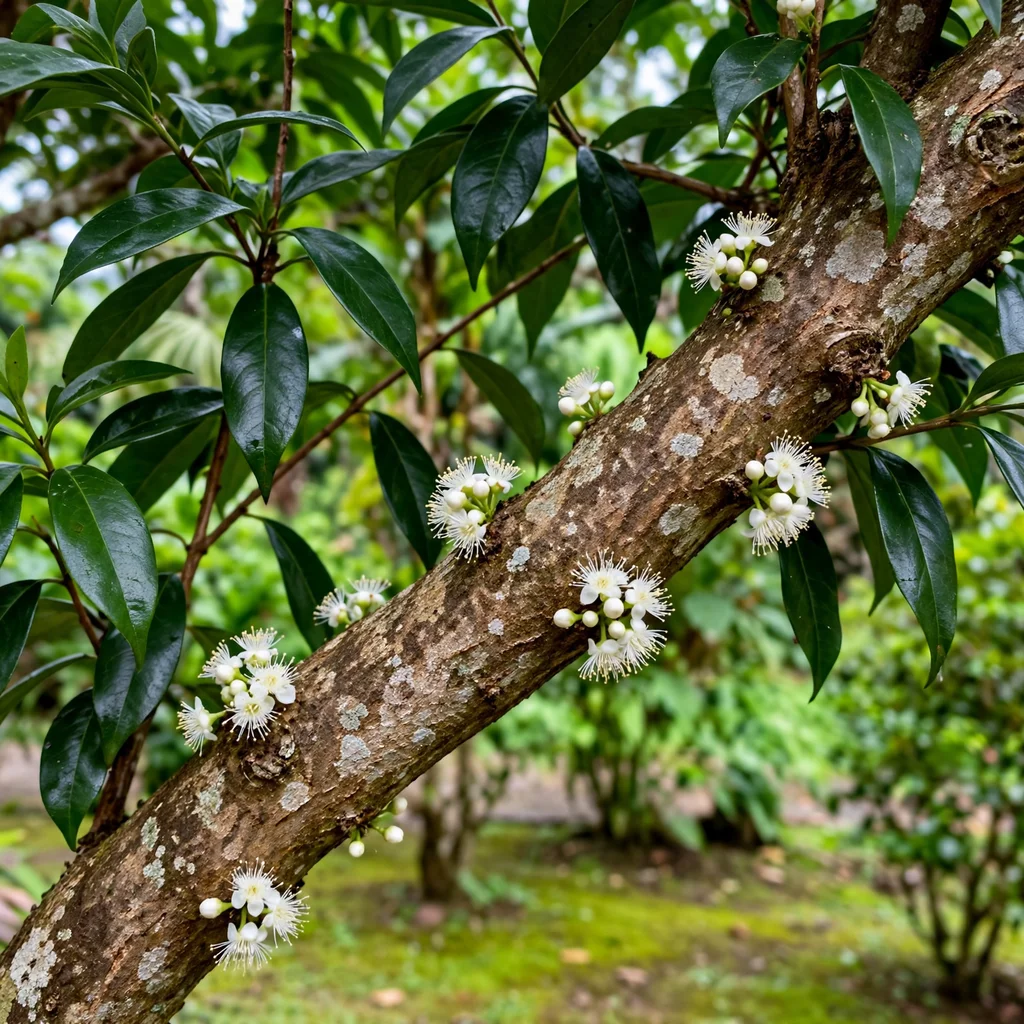
Myrciaria vexator is a slow-growing evergreen small tree reaching 10 to 15 feet in gardens, with a rounded canopy branched almost to the ground. Its opposite lanceolate-elliptic leaves are 2 to 5 inches long, dark green and glossy, and its small white flowers with numerous long stamens cluster on the branches and new growth.
It is grown as blue grape or false jaboticaba for dark blue-purple grape-like fruits borne on branch wood in repeated summer to fall crops. The pulp is eaten fresh or made into juice and jelly while the thick skin is left uneaten, and young trees need acid fertile soil and three or more years to bear.
Uses & Benefits:
Essentials
At a Glance
Plant Type
Tree
Height
180"
Width
144"
Light
Full Sun, Partial Sun
Zones
9, 10
Water
Medium
Humidity
High
Lifespan
Long-lived
Native To
Costa Rica to Venezuela
Toxicity
Non-toxic
Bloom period
Spring – Fall
In flower about 9 months of the year
Planting
How to Grow
- Plant in full sun for best fruiting, with light afternoon shade tolerated, spacing trees 10 to 15 feet apart.
- Plant in well-draining fertile loam rich in organic matter at pH 5.5 to 7.0, keeping the root crown at soil level.
- Water regularly to keep soil consistently moist but never waterlogged, mulching to hold moisture.
- Feed with balanced slow-release fertilizer every 6 to 8 weeks in the growing season and prune lightly only to shape or remove dead wood.
- Grow in containers north of zone 9 and move indoors or under cover before freezing, as growth is damaged near 30F.
Pro Tip
Prune lightly only to shape and keep soil evenly moist but never waterlogged; hard cutting and wet feet delay fruiting more than any feeding helps.
Keep It Thriving
Care Guide
Do
- Do provide full sun and at least 6 hours of direct light for fruiting.
- Do keep soil consistently moist with good drainage and organic mulch.
- Do feed lightly with balanced slow-release fertilizer through the growing season.
Don't
- Do not over-prune or cut into old bare wood to control size.
- Do not overwater or leave pots standing in water, which causes root rot.
- Do not expose to freezing without protection; it is frost tender.
Seasonal Care Calendar
| Task | Jan | Feb | Mar | Apr | May | Jun | Jul | Aug | Sep | Oct | Nov | Dec |
|---|---|---|---|---|---|---|---|---|---|---|---|---|
| Fertilize | ||||||||||||
| Harvest | ||||||||||||
| Pest Check | ||||||||||||
| Prune | ||||||||||||
| Winter Prep |
Watch Out For
Pests & Diseases
Common Pests
Common Diseases
In the Garden
Landscape Uses & Companions
Landscape Uses
Companion Plants
Multiply
Propagation Methods
Good to Know
Common Questions
Blue Grape questions
What zones can Blue Grape grow in?
Blue Grape is hardy in USDA Zones 9–10: in that range it survives winter in the ground. Colder than Zone 9, winters are too cold for it to survive outdoors.
When does Blue Grape bloom?
Blue Grape typically blooms from spring to fall. Exact timing shifts a week or two with your zone — Sow's bloom calendar maps it to your garden.
Does Blue Grape need full sun?
Blue Grape does best in full sun to part shade. In hot climates, afternoon shade keeps blooms fresher longer.
More Myrciaria to compare
Keep exploring
Explore the genus
Hardy in your zone?
Grow Blue Grape with confidence
See it in a design of your actual yard, get zone-matched care reminders, and track it season by season in your garden journal.