2 saves
Myrciaria
We track 3 varieties; the ones most used by real gardeners.
The 3 most-saved Myrciaria varieties
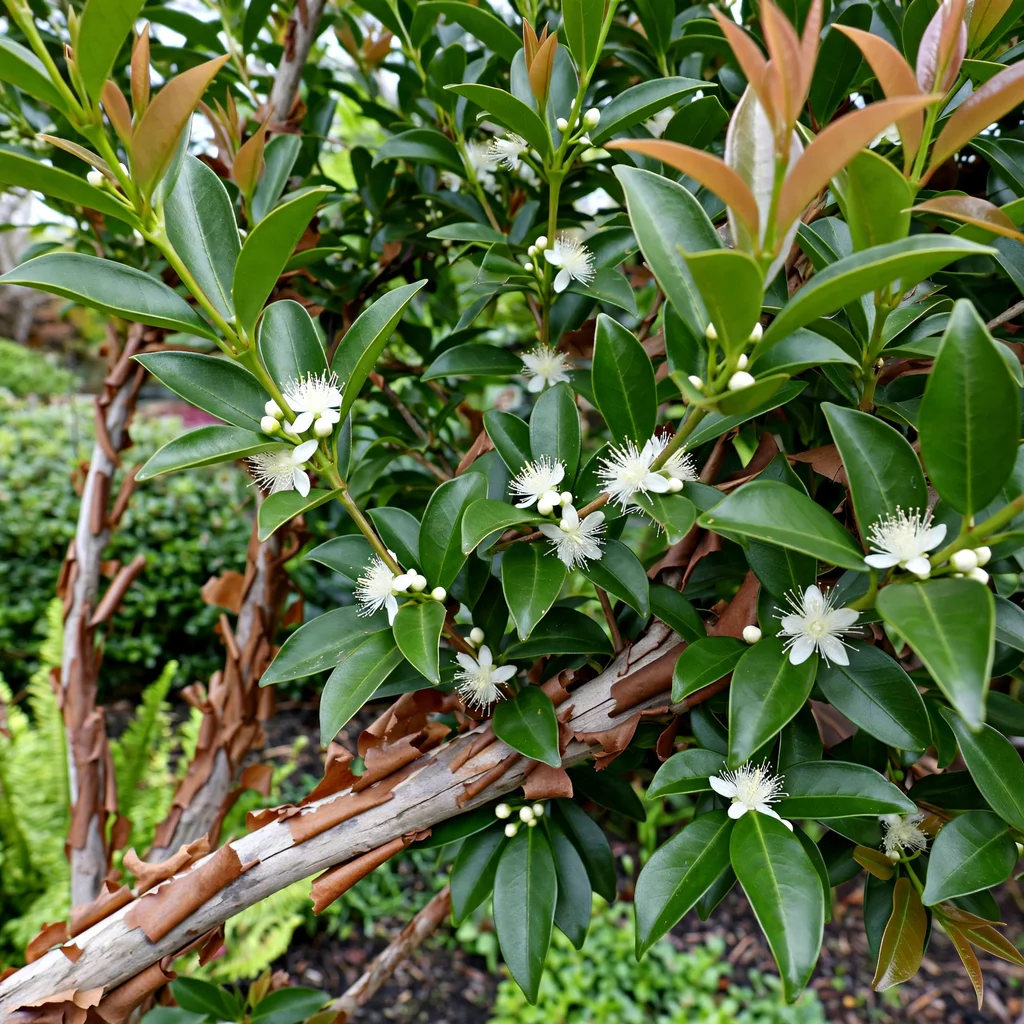
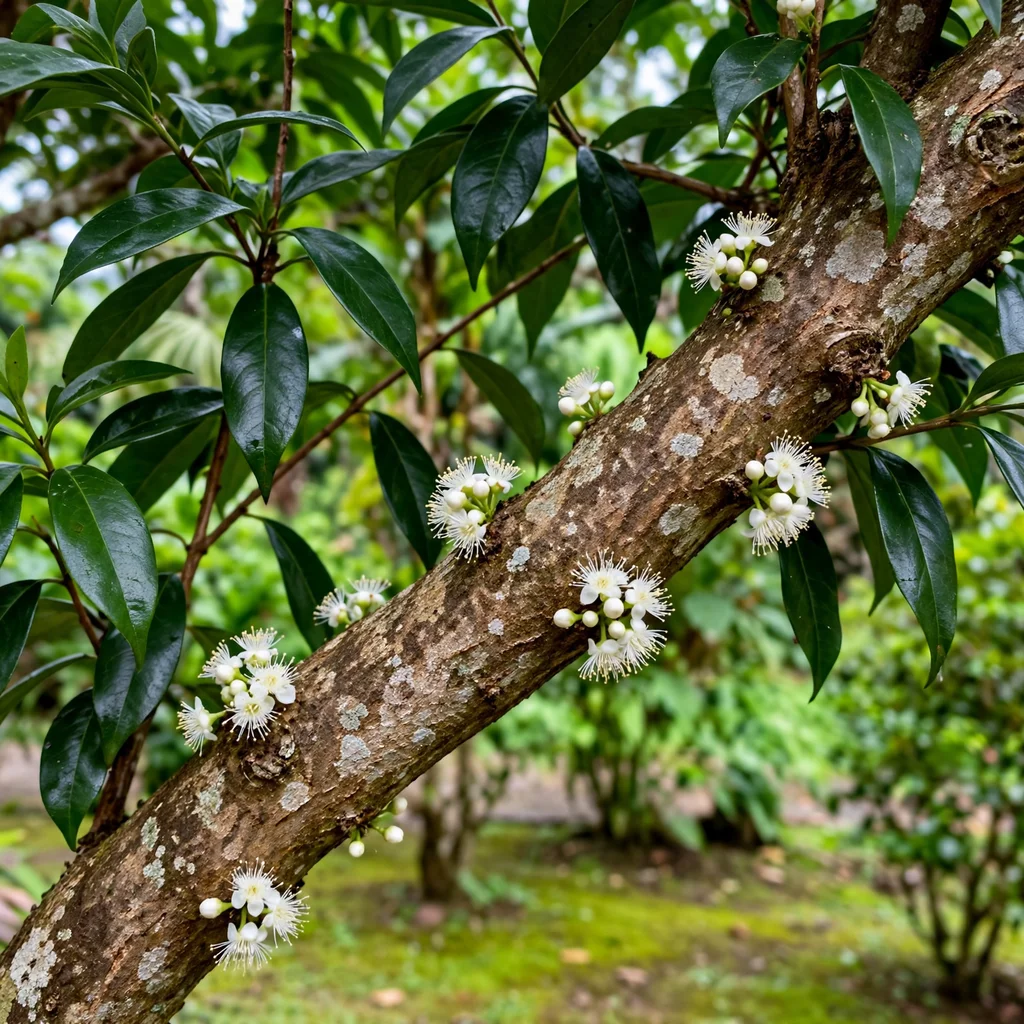
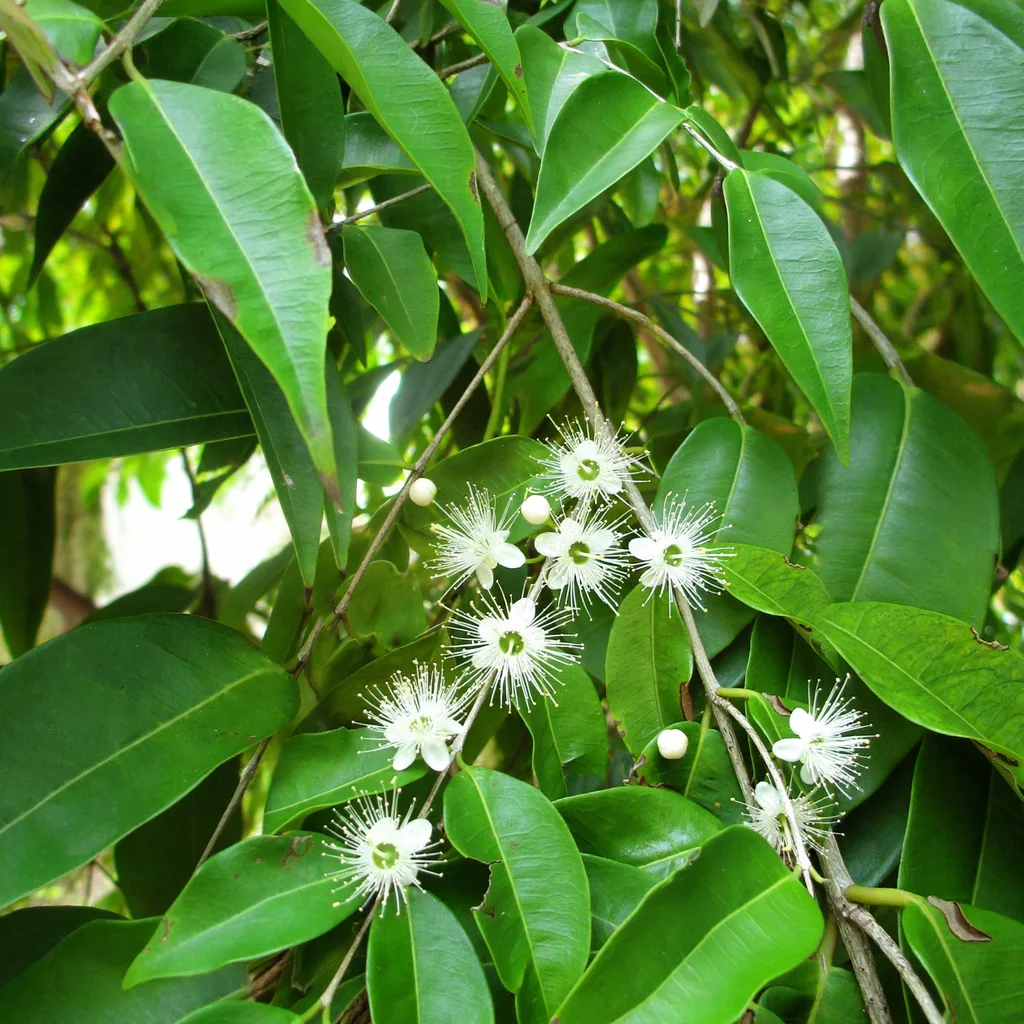
3 species of Myrciaria
Each one is a parent of the varieties above.
Track your Myrciaria in Sow
Save the Myrciaria you grow and get care reminders timed to your zone.
How to grow Myrciaria
Whats common across all Myrciaria varieties in our catalog — drawn from the care records of the 3 most-grown of them.
The Myrciaria year
- HarvestJuly and October100% of varieties
Pick ripe dark fruits through summer and fall for fresh eating or jelly.
- FertilizeMarch, June and September100% of varieties
Apply balanced slow-release fertilizer every 6 to 8 weeks in the growing season.
- Check for PestsJune and July100% of varieties
Check leaf undersides and shoots for aphids, scale and spider mites.
- MulchApril67% of varieties
Renew mulch and water deeply to keep roots evenly moist.


Do
- Do provide full sun and at least 6 hours of direct light for fruiting.
- Do keep soil consistently moist with good drainage and organic mulch.
- Do feed lightly with balanced slow-release fertilizer through the growing season.
- Do keep soil consistently moist and mulched.
- Do feed organically at least twice a year.
Avoid
- Do not over-prune or cut into old bare wood to control size.
- Do not overwater or leave pots standing in water, which causes root rot.
- Do not expose to freezing without protection; it is frost tender.
- Do not plant in alkaline or salty soil without amendment.
What goes wrong with Myrciaria
| Problem | What you'll see | What to do |
|---|---|---|
| Spider mites | Stippled dull leaves with fine webbing in hot dry weather. | Rinse foliage and improve watering; use neem oil for heavy infestations. |
| Scale | Waxy bumps on stems and leaf undersides with sticky honeydew. | Wipe off light colonies and treat with insecticidal soap or neem oil. |
| Aphids | Clustered soft insects on new shoots causing curled growth. | Wash off with water and treat with insecticidal soap if persistent. |
| Scale insects | Hard bumps on stems and leaf undersides with sticky honeydew and black sooty mold | Scrub light numbers off and spray horticultural oil on crawlers; preserve beneficial insects and avoid broad insecticides |
| Root rot | Wilting and yellowing despite wet soil from overwatering. | Ensure sharp drainage, let the surface dry between waterings and repot waterlogged containers in fresh mix. |
| Guava rust | Orange-yellow pustules on leaves in wet periods. | Improve air circulation, avoid overhead watering, remove affected leaves. |
| Flower desiccation | Dried flowers failing to set in dry air. | Maintain humidity and even soil moisture during bloom. |
Making more Myrciaria
Seed
- Sow fresh seed promptly after eating, as viability drops in storage.
- Plant 0.5 inch deep in moist free-draining seed mix and keep warm.
- Keep evenly moist and shaded until germination, then move to bright light.
- Grow on in pots for 3 to 5 years before field planting or fruiting.
Myrciaria questions
How many types of Myrciaria are there?
The Sow catalog tracks 3 distinct Myrciaria varieties. The most popular — ranked by 2 real gardeners — are shown first above.
What zones does Myrciaria grow in?
Across its varieties, Myrciaria covers USDA Zones 9–10. Individual varieties differ — each plant page lists its exact range, and Sow filters the catalog to your zone automatically.
When does Myrciaria bloom?
Most Myrciaria varieties bloom year-round.
Which Myrciaria should I choose?
Start from the most-saved varieties above — popularity across thousands of gardens is a strong signal of reliability — then filter by your zone and sun. In the Sow app you can preview any of them in a photo of your actual yard before you buy.