The Story
Plant Bio
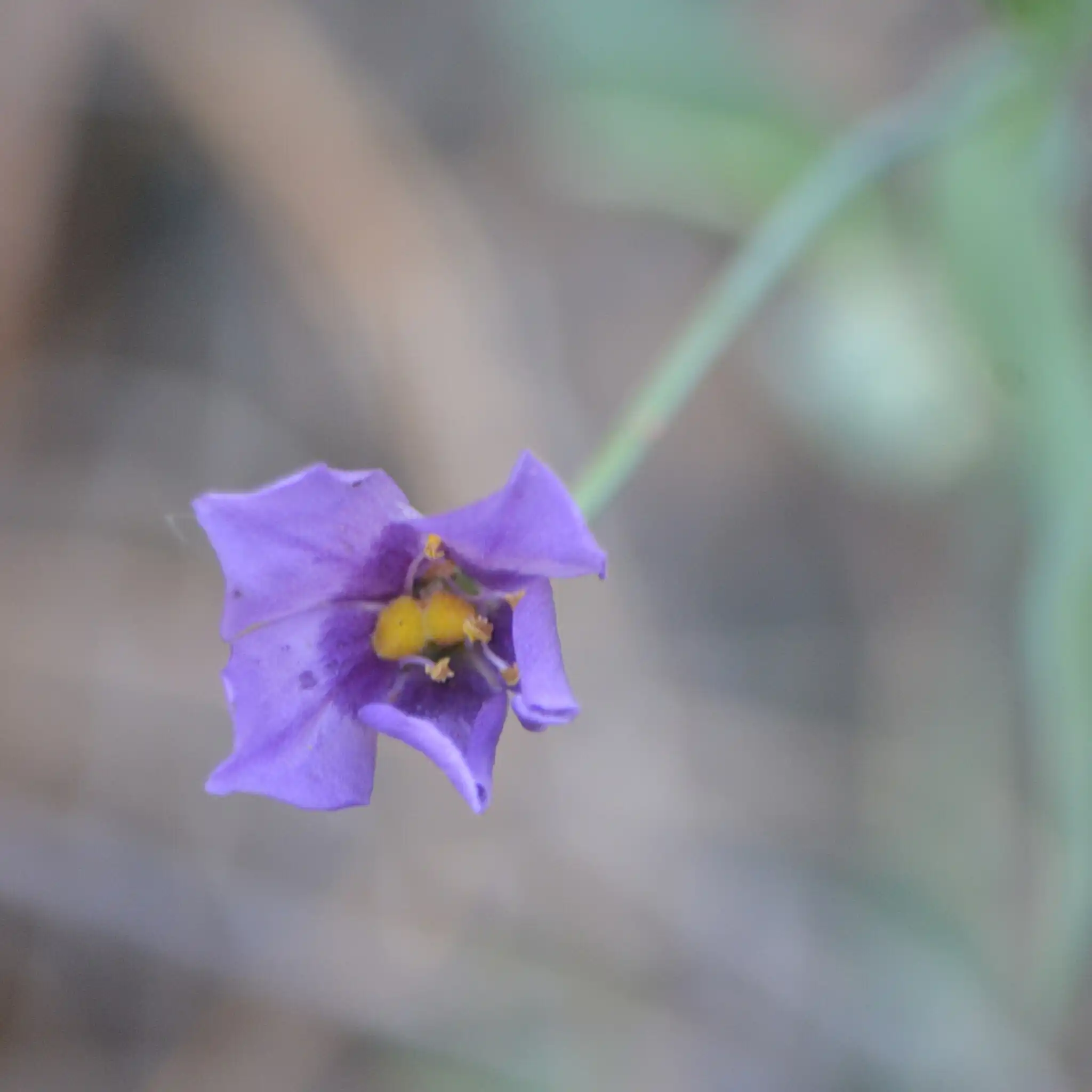
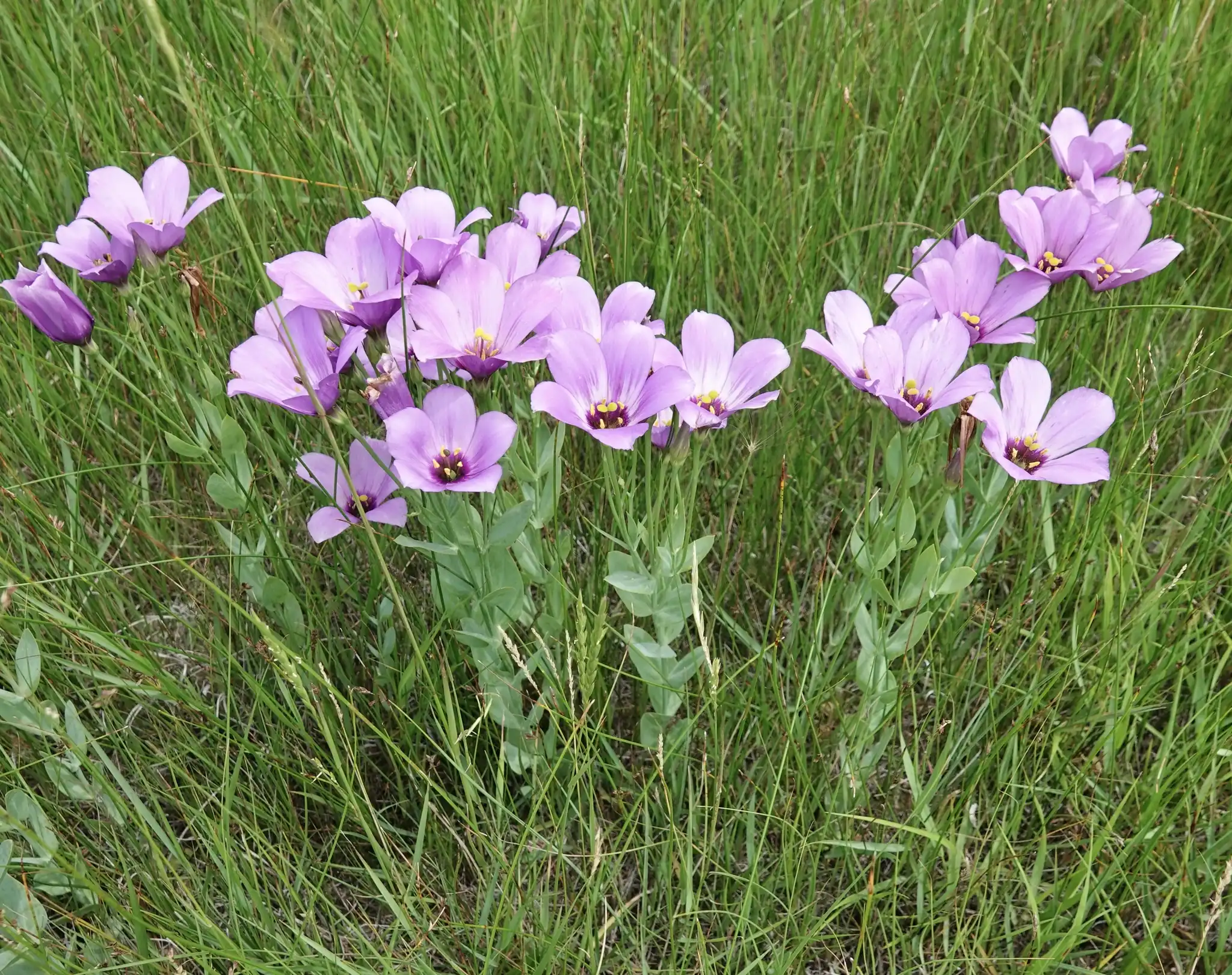
Eustoma exaltatum is an erect North American wildflower growing one to three feet tall from branched stems, with blue-green waxy leaves that are almost succulent. The flowers are upright bell- to funnel-shaped blooms with a wide throat, borne singly at the ends of long stalks near the top of the plant.
The wild seaside form carries smaller flowers with lobes to about one inch, while the inland subspecies russellianum sold as lisianthus carries showy blooms to two inches or more in blue, purple, pink, white and yellow. Plants behave as annuals, biennials or short-lived perennials by site, sending up additional branched shoots each season from the base.
Uses & Benefits:
Essentials
At a Glance
Plant Type
Perennial
Height
36"
Width
12"
Light
Full Sun
Water
Moist
Humidity
Low
Lifespan
Annual, biennial or short-lived perennial
Native To
South-central USA to Mexico, Central America and the Caribbean
Toxicity
Unknown
Bloom period
Summer – Early fall
In flower about 4 months of the year
Planting
How to Grow
- Plant in full sun in moist sandy or sandy loam that drains freely.
- Surface-sow the dust-fine seed and press in without covering; it needs light to germinate at 70-75 F.
- Keep soil evenly moist through summer heat; drought stops bloom and waterlogging rots roots.
- Cut stalks to 2-3 inches after capsules ripen in fall and leave the basal shoots to overwinter.
Pro Tip
Cut the stalk to two to three inches after the capsules ripen and leave the basal shoots alone; overwintered crowns return stronger than fresh seedlings.
Keep It Thriving
Care Guide
Do
- Keep soil evenly moist in full sun.
- Surface-sow seed in light at 70-75 F.
- Leave overwintering basal shoots undisturbed.
Don't
- Do not bury seed or sow in the dark.
- Do not let soil stay waterlogged or soggy.
- Do not pick wild stands; it prevents reseeding.
Seasonal Care Calendar
| Task | Jan | Feb | Mar | Apr | May | Jun | Jul | Aug | Sep | Oct | Nov | Dec |
|---|---|---|---|---|---|---|---|---|---|---|---|---|
| Fertilize | ||||||||||||
| Pest Check | ||||||||||||
| Plant | ||||||||||||
| Propagate | ||||||||||||
| Prune |
Watch Out For
Pests & Diseases
Common Pests
Common Diseases
In the Garden
Landscape Uses & Companions
Landscape Uses
Multiply
Propagation Methods
Good to Know
Common Questions
Seaside Gentian questions
What zones can Seaside Gentian grow in?
Seaside Gentian is an annual: it grows, flowers and sets seed in one season, so winter cold doesn't limit where it grows. Gardeners in any zone can grow it by planting at the right time, usually after the last spring frost.
Is Seaside Gentian deer resistant?
Yes — Seaside Gentian is rated deer-resistant. Deer typically pass it over, though extreme hunger can override any plant's defenses.
When does Seaside Gentian bloom?
Seaside Gentian typically blooms from early summer to early fall. Exact timing shifts a week or two with your zone — Sow's bloom calendar maps it to your garden.
Does Seaside Gentian need full sun?
Seaside Gentian does best in full sun (6+ hours).
More Eustoma to compare
Keep exploring
Explore the genus
Grow Seaside Gentian with confidence
See it in a design of your actual yard, get zone-matched care reminders, and track it season by season in your garden journal.