The Story
Plant Bio
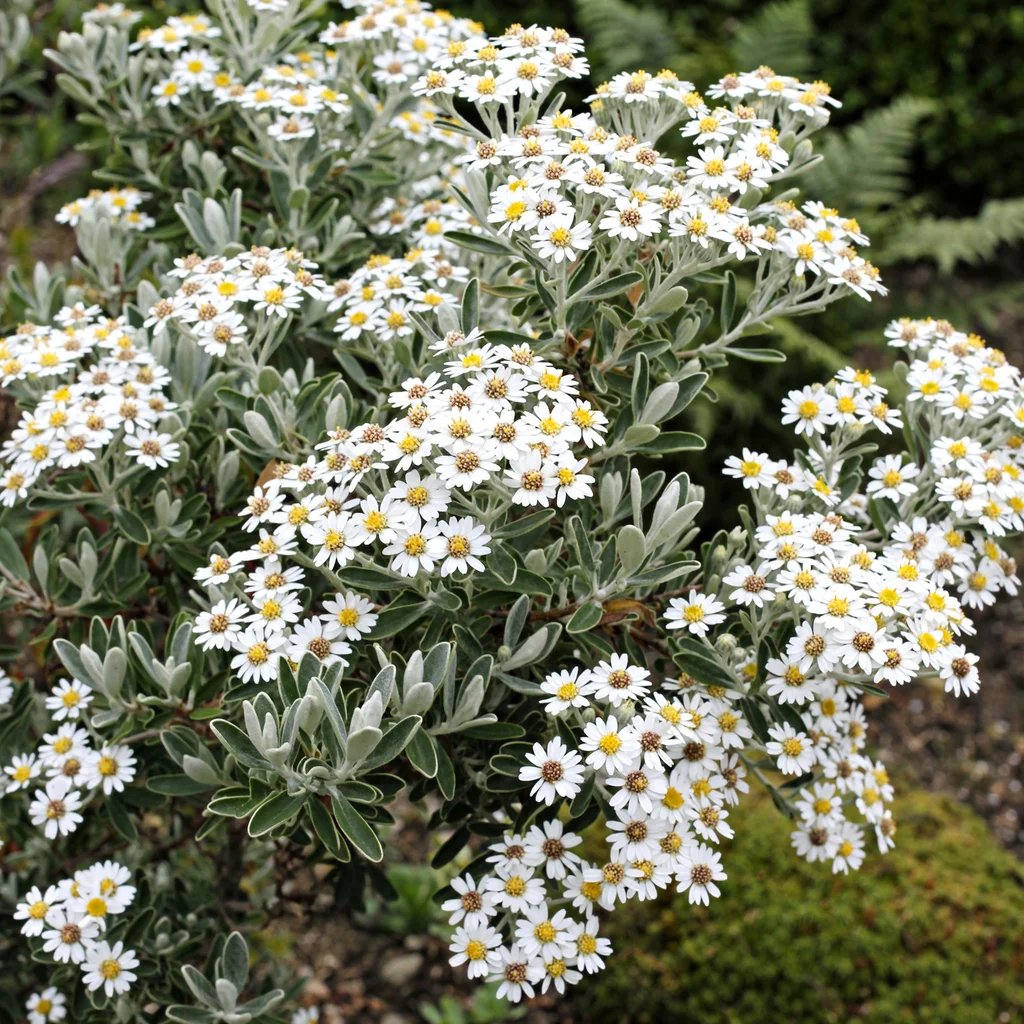
Olearia x scilloniensis is a compact evergreen shrub forming a dense rounded bush four to six feet high and wide, with small oblong grey-green leaves felted white beneath. The spring canopy carries dense corymbs of small white daisies with yellow centers, each head held on felted stems just above the foliage.
This is the Tresco garden hybrid of O. lirata x O. phlogopappa raised about 1910, larger-headed and more vigorous than either parent and wind-hardy on the coast. The white form bears ten to fifteen rays per head, while 'Master Michael' is the purple-blue selection sold under the same hybrid name.
Uses & Benefits:
Essentials
At a Glance
Plant Type
Shrub
Height
70"
Width
70"
Light
Full Sun, Partial Sun
Zones
8, 9, 10
Water
Low once established
Humidity
Low to moderate
Lifespan
Long-lived shrub
Native To
Garden hybrid from Isles of Scilly; parents from southeastern Australia
Toxicity
Unknown - no toxicity reported
Bloom period
Spring – Summer
In flower about 6 months of the year
Planting
How to Grow
- Plant in spring in full sun in a sheltered spot against a wall or windbreak in lean, sharply drained soil.
- Set the crown level and water deeply at planting, then water through the first dry summer and taper off.
- Tip back flowered shoots lightly right after bloom to keep the dome dense.
- Mulch thinly with gravel or bark to keep the crown dry and weed-free.
Pro Tip
Cut flowered shoots back lightly right after bloom and then leave it alone; cutting into old leafless wood stalls it, and wet winter soil kills it faster than drought.
Keep It Thriving
Care Guide
Do
- Plant in a warm sheltered microclimate in zones 8-10
- Grow in lean well-drained soil on the dry side
- Prune lightly right after flowering
Don't
- Do not cut into old leafless wood
- Do not overwater or plant in soggy clay
- Do not shear hard in fall
Seasonal Care Calendar
| Task | Jan | Feb | Mar | Apr | May | Jun | Jul | Aug | Sep | Oct | Nov | Dec |
|---|---|---|---|---|---|---|---|---|---|---|---|---|
| Mulch | ||||||||||||
| Pest Check | ||||||||||||
| Plant | ||||||||||||
| Propagate | ||||||||||||
| Prune |
Watch Out For
Pests & Diseases
Common Pests
Common Diseases
In the Garden
Landscape Uses & Companions
Landscape Uses
Multiply
Propagation Methods
Good to Know
Common Questions
Scilly Daisy Bush questions
What zones can Scilly Daisy Bush grow in?
Scilly Daisy Bush is hardy in USDA Zones 8–10: in that range it survives winter in the ground. Colder than Zone 8, grow it in a container you can move to shelter for the winter.
When does Scilly Daisy Bush bloom?
Scilly Daisy Bush typically blooms from spring to summer. Exact timing shifts a week or two with your zone — Sow's bloom calendar maps it to your garden.
Does Scilly Daisy Bush need full sun?
Scilly Daisy Bush does best in full sun to part shade. In hot climates, afternoon shade keeps blooms fresher longer.
Is Scilly Daisy Bush drought tolerant?
Yes — once established (usually after the first full season), Scilly Daisy Bush handles dry spells with minimal watering. Water deeply its first year to build the root system that makes that possible.
More Olearia to compare
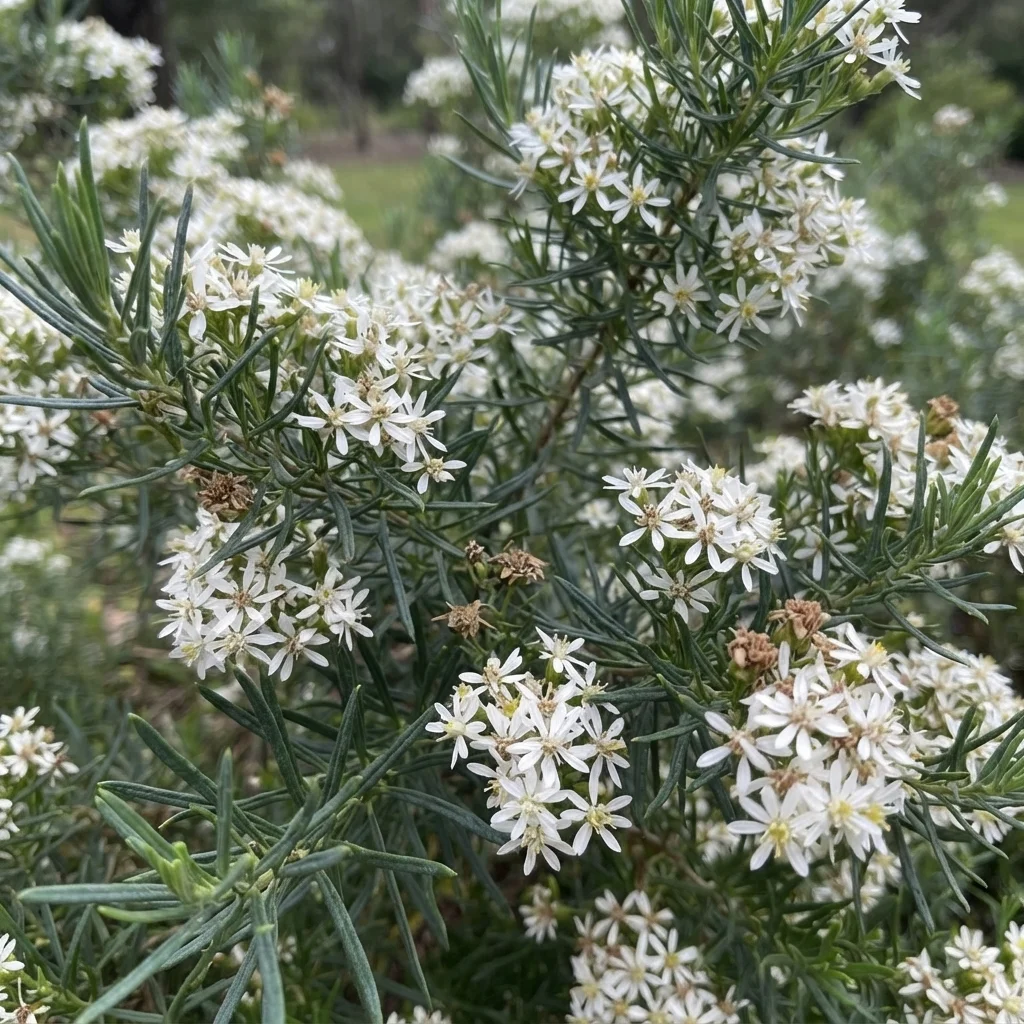
Sticky Daisy-bush
Olearia glutinosa
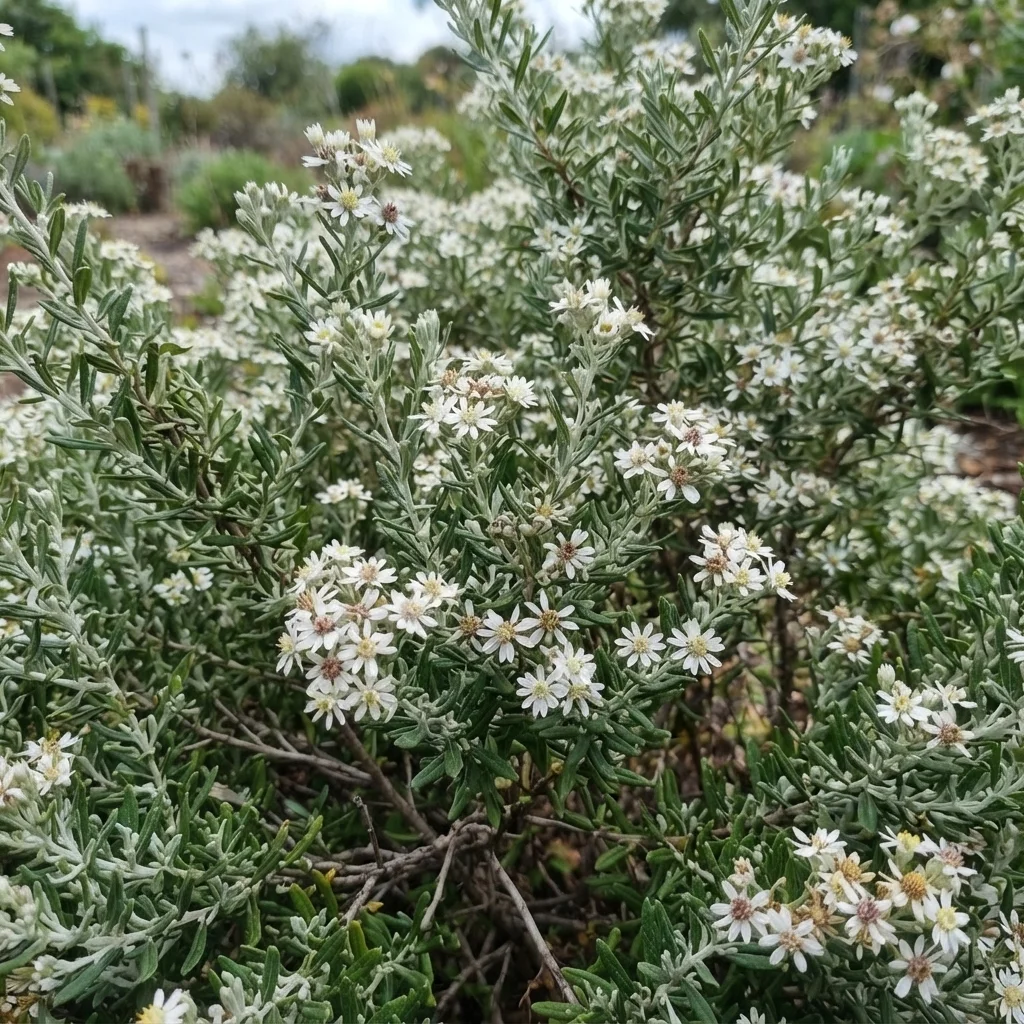
Twiggy Daisy-Bush
Olearia ramulosa
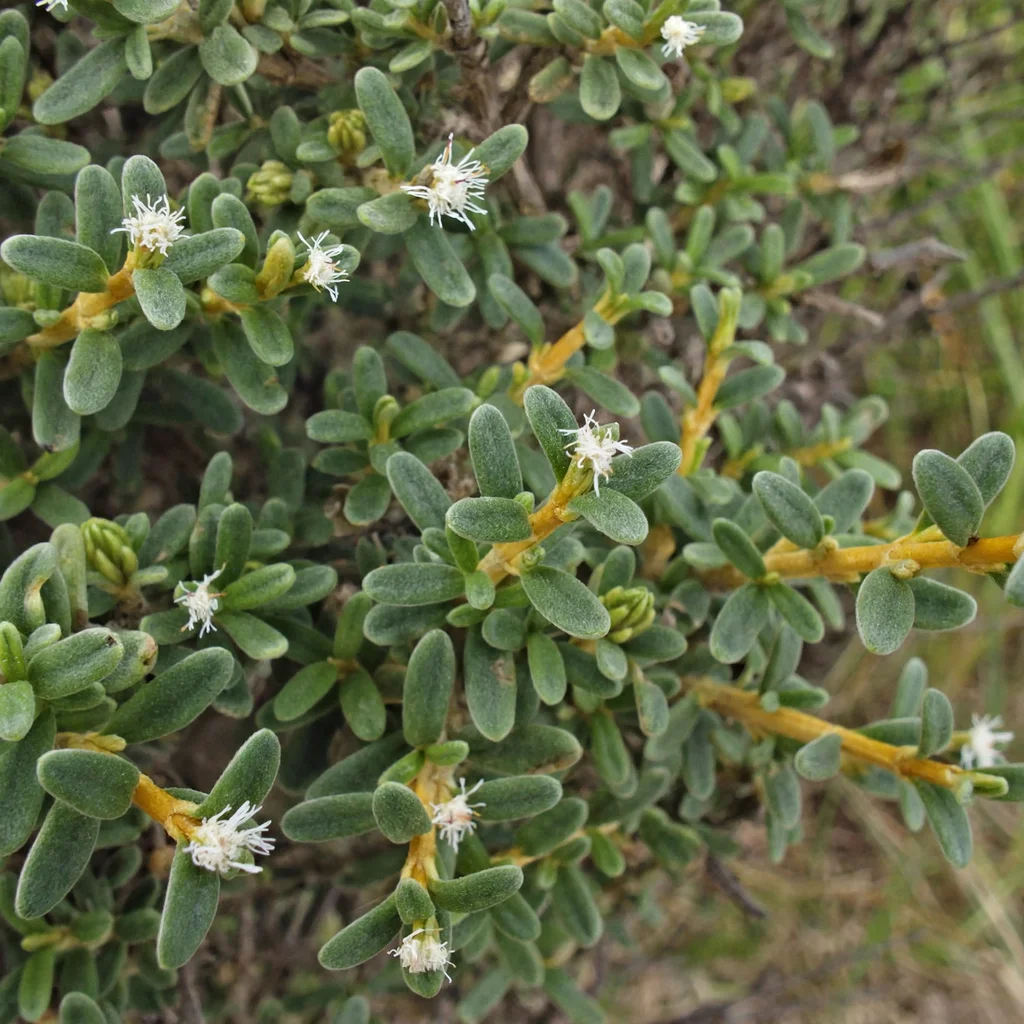
Coastal Daisy-Bush
Olearia solandri
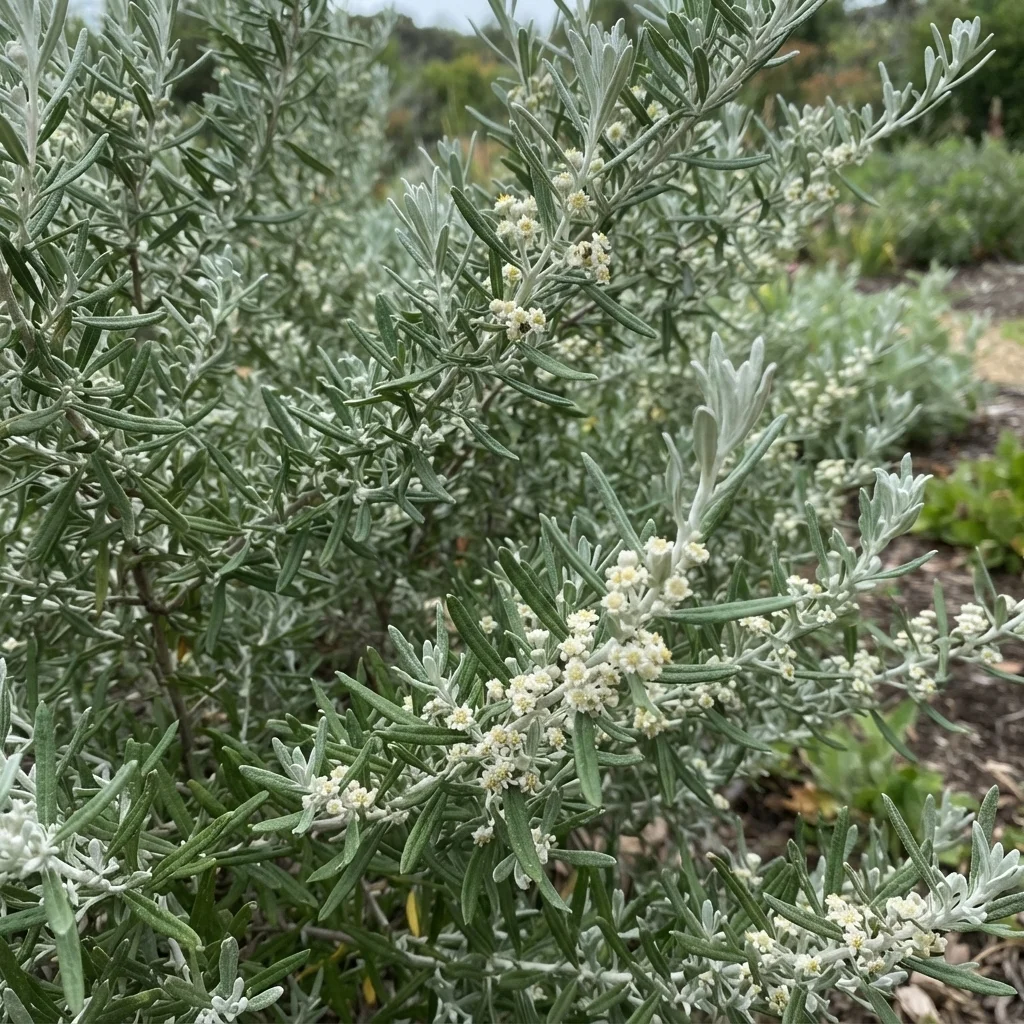
Coast Daisy-bush
Olearia axillaris
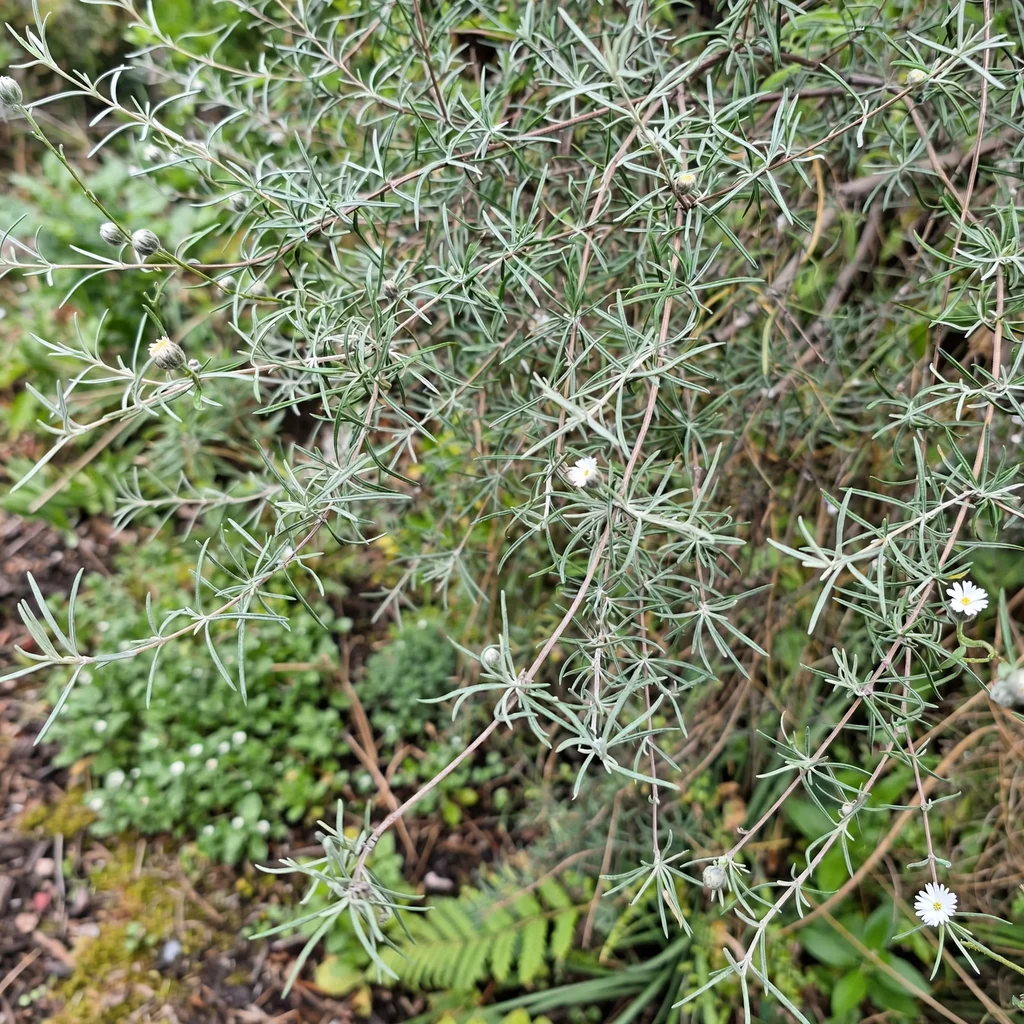
Twiggy Tree Daisy
Olearia lineata
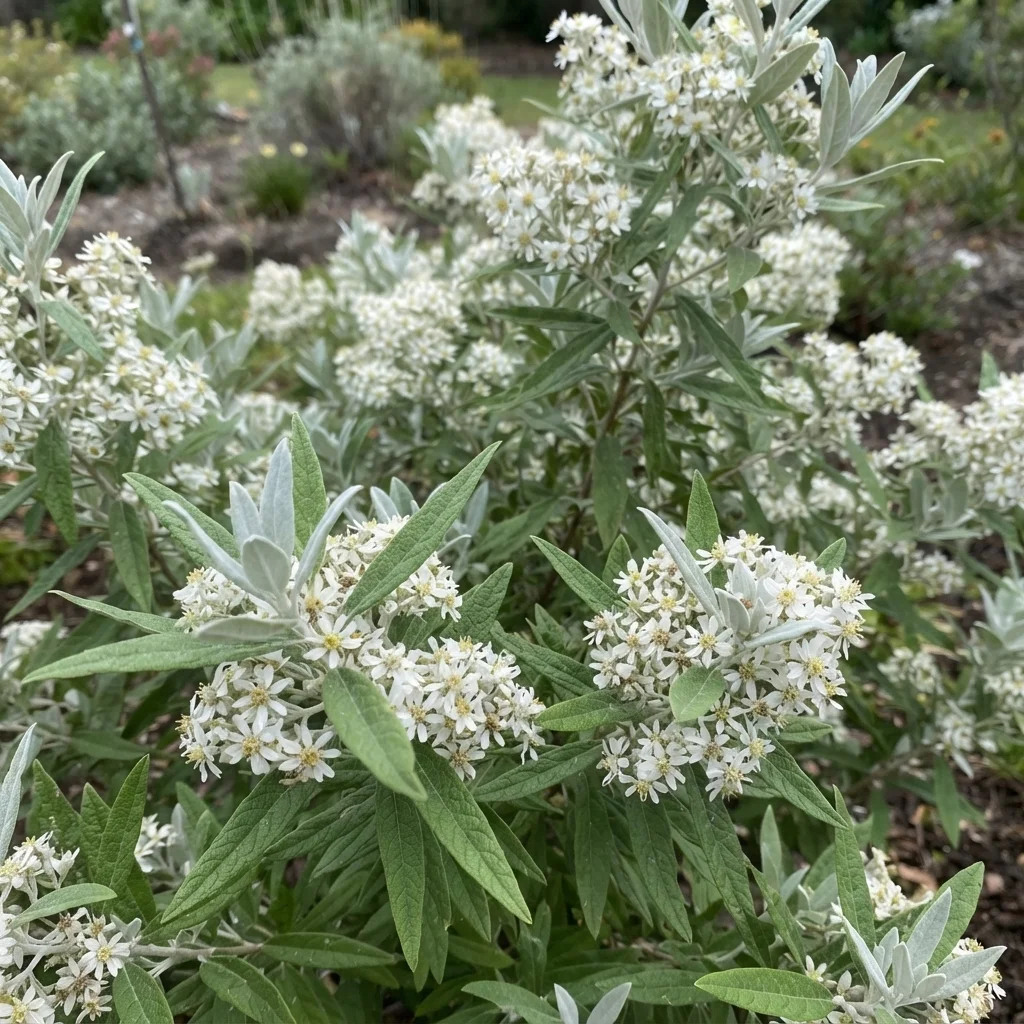
Snowy Daisy-Bush
Olearia lirata
Keep exploring
Explore the genus
Hardy in your zone?
Grow Scilly Daisy Bush with confidence
See it in a design of your actual yard, get zone-matched care reminders, and track it season by season in your garden journal.