The Story
Plant Bio
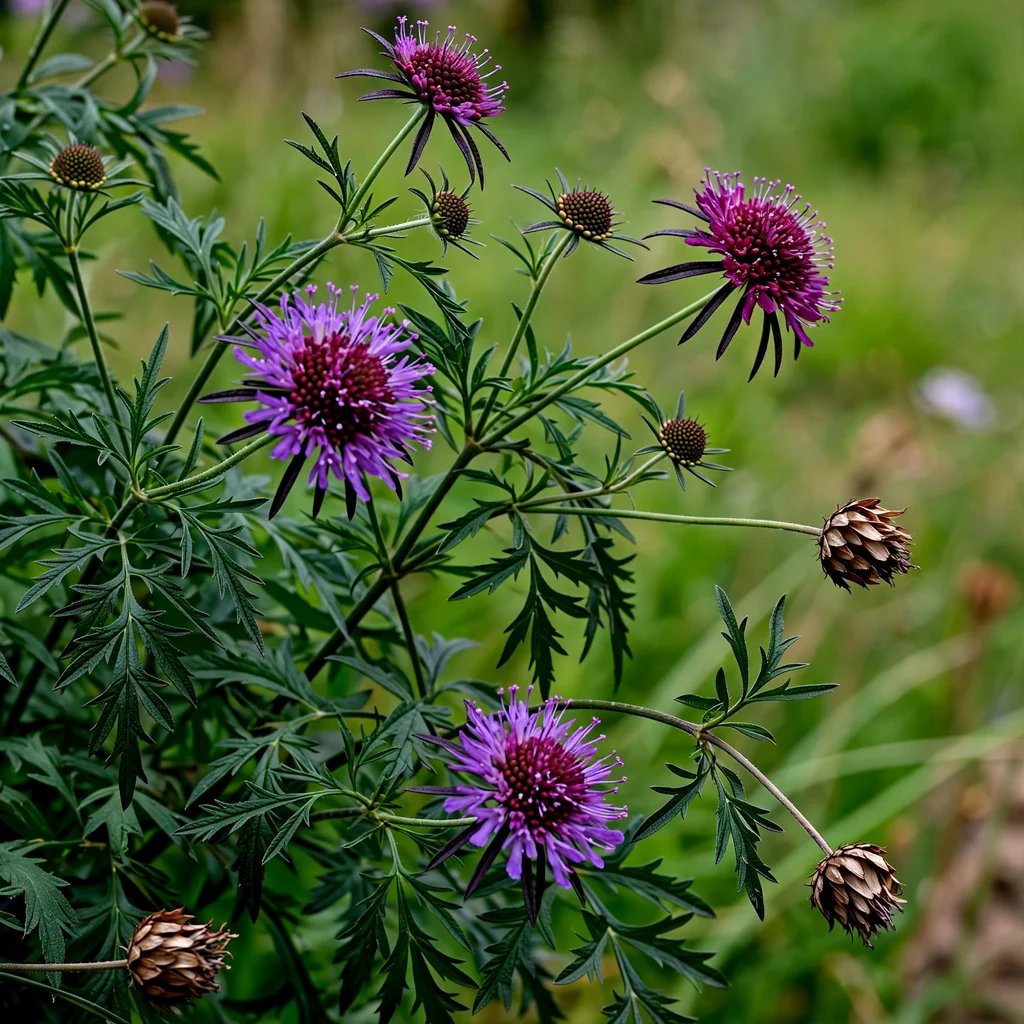
Centaurea scabiosa, commonly known as greater knapweed, is an upright, clump-forming herbaceous perennial native to dry grasslands and calcareous soils across Europe and Asia. It produces dark green, deeply lobed leaves and branching stems topped with thistle-like flower heads throughout summer.
The deep reddish-purple flower heads feature enlarged, lobed outer florets fringed by dark-margined bracts. Its persistent autumn seed heads provide an important winter food source for small seed-eating birds.
Uses & Benefits:
Essentials
At a Glance
Plant Type
Perennial
Height
36"
Width
24"
Light
Full Sun
Zones
4, 5, 6, 7, 8, 9, 10
Water
Low
Humidity
Moderate
Lifespan
Perennial
Native To
Europe, Siberia, Central Asia
Toxicity
Non-toxic (can cause mild skin irritation)
Bloom period
Summer – Late summer
In flower about 3 months of the year
Planting
How to Grow
- Select a planting site in full sun with lean, sharply drained soil.
- Incorporate coarse sand or gravel into heavy soils to ensure rapid water movement away from the crown.
- Set bare-root crowns or potted plants level with the soil surface and water sparingly to settle.
- Cut dead stems back to ground level in late winter before new spring foliage emerges.
Pro Tip
Plant in full sun and lean, sharply drained soil; rich organic matter or standing moisture quickly rots the crown and weakens upright stem growth.
Keep It Thriving
Care Guide
Do
- Plant in lean, highly permeable or calcareous soil.
- Provide full sun exposure to maintain upright stem strength.
- Leave spent flower heads in late autumn for feeding birds.
Don't
- Do not apply rich organic mulches around the plant crown.
- Do not overwater or plant in poorly drained clay beds.
- Do not fertilize heavily, as high nutrient levels cause stem flopping.
Seasonal Care Calendar
| Task | Jan | Feb | Mar | Apr | May | Jun | Jul | Aug | Sep | Oct | Nov | Dec |
|---|---|---|---|---|---|---|---|---|---|---|---|---|
| Deadhead | ||||||||||||
| Pest Check | ||||||||||||
| Prune | ||||||||||||
| Winter Prep |
Watch Out For
Pests & Diseases
Common Pests
Common Diseases
In the Garden
Landscape Uses & Companions
Landscape Uses
Multiply
Propagation Methods
Good to Know
Common Questions
Greater Knapweed questions
What zones can Greater Knapweed grow in?
Greater Knapweed is hardy in USDA Zones 4–10: in that range it survives winter in the ground.
Is Greater Knapweed deer resistant?
Yes — Greater Knapweed is rated deer-resistant. Deer typically pass it over, though extreme hunger can override any plant's defenses.
When does Greater Knapweed bloom?
Greater Knapweed typically blooms in summer. Exact timing shifts a week or two with your zone — Sow's bloom calendar maps it to your garden.
Does Greater Knapweed need full sun?
Greater Knapweed does best in full sun (6+ hours).
Is Greater Knapweed drought tolerant?
Yes — once established (usually after the first full season), Greater Knapweed handles dry spells with minimal watering. Water deeply its first year to build the root system that makes that possible.
More Centaurea to compare
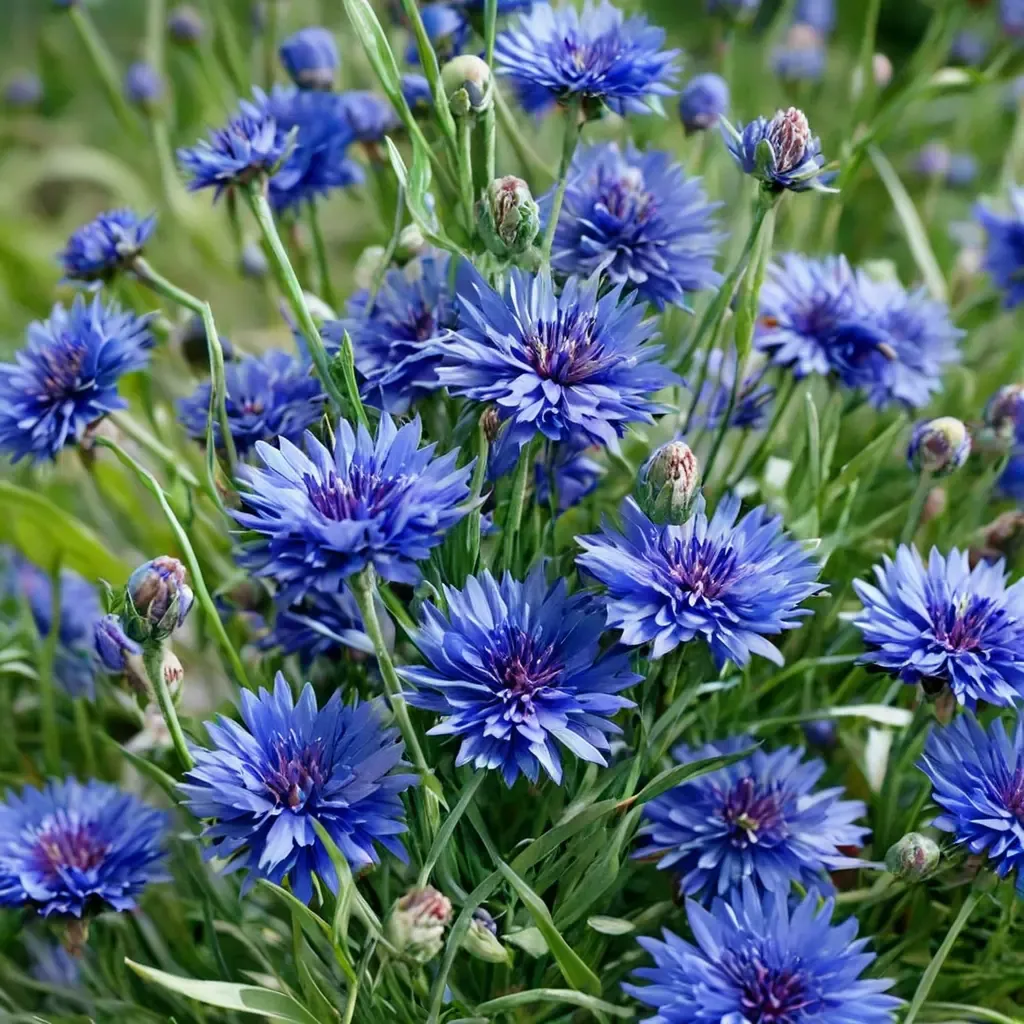
Blue Cornflower
Centaurea cyanus 'Blue Diadem'
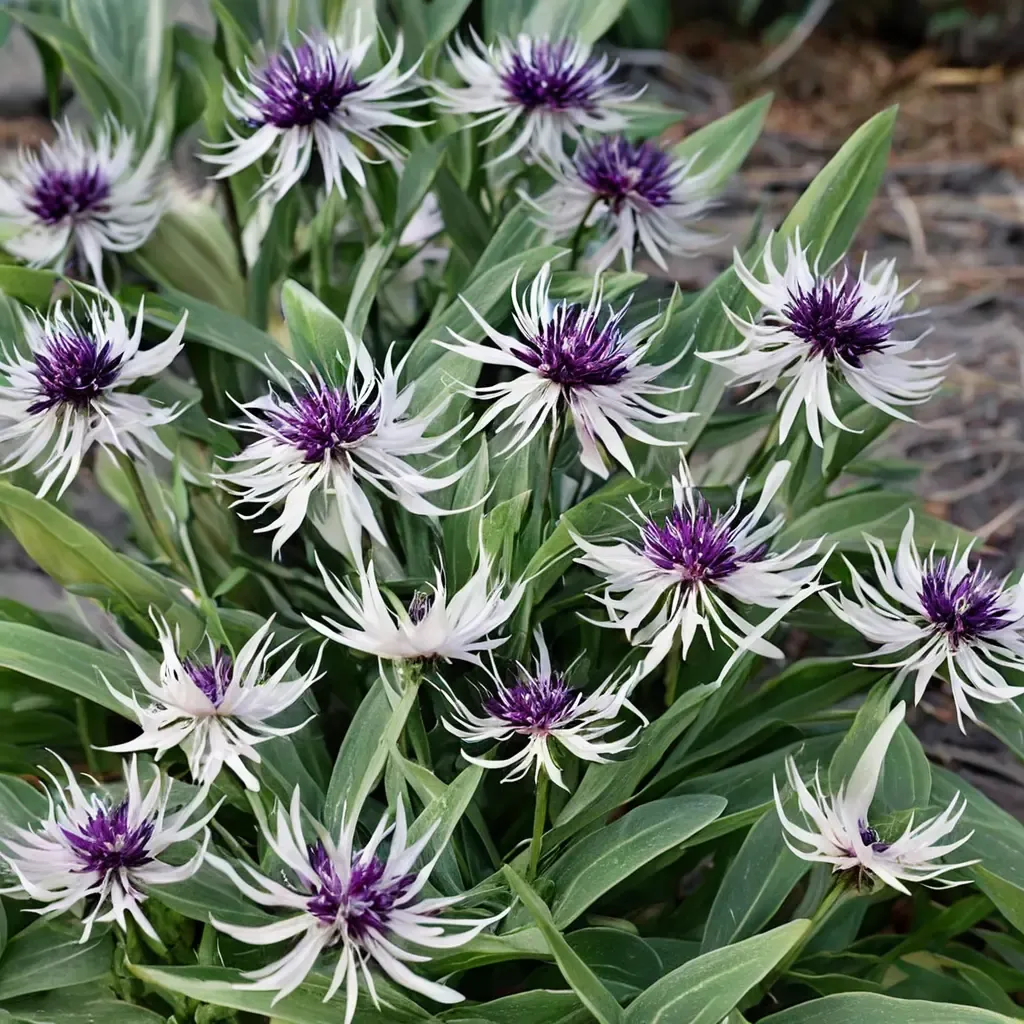
Amethyst in Snow Bachelor's Button
Centaurea cyanus 'Amethyst in Snow'
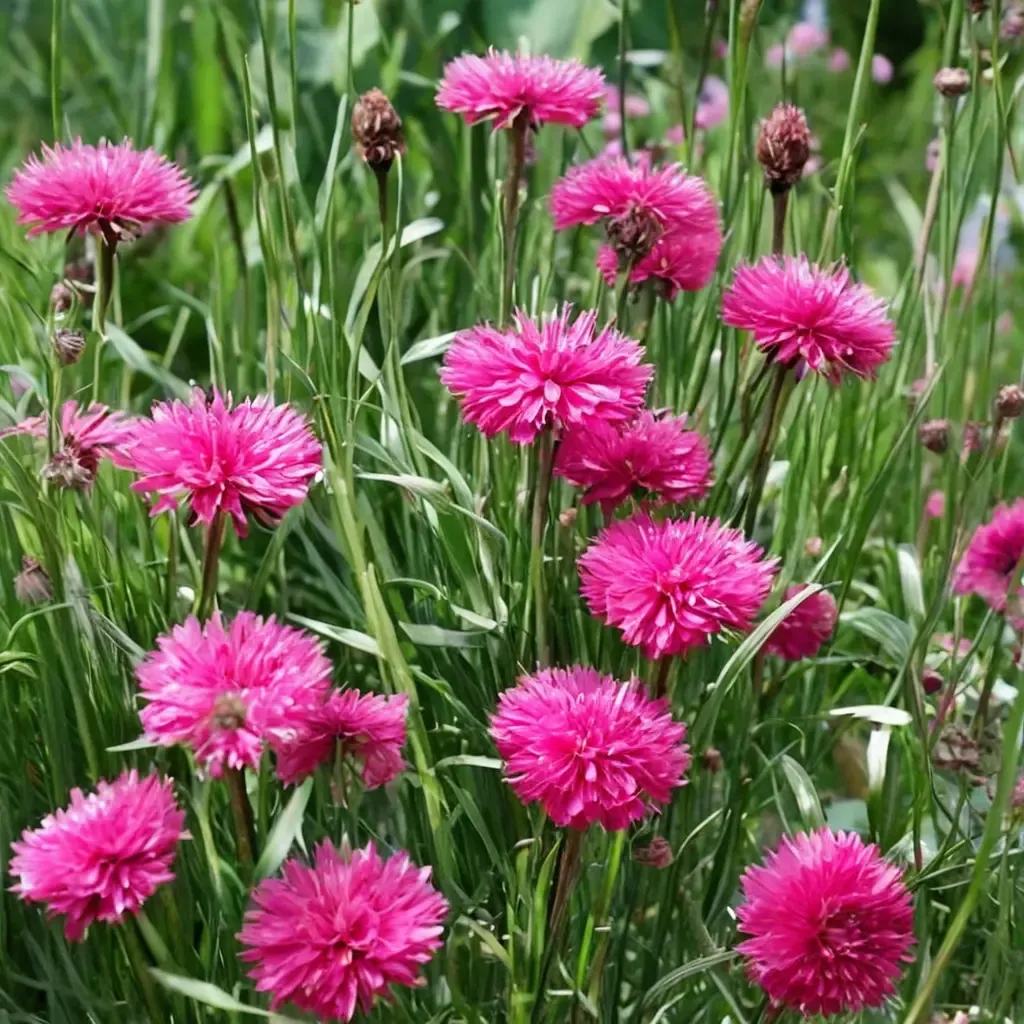
Red Boy Cornflower
Centaurea cyanus 'Red Boy'
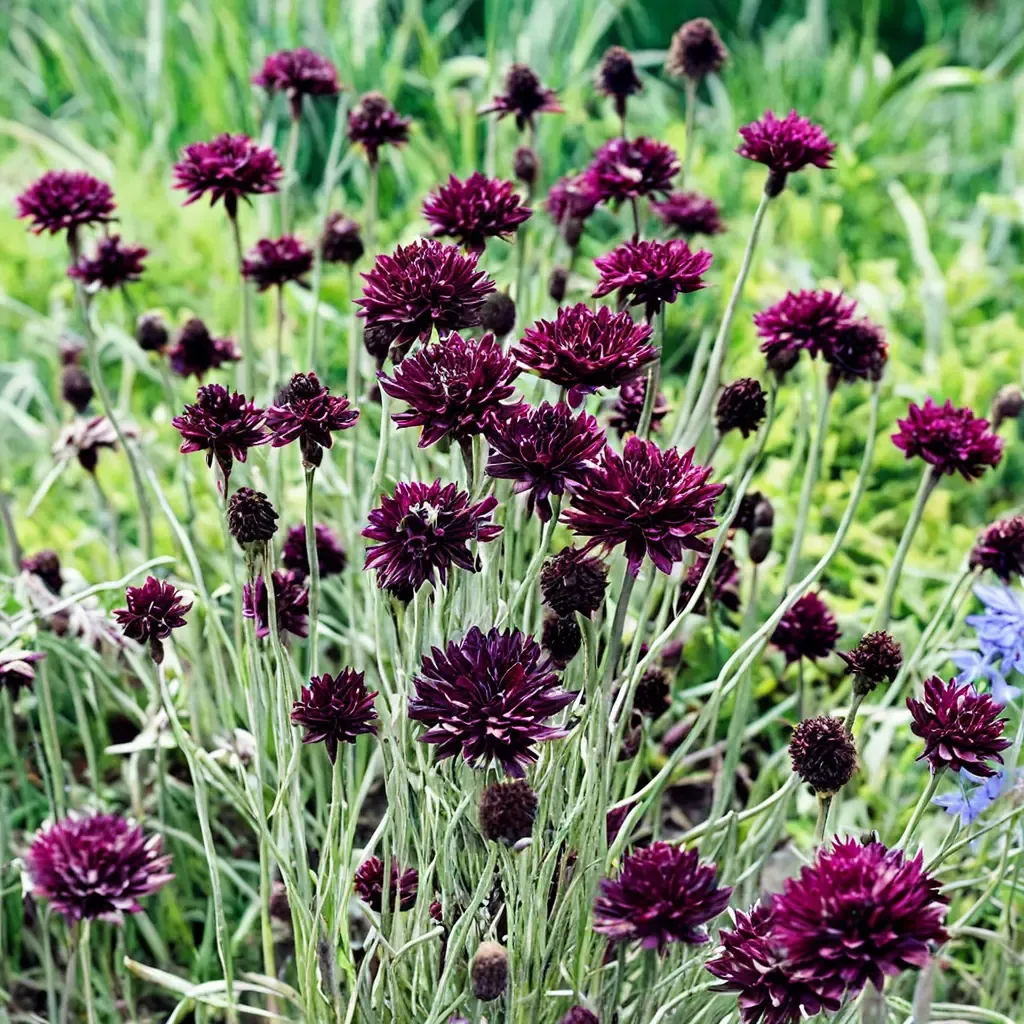
Black Gem Cornflower
Centaurea cyanus 'Black Gem'
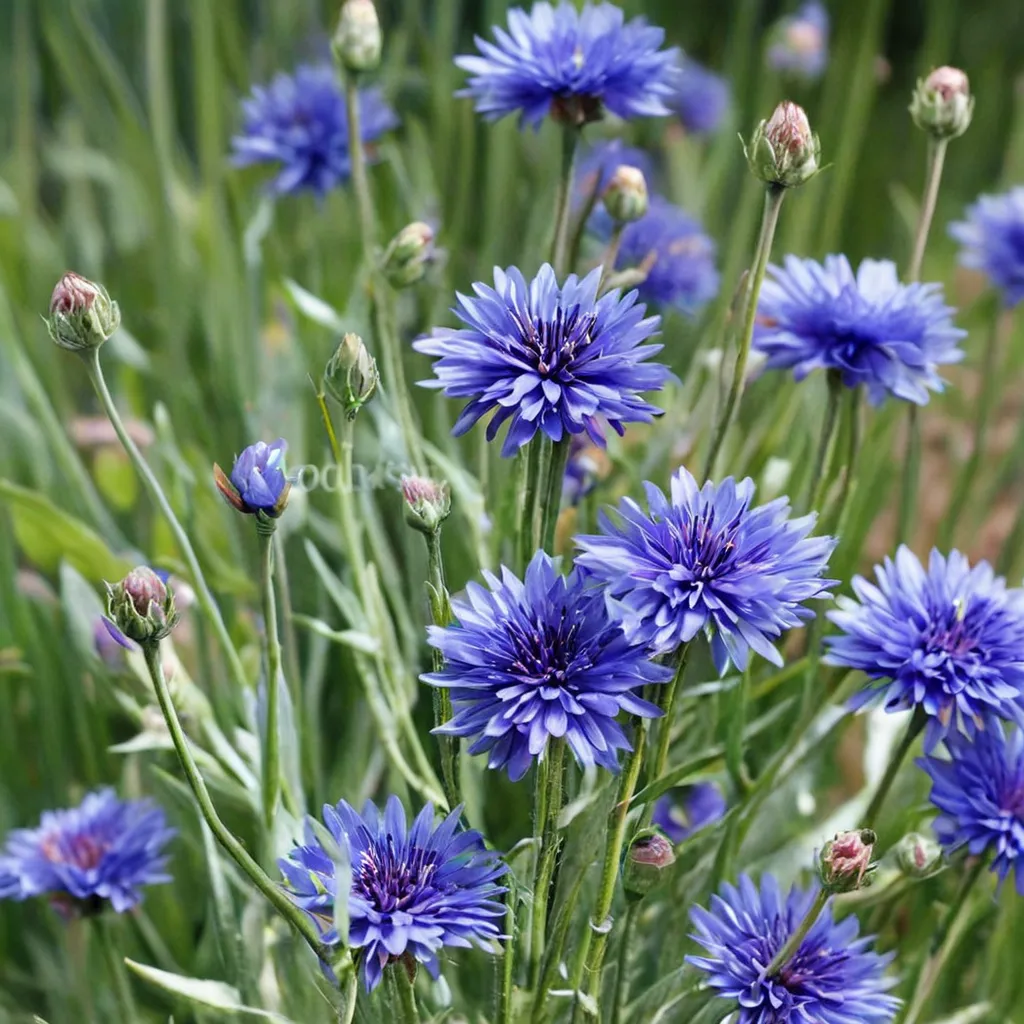
Bachelor's Button Blue Boy
Centaurea cyanus 'Blue Boy'
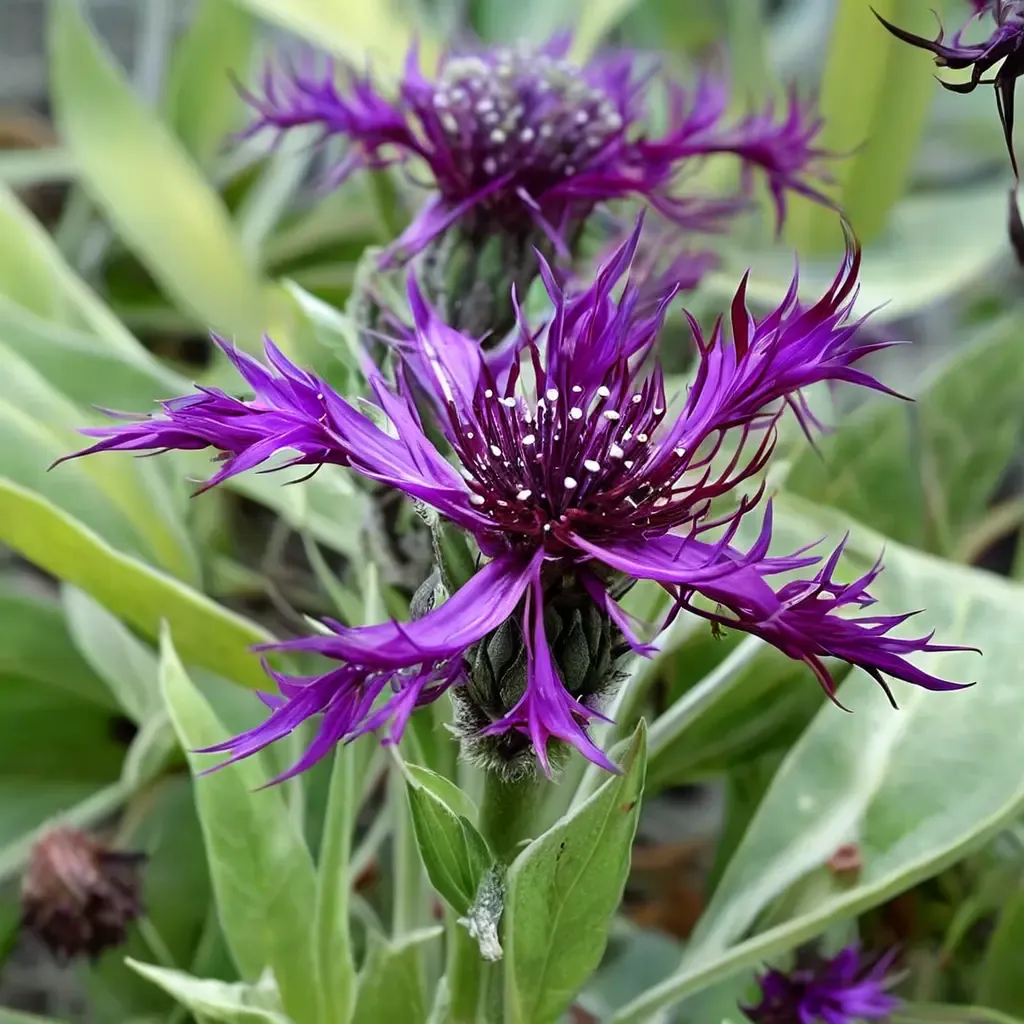
Amethyst Dream Cornflower
Centaurea cyanus 'Amethyst Dream'
Keep exploring
Explore the genus
Grow Greater Knapweed with confidence
See it in a design of your actual yard, get zone-matched care reminders, and track it season by season in your garden journal.