The Story
Plant Bio
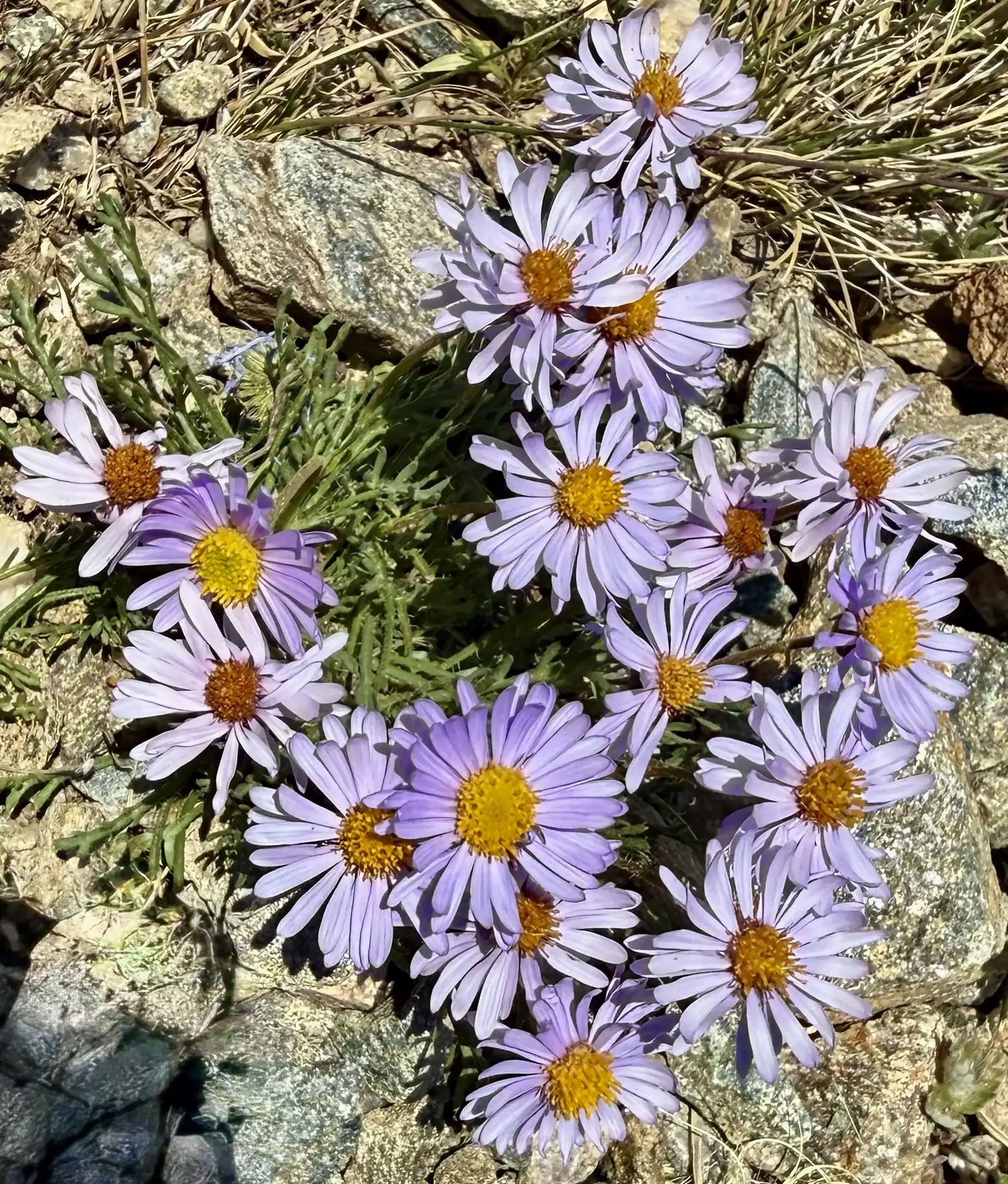
Erigeron pinnatisectus is a taprooted alpine perennial from the central Rocky Mountains, forming a low tuft of basal leaves on a woody caudex with stems 2 to 4 inches tall. Each stem carries a single composite head with 40 to 70 pale blue to purple ray florets around a central yellow disk that ages orange-reddish.
What separates it from the similar Erigeron compositus is the finely pinnatisect basal foliage, divided into narrow segments on stalks to about 2 inches and hairy with minute glands. Stem leaves are linear and much reduced upward, and the involucre measures about one-quarter inch high by one-third to one-half inch wide around the solitary head.
Uses & Benefits:
Essentials
At a Glance
Plant Type
Perennial
Height
4"
Width
4"
Light
Full Sun, Partial Sun
Zones
4, 5, 6, 7
Water
Low to moderate
Humidity
Low
Lifespan
Perennial
Native To
Colorado, Wyoming, New Mexico
Toxicity
Unknown - no warning found
Bloom period
Early summer – Late summer
In flower about 3 months of the year
Planting
How to Grow
- Plant in full sun to part shade in sharply drained rocky or sandy soil with grit worked through the root zone.
- Set the caudex at soil level and water in once, then water low to moderate through summer and keep dryish in winter.
- Give it cold winters; it is very frost hardy and needs an alpine rest, not warm shelter.
- Do not divide or move established plants because of the woody taproot; raise new plants from seed.
Pro Tip
Leave the woody taproot undisturbed once planted; it resents transplanting and winter wet kills it faster than cold.
Keep It Thriving
Care Guide
Do
- Do give sharp drainage with rock, sand, and gravel in the planting hole.
- Do leave the taproot alone once established.
- Do surface-sow fresh seed with light for new plants.
Don't
- Do not plant in heavy clay or soggy ground that stays wet in winter.
- Do not divide the crown or transplant mature plants.
- Do not bury the caudex or overwater in dormancy.
Seasonal Care Calendar
| Task | Jan | Feb | Mar | Apr | May | Jun | Jul | Aug | Sep | Oct | Nov | Dec |
|---|---|---|---|---|---|---|---|---|---|---|---|---|
| Deadhead | ||||||||||||
| Pest Check | ||||||||||||
| Plant | ||||||||||||
| Propagate |
Watch Out For
Pests & Diseases
Common Pests
Common Diseases
In the Garden
Landscape Uses & Companions
Landscape Uses
Multiply
Propagation Methods
Good to Know
Common Questions
Featherleaf Fleabane questions
What zones can Featherleaf Fleabane grow in?
Featherleaf Fleabane is hardy in USDA Zones 4–7: in that range it survives winter in the ground. Warmer than Zone 7, winter isn't the problem: it prefers colder winters, and summer heat can shorten its life.
When does Featherleaf Fleabane bloom?
Featherleaf Fleabane typically blooms in summer. Exact timing shifts a week or two with your zone — Sow's bloom calendar maps it to your garden.
Does Featherleaf Fleabane need full sun?
Featherleaf Fleabane does best in full sun to part shade. In hot climates, afternoon shade keeps blooms fresher longer.
More Erigeron to compare
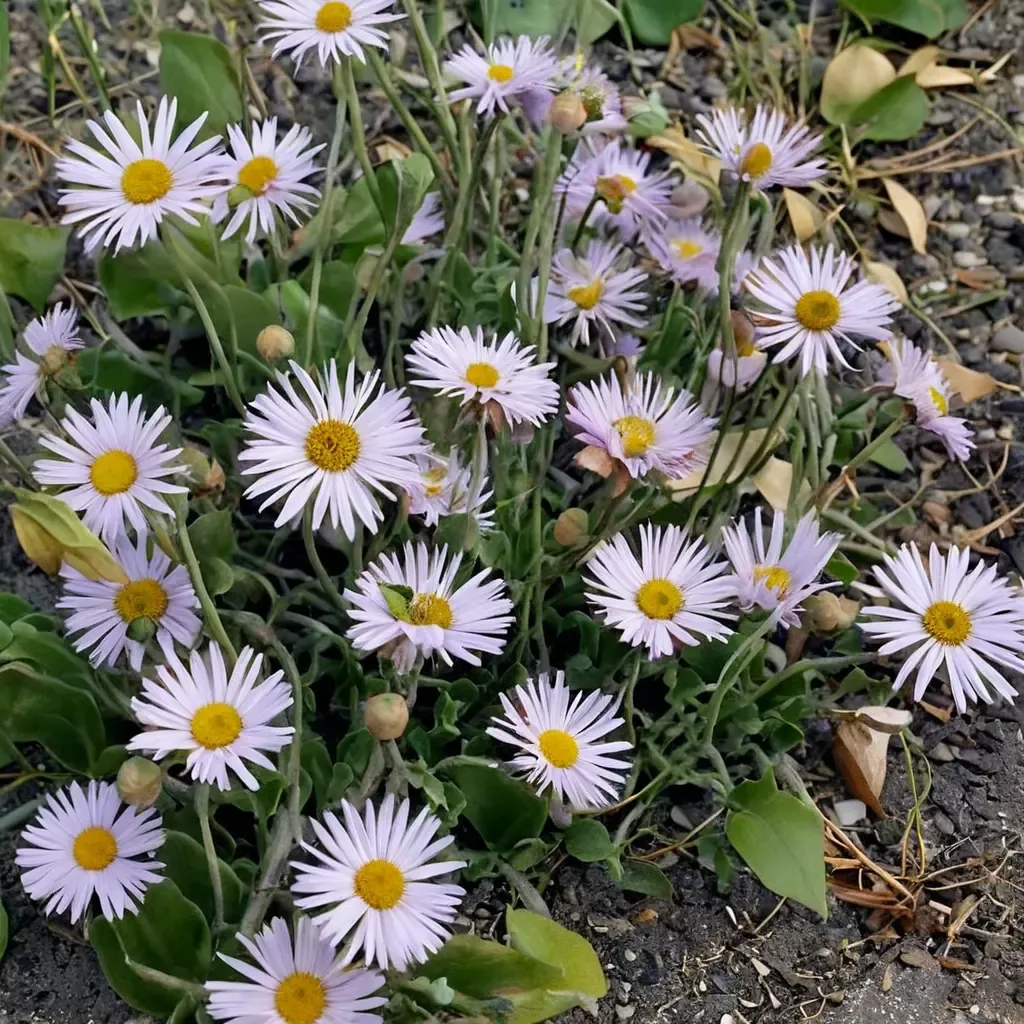
Robin's Plantain 'Meadow Muffin'
Erigeron pulchellus 'Meadow Muffin'
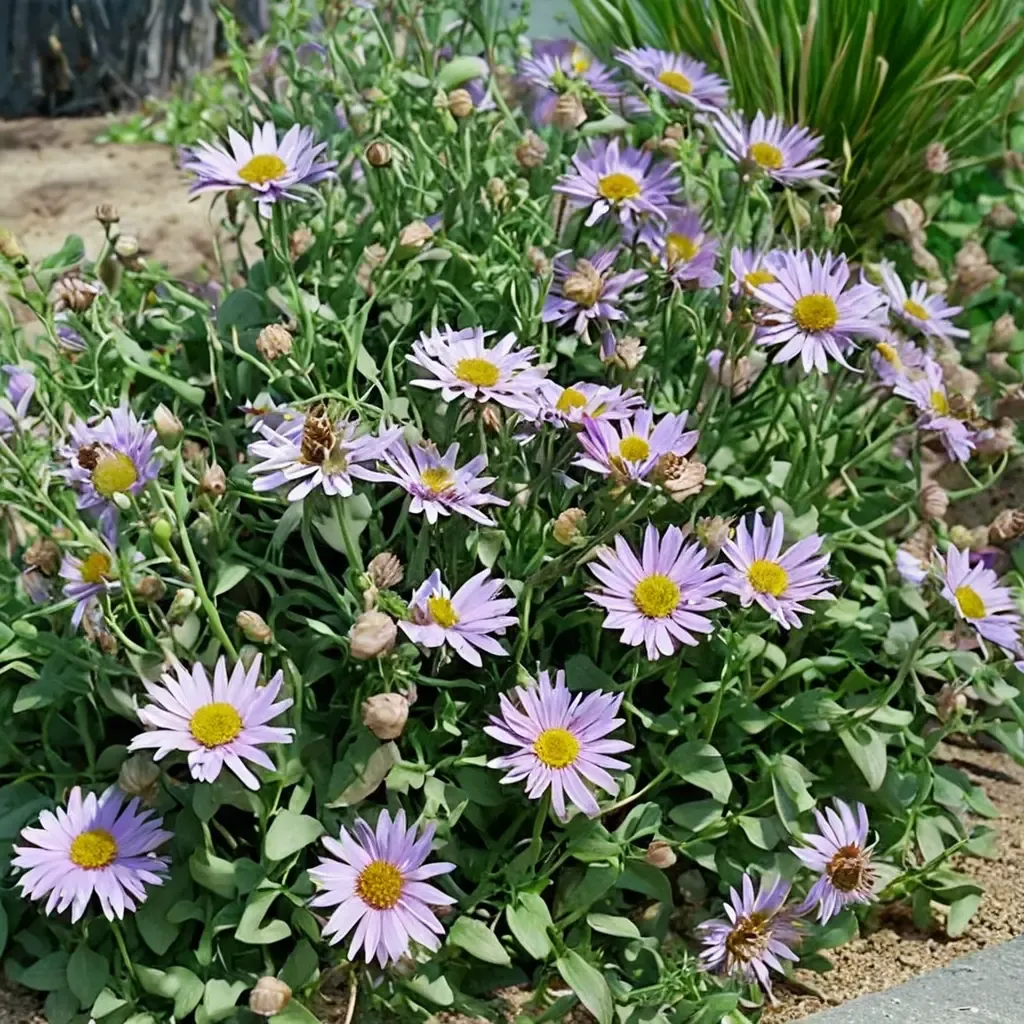
Wayne Roderick fleabane
Erigeron glaucus 'Wayne Roderick'
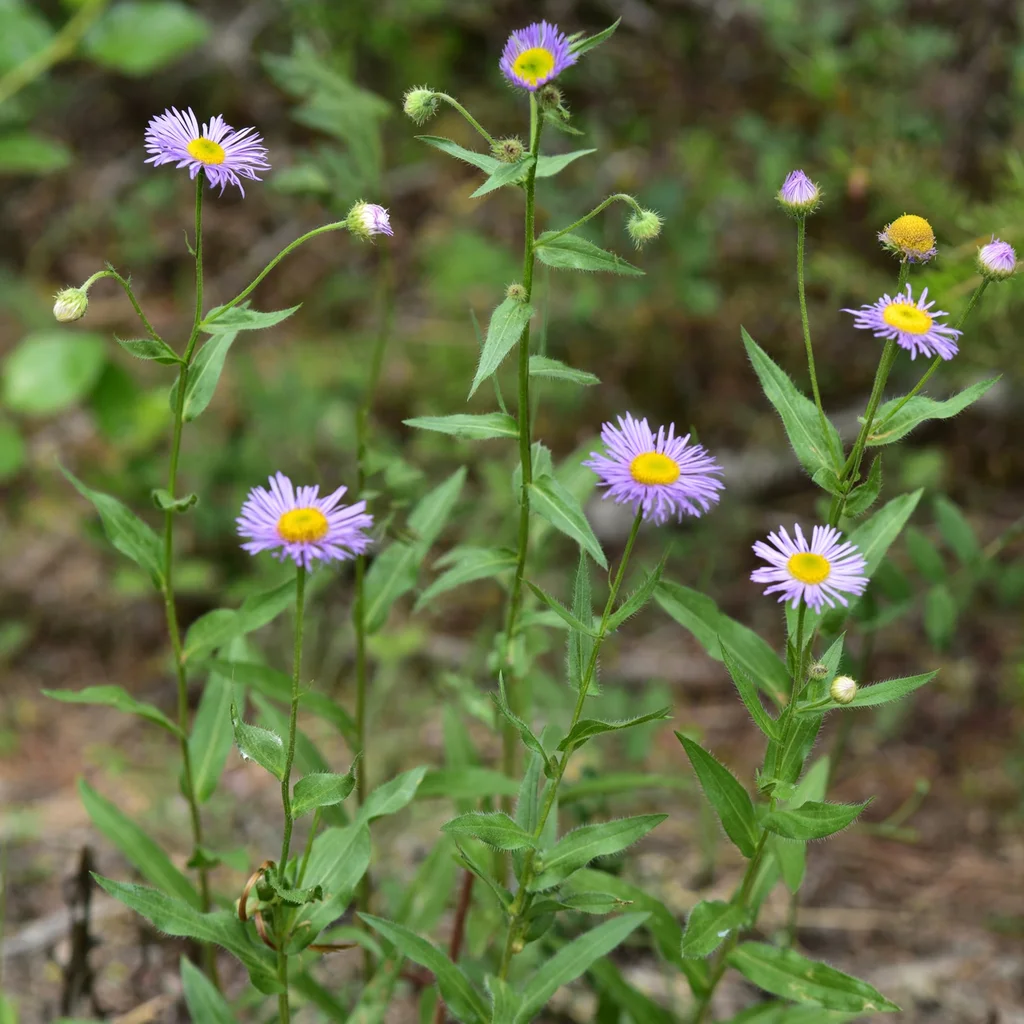
Aspen Fleabane
Erigeron speciosus
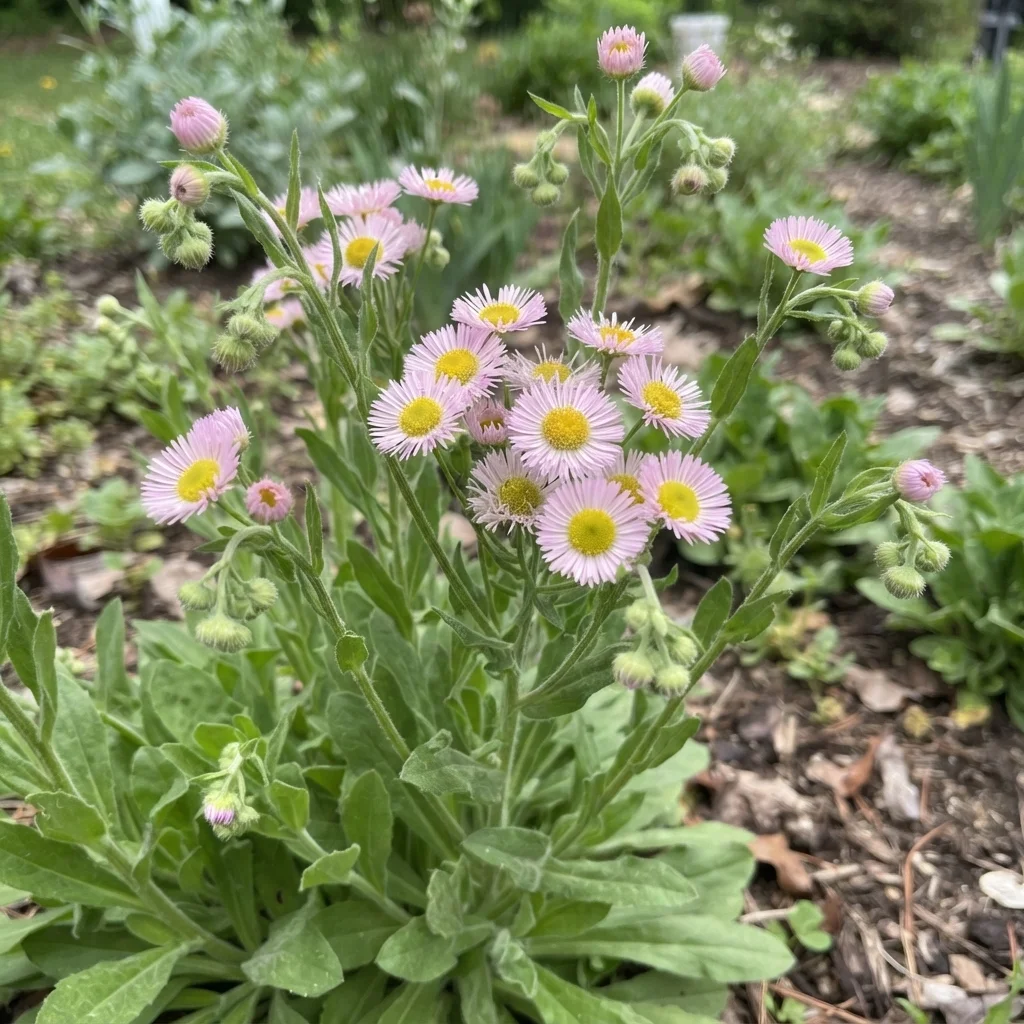
Philadelphia Fleabane
Erigeron philadelphicus
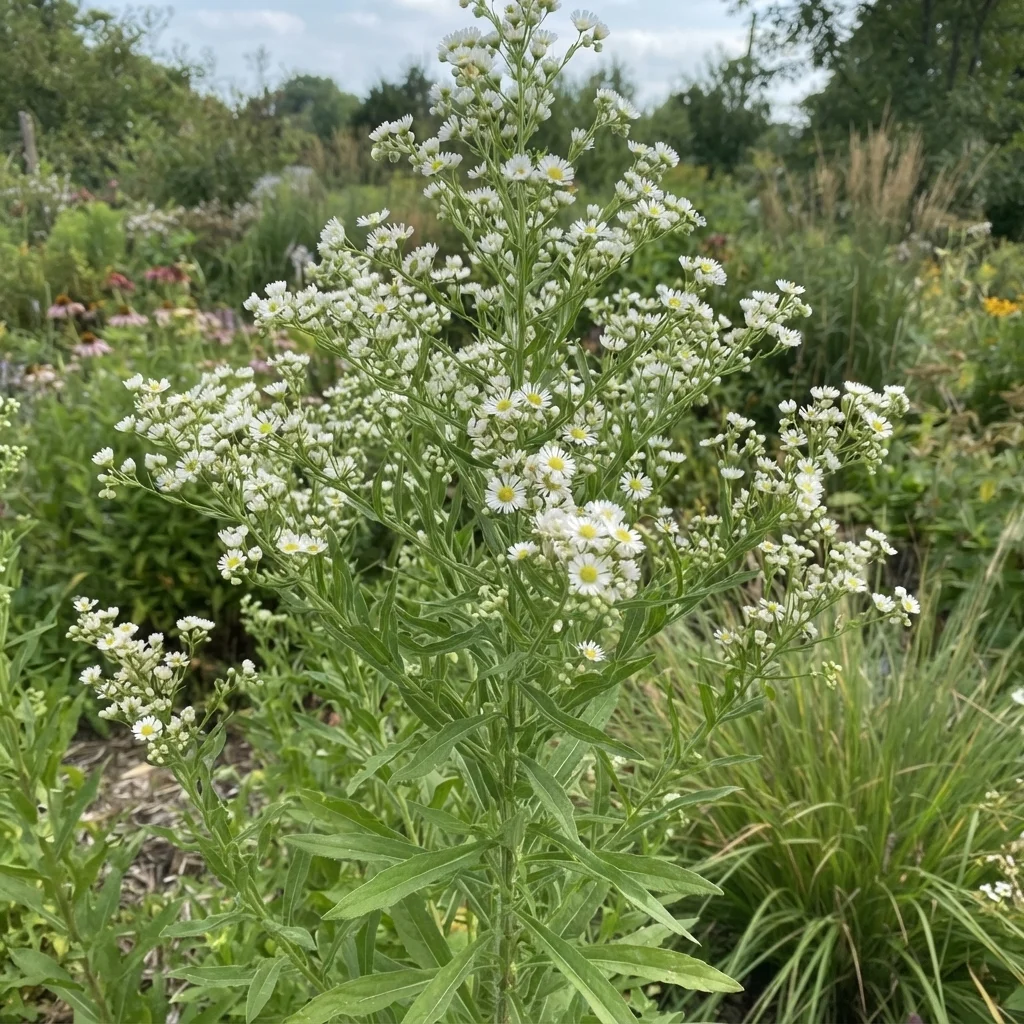
Horseweed
Erigeron canadensis
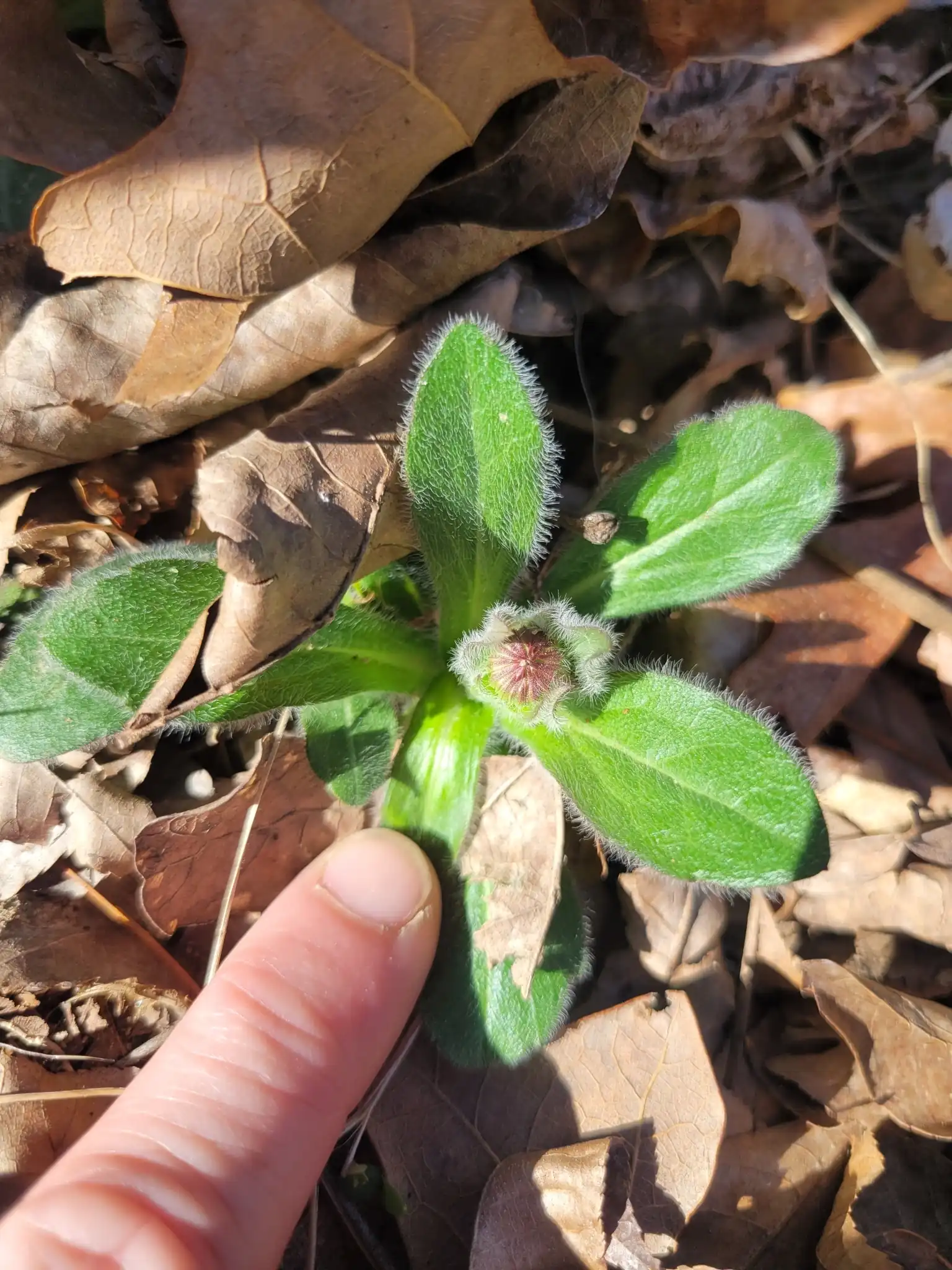
Robin's Plantain
Erigeron pulchellus
Keep exploring
Explore the genus
Hardy in your zone?
Grow Featherleaf Fleabane with confidence
See it in a design of your actual yard, get zone-matched care reminders, and track it season by season in your garden journal.