The Story
Plant Bio
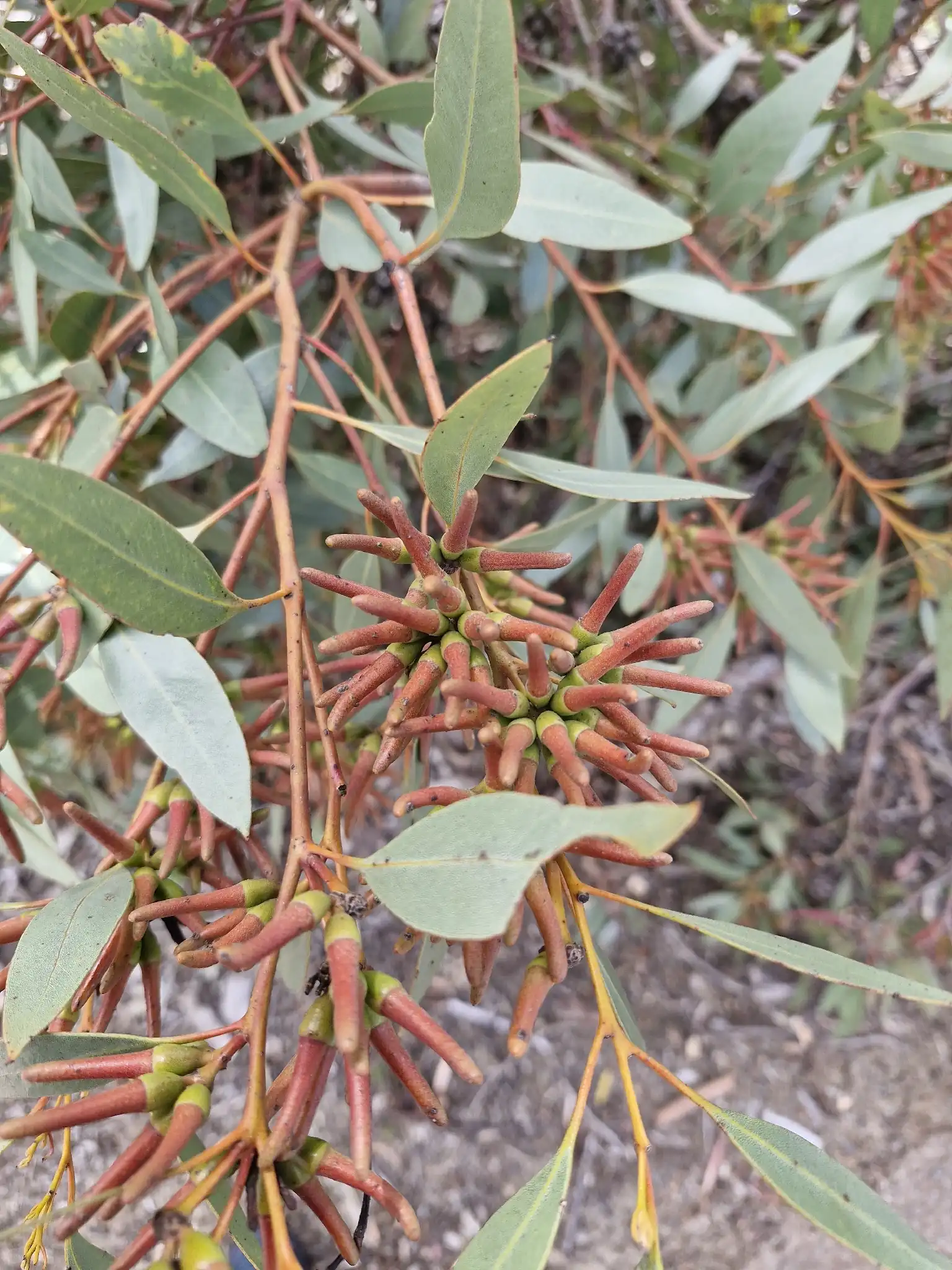
Eucalyptus macrandra, commonly known as the long-flowered marlock, is an evergreen mallee or small tree native to southwestern Australia. It produces thick, glossy olive-green leaves and smooth bark that sheds annually to reveal grey, light brown, and pinkish undertones.
This species is distinguished by elongated, horn-shaped bud caps up to five times the length of the floral cup. These caps drop to reveal abundant clusters of lemon-yellow to bright yellow-green stamens from late spring into autumn.
Uses & Benefits:
Essentials
At a Glance
Plant Type
Tree
Height
236"
Width
177"
Light
Full Sun
Zones
9, 10
Water
Low
Humidity
Low to moderate
Lifespan
Perennial
Native To
Australia
Toxicity
Non-toxic
Bloom period
Spring – Autumn
In flower about 9 months of the year
Planting
How to Grow
- Select a planting location in full sun with sharp drainage.
- Dig a hole twice as wide as the root ball and equal in depth, keeping native soil unamended.
- Position the root crown flush with the surrounding soil line and backfill firming gently.
- Water thoroughly at planting, then restrict irrigation once root establishment is observed.
Pro Tip
Prune lightly to retain active leaf nodes; cutting back into old leafless wood prevents re-sprouting and degrades the structural form.
Keep It Thriving
Care Guide
Do
- Plant in light, gritty, or well-drained soils to prevent root disease.
- Allow soil to dry out between deep waterings during initial establishment.
Don't
- Do not apply fertilizers high in phosphorus or heavy nitrogen.
- Never plant in waterlogged areas or heavy clay basins without raised drainage.
Seasonal Care Calendar
| Task | Jan | Feb | Mar | Apr | May | Jun | Jul | Aug | Sep | Oct | Nov | Dec |
|---|---|---|---|---|---|---|---|---|---|---|---|---|
| Mulch | ||||||||||||
| Pest Check | ||||||||||||
| Plant | ||||||||||||
| Prune |
Watch Out For
Pests & Diseases
Common Pests
Common Diseases
In the Garden
Landscape Uses & Companions
Landscape Uses
Companion Plants
Multiply
Propagation Methods
Good to Know
Common Questions
Long-flowered Marlock questions
What zones can Long-flowered Marlock grow in?
Long-flowered Marlock is hardy in USDA Zones 9–10: in that range it survives winter in the ground. Colder than Zone 9, winters are too cold for it to survive outdoors.
When does Long-flowered Marlock bloom?
Long-flowered Marlock typically blooms from spring to fall. Exact timing shifts a week or two with your zone — Sow's bloom calendar maps it to your garden.
Does Long-flowered Marlock need full sun?
Long-flowered Marlock does best in full sun (6+ hours).
Is Long-flowered Marlock drought tolerant?
Yes — once established (usually after the first full season), Long-flowered Marlock handles dry spells with minimal watering. Water deeply its first year to build the root system that makes that possible.
More Eucalyptus to compare
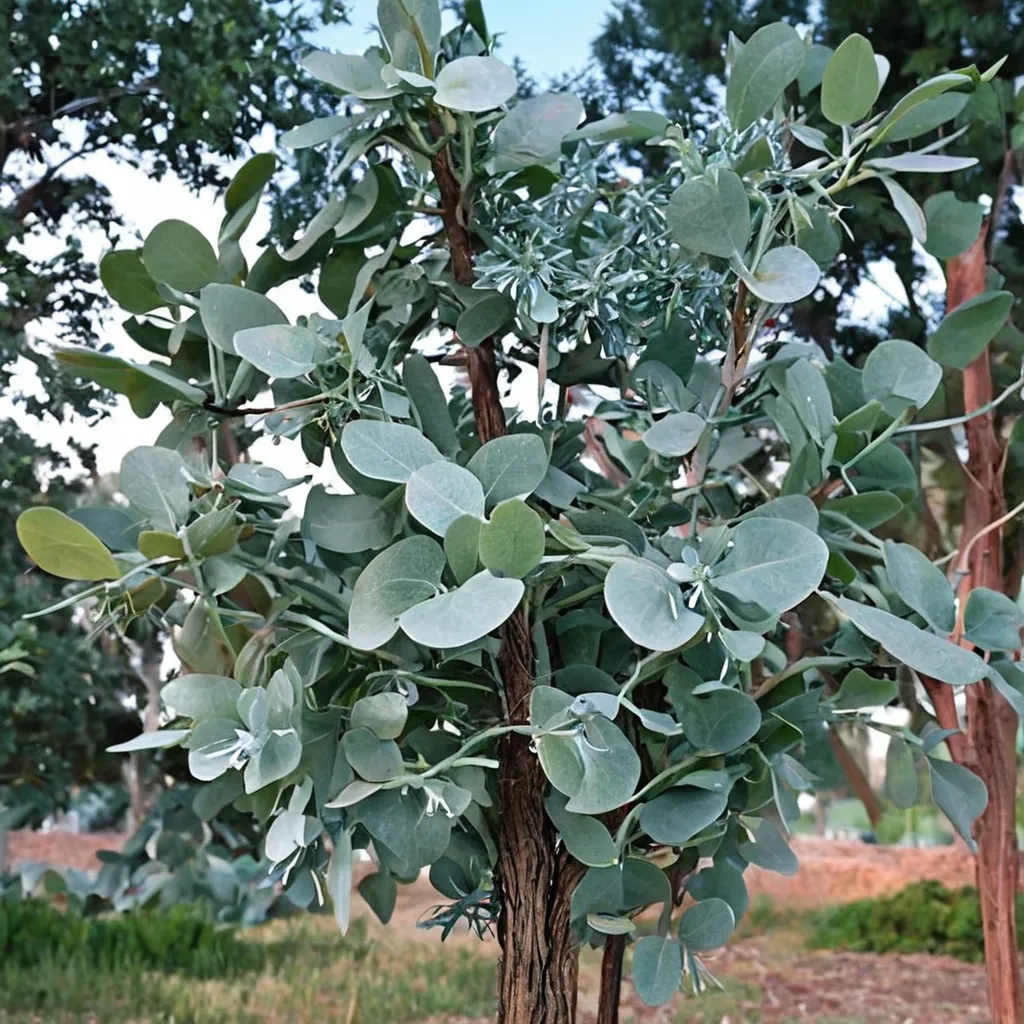
Silver Dollar Eucalyptus
Eucalyptus cinerea
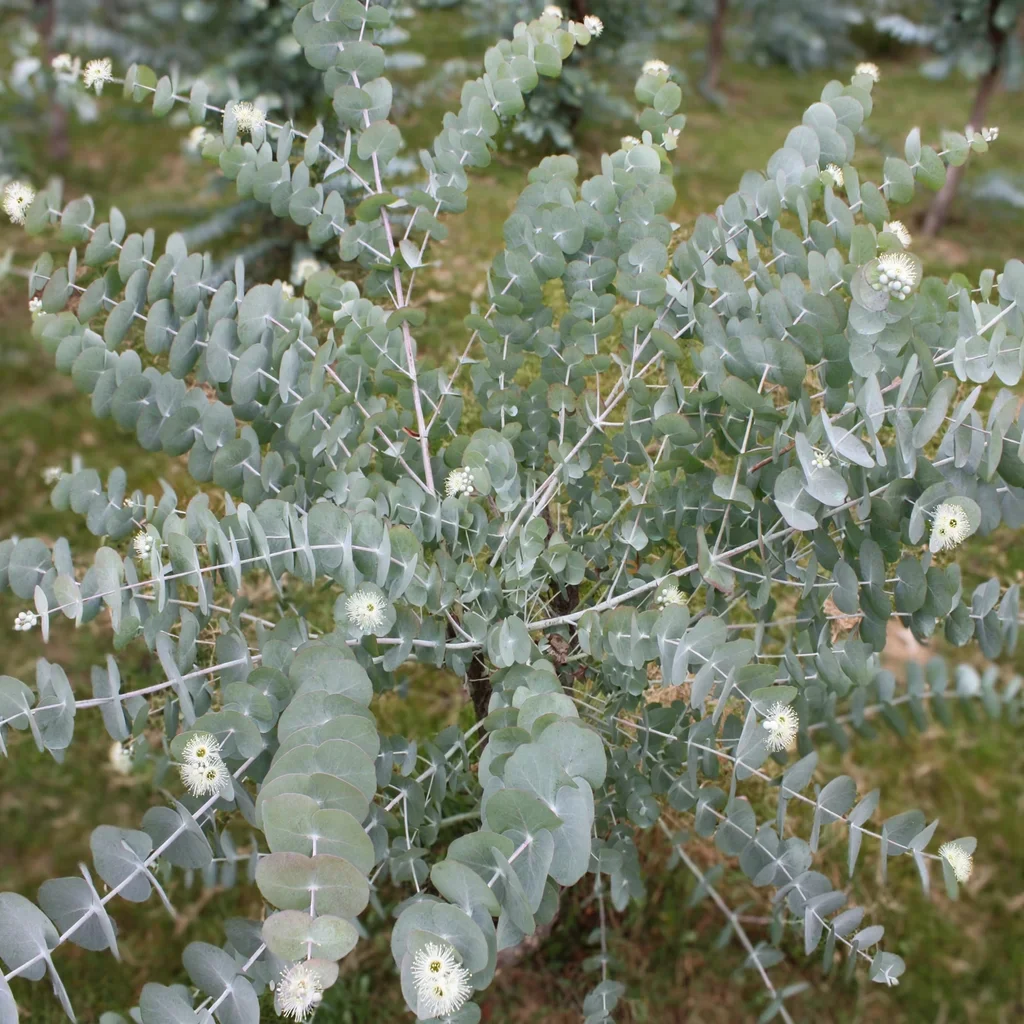
Silver Dollar Tree
Eucalyptus cinerea 'Silver Dollar Tree'
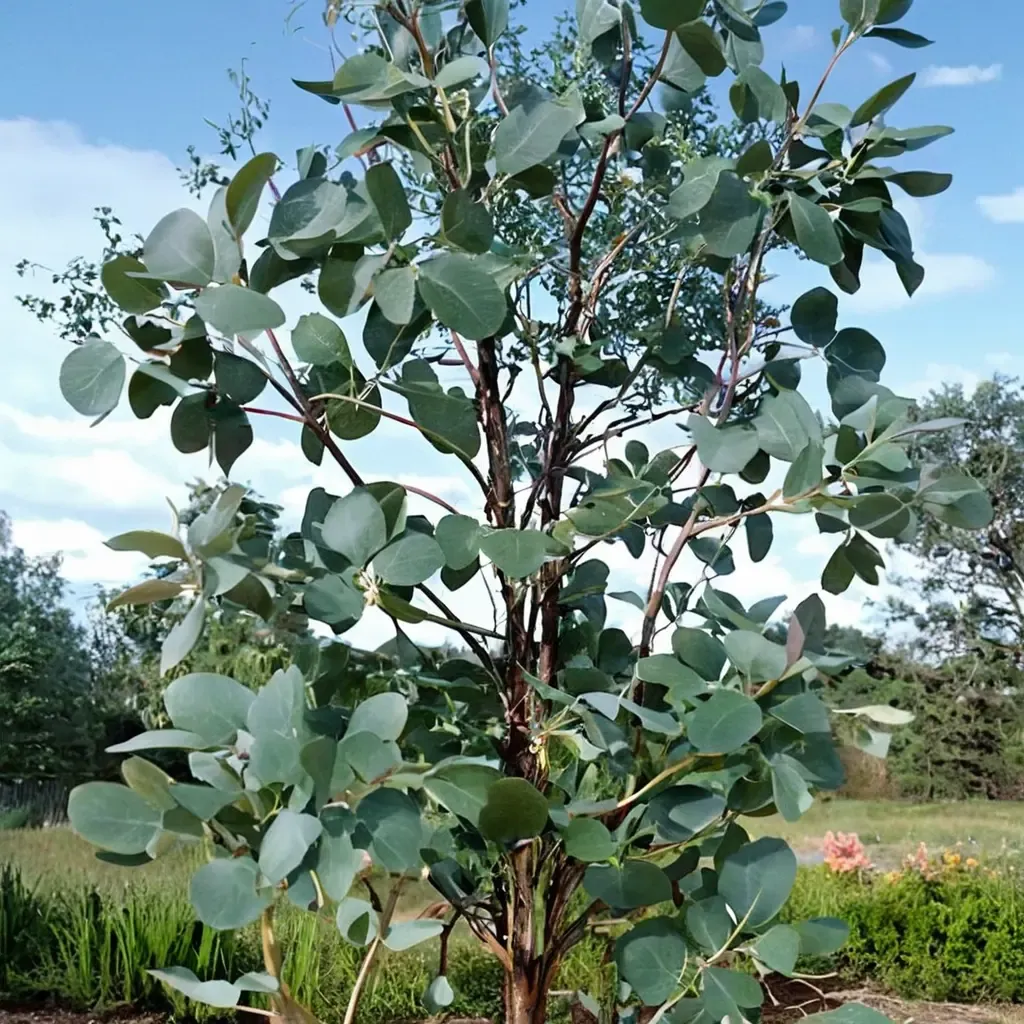
Omeo Gum
Eucalyptus neglecta
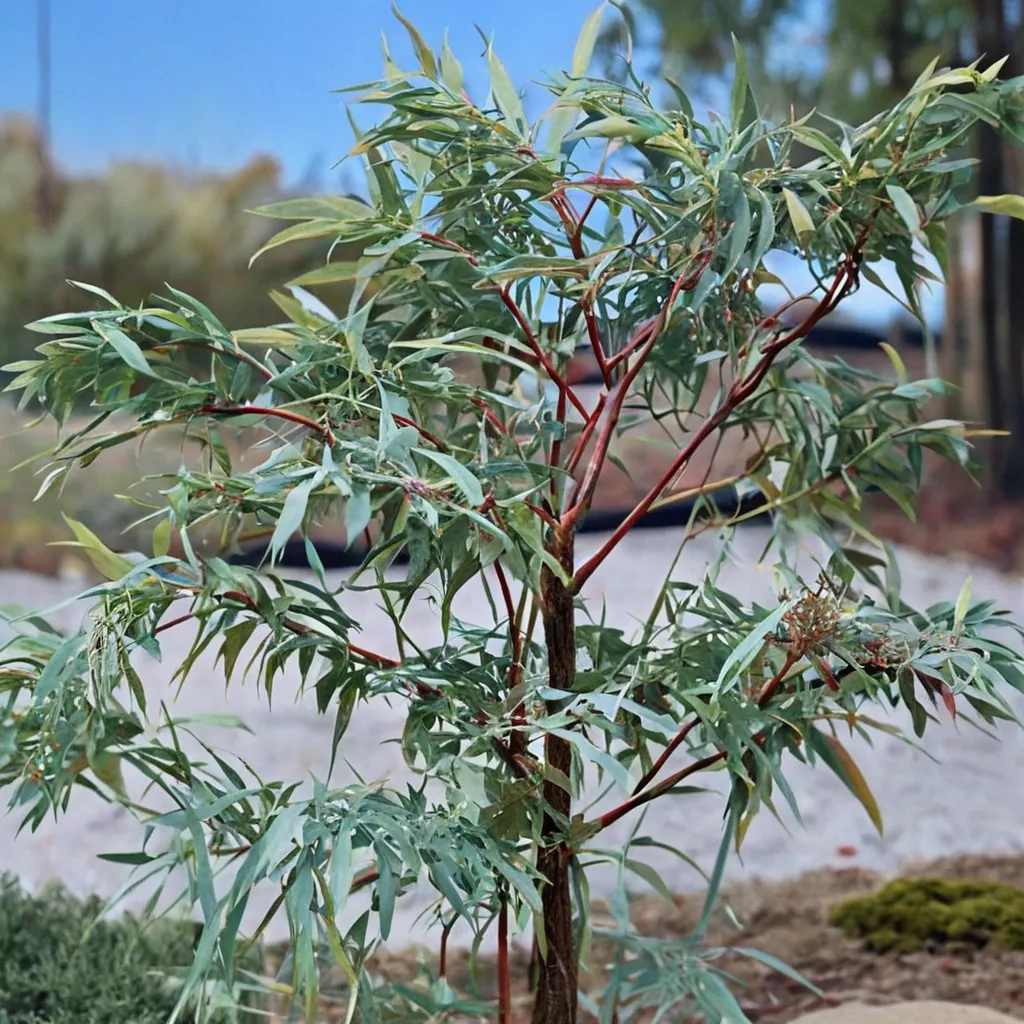
Narrow-leaved Peppermint Eucalyptus
Eucalyptus nicholii
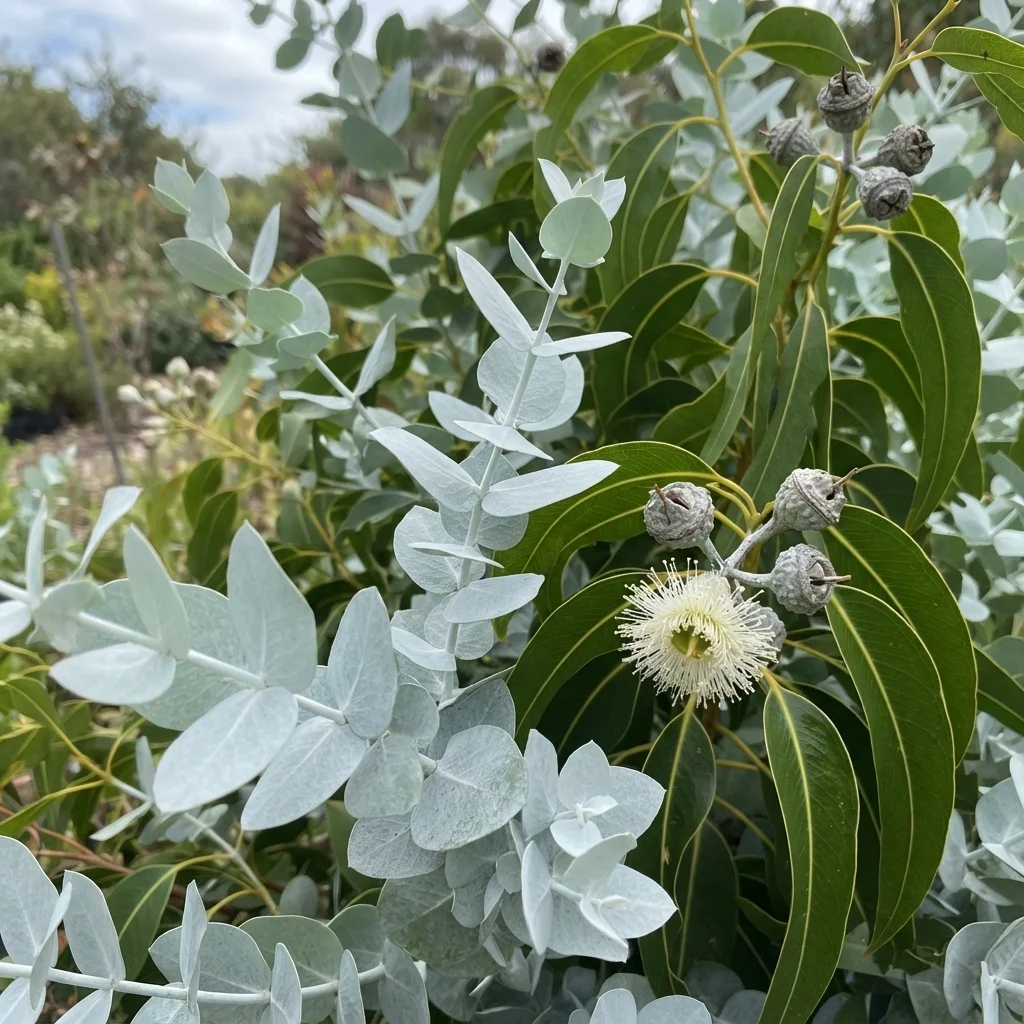
Tasmanian Blue Gum
Eucalyptus globulus
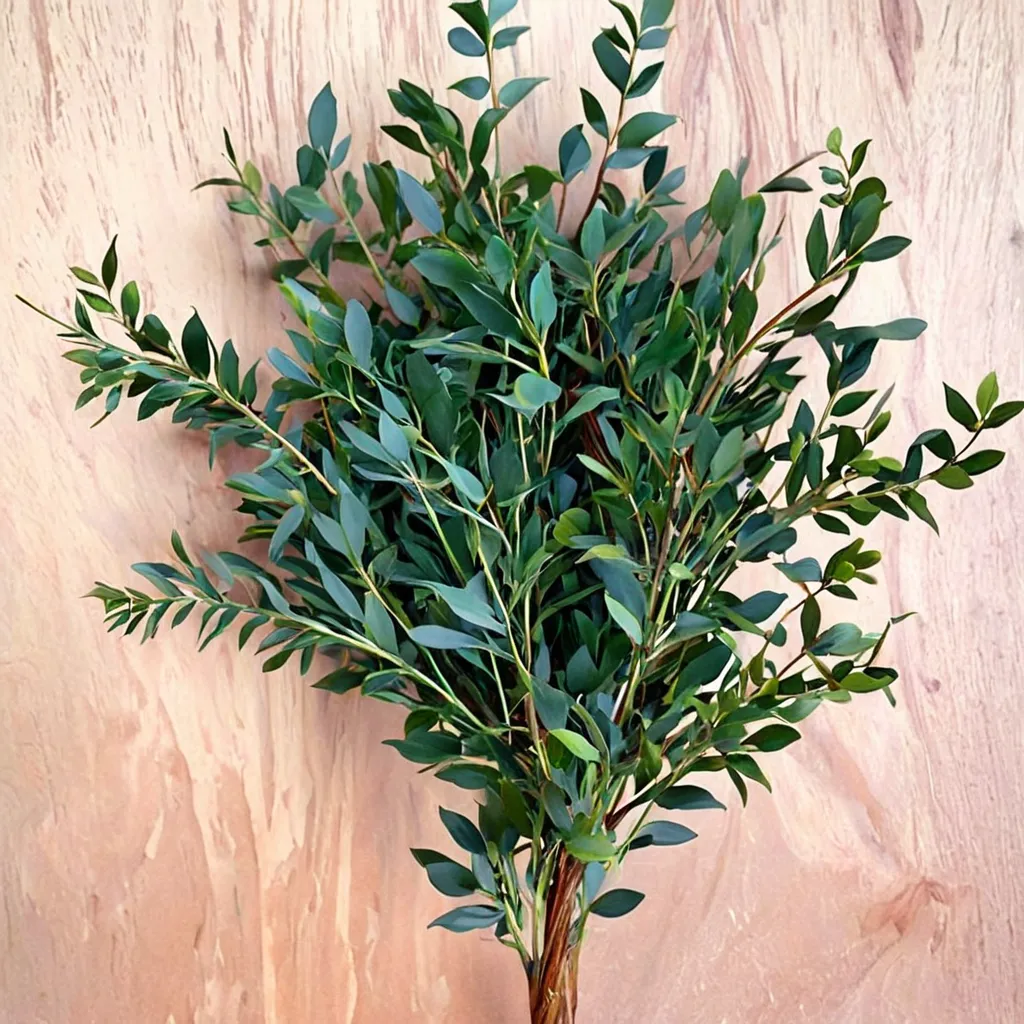
Small-leaved Gum
Eucalyptus parvula
Keep exploring
Explore the genus
Hardy in your zone?
Grow Long-flowered Marlock with confidence
See it in a design of your actual yard, get zone-matched care reminders, and track it season by season in your garden journal.