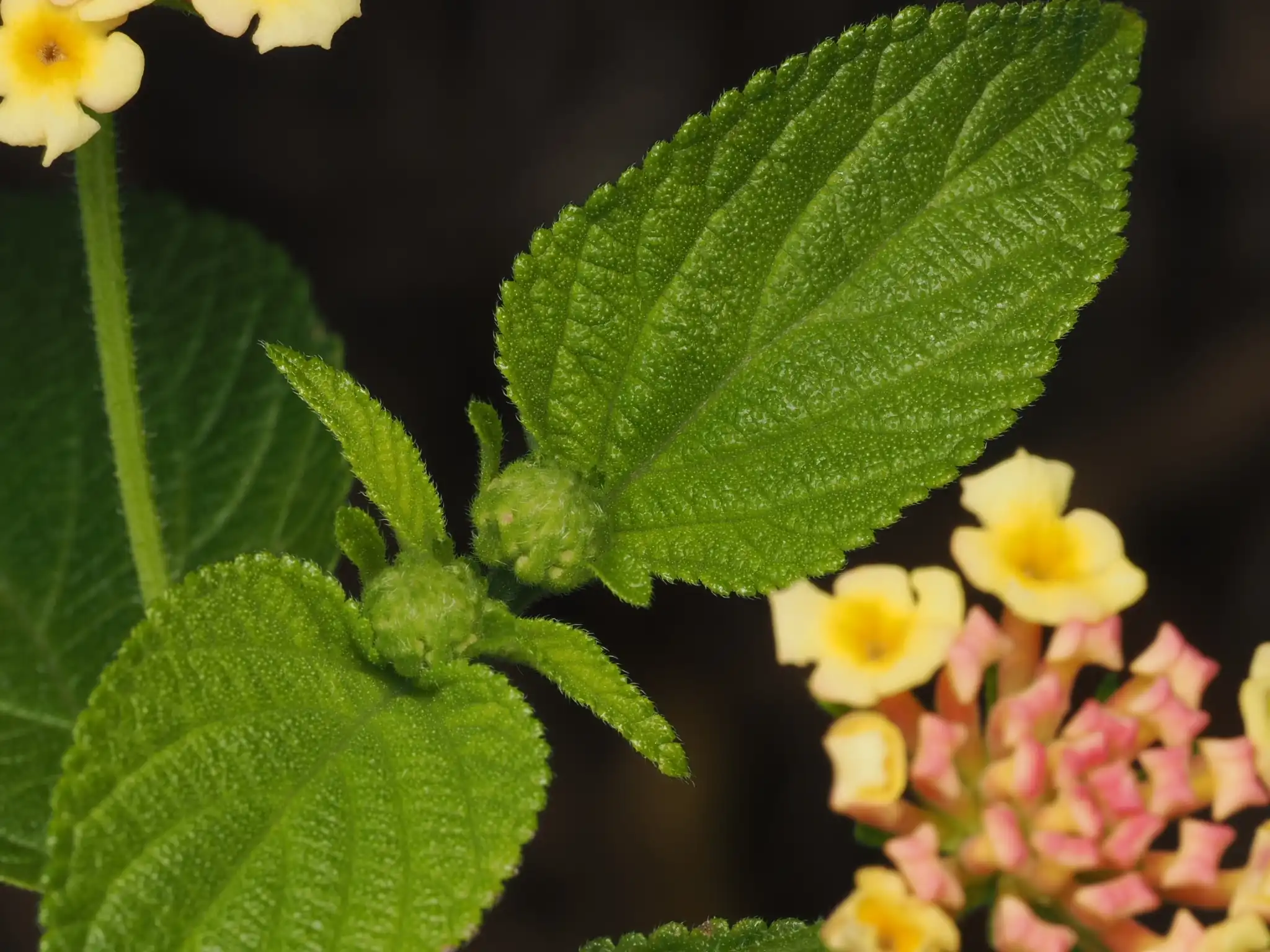
20 named cultivars
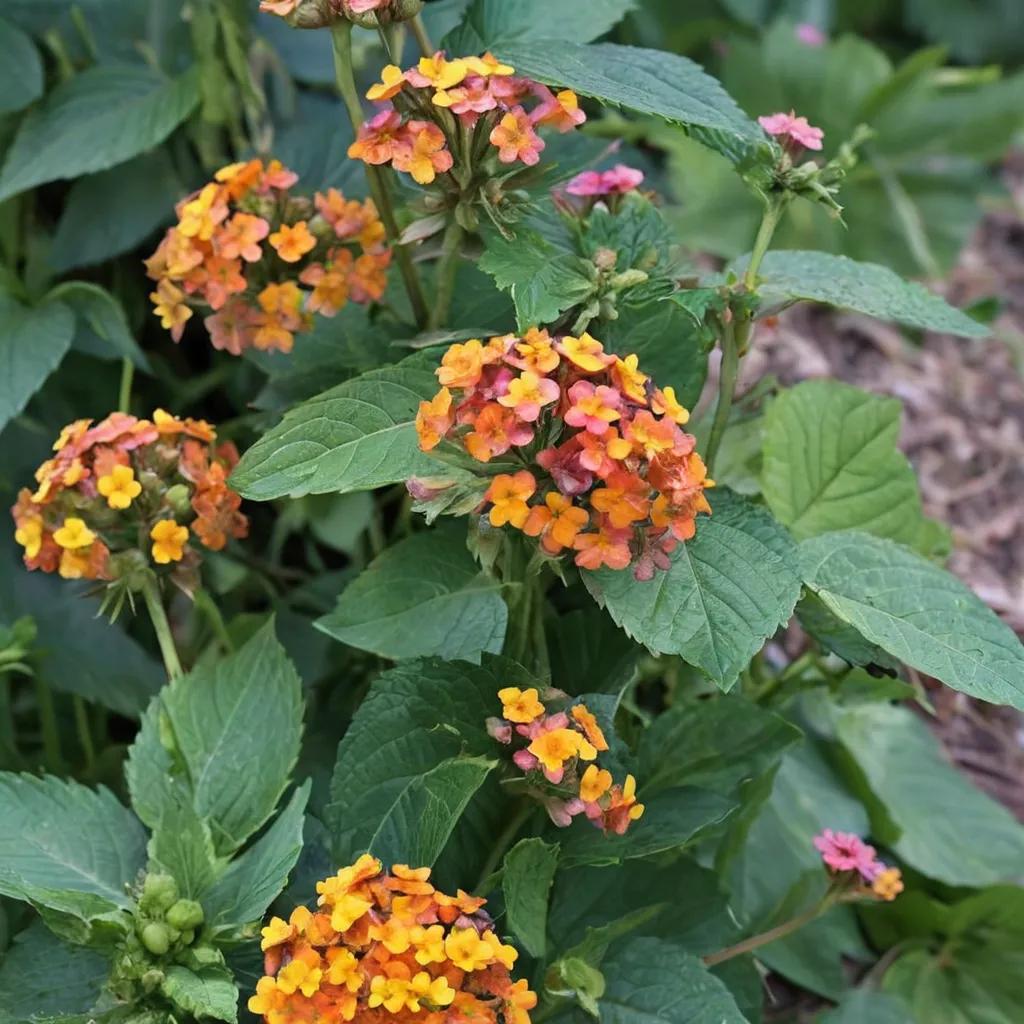 ‘Miss Huff’Lantana Miss Huff
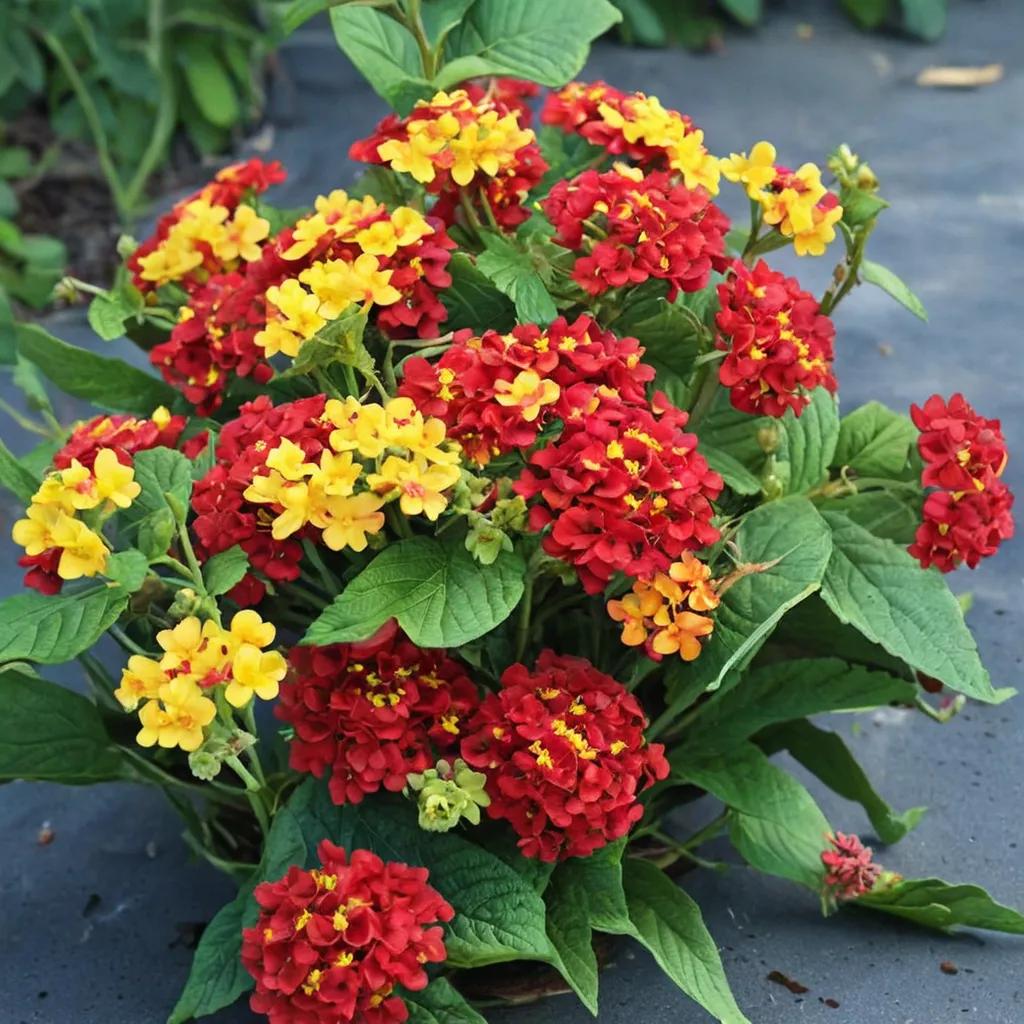 ‘Luscious Citrus Blend’Lantana Luscious Citrus Blend
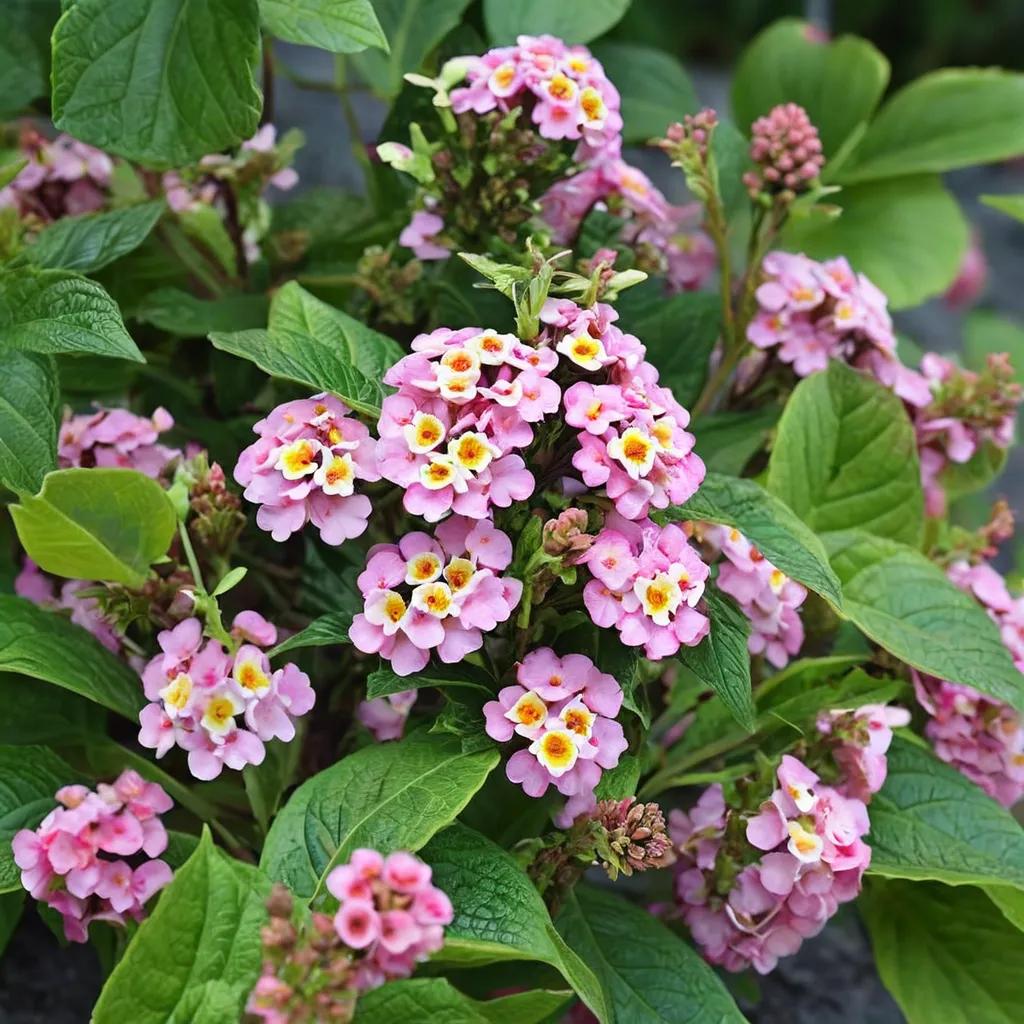 ‘Luscious Pinkberry Blend’Lantana Camara Luscious Pinkberry Blend
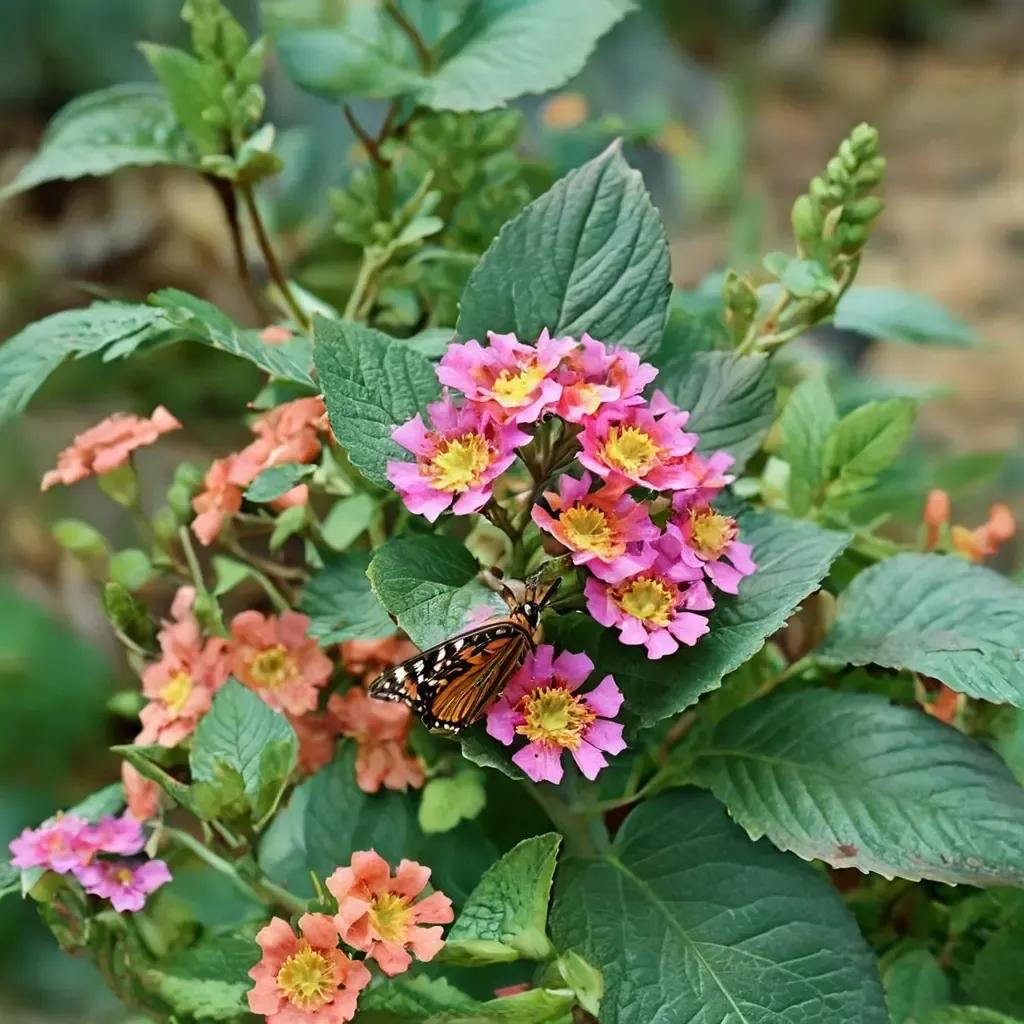 ‘Butterfly Puddler’Butterfly Puddler Lantana
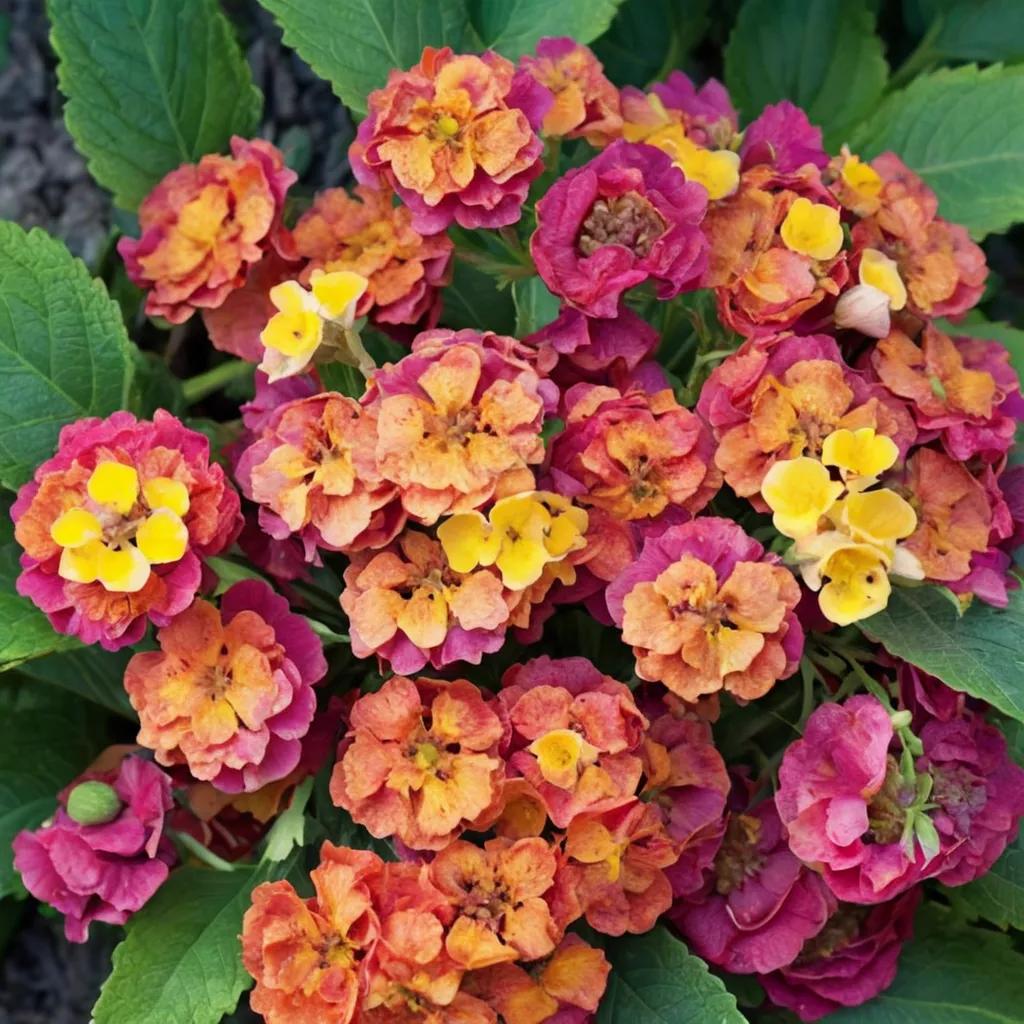 ‘Cherry Sunrise’Lantana Cherry Sunrise
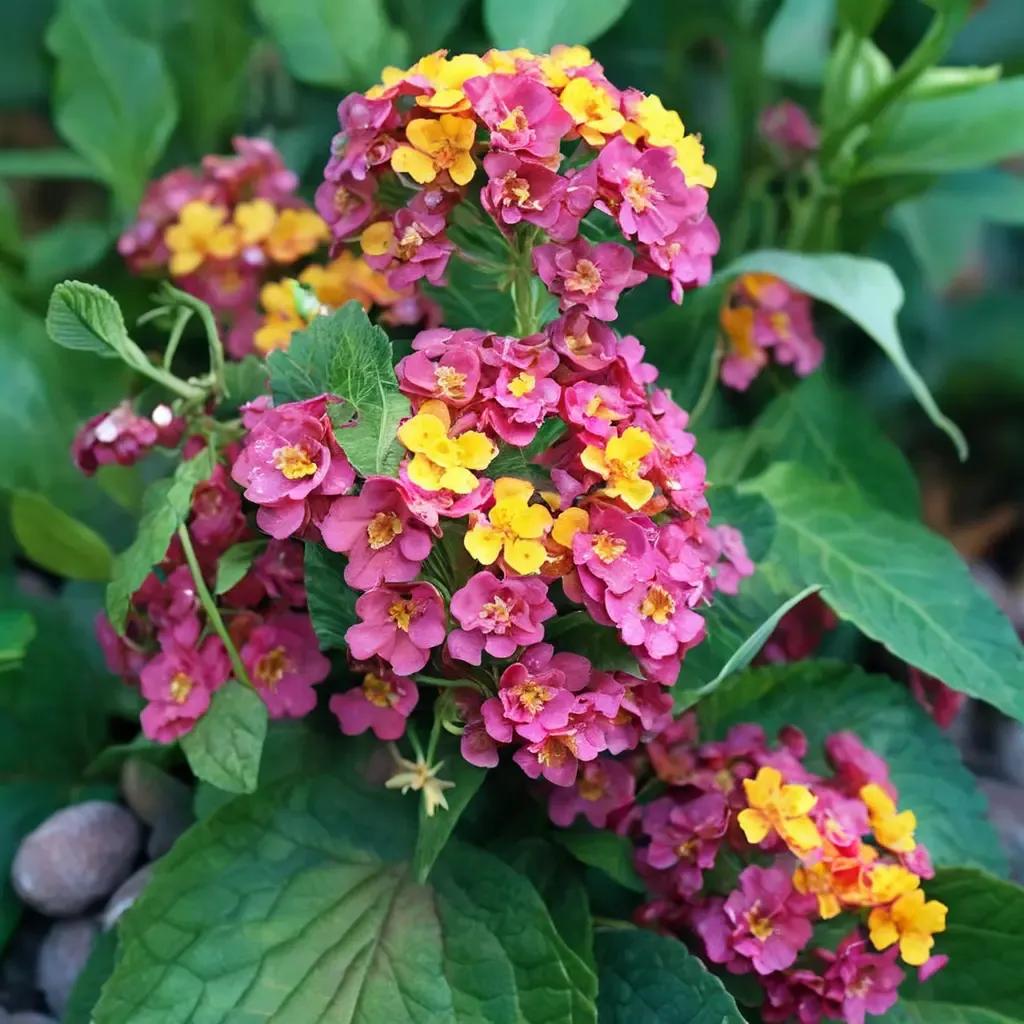 ‘Irene’Irene Lantana
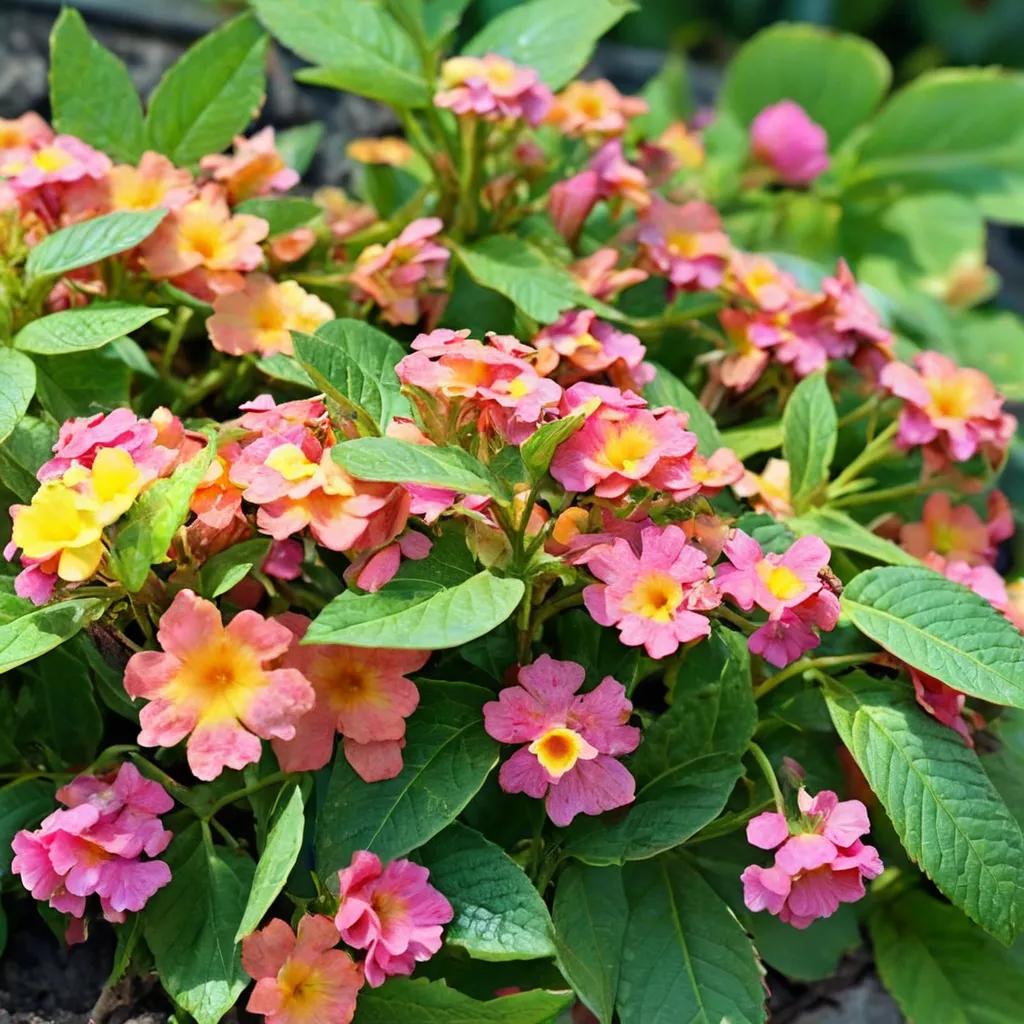 ‘Confetti’Confetti Lantana
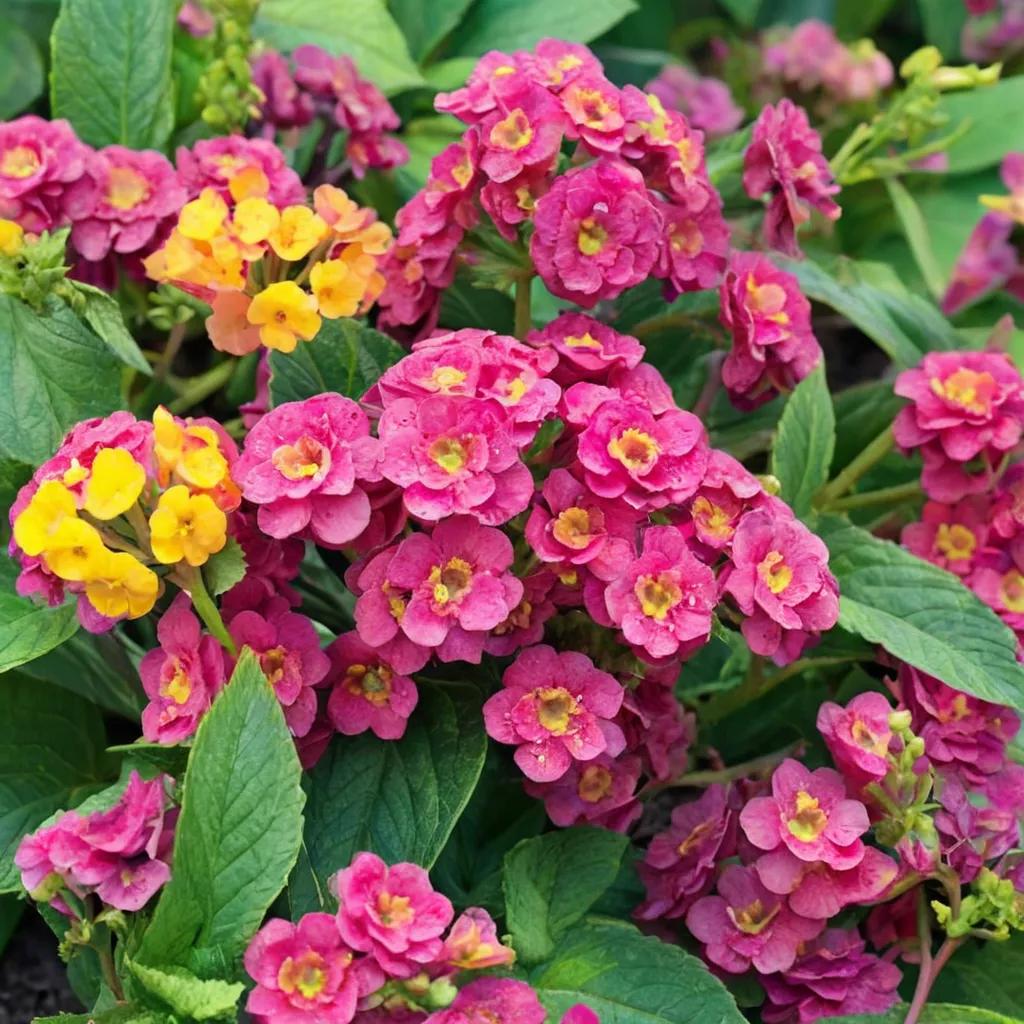 ‘Bandana Cherry’Bandana Cherry Common Lantana
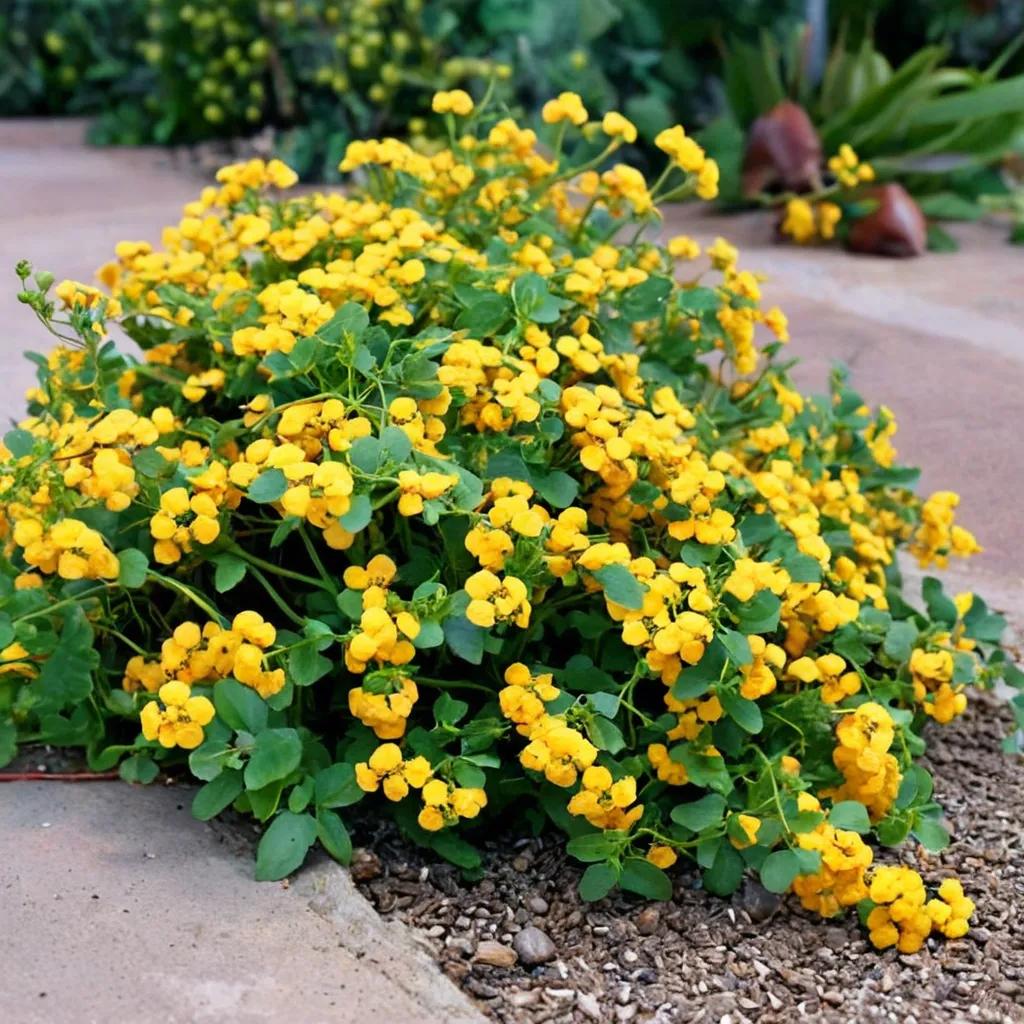 ‘New Gold’Lantana New Gold
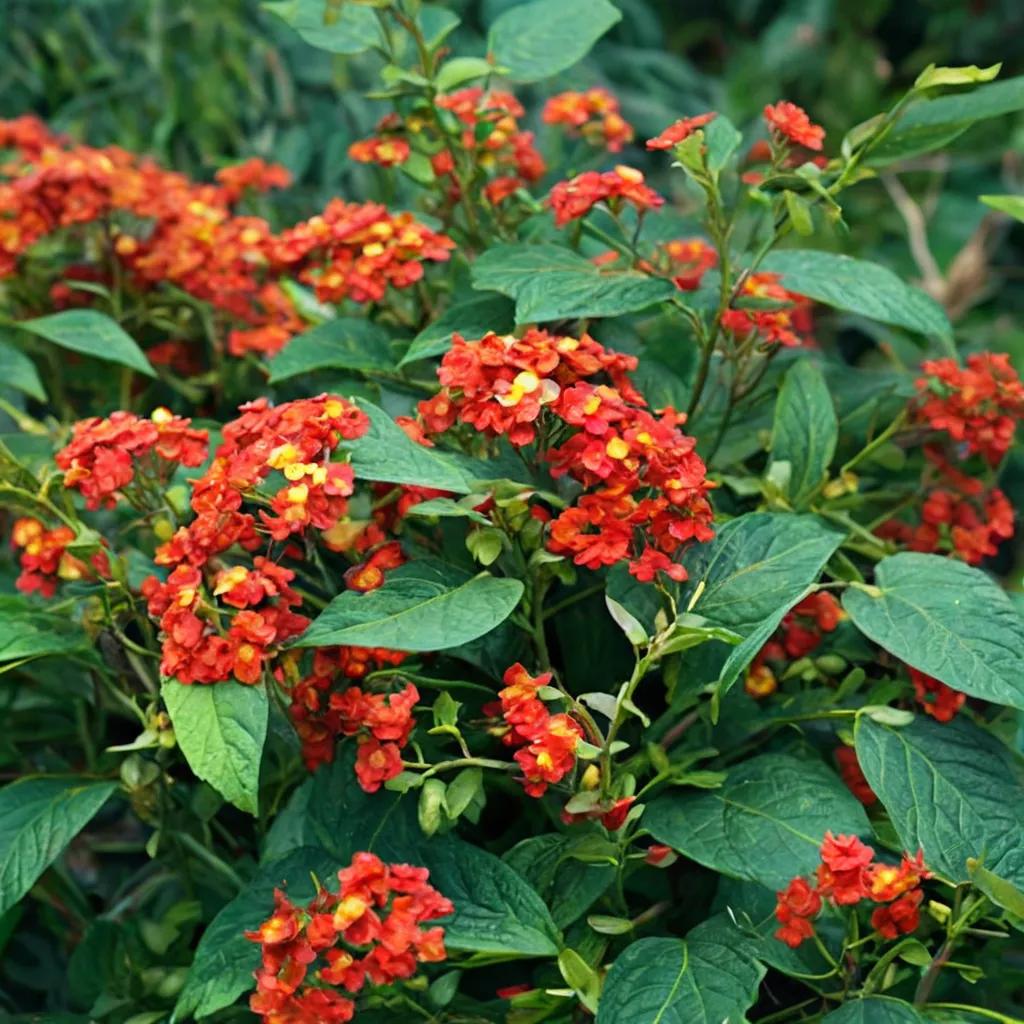 ‘Dallas Red’Dallas Red Lantana
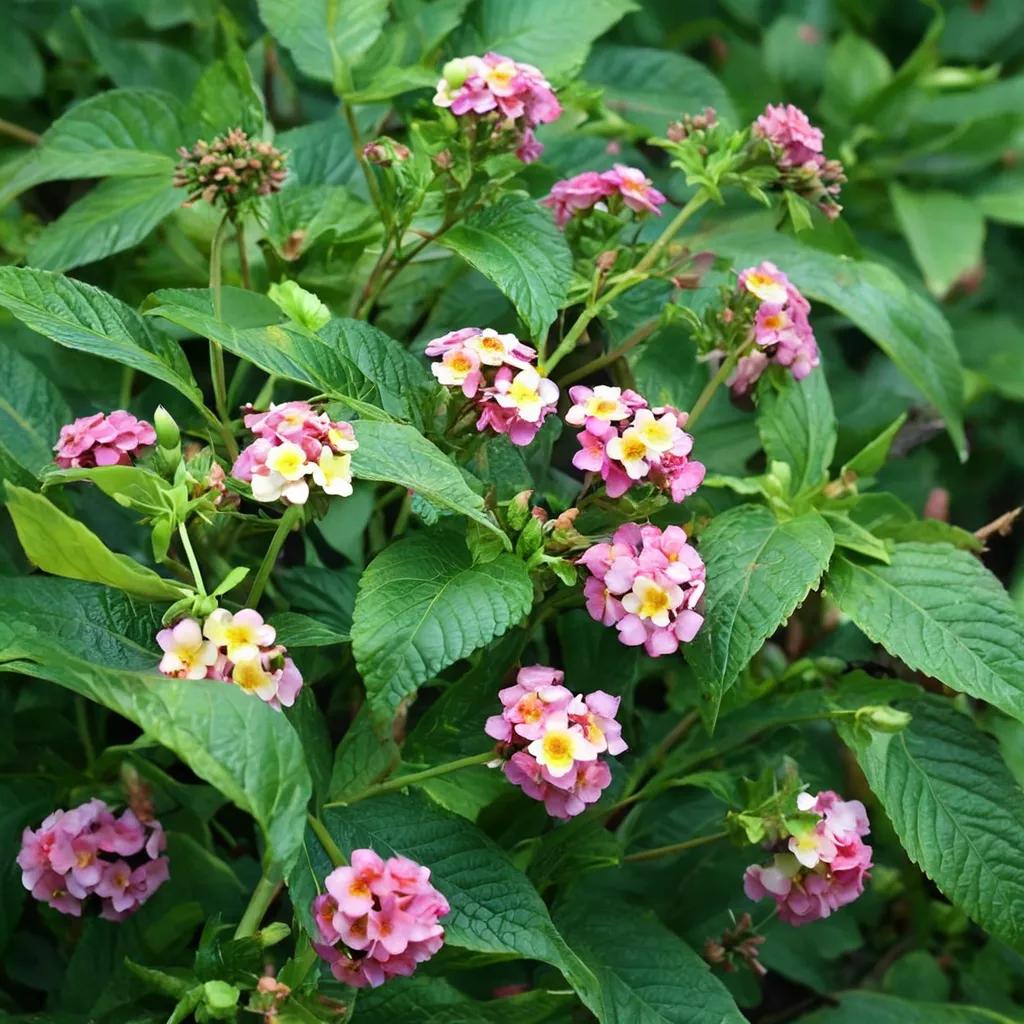 ‘Ham Eggs’Ham and Eggs Lantana
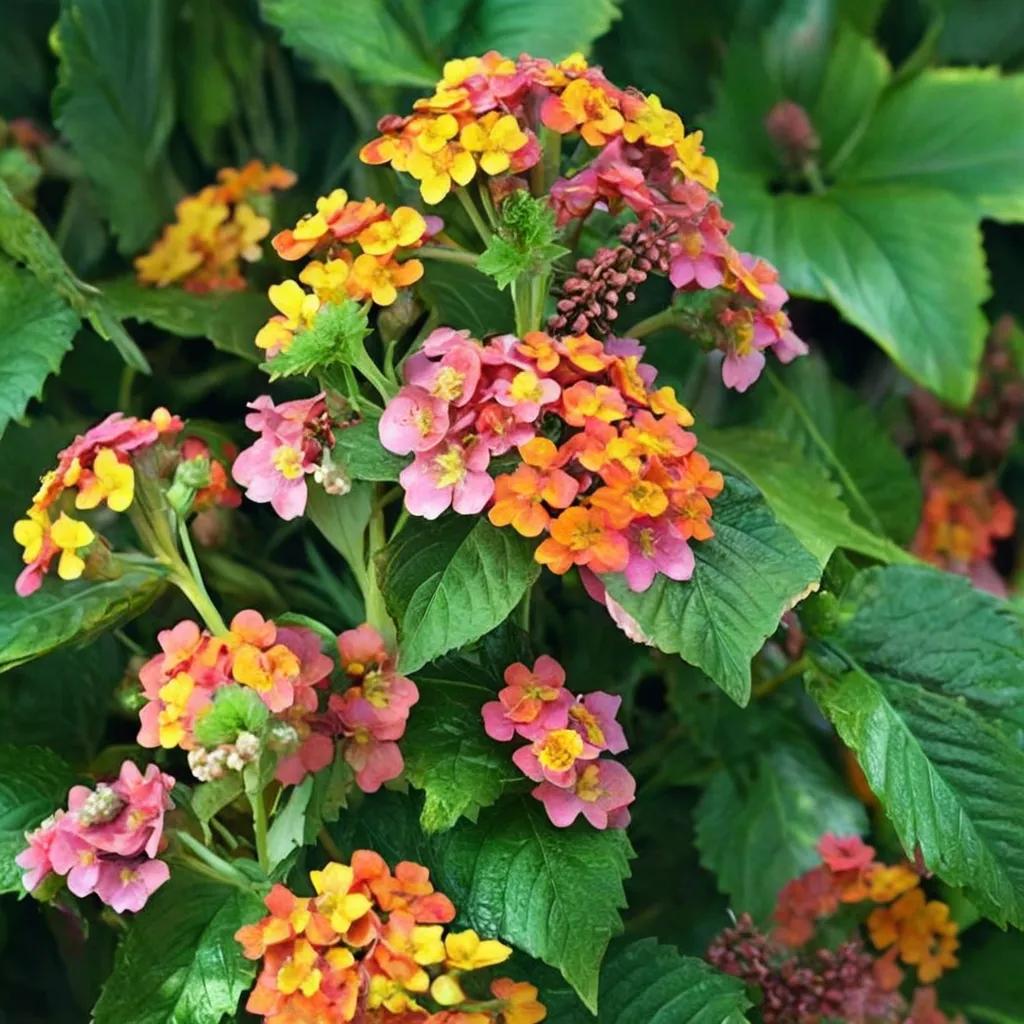 ‘Sonset’Sunset Lantana
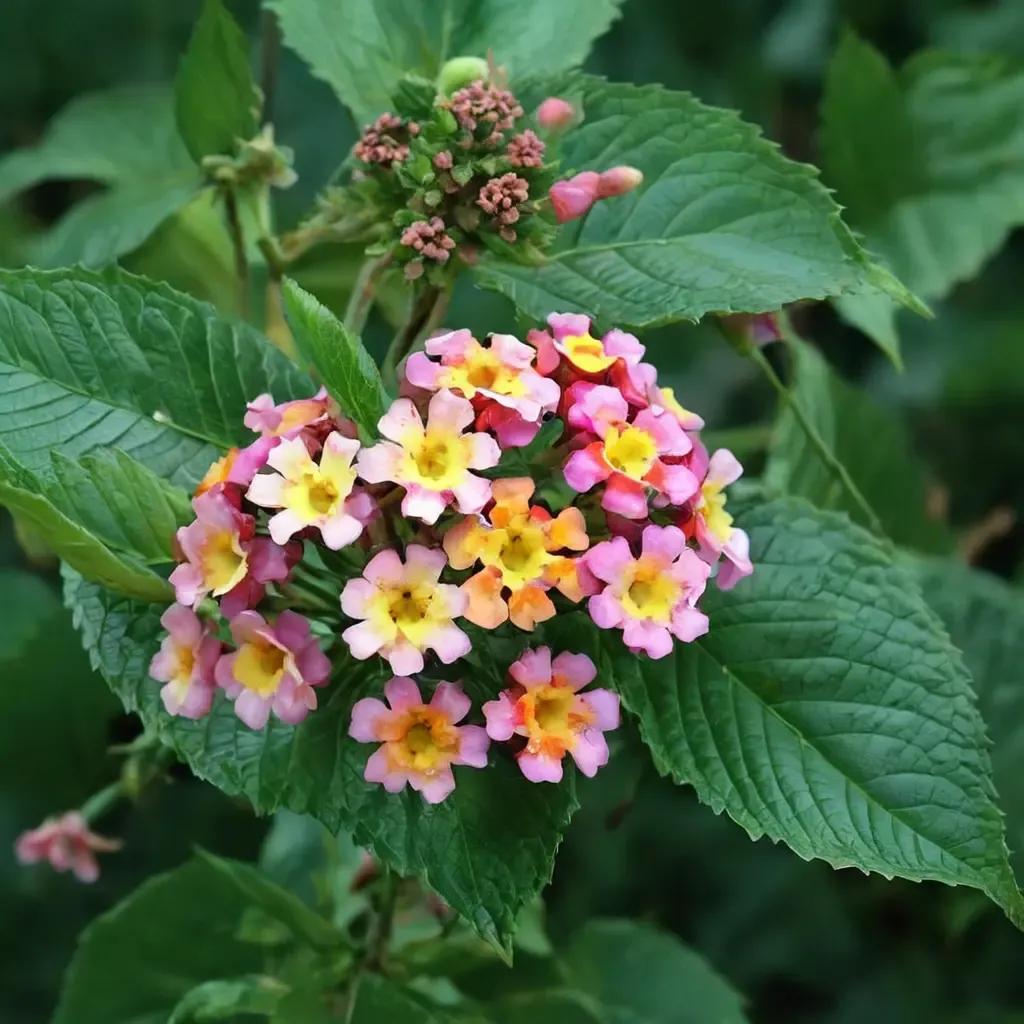 ‘Ham and Eggs’Ham and Eggs Lantana
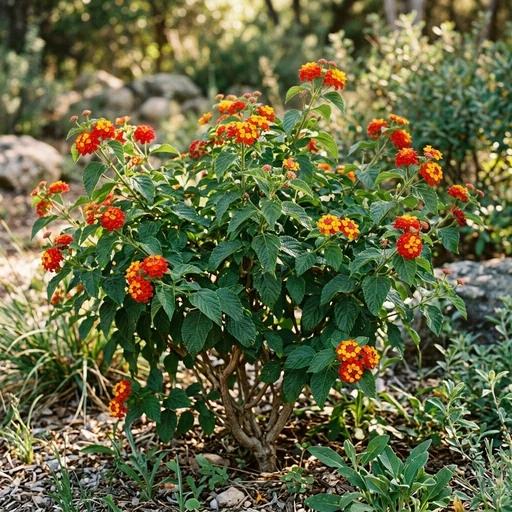 ‘Hot Blooded’Hot Blooded Lantana
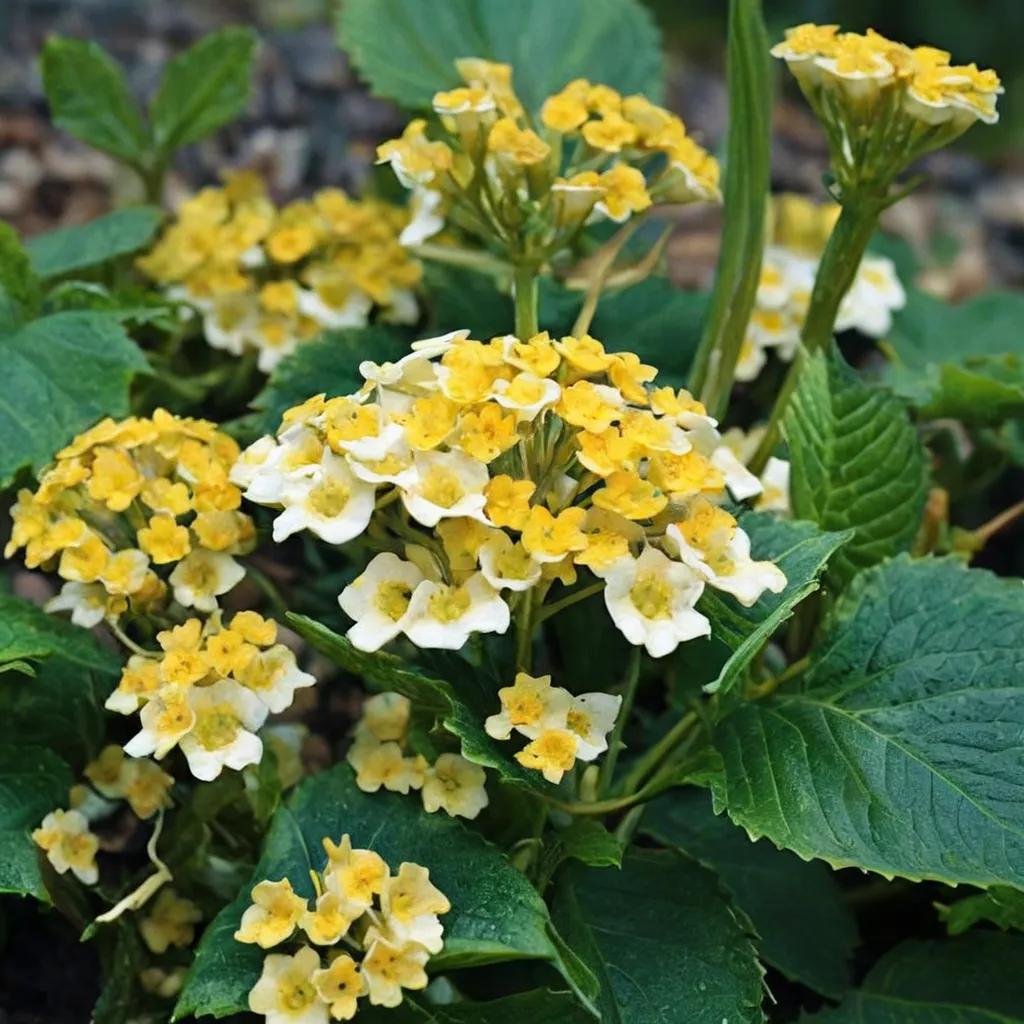 ‘Sonshine’Lantana Sonshine
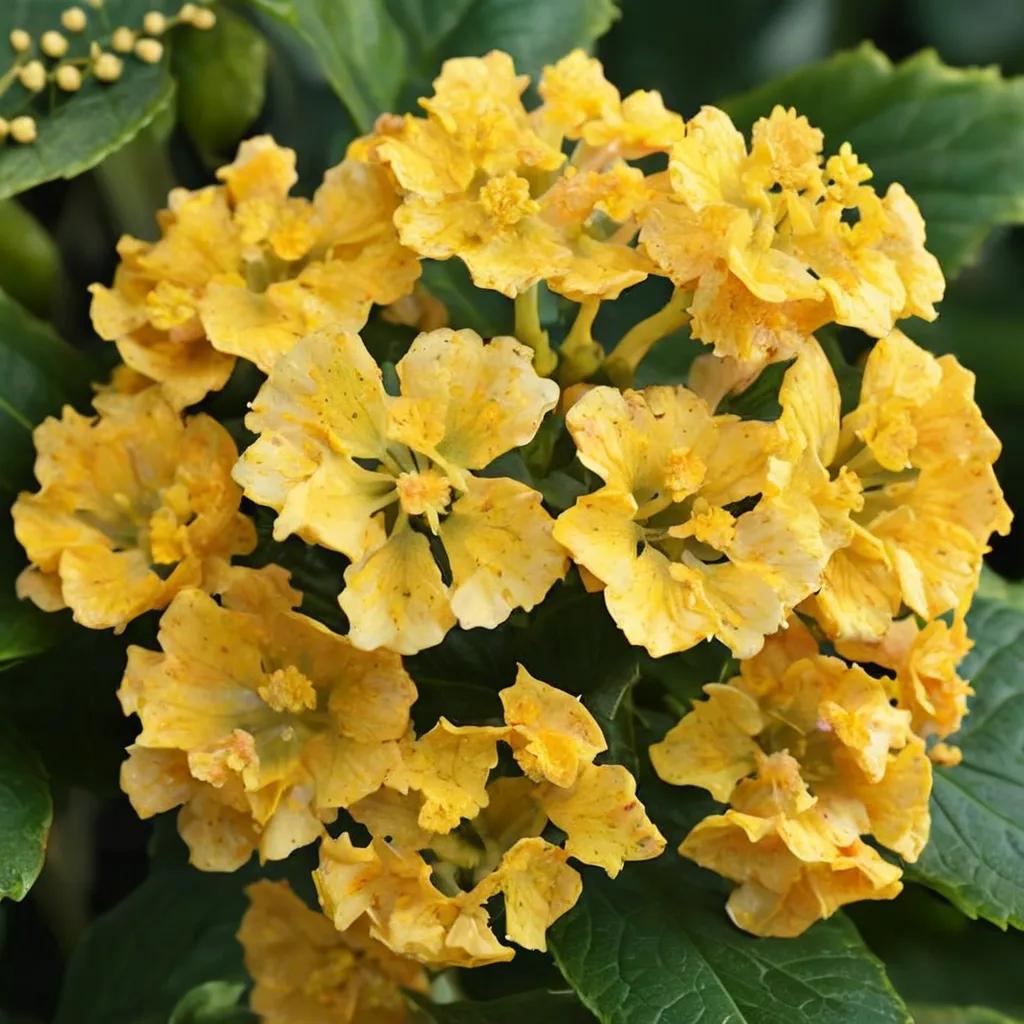 ‘Yellow Improved’Lantana 'Yellow Improved'
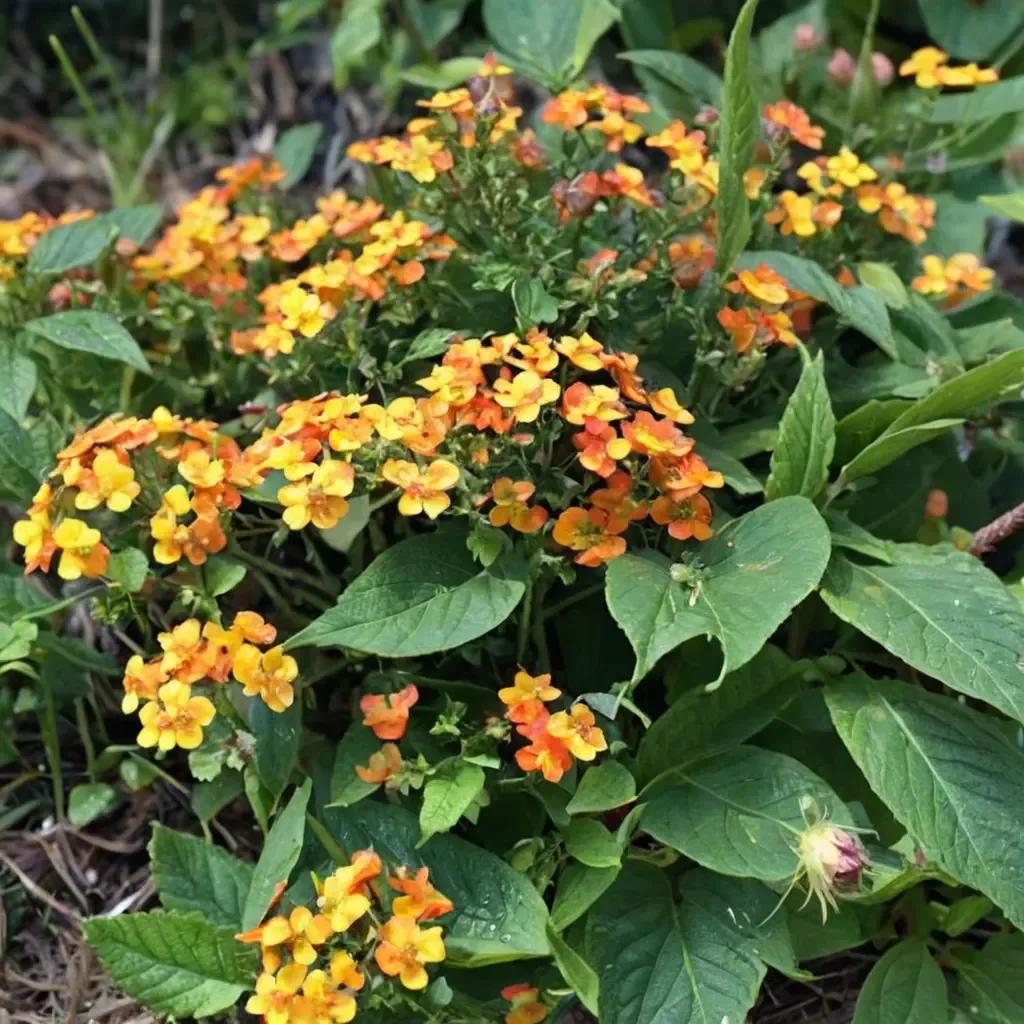 ‘Star Landing’Star Landing Lantana
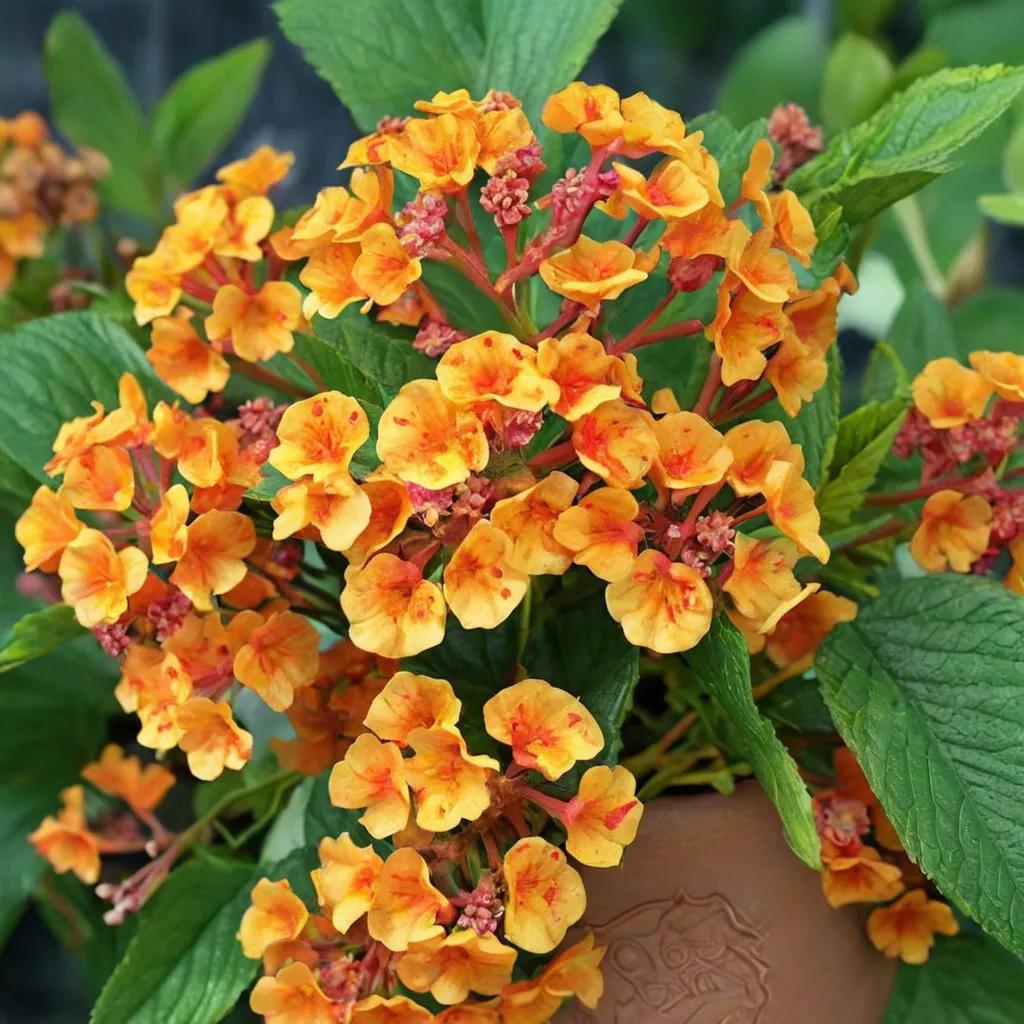 ‘Luscious Marmalade’Lantana Luscious Marmalade
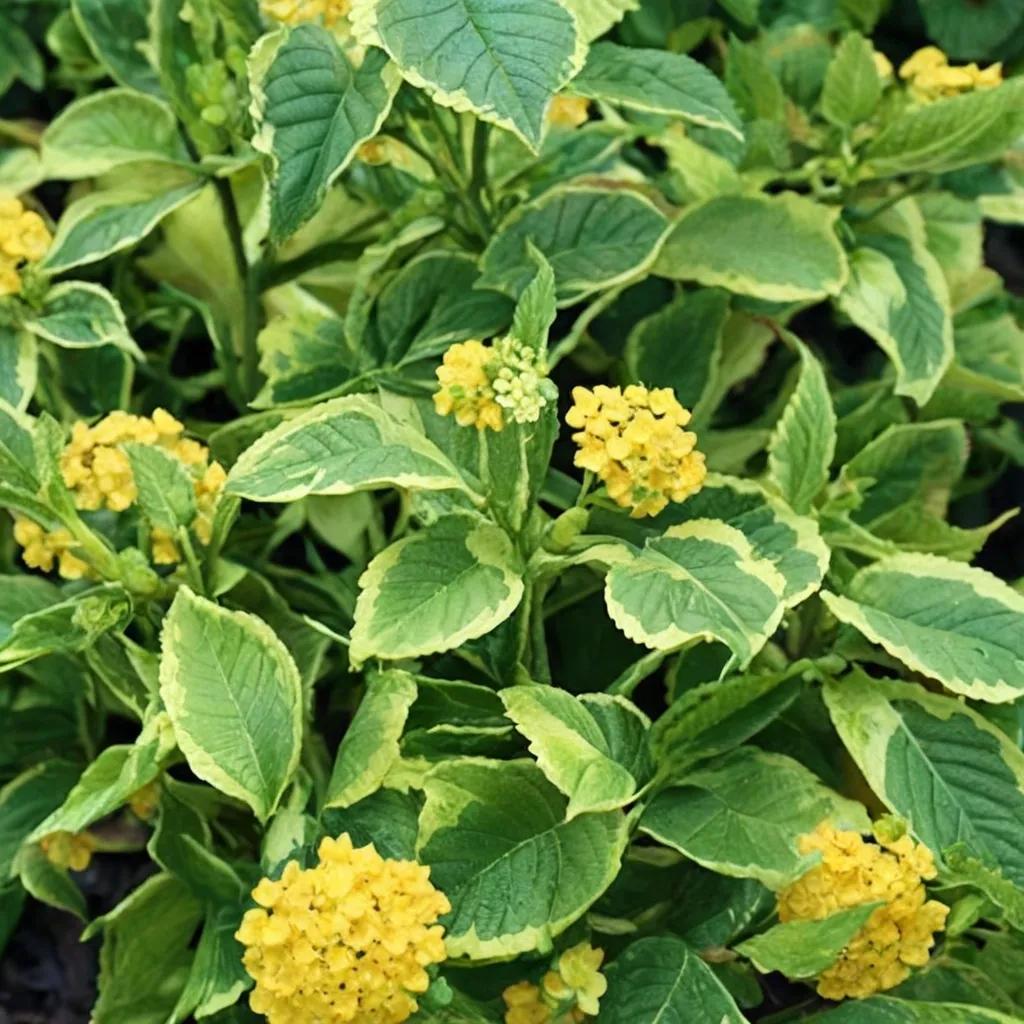 ‘Samantha’Samantha Lantana
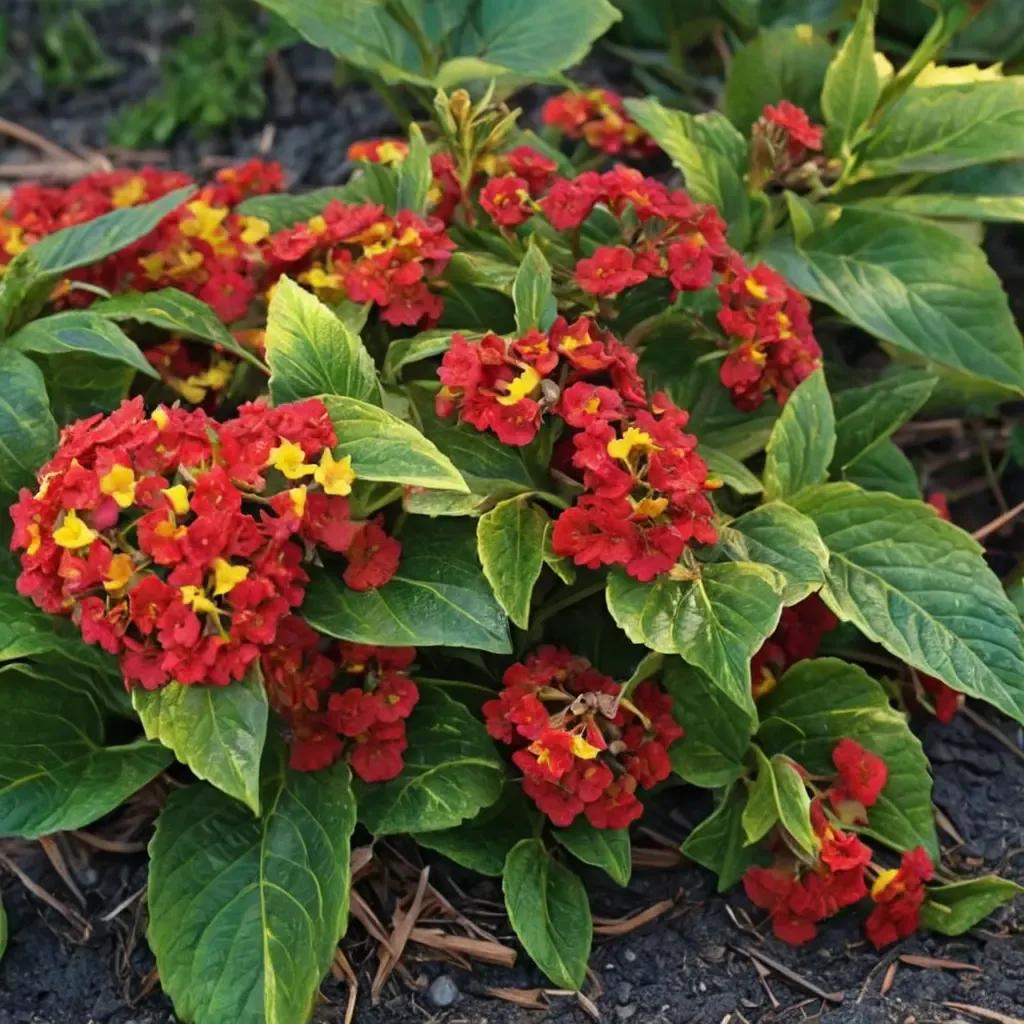 ‘Bandito Red’Bandito Red Lantana
The Story
Plant Bio
Lantana camara is a sprawling shrub native to the West Indies and from Mexico through tropical America, reaching one to six feet. Rough aromatic leaves are toothed and opposite, and flat-topped clusters of small tubular flowers open in yellow, orange, pink and red — often several colours in one head as individual florets age. Berry-like drupes ripen metallic blue-black.
The colour shift within each flower head is a signal to pollinators: florets change colour after pollination, directing butterflies to the fresh ones. Its unripe green berries are seriously toxic to children and dogs, and in Florida, Hawaii and much of the tropics the species invades natural areas — so plant a sterile cultivar, which sets almost no seed or fruit and flowers harder for it.
Uses & Benefits:
Essentials
At a Glance
Plant Type
Shrub
Height
42"
Width
36"
Light
Full Sun, Partial Sun
Zones
8, 9, 10
Water
Low
Humidity
Moderate
Lifespan
Perennial
Native To
West Indies and Mexico through tropical America
Toxicity
Toxic if ingested
Marketplace
Where to Buy
Shipping costs Year-round shipping Free shipping
Planting
How to Grow
- Plant after frost in well-drained soil.
- Choose full sun; it will not flower in shade.
- Space two to three feet apart.
- Water to establish, then sparingly.
- Deadhead spent flowers to reduce berry set.
- Treat as an annual outside zone 8.
Pro Tip
Choose a sterile cultivar where you can — they flower harder, set almost no toxic berries, and cannot seed into natural areas.
Keep It Thriving
Care Guide
Do
- Plant in full sun for continuous flowering ☀️
- Choose sterile cultivars where available 🌸
- Deadhead to limit berry set ✂️
- Wear gloves; the foliage irritates skin 🧤
Don't
- Plant it in Florida, Hawaii or near natural areas ❌
- Let children or dogs near the green berries ❌
- Overwater it ❌
Seasonal Care Calendar
| Task | Jan | Feb | Mar | Apr | May | Jun | Jul | Aug | Sep | Oct | Nov | Dec |
|---|---|---|---|---|---|---|---|---|---|---|---|---|
| Monitor | ||||||||||||
| Prune |
Watch Out For
Pests & Diseases
Common Pests
Common Diseases
In the Garden
Landscape Uses & Companions
Landscape Uses
Multiply
Propagation Methods
Good to Know
Common Questions
Lantana questions
What zones can Lantana grow in?
Lantana is hardy in USDA Zones 8–10. Inside that range it survives winter in the ground; outside it, grow it as an annual or a container plant you protect.
Is Lantana deer resistant?
Yes — Lantana is rated deer-resistant. Deer typically pass it over, though extreme hunger can override any plant's defenses.
When does Lantana bloom?
Lantana typically blooms in summer to frost through late fall. Exact timing shifts a week or two with your zone — Sow's bloom calendar maps it to your garden.
Does Lantana need full sun?
Lantana does best in full sun to part shade. In hot climates, afternoon shade keeps blooms fresher longer.
Is Lantana drought tolerant?
Yes — once established (usually after the first full season), Lantana handles dry spells with minimal watering. Water deeply its first year to build the root system that makes that possible.
More Lantana to compare
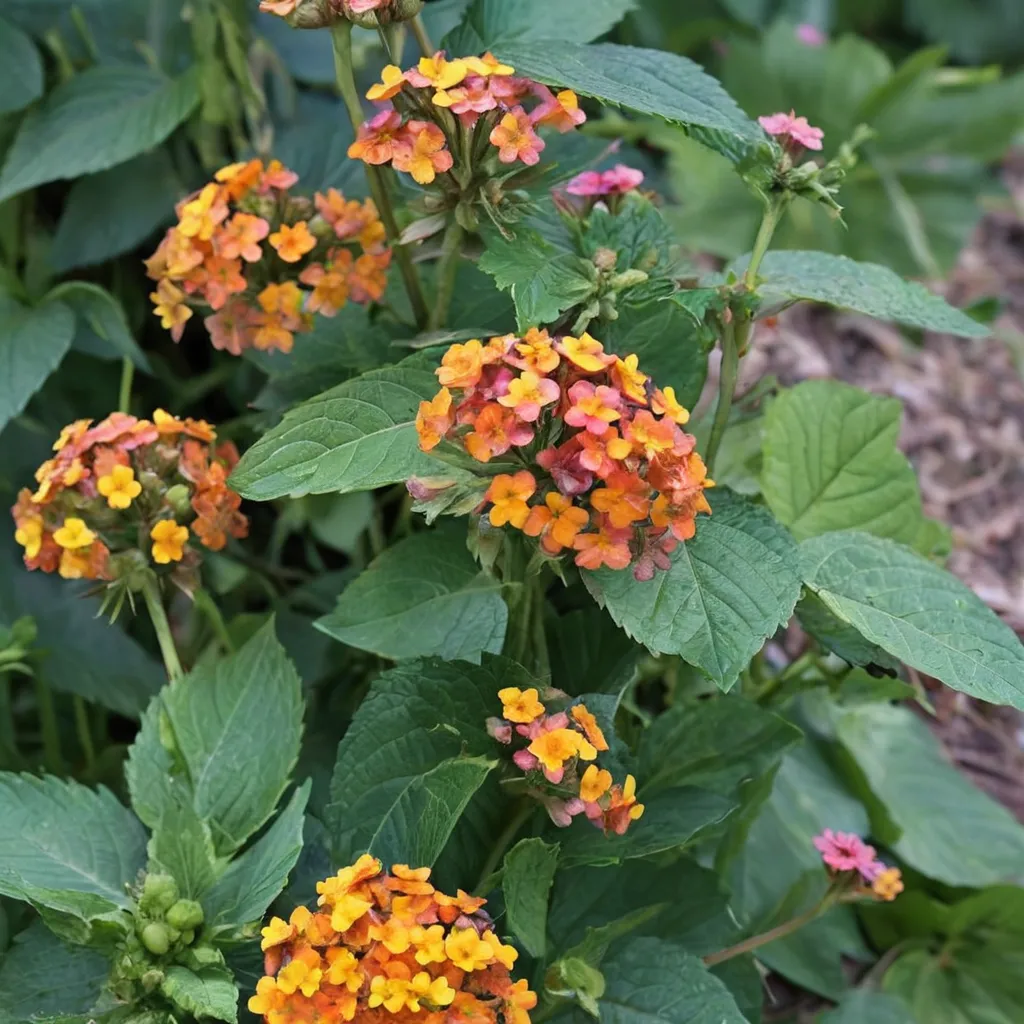
Lantana Miss Huff
Lantana camara 'Miss Huff'
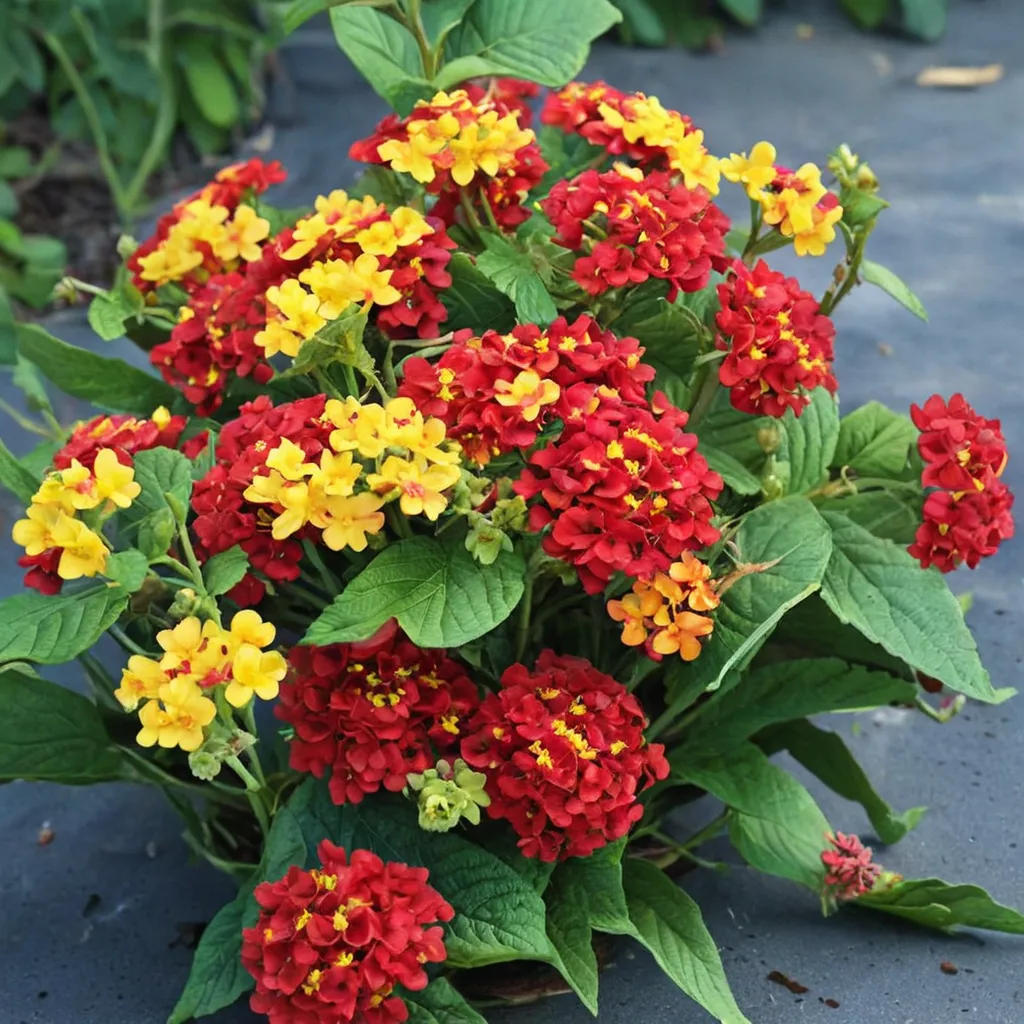
Lantana Luscious Citrus Blend
Lantana camara 'Luscious Citrus Blend'
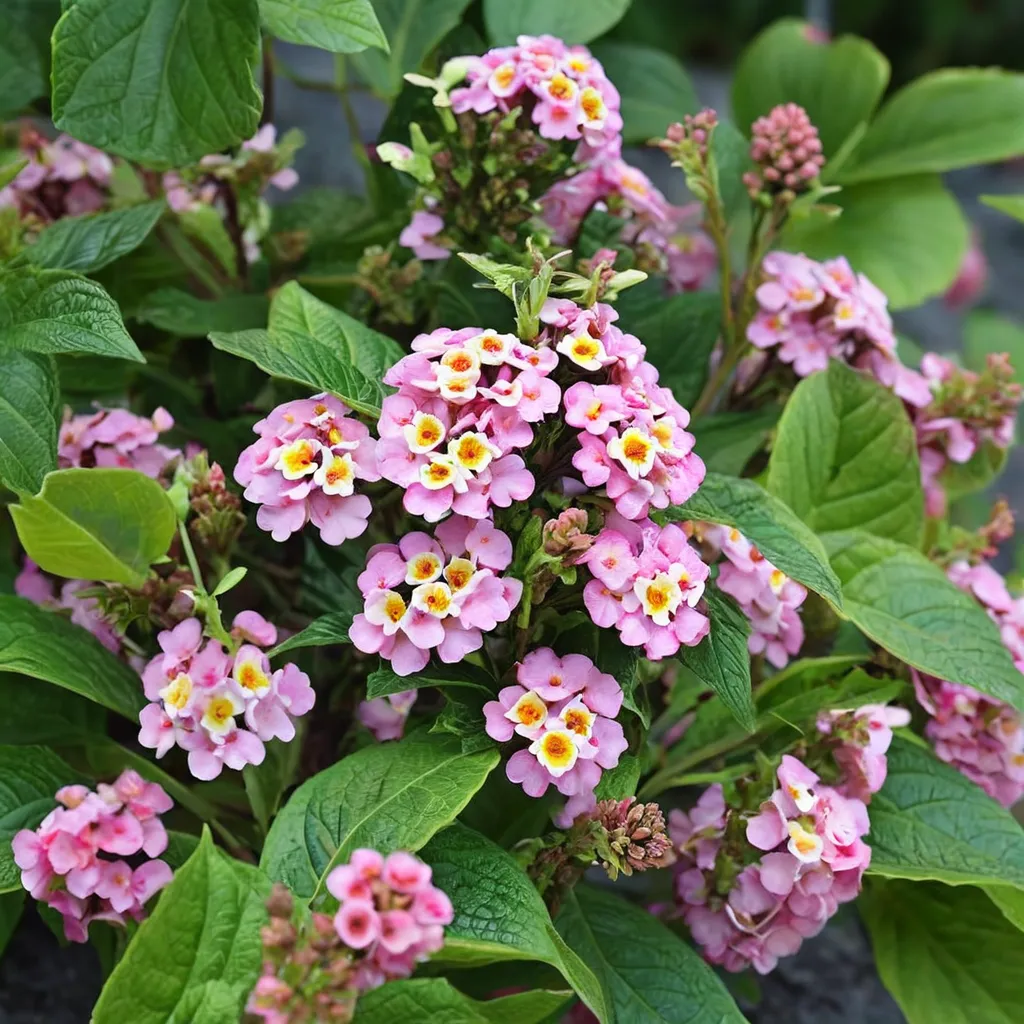
Lantana Camara Luscious Pinkberry Blend
Lantana camara 'Luscious Pinkberry Blend'
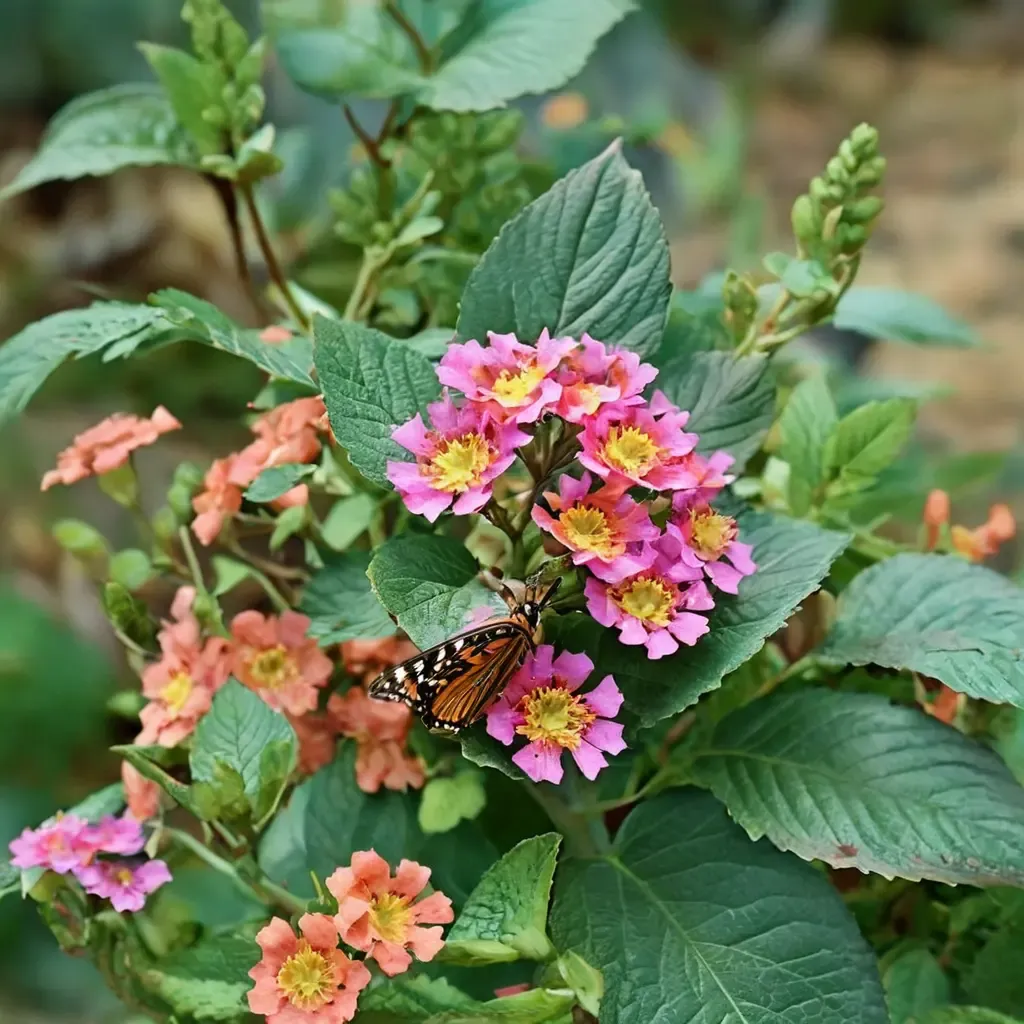
Butterfly Puddler Lantana
Lantana camara 'Butterfly Puddler'
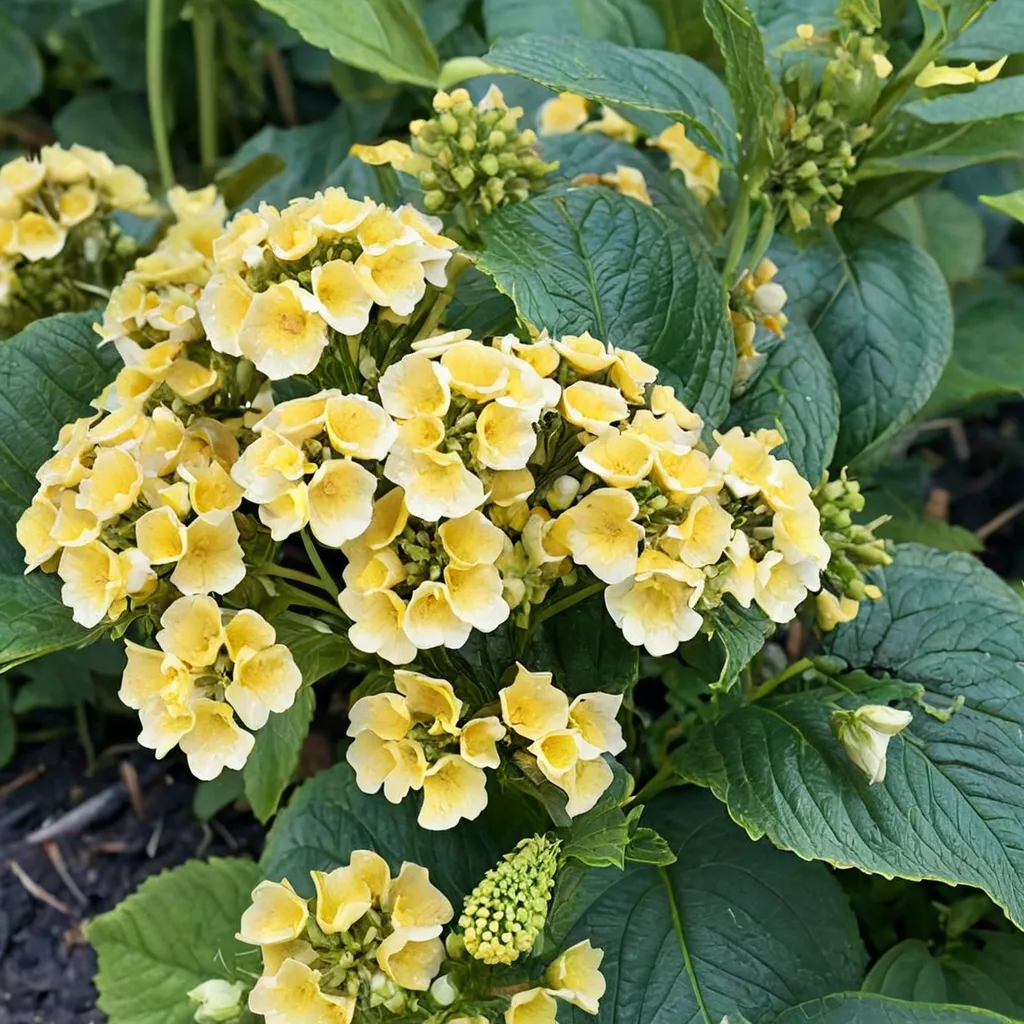
Lantana Luscious Citron
Lantana x hybrida 'Luscious Citron'
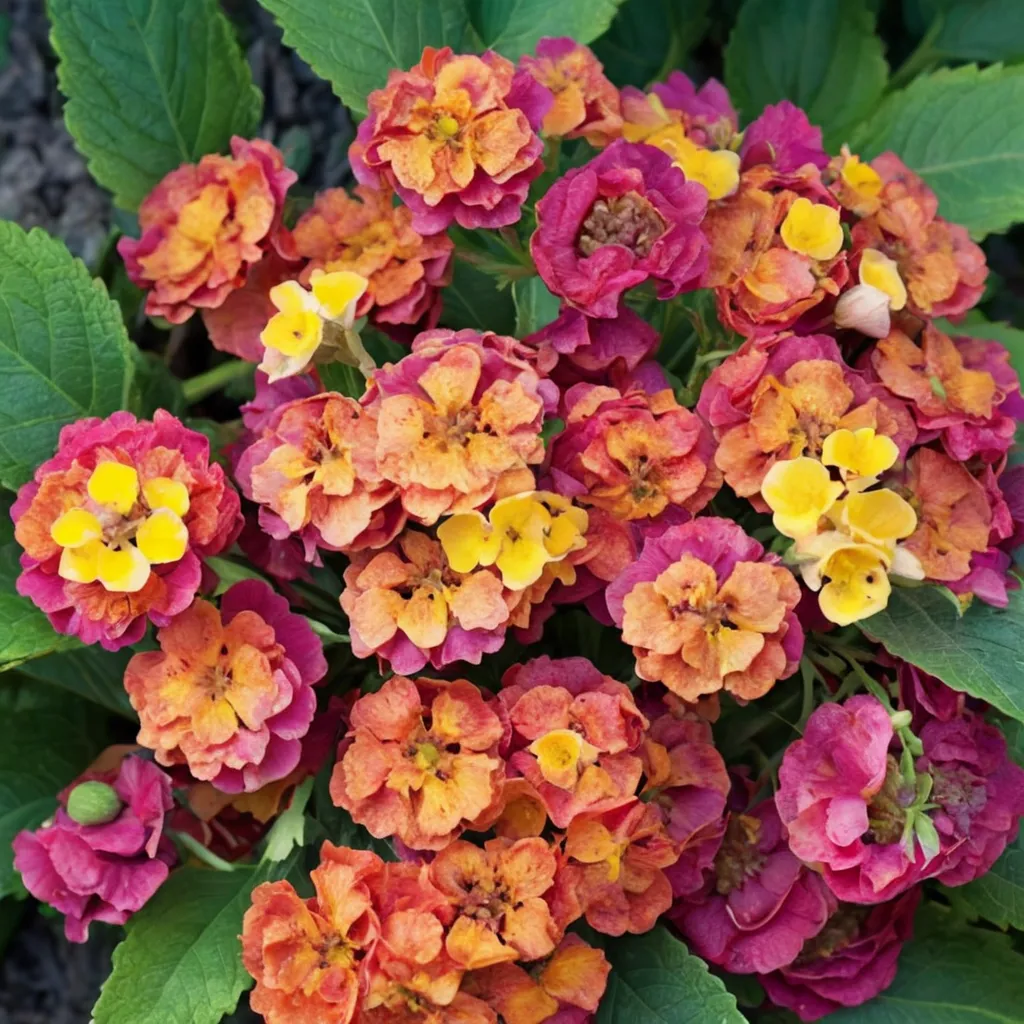
Lantana Cherry Sunrise
Lantana camara 'Cherry Sunrise'
Keep exploring
Explore the genus
Hardy in your zone?
Grow Lantana with confidence
See it in a design of your actual yard, get zone-matched care reminders, and track it season by season in your garden journal.