The Story
Plant Bio
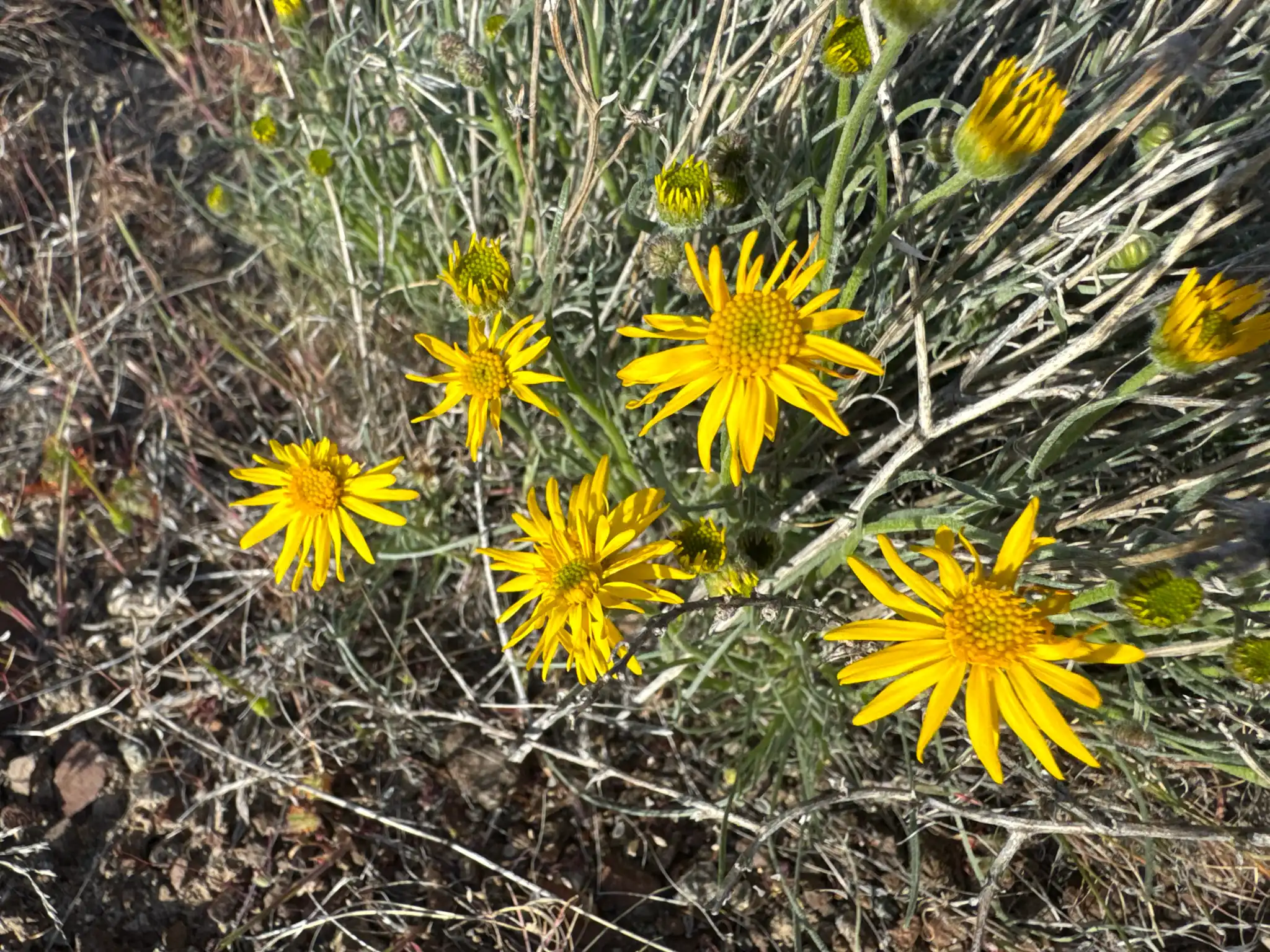
Erigeron linearis is a low tap-rooted perennial forming a tufted clump 2 to 12 inches tall from a stout woody base. The leaves are narrowly linear and mostly basal, with solitary or few yellow daisy heads held above the foliage from late spring into summer.
Unlike most fleabanes with white to pink rays, it bears 15 to 45 narrow yellow rays around a yellow disk. The foliage is finely gray-hairy with appressed hairs, and old stem and leaf bases persist as hardened straw-colored stubs around the crown.
Uses & Benefits:
Essentials
At a Glance
Plant Type
Perennial
Height
8"
Width
10"
Light
Full Sun, Partial Sun
Zones
5, 6, 7, 8
Water
Low
Humidity
Unknown
Lifespan
Perennial
Native To
Western North America
Toxicity
Unknown
Bloom period
Late spring – Summer
In flower about 4 months of the year
Marketplace
Where to Buy
Shipping costs Year-round shipping Free shipping
Planting
How to Grow
- Plant in full sun in lean sandy or rocky soil that drains instantly after rain.
- Set the crown level with the soil surface and firm grit around the woody base.
- Water in once, then water sparingly; established clumps need very low water and dry summers.
- Top-dress with gravel rather than organic mulch to keep the crown dry.
- Leave the taproot undisturbed; do not divide or move established plants.
Pro Tip
Set the crown in a scree pocket or rock crevice with sharp drainage; winter wet rots the taproot faster than cold damages it.
Keep It Thriving
Care Guide
Do
- Plant in full sun with 6 or more hours of direct sun
- Provide sharp drainage with sand, gravel, or scree
- Water deeply but infrequently once established
- Deadhead spent flowers to keep the tuft tidy
Don't
- Do not plant in clay or low spots that hold winter water
- Do not overwater or feed richly
- Do not divide the tap-rooted crown
Seasonal Care Calendar
| Task | Jan | Feb | Mar | Apr | May | Jun | Jul | Aug | Sep | Oct | Nov | Dec |
|---|---|---|---|---|---|---|---|---|---|---|---|---|
| Deadhead | ||||||||||||
| Pest Check | ||||||||||||
| Plant | ||||||||||||
| Spring Cleanup |
Watch Out For
Pests & Diseases
Common Pests
Common Diseases
In the Garden
Landscape Uses & Companions
Landscape Uses
Multiply
Propagation Methods
Good to Know
Common Questions
Desert Yellow Fleabane questions
What zones can Desert Yellow Fleabane grow in?
Desert Yellow Fleabane is hardy in USDA Zones 5–8: in that range it survives winter in the ground. Colder than Zone 5, grow it in a container you can move to shelter for the winter, or as an annual. Warmer than Zone 8, winter isn't the problem: it prefers colder winters, and summer heat can shorten its life.
When does Desert Yellow Fleabane bloom?
Desert Yellow Fleabane typically blooms from late spring to late summer. Exact timing shifts a week or two with your zone — Sow's bloom calendar maps it to your garden.
Does Desert Yellow Fleabane need full sun?
Desert Yellow Fleabane does best in full sun to part shade. In hot climates, afternoon shade keeps blooms fresher longer.
Is Desert Yellow Fleabane drought tolerant?
Yes — once established (usually after the first full season), Desert Yellow Fleabane handles dry spells with minimal watering. Water deeply its first year to build the root system that makes that possible.
More Erigeron to compare
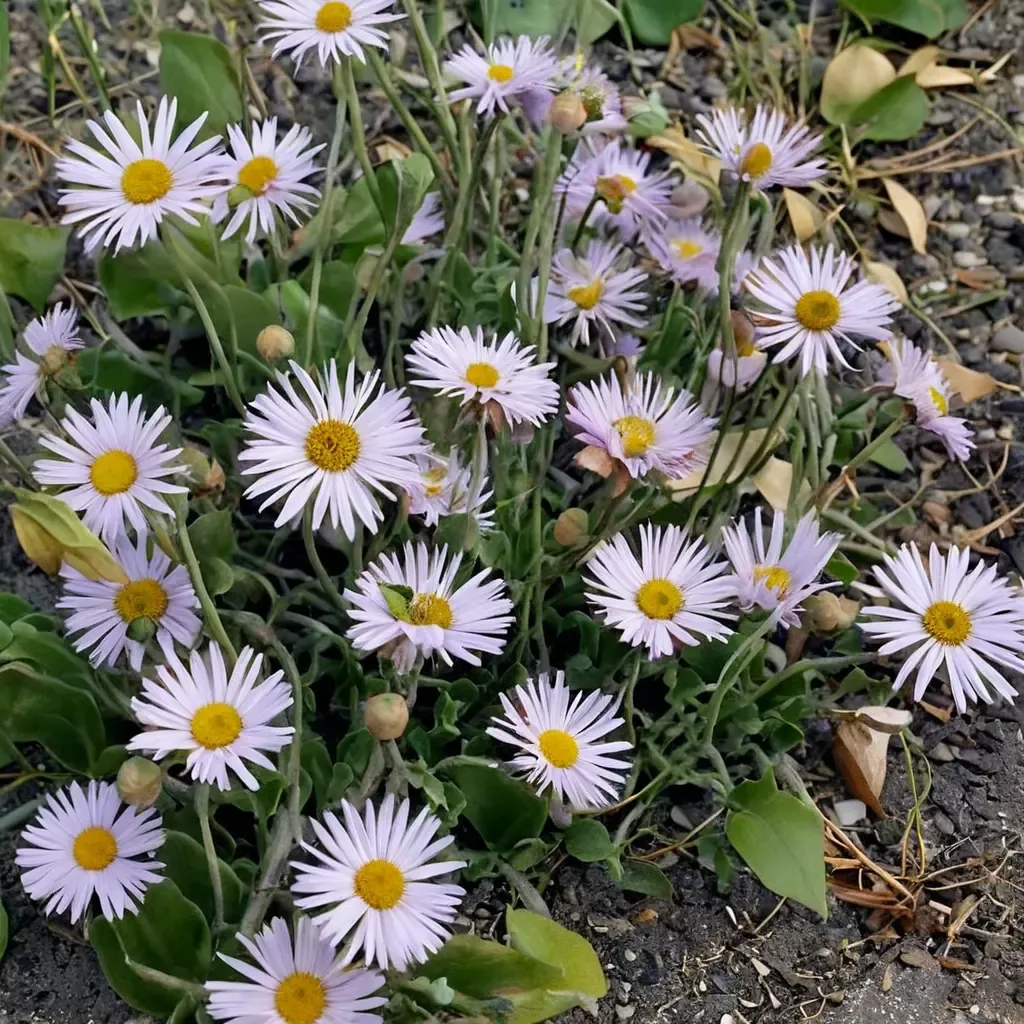
Robin's Plantain 'Meadow Muffin'
Erigeron pulchellus 'Meadow Muffin'
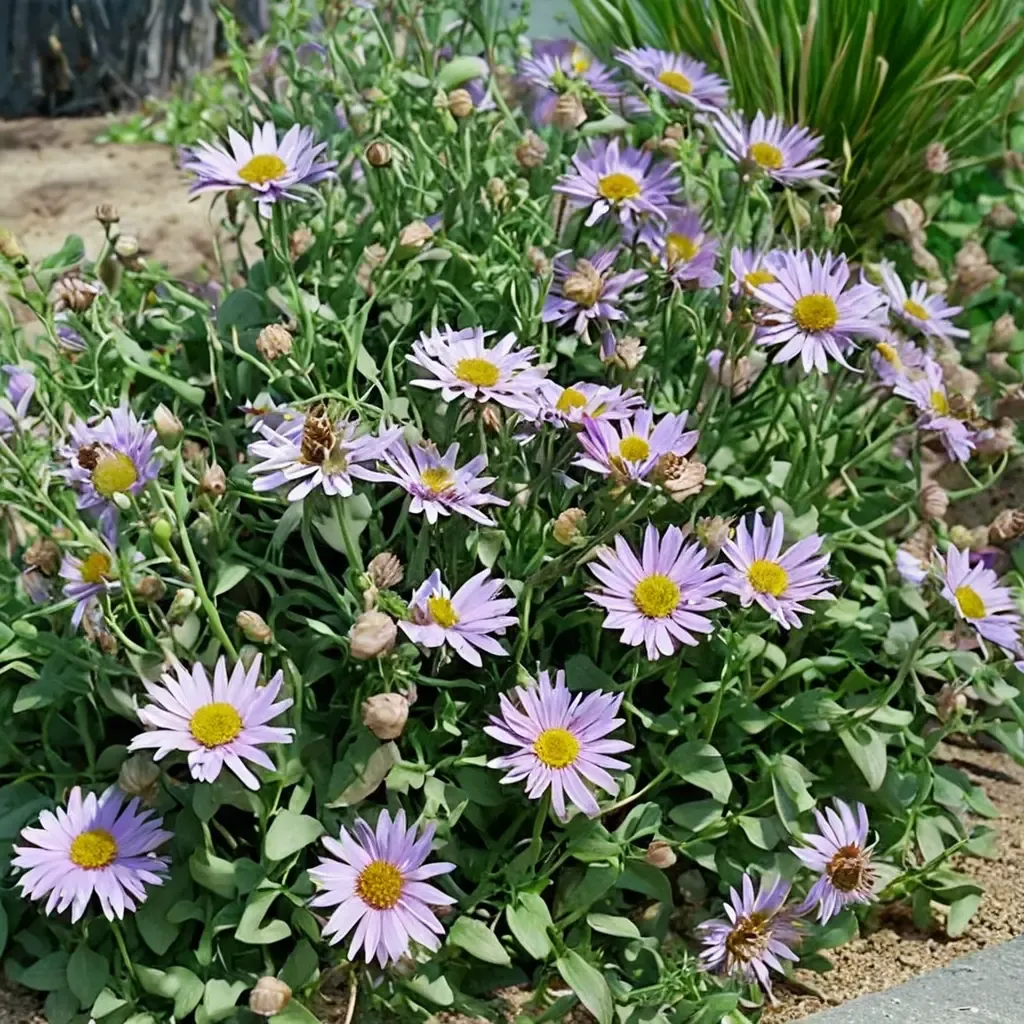
Wayne Roderick fleabane
Erigeron glaucus 'Wayne Roderick'
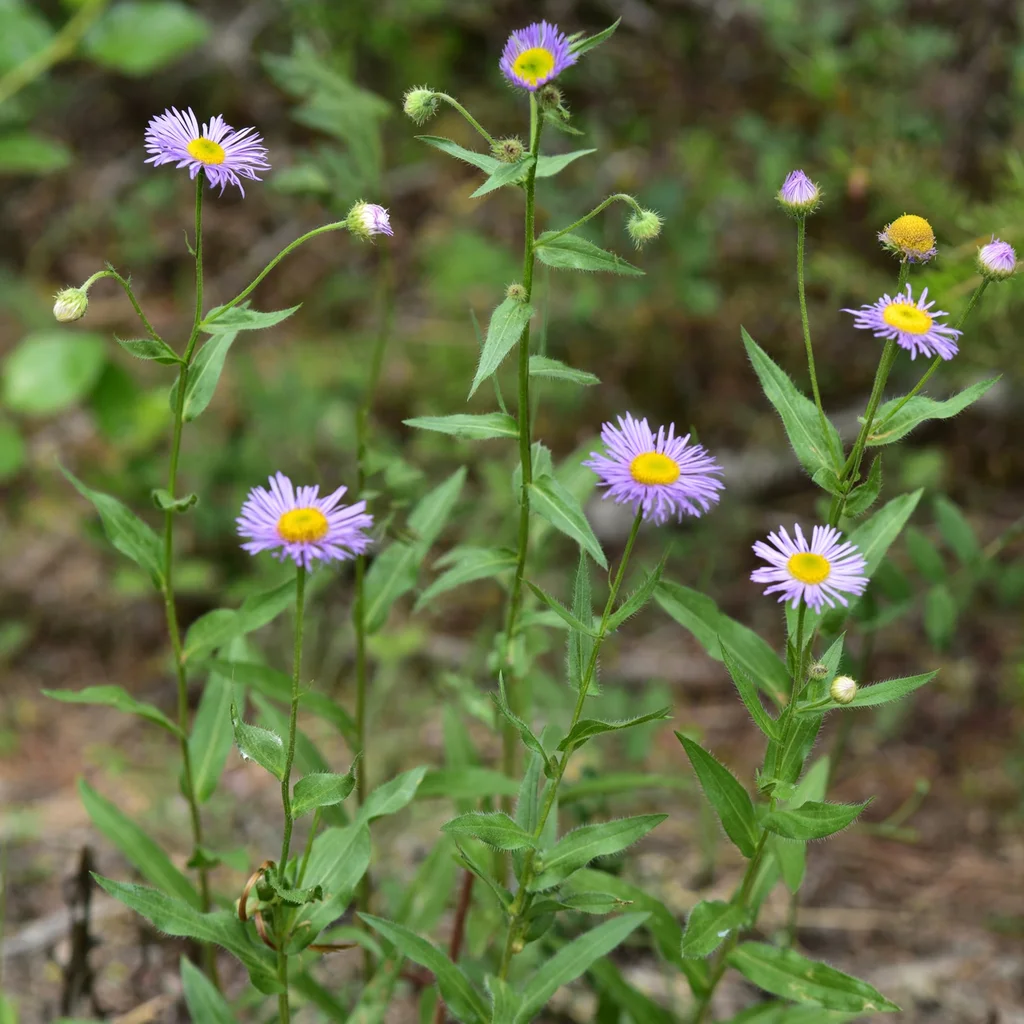
Aspen Fleabane
Erigeron speciosus
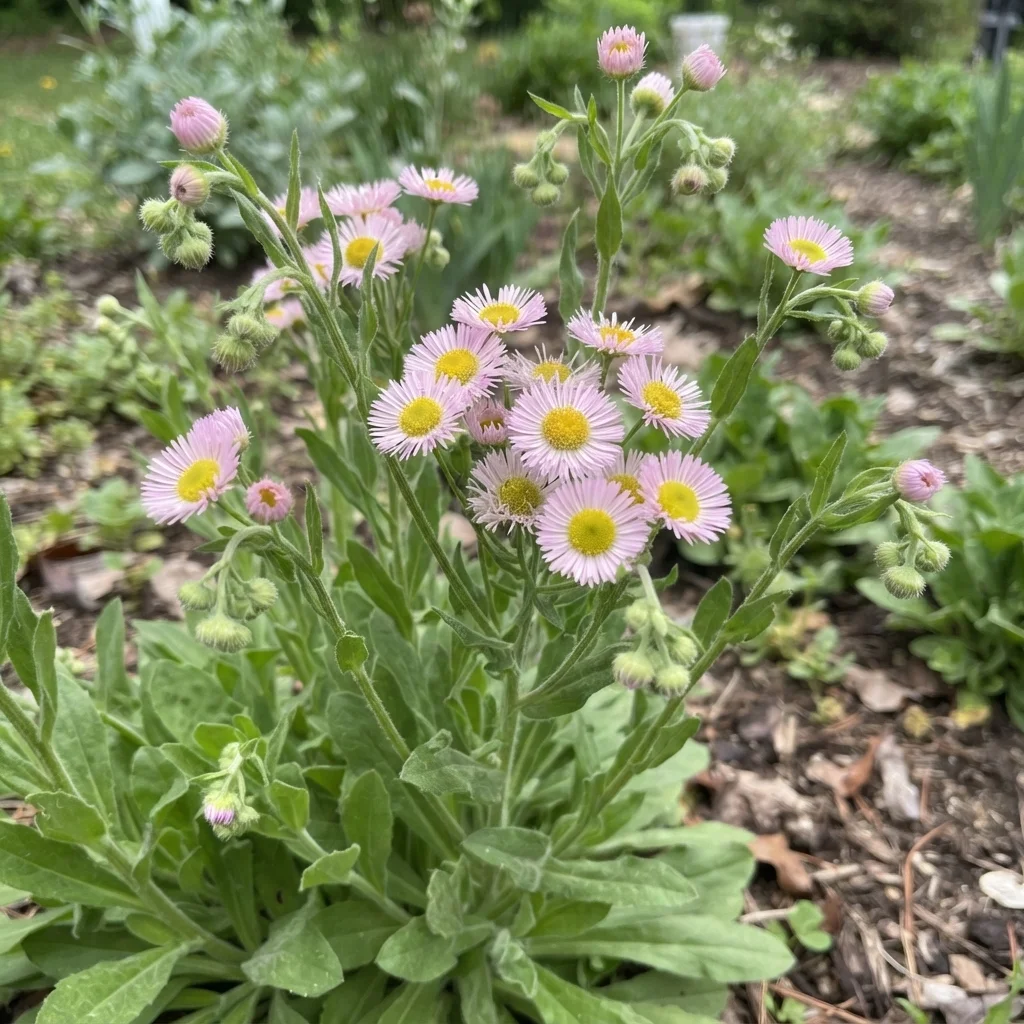
Philadelphia Fleabane
Erigeron philadelphicus
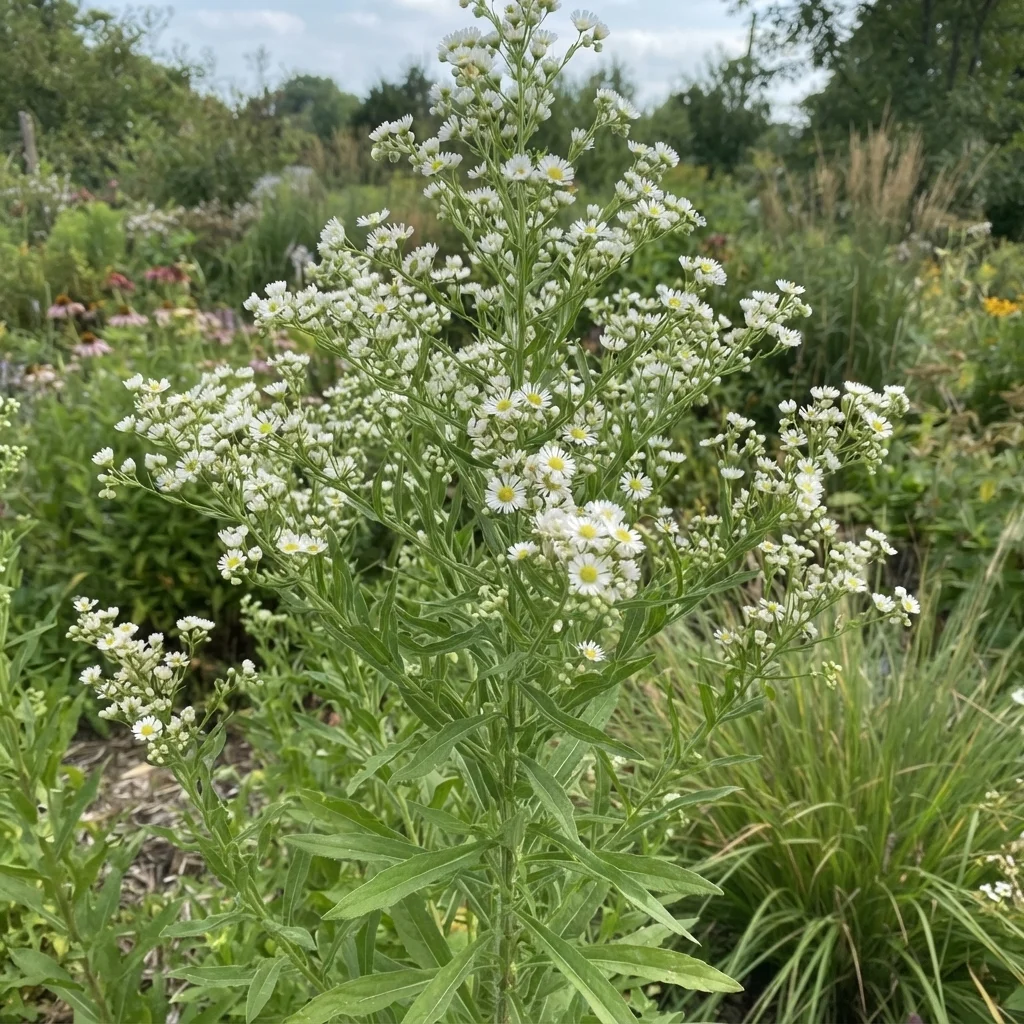
Horseweed
Erigeron canadensis
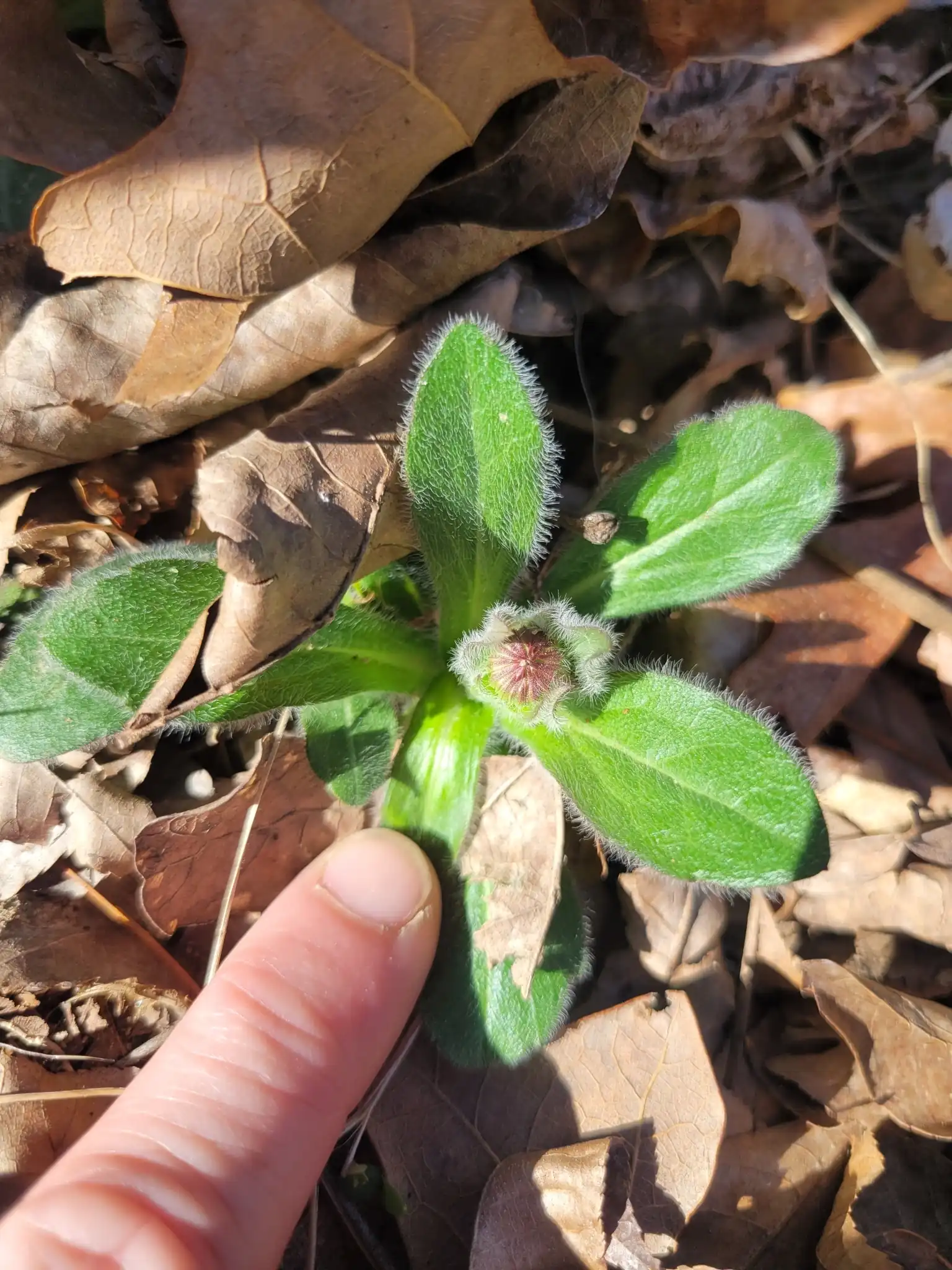
Robin's Plantain
Erigeron pulchellus
Keep exploring
Explore the genus
Hardy in your zone?
Grow Desert Yellow Fleabane with confidence
See it in a design of your actual yard, get zone-matched care reminders, and track it season by season in your garden journal.