The Story
Plant Bio
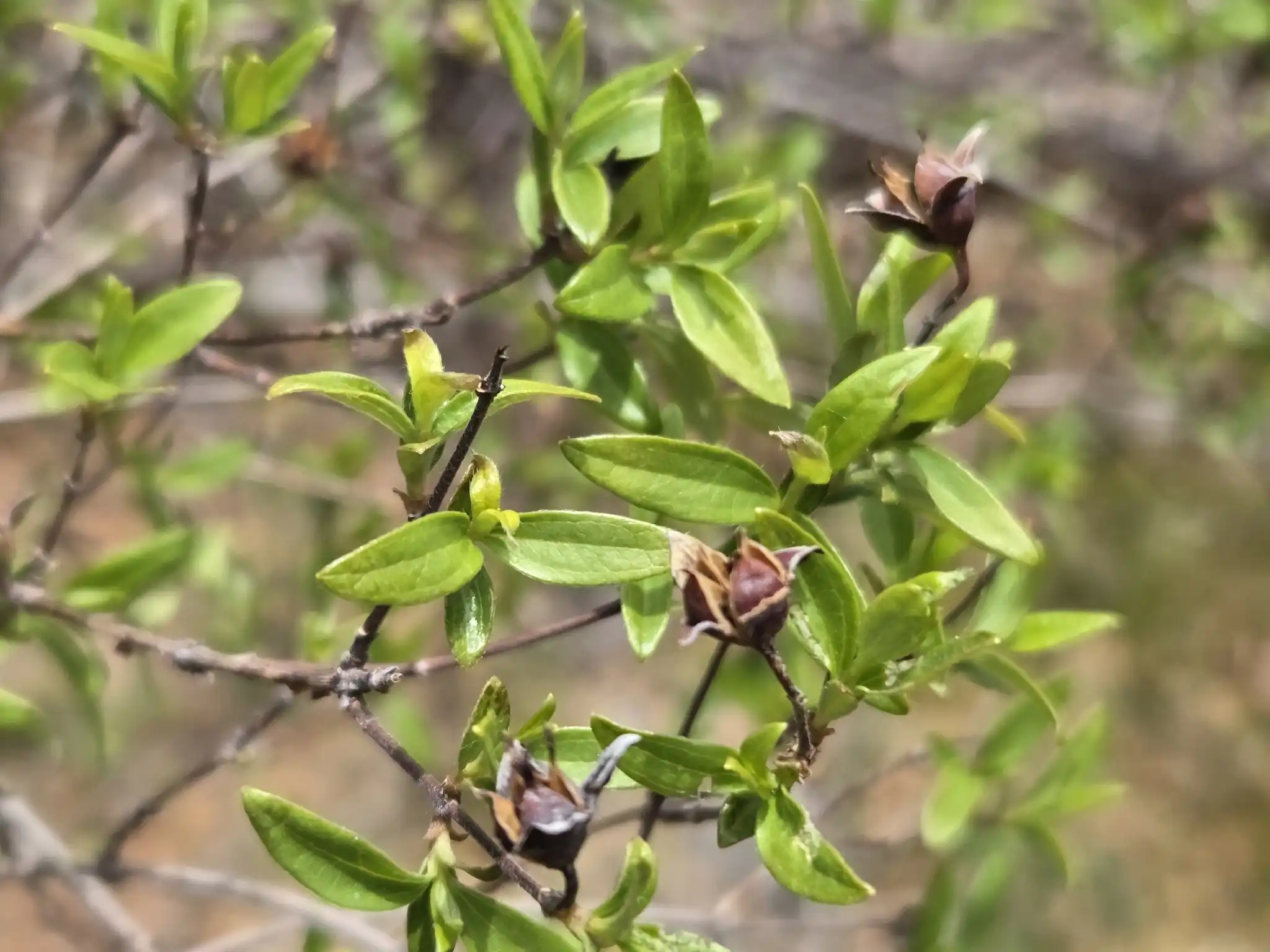
Philadelphus microphyllus, the littleleaf mock-orange, is a multi-stemmed deciduous shrub from the arid Southwest reaching four to five feet in gardens, to over six feet with age, with upright-arching twiggy stems clad in copper-red bark that exfoliates in shreds. The leaves are tiny boxwood-like ovals under an inch long, medium to dark green, carried densely on short spur shoots.
What sets it apart from garden mock-oranges is leaf scale and site tolerance: foliage a fraction of the size of common hybrids, and wood that ripens to withstand drought, lean rocky ground and high-lime soils where larger types fail. Flowers are single white four-petaled cups borne singly or in small clusters of three to five at the shoot tips, opening with a sweet orange-blossom scent in late spring.
Uses & Benefits:
Essentials
At a Glance
Plant Type
Shrub
Height
60"
Width
72"
Light
Full Sun, Partial Sun
Zones
5, 6, 7, 8, 9
Water
Dry to medium
Humidity
Tolerates dry air
Lifespan
Long-lived deciduous shrub
Native To
Southwestern USA to northern Mexico
Toxicity
Mildly toxic if ingested; may affect livestock
Bloom period
Late spring – Early summer
In flower about 2 months of the year
Planting
How to Grow
- Plant in full sun to part shade in average, dry to medium, sharply well-drained soil, including shallow rocky or high-lime ground.
- Set the crown level with the soil surface and water deeply at planting, then taper off once new growth starts.
- Mulch thinly with gravel or bark to keep the root zone cool without holding water against the stems.
- Prune only flowered shoots right after bloom, removing one in four oldest stems at the base to renew the framework.
- Water sparingly once established; established plants take extended dry spells without supplemental irrigation.
Pro Tip
Prune immediately after flowering finishes and no later; wood grown after midsummer carries next spring's buds.
Keep It Thriving
Care Guide
Do
- Do plant it near a patio or path where the citrus scent carries on warm evenings.
- Do grow it lean; excellent drainage matters more than fertility.
- Do renew old shrubs by cutting a few oldest stems to the ground after flowering.
Don't
- Do not shear it like a formal hedge; shearing removes the arching form and next year's flower wood.
- Do not prune in late summer, fall or winter; you will cut off buds already set for spring.
- Do not plant in soggy or poorly drained low ground.
Seasonal Care Calendar
| Task | Jan | Feb | Mar | Apr | May | Jun | Jul | Aug | Sep | Oct | Nov | Dec |
|---|---|---|---|---|---|---|---|---|---|---|---|---|
| Mulch | ||||||||||||
| Pest Check | ||||||||||||
| Plant | ||||||||||||
| Prune | ||||||||||||
| Spring Cleanup |
Watch Out For
Pests & Diseases
Common Pests
Common Diseases
In the Garden
Landscape Uses & Companions
Landscape Uses
Multiply
Propagation Methods
Good to Know
Common Questions
Littleleaf Mock-Orange questions
What zones can Littleleaf Mock-Orange grow in?
Littleleaf Mock-Orange is hardy in USDA Zones 5–9: in that range it survives winter in the ground. Colder than Zone 5, grow it in a container you can move to shelter for the winter. Warmer than Zone 9, winter isn't the problem: it prefers colder winters, and summer heat can shorten its life.
When does Littleleaf Mock-Orange bloom?
Littleleaf Mock-Orange typically blooms from late spring to early summer. Exact timing shifts a week or two with your zone — Sow's bloom calendar maps it to your garden.
Does Littleleaf Mock-Orange need full sun?
Littleleaf Mock-Orange does best in full sun to part shade. In hot climates, afternoon shade keeps blooms fresher longer.
Is Littleleaf Mock-Orange drought tolerant?
Yes — once established (usually after the first full season), Littleleaf Mock-Orange handles dry spells with minimal watering. Water deeply its first year to build the root system that makes that possible.
More Philadelphus to compare
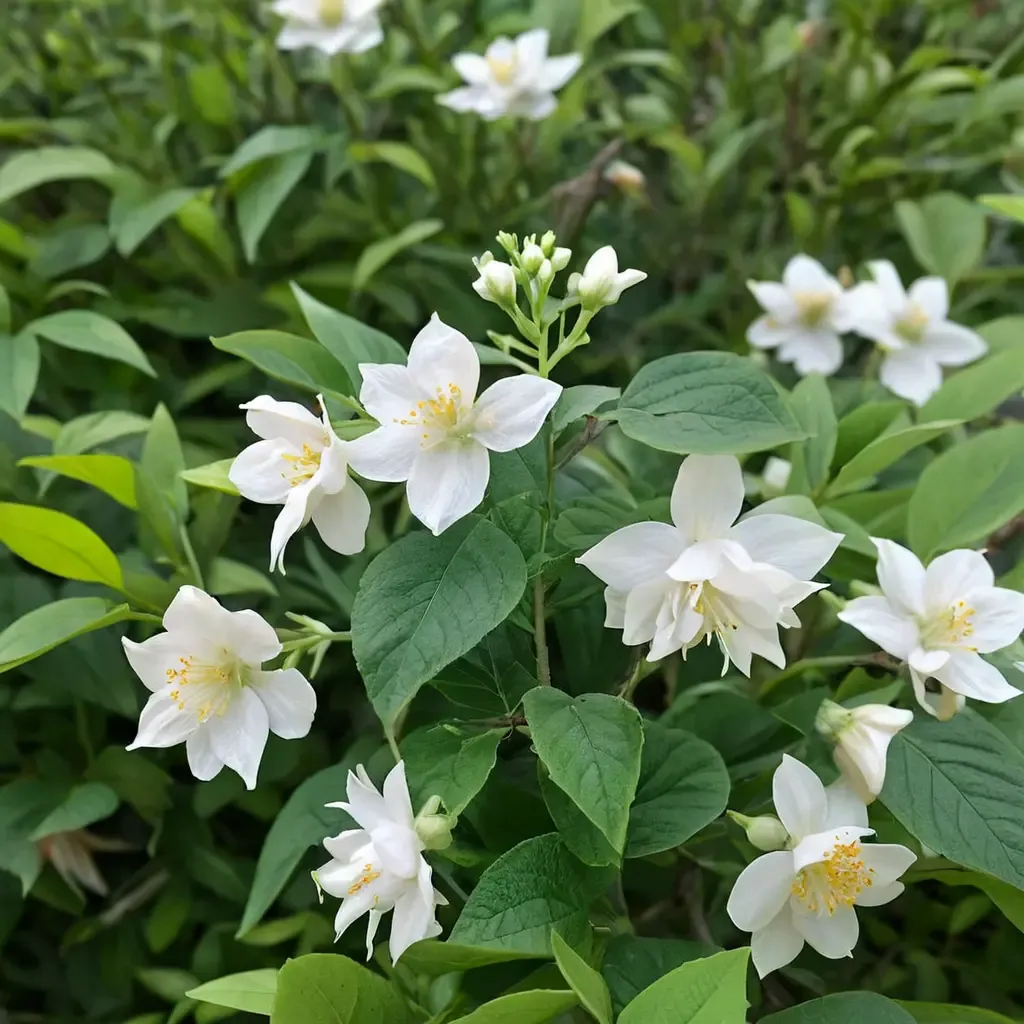
Sweet Mockorange
Philadelphus coronarius 'Double Mock Orange'
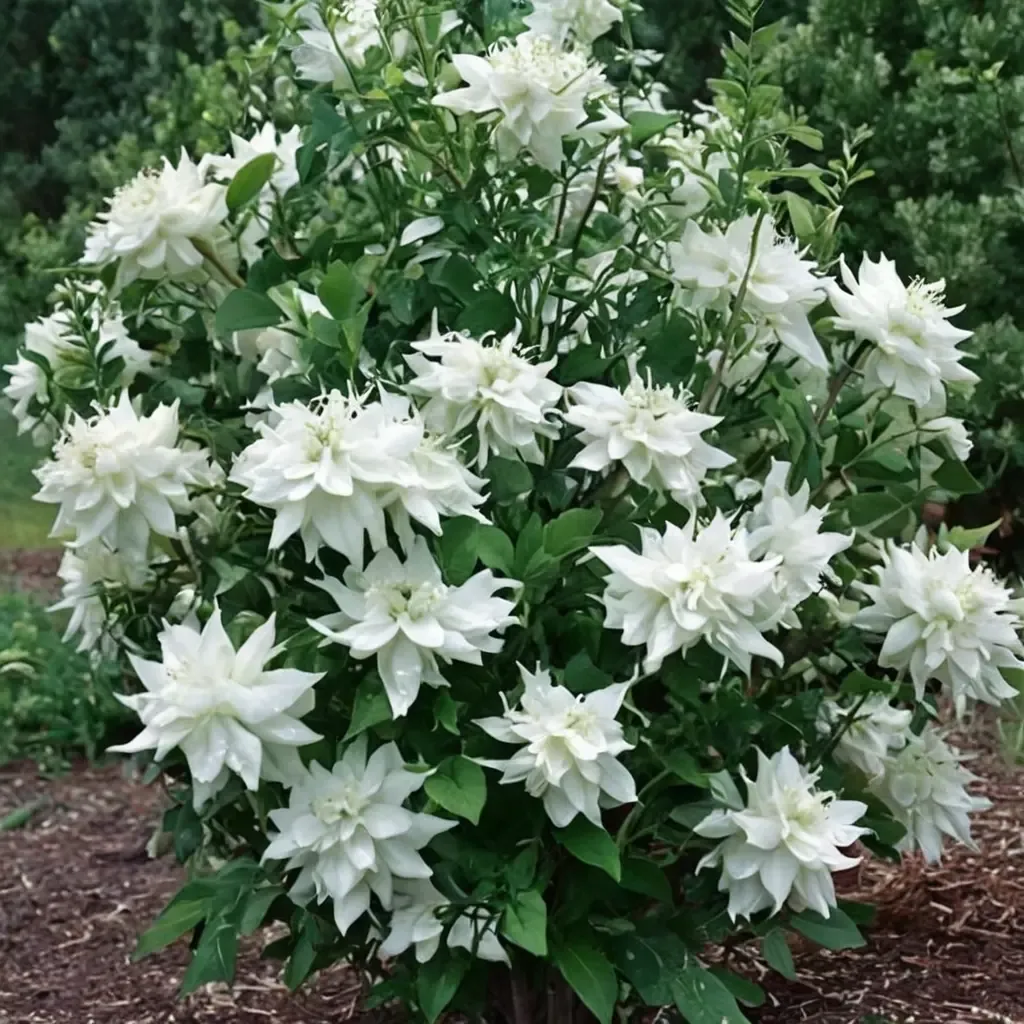
Minnesota Snowflake Mockorange
Philadelphus coronarius 'Minnesota Snowflake'
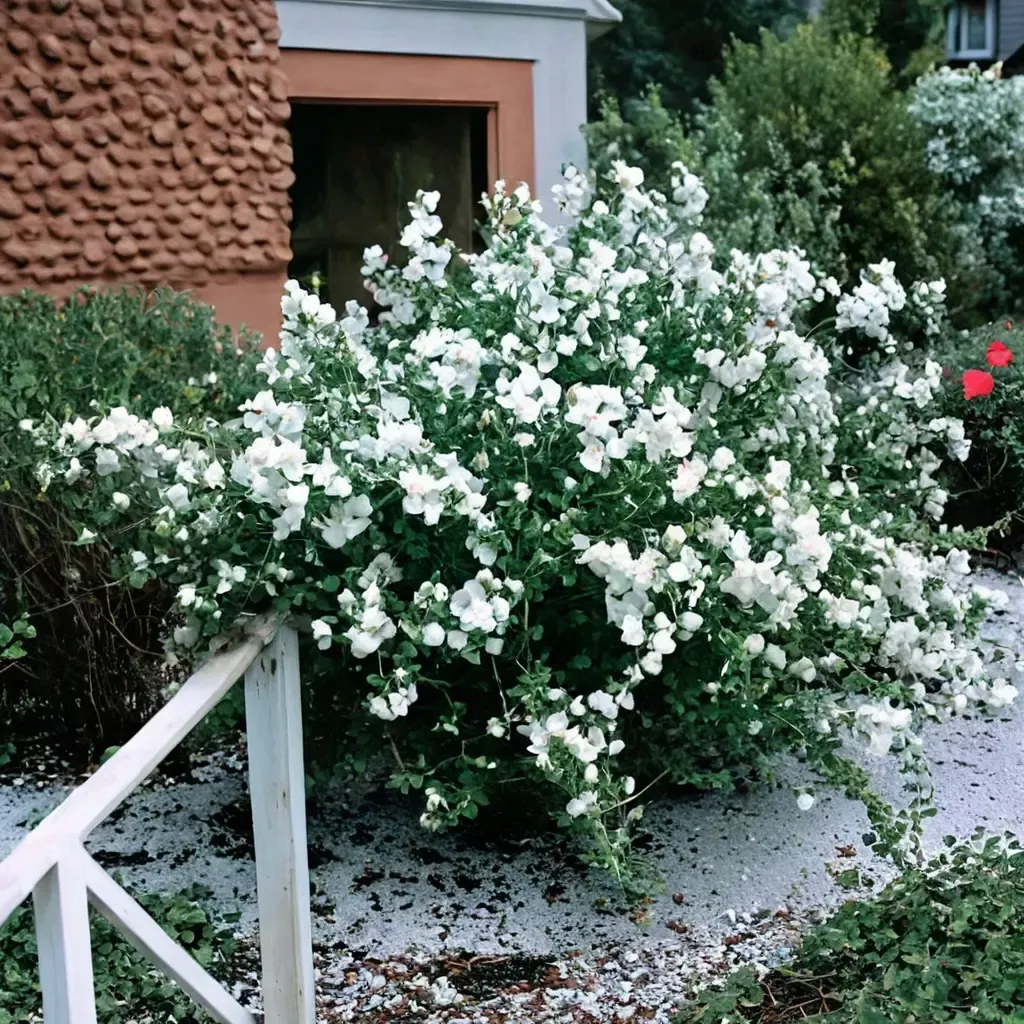
Snowbelle Mockorange
Philadelphus x virginalis 'Snowbelle'
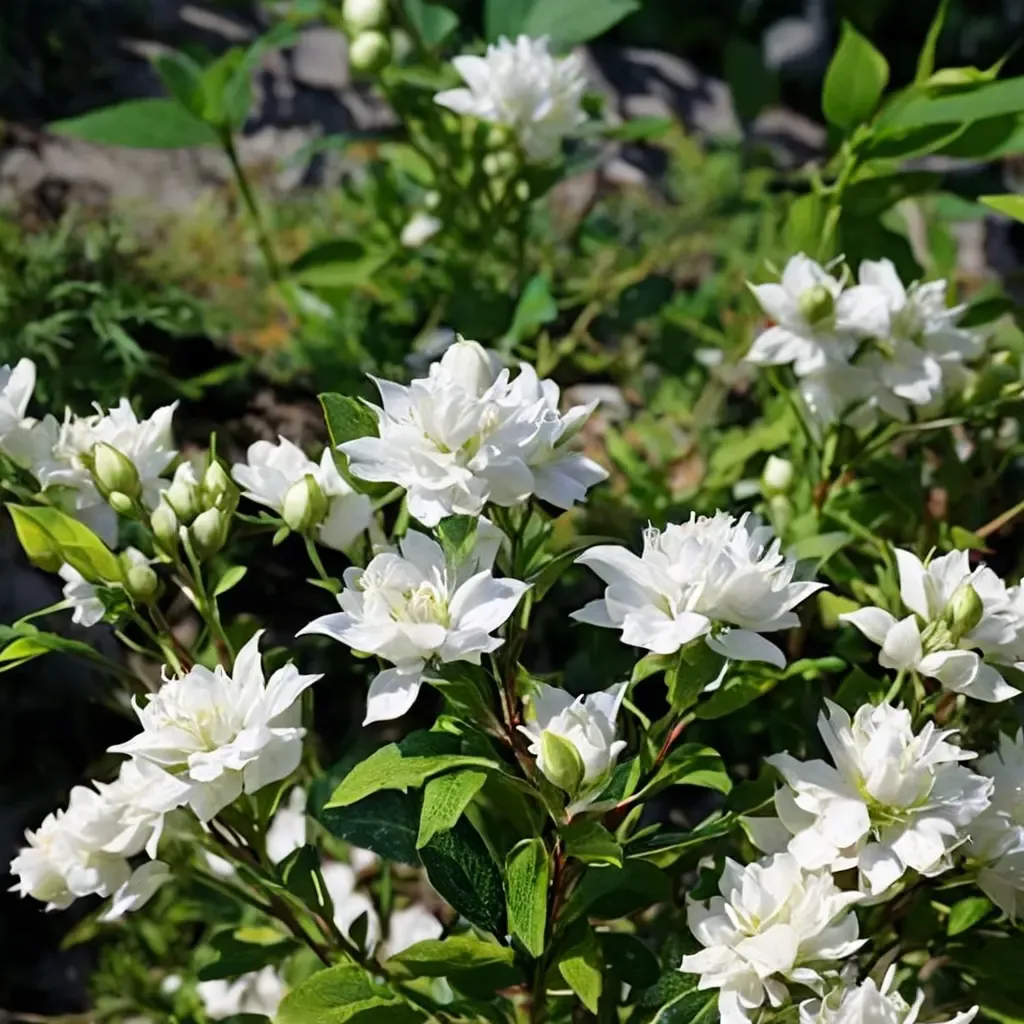
Goose Creek Mockorange
Philadelphus lewisii 'Goose Creek'
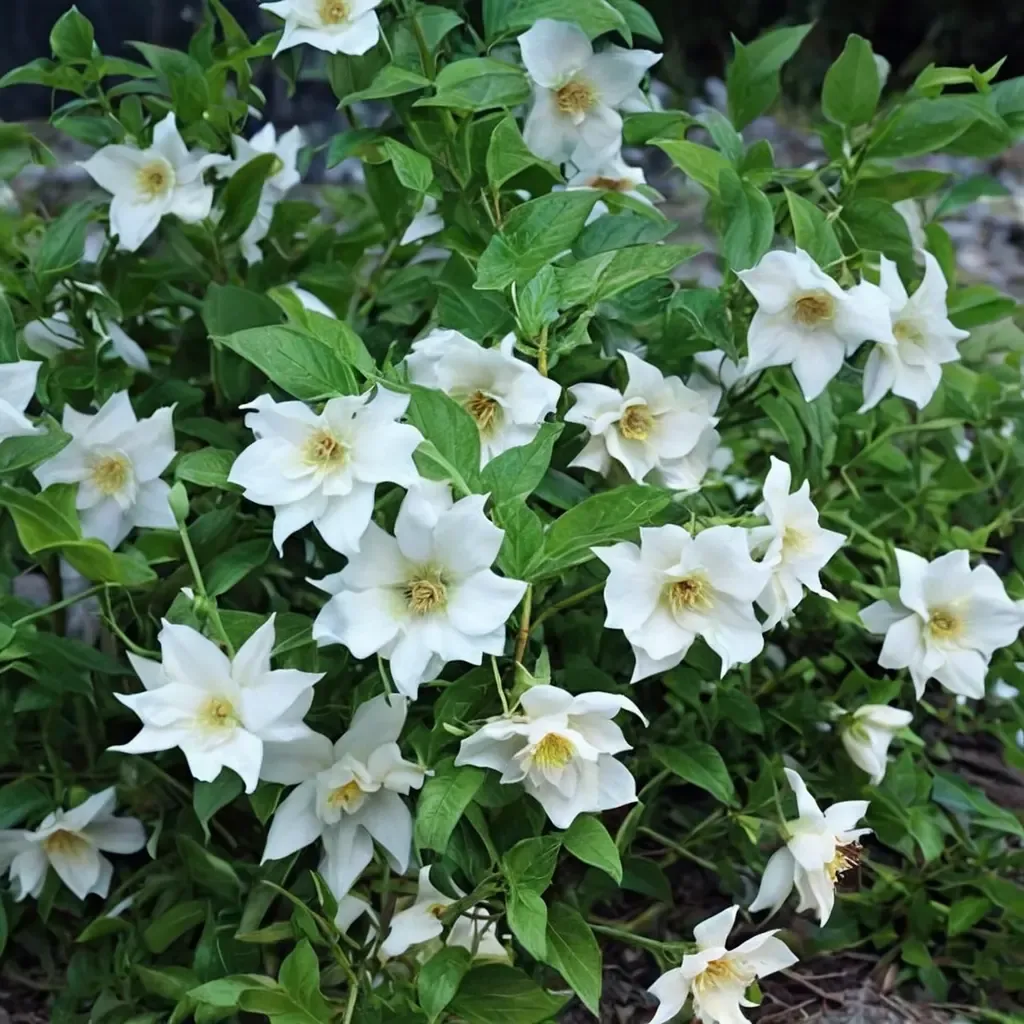
Belle Etoile Mockorange
Philadelphus x virginalis 'Belle Etoile'
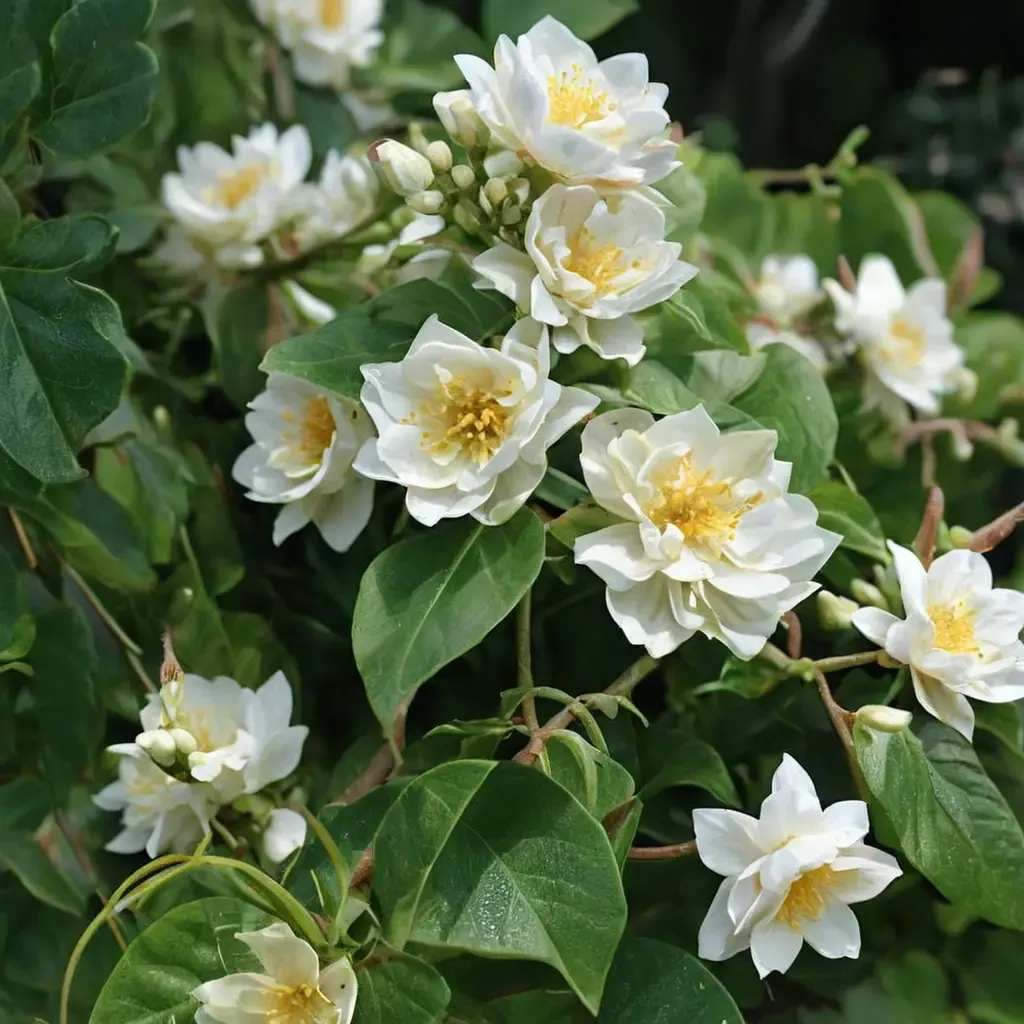
Double-Flowering Mexican Mock Orange
Philadelphus mexicanus 'Flore Plena'
Keep exploring
Explore the genus
Hardy in your zone?
Grow Littleleaf Mock-Orange with confidence
See it in a design of your actual yard, get zone-matched care reminders, and track it season by season in your garden journal.