5 saves
Cercocarpus
We track 5 varieties; the ones most used by real gardeners.
The 5 most-saved Cercocarpus varieties
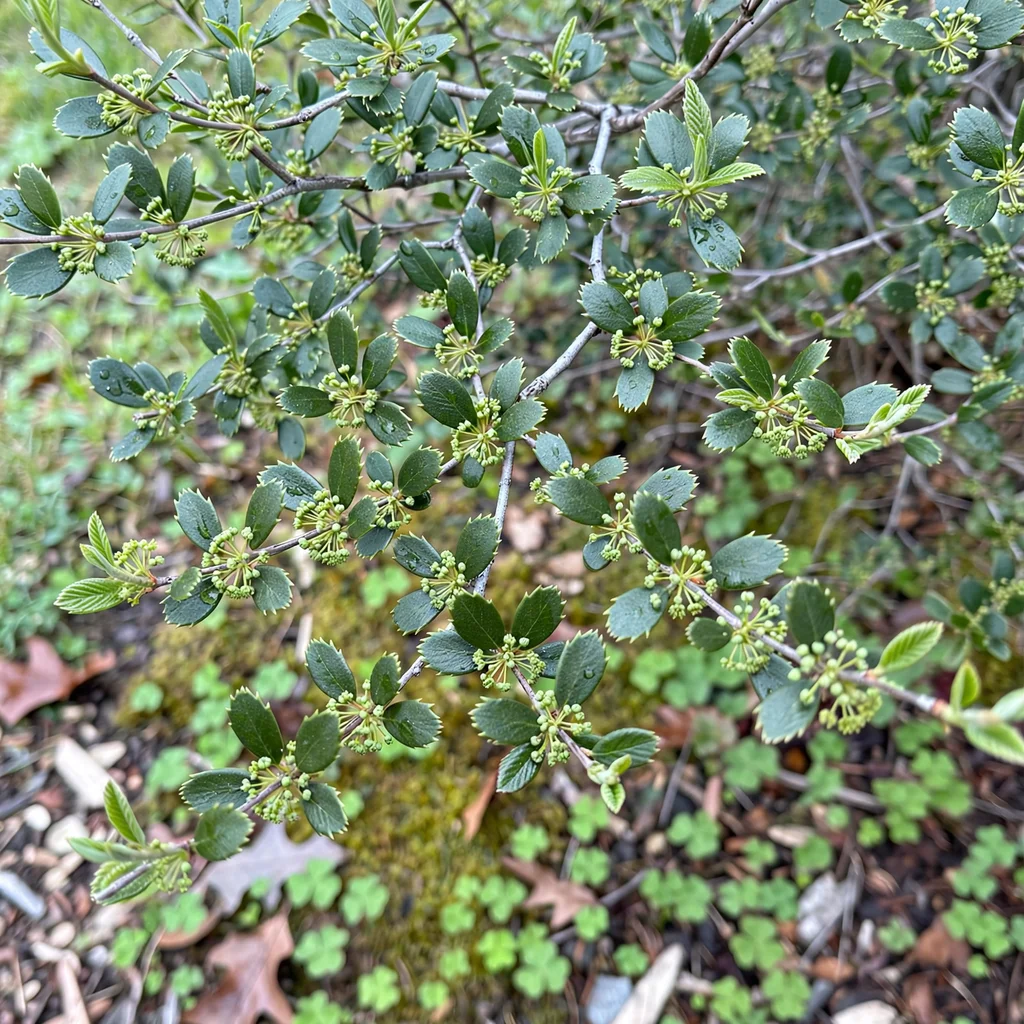
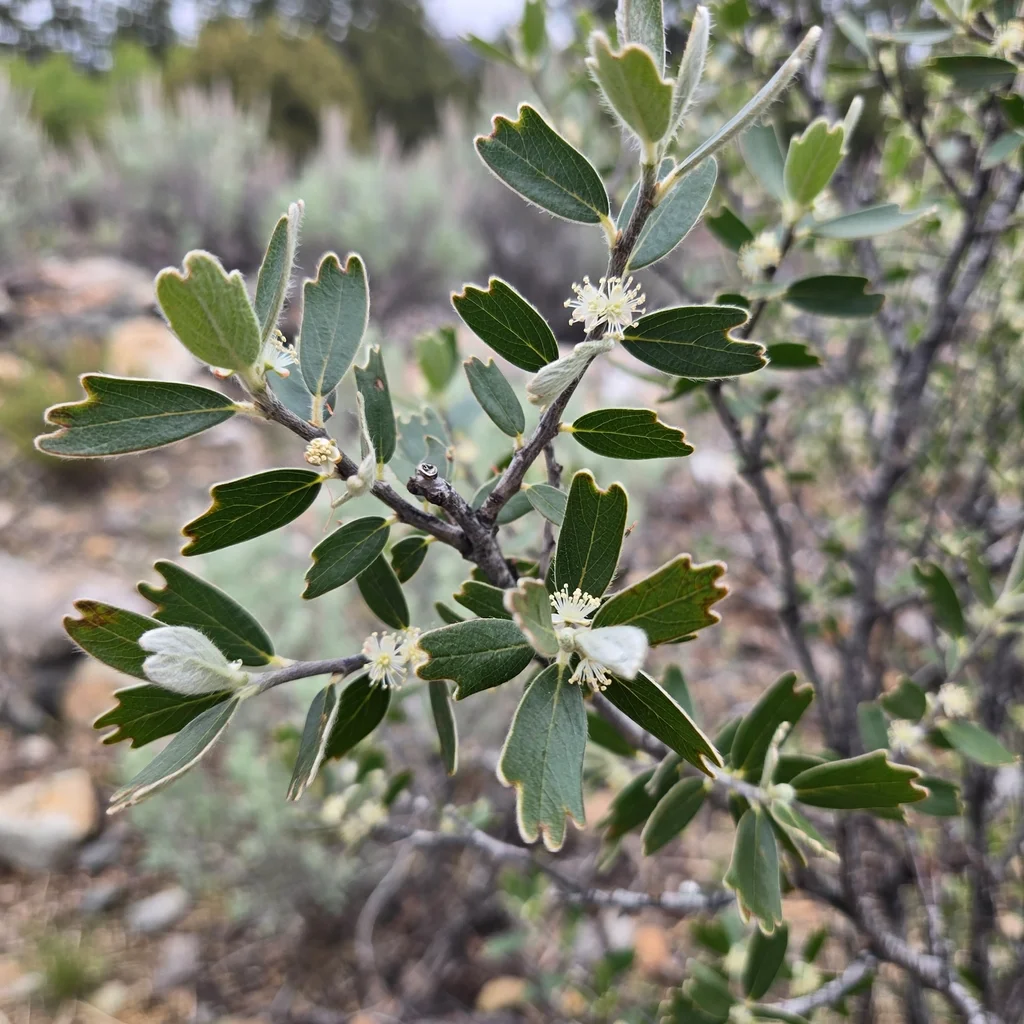
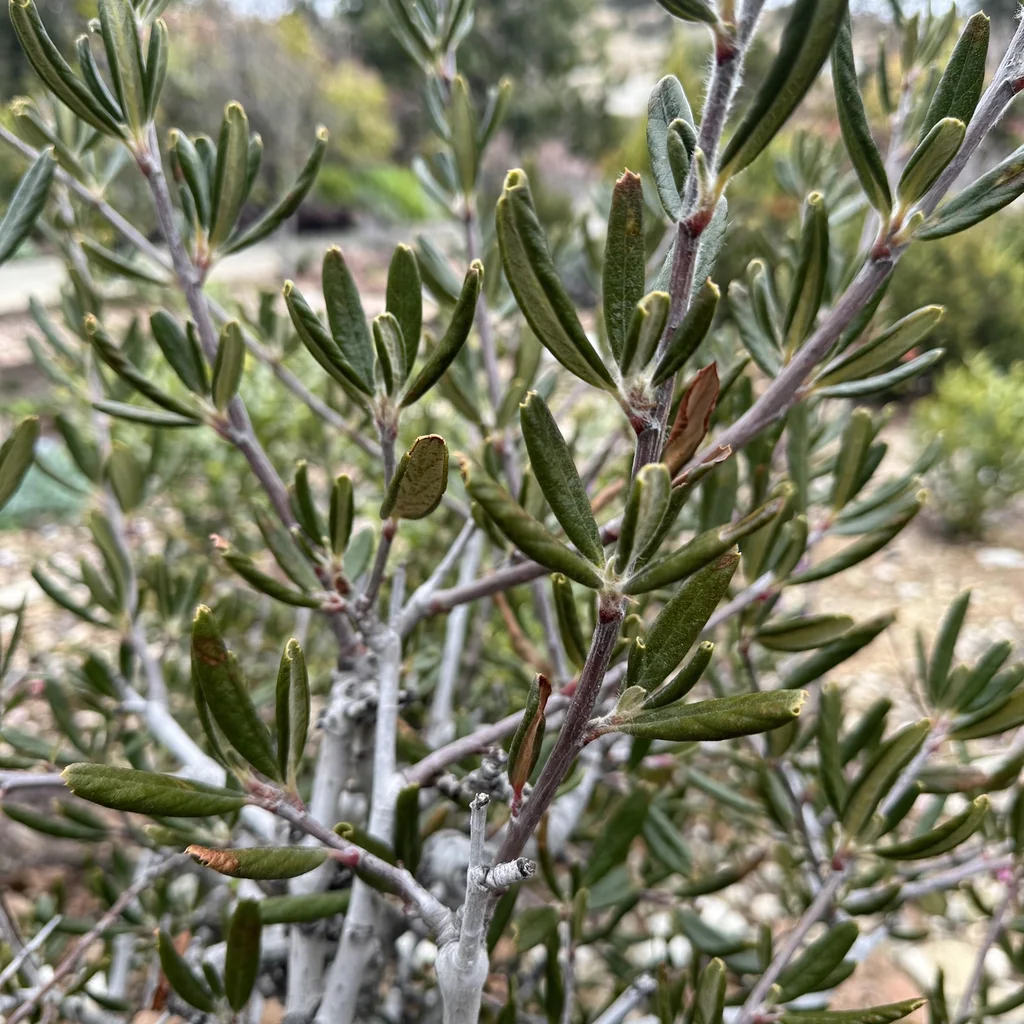
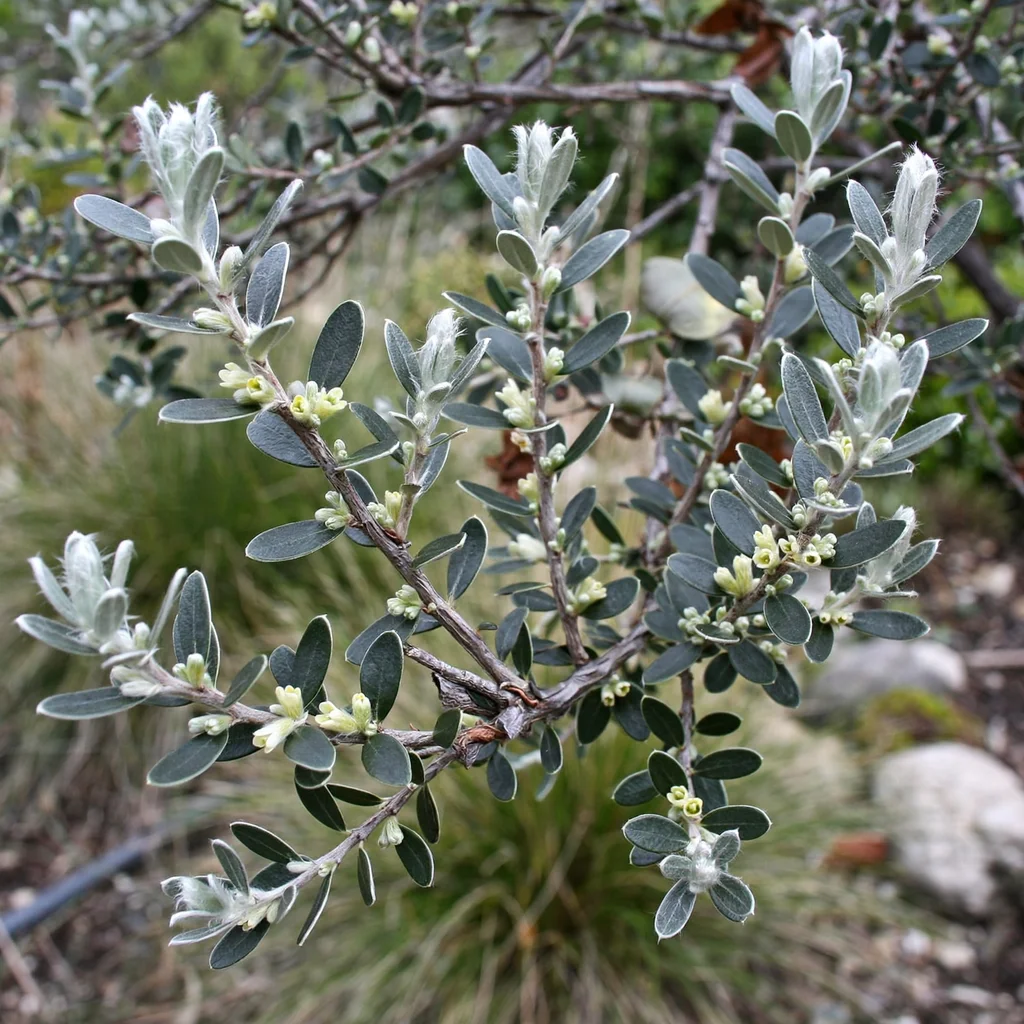
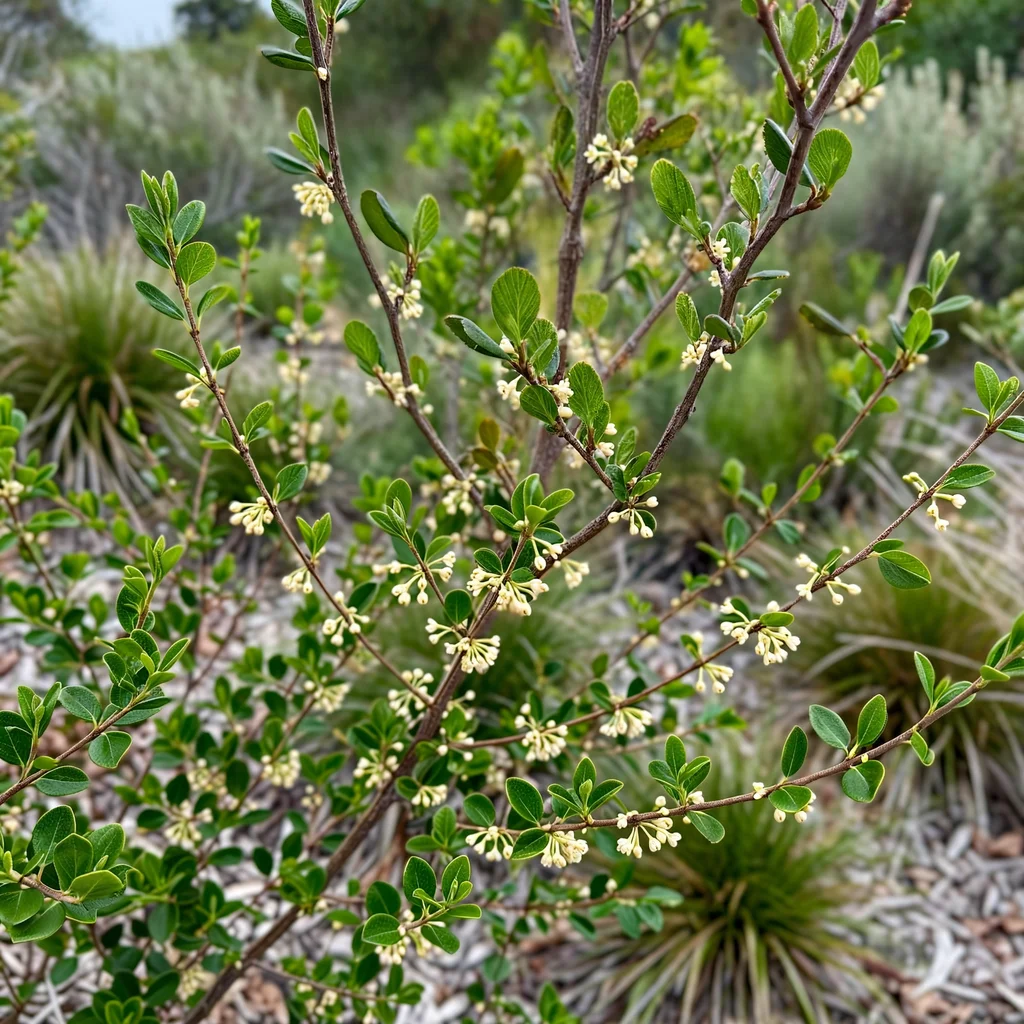
5 species of Cercocarpus
Each one is a parent of the varieties above.
Track your Cercocarpus in Sow
Save the Cercocarpus you grow and get care reminders timed to your zone.
How to grow Cercocarpus
Whats common across all Cercocarpus varieties in our catalog — drawn from the care records of the 5 most-grown of them.
The Cercocarpus year
- PlantMarch, April, October and November100% of varieties
Set out potted stock in fall so winter rain establishes roots before dry summer.
- Check for PestsMay–July100% of varieties
Check spring foliage for powdery mildew and leaf spot; improve air flow rather than spraying.
- MulchMarch and April80% of varieties
Apply thin gravel or leaf mulch kept clear of stems to keep the crown dry.
- PruneJuly and August80% of varieties
Lightly shape after seed tails fade; limb up lower stems if training as a small tree.


Do
- Provide sharp drainage and air flow around the crown.
- Water deeply but infrequently, no more than once or twice a month in summer once established.
- Use as evergreen hedge, bank cover, or bird garden structure.
- Give full sun and sharp drainage with air around the crown.
- Protect young plants from deer browsing with fencing.
Avoid
- Do not summer-water heavily or plant where water pools.
- Do not cut back into old leafless wood expecting fast regrowth.
- Do not buy or feed for flowers; foliage and seed plumes are the display.
- Do not overwater or plant in heavy wet soil.
What goes wrong with Cercocarpus
| Problem | What you'll see | What to do |
|---|---|---|
| Deer | Browsed shoot tips and stripped lower foliage, despite some deer-resistant listings. | Protect young plants with fencing; prune out ragged browse in summer after seed display. |
| Aphids | Clusters on weak or stressed shoots with sticky residue. | Usually minor; wash off with water and encourage predators, avoid excess water and fertilizer. |
| Rabbits | Chewing on bark and low shoots of young plants, including cottontail damage. | Guard stems until woody and tall enough to escape browsing. |
| Scale Insects | Small shell-like bumps along stems and reduced foliage vigor. | Prune out heavily infested branches or apply horticultural oil during winter dormancy. |
| Powdery mildew | White powder on leaves with occasional leaf spot during spring growth. | Space for air circulation and avoid overhead watering; rarely serious enough to spray. |
| Phytophthora root rot | Wilting and dieback in wet soil, especially with summer irrigation. | Ensure fast drainage, keep crown dry, and withhold summer water to once a month at most. |
| Root rot | Decline and dieback in wet or poorly drained soil. | Prevent with very well-drained rocky soil and no overwatering; do not replant in the same wet spot. |
Making more Cercocarpus
Seed
- Strip the feathery plume from ripe nutlets and soak seed 30 minutes.
- Cold-stratify 30 days at 41F in cool moist medium.
- Sow shallow in cool, very well-drained soil and keep barely moist.
- Grow on dry and plant out while young without disturbing roots.
Cercocarpus questions
How many types of Cercocarpus are there?
The Sow catalog tracks 5 distinct Cercocarpus varieties. The most popular — ranked by 5 real gardeners — are shown first above.
What zones does Cercocarpus grow in?
Across its varieties, Cercocarpus covers USDA Zones 4–10. Individual varieties differ — each plant page lists its exact range, and Sow filters the catalog to your zone automatically.
When does Cercocarpus bloom?
Most Cercocarpus varieties bloom from early spring to early summer. Mixing early and late varieties stretches the season from spring to summer.
Which Cercocarpus should I choose?
Start from the most-saved varieties above — popularity across thousands of gardens is a strong signal of reliability — then filter by your zone and sun. In the Sow app you can preview any of them in a photo of your actual yard before you buy.