The Story
Plant Bio
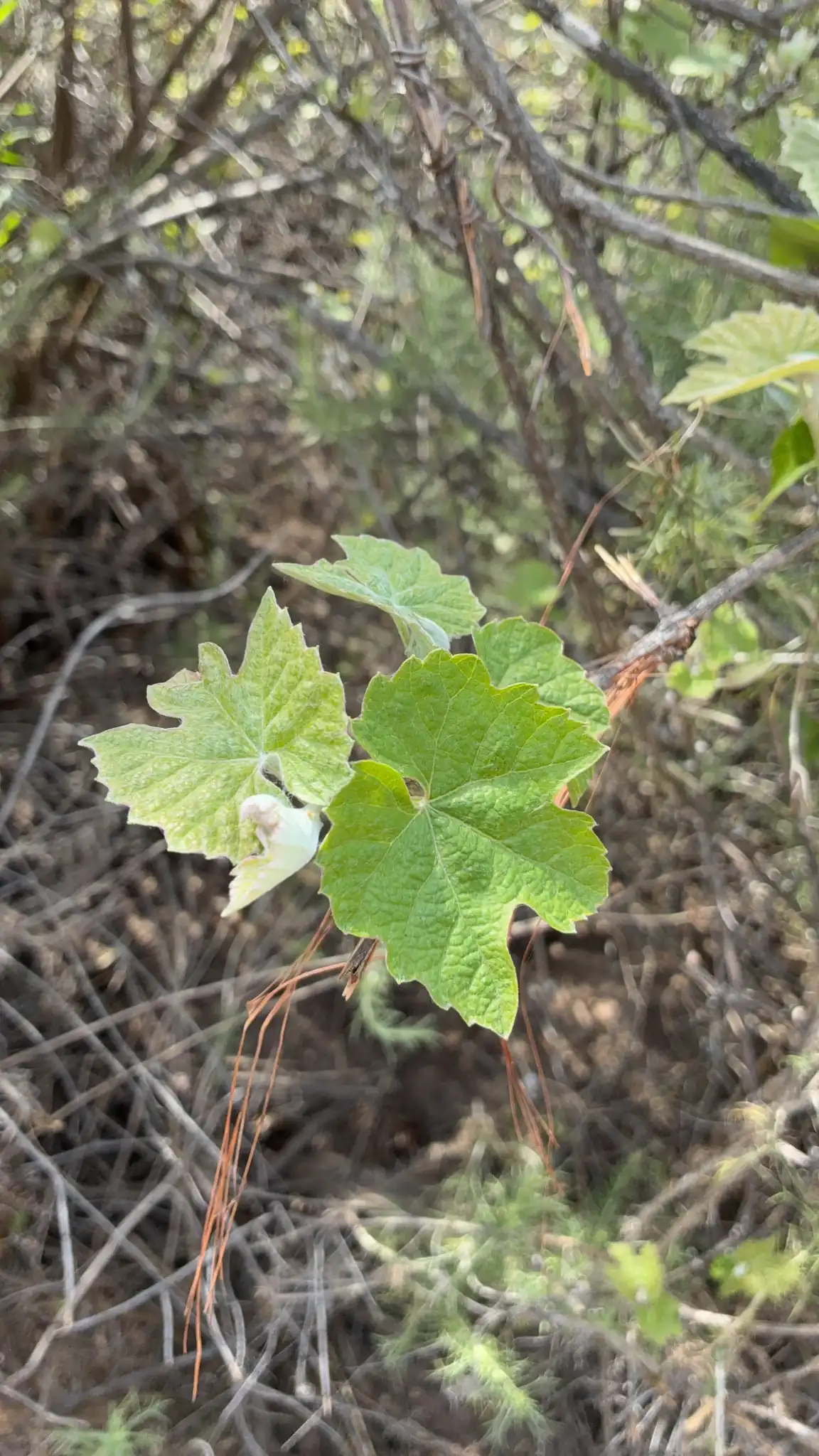
Vitis girdiana, known as the desert wild grape, is a vigorous deciduous climbing vine native to stream banks and canyon bottoms across Southern California and the desert Southwest. It scales structures via branched tendrils, developing shreddy reddish-brown bark and heart-shaped leaves covered in white down on their undersides.
This species exhibits remarkable salt tolerance and drought resistance compared to other wild grapes, allowing it to flourish in arid conditions near subsurface water. In spring, it produces fragrant greenish-yellow flower panicles that yield dark purple-to-black berries prized by local songbirds.
Uses & Benefits:
Essentials
At a Glance
Plant Type
Vine
Height
354"
Width
354"
Light
Full Sun, Partial Sun
Zones
7, 8, 9, 10
Water
Low to medium
Humidity
Low
Lifespan
Perennial
Native To
Southwestern United States, Mexico
Toxicity
Toxic to dogs
Bloom period
Spring – Early summer
In flower about 4 months of the year
Planting
How to Grow
- Select a planting site in full sun to partial shade near a sturdy trellis, arbor, or fence.
- Dig a hole twice as wide as the root ball and plant at the same depth as the nursery container.
- Water thoroughly at planting and supply initial irrigation until the root system establishes.
- Train young main stems onto supporting structures to guide early growth.
- Prune annually in winter while dormant to manage size and clear tangled growth.
Pro Tip
Do not misdiagnose the vine's natural winter dormancy as death; plants shed all foliage before pushing fast new growth in spring.
Keep It Thriving
Care Guide
Do
- Prune heavily every winter while the vine is fully leafless and dormant.
- Provide a strong trellis or support structure to carry the heavy mature weight.
- Ensure soil drains well to prevent root rot issues.
Don't
- Do not over-fertilize, as excess nutrients cause overly rank foliage at the expense of structure.
- Do not keep roots continuously waterlogged once the plant is established.
- Do not allow dogs access to fallen fruit, as grapes are toxic to canines.
Seasonal Care Calendar
| Task | Jan | Feb | Mar | Apr | May | Jun | Jul | Aug | Sep | Oct | Nov | Dec |
|---|---|---|---|---|---|---|---|---|---|---|---|---|
| Harvest | ||||||||||||
| Pest Check | ||||||||||||
| Prune | ||||||||||||
| Winter Prep |
Watch Out For
Pests & Diseases
Common Pests
Common Diseases
In the Garden
Landscape Uses & Companions
Landscape Uses
Multiply
Propagation Methods
Good to Know
Common Questions
Desert Wild Grape questions
What zones can Desert Wild Grape grow in?
Desert Wild Grape is hardy in USDA Zones 7–10: in that range it survives winter in the ground. Colder than Zone 7, grow it in a container you can move to shelter for the winter, or as an annual.
Is Desert Wild Grape deer resistant?
Not reliably. Deer may browse Desert Wild Grape, especially tender spring growth — plan on repellents or fencing where pressure is high.
When does Desert Wild Grape bloom?
Desert Wild Grape typically blooms from early spring to early summer. Exact timing shifts a week or two with your zone — Sow's bloom calendar maps it to your garden.
Does Desert Wild Grape need full sun?
Desert Wild Grape does best in full sun to part shade. In hot climates, afternoon shade keeps blooms fresher longer.
Is Desert Wild Grape drought tolerant?
Yes — once established (usually after the first full season), Desert Wild Grape handles dry spells with minimal watering. Water deeply its first year to build the root system that makes that possible.
More Vitis to compare
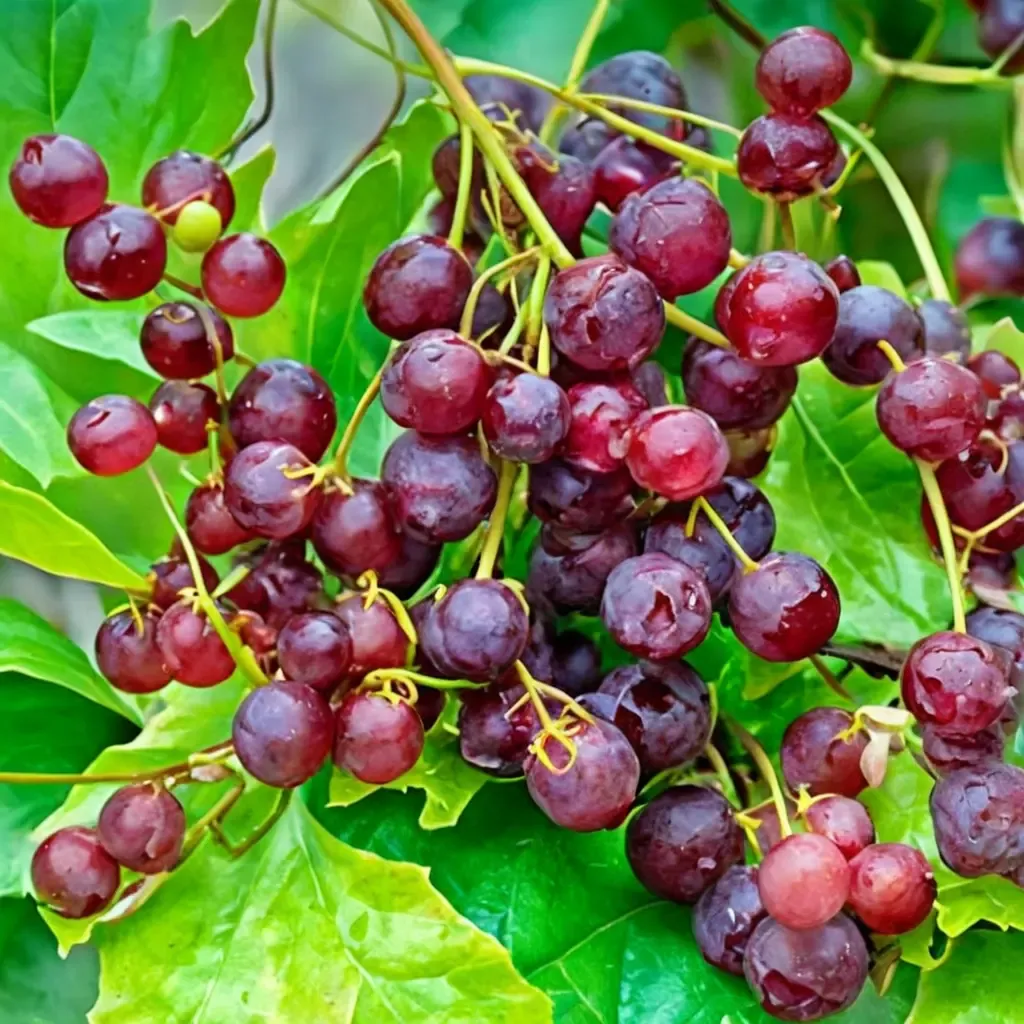
RazzMatazz Grape
Vitis vinifera 'RazzMatazz'
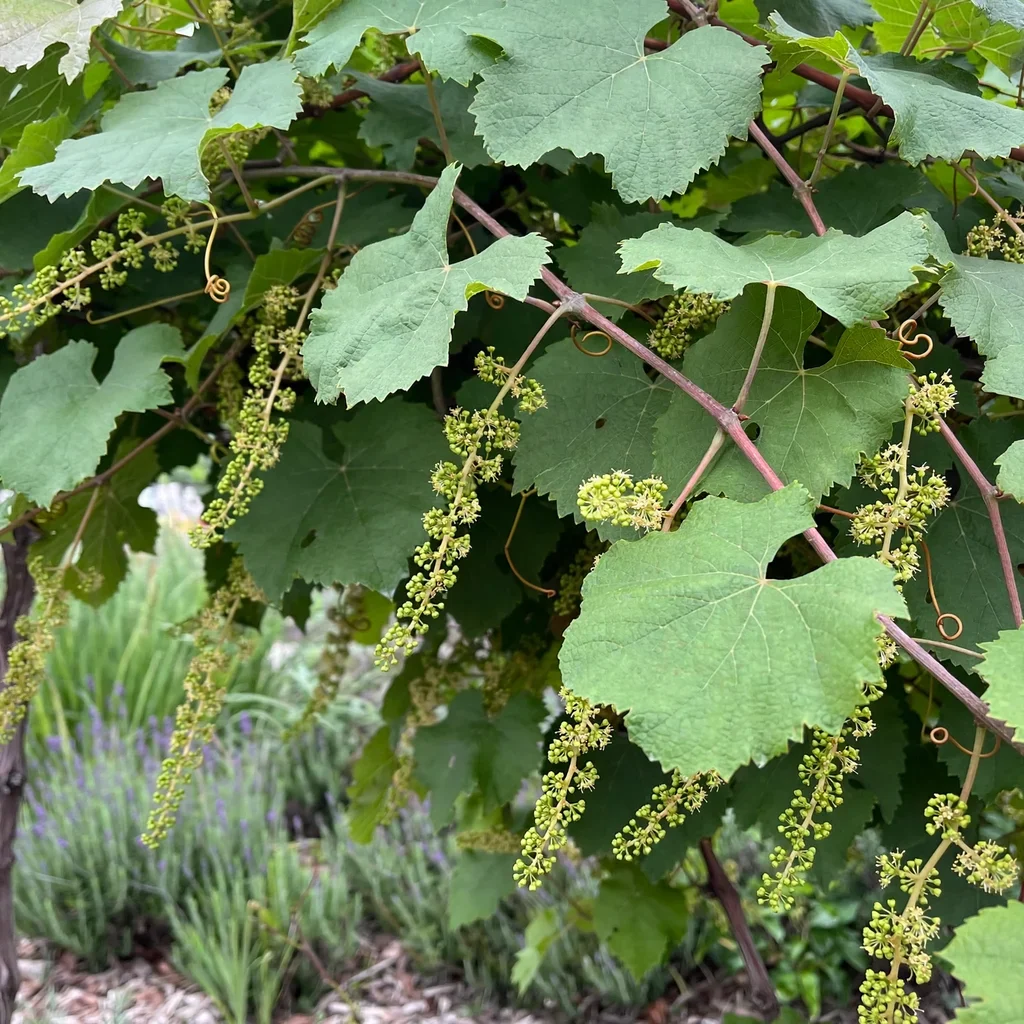
Roger's Red Grape
Vitis x californica 'Roger's Red'
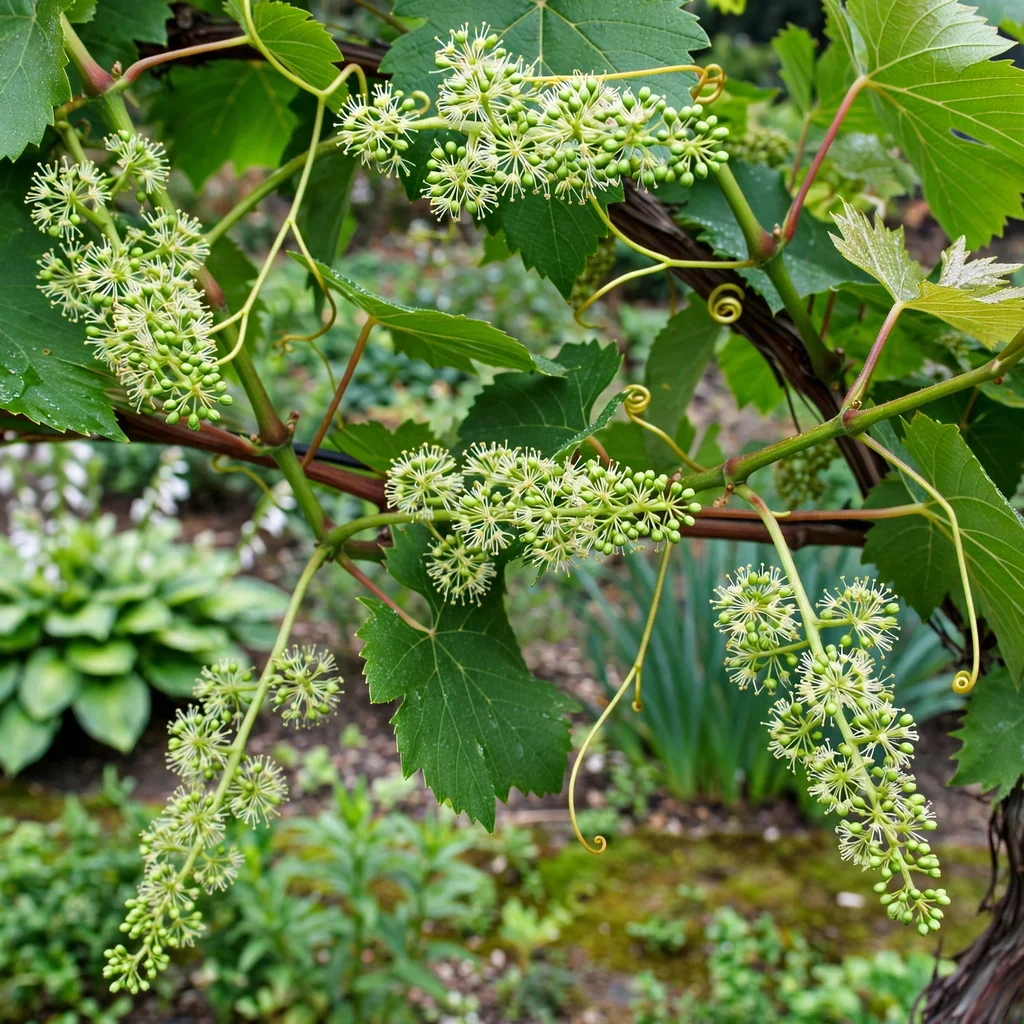
Cabernet Sauvignon Grape
Vitis vinifera 'Cabernet Sauvignon Tulip Blend'
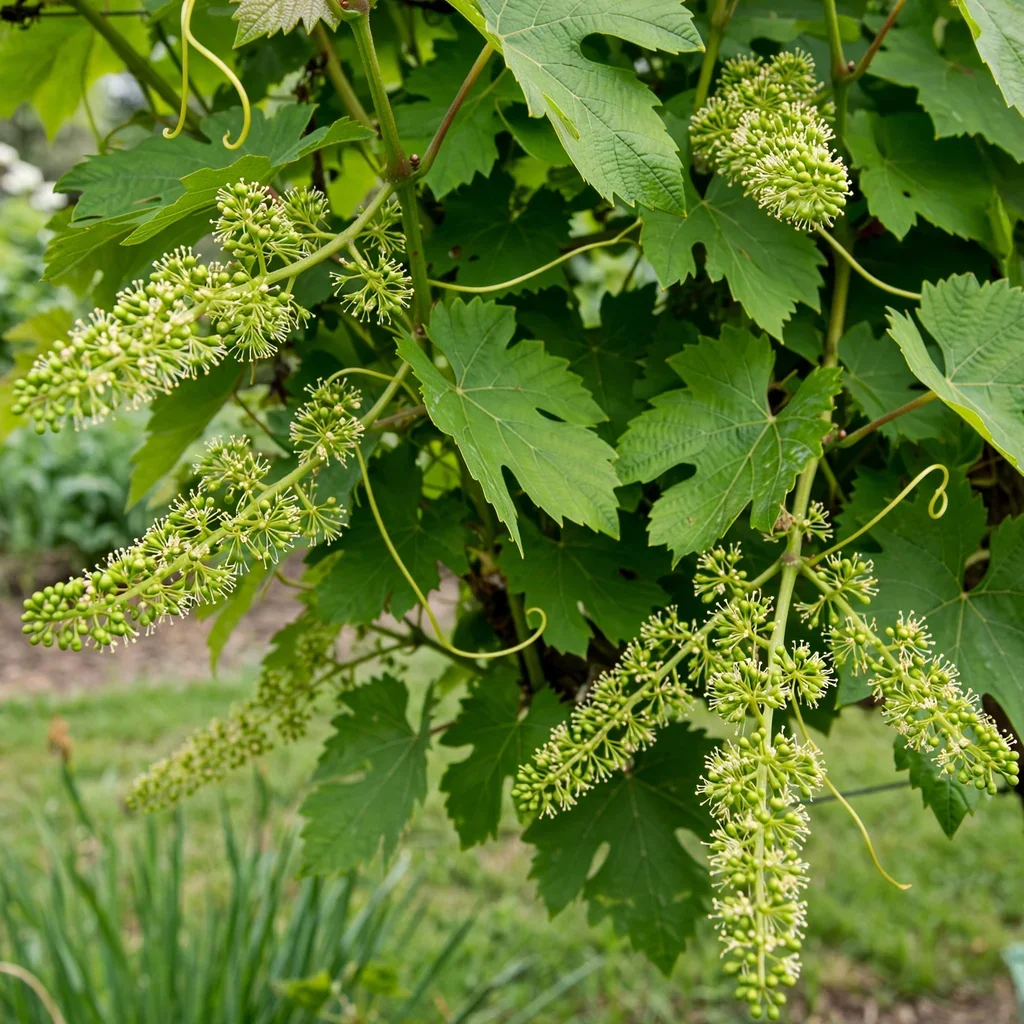
Thompson Seedless Grape
Vitis vinifera 'Thompson Seedless'
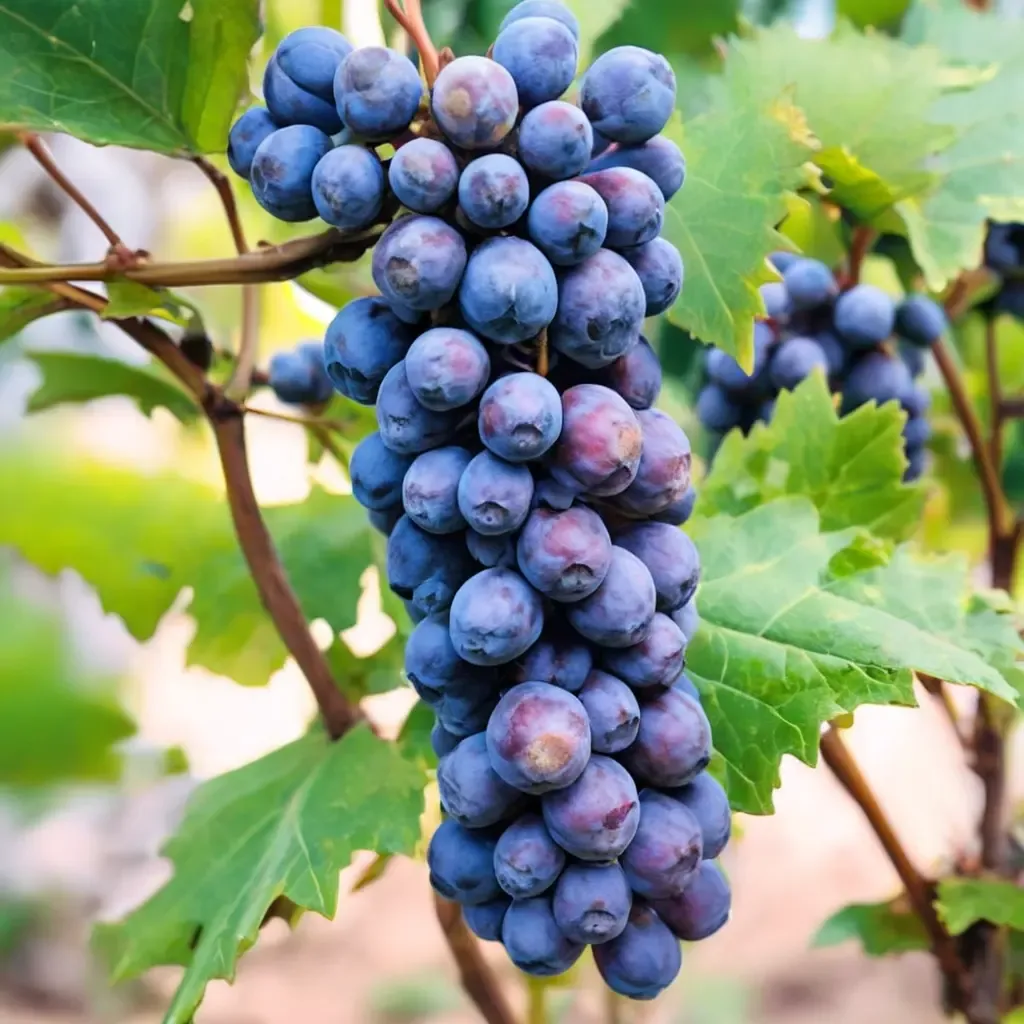
Blue Concord Seedless Grape
Vitis vinifera 'Blue Concord Seedless'
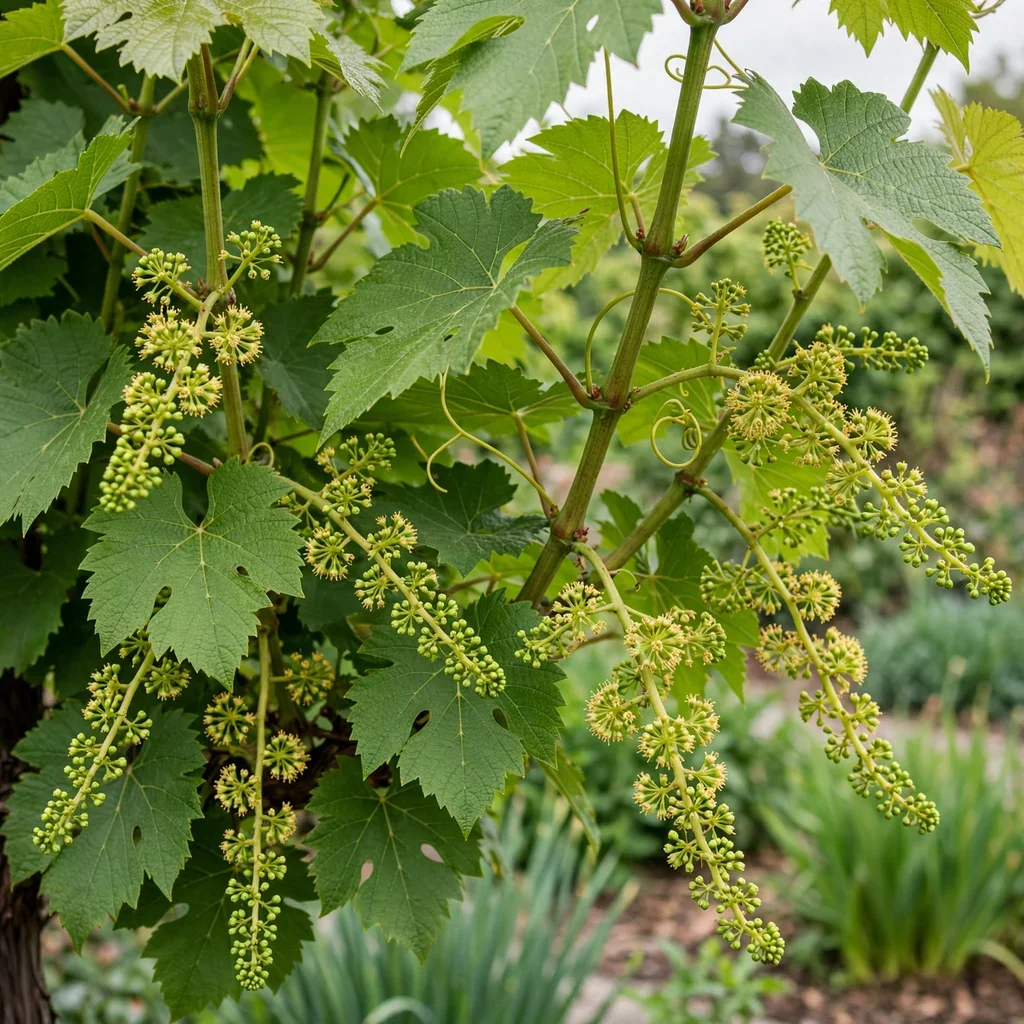
Emeryville Pink Grape
Vitis vinifera 'Emeryville Pink'
Keep exploring
Explore the genus
Hardy in your zone?
Grow Desert Wild Grape with confidence
See it in a design of your actual yard, get zone-matched care reminders, and track it season by season in your garden journal.