The Story
Plant Bio
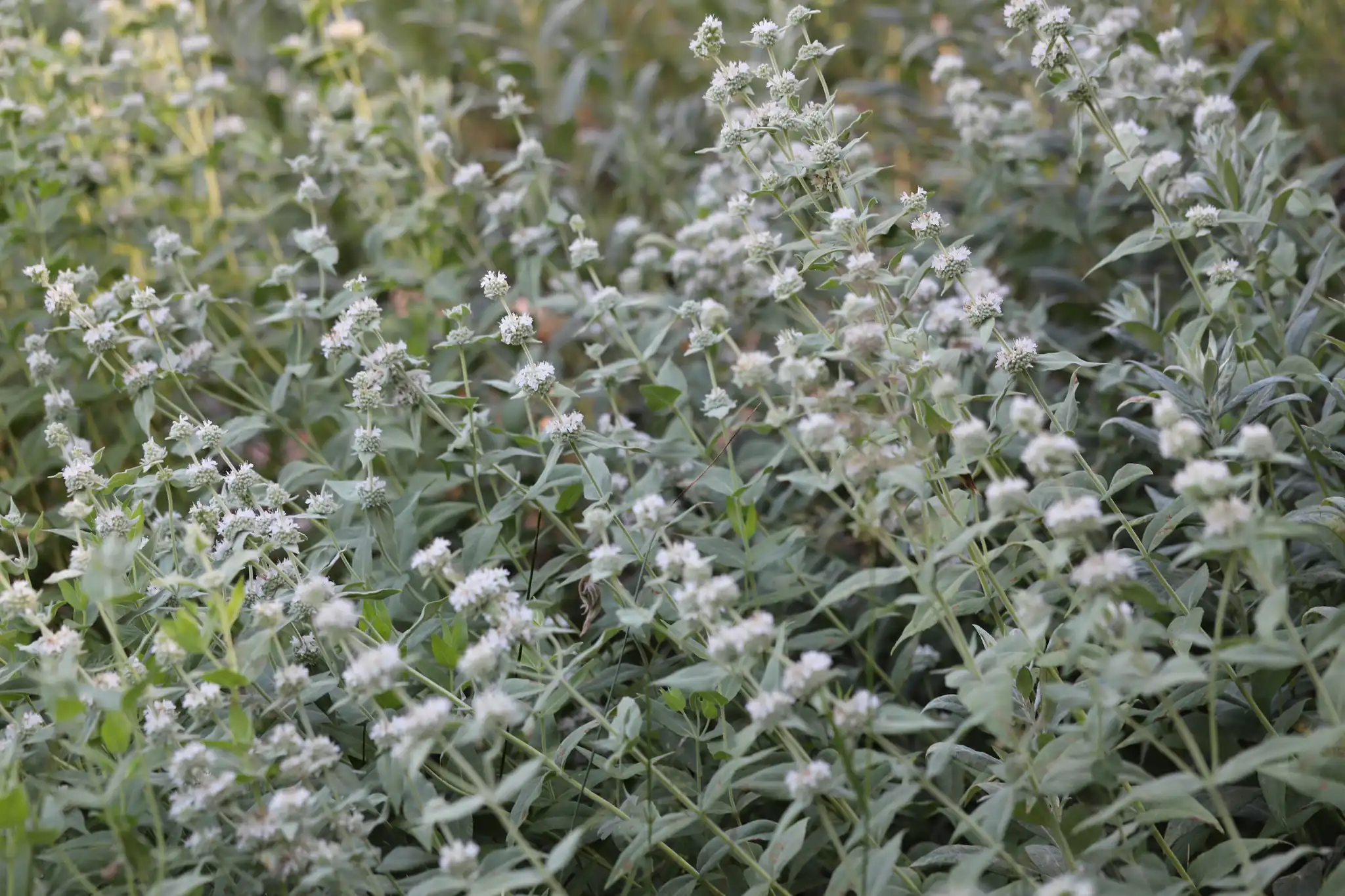
Pycnanthemum californicum is an erect aromatic perennial herb reaching two to three feet, with hairless to softly fuzzy stems and mint-scented leaves. Flowers form in dense headlike clusters in the upper leaf axils, white with a purplish spotted lower lip, opening summer into fall.
It is the only Pycnanthemum native to California, disjunct from nineteen eastern congeners and confined to montane chaparral and oak and yellow-pine woodland. Crushed foliage releases a strong mint odor that deer avoid, while the tight flower heads support native bees and butterflies.
Uses & Benefits:
Essentials
At a Glance
Plant Type
Perennial
Height
36"
Width
24"
Light
Full Sun, Partial Sun
Water
Moderate
Humidity
Unknown
Lifespan
Perennial
Native To
California, USA
Toxicity
Unknown
Bloom period
Summer – Fall
In flower about 6 months of the year
Planting
How to Grow
- Plant in full sun to part shade in well-drained sandy to loamy soil with pH 6.0 to 7.0.
- Set crowns at soil level in a site that stays moist but never waterlogged.
- Water moderately through summer, providing supplemental moisture in southern California.
- Allow room to spread and tolerate light foot traffic along path edges.
Pro Tip
Plant in sun to part shade in well-drained yet moisture-retentive loam and keep summer moisture in the south; waterlogged soil rots the crown and dry southern soil without summer water stalls growth.
Keep It Thriving
Care Guide
Do
- Keep soil evenly moist during summer heat.
- Mulch lightly to hold moisture without burying the crown.
- Cut back spent flower heads to keep clumps tidy.
Don't
- Do not plant in waterlogged soil or let crowns sit wet.
- Do not let southern plantings go completely dry in summer.
- Do not overwater into soggy soil to force faster growth.
Seasonal Care Calendar
| Task | Jan | Feb | Mar | Apr | May | Jun | Jul | Aug | Sep | Oct | Nov | Dec |
|---|---|---|---|---|---|---|---|---|---|---|---|---|
| Mulch | ||||||||||||
| Pest Check | ||||||||||||
| Plant | ||||||||||||
| Prune |
Watch Out For
Pests & Diseases
Common Pests
Common Diseases
In the Garden
Landscape Uses & Companions
Landscape Uses
Good to Know
Common Questions
Sierra Mint questions
Is Sierra Mint deer resistant?
Yes — Sierra Mint is rated deer-resistant. Deer typically pass it over, though extreme hunger can override any plant's defenses.
When does Sierra Mint bloom?
Sierra Mint typically blooms from summer to fall. Exact timing shifts a week or two with your zone — Sow's bloom calendar maps it to your garden.
Does Sierra Mint need full sun?
Sierra Mint does best in full sun to part shade. In hot climates, afternoon shade keeps blooms fresher longer.
Is Sierra Mint drought tolerant?
Yes — once established (usually after the first full season), Sierra Mint handles dry spells with minimal watering. Water deeply its first year to build the root system that makes that possible.
More Pycnanthemum to compare
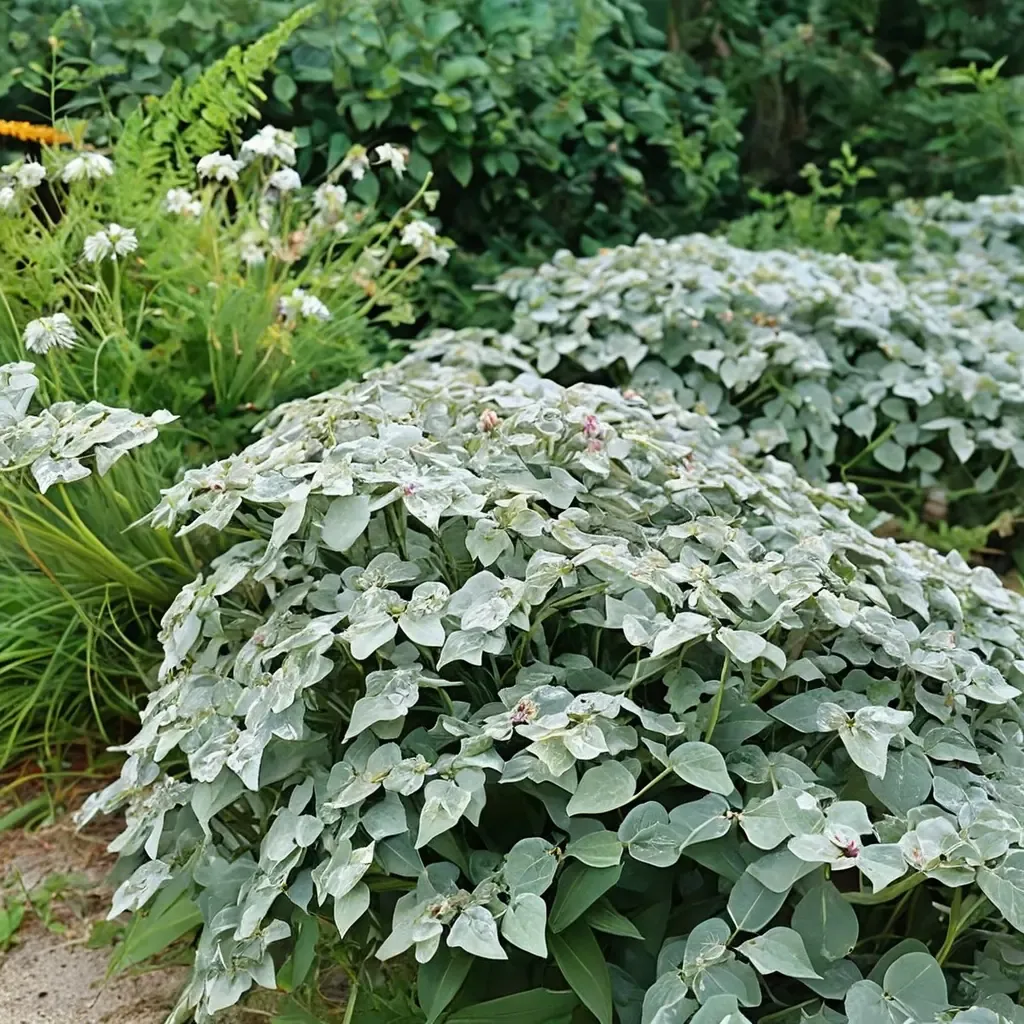
Clustered Mountain Mint
Pycnanthemum muticum
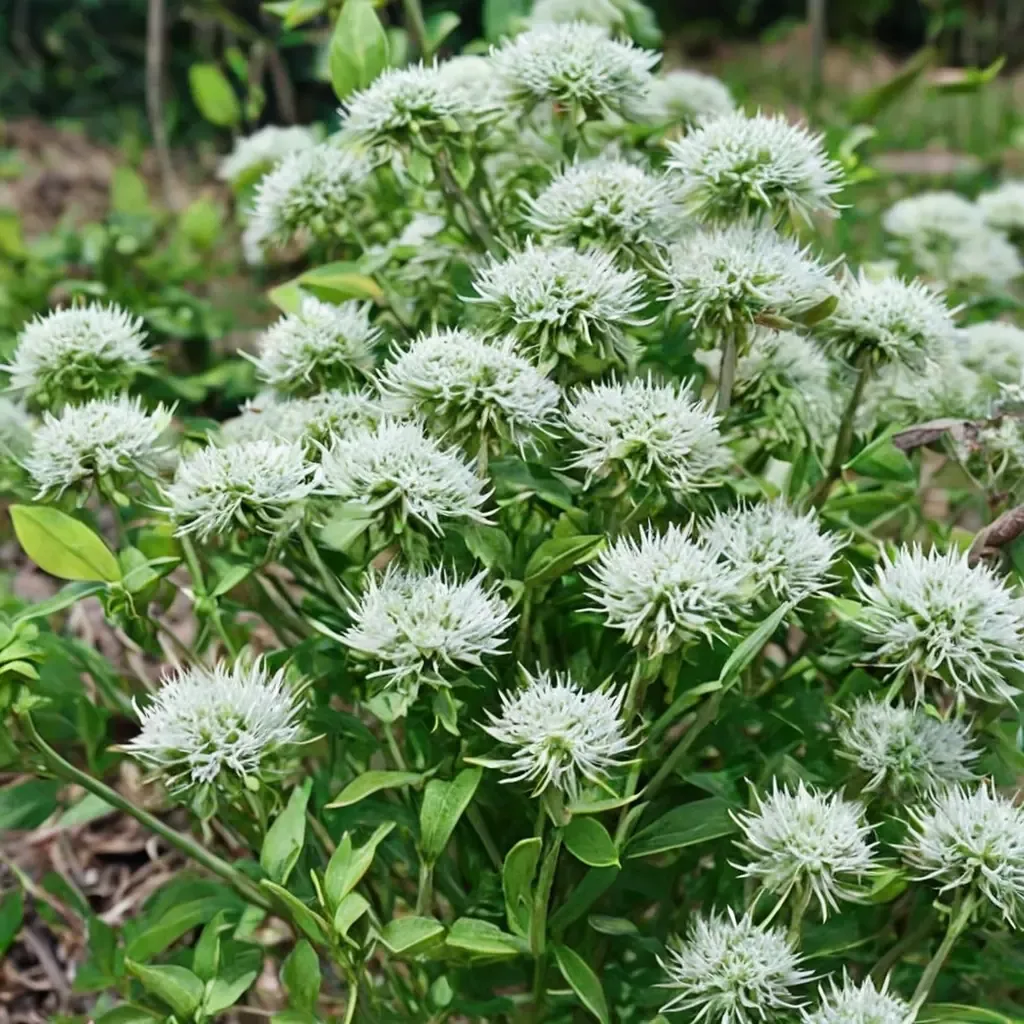
Appalachian Mountain Mint
Pycnanthemum flexuosum
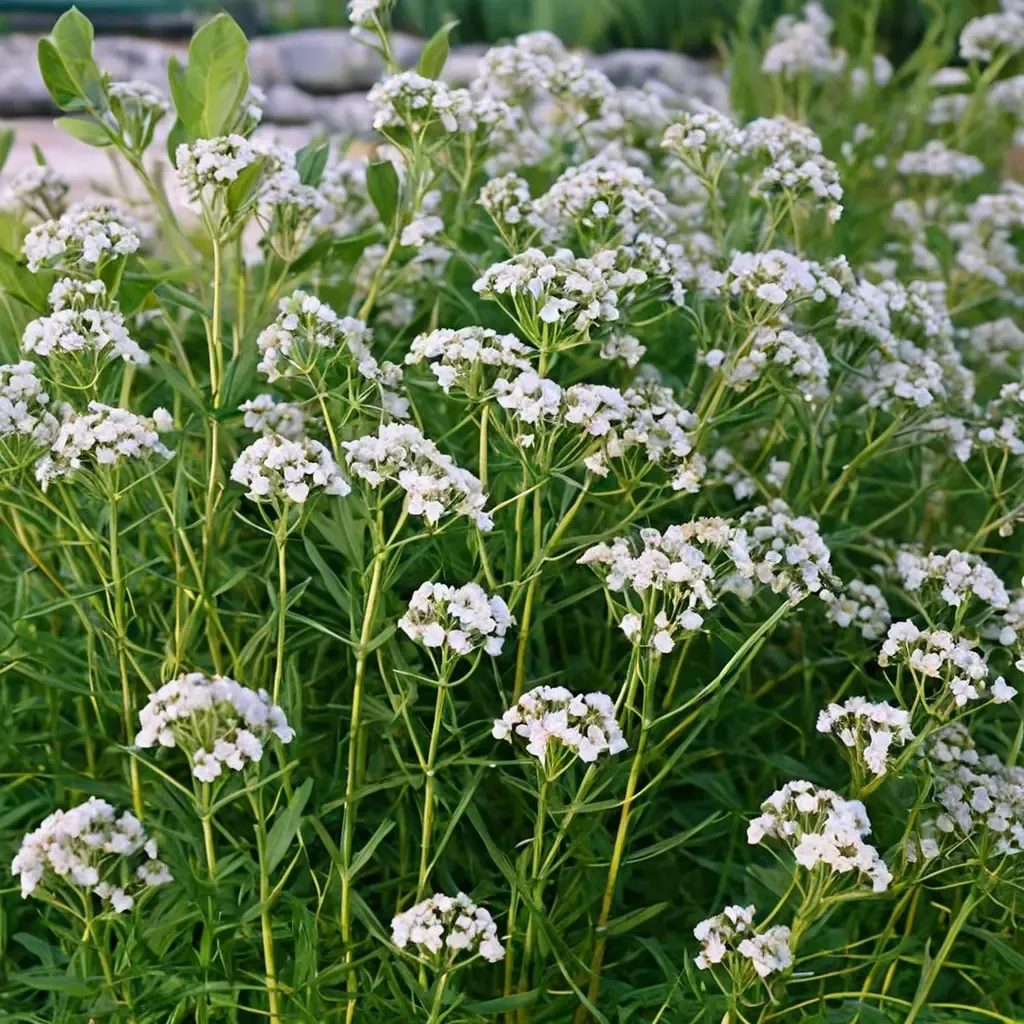
Virginia mountain mint
Pycnanthemum virginianum
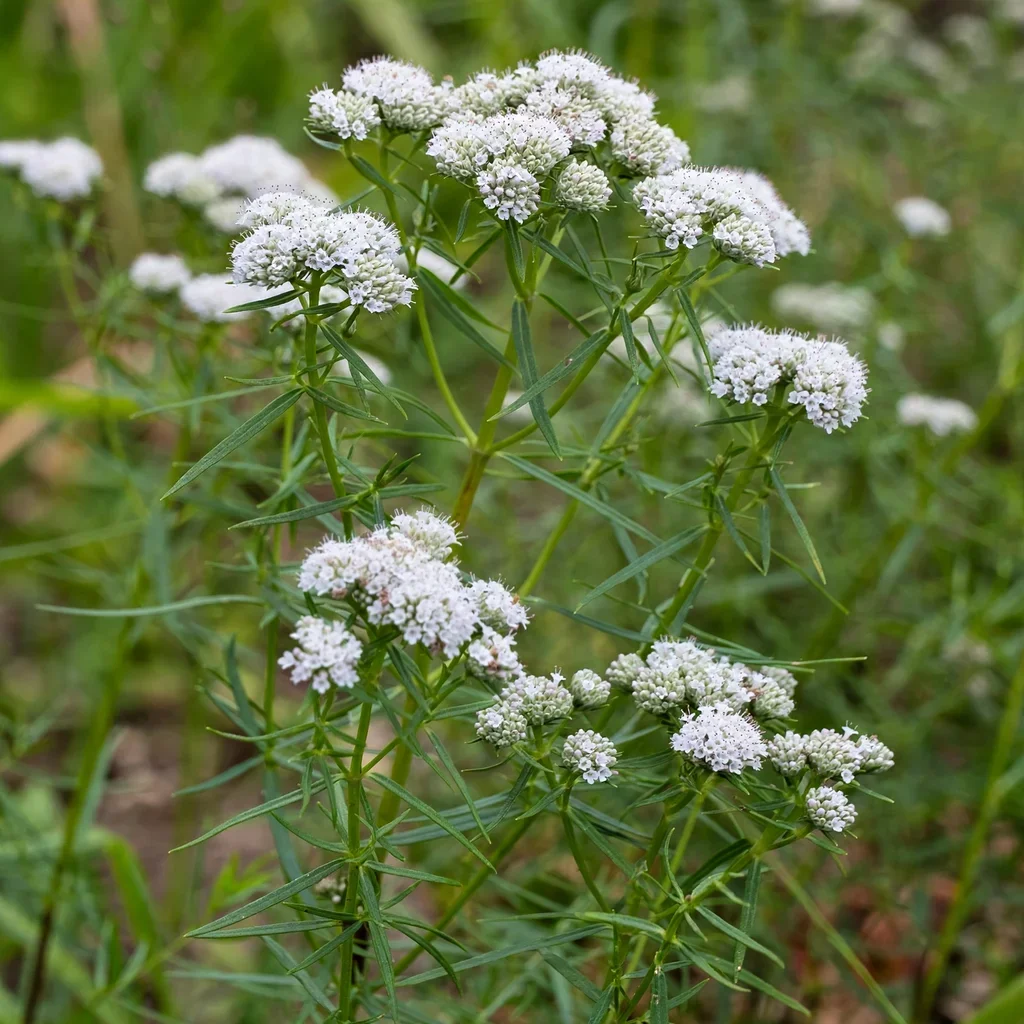
Thin-leaved Mountain Mint
Pycnanthemum tenuifolium
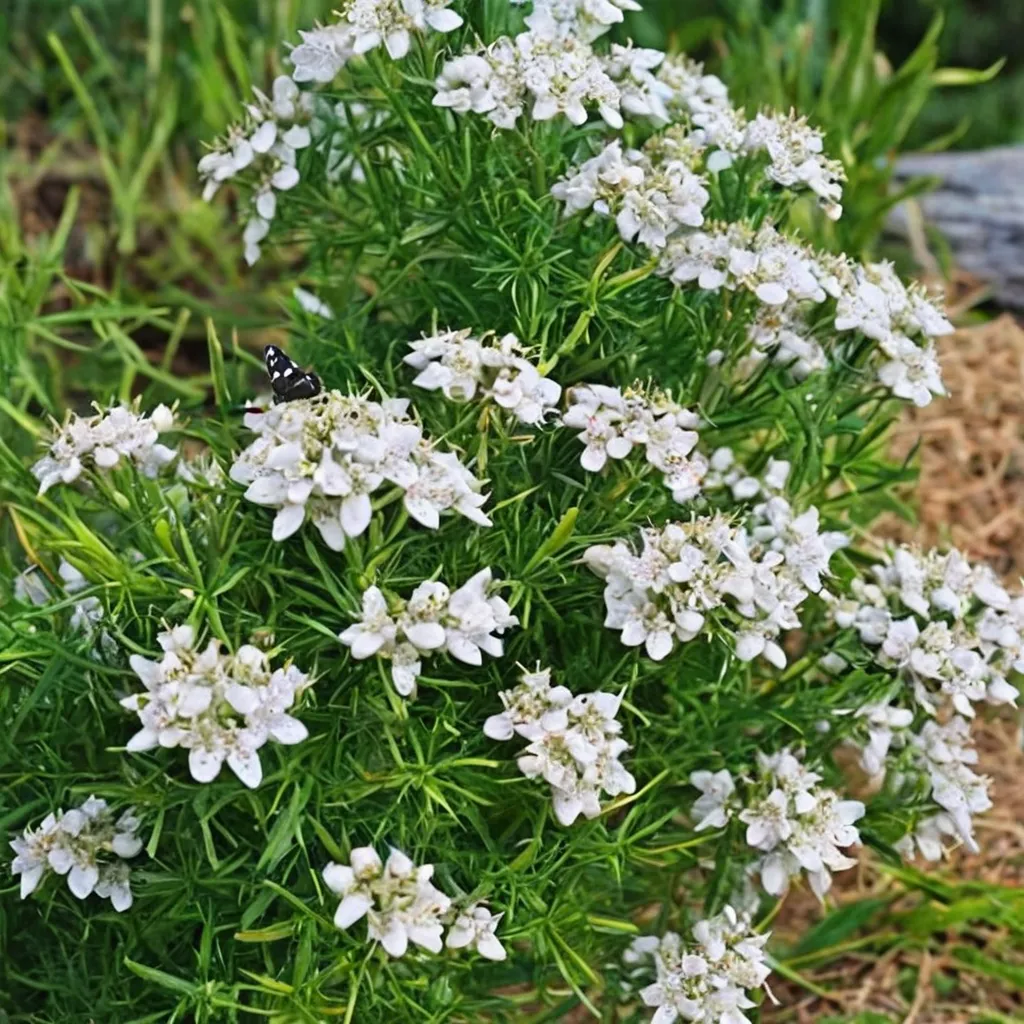
Narrowleaf Mountain Mint
Pycnanthemum tenuifolium 'Cat Springs'
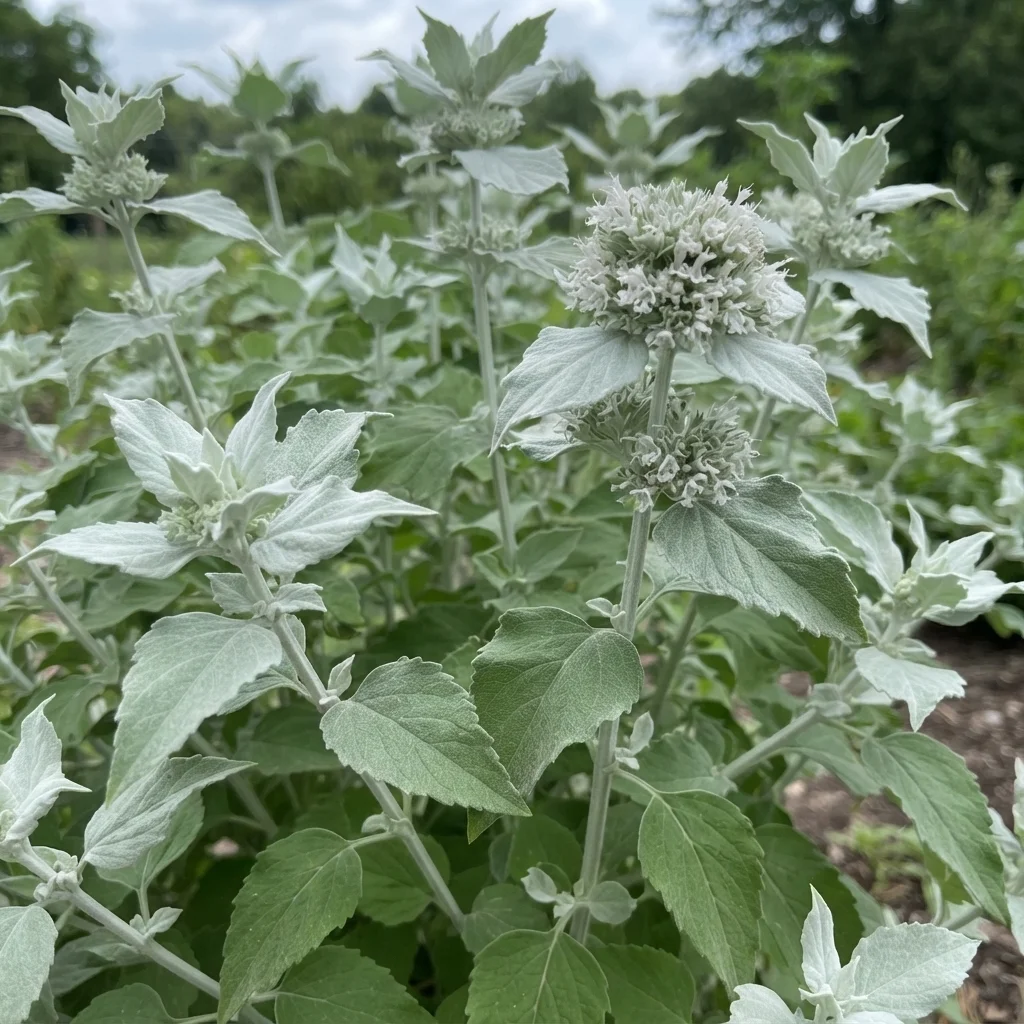
Hoary Mountainmint
Pycnanthemum incanum
Keep exploring
Explore the genus
Grow Sierra Mint with confidence
See it in a design of your actual yard, get zone-matched care reminders, and track it season by season in your garden journal.