The Story
Plant Bio
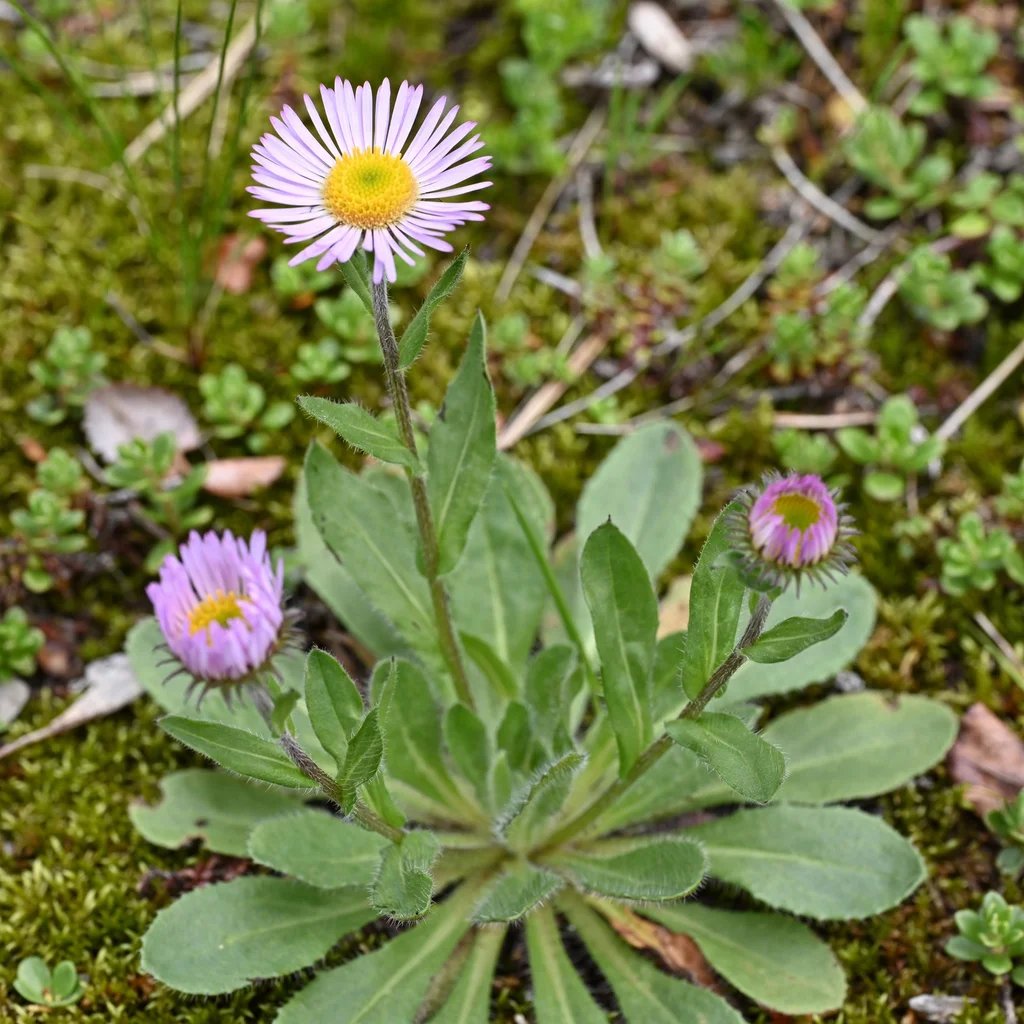
Erigeron peregrinus is a hairy-stemmed perennial from moist northwestern mountains, forming a basal rosette of toothed oval leaves with single or few stems to about two feet. Each stem carries one to a few daisy heads about an inch across, with narrow white to purple rays around a yellow disk.
True plants are northern, from Alaska to Oregon east to Alberta plus the Russian Far East, growing in wet meadows, stream banks, bogs and rocky slopes rather than dry rock-garden sites. Southern plants once sold under this name are now split out as Erigeron glacialis and need different handling, so northern-origin stock is the reliable match for cold, moist ground.
Uses & Benefits:
Essentials
At a Glance
Plant Type
Perennial
Height
28"
Width
10"
Light
Full Sun, Partial Sun
Zones
4, 5, 6, 7
Water
Medium to moist
Humidity
Unknown
Lifespan
Perennial
Native To
Northwestern North America
Toxicity
Unknown
Bloom period
Summer – Early fall
In flower about 4 months of the year
Planting
How to Grow
- Site in full sun to partial shade where the root zone stays cool.
- Plant in well-drained, moderately fertile sandy loam or rocky soil.
- Water to keep soil evenly moist, as in a stream-bank or wet meadow, without leaving it waterlogged.
- Leave basal rosettes intact over winter for cold hardiness to Zone 3a.
Pro Tip
Source northern-origin stock and site it moist and cool; dry rock-garden regimes written for the southern segregate Erigeron glacialis do not apply here.
Keep It Thriving
Care Guide
Do
- Keep soil evenly moist through summer bloom.
- Give full sun in cool mountains, partial shade where summers are warmer.
- Verify northern provenance when buying to avoid mislabeled southern stock.
Don't
- Don't let plants dry out in summer heat; this is not a drought-adapted fleabane.
- Don't use dryland rock-garden care intended for Erigeron glacialis.
- Don't plant in heavy, compacted clay that stays saturated in winter.
Seasonal Care Calendar
| Task | Jan | Feb | Mar | Apr | May | Jun | Jul | Aug | Sep | Oct | Nov | Dec |
|---|---|---|---|---|---|---|---|---|---|---|---|---|
| Deadhead | ||||||||||||
| Mulch | ||||||||||||
| Pest Check | ||||||||||||
| Plant | ||||||||||||
| Winter Prep |
Watch Out For
Pests & Diseases
Common Pests
Common Diseases
In the Garden
Landscape Uses & Companions
Landscape Uses
Multiply
Propagation Methods
Good to Know
Common Questions
Subalpine Fleabane questions
What zones can Subalpine Fleabane grow in?
Subalpine Fleabane is hardy in USDA Zones 4–7: in that range it survives winter in the ground. Warmer than Zone 7, winter isn't the problem: it prefers colder winters, and summer heat can shorten its life.
When does Subalpine Fleabane bloom?
Subalpine Fleabane typically blooms from early summer to early fall. Exact timing shifts a week or two with your zone — Sow's bloom calendar maps it to your garden.
Does Subalpine Fleabane need full sun?
Subalpine Fleabane does best in full sun to part shade. In hot climates, afternoon shade keeps blooms fresher longer.
More Erigeron to compare
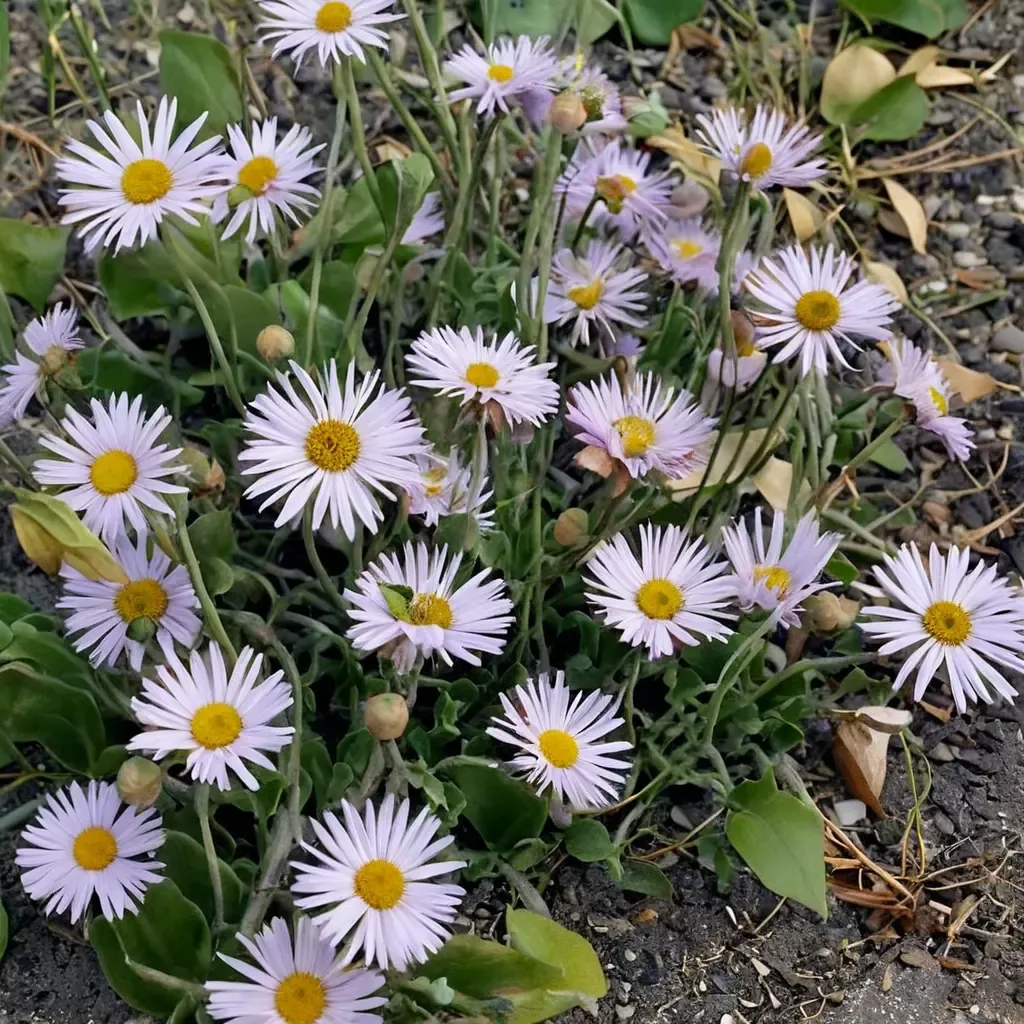
Robin's Plantain 'Meadow Muffin'
Erigeron pulchellus 'Meadow Muffin'
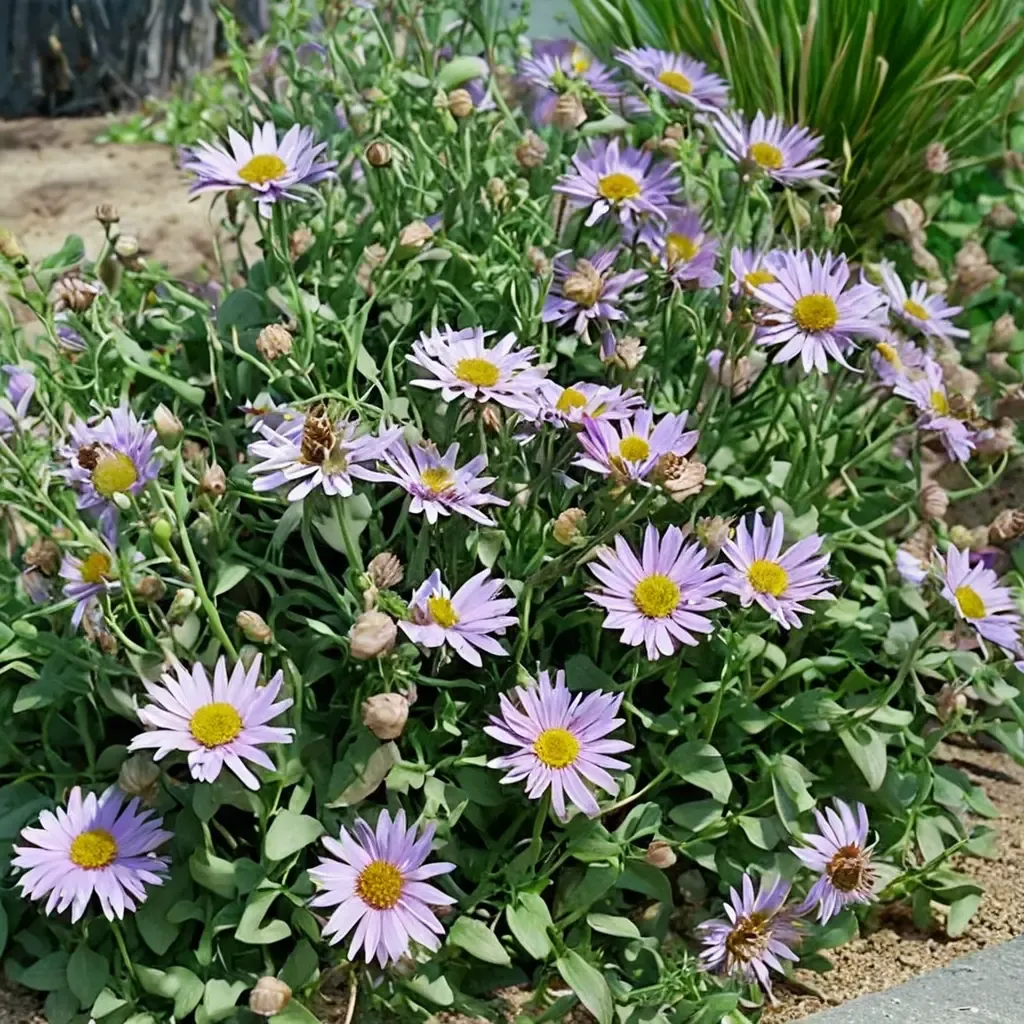
Wayne Roderick fleabane
Erigeron glaucus 'Wayne Roderick'
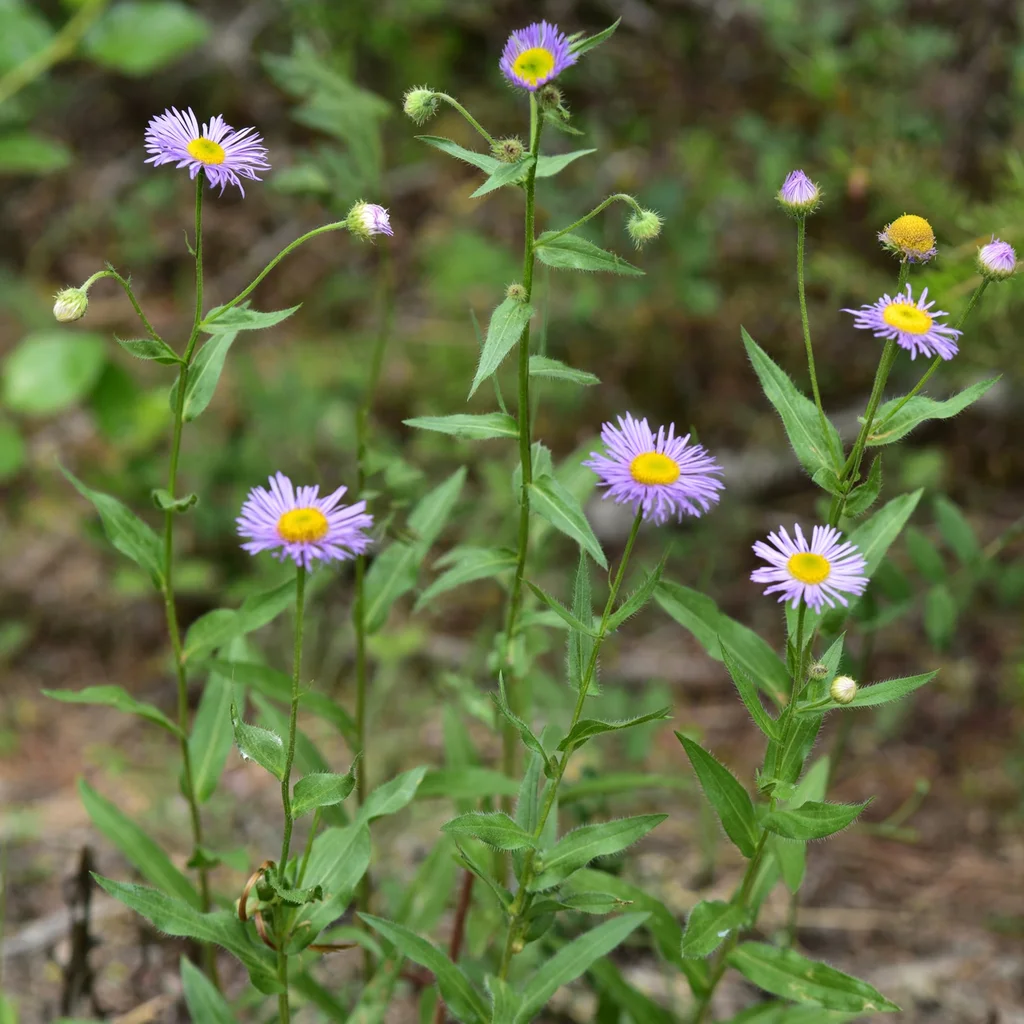
Aspen Fleabane
Erigeron speciosus
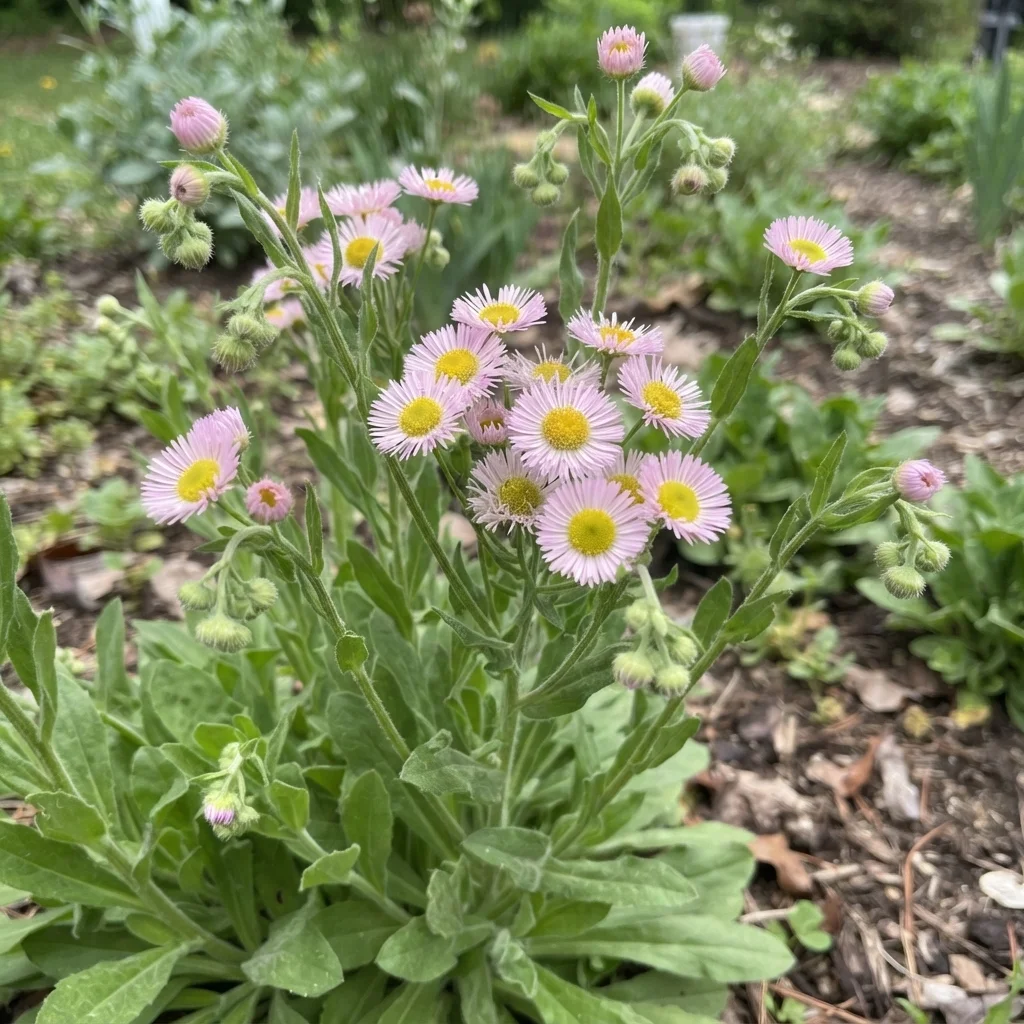
Philadelphia Fleabane
Erigeron philadelphicus
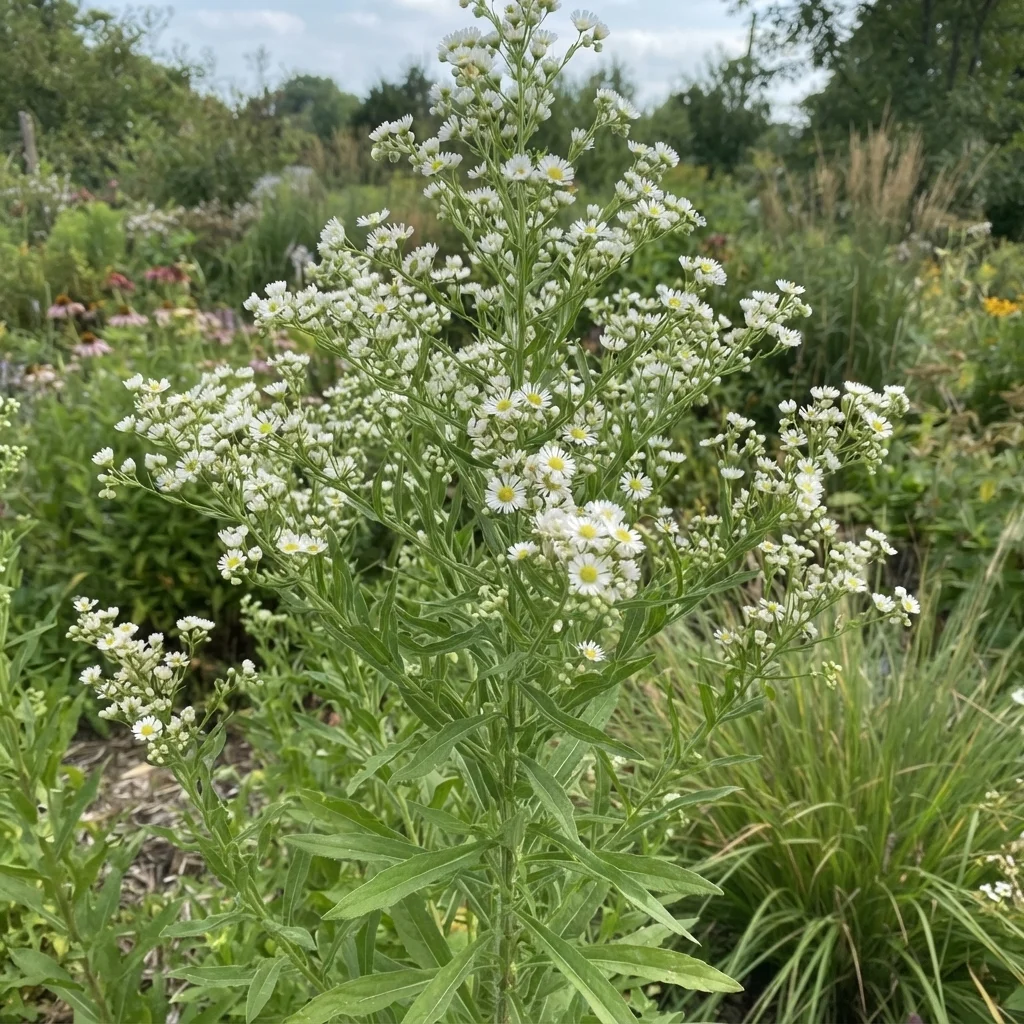
Horseweed
Erigeron canadensis
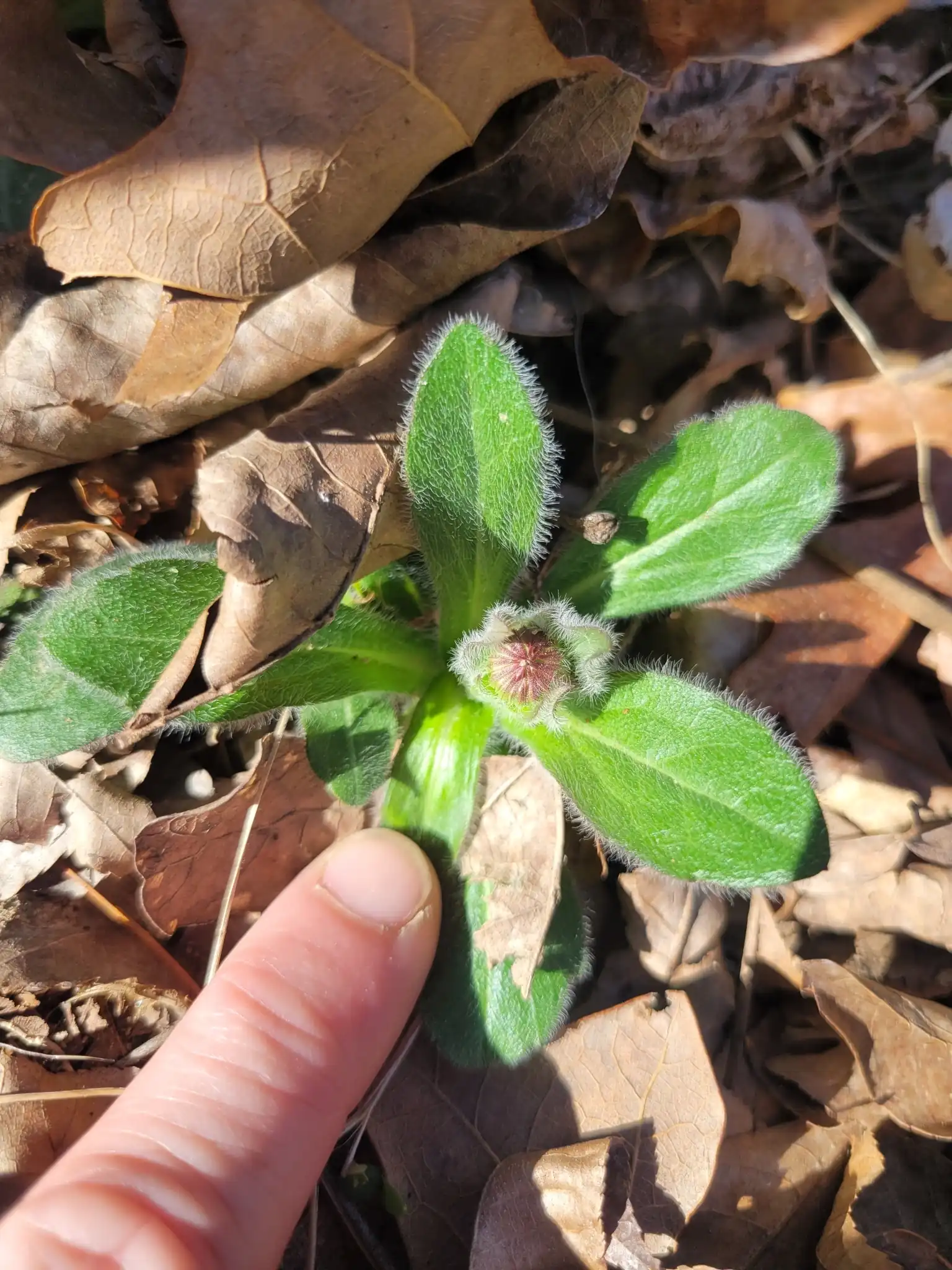
Robin's Plantain
Erigeron pulchellus
Keep exploring
Explore the genus
Hardy in your zone?
Grow Subalpine Fleabane with confidence
See it in a design of your actual yard, get zone-matched care reminders, and track it season by season in your garden journal.